Most Japan itineraries stop at Hiroshima. The Tokyo–Okinawa leg is the one that changes what the trip is, because it is the only stretch where you leave the temperate country entirely — a three-hour flight into a subtropical archipelago with its own climate, its own food and its own ferry timetables.
This guide covers that leg: how to reach it, which month to pick, and a three-night itinerary on the main island with a Kerama day trip. The parts that decide whether it works are the boring ones — the ferry ticket rules, the quay you leave from, the rainy-season dates — so those are here with their sources.
This article follows one leg south. The Japan's Forest & Nature Wellness Guide gathers Japan's forests, coastlines and the practice of quiet into a single, connected reading.
Japan Travel Routes: Where the Tokyo–Okinawa Leg Fits
Okinawa sits about 1,550 km from Tokyo. It is not a detour from the Golden Route; it is a separate country of a place that happens to share a passport with it, and it is worth treating as its own block of days rather than an add-on.
Tokyo to Okinawa: Flights, the Monorail, and the 15 Minutes That Isn't
Direct flights run all day from both Haneda and Narita to Naha, and the flight takes about three hours — long enough that it is a travel day rather than a hop, and short enough that an afternoon arrival still leaves you an evening. From the airport, the Yui Rail monorail is attached to the domestic terminal, so the transfer is indoors.
Here is the correction that matters, because the wrong version is everywhere. The monorail does not put you at Shuri in fifteen minutes. According to Okinawa's official tourism site, the line runs 19 stations and takes about forty minutes end to end, from Naha Airport to Tedako-Uranishi. The fifteen minutes people quote is the walk from Shuri station to Shurijō Park at the other end.
What the same source gives you instead is genuinely useful. Kenchō-mae station is two minutes' walk from the western entrance of Kokusai-dōri. Miebashi station is ten minutes' walk from Tomarin — the terminal building for the Kerama ferries, which is the single most important connection in this itinerary. Asahibashi is joined to the prefecture's largest bus terminal.
On the main island itself, a rental car is the usual answer, and traffic in Naha and on the arterial roads backs up at both commutes. Shift your departure times rather than budgeting an optimistic hour.
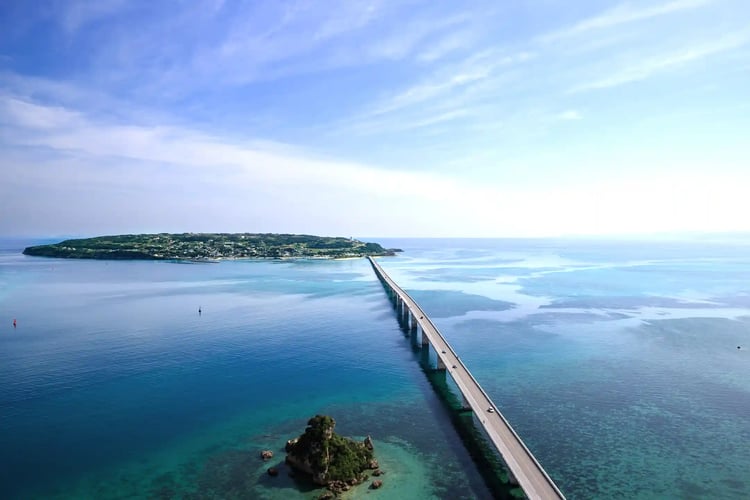
Fitting Okinawa Into a Japan Itinerary 2 Weeks Long
Over fourteen days the honest arithmetic is that Okinawa costs you four, including two half-days lost to flying. That is worth it if the trip's centre of gravity is the sea and the food; it is not worth it if you are chasing temples, in which case the days belong to the Kansai ring instead.
The shape that works is Tokyo for four, the Tokyo–Kyoto corridor for six, then fly south for the last four and out of Naha. Flying home from Okinawa rather than doubling back to Tokyo is what makes the arithmetic work.
Choosing Your Month on a Tokyo to Okinawa Itinerary
Okinawa is warm all year, which is exactly why the month you pick is decided by rain and typhoons rather than by temperature. The figures below are the Japan Meteorological Agency's 1991–2020 normals for Naha.
Baiu: The Rainy Season Starts on 10 May
The baiu is the thing most itineraries get wrong, because Okinawa's is a month earlier than Honshu's. The Meteorological Agency's confirmed record for Okinawa gives the normal onset as around 10 May and the end as around 21 June. The second half of May is not spring here; it is the wet season.
The rainfall figures say the same thing more bluntly. Naha averages 245.3 mm in May and 284.4 mm in June, against 179.2 mm in October and 110.0 mm in December. Advice that the rain comes in brief passing showers describes a typhoon squall, not the baiu, and it is being applied to one of the wettest stretches on the calendar.
The full order of wet months is worth having, because the one people book is the one that is missing from most guides. June leads at 284.4 mm, September is second at 275.2 mm, May is third at 245.3 and August fourth at 240.0. September looks like the shoulder season and is not: it is wetter than the May everyone is told to avoid, and it is still inside the typhoon season.
If you want the pre-summer window, take the first week of May or take April. From roughly 22 June the rain drops away and the summer proper begins.
The onset moves, which is why the normal is the number to plan against rather than any single year. Across the confirmed series back to 1951 the rains have arrived as early as 20 April (1980) and as late as 4 June (1963), and have ended between 7 June (2025) and 10 July (2019). A trip booked for the third week of May sits inside the wet season in most years; a trip booked for the first week sits outside it in most.
Typhoons, Heat, and the Winter Nobody Books
July and August in Naha average 29.1°C and 29.0°C, with mean daily highs of 31.9°C and 31.8°C. The sea is at its best and so are the crowds. August and September are the peak typhoon months, and a typhoon does not merely rain on you — it cancels the ferries, which removes the island day trips from your itinerary entirely. Build a spare night into any plan for either month.
October is the underrated month, and it is the first one clear of both problems: 25.5°C mean, a mean daily high of 28.1°C, 179.2 mm of rain against September's 275.2, water still warm enough to swim, and the typhoon frequency falling.
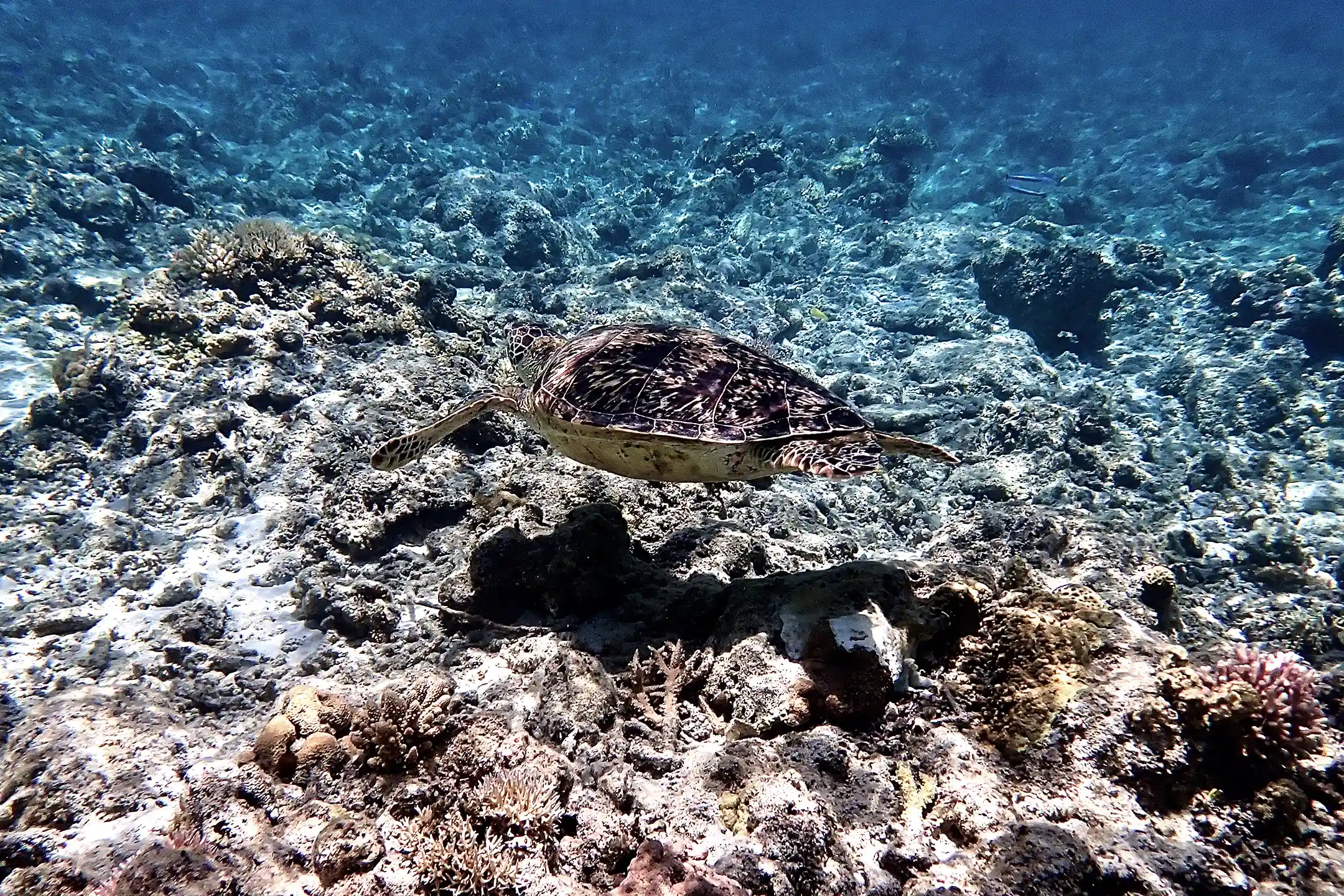
Winter is the part worth reconsidering. January and February average 17.3°C and 17.5°C, with mean daily highs of 19.8°C and 20.2°C and mean daily lows of 14.9°C and 15.1°C — cool for the beach and mild for everything else, and the driest stretch of the year at 101.6 mm and 114.5 mm. Humpback whales come to the waters off the Keramas over the same months, and the prefecture's tourism bureau treats whale watching as a Kerama winter fixture. If your Japan trip is otherwise in winter, this is the leg that gives it a second season.
A Tokyo to Okinawa Itinerary: Three Nights, Four Days
Based on one hotel for the whole stay in Onna-son, about an hour north of the airport by car, with the third day going out to the islands.
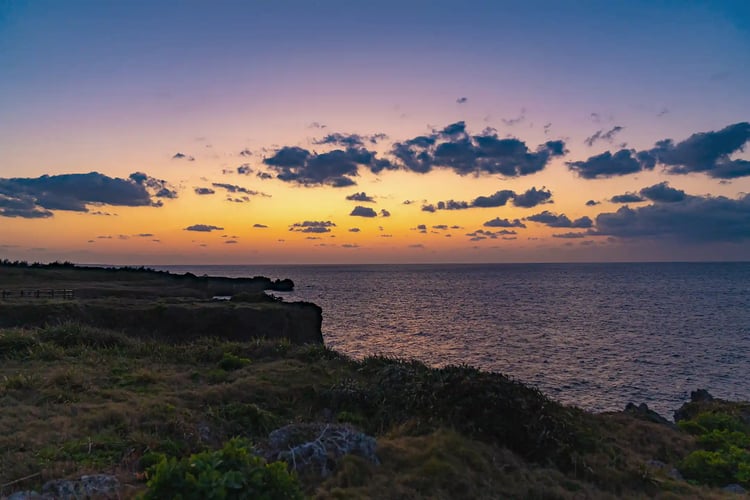
Day 1 — Naha to Onna. Arrive in the afternoon and drive straight up the west coast. Onna faces west, so the first evening is a sunset one; keep dinner near the hotel and turn in early rather than starting the trip with a long drive back into the city.
Day 2 — Onna. The calm mornings on this coast suit a paddleboard or a sea kayak better than the afternoon does, when the wind gets up. Book the water for the morning and the spa for the afternoon, not the other way round — and if you are diving or snorkelling, the same order applies for visibility.
The stretch of coast either side of Manzamo is dense with resorts and marine operators, which means a cancelled activity can often be swapped for another on the same morning. That redundancy is the practical argument for basing here rather than somewhere more remote and more beautiful.
Day 3: Kerama by Sea or Yanbaru by Forest
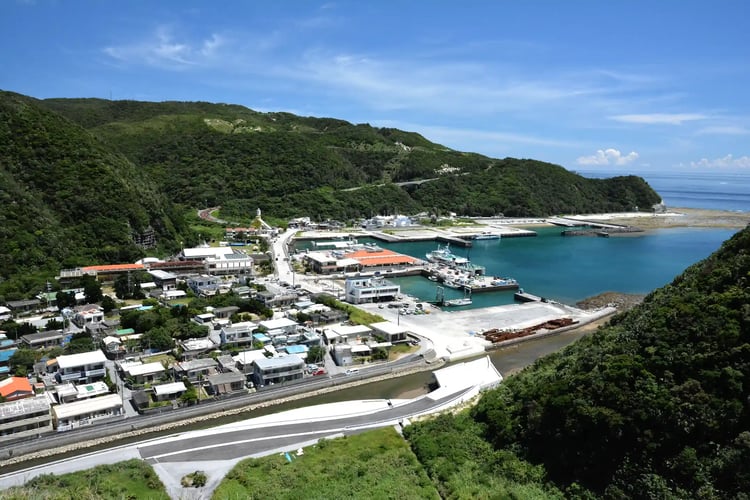
The Kerama day trip is the highlight of this itinerary and the part most likely to fail, because the boats have rules that a rental-car traveller will not expect. Both village offices publish them.
For Tokashiki, the village's own sailing information runs the Marine Liner high-speed boat from Tomari at 09:00, 13:00 and 16:30, returning from Tokashiki at 10:00, 14:00 and 17:30, with the slower Ferry Tokashiki leaving Tomari at 10:00 and returning at 16:00. The high-speed boat boards at Tomari's north quay, seven to eight minutes' walk from the Tomarin building, which is where the signs send you first.
Reserve, then collect on the day. Two rules get conflated here and the conflation is what strands people. Tickets are issued and paid for on the day of sailing only, at least thirty minutes before departure — but the seat itself can and should be booked ahead. Tokashiki takes web reservations up to two months in advance, in English among other languages. This is not a formality: on an ordinary weekday in August, that portal showed both the 09:00 outbound and the 17:30 last return marked 満席 — full. A full last return means you do not come back that night.
For Zamami, the village office puts the Queen Zamami high-speed boat at the north quay too, about ten minutes' walk from the ticket office, while Ferry Zamami leaves from the south quay in front of Tomarin itself. The crossing takes about fifty minutes by high-speed boat and about two hours by ferry.
Zamami opens web reservations 55 days ahead and telephone reservations a month ahead, up to the day before — there is no same-day telephone booking. Collection is again on the day, at Tomarin or at the north quay, quoting your reservation number. The village warns plainly that in the summer holidays and over long weekends you may not be able to board without a reservation. The adult fare is 2,900 yen one way by ferry and 3,950 yen by high-speed boat, plus a 100-yen island tax for everyone arriving from outside the village — children up to junior-high age and disabled visitors themselves are exempt.
Two more practical points that decide the morning. There is no car park at the north quay, so you park at the Tomarin multi-storey and walk; and the roads around the port are congested in the morning. Driving down from Onna for the 09:00 boat means leaving around seven — before sunrise in winter, and in the thick of the commute in any season. If you are taking a taxi, ask for Tomari-kō hokugan, the north quay, rather than Tomarin.
Tokashiki village also publishes a daily swimming judgement for each of its beaches — Aharen and Tokashiku are rated separately, with swell, visibility and water temperature. Check it the morning you go rather than on arrival.
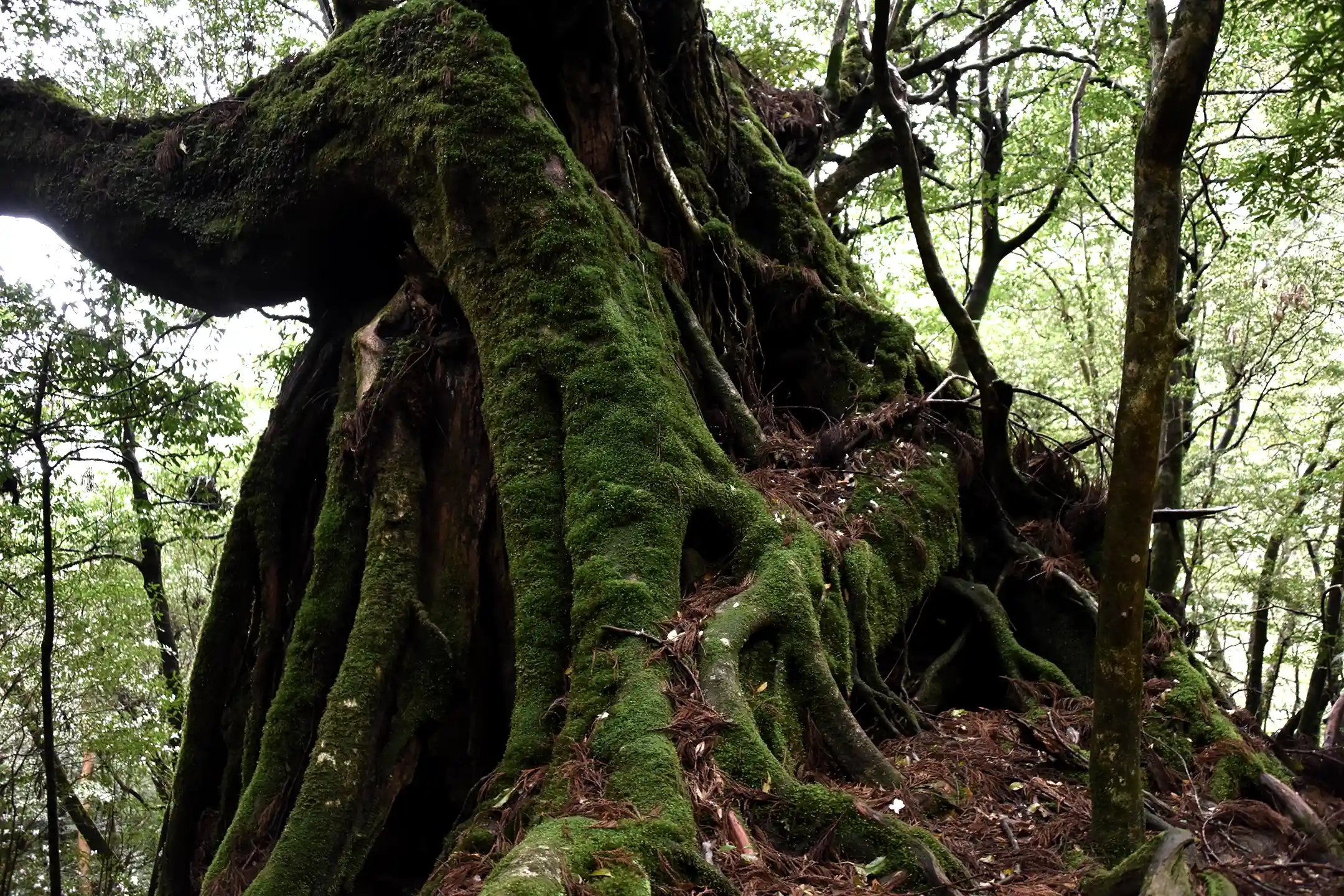
The alternative is Yanbaru, the forested north of the main island, inside the area inscribed on the UNESCO World Natural Heritage list in 2021 as part of a serial property that also takes in Amami-Ōshima, Tokunoshima and Iriomote. It takes about two hours from Onna by expressway, it does not depend on sea conditions, and it is the right call on a marginal weather day.
A guide is worth it here for the same reason it is worth it anywhere with endemic species — you will not find the Okinawa rail or the Okinawa woodpecker on your own. The forest is also the answer to a question the beach cannot answer: what this island was before the resorts, and what the subtropics look like when they are left alone.
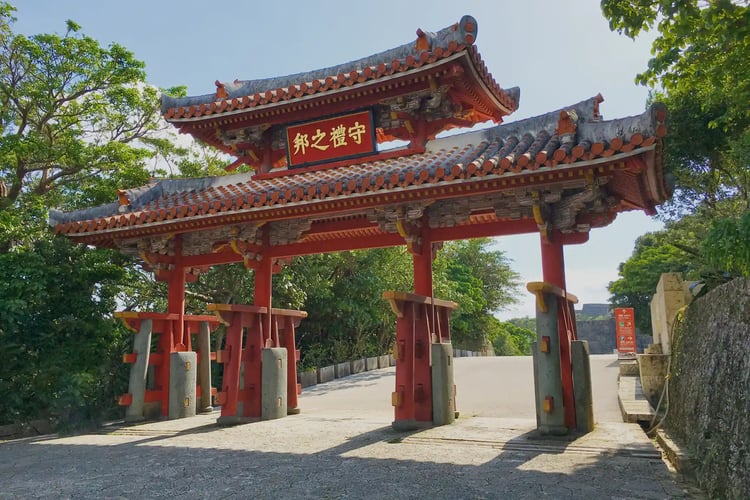
Day 4 — Naha and out. A morning in the city before the flight. If you take the monorail to Shuri, remember the fifteen-minute walk at the far end — and check the date, because Shurijō is changing. The main hall lost to the 2019 fire reopens to the public on 23 November 2026, and from that date the interior is by timed reservation in thirty-minute slots, with a revised admission charge for the paid area. Turning up at the gate will not get you inside the hall.
Where to Stay and What to Eat on This Japan Model Route
Three areas, and they are not interchangeable. Onna-son is the resort coast and the default for a stay like this one — west-facing, an hour from the airport, and close enough to Naha for the ferry morning. Naha itself suits a short stay or a late arrival, and puts you on the monorail. Yanbaru in the north is the choice if the forest rather than the sea is the point, and it costs you the day trips: the drive down to Tomari is longer than the two hours from Onna, and it is not a morning you want twice.
You do not have to drive to reach any of this. Okinawa's official tourism site lists the Okinawa Airport Shuttle running 22 services a day from Naha Airport through the Onna and Nago resort coast to the Churaumi Aquarium, and airport limousine buses going direct to the resort hotels' own entrances — booked in advance online or at a convenience store, since they do not take cash. If you would rather not drive on the left after a three-hour flight, the coast this itinerary uses is the part of the island that is best served without a car.
One decision governs the others. If the Keramas are on your list, everything about your base is downstream of getting to Tomari Port for a nine o'clock boat, and that rules the north out. If they are not, the north opens up and the calculation changes completely.
For the standard against which any of these should be judged, our guide to luxury hotels across Japan covers the mainland comparison, and the nature-led travel guide covers the wider approach this itinerary belongs to.
What to Eat on a Tokyo to Okinawa Itinerary
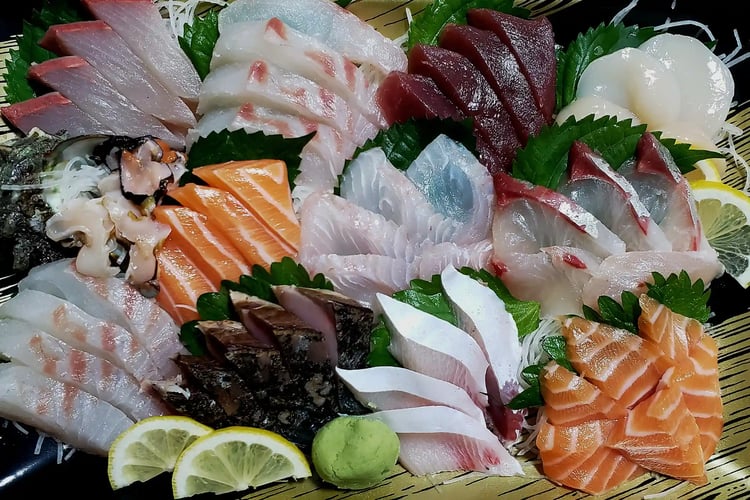
Okinawan food is not Japanese food with a beach. The pork is the backbone rather than the fish, the vegetables are ones you will not have met — gōyā, shima-rakkyō, sea grapes — and the sashimi is cut thicker and eaten with a different soy.
The reason is historical rather than culinary. The Ryūkyū Kingdom traded with China and Southeast Asia for centuries before it was absorbed into Japan, and the kitchen kept the results: the whole-pig cooking, the stir-frying, the distilled awamori rather than brewed sake. Eating here is the most direct way to notice that you have left the country you flew in from.
Eat the island staples rather than looking for the mainland ones done well: gōyā chanpurū, rafutē, Okinawa soba, mozuku. On the Kerama day trip, the beach diners do sea-grape rice bowls and mozuku fritters, which is the right lunch for the day.
Stay a little longer in the quiet

In closing
The Tokyo–Okinawa leg rewards a decision about dates more than a decision about hotels. Avoid 10 May to 21 June, treat August as typhoon-contingent, and consider January for the whales — and if the Keramas are the reason you are going, plan the ferry morning backwards from a 09:00 sailing at a quay ten minutes' walk from the terminal, with a seat reserved weeks ahead and a ticket you cannot collect until that morning.
Get those right and the rest of it is easy. Get them wrong and you spend the best day of the trip at a ticket window watching the boat leave.