The culture of travel rises from the warmth and aroma of a single bite. When you savor the aesthetics held in Japan’s four seasons and tableware, the umami that carries a sense of place, and even the gestures of the craftspeople at work, Japanese cuisine moves beyond “a meal” and becomes a cultural experience.
In this feature, you’ll find ten essential dishes a cultured traveler should seek out in Japan—from the minimalism of Edomae to the spirit of Zen, from reinvented comfort foods to local specialties rooted in their regions. With a sustainable lens and practical planning tips, this guide turns your next mouthful into an unforgettable once-in-a-lifetime encounter.
Why Japan’s Culinary Heritage Resonates with the Culturally Curious
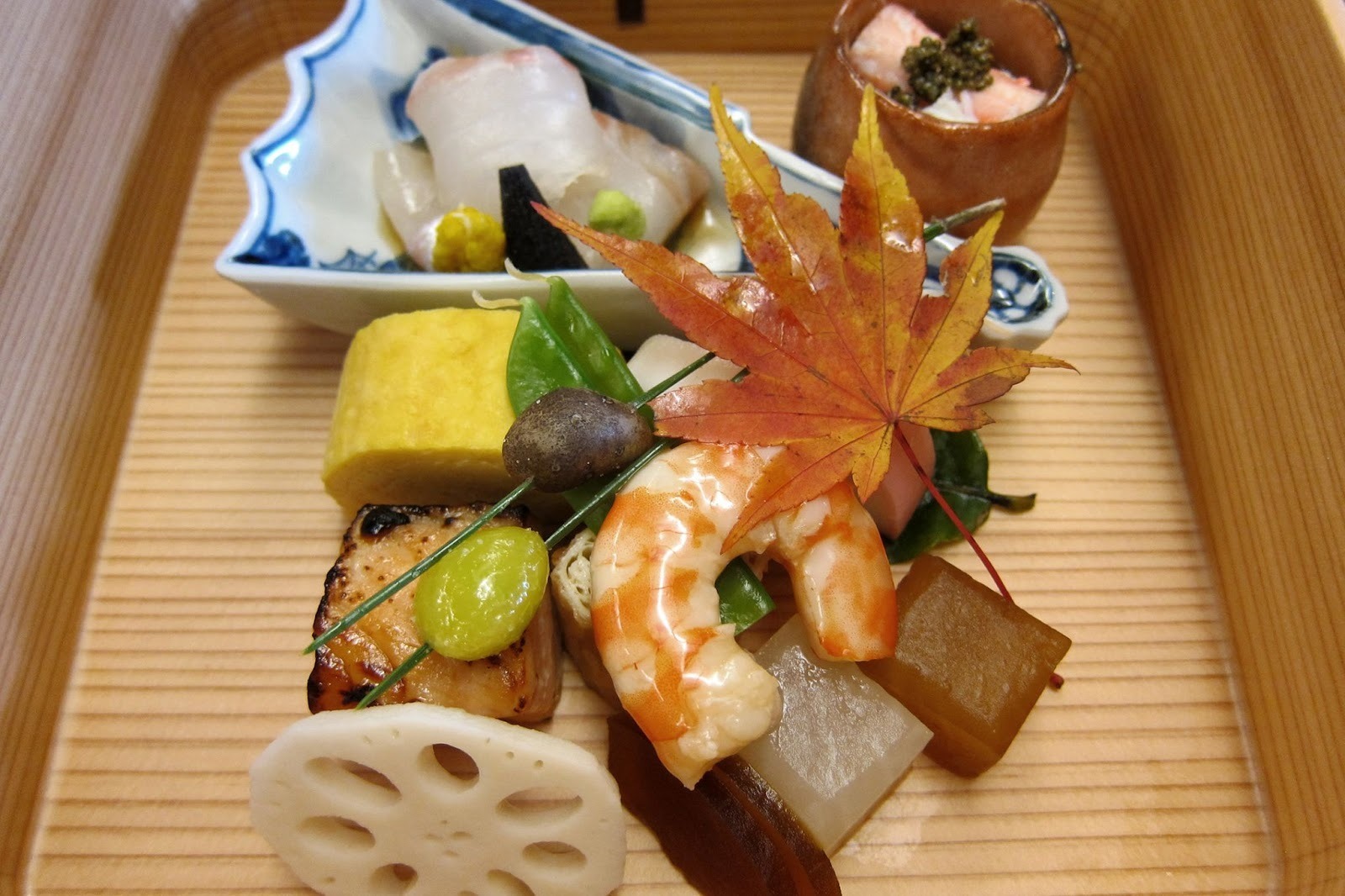
“Washoku,” Japan’s traditional food culture, was inscribed on UNESCO’s Intangible Cultural Heritage list in 2013. Born from the richness of Japan’s four seasons, washoku is grounded in a spirit of “reverence for nature,” showcasing fresh, seasonal diversity and distinct traits such as beautifully seasonal plating that expresses the time of year (*1).
In spring you might see mountain vegetables or sakura petals; in autumn, crimson maple leaves—each plate reads like a short story of the season.
This sense of beauty extends to the choice of vessels and the art of “shitsurai” (the arrangement of space). The dishes, the table adornments, and the room itself harmonize with the season so you can feel the turning of time with all five senses. Sashimi—fresh fish prepared as raw slices—is considered a centerpiece of Japanese cuisine; its poised presentation will spark your curiosity about the culture behind it (*2).
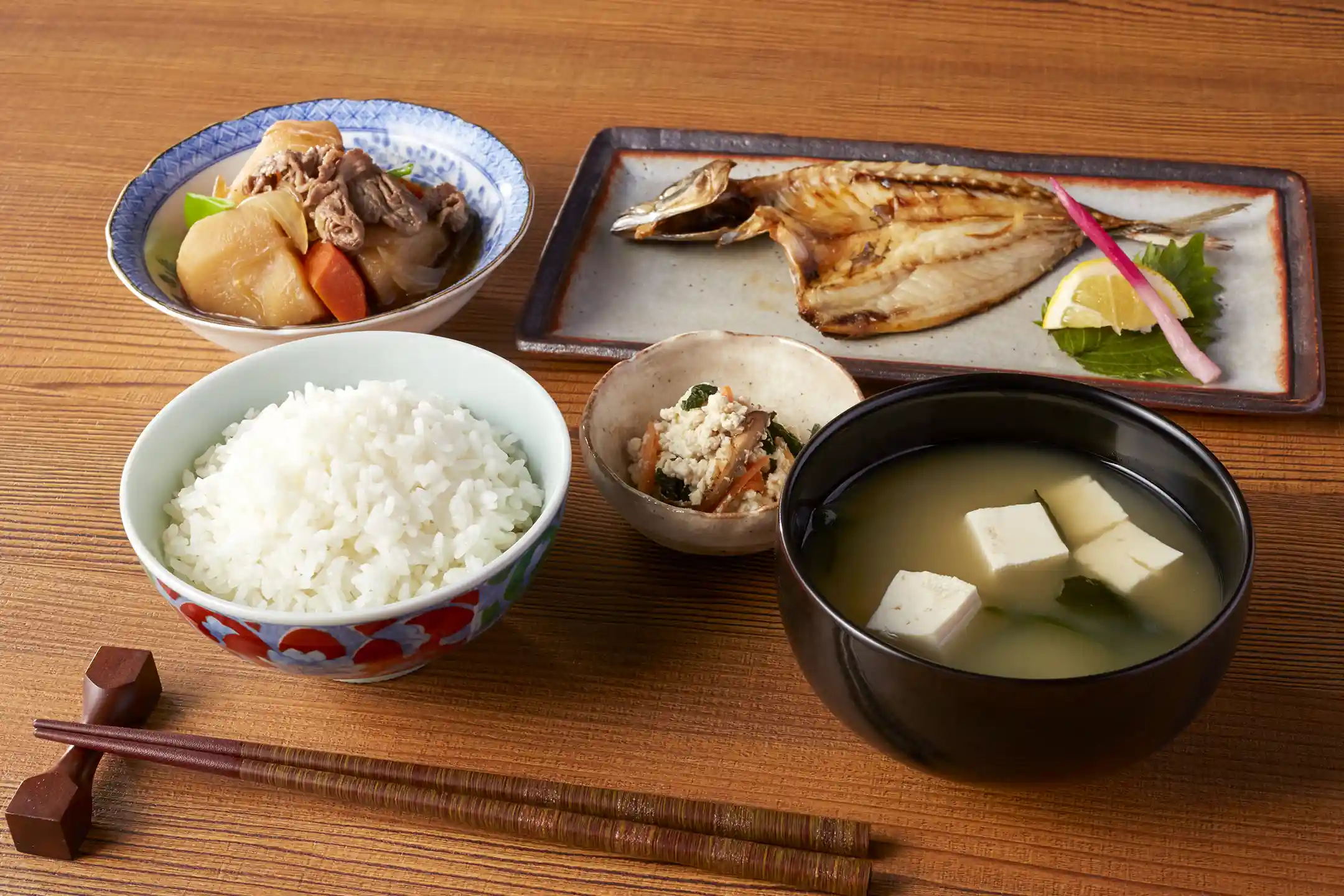
Washoku is also recognized as “healthy and environmentally considerate.” The traditional “ichiju-sansai” structure—a bowl of soup with three side dishes centered on fish and vegetables—offers outstanding nutritional balance and tends to be lower in animal fat.
Compared to meat-heavy diets, it places a smaller burden on the planet, and the wisdom of using every part of an ingredient helps curb food waste (*3). Regional cuisines have long embraced “local production for local consumption,” which lowers food mileage, keeps ingredients fresh, and supports the protection of marine and terrestrial resources (*4).
In practice, as an island nation Japan has a low food self-sufficiency rate and relies on imports, which makes its food mileage among the highest in developed countries (*5). That’s why traditional local fare is being re-evaluated as a model of sustainable gastronomy—an experience with genuine value for travelers who care about the environment.
Today, you’ll also see tradition blending with technology and environmental design. More country inns and restaurants are adopting solar or geothermal energy, and some high-end urban dining rooms even provide EV charging.
The family restaurant chain “Denny’s” began installing fast EV chargers in its parking lots in 2024 so you can charge while you dine (*6). Hospitality that cares for the environment—alongside great food—echoes the depth of Japanese culture and resonates with culturally curious travelers like you.
Mastery of Minimalism—Sushi & Sashimi
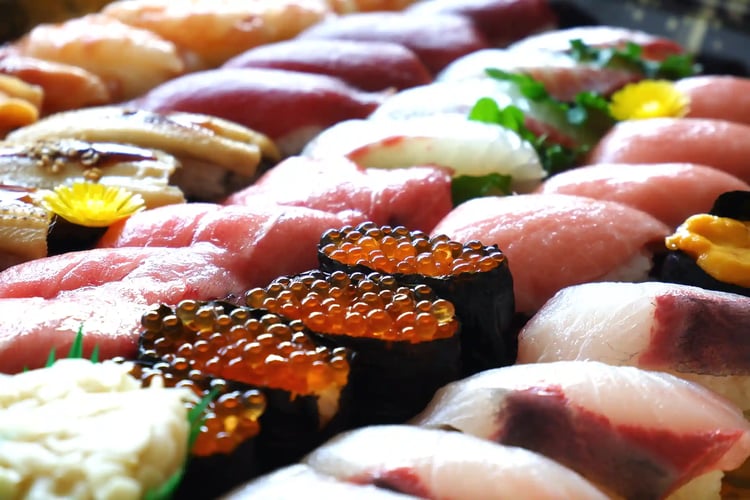
Among Japanese foods best known abroad, sushi and sashimi appear deceptively simple, yet each bite is backed by astonishing craft and aesthetics.
Stripped of embellishment, sushi and sashimi embody the ultimate “art of subtraction,” designed to draw out the pure character of each ingredient. For a traveler like you who seeks cultural depth, the chef’s movements and the choreography of plating compress a uniquely Japanese spirit and refinement—like witnessing a one-time-only performance in the spirit of tea ceremony or Noh.
Edomae Sushi: Tokyo’s Rice-Driven Art
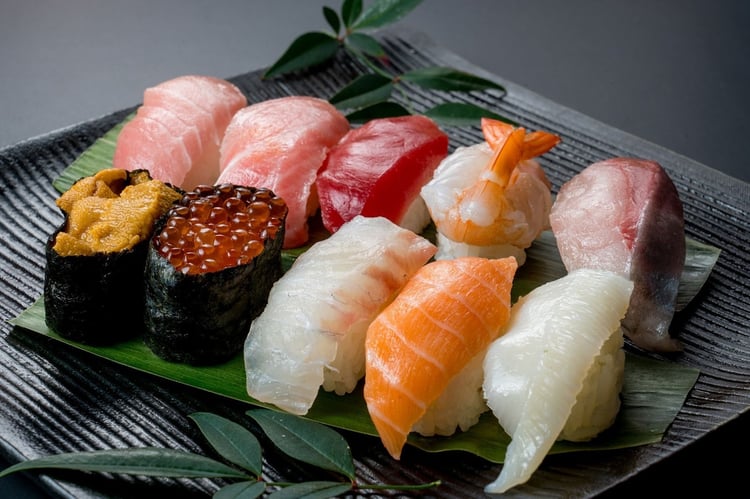
Edomae sushi, which blossomed in Tokyo, is a traditional style of nigiri whose essence lies in the shari (seasoned rice). To preserve fish and concentrate umami, Edo-period artisans applied “shigoto” (preparations) such as salting, vinegaring, simmering, or marinating—techniques still alive today (*1).
A hallmark of Edomae is shari made with akazu, an amber vinegar derived from sake lees; its long-aged aroma and mellow acidity amplify the fish’s flavor (*2).
Minimalism lives in the grip itself: masters learn pressure that leaves a tiny air pocket at the center so the rice gently falls apart in your mouth (*3).
At elite counters, chef and guest face each other across warm-grained wood, and each piece is handed over the moment it’s formed. This “counter theatre” invites a rare exchange, where seasonal fish and careful preparations become a shared language of culture (*1).
Seasonal Sashimi Platter: Nihonbashi-Style “Tsukuri”
Sashimi lets you enjoy the unadorned taste and texture of pristine seafood. Expertise born in Nihonbashi—Edo’s kitchen—includes nerve-spiking and controlled aging to draw out umami, while plate choice and arrangement paint the season onto porcelain.
Although often paired in the public mind with sushi, sashimi is not sushi; it’s served without rice and enjoyed with soy sauce and condiments (*4).
Knife work and composition weave seasonal colors—shredded daikon, a chrysanthemum bloom, and, say, fresh green leaves in spring or maple in fall—to stage a story on the plate. Listen to the chef’s explanation as you taste, and your curiosity will be rewarded with a deeper grasp of Japan’s culinary culture.
Seasonal Storytelling—Kaiseki & Shojin Ryori
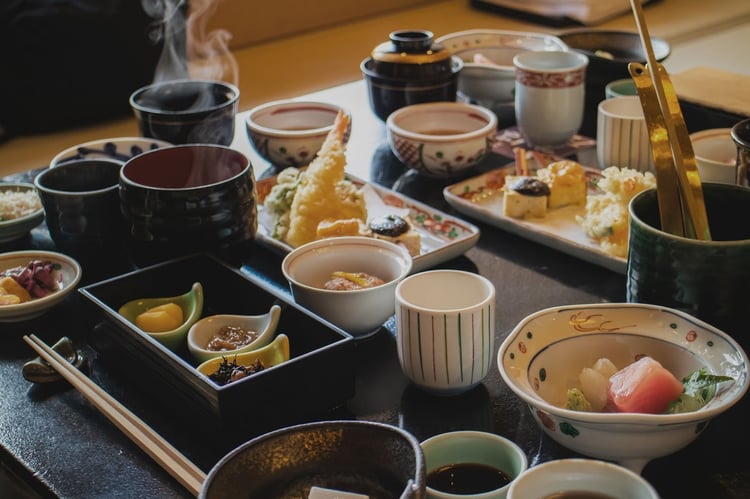
Japan’s culinary culture carries narratives that reflect season and spirit. Among them, kaiseki and shojin ryori are rooted in the philosophies of tea and Zen, each transmitting rich cultural messages through food.
Kaiseki began as a simple meal served during tea gatherings; its name traces back to monks warming a stone against the chest to stave off hunger. Despite humble origins, kaiseki elevates “using what’s in season and drawing out an ingredient’s character,” weaving seasonal beauty into each course—like edible haiku (*1).
Shojin ryori, by contrast, is a plant-based temple cuisine developed in Zen monasteries. Guided by the Buddhist precept of non-killing, it uses no animal ingredients. At great Zen temples like Daitoku-ji and Eihei-ji, the cuisine embodies a disciplined aesthetic: using ingredients fully and trimming waste to the bone.
By maximizing the inherent flavor of vegetables and giving thanks for seasonal bounty, shojin achieves a spare yet profound world of taste.
Kaiseki Tasting Menu: Kyoto’s Edible Haiku
Kyoto’s kaiseki truly reads like “edible haiku of the seasons.” Born from the tea ceremony, it started as a light pre-tea meal and evolved into the pinnacle of Japanese cuisine. Its structure follows formal beauty: on a low lacquered tray, rice, soup, and mukozuke (sashimi) form a triangle—the foundation of ichiju-sansai.
Next comes a seasonal soup, such as a clear broth with peak vegetables or seafood, followed by grilled items and vinegared dishes. A highlight is hassun, an appetizer course pairing the mountain and the sea in small bites, adorned with seasonal touches—bamboo leaves, maple, blossoms.
In autumn, hassun may include maple leaves or rice stalks with Pacific saury and chestnuts, presenting a single-plate landscape of the season. Tableware reflects wabi-sabi and time: cherry-motif dishes in spring, cooling glass in summer.
Carrying the spirit of tea, kaiseki favors the quiet passage of seasons and the savor of ingredients over overt luxury, leaving a refined afterglow. Each course celebrates the season in short, elegant verses, speaking to your senses.
Zen Shojin Ryori: Plant-Forward Elegance
Breathing the heart of Zen, shojin ryori pairs restraint with depth. It isn’t merely vegetarian; it arises from the belief that daily meals are themselves a form of practice.
Zen master Dogen, founder of the Soto school, wrote in “Instructions for the Tenzo (Temple Cook)” that “sincere eating is a vital discipline—waste nothing and bring out the best in each dish.” True to this, temple kitchens use peels and roots, crafting flavor from every part (*2).
Take a single daikon: peel becomes kinpira, flesh becomes a simmered dish, leaves become pickles—receiving the gift in full. At Eihei-ji, monks train on minimal fare such as ichiju-issai, with special days limited to ichiju-sansai, embodying modesty and gratitude for what’s given.
While purely plant-based—seasonal vegetables, tofu, seaweed, legumes—the flavors are surprisingly abundant. Instead of animal stock, kombu and dried shiitake yield a layered dashi whose low environmental impact makes it newly relevant today.
Colorful plating—kohaku namasu, sesame tofu, seasonal vegetable stews—appears in small, graceful portions, vessels carrying subdued elegance. This plant-forward “art of subtraction” is Zen at the table, clearing and sharpening the mind.
When you taste shojin carefully prepared with humility, you carve out quiet time to listen to the ingredients—and to yourself. It becomes a journey to understand Japan’s spiritual culture through flavor.
Comfort Classics Reimagined—Ramen, Tempura & Tonkatsu
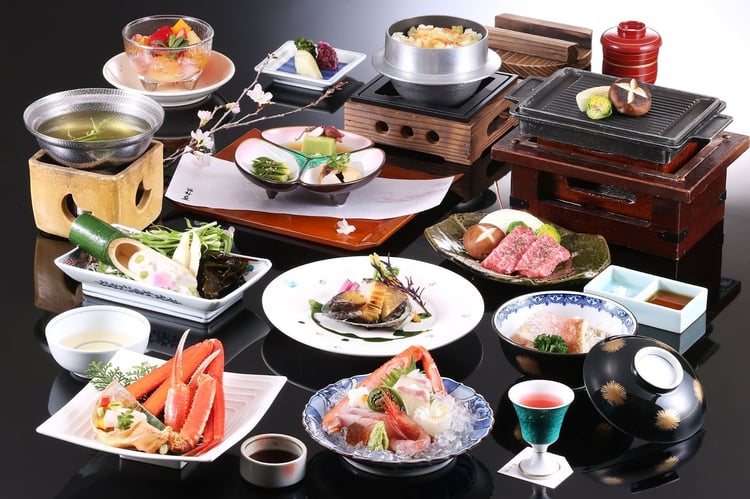
Everyday comfort foods have been reinvented through craft and modern culinary science, shining with the polish of haute cuisine. Ramen, tempura, and tonkatsu are prime examples—ramen shops have even earned Michelin stars (in 2015, Tokyo’s “Tsuta” became the world’s first starred ramen shop*1).
Tradition fused with ingredient science, precise temperatures, and analytical technique is opening new frontiers of taste.
Here we explore how three comfort icons—Tokyo shoyu ramen, Edo-style tempura, and heritage-breed tonkatsu—are being redefined. Familiar as they are, each carries a rich story and impressive technique in a single plate or bowl.
Tokyo Shoyu Ramen: Umami-Layered Broth Engineering
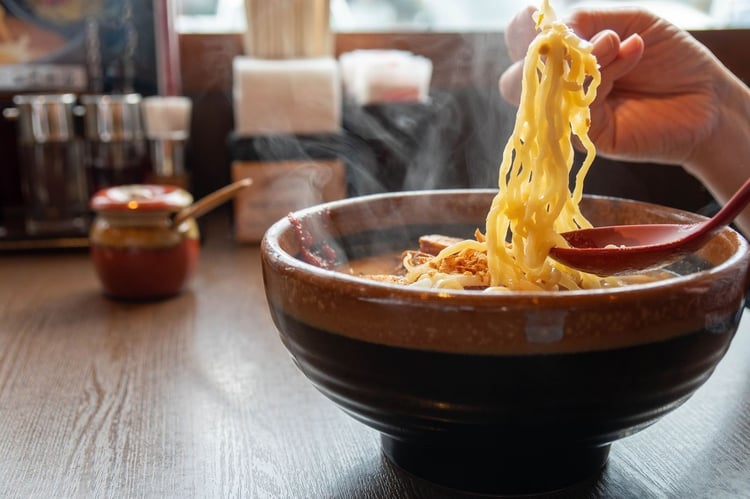
Tokyo shoyu ramen sits at the origin of Japan’s ramen culture—a soulful bowl engineered in layers of umami. The clear, amber broth (a chintan) is gently extracted from chicken bones or pork bones at a low simmer to draw flavor without clouding, a Kanto tradition for a clean finish.
To this delicate base, chefs add kaeshi—a soy-based seasoning matured with mirin and other elements—for depth. A final drop of flavored oil (scallion oil, chicken oil, etc.) lifts aroma and richness.
Stock umami + tare umami + aromatic oil: together they create complexity and length (*2). It’s true “umami engineering,” with combinations and heat curves calculated to the degree.
The noodles show equal intent: Tokyo bowls often use low-hydration, medium-thin straight noodles with firm bite that hold and deliver the clear broth perfectly. Even the shape of the bowl and serving temperature are tuned so you enjoy every last sip.
A narrower lip amplifies aroma; thicker bowls retain heat. Increasingly, shops avoid chemical seasonings, coaxing synergy from natural ingredients and managing extraction by precise time and temperature. Ramen, in this sense, is an evolving “liquid cuisine.”
Through this constant inquiry, Tokyo shoyu ramen keeps its nostalgic comfort while wowing the cultured traveler. In a simple bowl, you’ll sense stacked layers of spirit and science.
Light-as-Air Tempura: Edo-Inspired Fry Theatre
Edo-style tempura is simple—ingredients lightly coated and fried—yet its airy texture and served-the-moment theatre have captivated diners for centuries.
In Edo times it was street food, but artisans developed a distinct method: a quick fry in hot sesame oil. Kansai often favors a lower-temperature, paler fry, but Edo’s soul lies in brief, high-heat cooking. At 180 °C and above, shrimp, sillago, and small seasonal vegetables dipped in batter meet the oil with a single “jsshh”—finishing thin, crisp, and golden.
Sesame oil fries clean and aromatic, making it ideal for Edo tempura; the result is light, never greasy (*3). High heat seals moisture inside while the outside shatters delicately.
The tempura counter is live performance. Chefs pace each piece to your rhythm, serving it seconds from the oil—true “fry theatre.”
Batter physics matter: flour and egg whisked into ice-cold water with minimal mixing limits gluten, forming fine bubbles as it fries. The tiny voids create a lace-thin, feather-light shell.
As inner moisture flashes to steam, it forms a micro-gap between batter and ingredient—another secret to a grease-free finish. Taken piping hot, the shell loosens like petals and aroma blooms.
From humble standing stalls to today’s multi-course temples, tempura has become an art for all five senses—the sound and scent of frying included.
Heritage Berkshire Tonkatsu: Meat-Aging Meets Panko Science
Tonkatsu—pork cutlet in a crisp coat, juicy within—is a signature of Japanese yoshoku. Recent years have brought science-minded sourcing and frying.
Many specialists choose heritage Berkshire-line pork (kurobuta). Kagoshima’s black pork, refined over 400 years, has fine muscle fibers and abundant amino acids for deep savor. Raised on feed rich in sweet potatoes, Kagoshima kurobuta tastes sweeter, and its higher fat melting point gives a clean finish—ideal for tonkatsu (*4).
Aging unlocks more: enzymes tenderize and boost umami, maximizing the meat’s potential.
For the crust, shops use fresh-style panko dried to irregular, larger flakes. These bloom like flowers in hot oil, yielding a light, crackling texture. Some houses even tune panko grind and moisture by season.
Technique seals the deal. Thick loin is often double-fried: first at lower heat (about 160–170 °C) to warm the center, then rested to carry heat through. A brief second fry at 180–190 °C crisps the exterior while keeping the core juicy.
Fry oils vary—some blend lard for fragrance with vegetable oils for lift—each shop seeking its golden ratio. Even the rhythm of the knife “shhk-shhk” as the cutlet is sliced whets your appetite.
Paired with a fan of shredded cabbage, that golden cutlet channels both ingredient science and artisan skill. You bite through a delicate shell into savory, gently sweet meat—and the finish is surprisingly light.
It’s no exaggeration to call great tonkatsu “pork artistry”—a memorable window into Japan’s culinary depth for any culture-seeking traveler.
Regional Icons Worth the Journey
One of the great pleasures of traveling Japan is meeting distinct local food cultures alongside the scenery, art, and architecture that frame them. Here are regional specialties paired with experiences in art and nature. When you taste what locals love—while feeling the culture beneath—it’s an adventure that satisfies your curiosity.
Osaka Okonomiyaki: The Kansai Food-in-Theatre
Osaka’s beloved flour-based okonomiyaki doubles as entertainment: you watch it sizzle to life on a teppan right before you. A batter rich with dashi, mixed with cabbage, pork, and whatever you like—this people’s dish spread after the war and even won a Special Award in the Agency for Cultural Affairs’ “100-Year Food” initiative for its cultural value (*1).
Osaka brims with okonomiyaki joints, and the “Konamon Museum” in Dotonbori is a new hub for hands-on flour-food culture. On the first floor, you can savor takoyaki fresh off the grill while watching masters at work; the second floor exhibits the history of Osaka’s flour dishes including okonomiyaki; the third offers plastic-food replica workshops.
There’s even a bar pairing sparkling wine with inventive takoyaki beneath chandeliers—a polished take on a humble favorite (*2). In Osaka, you don’t just eat; you enjoy the immediacy of cooking and craft as performance.
Hokkaido Seafood Donburi: Cold-Current Terroir
Hokkaido’s seafood bowls overflow with treasures raised by cold currents and nutrient-rich seas. Hakodate Morning Market gathers some 250 shops into a wonderland of taste—seafood bowls, sushi, dried fish, fruit—buzzing with locals and travelers from daybreak (*3).
You can even try squid fishing on site and have it sliced into sashimi—a vivid reminder of freshness and the life behind your meal. The cold northern waters produce firm, fatty fish with exceptional umami (*4).
In Hakodate, bowls may feature house-cured ikura (soy-marinated salmon roe) and aged salmon. At a market-run eatery, you might find a lavish bowl with eight toppings, from rare raw Atka mackerel to house-marinated ikura and fresh uni. Some areas offer seasonal “make-your-own ikura” experiences, teaching you how roe from autumn salmon becomes lustrous pearls (*5).
When those large, shining roe pop and melt into rich savor over hot rice, it’s a small revelation. A market-side donburi is more than food—it’s an artful encounter with Hokkaido’s terroir and craft.
Kyoto Yudofu: Temple-Side Tofu Serenity
Kyoto’s yudofu is a balm for body and mind—especially when enjoyed with a view of a tranquil temple garden.
Tofu is about 80% water; without excellent water, you can’t have excellent tofu. The Kyoto basin holds abundant groundwater; its soft, low-iron profile is ideal, yielding a mellow taste. From this water came Kyoto’s signature silky tofu.
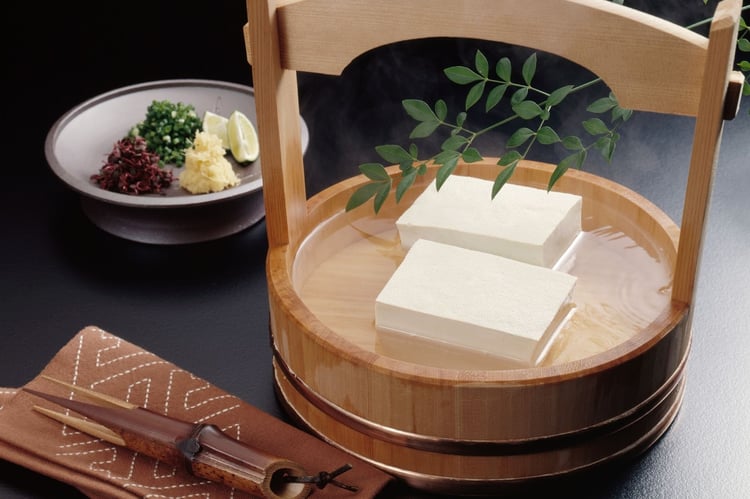
The Nanzen-ji area is said to be the birthplace of yudofu, where tofu was once served at tea houses by the temple gate as part of temple cuisine. For monks at the Zen temple of Nanzen-ji, tofu was a precious source of protein within a meat-free diet. As you enjoy yudofu while admiring the garden’s shifting seasons, you sense a hint of Zen in the rising steam.
Long-established houses like “Okutan Nanzen-ji” and “Junsei” serve yudofu amid mossy gardens and historic buildings. The dish itself is simplicity: tofu warmed in kombu dashi, its velvety texture dipped in sesame sauce. That simplicity spotlights ingredients, water, and skill. In your mouth, soy’s gentle sweetness and fragrance bloom; the clean finish reflects Kyoto’s famed water and careful handwork.
After your meal, wander the grounds—some temples even offer morning zazen (*6). Sitting quietly in the precincts, you may find that the tofu’s quiet nourishment sinks into the spirit as well. In Kyoto, yudofu becomes a moment where culture and cuisine come together.
Planning Your Michelin-Grade Yet Sustainable Japanese Dining Adventure
Here’s how to plan a Japan trip that pairs Michelin-level dining with sustainability. To truly savor the culture’s refinement, preparation and consideration matter. Follow these guidelines and you’ll feed your curiosity while treading lightly.
First, reservations. Japan’s top tables often require bookings, and Michelin-starred restaurants can be full months ahead. Multilingual platforms make this easier.
“Savor Japan,” Gurunavi’s foreign-language site, and TableAll accept online reservations from overseas and cover more than 80% of inbound travelers’ main languages (*1). Some elite venues still book only via hotel concierges, but third-party services and English-language forms are expanding. Once your dates are set, gather intel early and note reservation windows and methods.
Consider an English-speaking guide as well. A food-tourism interpreter can explain etiquette and menus so you can focus on what’s on the plate.
Next, plan around the seasonal calendar. In washoku, honoring the seasons is essential—on the plate and in the vessels.
Seasonal ingredients taste best, tend to be more nutritious, and are more sustainable when they don’t need long-distance transport. Spring brings sansai and young bamboo or the first bonito; summer, ayu and hamo; autumn, matsutake and sanma; winter, fugu and crab. Check the MAFF seasonal calendars or prefectural lists (often published online) and choose destinations and timing for those “now or never” flavors.
Cherry-blossom bento in spring, matsutake kaiseki in a blaze of autumn leaves—tying food to season makes the memories linger.
For sustainability, consider how you move. EV rental cars are increasingly available across Japan; with zero tailpipe emissions, they’re a smart choice for culinary road trips. As of 2022 there were about 21,000 charging spots nationwide, including rapid chargers at airports, roadside stations, highway service areas, and hotels.
Map chargers along your route (sites like “GoGoEV” help) and long drives become easy. Some rental firms offer EV plans or charging cards—take advantage. If you rely on public transit, many rail operators are shifting to renewable power, making low-impact travel possible. Carry a reusable bottle and cut down on single-use plastics—small habits add up.
Build learning into your itinerary too. Across Japan you’ll find traditional centers for ceramics and lacquer; studio visits and galleries illuminate the art of tableware.
In Kyoto’s Kiyomizu-yaki workshops you can hear directly from artisans; in Arita or Wajima you’ll find painting experiences and curated shows. When you appreciate not only the food but the vessel, you start to sense the aesthetics behind fine dining.
Cooking classes in major cities and destinations are also popular. English-friendly sessions cover everything from forming sushi to making dashi—even kaiseki plating. Along the Nagara River in Gifu, local chefs offer English classes focused on healthy washoku (*2).
Housed in century-old townhouses, these classes use local, seasonal ingredients so the experience itself becomes cultural. What you learn carries home, helping you relive the trip at your own table.
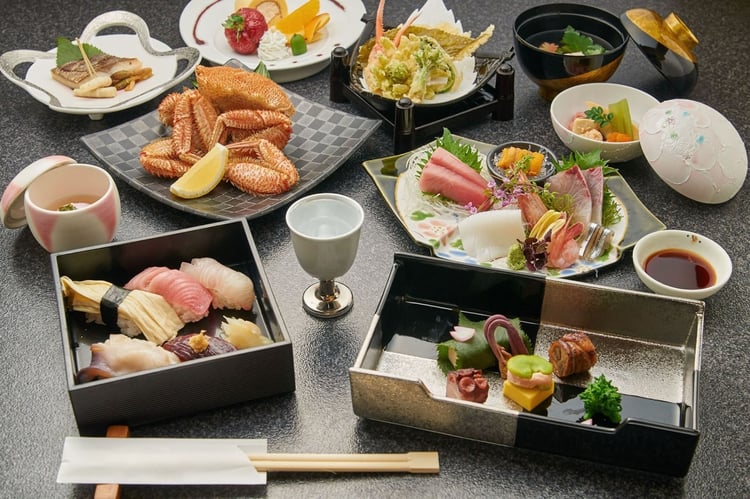
Finally, etiquette, tipping, and dress. Japan generally has no tipping culture; even in restaurants, an extra gratuity is politely declined (*3). Service charges are often included—you’ll enjoy top-tier hospitality with no need to tip.
In special cases, a small gift may be appropriate, discreetly offered in an envelope. As for dress, mind the code at high-end venues.
Smart casual or better is ideal at Michelin-starred restaurants or ryotei; avoid shorts and sandals. Some venues ask you to remove shoes, so choose easy-off footwear and clean socks. Brush up on basics: never pass food from chopstick to chopstick, don’t spear with chopsticks, eating sushi with your hands is fine, hold the miso bowl to sip, slurp noodles if you like (but keep chewing sounds low). National and local guides publish etiquette primers—worth a read. With attentiveness and the mindset of “when in Rome,” you’ll feel at home anywhere. Chat with the okami or the chef, feel the season in the vessels and decor, and toast with sake—these gestures complete the experience. For a culturally curious explorer like you, courtesy and gratitude are the most elegant way to end a rich culinary journey.