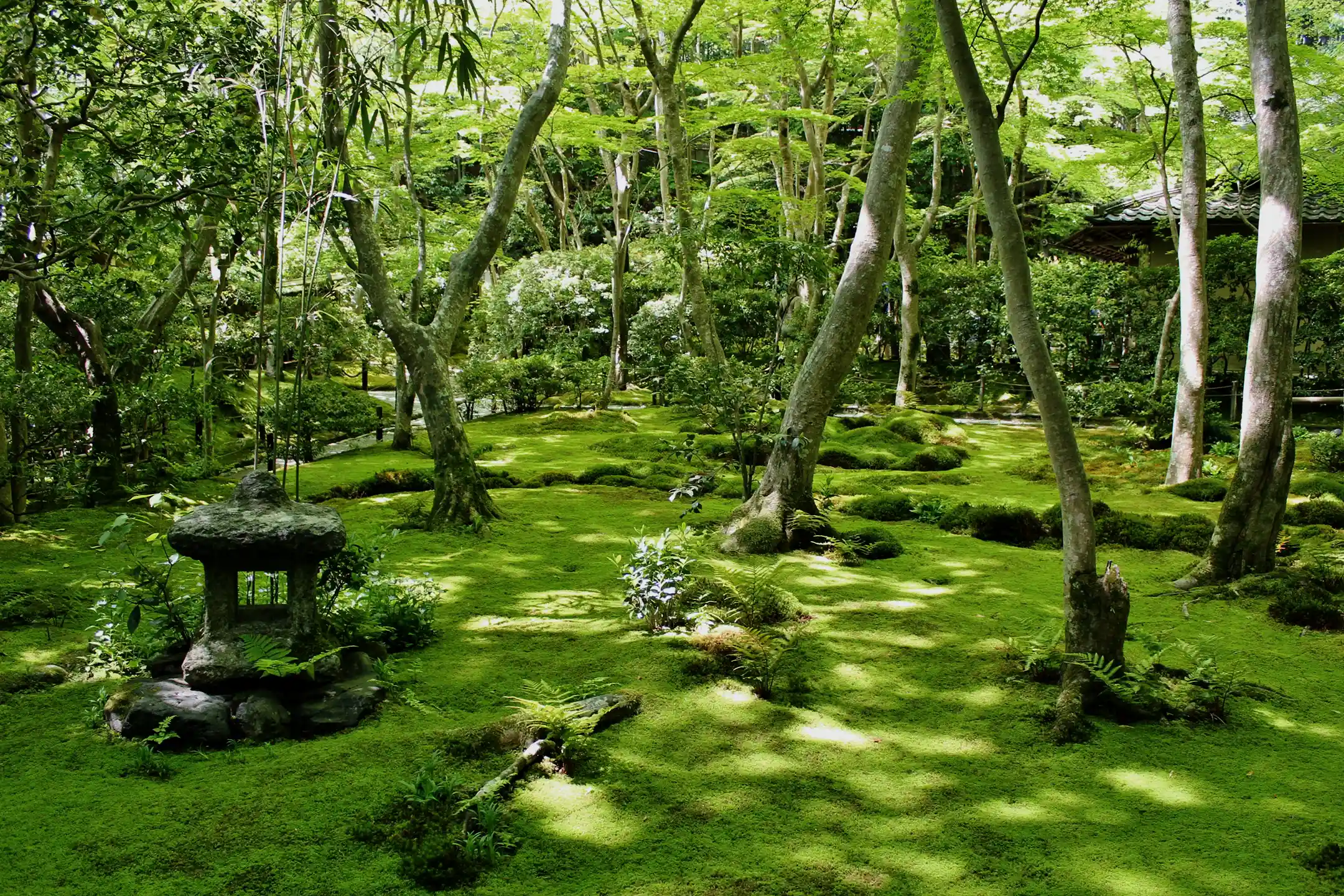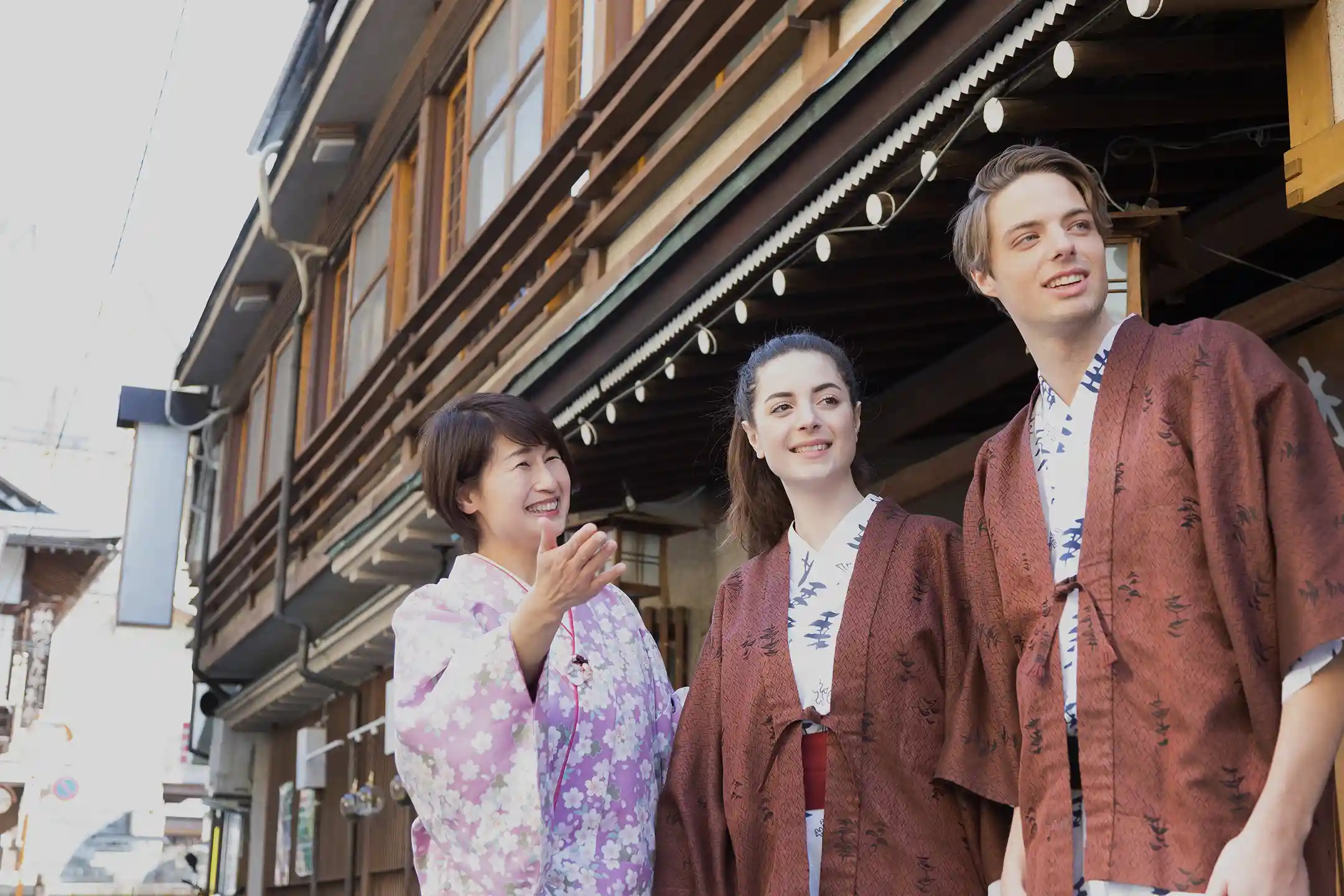
From Tokyo, you can head out with ease to six high‑quality day‑trip destinations where you immerse yourself in culture and the arts and genuinely deepen your cultural literacy. Each route has been carefully chosen so you can learn in serene surroundings. Step away from your busy routine and spend a day in a modern‑classic atmosphere that nourishes you—this article proposes routes where you engage all five senses with Japanese culture through museums, traditional architecture, and gardens; ideal if you’re searching for day trips from tokyo that prioritize quality over quantity.
These routes trace one way of moving through Japan; a ryokan offers another — the quiet art of staying still. The Art of the Kyoto Ryokan Digital Guide draws together architecture, seasonal cuisine, and the rituals of hospitality into a single, connected reading.
How to Use This Guide and Our Selection Criteria (Day Trips from Tokyo)
Within a comfortable day‑trip range from Tokyo, we’ve compiled routes that let you take your time with culture and the arts. Travel time is kept to roughly 90–120 minutes one way, and we emphasize “quality over quantity” so your day feels restorative rather than rushed.
For each route you’ll find the key experiences (standout venues and events), transportation (main access options), dining (recommended stops and regional specialties), learning (what knowledge you take away), advanced variations (add‑ons if you have extra time), and a sample timetable. Most routes favor quiet environments away from crowds, with strategies like advance reservations that help you sidestep lines; always confirm opening hours, reservation policies, and any temporary closures on official websites before you go.
We hope you’ll immerse yourself at your own pace and come away moved on a deeper level. For what to wear, smart casual (leaning business‑casual) works beautifully and never feels out of place at museums or higher‑end ryokan.
Do factor in the seasons. During the June rainy season, sudden downpours can make footing slick; in midsummer, midday activities outdoors drain your energy. Fall foliage season gets crowded, so try reversing the order of the route to alleviate congestion. In winter, snow is possible, so plan for warmth and shoes with good traction to keep your schedule relaxed and safe.
Criteria for Choosing the Routes
When selecting these routes, we prioritized the “density of learning.” Instead of rushing through a long list of famous spots, the plan allows you to savor a profound experience at each place. Each route balances elements of art and architecture—museums, historic buildings, and gardens—to foster meaningful takeaways.
Dining also matters. We highlight local standouts and reservation‑only course meals to ensure the cuisine matches the caliber of the day. Walking is kept within a comfortable range, yet you’ll still enjoy light strolling that lets you appreciate each townscape.
To avoid crowds, we factored in earlier departures, weekday visits, and reservation‑based programs. All routes work by public transport or car, so choose the mode that suits your style and check day‑of travel advisories as needed.
Etiquette for Preserving Quiet (Museums & Shrines)
To enrich your art viewing and visits to temples and shrines, be mindful of quiet‑keeping etiquette. In museums, never touch the exhibits, which are protected works; set your phone to silent, and keep your voice low in the galleries.
In hushed spaces, the click of high heels or jangling accessories carries. Choose shoes with soft footsteps and keep jewelry minimal. A scent you love may be overpowering to others; avoid strong perfume and, ideally, go fragrance‑free (*1).
At shrines and temples, purify your hands at the entrance basin and refrain from chatting in sacred areas. Photography is often prohibited inside halls—check the signs and put your camera away. You may be asked to remove your shoes when entering temple buildings, so slip‑on footwear and clean socks make your visit feel effortless (*2).
Parasols and compact umbrellas are great outdoors, but fold them and use the umbrella stand indoors so you don’t obstruct others. With these courtesies, you’ll harmonize with the calm around you and focus on art and culture for a richer experience.
6 Day‑Trip Cultural Routes from Tokyo
Below are six recommended day‑trip routes from Tokyo. For each, we summarize Key Experiences (not‑to‑miss venues and events), Transportation (main access), Dining (restaurants to try and local specialties), Learning (knowledge you’ll gain), Advanced Variation (add‑ons if you have extra time), and a Sample Schedule.
Each route has its own appeal, so choose the one that speaks to you and aligns with how you like to structure day trips from Tokyo without feeling hurried.
Route 1 Hakone|Restore Body and Mind with Art × Hot Springs
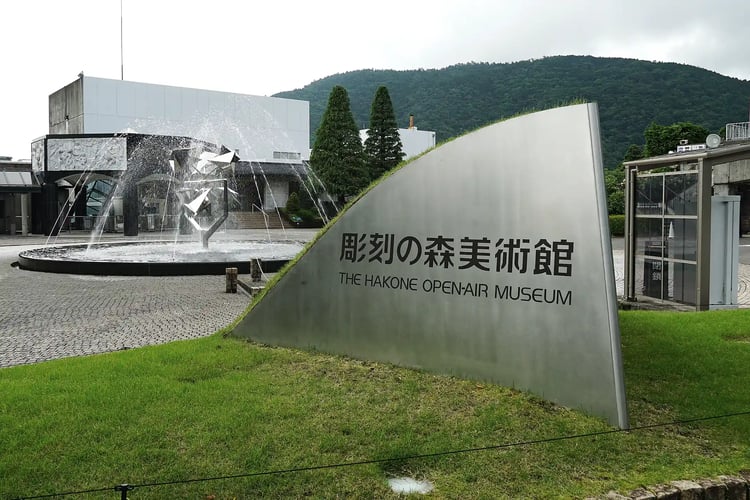
In verdant Hakone, take your time at the Pola Museum of Art—where Western and Japanese masterpieces come together—and at the Hakone Open‑Air Museum, where sculpture punctuates the natural landscape. After your senses are awakened by art, enjoy an elegant afternoon tea in the lounge of a classic hotel such as Fujiya Hotel.
Founded in the Meiji era, Fujiya Hotel is itself a work of architecture and a Registered Tangible Cultural Property (*1). Tea and sweets here taste exceptional in a nostalgic setting. In the afternoon, unwind in a day‑use hot spring to soothe away travel fatigue. Hakone has long been a historic onsen area, and sinking into its famed waters helps the impressions from the museums settle into both body and mind.
At the Pola Museum of Art, you encounter Western masterpieces centered on the Impressionists—Monet, Renoir, and more—alongside about 10,000 works of modern Japanese Western‑style painting (*2). The architecture seems to melt into the forest, offering a quiet and harmony you rarely find in urban museums.
Fujiya Hotel’s design is a tour‑de‑force of Japanese‑Western eclecticism; tracing its history gives you insight into how Western architecture was embraced in Japan. For lunch, reserve a French course at a museum restaurant and linger in the glow of great art. As you satisfy your palate, let the art conversation flow.
Access & Travel Time
From central Tokyo, Hakone takes about 90–120 minutes by train or car—comfortable for a cultured day trip from Tokyo. By public transport, ride the Odakyu Romancecar from Shinjuku to Hakone‑Yumoto in about 1 hour 25 minutes, then take the mountain bus to the museums. By car, take the Tōmei Expressway and Odawara‑Atsugi Road, exit at Hakone‑guchi IC, and head toward Gōra. An early start helps you avoid traffic.
Sample Schedule
Leave Tokyo around 8:00 and arrive at Hakone’s museums around 10:00 for an unhurried visit (about 2 hours). Enjoy lunch on‑site or nearby just after noon. From around 14:00, stroll outdoor art such as the Open‑Air Museum, then take a day‑use hot spring break around 15:00. Savor tea at a classic hotel lounge around 17:00, and return to Tokyo by limited express or car between 18:00 and 19:00.
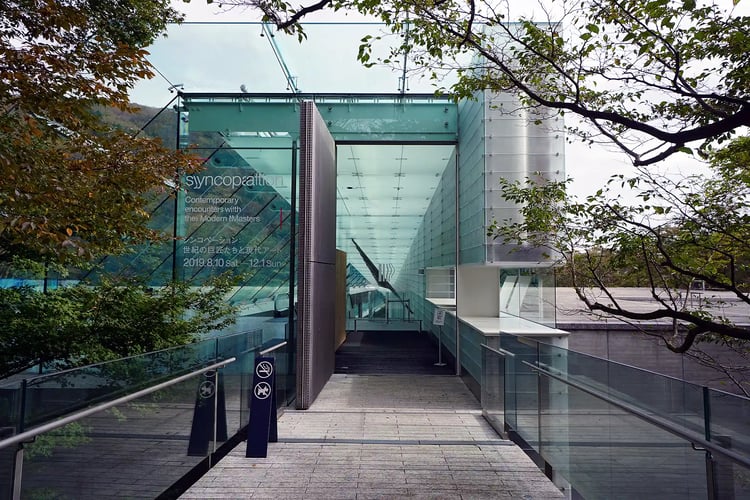
With museum strolling included, walking is just under 10,000 steps; seating for contemplation keeps the day comfortable.
Route 2 Kamakura & Kita‑Kamakura|Zen and Tea, Gardens and Modern Architecture
Start in the ancient capital of Kamakura with a tranquil Zen morning. Engaku‑ji and Kenchō‑ji in Kita‑Kamakura hold regular early‑morning zazen sessions (for instance, Engaku‑ji offers seated meditation on the 2nd and 4th Sunday mornings (*3)), inviting you to settle your mind in the clear morning air.
Then head toward Kamakura Station to visit Tsurugaoka Hachimangū and Hokoku‑ji (the Bamboo Temple) with its exquisite bamboo grove. In the teahouse overlooking the bamboo garden, a bowl of matcha lets you taste the essence of tea culture. In the afternoon, visit the Kamakura Museum of Literature, a Western‑style residence originally built in the early Shōwa era as a seaside villa for the Maeda family, former peers. You can admire Spanish‑influenced design and Art Deco interiors (*5).
A rose garden adjoins the property, adding seasonal color. Kamakura is one of the earliest places in Japan where Zen took root after arriving in the 13th century. Great Zen temples like Engaku‑ji and Kenchō‑ji—counted among the “Kamakura Five Mountains”—were pivotal in spreading Zen through the warrior class. Kenchō‑ji, founded in 1253 by the Chinese monk Lanxi Daolong, is regarded as Japan’s first dedicated Zen training monastery, and the precincts preserve the heart‑shaped Shinji‑ike garden attributed to Musō Soseki (*4).
Sit quietly in these temple gardens and you can feel Zen’s “beauty of stillness.” The museum building itself exemplifies Kamakura Modernism: completed in 1936 as the former Maeda Marquis’s villa, it became a nationally Registered Tangible Cultural Property in 2000 (*5). From the Meiji and Taishō eras onward, literati and statesmen kept villas in Kamakura, cultivating a refined Westernized culture; reading that history from the buildings is part of the fun.
.webp?width=750&height=500&name=Tsurugaoka%20Hachimangu%20Shrine%20in%20Kamakura%2c%20Kanagawa%20%20Hatsumode%20(New%20Year_s%20Visit).webp)
For lunch, enjoy shōjin cuisine or kaiseki at a Japanese restaurant with a historic tearoom. A tray lunch with thin tea near Tsurugaoka Hachimangū offers a moment that resonates with the Zen spirit. Dining in time‑honored architecture lets you slip, for a moment, into the mood of cultural figures of the past.
Access & Travel Time
From central Tokyo, trains are easiest. From Tokyo Station, take the JR Yokosuka Line rapid: about 1 hour to Kita‑Kamakura and roughly 1 hour 5 minutes to Kamakura. Depart in the 7:00 hour and you’ll arrive in Kita‑Kamakura around 8:30—perfect for a quiet temple morning.
Within Kamakura, JR trains, the Enoden, and walking make for smooth connections. Distances are compact—one of this route’s charms.
Sample Schedule
Leave Tokyo around 7:30 and arrive in Kita‑Kamakura at 8:30. Spend the morning in Zen temples (including optional zazen; about 2 hours), then move toward Kamakura Station for lunch around noon.
From 13:00–14:00, tour the Museum of Literature and gardens. Around 15:00, pause at a café near Yuigahama until about 16:00. Catch a train in the 16:00 hour and you’ll be back in Tokyo by around 19:00. Limiting the day to 3–4 main spots gives you generous time at each and keeps the pace relaxed.
Route 3 Nikkō|Decode World Heritage Shrines and Brilliant Polychrome Carvings
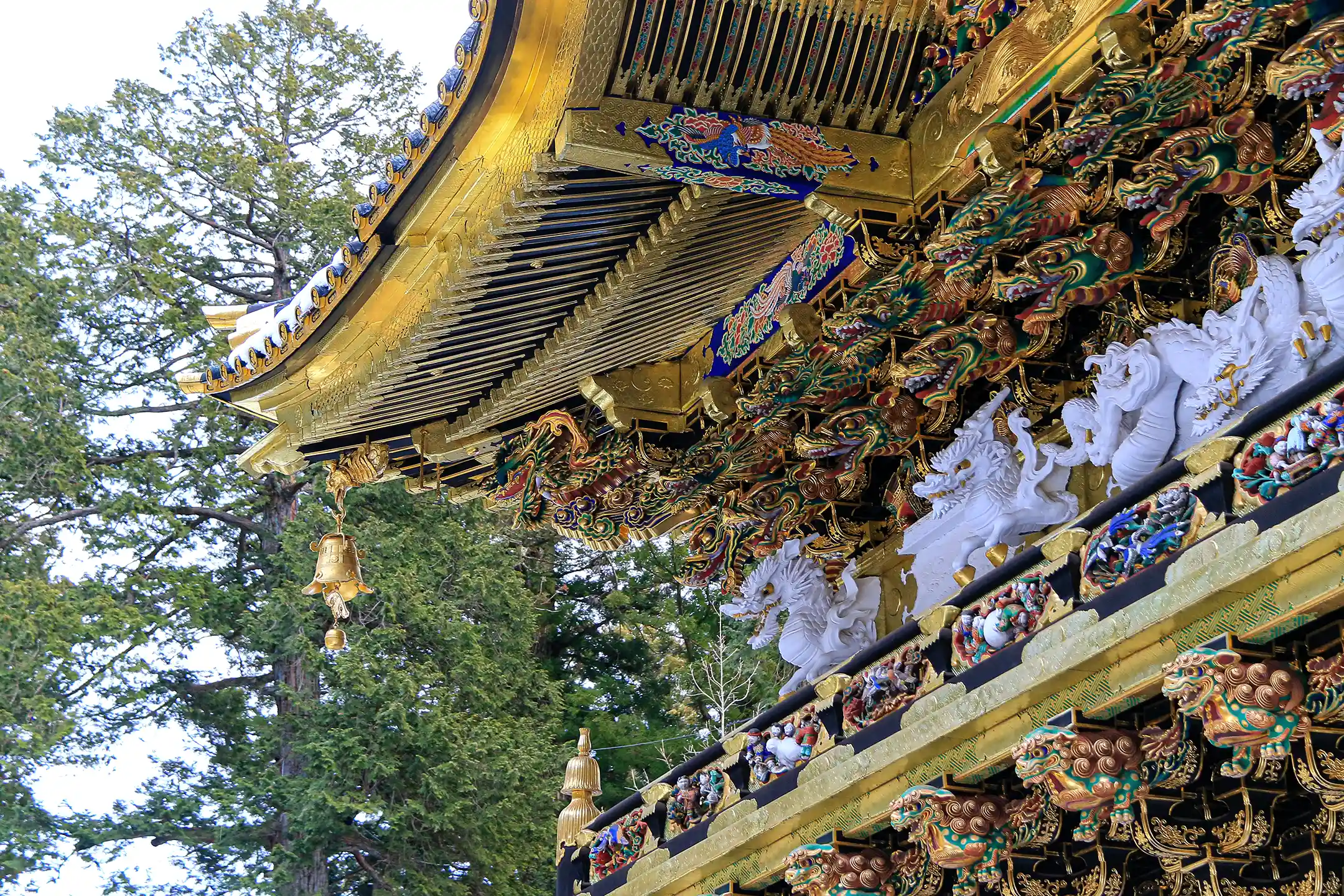
Next, explore the World Heritage shrines and temples of Nikkō to encounter the pinnacle of traditional Japanese architecture and sculptural ornament. At Nikkō Tōshō‑gū, dedicated to Tokugawa Ieyasu, the first shōgun of the Edo shogunate, you’ll be struck by brilliantly colored buildings and countless intricate carvings.
The famous Three Wise Monkeys (see no evil, speak no evil, hear no evil) and the Sleeping Cat are well known, but look closely and you’ll find humorous works too, like imaginary elephants—details you won’t want to miss. At neighboring Futarasan Shrine, take in the Sacred Bridge and the quiet presence of an ancient shrine; at Rinnō‑ji, visit the majestic halls and gardens.
These sacred sites stand within deep cedar groves, where you feel a sanctity in harmony with nature. Tōshō‑gū was magnificently renovated by the third shōgun, Tokugawa Iemitsu, in the 17th century, culminating in the flamboyant “Gongen‑zukuri” style of shrine architecture.
Its design profoundly influenced later generations (*6). Gates and halls feature exceptionally fine carvings, gold leaf, and vivid pigments—often cited as the zenith of decorative beauty in Japanese architecture (*6).
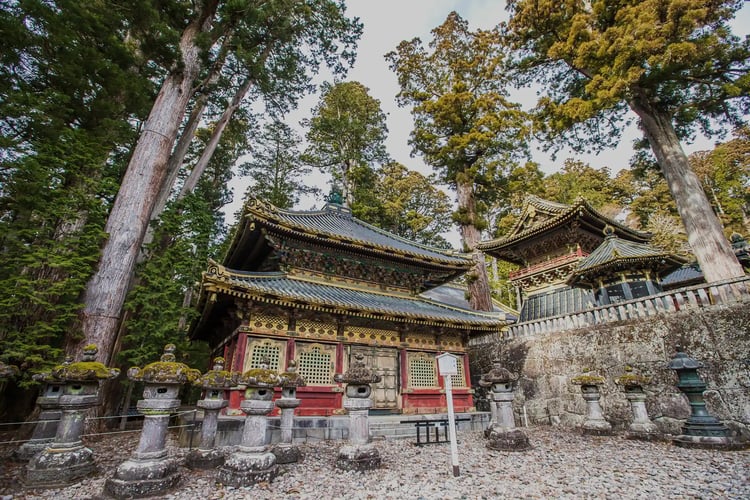
For example, the National Treasure Yōmeimon is said to carry more than 500 carvings; it’s so captivating it earned the nickname “Higurashi‑mon,” a gate you can gaze at until sundown. In the Edo period, Nikkō—home to the Tokugawa mausolea—projected shogunal authority and, through pilgrimages and rituals, influenced popular culture as well.
For lunch, consider a classic hotel like Nikkō Kanaya Hotel and its storied Western menu. The famed “Hundred‑Year Curry” evokes the summer resort culture of the Meiji era. Don’t miss yuba (tofu skin), a Nikkō specialty; a traditional yuba kaiseki at a long‑established restaurant will satisfy both palate and spirit.
Access & Travel Time
From Tokyo, Tōbu Railway is convenient. Board the “Kegon” or “Liberty Kegon” limited express from Asakusa and arrive at Tōbu‑Nikkō in about 2 hours without transfers. Depart Asakusa in the 7:00 hour and you’ll reach Nikkō around 9:30.
From the station, it’s about 10 minutes by local bus to the World Heritage area. By car, leaving central Tokyo before 7:00 via the Tōhoku Expressway and Nikkō‑Utsunomiya Road puts you near the Shinkyō Bridge around 9:30. Nikkō sits higher and runs cooler than Tokyo—bring an extra layer.
Sample Schedule
Depart Tokyo at 7:00 and reach the shrine‑temple area around 10:00. Spend the morning (10:00–12:30) touring Tōshō‑gū, Futarasan Shrine, and Rinnō‑ji. You can comfortably cover the main spots in 2–3 hours, even with unhurried viewing.
Have lunch around 13:00 in town; at 14:30 head to an extra site like the Tamozawa Imperial Villa (about 1 hour). Enjoy a café break around 16:00, then catch a limited express back between 17:00 and 17:30, arriving at Tokyo Station around 20:00–20:30. We’ve given slightly longer dwell times so you can study the historic details.
Route 4 Mashiko|Hands‑On with Folk Craft Pottery in Its Hometown
Mashiko in Tochigi Prefecture is a pottery town closely tied to Japan’s mingei (folk craft) movement. Begin at the Hamada Shōji Memorial Museum (Mashiko Sankōkan) to tour the home, workshop, and climbing kiln of a giant of mingei, Hamada Shōji.
Thatched farmhouses and an enormous climbing kiln are preserved here, giving you a palpable sense of mingei’s spirit. Hamada was designated a Living National Treasure in 1955 and was a pioneer of the movement (*7). The museum also displays his ceramics collection from around the world, reflecting his discerning eye for global craft.
Next, visit the Mashiko Museum of Ceramic Art to learn the history of Mashiko ware and see works by contemporary artists. After grounding yourself in the basics, head to a working studio to try hand‑building or a potter’s wheel. Working clay into form sparks creativity, and you’ll grow attached to the one‑of‑a‑kind vessel you shape for yourself.
Because firing takes time, your piece will be shipped to you later, making it a special memento of the trip. Mashiko became a key base for the mingei movement championed by Yanagi Sōetsu in the early 20th century, producing many works devoted to “the beauty of everyday use.”
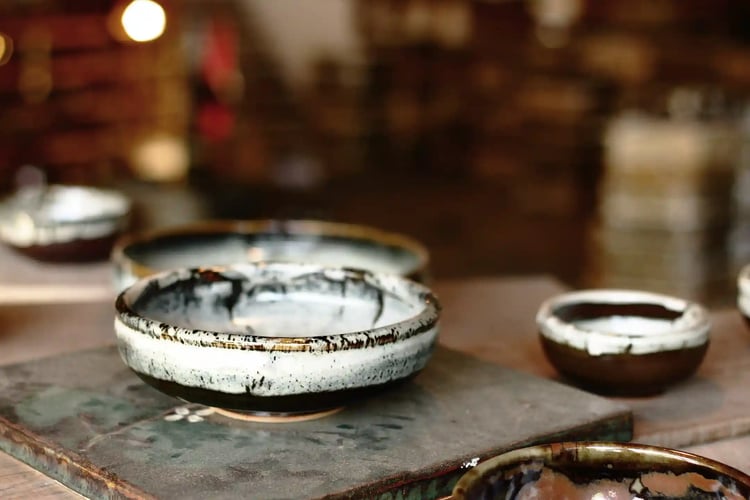
After returning to Japan from England in 1924, Hamada built his kiln here and began making daily‑use tableware with local clay and glazes. Guided by the mingei idea that “beauty resides in everyday ware made by unnamed craftspeople,” he also learned from popular crafts across the world. The warm, unpretentious character of Mashiko ware springs directly from that ethos (*7).
Traditional techniques like climbing kilns still exist in Mashiko. Their multi‑chambered design steps up a slope so the heat from the lower firebox preheats the upper chambers, dramatically improving fuel efficiency. This innovation enabled large‑batch firing from the late Edo period onward and underpinned the growth of kiln towns like Mashiko. The area also abounds in fresh produce, so lunch built around local vegetables is a treat.
At stylish cafés attached to pottery shops, quiche and soups made with local greens are served on Mashiko ware, pleasing the eye as much as the palate. Some cafés adjoin artists’ galleries, where you can dine while viewing works—and sometimes even chat with the maker.
Access & Travel Time
From Tokyo Station, it’s about 50 minutes to Utsunomiya by shinkansen or about 100 minutes by local lines. From Utsunomiya, transfer to the Mōka Railway; trains run about once every 1–2 hours, so check connections. By car, leaving the city at 8:00 gets you to Mashiko around 10:00. Rental bicycles are available in town, but the main spots lie 2–3 km apart, so a car or taxi is efficient.
Sample Schedule
Leave Tokyo at 8:00 and arrive at the Reference Museum around 10:30. Tour the Hamada Shōji Memorial until 11:30, then head to the Mashiko Museum of Ceramic Art for viewing until 13:00. Enjoy a café lunch from 13:00–14:00. From 14:00, join a pottery workshop (about 1.5 hours).
Afterward, wander local galleries from around 16:00 and depart Mashiko just after 17:00, arriving back in Tokyo around 19:30. Booking your pottery slot in advance keeps the day smooth; total walking is around 8,000 steps.
Route 5 Hayama & Zushi|Seaside Museum and Lunch at an Auberge
On the Shōnan coast, Hayama offers a quiet resort where sea and art meet. Start at The Museum of Modern Art, Kamakura & Hayama (Hayama Annex). When it opened in 1951 (originally the Kamakura building), it became Japan’s first public modern art museum (*8). The museum’s roughly 16,000 holdings include modern Japanese Western‑style painting and contemporary art.
From the light‑filled glass galleries, you look out across Isshiki Beach and Sagami Bay—a luxurious setting where art and seascape enrich each other. Sculptures dot the garden, inviting a breezy art stroll. Since the Meiji era, Hayama has been home to Imperial villas, which preserved the area’s scenic character and helped it develop as an upper‑class retreat.
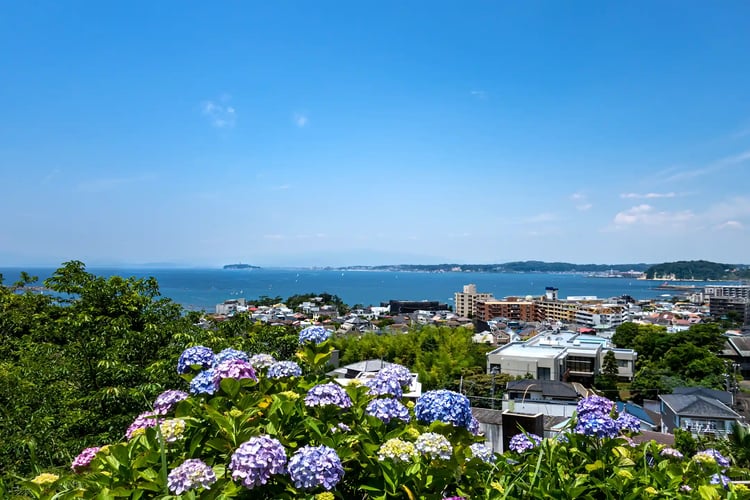
In fact, the grounds around Isshiki Beach where the current Hayama Annex stands once held a secondary residence of the Prince Takamatsu household (*9). That heritage still lends the neighborhood an elegant, low‑key air.
The museum itself now occupies the former site of that royal villa, embodying the intertwined history of the Imperial family and Hayama. In the collection, you can trace how modern Japanese painters engaged with Western art and see coastal landscapes that echo the setting—perfect for learning under the theme “Sea and Modern Painting.” Afterward, the on‑site restaurant Orange Blue is lovely for coffee with a view of the water.
Next door, Hayama Shiosai Park spreads out across the former annex of the Shōwa Emperor’s Hayama Villa. A Japanese garden framed by pines opens toward the sea, and the on‑site museum displays marine specimens from Sagami Bay collected by the Emperor—another window into Hayama’s ties with the Imperial household.
In the afternoon, indulge in a leisurely course lunch at a seaside auberge. Near Hayama Port, auberges serve highly regarded French cuisine highlighting Sagami Bay seafood and Miura vegetables; terrace seating with ocean views makes for a blissful midday.
The day’s highlight is lunch at the auberge. At oceanfront properties like Otowa no Mori or Scapes, you can savor a full French course at noon. Dishes featuring the freshest bounty from sea and hills extend the sensitivity awakened by your museum visit. After lunch, a short cruise from Hayama Marina to take in the coast from the water is another appealing option.
Access & Travel Time
From Tokyo Station, the Yokosuka Line to Zushi takes about 60 minutes; from the station, a bus to Isshiki Beach drops you in front of the museum in roughly 15 minutes. Leave the city around 9:00 and you’ll be in the galleries by 10:30. Return buses to Zushi run through late afternoon. The round‑trip travel time is about 3 hours—ideal for a day trip.
Sample Schedule
Depart Tokyo at 9:00 and arrive at the Hayama museum at 10:30. Explore the museum and gardens until noon, then enjoy a 1.5–2 hour course lunch at an auberge from 12:30. Around 14:30, stroll the seafront toward Morito Beach. Pause for tea at a seaside café around 15:30, depart Hayama at 16:30, and reach Tokyo by around 18:30. Much of your time is spent relaxing by the sea, so walking stays around 5,000–6,000 steps.
Route 6 Kawagoe|Strolling Edo‑Style Streets and Living Craft Traditions
In Kawagoe, Saitama—nicknamed “Little Edo”—you stroll a streetscape of kura‑zōkuri merchant houses with black plaster walls. The stately earthen‑walled buildings along Ichiban‑gai make you feel time‑slipped; many were built as fire‑proof architecture after a great fire in 1893. The symbol of the town, Toki no Kane (the Time Bell Tower), rises four stories and chimes four times a day; the current tower was rebuilt in 1894.
Then visit Kita‑in, a temple with deep ties to the Tokugawa. Here you’ll find the room where Tokugawa Iemitsu was born and a study relocated from Edo Castle’s Momijiyama. The 500 Rakan statues in the precincts, each with a unique expression, are another delight.
Extend your walk to Kawagoe Hikawa Shrine to pray to the deity of matchmaking. In summer, the countless wind chimes hung in the grounds tinkle with cool music. Kawagoe prospered as a castle town and merchant center in the Edo period, and more than 30 kura‑zōkuri buildings—the culmination of its fire‑prevention architecture—still remain.
Their thick earthen walls are highly fire‑resistant; during the 1893 conflagration, many ordinary wooden homes burned while the kura survived (*10). Reconstruction spread the style throughout town, creating a “streetscape resilient to fire.” The facades preserve the look of Edo‑Tokyo machiya from before the Great Kantō Earthquake—one reason they’re so valued in architectural history. Kawagoe’s living craft traditions are worth meeting too.
For example, Kawagoe Tōzan, a cotton fabric with stripes that surged in popularity from the late Edo to Meiji period, is prized for its silky sheen and handfeel (today’s bolts are reproductions revived in the 1970s). It remains beloved among kimono aficionados, and you can pick up small accessories at local drapers.
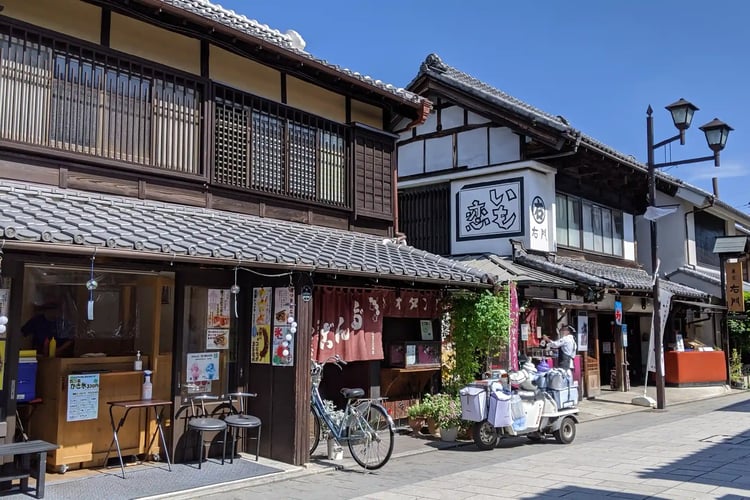
At Candy Alley, you can watch artisans make traditional sweets like pulled sugar candy—a window onto the popular culture of a castle town. And when in Kawagoe, eel is a must. The city shipped eel to Edo, so its eel culture took root early; some shops have operated for over 200 years. A lacquered box of grilled unagi over rice glazed with a secret sauce is a well‑deserved indulgence for your day.
After lunch, graze on sweet‑potato treats in Candy Alley—chips, candied yaki‑imo, and pies. Sampling as you wander is part of the fun.
Access & Travel Time
From Ikebukuro, the Tōbu Tōjō Line rapid express gets you to Kawagoe in just over 30 minutes—very close. Leave the city at 9:00 and you’re exploring by 10:00. The kura district is about a 15‑minute walk from Hon‑Kawagoe Station, and the “Kura no Machi” loop bus is handy. On peak‑season weekends, streets fill up—an early start is most comfortable.
Sample Schedule
Depart Tokyo at 9:00 and arrive in Kawagoe at 10:00. From 10:00–12:00, stroll the kura streets around the Time Bell and shop. Enjoy lunch at a venerable eel restaurant at 12:00; around 13:30, head to Kita‑in and Hikawa Shrine for visits until about 15:00. At 15:30, enjoy snacks in Candy Alley, depart Kawagoe at 16:30, and reach Tokyo around 18:00. There’s a lot of walking, but the town itself is the attraction—expect about 10,000 steps.
Seasonal & Weather‑Based Variations
In Japan, each season has a distinct character. Tailoring your plan to weather and season makes a big difference in comfort. During the rainy season (around June), consider increasing your share of indoor stops and centering the day on museum visits. Because your shoes may get wet, bring waterproof, walkable footwear and a compact umbrella.
For example, in Kamakura, you might skip bamboo‑grove temples and instead make a museum where you can enjoy the sound of rain your main venue. In the peak heat of summer (July–August), midday outdoor activities raise heat‑stress risk. Assign your core outdoor moments to early morning and evening, and spend 11:00–15:00 indoors (*1).
Stroll gardens at dawn, pause in cafés or museums around noon, then head back outdoors toward evening—timing is everything. Hats or parasols and steady hydration are essential. In foliage season (around November), famous spots get crowded. Try reversing the standard circuit or arriving at opening time to stay ahead of the flow.
At Nikkō Tōshō‑gū, for instance, visit first thing in the morning; then enjoy a tucked‑away café on a weekday afternoon. As the day goes on, outdoor sites fill up, so flip the order: outdoors in the morning, indoors in the afternoon.
In snowy weather (winter), transit disruptions and icy roads are concerns. Build buffer time into your plan and keep the schedule easy. Wear shoes with traction or simple clip‑on spikes, and put safety first.
Winter’s clear air makes long views stunning, offering chances to see shrine roofs dusted with snow or Mount Fuji shining in white. Dress warmly and revel in scenery that only winter affords. With seasonal tweaks and your own pace, enjoy a truly refined day out.
When the journey asks you to stay

In Closing:
We’ve introduced six day‑trip routes from Tokyo and ways to adapt them to the seasons. Each route rewards you with deep learning and quiet emotion. Expand your world in museums, deepen your knowledge through historic architecture and craft, and satisfy all five senses with memorable meals—this kind of single‑day journey adds color to a busy life and restores breathing room in your days.
Let this guide be your springboard. On your next day off, go just a little farther than usual for a high‑caliber day trip. Chances are you’ll return with discoveries that carry into tomorrow and enrich the cultured way you live.
.webp)