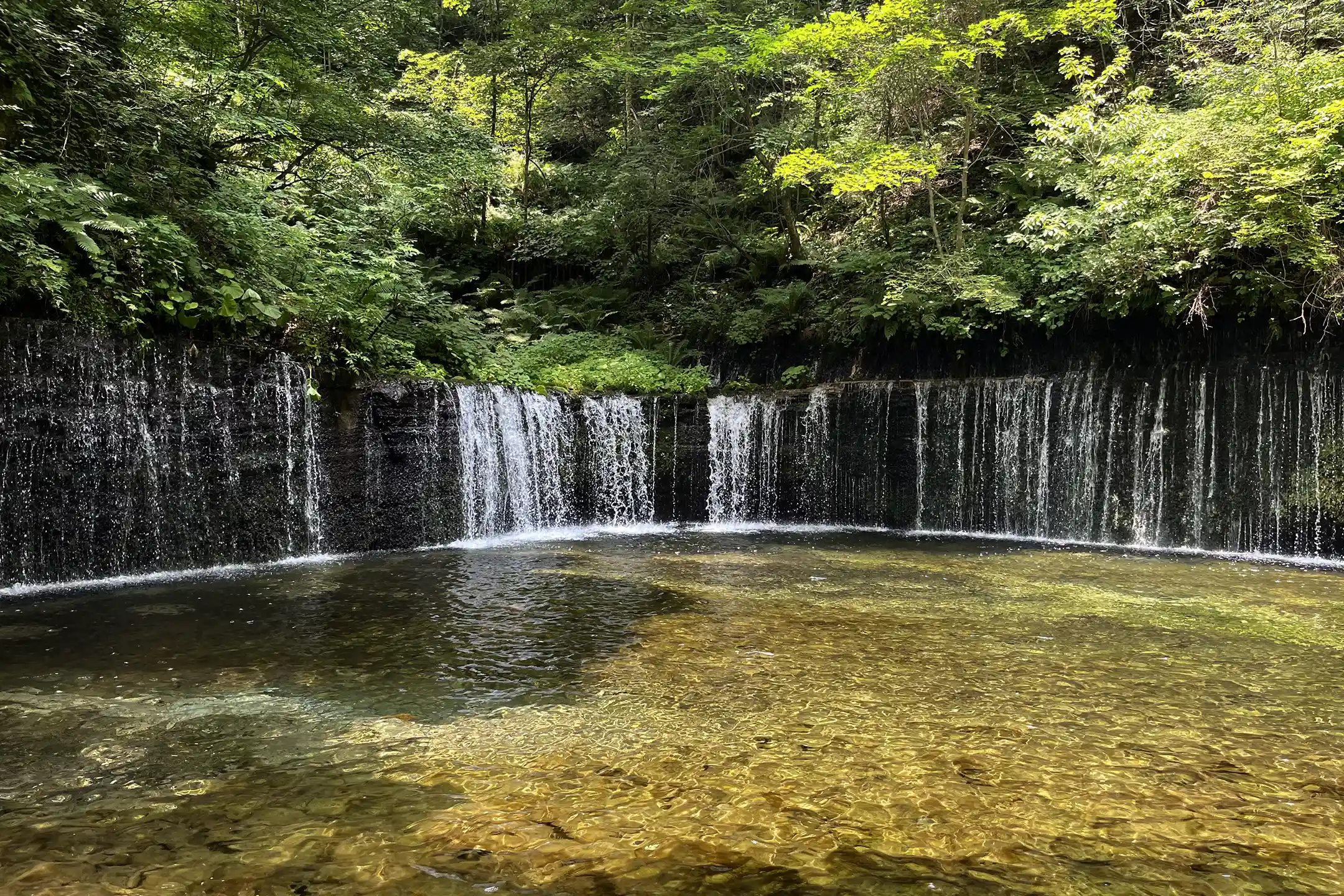
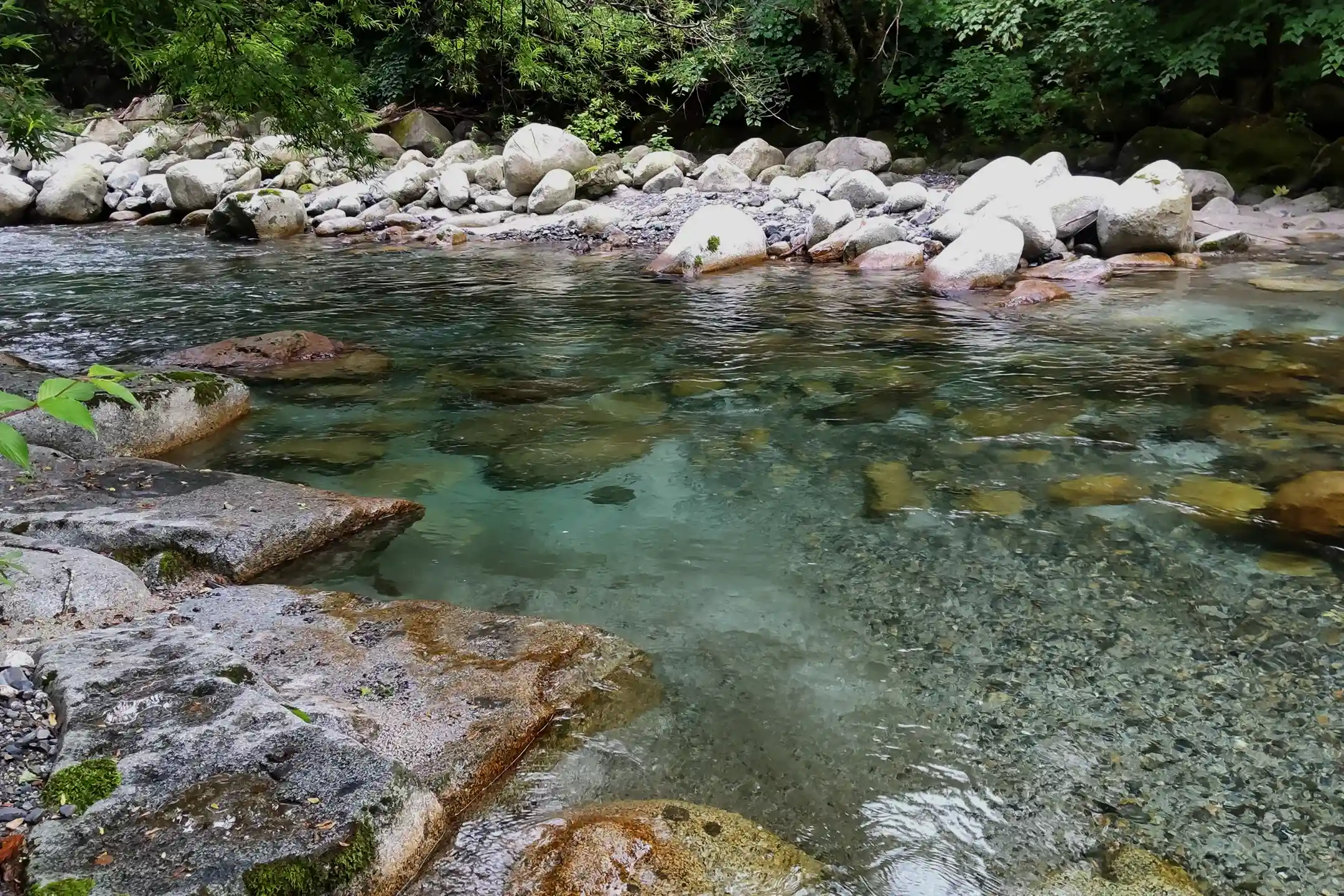
In today’s high‑value travel, “mind–body wellness” and “harmony with nature” are essential themes. Across Japan, immersive stays that weave together generous natural settings and living traditions invite you to step away from the city’s rush, savor quiet, and take the rare luxury of looking inward—an ideal canvas for japan travel nature seekers.
This article introduces the appeal and latest trends of Japan’s nature tourism that discerning international travelers are already watching, along with wellness experiences, recommended regions, how to choose accommodations, and seasonal ways to enjoy your trip. By discovering Japan’s ever‑changing natural beauty across the four seasons and the deep relaxation rooted in Zen and onsen culture, you can plan a luxury journey that is gentle on both body and spirit.
Let us guide you to uniquely Japanese sanctuaries of calm—perfect for wellness‑focused, grown‑up travelers like you.
What Is Nature Tourism|Japan’s Strengths and the Latest Trends
Nature tourism, in a word, is “a stay‑based style of travel centered on natural assets.” Rather than rushing from one famous spot to the next, you linger in a particular region and engage deeply with its nature and culture (*1). You don’t just admire scenery and ecosystems; with local guides you learn about environmental and cultural histories and adopt behaviors that protect them.
Crucially, this stay‑focused approach is not mere entertainment. It harmonizes with a region’s nature, culture, and economy, supporting sustainable revitalization. Japan is an ideal stage for this: abundant nature interwoven with traditions like onsen and Zen creates a distinctive edge. In recent years, the appetite for small‑scale, quiet trips and the rise of sustainable travel have pushed Japan’s nature tourism into a new phase.
Definition and Core Concepts
Nature tourism places the natural environment at center stage. The value lies in staying within the great outdoors to experience and learn from its gifts. Picture a few unhurried days in a village at a mountain’s foot: dawn walks through the forest to birdsong, or hands‑on farm work in terraced rice fields alongside local residents.
Unlike a simple circuit of scenic spots, the appeal is “traveling as if you lived there.” This kind of stay fosters meaningful contact with local nature and culture, sparks exchange with the community, and circulates economic benefits locally.
At the same time, it’s carried out under sensible rules so tourism doesn’t degrade the environment, and the proceeds are reinvested in conservation and community development. In short, nature tourism rests on respect for nature and sustainability, aiming for harmony among “nature, culture, and the regional economy.”
Japan’s Strengths
Japan enjoys multiple advantages for nature tourism. First is its onsen culture. As of 2016 there were over 3,000 hot spring resorts nationwide (with roughly 27,000 sources), placing Japan among the world’s leading hot‑spring destinations (*1).
Since ancient times, people have practiced “toji,” repeated immersion in hot springs to help relieve ailments and restore vigor. Toji is a uniquely Japanese therapeutic culture premised on stays of at least a week or two (*2). This tradition continues today, and many onsen towns now offer extended‑stay health‑tourism programs.
Japan’s spiritual culture—including Zen, along with tea ceremony and kodo (the incense tradition)—also makes nature tourism here distinctive. Zazen at a Zen temple or a tea gathering where you savor matcha provides mental nourishment prized by overseas visitors, appreciated as mindful time that promotes calm and focus.
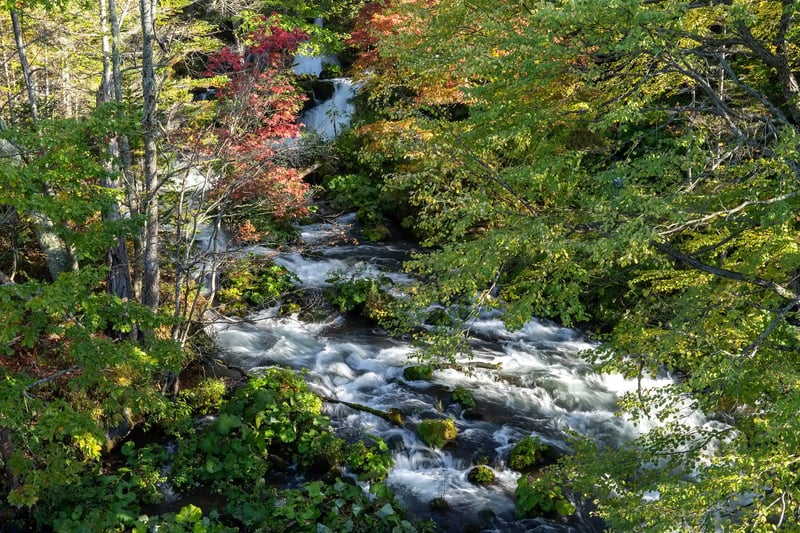
Add to that the country’s dramatic seasons and varied climate zones: from subarctic conifer forests in the north to subtropical mangroves in the south, a rich tapestry of ecosystems spans a single nation. Spring’s cherry blossoms, summer’s fresh green and clear streams, autumn foliage, and winter snowscapes—few places offer such season‑by‑season variety.
As a place for therapeutic bathing, a field for deepened awareness, a gallery of seasonal beauty, and a living model of human–nature coexistence, Japan’s nature tourism condenses multifaceted allure you won’t find elsewhere.
The Latest Trends
As times change, new currents shape nature tourism. First is the spread of “slow & micro‑tourism.”
Rather than mass long‑distance travel, micro‑tourism favors small journeys close to home—a trend highlighted during the pandemic. It lowers environmental impact by shortening distances, avoids crowds, and offers restful encounters with nearby nature. Here, the purpose is less “play” and more “healing.”
In practice, micro‑tourism emphasizes unhurried soaks at a local onsen, lingering over good food, and connecting with local nature and culture—precisely the kind of travel that restores mind and body (*3).
A second trend is the renewed value placed on avoiding crowds and seeking quiet. In response to overtourism and a desire to steer clear of congestion, more travelers skip famous hotspots and choose serene, nature‑rich hideaways.
As a result, “unhurried time” increasingly defines travel’s value. Japan’s nature tourism is answering the call for slower, more introspective journeys—an ideal fit if you’re seeking essential richness in luxury travel.
Nature Tourism × Wellness Experiences|The First Five to Choose
If you want to release daily stress and rebalance mind and body, wellness‑forward travel pairs beautifully with nature tourism.
Below are five themes rooted in Japan’s landscapes and time‑honored wisdom. Each aligns with the keywords [Reset], [Warm], [Circulate], [Unbind], and [Deepen]—guiding you to sharpen the senses, clear the mind, and return to your true self.
Breathe deeply in a silent forest at sunrise. Spend time with yourself in a Zen temple. Reset in quality hot springs. Move with the sea’s rhythms on the coast. End the day with the comfort of tea and fragrance. These are must‑try experiences for wellness‑minded luxury travelers like you. Let’s take them one by one.
Forest Bathing and Quiet Trails
Have you noticed how a deep breath in the woods settles you and leaves you refreshed? “Shinrin‑yoku,” or forest bathing, is a term born in Japan and recognized globally as a nature‑based therapy.
Research by Prof. Yoshifumi Miyazaki of Chiba University and others reports measurable relaxation effects after walking in forests: reduced cortisol (the stress hormone), stabilized blood pressure and heart rate, and more. The phytoncides in wood aromas may help activate the parasympathetic nervous system, calming the mind. As stress decreases, immune function—particularly NK (natural killer) cell activity—appears to rise. In short: “the forest is the finest therapy room.”
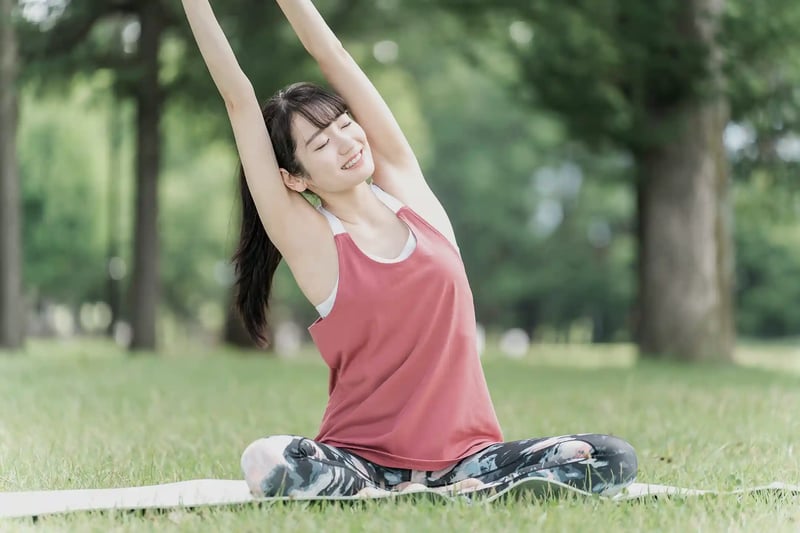
Across Japan you’ll find designated “forest therapy” bases and quiet trail networks where guides lead nature observation and breathing practices. A favorite is deep breathing and gentle stretching in an early‑morning forest.
Repeat slow abdominal breaths in the crisp air and you’ll feel your day fall into alignment. Near Tokyo you have serene trails in Mt. Takao and Okutama; venture farther and you’ll find hidden gems such as the woods of Azumino in Nagano or beech forests near Hida‑Takayama. Time cradled by the forest is the quintessential “[Reset]” wellness experience.
Zazen at a Zen Temple
To step outside busyness and enter a state of no‑mind, try zazen at a Zen temple. Sit tall in the hush of the main hall and rest your awareness on a gentle breath; distractions thin out, and clarity widens.
Japan abounds with Rinzai and Soto Zen temples, and more now welcome visitors for zazen (seated meditation) and shakyo (sutra copying). Even as a beginner, you’re in good hands: many accept English speakers and offer practical guidance from posture to basic etiquette.
In Kyoto, for instance, Shunkoin (a sub‑temple of Myoshin‑ji) offers reservation‑only, English‑language zazen popular with international travelers. Vice‑abbot Rev. Daigyo Kawakami has lived abroad and communicates Zen teachings in clear English.
Because the experience is by reservation and feels private, it’s a favorite among foreign guests—“a rare chance to understand Japanese culture in English,” as reviews put it (*1). If sitting cross‑legged is tough, a chair is fine; adjust as needed if you feel discomfort. The point is to focus on now. With the soft beat of the mokugyo (wooden drum), close your eyes and count your breaths; you’ll sense body and mind settling. Even a short session can leave you strikingly clear‑headed, as if a firm line of poise runs down your spine.
In the “elsewhere” of a Zen temple, making space for quiet time with yourself can refresh you from the core. For anyone navigating a high‑stress life, zazen in Japan is a superb wellness program.
Onsen & Toji (Therapeutic Bathing)
Hot springs are a non‑negotiable highlight of a wellness trip in Japan. Straddling volcanic belts, the country boasts countless mineral springs—carbonated, sulfur, chloride, and more—long associated with benefits such as easing fatigue, smoothing skin, or warming cold extremities.
Settle into an onsen ryokan and give yourself over to “toji,” an unhurried bathing‑focused stay that can unwind built‑up tension in one sweep. Onsen etiquette is simple once you know it.
Before entering the bath, rinse thoroughly in the washing area—this “kakeyu” step keeps the water pristine. Don’t dip your towel in the bath, share space considerately, and keep voices low. Avoid lingering too long in very hot water; take breaks to cool down. Many facilities display illustrated English guides—skimming one in advance will boost your confidence.
After a long soak, step outside to cool down in the open air. If there’s an outdoor bath (rotenburo), rest on a chair afterward, listening to a stream or crickets as your warmed body settles. As a reward to yourself, few things rival a refined Japanese hot spring for deep relaxation.
Mindful Activities by the Sea
Time by the ocean brings a different openness and meditative pull than the forest. Try a sun‑salutation on the sand while watching waves glow at dawn, or sit at dusk and let the returning waves anchor your listening.
A standout is SUP yoga. SUP—stand‑up paddleboarding—uses a stable board; performing yoga poses on it strengthens your core and sharpens concentration with the water’s gentle sway.
Do a morning SUP yoga session in a calm inlet and you’ll feel joyfully fused with the sea—a stellar mental reset. Even if you’re not a confident swimmer, instructors guide you with care.
Snorkeling in clear water is another calming practice: suspended in the quiet, you watch fish dance beneath. Float gently, breathe slowly, and attention narrows to “this very moment.” Whether amid tropical reefs or a sheltered cove on the Sea of Japan, drifting above a living world can be deeply absorbing.
On shore, try “wave‑sound meditation.” Sit on a quiet beach, close your eyes, and rest your awareness on the steady rhythm of surf. The “shhh” may elicit alpha waves and steady the autonomic nervous system. As you feel the sea breeze, silently pair the inhale with “incoming” and the exhale with “receding.” Soon your breath and the waves sync, guiding you into restful depth.
A serene morning by the sea can unknot mental tension and spark new inspiration. Embrace the “[Unbind]” joy of ocean mindfulness and let your senses—and your heart—reset.
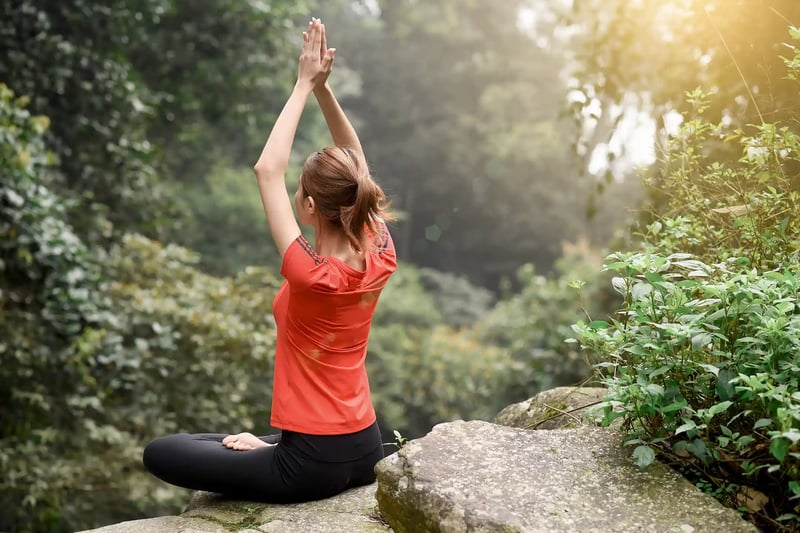
Tea and Scent Time|Japanese Tea, Kodo, and Aromas
At day’s end, treat yourself to quiet minutes with tea and restorative fragrance. Japanese tea offers relaxation and a profound spiritual culture beyond caffeine. L‑theanine, an amino acid in sencha and matcha, increases alpha waves in the brain, settling you while keeping awareness bright.
You’ve probably felt it: you grow calm yet alert after tea. That softly clear state is the gift of theanine, which research highlights for soothing irritability and anxiety while supporting focus (*2).
Japanese tea is “meditation in a cup.” Warm the teaware, savor the aroma of the leaves, and pour with care; as you sip, your mind aligns naturally. On a wellness trip, try regional teas at the source.
From Uji and Shizuoka to Yame, brewing local leaves with local spring water is a distinct travel pleasure. Matcha tea ceremony experiences are also popular. The gestures leading to a single bowl embody “harmony, respect, purity, and tranquility.” In a tatami room, appreciating the hanging scroll and seasonal flowers as you watch the host’s graceful temae, time slows. Matcha adds a touch of caffeine to theanine, leaving a clean, uplifted afterglow.
If you prefer to avoid caffeine at night, reach for roasted hojicha, fragrant genmaicha, or herbal infusions. Lavender and chamomile are lovely pre‑sleep rituals; their aromas nudge the parasympathetic nervous system and ease you toward rest. Japan also cherishes a deep culture of scent.
Kodo is the art of “listening” to incense woods such as agarwood and sandalwood—one of the three classical arts alongside tea and ikebana. In kodo experiences, you focus on the subtle differences rising from a tiny censer, refining attention and aesthetics. While it has a contemplative core, many venues offer casual experiences comparing incense woods for first‑timers.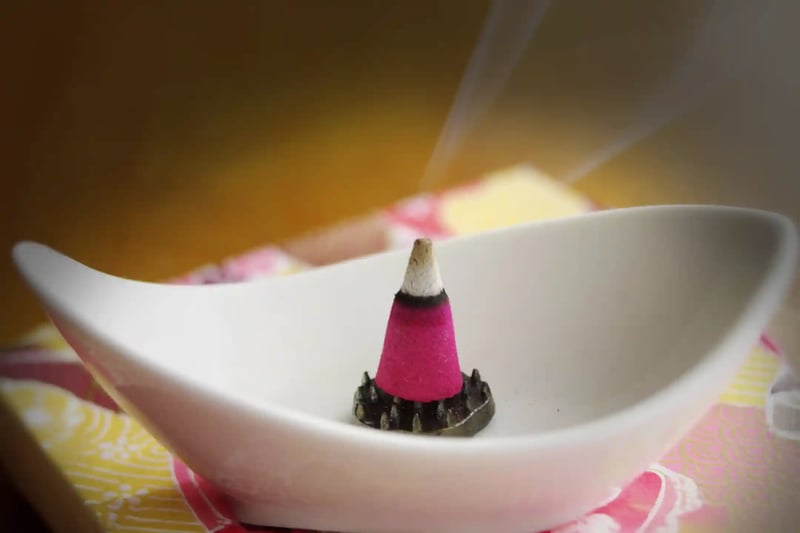
Gazing at a wavering thread of smoke and attending to fragrance naturally slows breathing and approaches a meditative state. For a tactile souvenir, craft a portable sachet (nioi‑bukuro): some Kyoto fragrance houses let you blend a one‑of‑a‑kind scent to tuck in your bag—ideal for a soothing note during flights or transfers.
Tea and scent time gently cool the mind before sleep—the “[Deepen]” habit in a wellness day. Lower the lights, play soft music, and enjoy a personal tea‑and‑aroma ritual even on the road. You’ll likely wake the next morning with clear spirits and a refreshed body.
By Region|A Guide to Japan Travel Nature Areas
Japan’s vast nature shifts character by region. Here’s a guide to key areas ideal for wellness‑forward travel, comparing features like degree of quiet, access from major cities, English support, and sustainability (eco‑tourism initiatives).
If “quiet” matters most, you may prefer low‑density areas and lesser‑known hideaways. For “access,” consider transit options and travel time from major airports. English signage and guide availability, plus efforts that respect the environment and local culture, also weight your choice.
With these lenses in mind, explore each region’s highlights. The flavor of calm differs by place, but the constants are Japan’s distinctive blend of nature and culture, and the luxury of true stillness. Let’s journey north to south.
Hokkaido (Niseko / Akan)
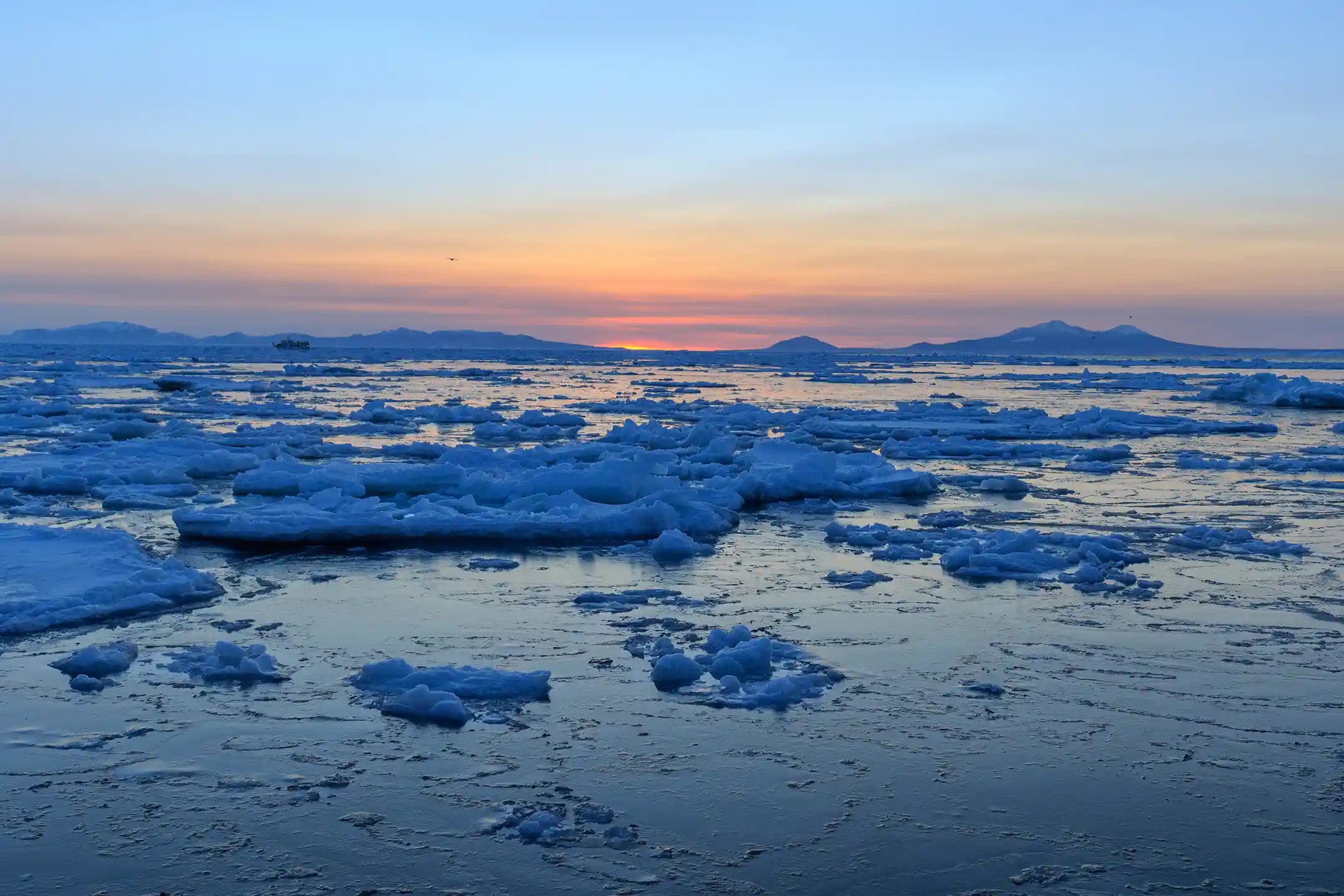
Hokkaido’s big‑sky nature showcases dynamic seasonal shifts. Summer brings deep greens and fresh breezes; autumn, vivid foliage; winter, a white world; spring, delicate blooms—always something to stir you.
Internationally famed for winter, Niseko shines in the green season as a highland retreat. Secluded villa hideaways dot forests facing Mt. Yotei, and soft adventures—horseback riding, river rafting—abound. Soak in hot springs and savor local ingredients while forgetting the city’s din.
Akan National Park is a realm of lakes and forests long stewarded by the Ainu. Lake Akan shelters the mysterious marimo algae, and nearby Lake Mashu ranks among the world’s clearest caldera lakes. By Lake Akan stands an Ainu kotan (village) where you can encounter traditional crafts and dance.
Wellness here means dawn yoga by the lake and nighttime stargazing. It’s a hot‑spring area too; an open‑air bath with a lake view melts body and mind. As you move away from cities, English signage can thin out, but untouched nature and quiet deepen. Renting a car is convenient; in winter, prepare for snowy roads.
Choose a lakefront luxury ryokan for sweeping views, or a private villa in Niseko for maximum seclusion. In Hokkaido, surrender to spacious nature and reset—this is luxury in its truest sense.
Tohoku (Towada–Oirase / Zao)
Tohoku preserves expanses of untouched landscapes—a true “treasury of quiet.” Straddling Aomori and Akita, Lake Towada and the Oirase Stream weave healing scenes of a mystical lake and crystal waters amid primeval beech.
The Oirase streamside path is one of Japan’s finest forest‑therapy walks. Stroll along mossy stones to the gentle soundtrack of water and you’ll feel the air rich with ions rinse the mind. Come autumn, the canyon blazes orange and red—walking through feels extraordinary. English signage is limited but visitor centers offer English maps.
Zao spans Miyagi and Yamagata with volcanic peaks and winter “snow monsters”—the famed rime‑covered trees. In summer and fall, alpine flowers flourish and you can gaze upon the emerald Okama crater lake.
Zao Onsen’s history reaches back roughly 1,900 years, with records over a millennium old. Its acidic sulfur springs are celebrated for skin benefits, known as “princess baths.” At 880 meters, the town stays cool in summer; wandering between steamy public baths is part of the charm. Sink into a hillside rotenburo with forest views and enjoy supreme relaxation.
Tohoku’s gentle pace, pastoral scenes, and warmhearted hospitality are part of its appeal. Consider farm stays with hearthside local cuisine or harvest experiences that reconnect you with the soil—soul‑soothing wellness in practice. Dive into Tohoku’s embrace and give yourself the gift of unhurried healing.
Chubu–Koshin (Kamikochi / Yatsugatake)
Japan’s central ranges—often called the Japanese Alps—string together celebrated peaks ideal for highland retreats. Kamikochi in Nagano sits at 1,500 meters; the Kappa Bridge area framed by the Hotaka range and Mt. Yake is breathtaking.
With private cars restricted, calm prevails. Walk riverside trails along the Azusa River and you might meet wild monkeys or spot alpine blooms. At dawn, people thin out; a meditation walk by mirror‑still Taisho or Myojin Pond is unforgettable. Mountain resort hotels offer wellness programs—from terrace yoga facing Hotaka to guided stargazing night hikes.
English support is relatively strong, drawing many overseas visitors. Note: the area closes in winter; visit from April to November.
Around the Yatsugatake range, stylish villas and auberges dot the highlands. Kiyosato and Nobeyama (around 1,000 meters) stay crisp in summer, set among pastoral fields of highland vegetables. It’s a “sanctuary of stars,” home to the Nobeyama Radio Observatory; at night, the sky glitters. Glamping has grown popular; gather around a fire pit and toast under a canopy of stars—luxury camping at its best.
From Kobuchizawa to Kiyosato on Yatsugatake’s southern slopes, you’ll find art venues, horseback ranches, and charming cafes—an easy blend of forest, art, and dining. Light altitude effects add a gentle lift; simply being here can feel energizing.
Access from Tokyo is manageable by limited express or highway bus, yet the nature is surprisingly vast and quiet—a high “value per tranquil hour.” English‑guided treks are available, and foreign hikers are increasingly visible. Weather shifts quickly in the mountains; prepare well and you’ll be fine. Time in these peaks grants deep ease and sparks of inspiration.
Kansai–Kii (Koyasan / Kumano)
The Kii Peninsula in southern Kansai holds landscapes steeped in spirituality. Koyasan, the heartland of Shingon esoteric Buddhism, gathers 118 temples atop an 800‑meter plateau, creating an otherworldly atmosphere. You can stay at shukubo (temple lodgings) and experience morning and evening services, sutra copying, and refined shojin (Buddhist vegetarian) cuisine. Several lodgings welcome foreigners and offer English guidance for zazen and temple tours.
A monk‑led night tour of Okunoin (the mausoleum of Kobo Daishi) is quietly overwhelming: beneath a sky blazing with stars, among mossy stone stupas and towering cedars, time and space feel strangely suspended.
Koyasan forms part of the UNESCO World Heritage “Sacred Sites and Pilgrimage Routes in the Kii Mountain Range,” a rare fusion of history and nature.
Kumano refers to the peninsula’s southern reaches anchored by the three grand shrines—Hongu, Shingu, and Nachi—linked by the World Heritage Kumano Kodo pilgrimage routes. Since antiquity, people have walked these paths to a “land of rebirth.” Stone pavements and moss‑clad wayside shrines dot the hushed forest trails; simply walking feels purifying. English‑guided treks are thriving, with many international pilgrims.
The popular route from Daimon‑zaka to Nachi Taisha and Nachi Falls reveals a jaw‑dropping view: after an 800‑year‑old cedar avenue, the 133‑meter cascade appears in full majesty. The mountains also brim with hot springs.
Soak after your walk, savor rustic mountain cuisine, and feel body and spirit come alive again. Here, “prayer” and “healing” merge. In Kii’s land—of mountains and sea, deities and buddhas, people and nature—spend time that makes the soul sing.
Chugoku–Shikoku (Daisen / Shimanto)
Chugoku and Shikoku also hold pockets of tranquil nature and living tradition. Tottori’s Mt. Daisen, the region’s highest peak, is famed for its graceful cone and nickname “Hoki Fuji.”
Long a training ground for mountain ascetics, it shelters Daisen‑ji temple at its base. As part of Daisen‑Oki National Park, it offers primeval beech forests and varied landscapes. Enjoy horseback riding and trekking; spring brings fresh green, autumn brings color, and winter offers skiing.
Go at dawn to Ohno Pond for the mirror image of Daisen—a hauntingly beautiful scene. Crowds are modest; you can savor the quiet.
Kochi’s Shimanto River—often called “Japan’s last clear stream”—flows through unspoiled valleys and rustic fields. Paddle by canoe or ride a riverboat to see sky and mountains reflected like a water mirror; time slips away. Stroll across low “chinka‑bashi” (submersible) bridges, brew coffee by the bank, and luxuriate in simple moments. Homestays in traditional farmhouses are possible; at night, fireflies drift through the dark.
In far western Kochi, hidden beaches like Kashiwajima and Cape Ashizuri offer superbly clear water for snorkeling.
Public transport can be limited; rent a car for flexibility. English is rare away from major spots, but warm, down‑to‑earth encounters await. A neighbor may guide you if you’re lost; a minshuku inn might serve vegetables just picked from the garden. Less about flashy attractions, more about settling into quiet and nostalgia—this is the travel tone here.
Forest with only the sound of a waterfall, terraced fields wrapped in morning mist, coves at dusk—the time you spend in Chugoku–Shikoku’s hidden corners is a true “washing of the soul.”
.webp?width=800&height=533&name=Zao%20Okama%20Crater%20Lake%20(Miyagi%20Prefecture).webp)
Kyushu–Okinawa (Yufuin / Yakushima / Iriomote & Ishigaki)
Look south and another face of nature opens. Oita’s Yufuin is a sophisticated hot‑spring resort beloved by women travelers. Morning mists drift across the basin beneath Mt. Yufu; fog rising from Lake Kinrin paints a dreamlike scene.
Many ryokan feature detached rooms and open‑air baths for privacy. The townscape has galleries and cafes, with an easy elegance. Yufuin excels at the “luxury of doing nothing”: amble along the river, sip tea at a footbath cafe, or, if you’re a reader, linger in a cozy library cafe.
Onsen waters include simple and chloride springs noted for skin‑friendly effects. A sunset soak with Mt. Yufu in view is freedom itself.
Yakushima, a UNESCO World Natural Heritage site off Kagoshima, is the famed “Alps at sea.” Ancient forests cloak the island; giant yakusugi cedars include the legendary Jomon Sugi. Rain is frequent—locals joke of “35 days of rain a month”—but that moisture feeds velvety moss and a mysterious hush.
The Shiratani Unsuikyo trail immerses you in a “Princess Mononoke” world of mossy boulders and towering cedars—life force everywhere. If big hikes aren’t for you, Yakusugi Land offers shorter loops. Simply breathing phytoncide‑rich air as you tune to the forest’s rhythm is deeply restorative.
Yakushima also has unusual hot springs, including sea baths and springs bubbling under sand. The sea is clear and a renowned turtle nesting ground.
Farther southwest in Okinawa’s Yaeyama Islands, Iriomote and Ishigaki fuse subtropical jungle and emerald seas. Over 90% of Iriomote remains primeval; rare species like the Iriomote cat outnumber people in reputation. Paddle mangrove channels, shower beneath a waterfall, and be held by raw nature.
From Ishigaki, a 10‑minute ferry reaches Taketomi: red‑tiled homes and “star‑sand” beaches invite you into time’s gentler tempo. The reefs are world‑class; some dive sites offer high chances of manta encounters. Sunset brings beach yoga and SUP sessions afloat on gold‑lit water.
For centuries, island songs and the sanshin have infused daily life; listening as wave sounds and hibiscus fragrance surround you is a whole‑senses pleasure. Access is relatively smooth off the outer islands; English menus and signs are common in main spots, and rental cars and guided tours are plentiful.
Do note the climate differs from the mainland: typhoons and strong sun in summer, and occasional subtropical squalls even in winter. Plan accordingly. The trade‑off is unmatched release—wide skies, blue seas, deep forests, and starry nights fill your batteries like nowhere else.
How to Choose Where to Stay|Luxury Stays for Nature Tourism
In nature‑rich regions, your choice of lodging can amplify the environment’s gifts. Luxury stays suited to nature tourism come in several forms.
From classic high‑end ryokan (hot‑spring inns) to privacy‑forward villas and lodges, and stylish glamping, options abound. Whatever you choose, two points matter most: “distance to nature” and “respect for quiet.”
Look for settings wrapped by forest or sea, views from your room or terrace, and layouts that protect your privacy so you can unwind without over‑sensing other guests. With those boxes checked, you’re set for an ideal nature‑anchored stay.
Whether the property works for multi‑night stays is also crucial. If rooms are inviting, facilities comfortable, and dining and activities vary by day, you can linger for a week without restlessness. Below are pointers by type for a luxury, nature‑first stay.
Ryokan & Luxury Onsen Inns
A ryokan is a uniquely Japanese space of gentle otherness. In nature havens, upscale onsen ryokan deliver quiet and the subtle grace of wa (Japanese sensibility).
First, check for private open‑air baths attached to rooms. With one, you can bathe whenever you like—stargazing in the middle of the night or greeting birdsong at dawn from a steaming pool.
Dining is typically seasonal kaiseki that highlights local produce. Many properties now flex to guest preferences—on multi‑night stays, day‑two menus change, and breakfast timings can be shifted into an easygoing brunch (*1).
For longer stays, laundry services and thoughtful room functionality matter. If “quiet” is non‑negotiable, pick small‑guest‑count inns or adults‑only properties. Fewer rooms often mean a naturally serene atmosphere. Detached suites or high‑grade sound insulation add peace of mind.
Quality ryokan outfits include refined samue or yukata; the entire experience aims at low‑friction comfort. After dinner, you might stroll a lantern‑lit garden or read in a library lounge—unhurried time for adults.
Above all, the distinctive hush of a ryokan—the tatami and shoji, a hint of incense, distant insect song—is a restorative essence hotels rarely replicate. Combined with modern comforts in bedding and baths, today’s top ryokan are sanctuaries par excellence for nature travel.
Villas / Lodges / Glamping
If privacy is paramount, consider whole‑villa rentals, mountain lodges, or high‑end glamping. These give you self‑contained spaces for family or close friends, so you can relax in nature without self‑consciousness.
Villa complexes often scatter detached units across landscaped grounds, each with living room, kitchen, sometimes a pool and garden. With a private pool, discretion is total: swim when you like by day; at night, toast by the lit poolside under the stars—cinematic moments that are entirely yours.
Glamping—“glamorous camping”—sets you in nature with creature comforts. Whether riverside, forest, or beachfront, you sleep in tents or domes with hotel‑grade beds and smart bathrooms—hands‑free, easy outdoor living.
Grill dinner on a private deck, talk around a fire bar, and savor camping’s pleasures without compromising on linens or amenities. Villas and glamping both excel for longer stays (*2). With household infrastructure in place, you can settle in for a week or more, even mix remote work with vacation.
Because each unit stands alone, sound isolation is inherently high. With no neighboring walls, you can whisper on the terrace at midnight beneath the Milky Way without worrying about others. This protected privacy lets you be yourself—and relax deeply.
A villa or glamping stay is luxury daily life in nature, not simply “a hotel night.” Step outside and stars and birds greet you, yet indoors you lounge as at home. For wellness, it’s an ideal environment.
Seasons and Best Timing|Japan’s Nature Travel Calendar
Japan’s four seasons bring out nature tourism’s best. Knowing conditions and considerations by season helps you build a safer, more comfortable plan.
If you have pollen sensitivities, note spring’s cedar peaks and autumn ragweed. In the south, typhoon season (mainly Aug–Sep) matters; in summer, plan for heat and humidity; in winter, prepare for snow and icy roads. Latitude and elevation shift everything: in spring, Hokkaido can still hold snow; in autumn, Okinawa can feel summery.
Factor in both latitude and altitude as you plan. Time it right and you’ll catch nature’s finest performances in japan travel nature itineraries. Here’s a seasonal guide (*1).
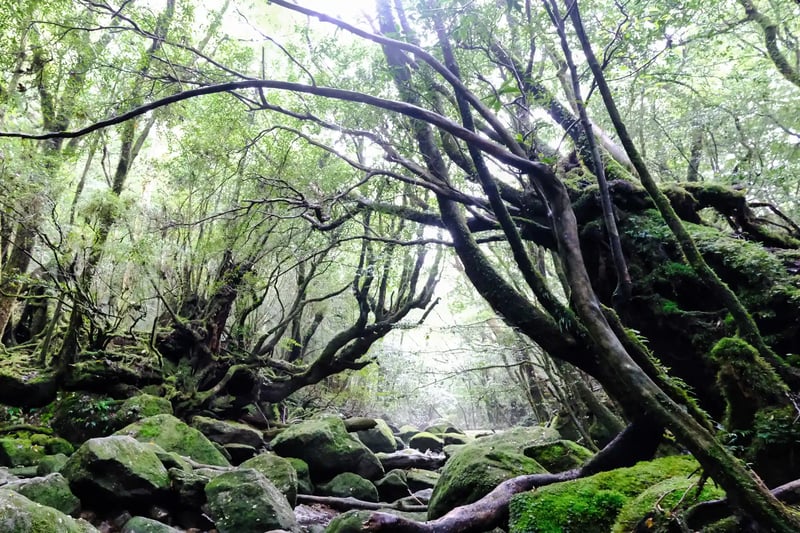
Spring (Cherry Blossoms & Fresh Greenery)
Spring in Japan is, above all, about cherry blossoms. From late March to April, the “blossom front” rolls north and the country blushes pink. Major viewing spots draw crowds, but for calm, aim for early mornings or weekdays.
Even Kyoto’s Philosopher’s Path or Nara’s Mt. Yoshino can be nearly yours at dawn—the soundtrack is nightingales and a murmuring stream. If you prefer quiet, target later‑blooming varieties like shidare‑zakura (weeping) or yamazakura (mountain cherry) to dodge peak congestion.
After petals fall, fresh green takes the stage. New leaves cloak the hills in soft, luminous greens. Some say forest phytoncides peak now; deep breaths feel energizing. If wellness is your goal, skip cherry hot spots and choose verdant gorges or canola fields for a different spring palette.
Dress in layers—mild by day, cool by morning and night (*1). At altitude or at dawn, it can be colder than you expect; a light windbreaker or wrap helps. UV strengthens from mid‑April—pack sunscreen.
Spring can be busy with graduation trips and Golden Week. For fewer crowds, try weekdays in late April or the week after the May holidays. Catch the moment and let spring’s dawning energy fill you.
Summer (Highlands & Sea)
Summer heat can be intense, but it’s also prime time to “seek cool.” As people did historically, head to highlands or breezy coasts. In Shinshu, Karuizawa and Tateshina; in Hokkaido, Furano and Niseko—shade stays crisp even at midday, and mornings and nights can feel brisk.
Outdoor fun abounds—cycling, horseback rides, canoeing on lakes. Lean into “morning activities” for even more comfort. Coastal hubs like Shonan and Tateyama get busy, but islands thin the crowds. In Okinawa’s outer islands, the sun is strong by 7 a.m.; early swims or snorkels are perfect.
Do watch typhoons—especially Aug–Sep in Okinawa, Kyushu, and Shikoku. Keep an eye on forecasts and stay flexible if a storm approaches. Summer’s hurdles are real, but so are its rewards: the taste of cool mountain air in a long inhale, the drama of a sea sunset, the night chorus of insects and frogs—nature brims with energy. Manage the heat smartly and claim summer’s big, vivid experiences.
Autumn (Foliage & Harvest)
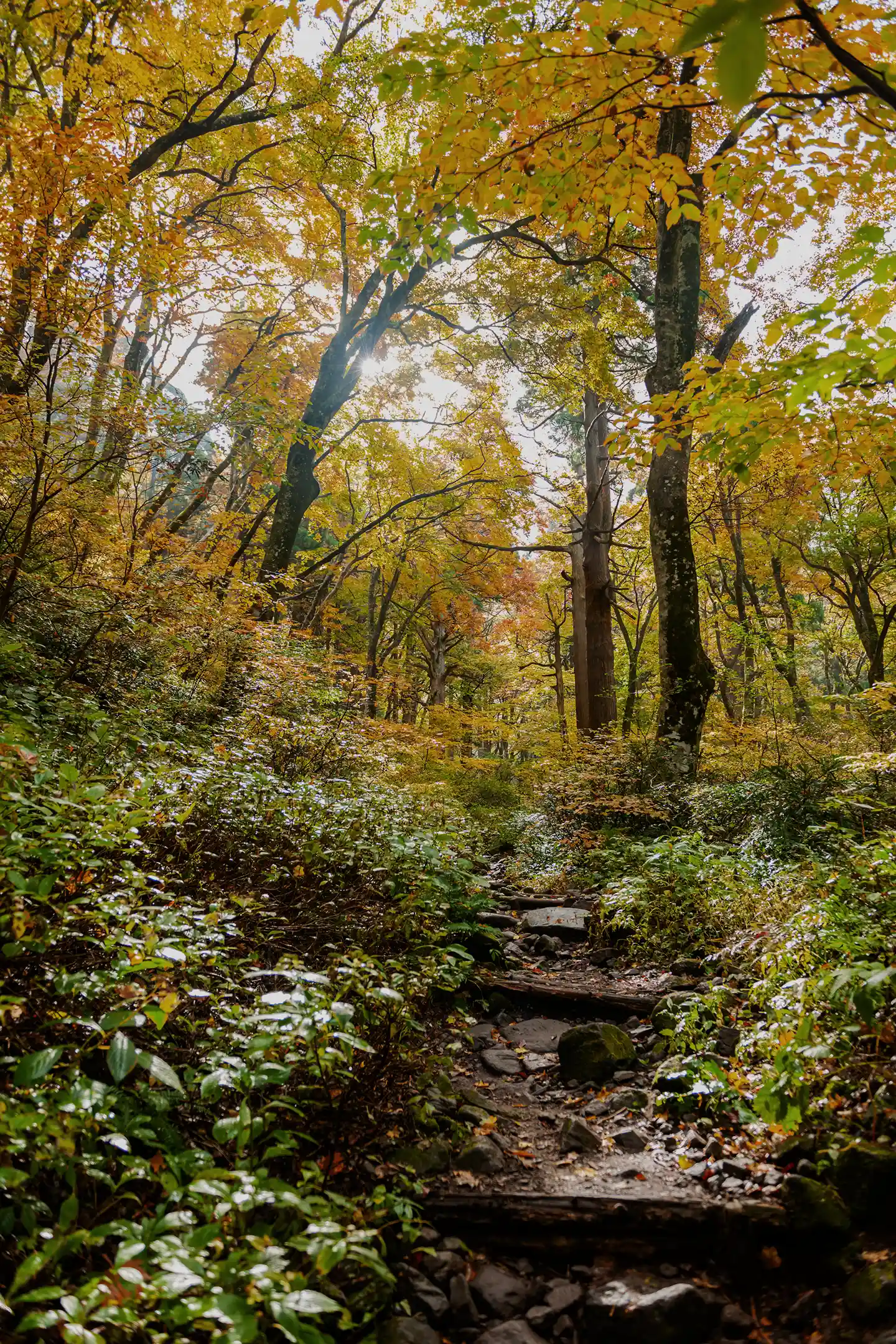
By autumn, the bustle eases and the air softens as nature turns brilliant. Foliage begins in Hokkaido’s Daisetsuzan in late September and reaches Kyoto and Nara by late November, painting a nationwide gradient.
Momijigari (leaf‑viewing) has long charmed the Japanese. Crowds spread out more than in cherry season, but famous sites still swell on weekends. Go on weekdays or at dawn and dusk for calm.
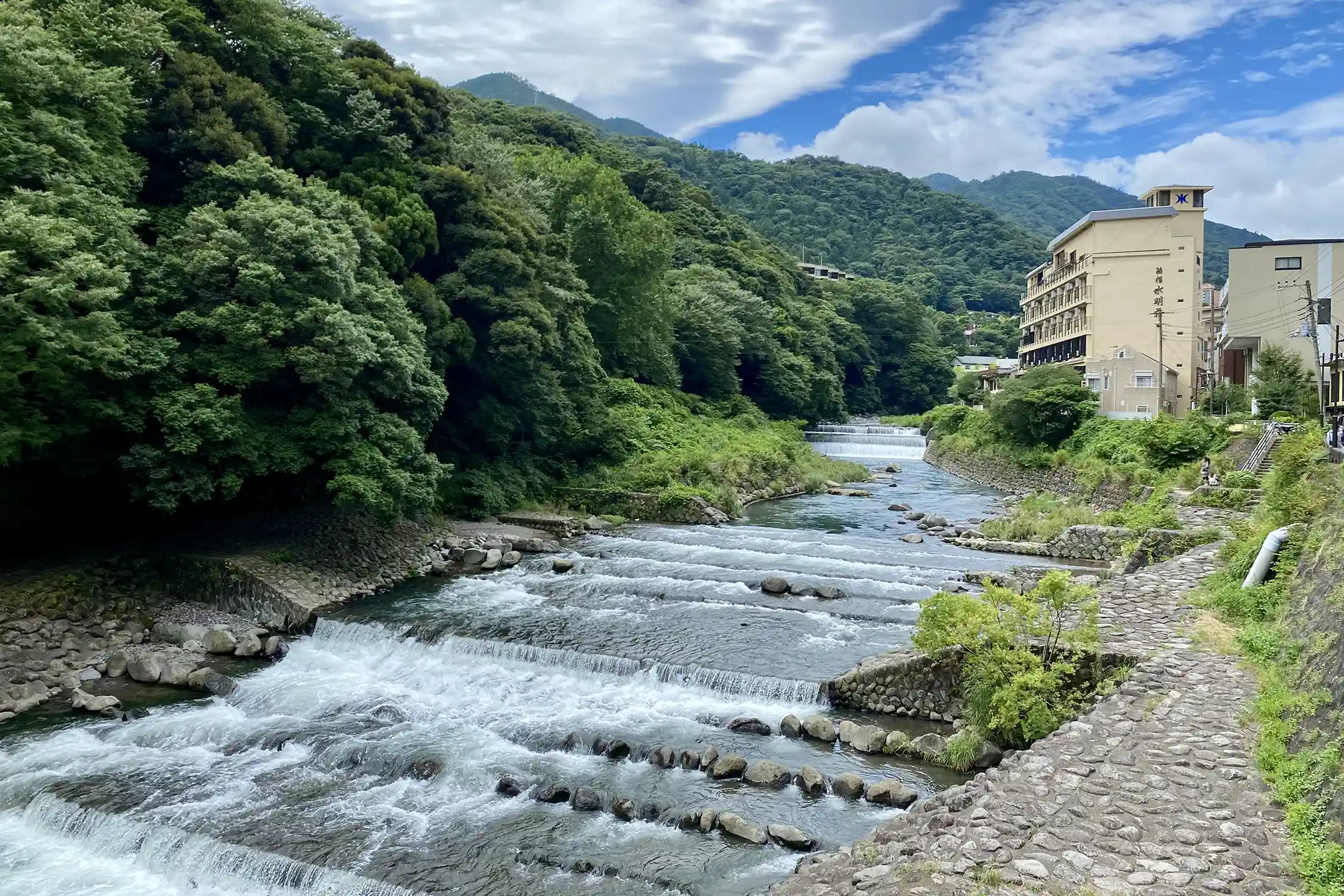
Kyoto’s Arashiyama and Hakone’s valleys are hushed at first light. Even as leaves fall, paths carpeted in color are gorgeous—aim just after peak for fewer people. Temperatures are pleasant by day but drop at night, especially in mountains.
In October–November, expect single‑digit (°C) nights at altitude. Bring layers—a fleece or light down—yet be ready to shed as midday warms. Manage sweat with quick changes to keep your temperature steady.
Autumn’s keywords are “harvest,” “color,” and “clarity.” Beyond visual beauty, you taste seasonal abundance and feel the crisp air. Many find inspiration quickening in nature now—one reason autumn suits wellness travel so well.
Winter (Snow Scenery & Toji)
In winter, silence and warmth coexist in a special way. Northern Japan spreads a white quilt; the air turns crystalline and still. At the same time, cravings rise for hot springs and hearty nabe that warm you to the core. Wellness‑wise, winter is made for “resetting through toji.”
Nothing tops a snow‑view rotenburo—sitting in steaming water as snowflakes drift down is the ultimate. In Shinshu, Tohoku, and Hokkaido, winter‑only snowscapes elevate the onsen experience. The hot–cold contrast sharpens the senses; stepping out yields a delicious alternation effect (*2).
Bundle up: a warm coat, hat, gloves, and scarf. In cold zones, heat‑tech layers and thick socks help. With proper gear, winter’s beauty and hush reward you with scenes the other seasons can’t match.
Stars seem more numerous in the clean night air. A single spear of dawn light across a snowy field feels startlingly pure. Taste these winter‑only moments.
Then warm yourself by a hearth or hot spring and savor winter comfort foods—nabe, amazake. Far from being “off‑season” for wellness, winter lets you harness the “cold ↔ warm” contrast to powerful effect. Use it well and claim winter’s unique calm and restoration.