.webp)
Step away from the hurried rhythms of everyday life and set out on a journey where nature holds you and helps your body and mind reset. This guide is for wellness‑ and sustainability‑oriented travelers and will help you plan a nature itinerary across Japan’s rich landscapes—one that blends quietude with quality.
While weaving in expert insights and evocative, sense‑driven stories—from forest bathing and hot‑spring therapy to Zen‑inspired mindfulness retreats—you’ll find practical advice on low‑impact transport, how to choose lodgings, seasonal highlights, and essential safety pointers. Let your five senses and your inner compass align as you set off on a nature‑forward journey through Japan.
This article opens one quiet doorway into Japan's culture of retreat. The Digital Guide draws together onsen traditions, forest sanctuaries, and the philosophies of sustainable renewal into a single, connected reading.
First, the Bottom Line—Recommended Nature Itineraries by Goal
Depending on what you want to gain from nature, here are three curated model itineraries: a plan that centers on forest bathing for refreshment, a plan that restores vitality through hot‑spring therapy, and a plan that steadies the mind with Zen mindfulness.
Each nature itinerary runs about 2–4 nights, with minimal transfers and carefully chosen bases to ensure calm surroundings. Budget‑wise, think in the range of ¥200,000–¥300,000 per person (on‑site transport and lodging; based on two travelers), including private transfers and quality accommodation. Every option is designed to immerse you in deep quiet. Let’s look at each one.
Japan Nature Itinerary Centered on Forest Bathing
Model Example:Hakone, 2 nights/3 days (stay in woodlands within easy reach of the city)
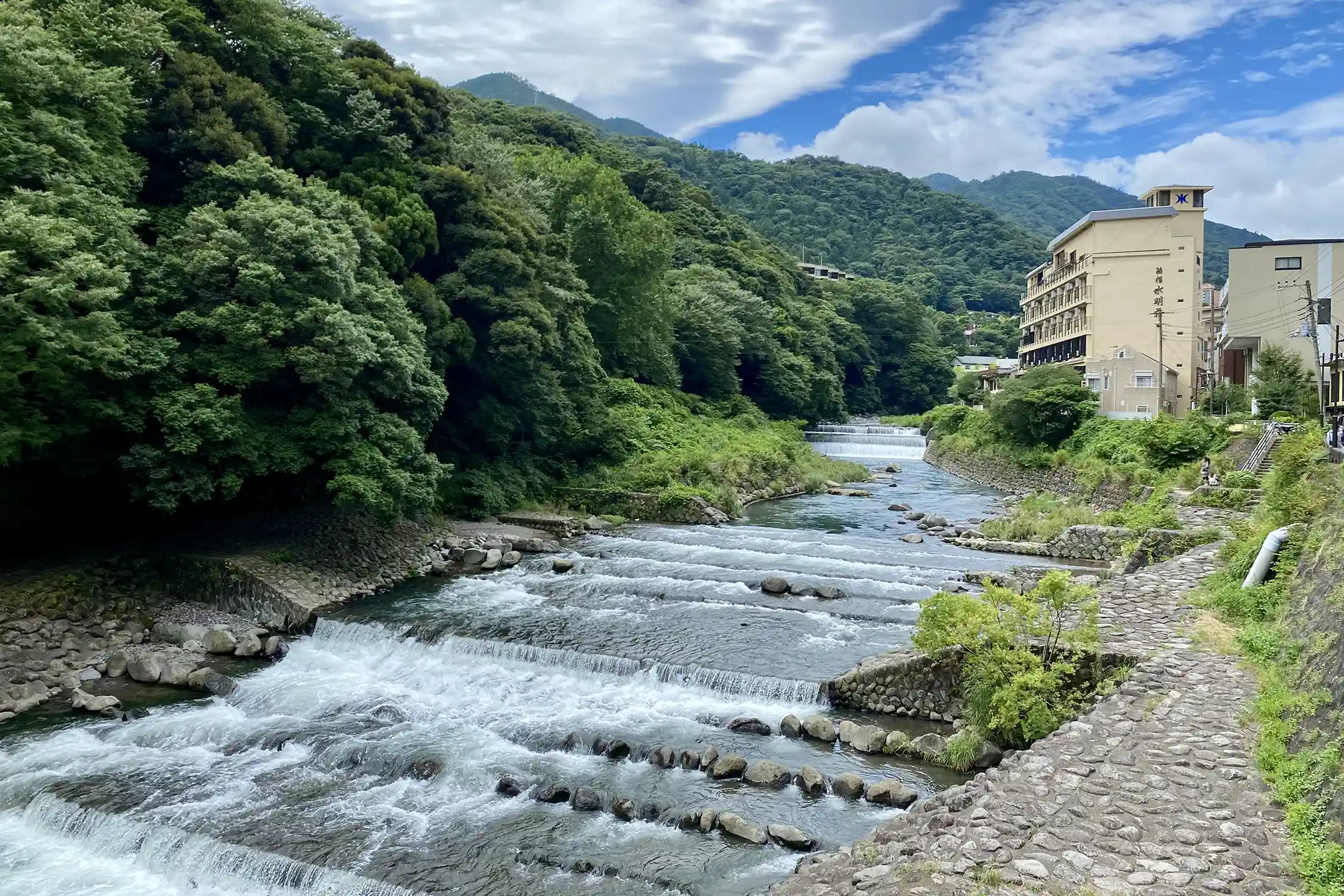
Base yourself in Hakone or Nikko—both easy from Tokyo—for a 2–3‑night plan devoted to the pleasures of forest bathing. Book consecutive nights at a small resort encircled by trees and keep transfers to a minimum. On arrival day, pause at dusk to breathe deeply as the sun sinks through the forest canopy and let travel tension melt away. The next morning, stroll unhurriedly along woodland paths and join a guided forest‑therapy session that heightens your senses.
The benefits of forest bathing for stress reduction and lowering blood pressure have been scientifically documented, and the positive effects can last close to a month after a session (*1). Practicing breathwork or gentle yoga in the crisp morning air leaves you feeling renewed. Keep activities low‑intensity and unforced, giving top priority to quiet time cradled by nature. At night, gaze up at the stars and drift to sleep wrapped in the hush of the forest.
Japan Nature Itinerary Centered on Hot‑Spring Therapy
Model Example:Three Nights/Four Days in Tohoku’s Celebrated Hot Springs (stay in a mountain onsen town)
If your aim is deep recovery from mental and physical fatigue, settle into a mountain hot‑spring area at an easy pace. For example, spend 3–4 nights at classic retreats like Nyuto Onsen or Naruko Onsen and practice hot‑spring therapy mindfully each day.
By day, take slow walks along mountain streams to pair forest bathing with your soaking routine. Alternate immersion with fresh‑air cooling in the region’s crisp climate to help regulate your autonomic nervous system. Research suggests that bathing in the evening can improve sleep problems linked to chronic stress and may lower the risk of high blood pressure (*2).(※ For older adults or travelers taking antihypertensive medication, bathing incidents can be more likely; consult your physician and follow safe bathing practices.)
Thermal effects and the buoyancy of hot water together lull body and mind, and a focused, multi‑night “toji” (therapeutic stay) can deliver profound recuperation. For dinner, savor a healthy kaiseki featuring local ingredients—paired not with alcohol but with herbal teas or fermented fruit drinks.
By easing off alcohol, you’ll likely sleep more soundly and rest more deeply. Spend your post‑bath evenings quietly and turn in early. In mountain hot‑spring towns, streetlights are few and nights are embraced by silence and starlight—an atmosphere that restores you inside and out.
Japan Nature Itinerary Focused on Mindfulness
Model Example:Two Nights/Three Days split between a Zen Temple and a Hidden Inn
If you want distance from information overload and time to meet yourself, combine a short Zen‑temple training experience with a stay at a secluded hideaway.
On night one, check into a temple lodge (shukubō) in the mountains and sit for a short zazen session at dusk with guidance from a monk. Dinner is shōjin ryōri (plant‑forward temple cuisine). After 9 p.m., keep conversation and smartphone use to a minimum and savor restorative silence. This digital detox lets you gently turn your attention inward.
Zazen and temple‑stay experiences in Japan are especially popular among travelers drawn to mindfulness; unplugging completely for a set period in a tranquil environment makes for an ideal detox (*3). At daybreak, join morning sutra chanting and another round of zazen, then walk through a countryside scene that shifts with the seasons, mind clear and senses attuned.
On the second night, move to a deep‑mountain hideaway. With no TV or clocks, you’ll inhabit true stillness. Read or journal in a small meditation room and spend the evening with a non‑alcoholic herbal tea. Before bed, do gentle stretches in soft light to keep the mind calm.
By deliberately paring back external stimuli and embracing “the luxury of doing nothing,” this plan can heal the overworked mind at a deep level.
Designing Your Trip Concept—Map Purpose × Season × Region
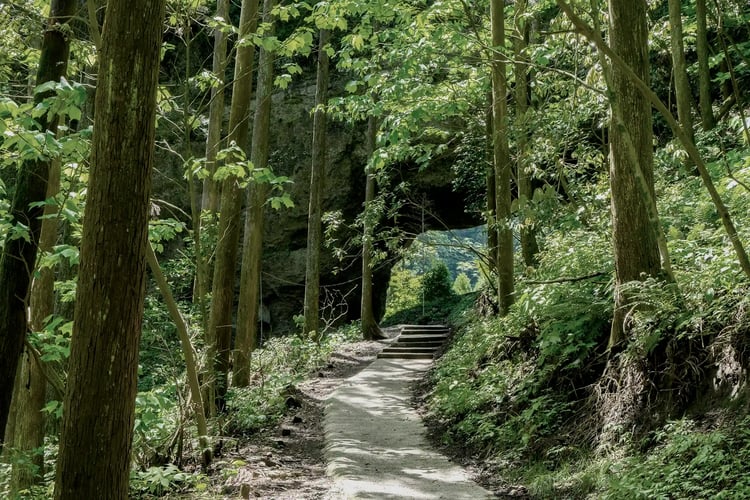
When you plan, begin by clarifying your “why.” Do you want to savor natural beauty, seek healing in hot springs, or trace cultural heritage? Your answer will shape both timing and destination. Layer in the specific traits of each season and your experience becomes even richer—especially when designing a nature itinerary.
In spring (March–May), follow cherry blossoms and fresh green growth as they move north. In summer, escape the heat on highland plateaus or by the sea. Autumn brings color and harvest; winter warms you with snowy scenery and onsen.
Also factor in each region’s natural conditions and access. By mapping the trio of “purpose,” “season,” and “area,” your journey becomes more than transit and sightseeing—it evolves into a design aligned with your values and lifestyle.
Calendar of Seasons, Climate, and Crowds
Japan has four distinct seasons, and both pleasures and prep change with each. Spring (March–May) softens winter’s chill; cherry blossoms open from south to north (*1). Days feel fresh, but mornings and evenings can be cool—carry a light layer. Golden Week (late April–early May) is peak domestic travel; trains and hotels fill fast, so book early (*2).
Summer (June–August) is humid, with heat surging after the rainy season (around June). Consider cooler areas such as highlands or Hokkaido, but expect a travel rush around the mid‑August Obon holiday (*2). Typhoon season (August–September) can bring heavy rain and transport suspensions; if visiting outlying islands, plan buffer days and consider travel insurance.
Autumn (September–November) tempers the heat and bathes mountains and plains in color (*1). October–November sees popular foliage spots grow busy on weekends; opt for weekdays or early mornings to enjoy the quiet.
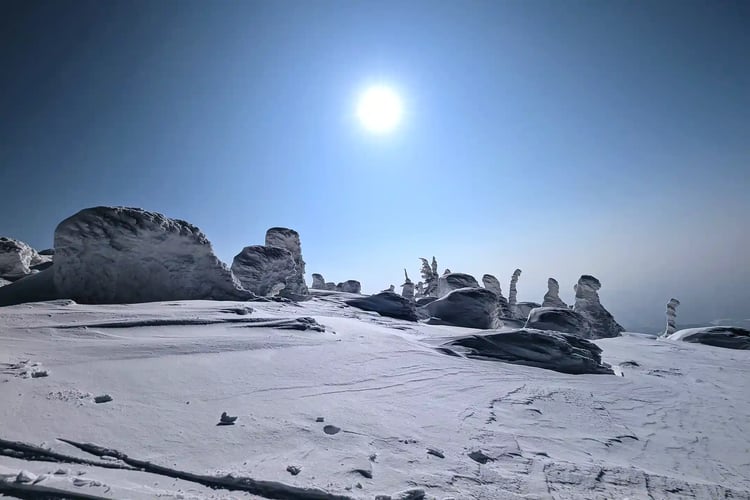
Winter (December–February) varies widely by region. Northern and alpine areas turn snowy, while Pacific‑side cities often have sunny, dry days—pack for the cold. Winter is ideal for snow‑viewing hot springs and crystal‑clear stargazing, with fewer crowds and quieter landscapes.
Year‑end/New Year (late December–early January) brings homecomings and shrine visits that crowd transport; if traveling then, build in extra time (*2).
How to Choose by Regional Cluster
Japan’s nature is wonderfully diverse by region. Pick your area for a nature itinerary based on your main purpose and number of days.
For grand, primal landscapes, choose Hokkaido and Tohoku. Daisetsuzan in central Hokkaido offers summer alpine blooms and superb trekking, while Shirakami‑Sanchi in Tohoku preserves one of the world’s largest primeval beech forests (*3)—cool even in summer and perfect for forest bathing.
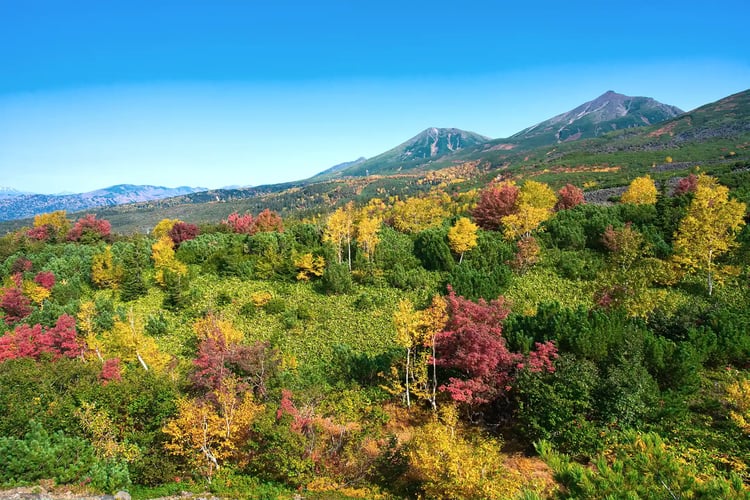
The Chūbu/Northern Alps region offers true mountain drama. In Nagano’s Kamikōchi or Hakuba, hike to vistas of the Hotaka range; in autumn, the foliage against jagged peaks is striking—pair highland resorts with hiking.
Greater Kanto is ideal when you want easy access from Tokyo. Hakone and Nikko combine hot springs and forests; a 2–3‑day trip still allows you to soak in forest air, stroll lakeshores, and visit shrines and temples—perfect if your schedule is tight.
On the Kii Peninsula in Kansai, cleanse body and spirit at sacred sites like Kōyasan and the Kumano Kodo. Extend from Kyoto/Osaka and walk cedar‑lined pilgrimage paths; restore yourself afterward at an onsen ryokan—best with 3–4 days or more.
Chugoku/Shikoku features unspoiled nature and satoyama culture, from Mt. Daisen (Tottori) to the Shimanto River (Kochi). With fewer visitors, you’ll have room to breathe.
Kyushu and the islands present truly singular scenery: the vast Aso caldera and the primeval forests of Yakushima, a UNESCO World Natural Heritage site (*4). Southern islands are also more exposed to typhoons, so give yourself leeway and explore with local guides for safety.
Setting Sustainability Goals
Keep both environment and local communities in mind as you design your trip. Start by optimizing your route: avoid backtracking and group nearby sights to cut distance and CO₂.
For domestic travel, rail is key. Trains emit roughly one‑fifth the CO₂ per passenger‑kilometer compared to planes (*5). When possible, choose the Shinkansen or other rail to significantly reduce your footprint. At your destination, embrace “slow travel” by staying multiple nights in one base.
Fewer transfers reduce transport emissions, and lingering longer spreads economic benefits while easing crowding. In choosing lodgings and restaurants, practice local sourcing: celebrating the region’s bounty reduces energy for transport and supports local agriculture, forestry, and fisheries.
Small, mindful choices across transport, stays, and food add up to a larger goal: making your entire nature itinerary more sustainable.
Standards for Choosing Sustainable & High‑Quality Stays
In nature‑based travel, your lodging does more than offer rest—it shapes the very quality of your experience. The properties you choose often determine how deeply your journey can soothe and teach you.
By prioritizing both “sustainable” and “high‑quality,” you align care for the environment with your own well‑being. Look for accommodations that support inner balance, reflect local foodways, and safeguard quiet and privacy. These aren’t mere comforts; they’re signals of values that flow through the trip itself.
When a stay harmonizes with its surroundings and engages local people and culture authentically, even a single night becomes a choice that supports a more sustainable future. Selecting a place to stay is the first step in refining your nature itinerary—and a mirror of your lifestyle.
Wellness Facilities Checklist
Confirm whether there are spaces designed for composure—meditation rooms or yoga decks. For example, one Hokkaido resort offers a wood‑built meditation room with ocean views where guests enjoy quietly sitting to the sound of waves (*7).
Facilities that combine sauna, cold plunge, and outdoor cooling areas let you cycle hot‑cold‑rest for a deeply “aligned” state. Open‑air cooldowns in nature feel exceptional and can help regulate your autonomic nervous system.
Pay attention to bedding and lighting. Organic linens and soft, indirect illumination that promotes sleep can deliver true restorative rest. Good soundproofing is also key—quiet rooms with minimal hallway or neighboring noise are hallmarks of quality.
Food Philosophy and Dietary Accommodation
On a wellness‑oriented trip, what you eat matters. Stays that highlight locally sourced organic vegetables, fermented foods, wild edible plants, and herbs support well‑being from within.
More properties now offer non‑alcoholic pairings—house‑fermented drinks and crafted zero‑proof cocktails—for guests who prefer not to drink. Check how they handle dietary needs: Do they have experience with vegan or gluten‑free menus? If you share allergies when booking, will they adjust the menu?
Some long‑established ryokan even record detailed preferences at reservation to prevent waste from uneaten food (*8). With such hosts, you can expect a safe, satisfying culinary experience aligned with your lifestyle.
How to Ensure Quiet and Privacy
Since you’re immersing yourself in nature, you’ll want calm and privacy at your stay, too. Small properties with fewer rooms tend to feel less busy. Written quiet policies for lounges or communal baths are a good sign. If you can reserve a private bath or sauna, you’ll enjoy your own unrushed time.
Room layout matters. Villa‑style units that don’t share walls or rooms built with high sound insulation let you relax without worrying about noise. Some properties limit guests under 12, helping preserve quiet—a fit for adult wellness retreats.
The higher the quality, the more thoughtful the attention to silence. Match your desired level of quiet to these checkpoints when you choose.
Designing High‑Quality Nature Activities
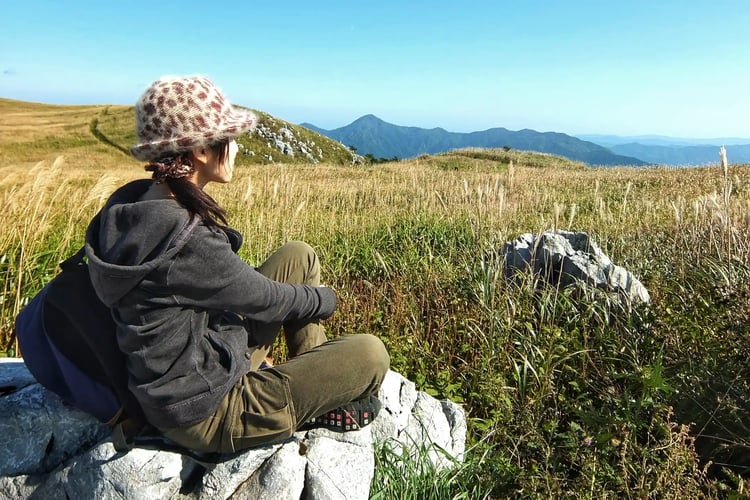
Activities in nature don’t just move the body—they also organize the mind. Plan your activities with a mindfulness lens and sufficient safety measures. Below you’ll find a model day for a retreat, key safety practices, and seasonal recommendations.
A Template for a Mindfulness Retreat
Shape a day in nature to flow in the way your body and mind settle best. On arrival, check in by late afternoon, power down digital devices, and let your system acclimate to quiet. In the evening, dim the lights; with a cup of herbal tea, read or do light stretching, then retire earlier than usual.
After ample sleep, step outside at sunrise for deep breathing. Gentle yoga or breathwork by the forest or a lakeshore oxygenates the brain and primes your energy for the day.
Don’t overfill midday; leave deliberate space to wander, sit, and meditate—low‑intensity time that polishes perception. If you opt for an afternoon hike or forest‑therapy session, pause often to attend to birdsong or shifting light and bring awareness back to “right now.”
Near dusk, warm up in an onsen or sauna, then cool down with cold water and outdoor air to invite deep relaxation. At night, write by candlelight and end the day with gratitude before sleep. This cadence builds steadiness and vitality.
Safety in Nature
To enjoy abundant nature safely, combine preparation with flexible backup plans. Weather can shift fast in the mountains; have indoor alternatives ready (an aromatherapy treatment, a museum visit) for stormy hours.
In hot, humid summers, drink water and electrolytes, wear breathable fabrics, and rest often to avoid heat illness. Conversely, high‑elevation forests can cause hypothermia even in midsummer. Carry rain gear and warm layers. Prepare for wildlife and insects: in bear country, signal your presence with a bell or whistle as you hike.
In buggy seasons, reduce exposed skin and use repellent. Add a buffer day to your nature itinerary to absorb weather‑driven changes. For mountain ascents or deep‑forest treks, submit a hiking plan to local authorities and consider mountain‑rescue insurance (*9). These steps are critical for prompt search and rescue if needed. With safety first, you can fully savor time in nature’s embrace.
.webp?width=750&height=500&name=Toroki-no-taki%20Waterfall%20(Yakushima).webp)
(*9 Reference: Japan Mountaineering & Sport Climbing Association “Mountaineering and Planning” https://www.jma-sangaku.or.jp/sangaku/plan/)
Seasonal Nature Experiences to Try
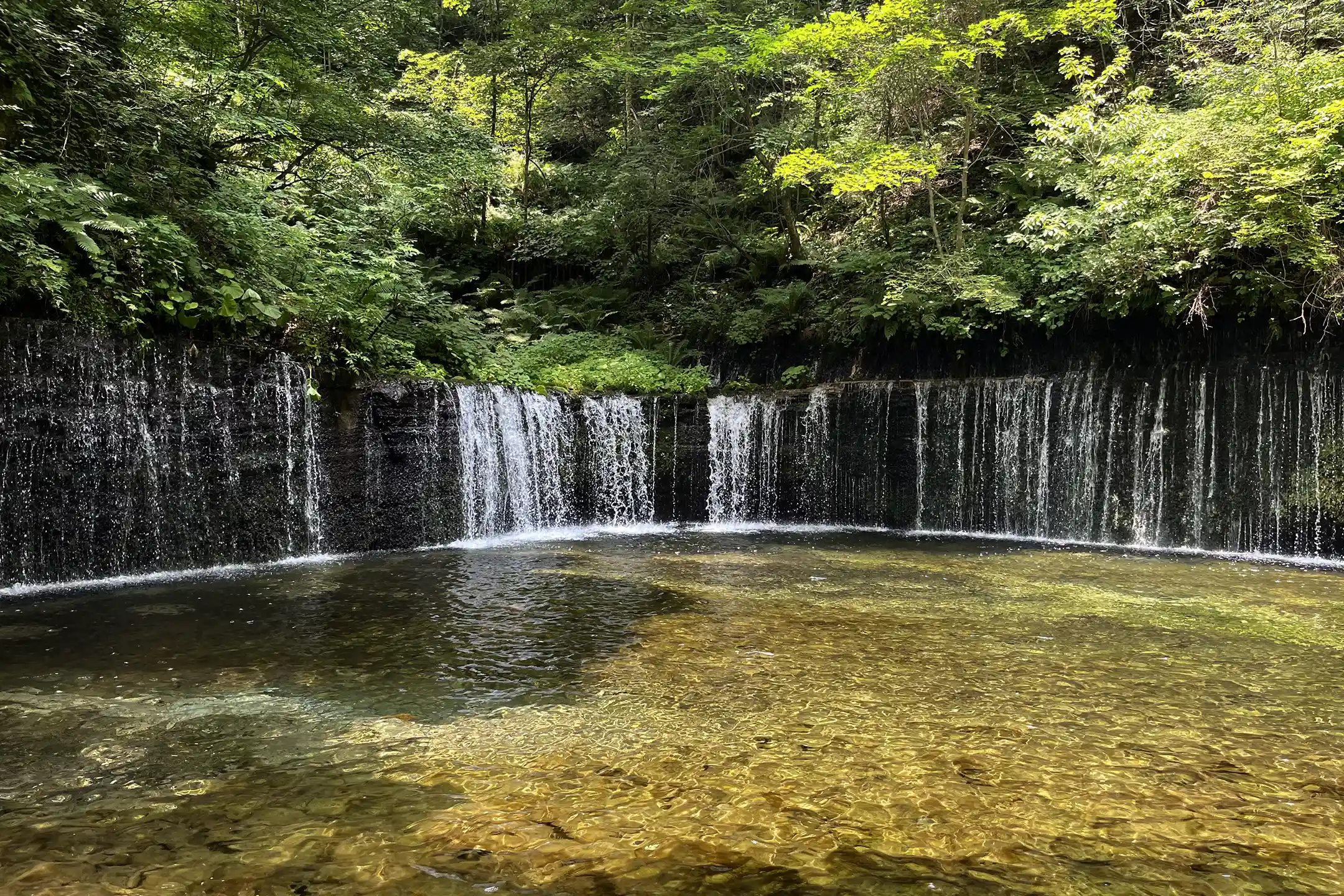
Spring brims with fresh greens and blossoms. Consider cherry‑tree hikes in the woods or negative‑ion bathing at waterfalls swollen with snowmelt.
In summer, avoid heat by heading to highlands and streams. Try early‑morning yoga at elevation, kayaking on a crystal‑clear lake, or stream walking; cap the day with a stargazing session under the Summer Triangle and Milky Way.
Autumn is color and harvest. Stroll through red‑and‑gold forests and add farm activities—fruit picking or even a rice‑harvest experience. Onsen feels especially soothing on long autumn nights, easing summer’s fatigue.
Winter offers lucid air and deep quiet. Enjoy snow‑shoe walks or gentle ridge treks through a white world, then slip into an open‑air bath for a snowy soak. Dress warmly and try high‑altitude star watching—dry air makes constellations like Orion gleam.
Transport Planning—Shinkansen × Private Transfers × EVs as the Optimal Mix
Thoughtful movement is the key to a comfortable, sustainable nature itinerary. Use rail—especially the Shinkansen—for the main legs from cities into nature, where time efficiency meets environmental performance. For islands and high mountain regions, consider weather risks and luggage; hands‑free options and packing light preserve comfort.
When weighing modes, consider CO₂, time, and cost together. Blend rail with cars, planes with ferries—choosing what burdens nature least becomes the new standard of refined, sustainable travel.
Designing the Flow from City → Nature
On arrival in Japan, optimize your starting city and access to nature. If you land in Tokyo, Shinkansen lines from the city center make Hokuriku or Tohoku nature zones easy. From the Kansai region, base in Kyoto/Osaka and stretch out to the Kii Peninsula or Chugoku Mountains.
If your flight arrives in the evening, don’t push into remote mountains that night. Stay near the airport or in your hub city, and your next morning’s travel will feel far lighter. To cut transfers, build the trip around 1–2 bases with consecutive nights.
For example: two nights in Nikko after Tokyo, touring the area, then on to Kyoto for two nights in Kōyasan—balancing transfers and stays. If your final destination sits far from the airport, consider an overnight near the airport before departure for a calm trip home.
Island Access and Luggage‑Forwarding Tips
Outlying nature like Yakushima or Okinawa’s remote islands fits neatly into an itinerary with the right plan. But flights and fast ferries to islands are weather‑sensitive. If possible, schedule islands earlier so you can adjust the latter part of the trip if return legs shift.
When taking a ferry, leave big bags at a mainland hotel and go hands‑free. Japan’s luggage‑forwarding services are excellent; you can send suitcases to your next lodging or the airport (*11). Many convenience stores accept shipments (*11). Ship bulky hiking gear ahead and board the island with just the essentials.
Renting a car on islands is convenient; in some regions EV rentals are spreading. When powered by local renewables, it’s ideal.
Choosing by CO₂, Time, and Cost
For long distances, rail generally emits far less CO₂ than flying (*10). On major corridors, use the Shinkansen where possible. On routes like Tokyo–Osaka (~500 km), total travel time can be similar once airport transfers and waiting are included, and rail delivers you center‑to‑center with lower stress.
Fares vary: sometimes the Shinkansen costs more than a flight, but the environmental value and productive time en route make it well worth considering. For local exploration, a car helps—now you can specify hybrids or EVs when booking rentals to keep emissions down while enjoying the drive.
Choose the best mode for each leg while staying mindful of protecting the landscapes you came to see—that’s the new standard for a high‑quality nature itinerary.
Model 3‑Night/4‑Day Nature Itinerary in Japan
To immerse yourself in nature and finish feeling truly reset, even a short itinerary works best when it follows a coherent arc.
This 3‑night/4‑day model uses easy‑access Hakone as a base and stretches to the foothills of Mt. Fuji to cycle through forest, lake, and hot spring. Transfers are gentle, and each day holds a clear rhythm: “Arrive and unwind,” “Melt into nature,” “Meet a new landscape,” and “Return with lingering calm.”
Daily plans weave in yoga, forest therapy, meditation, and sauna—activities that refresh body and mind—paired with healthy meals centered on regional produce. You’ll carry quiet and vitality back into everyday life.
Day1(Tokyo → Hakone)
Leave Tokyo in the morning; ride the Shinkansen then the mountain railway to reach your Hakone stay by early afternoon. After check‑in, exhale in a tatami‑floored room. Reserve a private open‑air bath for twilight and soak slowly in a forest‑ringed onsen to soften travel weariness.
Stretch or do light yoga in your room to loosen up. Dinner is a healthy kaiseki of seasonal vegetables and fish—toast with a non‑alcoholic ume‑shōyu drink. Skip TV and your phone; read awhile and go to bed earlier than usual.
Day2(Hakone)
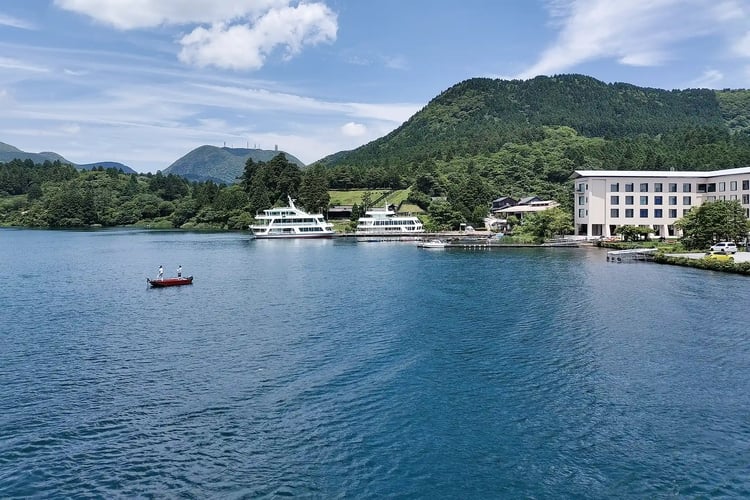
Rise around 5:30 a.m. and walk to Lake Ashi. Unroll your mat by the misty shore and take a 30‑minute morning yoga session with an instructor. As you breathe deeply, you’ll feel body and mind awaken.
After a Japanese breakfast, meet your forest‑therapy guide for a beech‑forest trail. Walk slowly along mossy paths; pause to touch bark and listen for birds until stray thoughts fall away.
Have a vegetable‑forward lunch at a health‑minded café and, in the afternoon, return for an aromatherapy oil treatment. Enveloped in lavender, your muscles release into profound ease.
At night, enjoy an in‑room “shōjin French” course. With local vegetables and tofu, zero‑proof pairings—shiso juice, fermented amazake—bring layered flavors and lively conversation. Step into the garden after dinner to admire a sky spangled with stars before drifting to sleep.
Day3(Hakone → Fuji Area)
This is a day trip to the foot of Mt. Fuji. A partner driver picks you up in an EV; in about two hours, you arrive at Lake Motosu, one of the Fuji Five Lakes. Meet a specialist guide and set out into Aokigahara’s lava‑formed forest for a nature walk.
When your guide signals, close your eyes together and “listen to the quiet.” Feel the energy of the primeval woods through your whole body. Lunch is a prepared bento on the lakeshore, facing Fuji. In the afternoon, lie back on the grass for breath meditation, filling your lungs with clean air and letting the exhale release any remaining tension.
Then it’s time for a lakeside sauna. Sweat gently in a log‑cabin‑style private sauna, plunge into a cold bath fed by Fuji’s spring water, and cool off outdoors amid forest air. That clear, buoyant “aligned” feeling arrives—mind bright, body light.
Stop at a Kawaguchiko viewpoint for sunset—Mt. Fuji glowing, its reflection mirrored in the lake. As stars emerge, ride the EV back to Hakone. Let pleasant fatigue cradle you; take a restorative nap en route.
Day4(Hakone → Tokyo)
On your final morning, sleep in a little. Linger over breakfast by the window with views of green. Because you shipped most luggage to Tokyo the night before, check‑out is effortless.
Afterward, visit Hakone Shrine, unwind at a lakeside café, and board an early‑afternoon Romancecar for Tokyo. Traveling light, you can read or organize photos comfortably on the way.
By evening you arrive in the city refreshed, carrying home the quiet and energy that nature gave you.
Food & Nutrition—How to Book Nature‑Forward Dining
Meals on a journey are more than pleasure—they’re moments of nourishment that settle the body and satisfy the heart. On nature‑themed itineraries, your choices around food shape the quality of your wellness experience. Increasingly, restaurants and inns elevate cuisine without alcohol, pairing courses with fermented drinks and herbal zero‑proof beverages.
Breakfast, in particular, sets the day’s tone. Begin with gentle, supportive foods and you’ll enjoy outdoor activities more comfortably from start to finish. From reservation choices to daily rhythm, designing your meals intentionally infuses your nature itinerary with richness and sustainability.
Enjoying Non‑Alcoholic Pairings
You can fully enjoy dinner while keeping alcohol to a minimum. Non‑alcoholic pairing means curated beverages—served course by course—that complement each dish: think naturally fermented seasonal‑fruit sparkling, or creative drinks with herbs and sencha, crafted by the chef or sommelier.
Even Michelin‑starred restaurants increasingly offer zero‑proof pairings, and you may be surprised by how beautifully they highlight flavors—sometimes more than wine. Many inns can prepare a pairing on request; simply ask, “Could we have today’s tasting menu with a non‑alcoholic pairing?”
Skipping alcohol at night also improves sleep quality; your morning wake‑up will feel dramatically better. A graceful, clear‑headed dinner is one of the quiet joys of an adult wellness journey.
Morning Nourishment and Structuring Your Day
As the saying goes, “Breakfast is gold.” Before activities, choose warm, easy‑to‑digest dishes. A top pick is medicinal rice porridge (okayu). Long‑simmered grains are gentle on digestion and warm the body from within (*12).
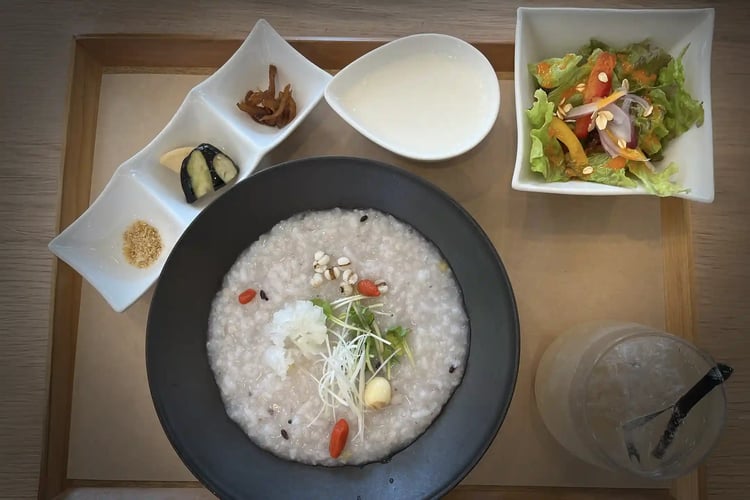
A morning porridge habit is said to replenish energy, balance body temperature, and strengthen resistance to illness (*12). Try ginger‑ or seasonal‑vegetable porridge and lightly salted miso soup—comforting even when travel fatigue begins to surface. Watch your caffeine, too: keep coffee to a single cup and consider caffeine‑free Japanese herbal teas (like roasted black‑soybean tea or persimmon‑leaf tea).
Throughout your trip, follow an easy rhythm: be kind to your stomach in the morning, be active through the day, and let your digestion rest at night. That cadence supports steady energy and elevates wellness while you travel.
Stay a little longer in the landscape
This piece offered one entrance into Japan's culture of retreat. The Digital Guide brings together the onsen towns, forest sanctuaries, and quiet philosophies of renewal — thoughtfully curated into a fuller, connected reading.

In Closing
A journey steeped in wellness and quiet within Japan’s rich natural environments offers a deep reset you can’t find in the ordinary run of days. By drawing on the planning methods shared here—matching purpose with season and region, and refining your choices of stays and activities—you can craft a nature itinerary that truly fits you.
Listening to the quiet your body and mind are asking for—and building in sustainable choices—is itself the beginning of the wellness experience. So, will you take the next step into a trip that lets both your “on” and “off” time flourish?
A nature journey in Japan, woven from serenity and refined wellness, can bring new balance and color to your life.