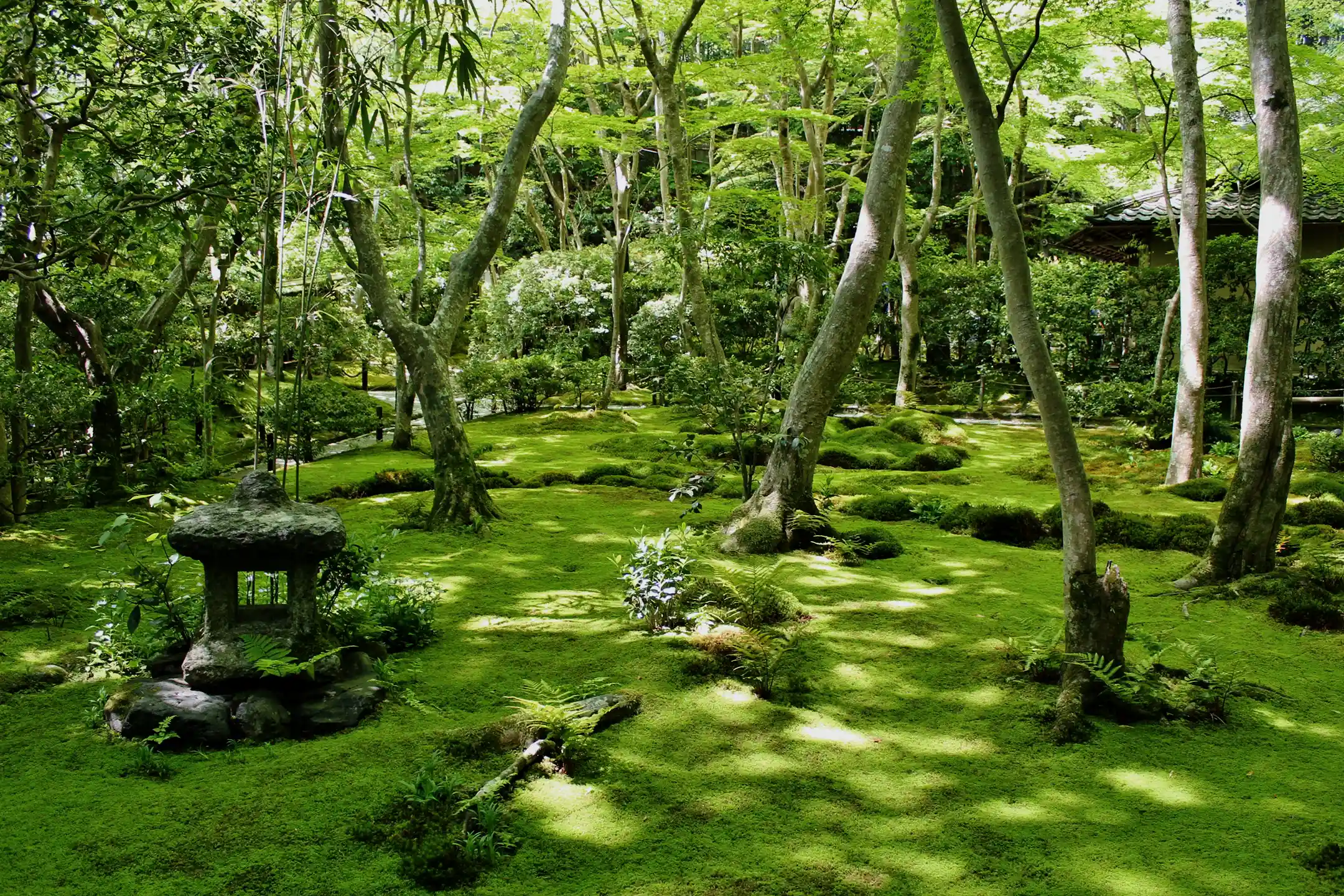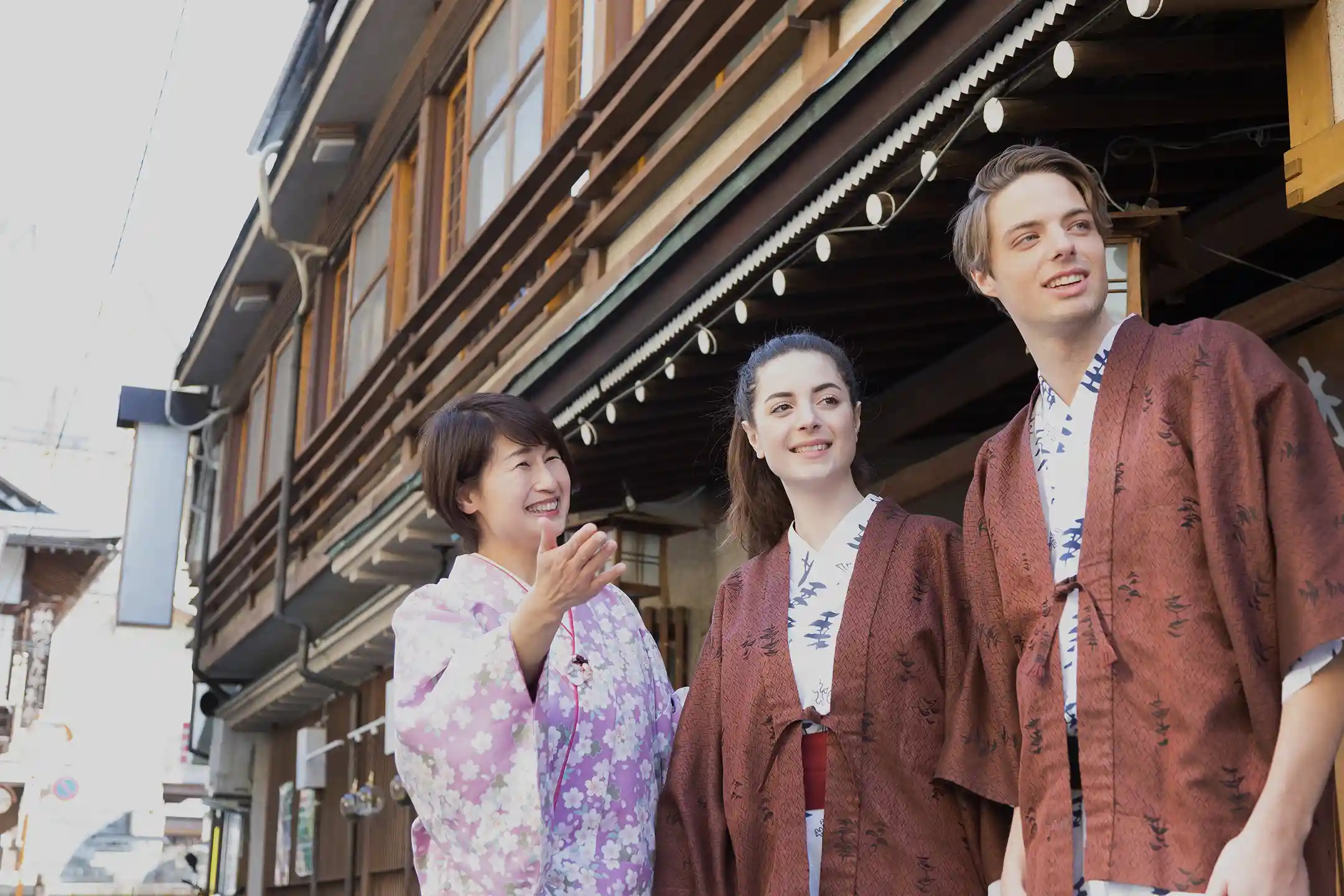
This is a high-quality one-day sightseeing route guide designed for travelers planning Tokyo day trips within the city—perfect if you want to savor Tokyo’s culture, architecture, and art to your heart’s content. It introduces meticulously crafted model courses—down to time allocation, modes of transport, and the background stories behind each spot.
Because the plan prioritizes calm, polished experiences while steering you away from crowds, it’s ideal when you want to step back from the city’s bustle and nourish your curiosity. Each route runs about 7–10 hours with a walking distance of roughly 7–9 km, assuming a 9:00 start, and we’ve woven in an elegant lunch and café breaks along the way.
Use this article as a springboard to tailor the day to your interests and design your own Tokyo day trip—a “journey that deepens cultural literacy.”
These routes trace one way of moving through Japan; a ryokan offers another — the quiet art of staying still. The Art of the Kyoto Ryokan Digital Guide draws together architecture, seasonal cuisine, and the rituals of hospitality into a single, connected reading.
Three Model Tokyo Day Trips in the City
To help you taste Tokyo’s many sides, this guide proposes three model courses by theme. Below, you’ll find an overview of each route and its highlights. From city strolls where tradition intersects with the contemporary, to contemplative waterside art viewing, to visits to craft ateliers—allow us to lead you through three refined journeys.
Sightseeing Route 1:Tradition Meets Contemporary Architecture (Nihonbashi—Yanaka)
Moving from Nihonbashi to Yanaka, this route lets you feel Tokyo’s dialogue between “tradition and contemporaneity.” The Nihonbashi—Yanaka course runs about 8 hours and roughly 8 km on foot, inviting you to physically experience the “layers of time” told by Edo’s mercantile hub and its temple district.
In the morning around Nihonbashi, encounter early modern architecture at the Mitsukoshi Main Store and the Mitsui Main Building, and trace the city’s history shaped by river transport starting from the stone Nihonbashi Bridge (*1). As the birthplace of Japan’s department stores, the district prospered—and today, redevelopment with careful attention to the streetscape creates a dialogue between tradition and the present (*2). Sit down to Edo-style lunch at a venerable establishment; you’ll notice how craft sensibilities live on in tableware and gesture.
To avoid crowds, choose backstreets and arcades for a quiet amble. In the afternoon, ride the train about 20 minutes toward Ueno and on to Yanaka, an area that suffered comparatively less war damage and still retains its old streetscape (*3). Link temples and shrines, historic homes, and small artisans’ workshops along the alleys; if you chance upon a live demonstration, even a short visit brings you close to the breath of handwork.
Take a café break around 15:00 near Yanaka Ginza, and recalibrate your senses with tactilely pleasing ceramics and a delicate sweet. As evening bells begin to fall, descend the slope toward Nippori. Ease your pace—a gentle time to tie together the day’s reflections. Rest on benches when needed and keep a comfortable pace in walking shoes; by doing so, you’ll let the city’s multilayered memories sink in.
Sightseeing Route 2:Museums and Waterside Quiet (Roppongi—Kiyosumi-Shirakawa)
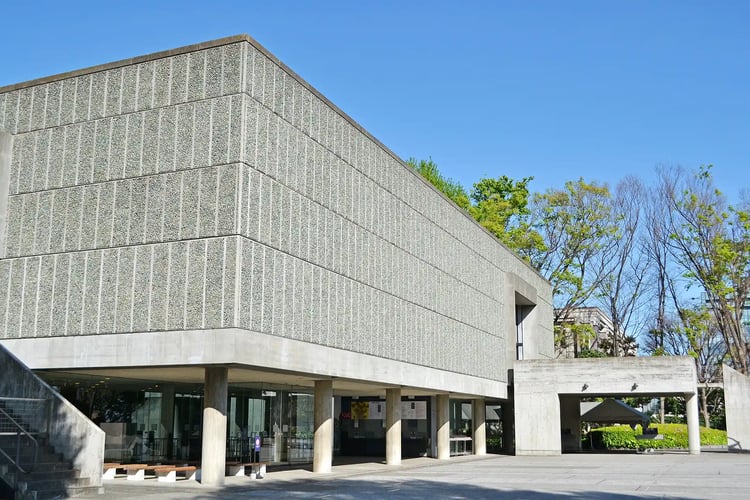
This course carries you from the Roppongi area to Kiyosumi-Shirakawa with art appreciation at its core. Roppongi—Kiyosumi-Shirakawa condenses museum-driven enrichment and waterside serenity into a single day of roughly 9 hours and 7 km on foot. In the morning, choose two exhibitions within the “Roppongi Art Triangle”—The National Art Center, Tokyo; Mori Art Museum; and Suntory Museum of Art—and view them by tracing each work’s lineage and the intent behind the display (*1).
When you tune into the curatorial story—“Why is this placed here?”—the city’s present comes into three dimensions. For lunch, linger at a museum café to savor the afterglow, then head east by subway in the early afternoon. It’s about 20 minutes by train to Kiyosumi-Shirakawa. Unhurriedly tour galleries and roasteries set in former small factories in this “city of art and coffee,” and steady your breathing among water and greenery along the Onagigawa promenade or in Kiyosumi Gardens (*2).
At small galleries, hear the owner’s perspective and, if needed, complement the day’s viewing with contemporary art at the Museum of Contemporary Art Tokyo. For a closing ritual, spend “margin” time leafing through pages in a gallery café or a quiet bookstore, then make for the station as the canal’s dusk lights ripple on the water. The contrast between the city center’s buzz and the waterside hush will etch itself into your memory—gently, yet unmistakably.
Sightseeing Route 3:Artisans’ Handwork and Downtown Cafés (Kuramae—Back Alleys of Asakusa)
This course focuses on artisans’ craftsmanship, moving from the Kuramae area in eastern Taito Ward toward the back alleys behind Senso-ji Temple in Asakusa. The total time required is about seven hours with a walking distance of roughly 5–6 km—slightly shorter than other routes, with ample time allotted for hands-on experiences and shopping at each stop.
In the morning in Kuramae—often dubbed “the Brooklyn of Tokyo”—visit workshops run by up-and-coming creators making leather goods, metalwork, and paper stationery; here you can encounter new craft items where Edo-period making traditions meet contemporary design (*1).
.webp?width=750&height=500&name=Nakamise-dori%20(The%20historic%20shopping%20street%20in%20Asakusa%2c%20Tokyo).webp)
If you’re curious, join a reservation-based workshop and craft a one-of-a-kind notebook or leather item. For lunch, small Japanese restaurants along the Sumida River are great picks for fresh sashimi set meals or tempura.
In the afternoon, cross the Sumida to the lanes behind Senso-ji. At a quiet traditional sweet shop with classic downtown atmosphere, relax over seasonal wagashi and tea served in beautiful vessels—or reserve a seat at a hideaway café and linger over coffee in an antique cup.
Because walking segments are short, it’s easy to add more stops, giving you ample chances to connect with the handwork and hospitality unique to a craftspeople’s neighborhood. It will be a rich, memorable Tokyo day trip that stays with you long after the journey.
Optimizing Routes by Season and Time of Day
Tokyo’s character shifts dramatically with the season and the hour. Even for the same route, choosing the right season and timing can make your experience more comfortable and more moving. Here, you’ll find optimization tips for spring, summer, autumn, and winter, and for weekdays versus weekends.
If you factor seasonal elements into your planning, you can dodge peak crowds and even enlist natural phenomena to your advantage.
What’s more, Tokyo abounds with seasonal cultural events—cherry blossom festivals, arts festivals, winter illuminations—that pair beautifully with these routes to enrich your Tokyo day trips further. With weather-ready alternatives in mind, let’s look at strategies by season and time of day.
Spring Flows that Follow Cherry Blossoms and Fresh Green
Spring in Tokyo is colored by cherry blossoms and other blooms, and that popularity means heavy crowds at famous spots. To avoid the peak during hanami season, targeting the early morning is essential.
Even at well-known cherry blossom locations like the Meguro River or Ueno Park, if you go early—by around 9:00—you’ll find fewer people, giving you time to take photos without worrying about passersby and to linger in quiet appreciation (*1). Under the soft light of morning, the blossoms look especially radiant, letting you sense the breath of spring in a tranquil mood.
Around midday, by contrast, the area fills with sightseers and picnickers, so consider scheduling indoor museum visits at that time. If photography is your goal, lightly overcast “flower-clouded” days are actually best: direct sunlight can create harsh shadows, while a thin veil of clouds diffuses light like a filter, letting pale pinks sing on camera.
Spring is also pollen season. On days heavy with outdoor walking, bring a mask and glasses, and have eye drops or allergy medicine handy. The most beautiful scenery can be spoiled if you’re sneezing or rubbing your eyes—so go in prepared and enjoy Tokyo at its best.
Beyond blossoms, spring brings fresh greenery. On routes that include gardens, visiting right at opening lets you breathe in the scent of green in the clear morning air. In botanical gardens or shrine groves at daybreak, you’ll find few people and birdsong to revive you. Spring is when you truly feel that getting up early pays off.
Summer Lines of Movement that Capture Cool
Summer sightseeing in Tokyo is also a dance with heat and humidity. To stay comfortable and avoid heat illness, build your route around shade, water, and museums.
For example, schedule outdoor spots in the relatively cool morning and switch to air-conditioned museums and cafés once the sun strengthens in the afternoon. Even in transit, avoid direct sun when possible—opt for the subway and shadier routes. Take longer breaks at each stop, and replenish water and electrolytes frequently.
In fact, the official Tokyo tourism site advises: “In summer, wear light, comfortable clothing; rehydrate and take in salt before you feel feverish or dizzy; avoid direct sunlight; and rest frequently,” and also recommends carrying a hat, parasol, or handheld fan (*2).
Choose summer-appropriate sites, too. In Japanese gardens, walking beneath groves softens heat radiating from the ground, and the sound of flowing water is soothing. Parks with fountains or a river cruise where you catch the breeze are excellent picks. Museums, of course, are cool; for instance, the National Museum of Western Art in Ueno can double as a summer retreat.
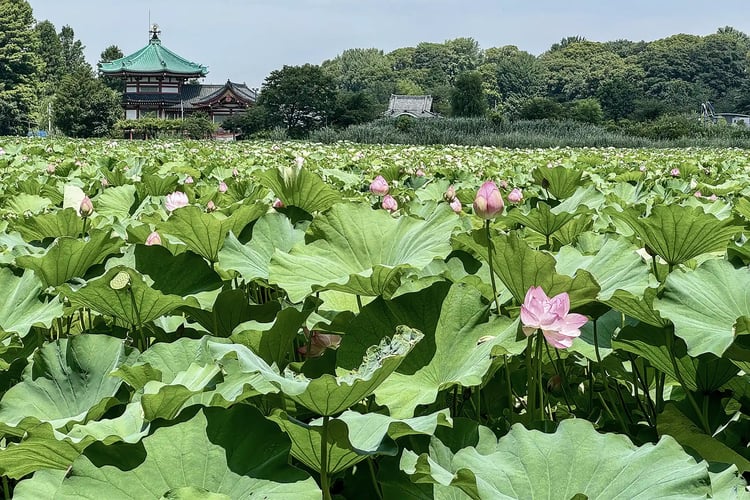
If a severe heat day makes outdoor walking tough, pivot boldly: use underground passages or arcaded streets, or split plans between early morning and evening while spending midday in your hotel or a café.
In summer, conserving your energy is key. Keep your cool—literally—and move at a gentle pace. Evening is also festival season, with bon-odori and local matsuri across the city; you can make up for a slower daytime by dropping into a neighborhood celebration for a memorable, breezy night.
Autumn Foliage and the Season of Art Weeks
Autumn in Tokyo is the season of art and foliage. True to “autumn for the arts,” many art events and special exhibitions are concentrated in this period.
For example, in early November, “Art Week Tokyo (AWT)” brings together Tokyo’s leading museums and galleries; in partnership with Art Basel, one of the world’s foremost art fairs, it broadcasts the “now” of Tokyo’s contemporary art on an international stage (*3). In 2024, a record 53 museums and galleries across the city participated, with a free shuttle bus that let visitors circulate among diverse shows efficiently (*3).
If your travel dates align, anchor your route around such festivals to enjoy rare works and special programming efficiently. Of course, the fall foliage is unmissable. Gardens and parks throughout Tokyo host night-time special openings with illuminated leaves.
At Rikugien, for instance, the garden opens at night at the peak of the season, with light-ups and projection mapping onto a storehouse, offering a precious chance to savor an otherworldly landscape distinct from the daytime (*4).
If you fold a night illumination into your day, simply extend your usual route into the evening. A good structure is to wrap daytime sightseeing around 17:00 and have an early dinner nearby, then be ready for the light-up from 18:00. Because autumn sunsets come early, visiting close to closing time—when the crowds thin—lets you take in quiet foliage and mirrored waters painted with light.
Note that autumn brings swings between daytime warmth and cool nights. You may walk comfortably without a jacket by day, but you’ll want a coat or stole for evening illuminations. It’s also a season of rain and typhoons, so keep a compact umbrella at the ready.
Fortunately, Tokyo has abundant indoor alternatives—museums and station complexes—so you can still enjoy the day even if it rains. Autumn’s charm lies in crisp air and a rich calendar of cultural events. Leverage both to the fullest: design a day with art by daylight and foliage by night to experience two different autumns in one.
Winter Stillness and Illuminations
In winter, Tokyo’s cold, taut air and comparatively thinner crowds lend many sites a sense of calm. There’s real value in choosing this season deliberately to savor that hush.
On shrine and temple visits, the chill of the water at the purification basin sharpens your senses, and strolling a quiet precinct on a clear winter morning can feel cleansing. For outdoor sightseeing, protection against cold and dryness is essential. Bundle up—down coat, scarf, gloves—and carry lip balm, a mask, and a thermos of tea to keep your skin and throat comfortable.
Dry, crystalline winter air is also superb for viewing architecture: distant skylines appear in sharp relief, so consider adding a high-floor vantage point to your plan. The sun dips by around 16:00, so build in your post-sunset schedule as well.
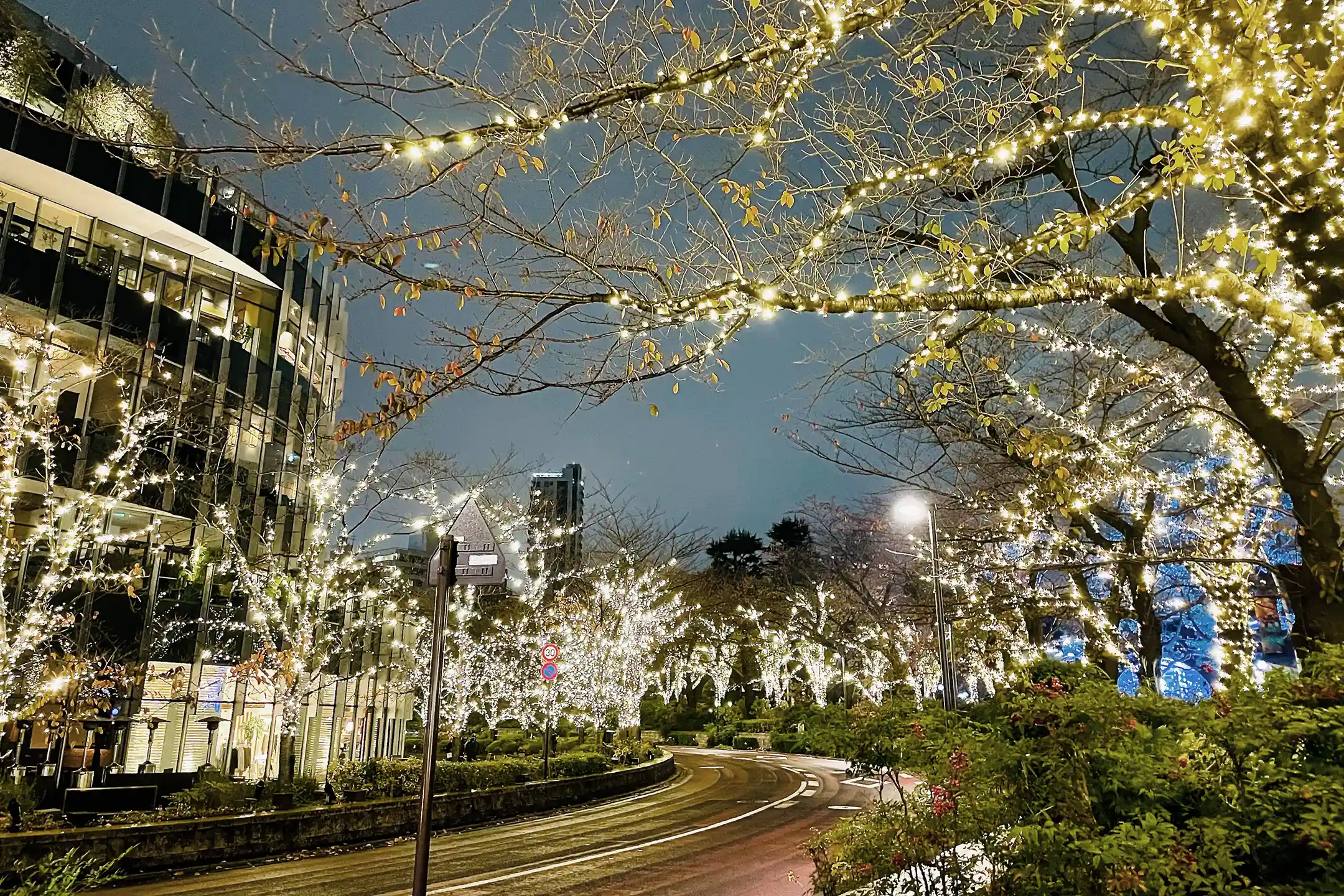
The star of winter is the night illumination. Across Tokyo, dazzling light events brighten the city for Christmas and the New Year season—Roppongi and Marunouchi’s tree-lined avenues, Tokyo Dome City, Odaiba, and more.
Lights usually switch on around 17:00–18:00, so wrap up daytime sightseeing a bit early and move to your chosen illumination site before dark. Add heat packs and a warm drink, and stroll through the radiant winter city. Illuminated streetscapes reveal a different world from daytime.
Popular illuminations like Roppongi Keyakizaka and Omotesando are crowded even on weekdays, so if you want to avoid the crush, aim for the very end of the lighting window (around 22:00) or try lesser-known venues in the suburbs. Winter air makes the lights sparkle all the more; let yourself be captivated, but stay warm and enjoy within your limits.
If you’d rather end earlier, switch to admiring the night view from your hotel room instead. The interplay of still days and festive nights—winter’s “quiet and bright”—adds depth to Tokyo day trips.
Mechanisms to Deepen Learning from Your Route Experience
Here are ideas to help the insights and emotions you gain from sightseeing become lasting learning rather than a one-off impression. Not just hopping between landmarks—by listening to experts and by investing in input before and output after your visit—you can elevate the value of your journey dramatically.
From three angles—engaging private guides, sharpening architectural viewpoints, and methods for preparation and review—this section offers mechanisms to enrich your learning on the road.
Encounters with Experts
Meeting experts at your destination is a shortcut to deeper understanding. Tokyo offers a wealth of guided tours and workshops. Start with private guides.
If you hire a licensed interpreter-guide or a local specialist, you can hear anecdotes and backstories not found in guidebooks, and the tour can flex to your interests. If you love architecture, for example, ask a guide who holds an architect’s license to walk with you and explain the styles you’re seeing in situ.
You can book through travel agencies or use volunteer groups such as Tokyo Free Guide. Especially in a place that’s new to you, one effective method is to first walk the area with a guide to grasp the whole picture, then go back on your own for a slower, deeper visit.
At museums, make use of gallery talks by curators and audio guides. The Tokyo National Museum regularly hosts guided tours led by volunteers and researchers (*1). Participating in hands-on workshops is also highly recommended.
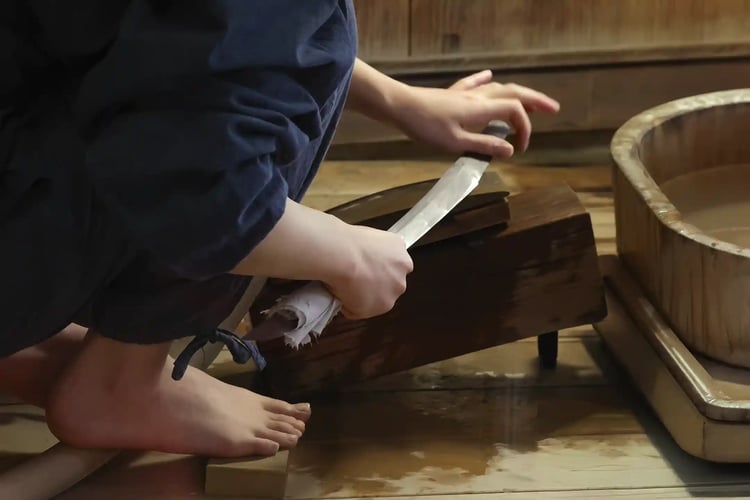
Across Tokyo, you’ll find rich cultural programs—washi papermaking, sword-polishing, tea ceremony, ceramics, and more. Hearing directly from instructors about the background of traditional techniques and their contemporary challenges brings learning far beyond a simple look.
Slip short experiences like these into the gaps between route stops, and the day gains rhythm and becomes more memorable. In short, consciously adding moments of “conversation and touch” alongside “looking” raises your satisfaction. Through encounters with experts, open the door to Tokyo’s cultural depth.
Viewpoints for Appreciating Architecture
Tokyo spans everything from historic structures to cutting-edge towers, and your way of seeing is crucial to richer appreciation. Rather than just thinking, “That’s a big building,” focus on the points below.
First: style. When you attend to whether a building is Japanese or Western in character—modernist, postmodern, and so on—the era in which it arose comes into view. For example, the former main building of the Imperial Hotel (designed by Frank Lloyd Wright) shows influence from the Maya Revival style; knowing that lets you sense Wright’s philosophy even in a single brick motif.
Next: materials. Wood, stone, steel, glass curtain walls—by watching materials, you glimpse the textures and atmospheres architects aim to express. In historic wooden structures such as Denbōin in Asakusa or Kan’ei-ji, you can enjoy warmth and graceful aging; in contemporary buildings, glass façades convey urban transparency and lightness. Light itself is essential in the language of architecture, too.
Look for strategies of illumination—stained glass, shoji-filtered light—and note the building’s expression when lit at night; contrast between light and shadow can feel downright cinematic. Tokyo Station’s Marunouchi Building, for instance, glows at dusk, its brickwork emerging with a face quite different from daytime.
Keeping keywords like “style,” “materials,” and “light” in mind heightens the resolution of your viewing. Even without prior study, if you cultivate the habit of asking, “Why design it this way?” every structure starts to speak to you. When interest strikes, read the plaques and pamphlets on-site.
For modern buildings, you may find cultural property notes; for contemporary ones, the architect’s comments often appear on official websites. After you’re home, revisiting those notes makes for good review. Appreciating architecture is, in essence, appreciating the city. See Tokyo as one vast open-air museum and enjoy your walk.
How to Prepare and Review
Finally, some tips for preparation before the trip and reflection afterward. For prep, reading related books, exhibition catalogues, and guidebook columns before you go deepens understanding.
For special exhibitions at the museums featured in these routes, look through the catalogue foreword or explanatory texts on each museum’s official site. If you have the themes and highlights in mind, you’ll feel that electric moment on the day: “This is the piece I saw in the catalogue!”—and the experience will resonate more strongly.
When visiting historical sites, watching related films or reading novels set in Edo–Tokyo can also help; dramas about Meiji-era architects, for example, enrich your imagination on the ground. Fine-grained background that official guidebooks skip can come from podcasts and online lectures you listen to before your trip.
In recent years there’s been a surge of English-language podcasts on Japanese culture and Tokyo history; play them during your commute to gather ideas. By balancing input before and output after, your route experience becomes more than consumption—it matures into “a lifelong body of knowledge.”
Tokyo is a treasure-house of learning. Lay the groundwork with preparation, use all five senses on-site, and cement your knowledge in review—and you’ll surely want to return. In a sense, the real journey begins after you get home. Dig deeper into the interests you discovered and let them open doors to your next trip. No matter how many times you visit, Tokyo offers new discoveries—an endlessly layered field for learning.
When the journey asks you to stay

In Closing
We have introduced three model routes, seasonal and time-of-day strategies, and tips for deepening your learning. Tokyo is a rare city where tradition and the cutting edge coexist. By looking beyond famous sites to the stories and intentions behind them, your travels grow many times richer.
Use the blueprint proposed here as a base, and craft your own refined day. When you spend unhurried time with culture, architecture, and art, the journey will continue to live within you long after you return to everyday life. May your Tokyo day trip become a “journey of learning” that sustains the mind.

.webp)