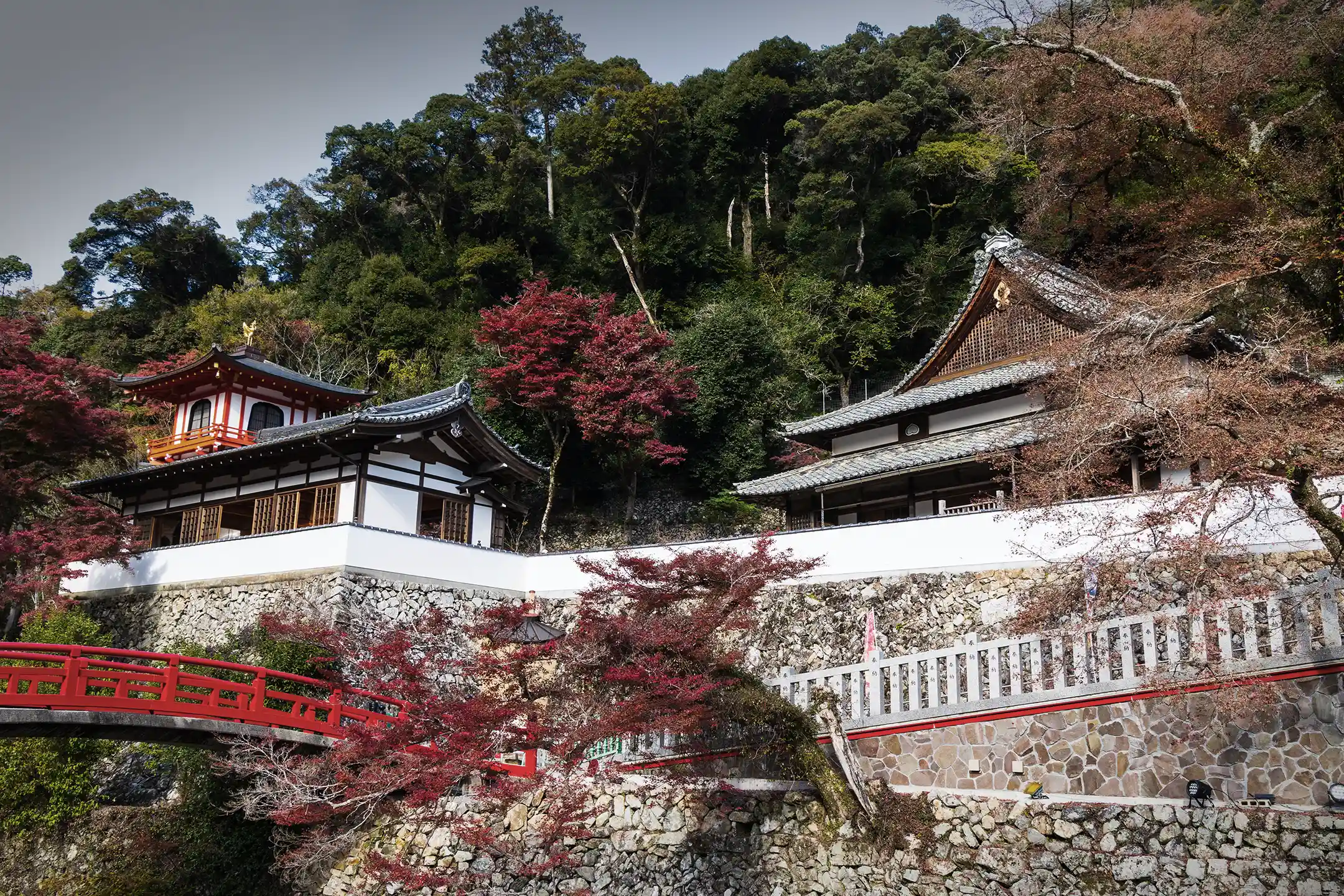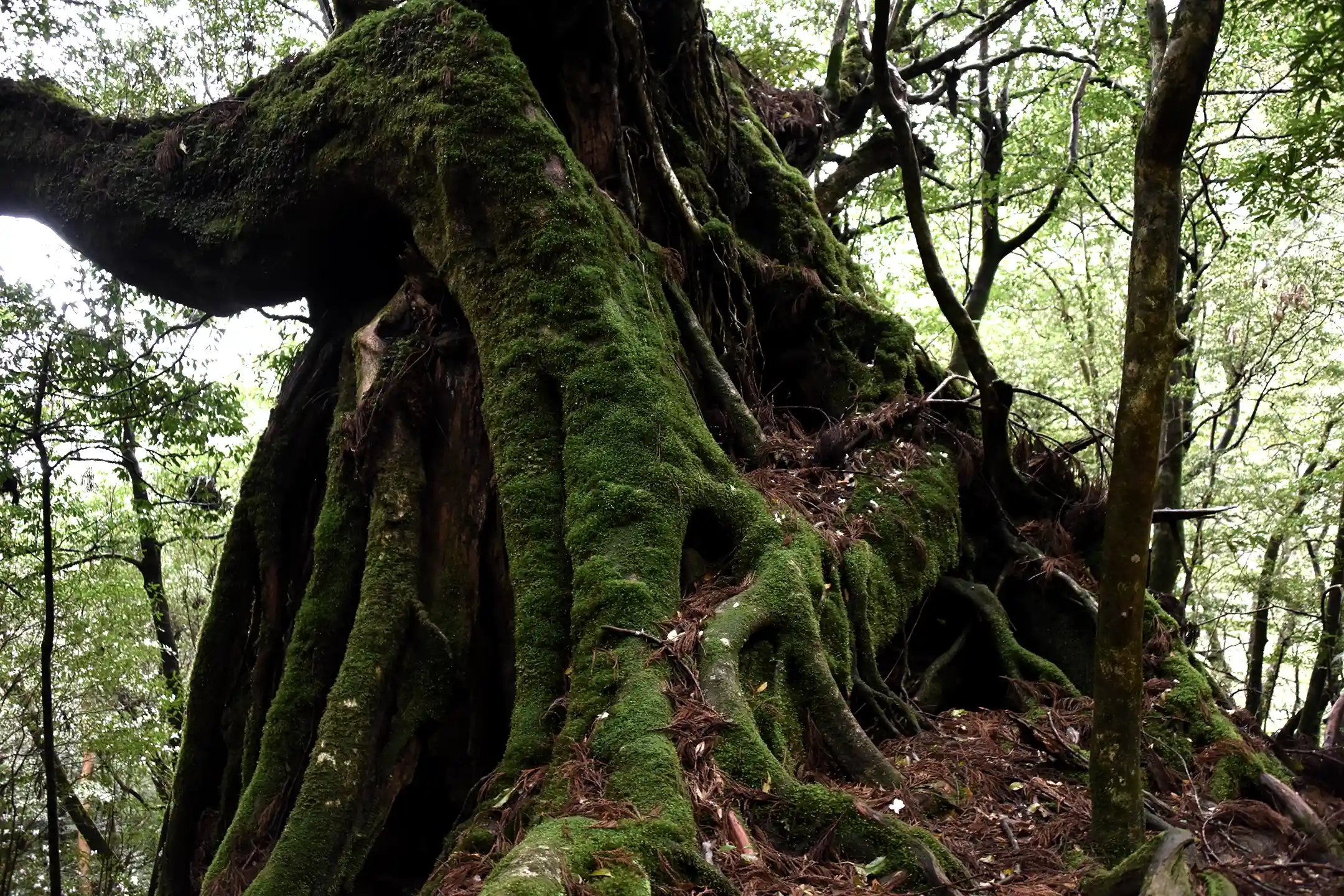
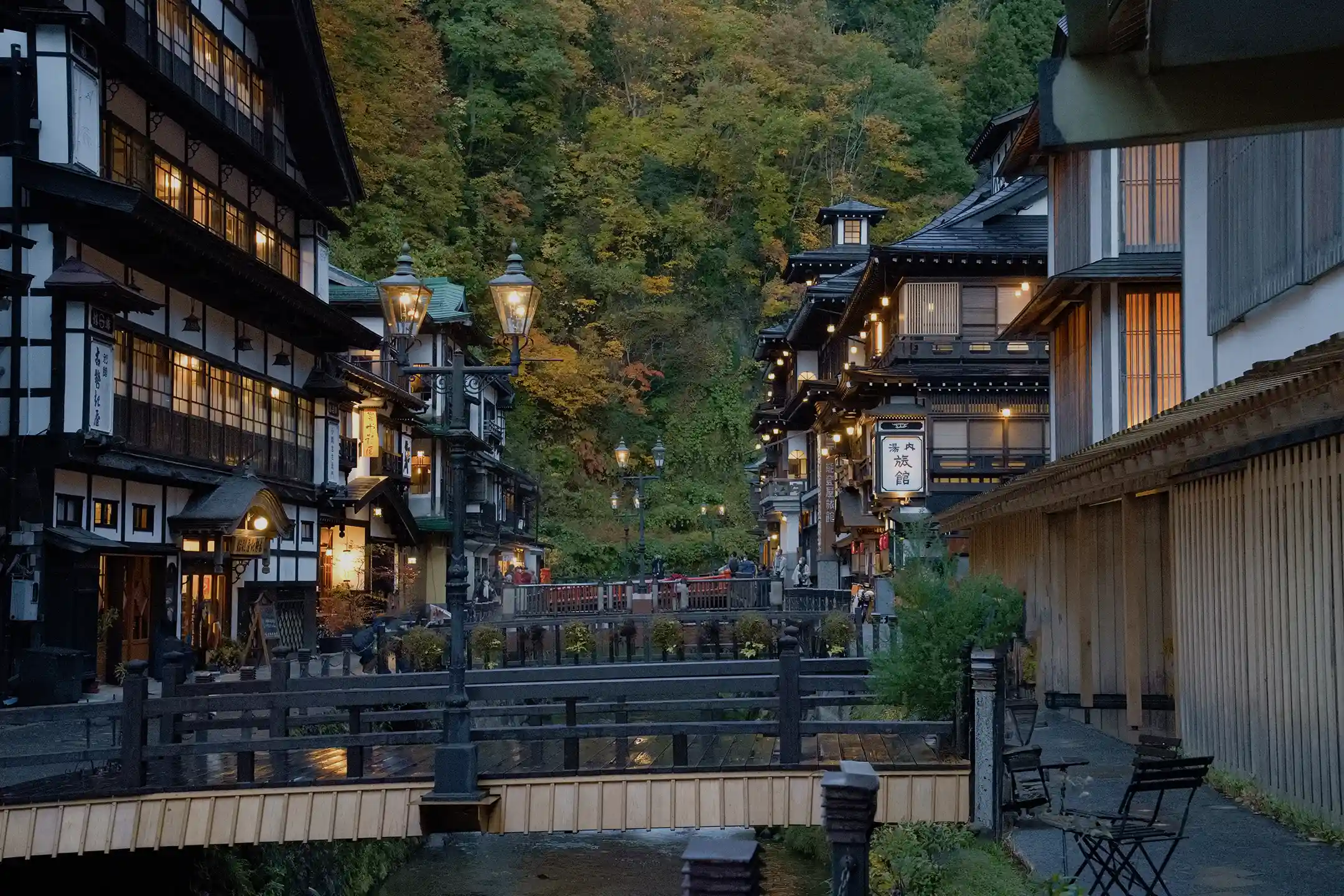
For couples who want to turn a meaningful milestone into a personal story, a Japanese onsen ryokan is the ideal stage. In a quiet inn tucked into the mountains, you sink into steam‑draped hot springs and feel your everyday worries loosen and drift away.
In this guide, you’ll find everything—from the essence of staying at an onsen ryokan and what to look for when choosing one, to beloved hot‑spring regions across Japan. If you’re researching the top onsen in japan for a private, luxurious couples’ stay, read on for ideas that help you create an anniversary wrapped in privacy and luxury, where you and the person you love can savor time together.
This article opens one door into a world shaped by centuries of ritual, stillness, and care. Wellness Through Water gathers the philosophy, traditions, and quieter rhythms of onsen ryokan culture into a single, connected reading.
Continue with the Digital Guide:
Wellness Through Water: A Journey into Japan's Onsen Ryokan Culture
The Essence of the Onsen Ryokan Experience
With spaces shaped by Japanese aesthetics, nature, and a refined sense of beauty, onsen ryokan offer a distinctive appeal that differs from hotels. At heart, the experience is “healing you can feel with all five senses” and the spirit of omotenashi—attentive, heartfelt hospitality. Everything is choreographed—from traditional architecture and gardens to lighting, sound, and scent—so you can soak in a deep quiet that feels wonderfully removed from daily life.
For example, ryokan architecture often uses natural materials such as wood, washi paper, and stone; alcoves (tokonoma) adorned with seasonal ikebana and the soft light filtering through shoji create a hush that gently helps you forget the clock (1).
Many onsen ryokan sit in places of seasonal beauty—river gorges, lakesides, mountain valleys—so “the view from your room” is an experience in itself. Time unfolds at an unhurried, analog pace—far from efficiency metrics and screens—letting your body and mind uncoil.
At the core of ryokan culture is omotenashi. From the proprietress (okami) and attendants (nakai) who notice what you need before you ask, to seasonal decorations and the custom of welcoming you with tea and sweets on arrival, you feel the warmth of people at every turn. In recent years, more properties have added multilingual support and easy etiquette guides for international travelers, making language barriers fade (1).
Changing into a yukata and relaxing on tatami subtly shifts your posture and mindset, immersing you in Japanese culture. The hot spring itself is essential: slip into free‑flowing, spring‑fresh water and you don’t just soothe travel fatigue—you also get to know the character of the local waters.
Let’s start by looking at the experiential value of a stay in an onsen ryokan—its basic layout, types of waters, and design choices that enhance privacy.
Basic Components of an Onsen Ryokan
In a typical onsen ryokan, everything—from architecture and interior design to service—reflects Japanese aesthetics and a devotion to comfort. Tatami‑mat rooms are the norm, composed like a single work of art that includes borrowed scenery from gardens or mountain views framed by your window.
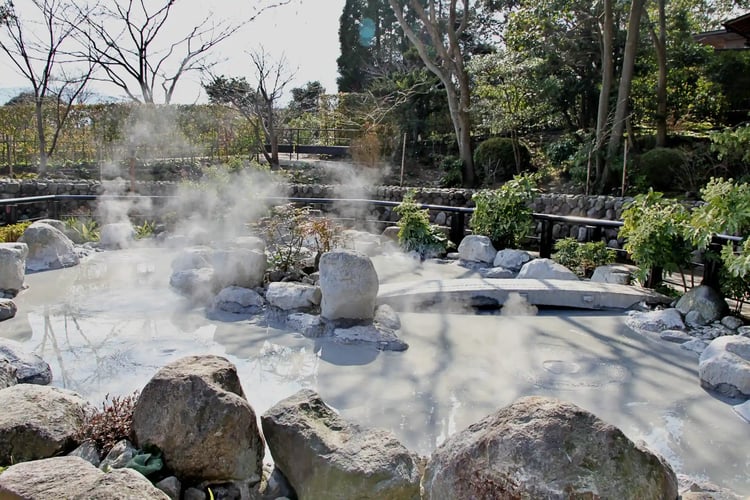
Inside, seasonal flowers and fine crafts add quiet character, while warm indirect lighting sets a restful mood. Large communal baths and open‑air rotenburo are highlights; you can savor the spring’s character as you listen to rustling leaves and catch the scent of the water. If the bath sits by a river, the gentle flow becomes your soundtrack; at night, you might float beneath a canopy of stars.
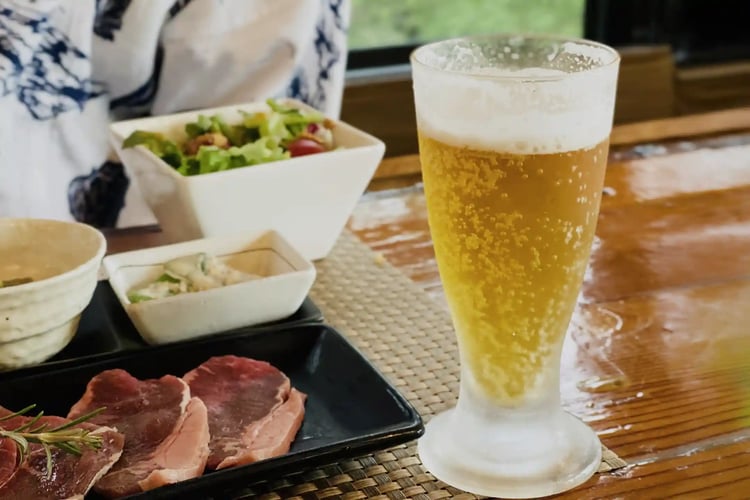
Dining showcases kaiseki cuisine crafted from local, seasonal ingredients; the flavors and presentation elevate any anniversary meal. In many ryokan, dinner is served in your room or a private dining salon, so you can enjoy dish after dish at your own pace—just the two of you. Inns with Japanese gardens invite you to stroll and watch the seasons turn; scarlet maples and winter snow create scenes you’ll love to photograph.
If there’s a lounge or tea room, lingering over tea after check‑in or sipping local sake after a bath feels especially indulgent. Thoughtful staff and well‑planned pathways even make wandering the property a pleasure.
When you want more privacy, check for features like guest rooms with open‑air baths, detached villas, private baths you can reserve, and private dining. A room with its own rotenburo lets you soak whenever you like—without worrying about other guests—so the two of you can bathe together in peace. The biggest advantage is the preserved privacy and freedom to bathe entirely on your own terms (2).
For an anniversary, you might toast with champagne while soaking in your room’s bath. Even if your room doesn’t have an open‑air tub, many ryokan offer reservable private baths; pre‑book or request one at check‑in to secure uninterrupted time in the water. If your ryokan offers in‑room dining or private dining rooms, dinner can be as relaxed and intimate as the bath.
Of course, if you enjoy a lively atmosphere, onsen ryokan are also a place to mix lightly with other travelers—in the grand bath or a lounge—adding another kind of fun to your stay. Understanding how each element affects your experience will help you choose a ryokan whose facilities and services match your wishes.
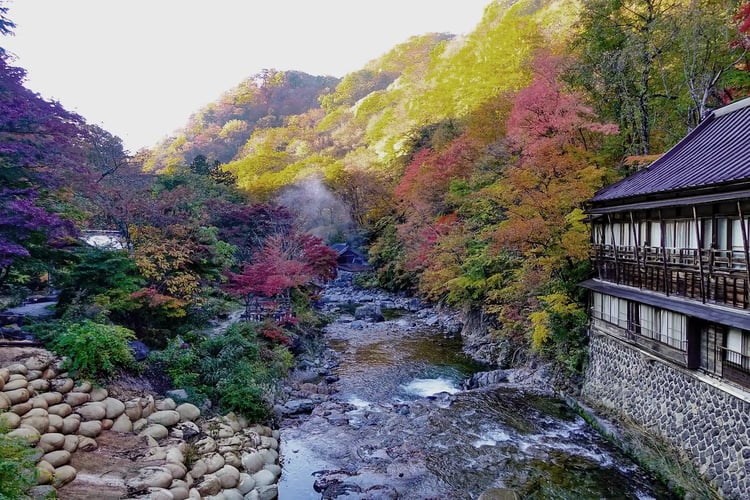
Spring Qualities (Onsen Types) and How They Affect Your Body
No guide to onsen ryokan is complete without “spring quality”—the mineral makeup that defines each source. Japan has countless famed springs with distinct profiles, and these differences shape both how your body feels and the overall bathing experience. Reported effects are based on tradition and local guidance rather than medical advice; if you have health concerns, consult a professional before bathing. To make your anniversary stay even more special, here are common types and their reputed benefits.
Sulfur springs (iō‑sen) are relatively common; the distinctive “egg‑like” aroma comes from hydrogen sulfide (3). They’re traditionally said to support certain skin concerns—like atopic dermatitis or chronic eczema—while the water often makes your skin feel silky during the bath. Milky‑white sulfur baths also heighten the atmospheric charm.
Bicarbonate springs (sodium bicarbonate, sometimes called “soda” springs) tend to be alkaline. They can soften excess keratin and provide a gentle cleansing effect, which is why they’re famed as “beautifying waters” (4). The water feels soft, and your skin often feels smooth afterward—popular with many women. Because the cleansing action can be strong, you may want to moisturize after long soaks.
Chloride springs are rich in salts and known for aiding warmth retention and skin repair; they’re sometimes called “heat‑retaining baths.” A fine film of salt can linger on the skin after bathing and keep you warm—perfect in cold seasons. If you try to taste the water (when allowed), it can seem slightly salty or bitter—a quirky trait (3).
Carbonated springs (dioxide springs) tingle pleasantly as dissolved CO₂ beads onto your skin. They’ve been reported to dilate blood vessels and improve circulation, letting you feel warmed even at relatively low temperatures (4). Natural carbonated springs are rarer in Japan, so finding one feels like a lucky break.
To get the most from onsen benefits, follow a gentle order and take care afterward. If you’re doing a “hot‑spring hop,” be mindful—especially in strong acidic springs like Kusatsu—about not overdoing long soaks in a single day.
Before entering, acclimate by ladling warm water over your hands and feet and up your limbs, then ease in: foot bath → half‑body bath → full‑body bath (5). Warm up to the shoulders, then step out to rest; repeating short soaks (“interval bathing”) is easier on your body and helps prevent post‑bath chills (5). A cool towel on your forehead and steady hydration help prevent overheating.
Drinking a glass of water beforehand reduces dehydration from sweating and can moderate the rise in body temperature (6). After bathing, pat your skin gently with a towel to keep some minerals on the surface and extend warmth and moisture.
Whether you rinse off at the end depends on the water: for sulfur springs—where the scent can be strong—soap off; for carbonated or “beautifying” waters, you may keep the minerals on your skin. When in doubt, follow local guidance.
Designing for Privacy
On a special anniversary, you may want to enjoy as much uninterrupted time together as possible. Many onsen ryokan use thoughtful design—and room‑type choices—to boost privacy.
First, look at room placement and guest flow. Small‑scale inns with fewer rooms—or high‑end properties where every room is a suite—often space rooms farther apart and plan corridors to reduce chance encounters.
Some go further, completing check‑in and check‑out in your room and serving both meals and baths privately, so you “don’t run into anyone else” during your stay. Soundproofing matters, too.
While preserving the charm of wooden architecture, some ryokan add sound‑insulating walls and double sashes to block noise from next door or outside. Distance from main roads helps; if the building uses modern sound‑damping materials and prioritizes quiet, you can sleep deeply, far from the city’s hum (7). As a practical note, tattoo policies vary by property; if needed, choose a room with a private bath or reserve a private onsen slot for peace of mind.
In nature destinations like Hakone or Oirase, silence—“the luxury of doing nothing”—is part of the draw. Areas with little light pollution are also great for night photography and stargazing, so check the surrounding environment when you choose.
How to Choose an Onsen Ryokan—What to Check
With so many options, it helps to evaluate ryokan from several angles to find the perfect place for your anniversary: room types and amenities, location and quiet, and the overall service approach. Assess these together to pinpoint the inn that matches what you both want. Here are the key points for a choice you won’t regret.
Start with room type. Even within a single property, privacy and comfort can vary widely by room. For anniversaries, rooms with open‑air baths are perennial favorites, letting you soak whenever you like in your own dedicated tub. Bathing together at your own pace—without worrying about others—is a big plus. You can even create a romantic surprise by floating flowers in the bath or gazing at night views while you soak.
These rooms usually cost more than others of the same grade, so balance the budget. If you want stillness and a heightened sense of occasion, consider detached villas. Separate cottages away from the main building have no adjacent rooms, so it feels like staying in a private little house. Some properties label these “villas,” often with more resort‑like interiors or even private pools—the mood varies by ryokan.
Suites, while located in the main building, offer generous space and views, higher‑grade furnishings and amenities, and sometimes extras like room service or dedicated staff—push‑upgrades that make the entire stay feel more luxurious.
You’ll also find two‑level maisonettes and hybrid Japanese‑Western rooms (yō‑washitsu) with both beds and tatami. Choose with your own preferences in mind: “We want deep traditional atmosphere, so futon on tatami,” or “We’d prefer beds for ease on the knees.” List your conditions and prioritize; the decision gets much easier.
Next, weigh location and quiet. Where the ryokan sits shapes the mood and comfort of your stay. A solitary inn along a gorge may be very dark at night because there are few streetlights—but the trade‑off is deep quiet and a thrilling sense of being away. Drifting off to the sound of the river and insects offers a kind of comfort that’s hard to find in cities. A little extra effort in this step helps turn the trip into an anniversary you’ll remember.
Five Hand‑Picked Destinations Among the Top Onsen in Japan
Across Japan, hot‑spring towns have their own personalities—and each shines for a slightly different kind of anniversary trip. Here are five especially popular, well‑known areas that are perfect for couples. For each, you’ll find its atmosphere, how to spend your time, tips for avoiding crowds, and photo‑ready spots—use them to choose your destination.
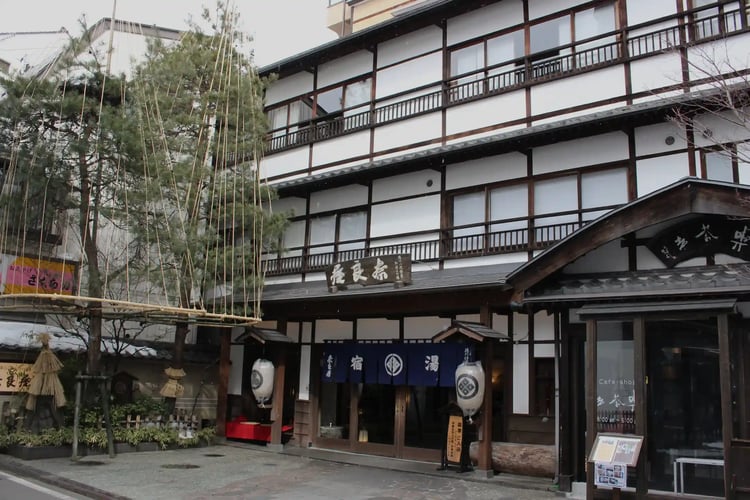
Hakone’s Onsen Ryokan|Easy Access from Tokyo, Museums, and Fuji Views
Just about two hours from central Tokyo by train or car, Hakone pairs abundant nature with a rich cultural scene—an anniversary classic.
Hakone’s hot‑spring area actually includes 17 different springs, each neighborhood with its own feel. Gora, nestled in the mountains, is serene and green, and known for sophisticated museums like the Open‑Air Museum and the POLA Museum of Art.
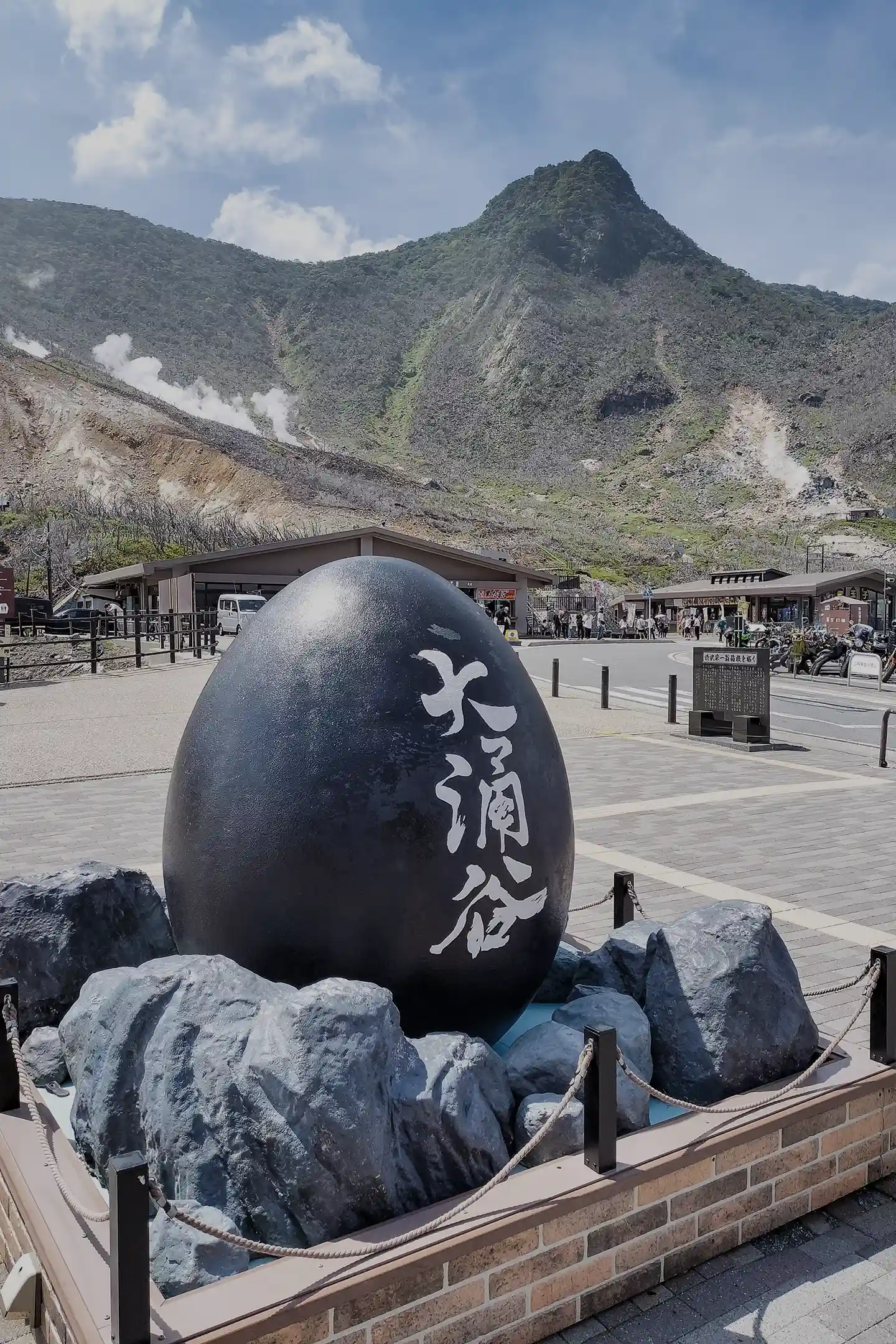
If you both love art, plan a museum date before or after check‑in. In Sengokuhara, a golden sea of pampas grass glows in autumn, and the broad, highland resort setting lets you balance gallery‑hopping with time in nature—think “museums in the morning; Owakudani and a café break in the afternoon.”
Around Lake Ashi, pirate‑ship cruises and Hakone Shrine are highlights—and on clear days you can frame Mt. Fuji across the water. For commemorative photos, the Fuji‑over‑Ashi combination is a favorite; at sunset the lake turns coppery for a dramatic shot. The old Tokaido cedar avenue also has solemn beauty and looks great on camera. From venerable wooden inns to sleek, modern designs, Hakone’s ryokan share one thing: a surprising hush that feels far from the city (1).
Best seasons run from fresh‑green early summer through fall foliage, with spring and autumn especially popular. To dodge crowds, aim for weekdays, “shoulder” weeks right after Golden Week or just before peak foliage. Even on weekends, choosing areas like Gora or Sengokuhara spreads visitors out and keeps things calmer.
Photo cues: sunsets on the Lake Ashi shore; steam plumes at Owakudani; or that dreamy moment in your ryokan’s open‑air bath, wrapped in steam. For Fuji shots, clear winter air can be a bonus. Hakone is a near‑Tokyo all‑rounder—nature, culture, and hot springs—when you “don’t have time for a long trip but still want it to feel special.”
Yufuin & Beppu’s Onsen Ryokan|Highland Morning Mists and Varied Spring Qualities
In Oita, Kyushu’s famed hot‑spring prefecture, Yufuin (湯布院) charms travelers across Japan. This tranquil basin town spreads out across farmland, with stylish ryokan, cafés, and small museums especially popular with women (1). Beppu, just next door, offers a spectrum of baths and steamy “hells” (jigoku) for sightseeing—great variety if you want to sample different waters in one trip.
From autumn into winter—when mornings turn crisp—mists rise from Lake Kinrin at the foot of Mt. Yufu and drift across the basin, wrapping everything in a cinematic veil. Wake early to stroll the quiet shore and capture romantic, misty photos.
Under clear autumn skies, the interplay of foliage, fog, and water is unforgettable—just right for an anniversary morning. By day, wander Yufuin’s Yuno‑tsubo Kaido for crafts and sweets, and at dusk, photograph Mt. Yufu glowing behind the fields.
Yufuin’s ryokan tend to be intimate and traditional, with plentiful rooms featuring private open‑air baths and reservable private tubs. It’s a grown‑up itinerary for savoring highland calm.
Arima Onsen Ryokan|Golden & Silver Springs and Kobe’s Cuisine
Arima Onsen in Hyogo is one of Japan’s three ancient springs, loved by historical figures including Toyotomi Hideyoshi. The quiet town sits in the mountains, where retro streets and refined ryokan harmonize. Arima’s hallmark is two spring types: the tea‑colored, opaque “Golden Spring” and the clear “Silver Spring.” Golden Spring is a chloride spring rich in iron and salt—silky and warming, often praised for moisturizing effects.
Silver Spring includes carbonated waters and mildly radioactive radon springs—crystal clear with a light touch (2). They’re said to warm from the core and encourage circulation, so comparing the two is part of Arima’s fun. Because properties differ by their own source, try to experience both on your anniversary.
Arima also sits just 30–40 minutes from Kobe by train or car. The spa town itself is serene, yet Kobe’s urban sights and dining are close—ideal if you want “onsen × city gastronomy.”
For example, enjoy kaiseki in your ryokan one night, then head into Kobe for a Kobe‑beef steak the next. Some inns serve Kobe beef and local specialties in‑house or help arrange cakes and flowers for celebrations if you ask ahead.
Peak seasons: autumn and winter. In autumn, the Rokko Mountains blaze with color; in winter, crisp air and steam heighten the mood. On snowy days, watch flakes fall into the amber water of the Golden Spring—pure magic.
For photos, the red‑railed Nene Bridge is a beloved symbol: frame the bridge, trees, and rising steam for an “Arima” look. An evening stroll down stone‑paved lanes under gas‑lamp‑style lights is romantic too. And Kobe’s night view is legendary—if time allows, ride the ropeway up Mt. Rokko and take in the twinkling lights of Kobe and Osaka. Arima blends old‑world spa ambiance with urban sophistication—perfect for a special trip.
Kusatsu Onsen Ryokan|Yubatake Night Lights and Strongly Acidic Waters
Gunma’s Kusatsu Onsen is famous for massive natural flow and strongly acidic waters. At the town center, the Yubatake (“hot‑water field”) gushes into wooden cooling channels—a dynamic waterfall of hot spring water sending up constant clouds of steam.
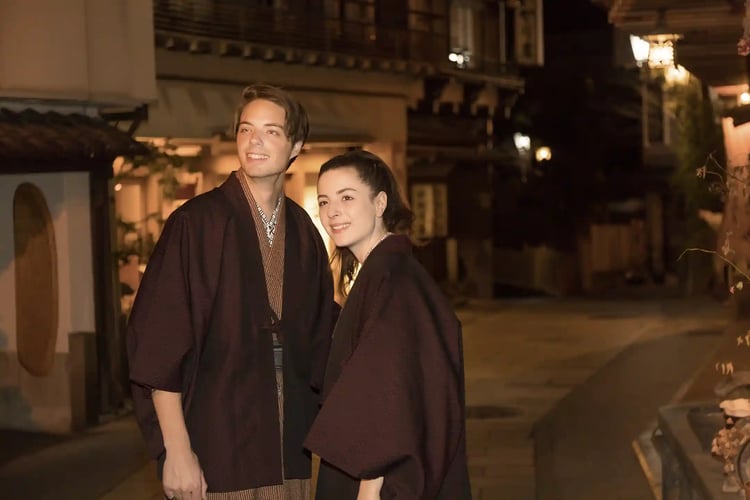
By day you can study the emerald‑green flow up close; at night, illumination turns the scene into something dreamlike. Lanterns glow around the Yubatake, colored light plays through the steam, and couples in yukata flock here for commemorative photos. While each source differs, the Yubatake spring is around pH 2.1—strongly acidic—said to help smooth skin by dissolving old keratin.
Because it’s powerful, local wisdom says not to take repeated long soaks in a single bathhouse (3). In Kusatsu, short stints with breaks are recommended: even in your ryokan’s big bath, try 5–10 minutes, rest, then slip back in—repeat and relax.
Don’t miss Netsu‑no‑Yu’s famous “yumomi” show, where attendants rhythmically stir the water with long wooden planks to cool it. The chants and motion are time‑honored; at the end, the audience can try yumomi, which makes for a playful memory together.
Best season: winter. At higher elevation, Kusatsu gets deep snow; pairing snowy landscapes with sulfur‑scented baths is incomparable. Under clear winter skies, Yubatake’s night lights are even more striking. Around Christmas, a tree sometimes adorns the square—upping the romance.
If you prefer milder weather, early‑summer greens and autumn colors also shine. Photo ideas: the Yubatake, of course; steam rising in an indoor bath; or the two of you smiling at the footbath in Sainokawara Park. Add a Japanese umbrella or small prop for extra Kusatsu charm.
To avoid crowds, aim for weekday stays—especially winter weekdays. Even bustling Kusatsu slows midday on weekdays. With singular water, atmospheric streets, and yumomi culture, Kusatsu makes an anniversary for onsen lovers to remember.
Noboribetsu Onsen Ryokan|The Geologic Drama of Hell Valley and Sulfur Springs
Hokkaido’s Noboribetsu Onsen pairs volcanic landscapes with fine sulfur springs.
Jigokudani (“Hell Valley”), a former crater, is the star: steam vents and hot mud bubble up from a barren valley floor—otherworldly in the best way. Boardwalks bring you close to sulfur scents and drifting plumes. After dusk, as day‑trippers thin out, strolling the lit paths feels like you’ve got the place to yourselves—an intimate little adventure.
In winter, the contrast of snow and steam is especially beautiful. Noboribetsu is said to offer nine spring types; sulfur stands out for skin and cleansing benefits. In ryokan baths—indoor and open‑air—you can soak in milky, free‑flowing sulfur water that clings softly to the skin.
At night, the Oni‑bi no Michi (“Demon‑Fire Road”) illuminations run year‑round: soft blue lights line the walkways, and steam plus snow plus light weave a fantastic scene. If you’re lucky, you might encounter performers dressed as red and blue oni. Returning to your ryokan to warm chilled cheeks in a hot sulfur bath is bliss.
Noboribetsu’s ryokan range from storied, traditional inns to efficient large hotels. For anniversaries, upper‑tier rooms with private baths or those facing Hell Valley are popular.
Best season: winter into early spring—for that perfect onsen × snow pairing. A late‑winter or early‑spring window can also be quieter between peak seasons. Photo spots: sunrise through birches; or a footbath scene with steam curling in the background.
While there are attractions like a bear park and a period theme village, there’s no harm in making “slow time at the ryokan” the main plan. Wrapped in big‑scale nature and restorative waters, Noboribetsu gives you an anniversary filled with awe to share.
Activities and Cultural Experiences During Your Onsen‑Ryokan Stay
For an anniversary, bathing and great meals are wonderful—but sharing a hands‑on experience deepens the memory even more.
Workshops that introduce Japanese culture and activities out in nature help you create a spark you both remember. Here are some recommended experiences to enjoy during your stay. Each is full of teamwork and new learning, adding color to your special day.
Workshops in Japanese Culture
If you’re curious about Japanese traditions, try a cultural workshop during your stay. Many high‑end ryokan and local studios offer programs that are easy to join.
A tea ceremony experience invites you into a tatami tea room to learn the graceful motions of a formal gathering. Whisk matcha and share a bowl with each other in quiet—a small moment that feels deeply personal.
If scent intrigues you, an introduction to kōdō (the way of incense) is fascinating. You’ll “listen” to the aromas of fragrant woods like aloeswood and sandalwood, and compare guesses—fun for two. If you both love sweets, try wagashi making.
Under a craftsperson’s guidance, you’ll shape nerikiri confections and savor them with matcha—there’s real delight in the making and the tasting. Some inns also offer shodō (calligraphy) or kadō (ikebana). With ikebana, you might even arrange with local wildflowers—learning through the materials of the place.
In cultural hubs like Kyoto, you’ll find unique options such as kumihimo braiding or pottery studio visits. Many programs require advance booking, but your ryokan concierge can often help.
Confirm whether the instructor can teach in English. Increasingly, programs welcome beginners with photo‑friendly setups or interpretation, so take the leap. The pieces you make and the gestures you learn become keepsakes of the trip.
Nature & Wellness
An onsen‑ryokan stay pairs beautifully with wellness in nature. On crisp mornings, join a gentle yoga or stretch session on the garden terrace with a local instructor. Moving to birdsong wakes up your senses and fuels your day.
Historic hot‑spring towns sometimes offer zazen meditation or shakyo (copying sutras) at temples—quiet practices that leave you feeling refreshed inside and out when followed by a hot soak.
If you’re surrounded by forest, take a shinrin‑yoku (forest‑bathing) walk. Unhurried steps and deep breaths activate calm. Some inns host guided walks where you learn about herbs or birds.
At night, stargazing is wonderfully romantic. Away from city lights, you can trace the Milky Way and constellations—suddenly, daily worries feel smaller. Some properties lend binoculars or telescopes. On lakes, try canoeing or SUP.
At dawn, push off in a tandem canoe through light mist—the world goes quiet, and it feels like nature belongs to you. In snowy regions, strap on snowshoes and wander fresh powder; that first hot bath after a white‑forest walk is pure bliss.
Many of these nature & wellness activities are seasonal or require reservations, but weaving one into your plan lifts the whole trip. Share that sense of connection with nature—it’s a fitting gift for an anniversary.
Private Tours
To heighten the sense of occasion, plan a private tour just for the two of you. Work with your ryokan or a travel planner to tailor experiences that go deeper into local flavor and culture.
If you love sake or wine, arrange a private tasting at regional breweries or wineries. Touring with the tōji (master brewer) and sampling together makes a special bottle even more meaningful—perfect for an anniversary toast.
If you’re art lovers, book a guided circuit of local museums and studios. Some plans offer after‑hours gallery access or visits to artisans’ workshops—experiences that only happen with a private setup.
Private tours do cost more, but they deliver rare access to the heart of a place. Balancing unhurried ryokan time with a single, standout excursion adds layers to your travel story.
Planning Photogenic Moments at the Onsen Ryokan
Photos keep your anniversary alive long after you’re home. With an atmospheric ryokan as your stage, a bit of planning—choosing locations, using the light, coordinating outfits and props—helps you capture moments that will make you smile every time you look back. Here’s how to set yourself up for beautiful, professional‑looking shots without stress.
Strategies for the Golden Hour and Blue Hour
Two time windows create the most dramatic light: golden hour and blue hour. Golden hour is roughly the hour after sunrise and before sunset, when the sun sits low and bathes everything in warm, soft light.
This glow flatters skin and adds warmth to portraits. A two‑shot in your room or open‑air bath takes on cinematic depth against a sunrise or sunset. Sunrise and sunset times vary by season and place, so check ahead.
If your room faces Mt. Fuji or a lakeshore, don’t miss dawn. Blue hour—twilight just before sunrise or after sunset—paints the sky a deep, velvety blue while the sun sits below the horizon. It’s perfect for tranquil, moody images: a silhouette in the rotenburo gazing upward, or a garden scene just as lamps flicker on.
Moonlight also matters. Near a new moon, stars pop; near a full moon, you can compose with the moon itself. Consider the lunar phase and plan for star shots when the moon is down. Master these two windows, and you’ll capture your most radiant expressions and that feeling of belonging to the landscape.
Choosing What to Wear
Wardrobe shapes the mood of your photos. Most ryokan provide yukata robes for wearing around the property. They’re classic and photogenic—and you can have fun coordinating as a pair.
At inns where you can choose, try deeper blues or browns for men and vibrant reds or purples for women, or any pairing where each color sets the other off. Some properties rent colorful yukata with embroidered collars or obijime cords for a more formal touch.
If you’re new to Japanese dress, staff can often help with dressing. You can also skip yukata and go with coordinated loungewear or elegant outfits. For a formal dinner shot, think jacket for him and a chic dress for her—just a little dress‑up elevates the moment.
Most importantly, relax. Don’t overthink the camera; let yourselves enjoy the stay. Encourage each other—“You look great!”—and keep it light. Those are the photos that become treasures.
A Wider Landscape of Stillness
What you've read here is one entrance into something deeper. The Wellness Through Water Digital Guide draws together the history, philosophy, seasonal rhythms, and quiet rituals that give onsen ryokan culture its meaning — offering not just information, but a more complete and connected sense of the world you're stepping into.

In Closing
An anniversary at an onsen ryokan lets you step away together, reaffirm your bond, and write new memories. Spaces shaped by Japanese aesthetics, hospitality that anticipates your needs, and mineral‑rich waters that warm you to the core—all of it gently wraps your time for two.
This article has walked through the essence of the experience, concrete planning ideas, and preparation tips—but what matters most is the kindness you show each other and the ease you bring to the trip. Picture your partner’s smile as you plan, and once you’re there, meet even small hiccups with a sense of humor; every moment can become part of a story you’ll cherish.
A stay at an onsen ryokan—touching Japanese culture, unwinding in nature, and savoring beautiful food—can become a “once‑in‑a‑lifetime” keepsake for both of you. For your next anniversary, use this guide to bring a private‑and‑luxurious hot‑spring journey to life at some of the top onsen in Japan. Here’s to a story you’ll be truly glad you wrote together.

%20Gunkan%20Maki%20Sushi.webp)