.webp)
From Yokohama, you can enjoy a same-day journey that centers on quietude and learning—a day designed for depth rather than haste. If you’re comparing day trips from yokohama, this guide distills the essentials so you can plan with clarity. You’ll find the key principles for planning routes that keep travel time to a minimum while giving you space to contemplate museums, temples, and shrines in peace. We also propose model courses to culturally rich destinations—Kamakura, Hayama, Hakone—where art and architecture unfold at an unhurried pace.
By balancing public transportation with hired cars, you’ll sidestep crowds and flex your plan according to season and weather. You’ll also get practical tips on choosing restaurants and cafés, recognizing the highlights of traditional crafts, and gathering details that elevate the quality of your trip.
As the day draws to a close, let a seaside sunset or a soothing hot spring restore you so you carry home the lingering thrill of intellectual discovery. Step away from your busy routine and head out on a day trip filled with culture and beauty—crafted for you.
These routes trace one way of moving through Japan; a ryokan offers another — the quiet art of staying still. The Art of the Kyoto Ryokan Digital Guide draws together architecture, seasonal cuisine, and the rituals of hospitality into a single, connected reading.
Route-Design Principles|Quiet, Efficient Day Trips from Yokohama
To make the most of a short journey from Yokohama, careful route design is essential. The key is to minimize time in transit while preserving generous windows at each stop so you can look, listen, and linger without rush.
Aim for major sights right at opening or just before closing, and plan to steer clear of peak hours in popular districts. Keep transfers efficient, yet weave in walkable segments on purpose—you’ll feel the character of a place with your own steps.
From a sustainability standpoint, let public transportation be your baseline for lower environmental impact, and combine it with a hired car when it truly helps. By planning with these principles, you can savor a mature, quiet style of travel without waste.
Strategies by Mode of Transport
Your choice of transport shapes both comfort and efficiency. Trains and other public transit run on precise timetables, help you manage time, and are less affected by traffic—so your day becomes easier to predict.
By contrast, a hired car (taxi or livery) carries you directly from door to door, connecting distant stops and letting you leave larger bags safely in the vehicle as you move. A smart combination—public transit as your backbone with targeted car use for short temple-to-temple hops or temporary luggage holding—keeps the day smooth.
For instance, rail travel emits about one-eighth the CO₂ of a private car, making it a planet-friendly default for longer legs; pivot to a hired car when weather turns or when you need access into hilly or remote pockets.
If crowded station concourses or complex transfers feel taxing, using a car selectively can reduce fatigue at key moments. Balancing efficiency, comfort, and environmental care is what underpins a truly refined trip.
Timing and Order to Avoid Crowds
On a short day trip, thoughtful timing helps you keep your distance from peak crowds. Check in advance which days and hours each spot tends to be busiest, then build an itinerary that deliberately skirts those peaks.
In Kamakura, for example, weekends and the cherry blossom and autumn foliage seasons draw many visitors, so aim for weekdays and visit top sights first thing in the morning (*1). Linger in galleries right after opening while it’s still quiet; then shift to transit and lunch around midday when visitor numbers swell. Be mindful of sequence as well—outdoor first, indoor later. Tour gardens and outdoor sculpture in the cooler, less crowded morning, then move into museums or archives around noon when foot traffic peaks.
If reservations are required for special viewings or temple visits, book outside the lunch rush to enjoy a calmer atmosphere. By adapting to each destination’s crowd patterns and shaping your morning–midday–evening rhythm accordingly, you create the conditions for a gentle, unhurried day.
Kamakura & North Kamakura Route
In Kamakura, the former seat of the samurai government, you can lose yourself in the stillness of Zen and the depth of historic art—a poised, adult-oriented day. This classic option among day trips from yokohama begins among the old temples of North Kamakura and winds down at a seaside café, covering a gently undulating course of about 6 km on foot over the course of the day.
If it rains, simply pivot to a plan that favors temple interiors and museums—you won’t lose the atmosphere. Spend your morning with the gardens and architectural grace of Zen temples in North Kamakura, pause at noon for matcha or shōjin ryōri, then move on in the afternoon to museums and historic buildings that hold rare cultural works. As dusk approaches, settle into a restful café near Yuigahama or Zaimokuza, look out over the sea, and reflect on what you’ve learned.
Far from the bustle, you’ll feel the seasons shift and history deepen—a quiet, intellectually engaging day trip through Kamakura.
.webp?width=750&height=500&name=The%20Great%20Buddha%20of%20Kamakura%20(Kotoku-in%20Temple).webp)
Morning to Midday|North Kamakura Zen Temples
Start your day around Kita-Kamakura Station, where Zen temples cluster. Around 9:00 a.m., right after gates open, head first to venerable sites such as Engaku-ji and Kenchō-ji.
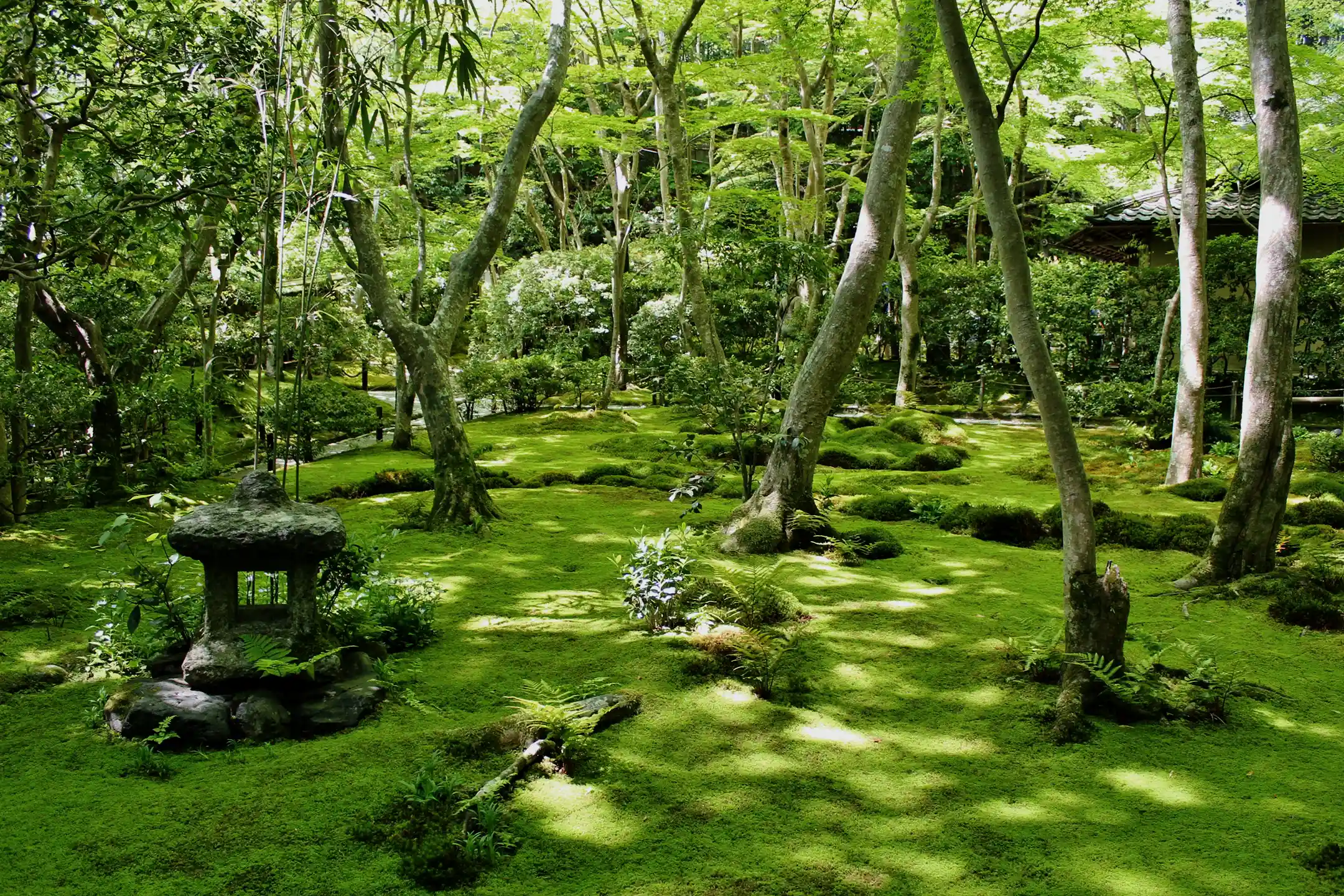
Walk through cedar-lined approaches and under stately temple gates into a bracing stillness. Mossy stone gardens, dry landscape compositions, the clean lines of hōjō residences, and the spiritual presence of historic statues and fusuma paintings naturally calm your mind. If your feet grow tired, take a breath in a precinct rest area; where available, enjoy a bowl of thin tea (usucha) as a gentle interlude.
For lunch, make it a cultural experience unique to North Kamakura by reserving shōjin ryōri or a formal tea setting. The long-established Hachinoki serves refined Buddhist cuisine that highlights seasonal vegetables, tofu, and yuba in beautifully arranged courses (*1). Each dish mirrors the time of year, and even the choice of vessels and room setting carries a Japanese sense of beauty.
Alternatively, at Jōmyō-ji’s Kisen-an tearoom, you can take thin tea while gazing over its karesansui garden—silence becoming part of the flavor. This morning-to-midday span in Zen temple spaces leaves both body and mind feeling clarified.
Afternoon to Dusk|Museums & Historic Architecture
After a serene morning in North Kamakura, take the JR Yokosuka Line to Kamakura Station and shift your stage to the city center. Pair modern cultural venues with historic architecture in the afternoon.
Begin near the precincts of Tsurugaoka Hachimangū at the Kamakura Museum of National Treasures. Here you can quietly view representative cultural assets from Kamakura and neighboring temples and shrines—sculpture, painting, crafts, and archival materials, many shaped from the Kamakura through Muromachi periods and bearing strong influences from Zen culture (*2). Distinct from the temple treasures of Kyoto and Nara, these works convey a vivid regional character with a cosmopolitan flair—take your time with them.
National Treasures and Important Cultural Properties housed inside deepen your grasp of Kamakura’s history and religious culture.
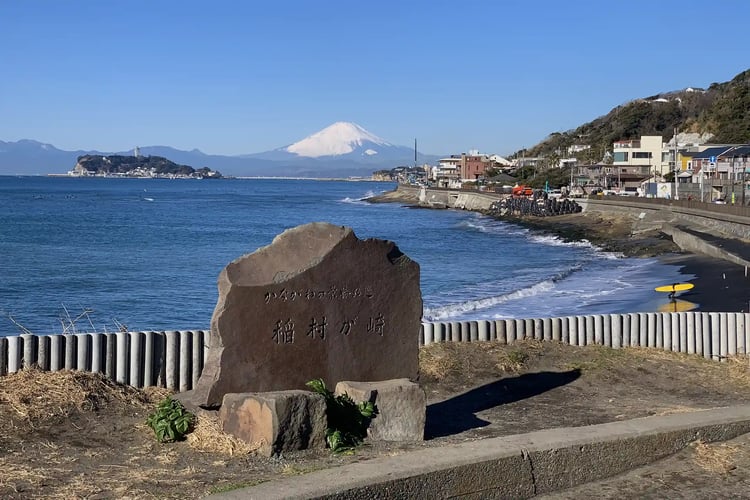
Toward evening, hop on the Enoden tram to Yuigahama and Hase for a final pause by the sea. Find a quiet window seat at a café near Yuigahama Beach, jot down impressions from the day in your notebook, or open a book you picked up along the way. With waves as your soundtrack and the sky and water turning rose, the day’s fatigue fades. In clear weather you may even glimpse Mount Fuji from Yuigahama’s shore—the evening view is balm for the spirit (*3). In this Kamakura route, you’ll experience harmony between stillness and movement, past and present, and come away feeling truly enriched.
Hayama & Zushi Route
In Hayama and Zushi, part of the Shōnan coast within easy reach of the city, the sea and the arts mingle to create unhurried time. This day trip blends seaside walks with museum visits, refined architectural spaces and small galleries, and—at the very end—relaxation at a resort spa for a fully restorative experience.
You can get there by transferring from the Keikyū Line to a local bus, and if you’re driving, the coastal road makes for a lovely ride. On windy or stormy days, simply pivot to an indoor-focused plan. Spend your morning in dialogue with the ocean—first by the shore, then at a museum. Enjoy local ingredients at a sea-view restaurant for lunch. In the afternoon, visit notable architecture and galleries to meet contemporary art and craft.
This is a quietly luxurious day made for adults, saturated with Hayama’s gentle seascapes and cultural stops.
%20at%20Shonan%20Village%20West%20Park%2c%20Hayama.webp?width=750&height=500&name=Satsuki%20and%20Tsutsuji%20(Azaleas)%20at%20Shonan%20Village%20West%20Park%2c%20Hayama.webp)
Morning to Midday
Begin with a refreshing seaside stroll. From Keikyū Line Zushi–Hayama Station (formerly Shin-Zushi), take a bus about 15 minutes and get off at “Isshiki Beach.”
Walk unhurriedly near Morito Shrine and along Isshiki’s sands, scanning the distance for Enoshima or Mount Fuji. In the hushed morning, the beach is nearly empty except for the sound of waves. After a light walk along the water, time your arrival for opening at The Museum of Modern Art, Kamakura & Hayama (Hayama Building).
Set beside Isshiki Beach, this modern art museum looks out to the sea over a lovely garden. The Hayama Building faces the water, and during open hours you can enjoy outdoor sculpture as well. The on-site “Orange Bleue” restaurant offers sweeping ocean views, and a breezy pavilion invites you to linger with the sound of surf—perfect companions to art viewing (*1).
When lunchtime comes, settle into a meal at a sea-view restaurant. Hayama is home to celebrated coastal dining, including the long-loved French restaurant “La Maree” and Italian “Essenza”—both drawing deeply on local ingredients.
Near Morito Beach, La Maree has stood since 1977, a white Western-style house poised as if floating above the water—a Hayama icon. Eschewing rigidly traditional French formulas, the kitchen presents creative coastal fare inspired by France and powered by the day’s local catch and seasonal Miura vegetables. It’s an easy-going, joy-filled place to linger with the view (*2).
Satiated by scenery and cuisine, you’re ready to step into an afternoon of architecture and galleries.
Afternoon to Dusk
In the afternoon, wander among architectural highlights and intimate galleries scattered through Hayama and Zushi. As a post-lunch walk, head first toward Hayama Shiosai Park. Passing near the (non-public) Hayama Imperial Villa on a small rise, you’ll sense the dignity of black pines and the calm residential streets that cradle them. The area hosts small galleries featuring contemporary art, photography, and craft. For example, gallery kasper near the villa mounts sophisticated exhibitions by artists from Japan and abroad, crossing genres with ease. Many galleries and studios occupy remodeled houses; during the Hayama Arts Festival, you may find open studios and workshops. These spaces often encourage conversation with artists or owners, letting you connect with the stories behind the work for a deeper experience.
Architecture lovers should also stop by modern buildings tied to Hayama. Near Hayama Port, SCAPES THE SUITE is a small, sea-facing design hotel whose spaces express a careful architectural sensibility. Even non-guests can get a feel for the building by visiting the lobby or restaurant.
Adjacent Zushi’s Kotsubo district preserves postwar modernist gems such as the former Watsuji Residence (former home of philosopher Tetsurō Watsuji)—exterior viewing only. Set on a green hillside, it distills the grace of Shōwa-era villa architecture. In Hayama & Zushi, your day interlaces sea, art, cuisine, and ease into a richly textured whole.
Odawara & Hakone Route
This route lets you savor history, art, and hot springs—all in one day. It pairs a medieval castle town with a mountain resort of international renown, weaving together fortifications and townspeople culture, hands-on traditional crafts, outdoor sculpture and modern art, and finally, a restorative hot spring—an itinerary for thoughtful wandering.
Travel is stable and congestion-free by JR Tōkaidō Line and the Hakone Tozan Railway; if you drive, be mindful of mountain roads and weather (including winter ice). Because the Hakone area sits at higher elevation, temperatures can be 5–10°C cooler than in central Tokyo—dress in layers to handle the swing.
Spend your morning with Odawara Castle and its castle town crafts, enjoy a classic lunch, then head to Hakone for a museum-hopping afternoon. Close the day with a day-use hot spring, then make your way home aglow with what you’ve seen.
Morning to Midday
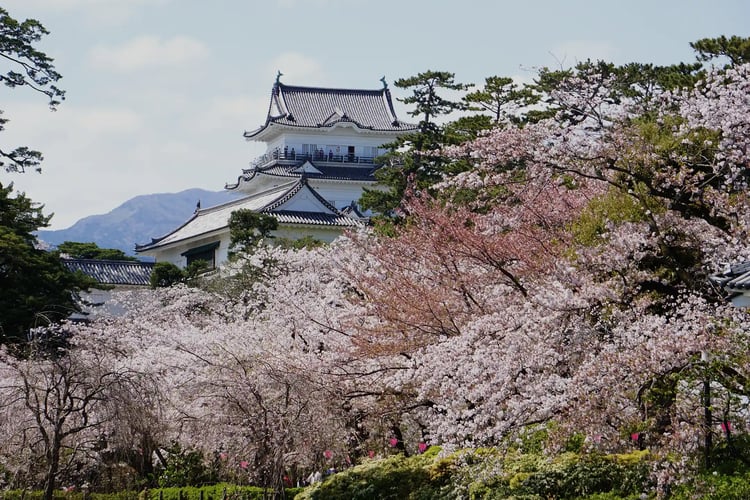
Begin at storied Odawara Castle. It’s about a 10-minute walk from Odawara Station’s east exit to the castle park. The reconstructed keep gleams against the blue sky, while moats and stone walls below convey the castle’s former might.
If you climb to the keep right at the 9:00 a.m. opening, you’ll find space to explore the exhibits at your own pace. Inside, a museum details the Hōjō clan and the castle-town history, including the structure of the fortress and the conduct of battles.
From the top deck, take in the panorama of Sagami Bay, then wander into the castle town. Nearby, long-standing confectioners and stylish cafés invite you in, and you can browse shops selling Odawara lacquerware and Hakone yosegi marquetry. If the timing works, try your hand at making Odawara’s famed kamaboko fish cakes.
At “Suzuhiro Kamaboko Village” in Kazamatsuri—one station toward Hakone—you’ll find the Kamaboko Museum, where you can learn about the history and nutrition of kamaboko through interactive displays and watch master artisans at work through glass.
They also run hands-on classes (reservations required) where you make kamaboko and chikuwa under craftspeople’s guidance (*1). Shaping and steaming your own glossy white kamaboko on its board yields a flavor that’s unforgettable when freshly made.
For lunch, embrace tradition in Odawara. Consider classic seafood or local fare at a historic restaurant. In Suzuhiro’s “Suzunari Market,” the Kamaboko Bar makes a fun stop, and the fish market eatery at Odawara Port serves rice bowls piled with the morning’s catch.
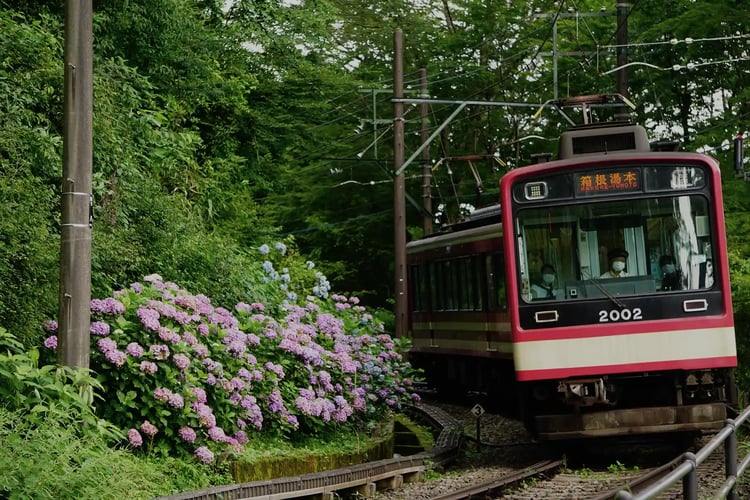
A prosperous post town on the Tōkaidō, Odawara has a rich food culture. If time allows, drop by the Meiji-era confectioner “Nanohana” for its famous warabi mochi as a sweet finale. Once you’ve refueled, board the Tozan Railway at Odawara Station for Hakone-Yumoto and Gōra.
Afternoon to Dusk
From Odawara, enjoy the mountain railway ride toward Gōra; by car, the same leg takes about 30 minutes.
Transfer at Hakone-Yumoto and, upon arrival at Gōra Station, make your first stop the Hakone Open-Air Museum. Just a few minutes on foot from the station, this expansive sculpture park places world-class works across a broad green landscape—a beloved destination since it opened. The defining feature here is the strength of the outdoor displays: across roughly 70,000 m², around 120 masterpieces by leading modern and contemporary sculptors are on permanent view (*3).
Although the Picasso Pavilion and other indoor galleries await, start by strolling the grounds and meeting the outdoor works. Sculptures by Henry Moore and Rodin change with the light—sun and shadow become part of the composition. After one to two hours in the open air, hop back on the railway or a shuttle bus toward Sengokuhara.
Next, visit the Pola Museum of Art. Designed to meld into the Sengokuhara forest, the museum’s glass roof bathes refined galleries in natural light. A private museum founded on the 40-year collecting vision of the late Tsunji Suzuki of the POLA ORBIS Group, it houses some 10,000 works.
From Impressionists like Monet and Renoir to Western modern paintings, Japanese traditional and Western-style art, glassware, and even cosmetics-related objects, the collection’s breadth and quality are striking (*4). Architecture is part of the experience, too—the building by a renowned architect opens from its lower-level corridor onto a forest trail. If time allows, take a short walk and let the quiet woods extend the resonance of the paintings you’ve just seen.
Having enjoyed both outdoor sculpture and modern art, you’re approaching dusk. If your Odakyu Romancecar homebound time leaves a buffer, stop by a day-use onsen at Hakone-Yumoto or back in Odawara. Around Hakone-Yumoto Station, Tenzan Tōjigokoro and Hakone Yuryō welcome day visitors; hinoki cypress baths and open-air pools wash away the day’s fatigue. A cool local beer or a bottle of Hakone highland milk after your bath caps the experience. After a day that stirred your curiosity with history and art, let a famous hot spring help you absorb it all—then close the Odawara–Hakone chapter with deep contentment.
How to Choose Food, Cafés, and Shopping Along the Route
Even on a short trip, mealtimes, café interludes, and a little shopping are precious chances to taste a place’s culture and atmosphere. If you’re seeking a refined experience, look beyond famous names and pay attention to “environment” and “intentionality.” Soundscape, spacing between seats, and lighting levels all influence how comfortably you can settle in.
Spaces with classical music at a soft volume and generous distance between tables invite quiet conversation or reading. Materials matter as well—natural wood furniture or washi-covered lamps cast a gentle warmth that soothes and keeps you from tiring.
Tableware and cutlery also express a venue’s aesthetic. On a trip shaped around art, you’ll enjoy your meal more by noticing the design of the plates as much as the flavors. Choose restaurants and cafés with these criteria in mind and your satisfaction will rise markedly. For souvenirs at day’s end, choose crafts that carry the maker’s story and tradition rather than mere objects—your memories will deepen.
Ways to Enjoy Different Dining Styles
Dining on the road is a highlight—a chance to savor local culture through taste. Your approach shifts depending on whether you linger over a full course or opt for a lighter à la carte meal.
If you want the bounty of the sea, consider a full Japanese or French course built around fish and shellfish from Sagami Bay and the Miura Peninsula. From appetizers to dessert, the chef brings local ingredients together and presents them on the plate with the finesse of an artwork.
Plan at least 1.5–2 hours for such a course so you’re not rushed—give yourself room to meet each dish properly. If you’d rather use time efficiently, tasting one local specialty at a time is a fine path. Along the Enoden line, try a Shōnan whitebait bowl; in Hakone, tofu katsu-ni or a mountain yam rice bowl quickly conjure a sense of place.
Even a single dish can satisfy deeply when you dwell on the culture behind it. Match your mindset to the dining style and approach meals as a way to savor not only flavor but the wider culture—your travel meals will linger long in memory.
Sweets & Afternoon Tea
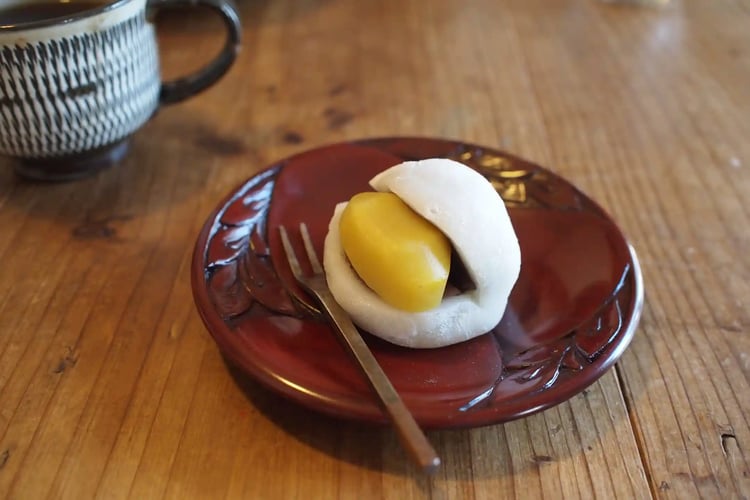
Tea time on a trip is where you greet local sweets. In Japan, wagashi pairs beautifully with traditional settings; when the mood feels Western, patisserie steps in—each scene has its ideal companion. Wagashi, especially, is an edible art that reflects the seasons.
Among wagashi, nerikiri and konashi—types of fine fresh sweets—depict seasonal motifs of nature in color and form, often with intricate design. Each carries an elegant name called a kamei (confection name), closely tied to its appearance (*1).
Matcha, with its gentle bitterness, has long balanced wagashi’s sweetness. Seasonal designs change frequently—summer brings motifs like waterfalls, new green, and waterlilies that conjure coolness (*2). Sit down in a long-established shop for a seasonal namagashi and a bowl of matcha, and you’ll taste the local season with all five senses.
If you prefer Western-style afternoon tea, hotel lounges and historic Western houses make perfect stages. Three-tiered stands hold seasonal fruit and sweets; the fragrance of tea wraps an elegant afternoon.
In Kamakura and Hakone, cafés in Taishō Romantic–era villas offer homemade cakes and scones that let you experience British tea culture through a Japanese lens. At these sweet stops, think beyond sugar alone—notice the seasonality of the designs, the vessels, and the harmony with the drink. That attention turns a pause into a moment you’ll remember.
How to Discern Quality in Crafts
When you bring home crafts, look for a piece that shows a craftsperson’s skill rather than a mass-produced souvenir. Here are a few beginner-friendly points for connoisseurship.
In Odawara–Hakone, seek out yosegi marquetry. Fine pieces are defined by precisely aligned geometric seams and a smooth finish. For “zuku-bari” (veneered pattern sheets), look closely at the density and uniformity of the motif: micro-patterns that repeat without deviation indicate high technique.
For secret boxes and other open/close items, check whether they move smoothly and seal true. Because yosegi often serves practical use, usability counts—drawers and lids should glide and the hand feel should be pleasant.
In Kamakura, look for Kamakura-bori lacquered woodcarving. Artisans carve the wooden base and apply multiple coats of lacquer, yielding deep reds or blacks and a distinctive, hand-fitting tactility. Judge quality by the depth and smoothness of the carving lines and the evenness of the lacquer. Skilled pieces harmonize bold floral or leaf-vein motifs with overall balance, and the lacquer’s sheen feels layered. Take a piece in hand—its reassuring weight and sleek surface tell you a lot.
Glass is also popular. With Edo kiriko cut glass, sharp, crisp cuts and clear, bubble-free material are signs of quality. Whatever you choose, knowing aftercare is how you enjoy it for years.
For wood, avoid direct sun and extremes of heat, humidity, or dryness. Because it’s natural timber, air that’s too dry can cause cracking—aim for moderate humidity (*3). Wipe lacquerware gently with a soft dry cloth; wash glass with neutral detergent and dry with a cloth. Each material has its own care.
When you buy, ask the shop about maintenance, then carry the maker’s intention with you as you use the piece for a long time. Crafts encountered on a journey grow dearer when you learn the culture and stories behind them. Meeting a piece with value beyond “souvenir” adds richness to what you remember.
Season- and Weather-Savvy Route Adjustments
Season and weather are big drivers of satisfaction. The same place can feel very different in peak spring and autumn, in the heat of summer, or on short winter days. Each season calls for a tailored approach and a few extra considerations.
Below, you’ll find practical ways to tune a Yokohama day trip for comfort by season and by weather. For spring and autumn peaks: move smart to enjoy the moment while skirting crowds. For summer: strategize against heat and school-holiday congestion. For winter: plan for short daylight and shift indoors sooner. And for foul weather: have indoor alternatives ready. When you know the tendencies of each season and adjust accordingly, you can enjoy a refined travel rhythm any time of year.
Spring & Autumn:Optimizing Flow in Peak Seasons
Cherry blossom and foliage seasons are the busiest of the year—queues from early morning are not unusual. Optimizing your route is the key to a rewarding trip.
First, pick a weekday if at all possible. Weekends and holidays (Golden Week, year-end/New Year’s) mean heavy crowds across major sights. Simply avoiding them reduces congestion dramatically. In peak periods, visit on weekdays and hit star attractions right at opening—this is crowd-avoidance 101 (*1).
At famous blossom spots, aim to arrive by around 8 a.m. to enjoy peak bloom before the crowds gather. Ticketing and admissions flow better early, and you can take your time with photos. Around midday, when numbers spike, use that window for transfers and lunch to stay clear of the crush.
Cluster outdoor sites (gardens, viewpoints) in the early morning, and slot indoor venues (museums, galleries, temple interiors) for later afternoon or near closing, when they’re comparatively calmer than the noon hour favored by groups.
Where autumn illuminations are offered, the very start of the evening session can be crowded. Consider arriving about an hour after lights-on, when the wave recedes. In these seasons of pleasant weather, you’ll want more time outdoors—sprinkle in breaks along your route and pace yourself.
Note that autumn daylight is short; dusk can come before 5:00 p.m. Prioritize outdoor viewing earlier, then in the evening choose night openings and light-ups—or head home a touch earlier. To truly enjoy the peak of blossoms or foliage, make the most of mornings and evenings, choose weekdays, and give your route strong structure.
Summer:Beating Heat and Crowds
Summer brings strong sun and high humidity—and, thanks to school holidays, more visitors. Your plan should address both heat and crowds. The rhythm to aim for is “outdoors in the early morning and evening, indoors through the midday heat.” Practically, that means strolling outdoor sites (gardens, temple grounds, open-air museums) between 7 and 9 a.m., then shifting from late morning through around 3 p.m. to cooled museums and cafés.
Avoid sustained outdoor activity during the 1–3 p.m. peak heat. Dividing your day into morning/afternoon/evening blocks—with outdoor time early and late—keeps you comfortable and safe.
Hydration and minerals matter: carry chilled barley tea or a sports drink and sip every half hour or so. Shield yourself with a hat, parasol, and sunscreen. A parasol is especially helpful where shade is sparse; in tighter crowds, use it considerately.
Wear breathable, quick-dry fabrics. A light long-sleeve or UV-cut hoodie helps with sun and air-conditioning alike. Choose broken-in socks and ventilated sneakers for happy feet.
To prevent heat illness, sleep well the night before and avoid overstuffed schedules. If you weave “how to stay cool” right into the plan, you can enjoy summer travel comfortably and safely.
Winter:Short Days and Indoor Focus
In winter, plan for shorter daylight and colder air. Because sunrise is late and sunset early, outdoor hours are limited; finish outdoor goals by early afternoon, then shift indoors as the light wanes.
In Hakone, for example, take in outdoor viewpoints like Ōwakudani or the old cedar avenue in the morning, then after about 3 p.m. move to museums or a tea break. Winter air is crystal clear—views of Mount Fuji and the Shōnan coast are at their best early in the day.
Dusk falls quickly—aim to wrap outdoor activities by around 4 p.m. After dark, either depart earlier or enjoy night openings, special exhibitions, or light-up events.
For warmth and comfort, layer well: down coats and heat-retaining base layers, with pieces you can take on and off easily indoors. Don’t forget scarf, gloves, and ear warmers; winds along the coast or on ridgelines can make it feel much colder—adhesive body warmers help.
Indoors, heating can dry the air; lozenges or a mask keep your throat comfortable. Winter is also a “quiet-season” with fewer visitors—a plus if you prefer space to yourself. The calm of winter gardens and clear starry skies are pleasures unique to the season. If you prepare for cold and early nightfall, even a short winter day becomes satisfyingly full.
When the journey asks you to stay

In Closing:The Afterglow of Travel and Your Next Steps
This has been a guide to savoring a refined day trip from Yokohama. Zen temples steeped in history, tranquil museums, Hayama’s seascapes and contemporary art, Odawara and Hakone’s traditions and hot springs—each route offers moments that will nourish your curiosity and your senses.
Even in a single day, if you plan with care and hold space for spontaneity, you’ll come away with value that far outlasts the hours. In quiet you can hear the waves and the wind, listen to what artworks say, and feel the warmth of masterful craft in your hands. That kind of travel not only satisfies adult curiosity—it gently soothes a mind taxed by daily noise.
Ending the day by turning pages in a favorite café—capturing what you learned today—brings a unique fullness. Use this guide to plan elegant day trips from Yokohama at your own pace. May your route brim with new insights and moving encounters, adding color to your life. And from Yokohama, to your next destination—the hope is that this guide gives you that first, confident step.
.webp)