![[Tokyo, Yokohama, Osaka and Kyoto] The Complete Day Trip Sightseeing Route Guide | Model Courses for a Refined, Intellectually Rich Trip](https://blog.bespoke-discovery.com/hubfs/BlogArticles/323%20%20%5BTokyo,%20Yokohama,%20Osaka%20%20Kyoto%5D%20The%20Complete%20Day%20Trip%20Sightseeing%20Route%20Guide/Okazaki%20Castle%20Park.webp)
In this article, you’ll find one‑day trip model courses in four major Japanese cities—Tokyo, Yokohama, Osaka, and Kyoto—that satisfy both your intellect and your senses.
Tokyo, where history intersects with the avant‑garde; Yokohama, a cosmopolitan port; Osaka, the modernist merchant capital; and Kyoto, the millennial city of tradition—each itinerary distills its destination’s essence, laying out a practical route for a “refined journey of the mind.” Even if your familiarity with Japanese culture is at a beginner to intermediate level, you can still enjoy these routes as they move through themes like art, architecture, gardens, and the tea ceremony in each city.
By combining time‑of‑day modules, you’ll learn efficient ways to move, along with tips for advance reservations and crowd avoidance. Use this as a practical companion when you’re planning a quick, curiosity‑stirring trip between busy stretches of your career.
How to Use This Guide | The Fastest Way to Design a One‑Day Trip Sightseeing Route
To help you realize a “refined journey of the mind,” this guide breaks each city’s day‑trip model course into time‑of‑day modules (morning, midday, evening, night).
Start by learning how to read the model course and the basic planning principles. From choosing transportation and the importance of reservations to strategies for dodging crowds, you’ll get the know‑how to make a short stay feel full.
How to read the model course: for each city, you’ll see a “Route Overview,” followed by time‑segmented stops listed under “Morning–Midday” and “Afternoon–Night.” Mix and match according to your interests—from morning art viewing to nighttime scenery—to design a day trip that’s uniquely yours.
Each course lists suggested ways to get around, with a baseline assumption of public transit (trains/subways/buses) and walking. With inter‑neighborhood travel times in mind, these routes concentrate on a specific district so you can explore efficiently. Use a map app to check the relative positions of each spot and keep your route realistic.
Reservations and time‑management basics: to secure quality experiences, make early reservations for anything that requires it—special exhibitions and tea ceremony sessions, for example. Aim for less crowded windows like opening time or just before closing.
Target opening times at famous shrines, temples, and museums, and reserve restaurants where possible for both lunch and dinner for peace of mind (*1). As a general crowd‑avoidance principle, choose weekdays over weekends and holidays, and steer clear of peak seasons where you can (*1). In all model courses here, we’ve tried to sidestep rush hours so you can take your time.
Assembling Your Time‑of‑Day Modules
It’s easier to plan your day if you divide it into three big blocks: morning, midday, and late afternoon to night. For instance, set one main experience for each: “Morning = savor a celebrated spot in crisp air; Midday = lunch at a local favorite; Late afternoon–night = city lights or a restorative space.” One anchor in each block brings rhythm to your day (*2).
Build in generous buffers for transfers. In dense urban areas, places that look close on a map may take longer due to train changes and walking. Give yourself a short break every hour or two—tea at a café or a gentle stroll—to refresh body and mind. These pockets of “unstructured time” add breathing room to your trip and help you absorb what you’ve taken in (*2).
Tokyo Sightseeing Route | Day Trip Model Course
In Tokyo, you’ll follow a route that spans Japan’s traditions and leading‑edge art and architecture. The capital’s special charm lies in the harmony between the historical scenery around the Imperial Palace and the contemporary urban beauty of Marunouchi and Aoyama. For a quality‑focused trip, it pays to reserve ahead—enter special exhibitions first thing in the morning and secure a course dinner at a sought‑after restaurant.
Begin your day steeped in tradition in the cool morning air, take in elegant architectural ensembles in the afternoon, and finish with contemporary Japanese cuisine at night—an itinerary that nourishes both intellect and senses. You’ll mainly ride the subway and walk, tapping central Tokyo’s superb transit for an efficient route. To avoid crowds, plan popular spots for weekdays and right at opening.
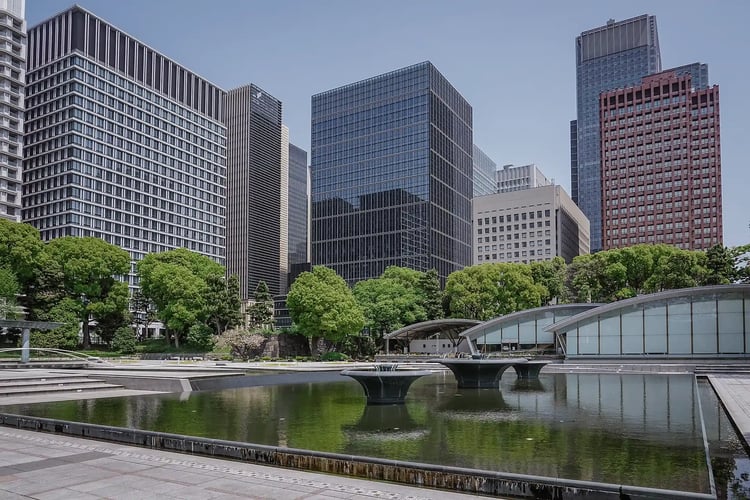
Route Overview
Start: Tokyo Station / Marunouchi area. Begin with the Outer Gardens of the Imperial Palace and Marunouchi’s cluster of early modern architecture. Gaze up at the stately red‑brick Tokyo Station Marunouchi Building (an Important Cultural Property), then walk toward the Palace grounds. Subway and walking are your primary modes; to get from Marunouchi to Omotesando, Tokyo Metro’s Chiyoda Line and others are convenient.
The key is balancing post‑Meiji historical architecture with contemporary works. From Tokyo Station to the greenery of the Palace Outer Garden, you’ll feel an oasis at the city’s heart; then in Omotesando/Aoyama, enjoy exterior viewing of buildings by world‑renowned architects.
While you could loop back to Marunouchi for dinner, this model course ends the evening in Aoyama. With trains running late, you can make the most of your day even on a same‑day trip. Use the suggested dwell times at each stop to keep your plan comfortable.
Morning–Midday
Imperial Palace Outer Garden → Marunouchi Early Modern Architecture Walk (Morning): From Tokyo Station, head west along Gyoko‑dori to the vast Imperial Palace Plaza (Kokyo Gaien). From here, you can take in the Nijubashi Bridge with the Palace and the Marunouchi skyline beyond—the contrast between black pine and glass towers is striking (*1). The juxtaposition of a modern business district with stone bridges recalling Edo Castle captures Tokyo’s dual identity—past and future.
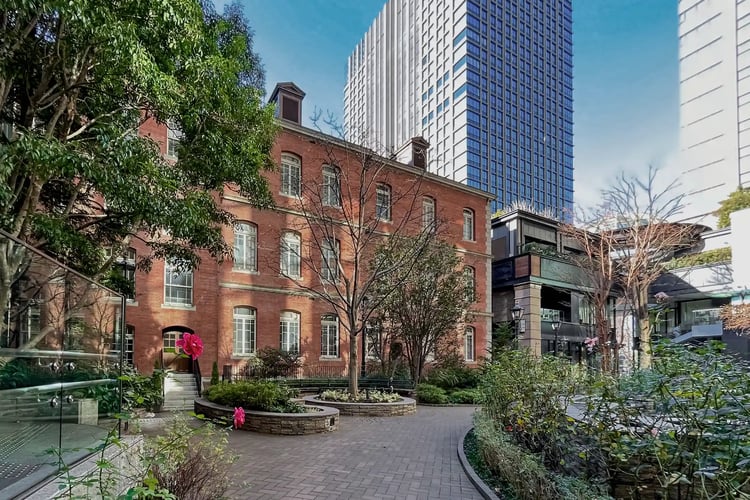
Photographers love the soft morning light around Nijubashi. After your Palace stroll, continue to Marunouchi for an architectural walk. Brick and stone buildings from the Meiji through early Showa eras have been preserved or rebuilt (for example, Mitsubishi Ichigokan Museum and Meiji Seimei Kan), coexisting with skyscrapers in a rare urban tapestry—six “high‑rise + historic” ensembles in a compact area (*2).
Walk Marunouchi Naka‑dori to find dignified bank façades and an overall streetscape where new and old sit in quiet harmony. Note how many buildings share a coordinated low‑rise podium height—an intentional urban design detail that unifies the view.
Slip into the refined atmosphere of the business district and visit Mitsubishi Ichigokan Museum (if there’s a timed special exhibition, book the first slot). In this red‑brick museum you’ll meet 19th‑century European painting and Impressionism; the on‑site Café 1894 is perfect for a restorative tea. Securing a reservation eliminates wait time and keeps your morning flowing.
Lunch: Museum Café or a Marunouchi Classic: After the morning walk, have lunch in Marunouchi. Consider the museum café or a calm restaurant within Marunouchi Brick Square.
Dining in a repurposed Meiji‑era bank lets the space itself become part of the experience. Since noon gets busy, aim for 11:00‑ish or after 13:00. In a quality‑focused trip, meals are cultural experiences, too.
At Mitsubishi Ichigokan’s café, for example, step into a recreated banking hall with lofty ceilings and enjoy seasonal pasta and desserts. If reservations are possible, book ahead so your limited time stays yours.
Afternoon–Night
Omotesando & Aoyama Architecture Walk (Afternoon): After lunch, ride the subway to Omotesando Station and wander an open‑air showcase of buildings by global masters. From Harajuku to Aoyama‑dori, this is a cradle of culture and fashion and a stage for cutting‑edge architecture (*3).
On the street you’ll find distinctive works by Kengo Kuma, Tadao Ando, Toyo Ito, SANAA, and more—walking here feels like tracing an outdoor architecture museum. Pause for exterior viewing at highlights like Omotesando Hills (Tadao Ando) with its spiral slope; Prada Aoyama (Herzog & de Meuron) with its diagrid glass façade; and Nezu Museum (Kengo Kuma) with its bamboo‑lined approach.
A good route starts at the Omotesando Crossing, follows Aoyama‑dori toward Kotto‑dori, and dips into the backstreets for hidden gems. Break up your viewing with stylish cafés and let Aoyama’s elegance sink in.
As evening nears, lights begin to glow and the buildings show a different face. If time allows, enter the Nezu Museum to enjoy its Japanese and East Asian collections (note the early closing hours). The museum’s serene garden gently hushes the city’s noise.
Dinner: Contemporary Washoku Course (Night): Close your day with a refined contemporary Japanese dinner in Aoyama. Near Gaienmae, for example, you’ll find celebrated restaurants offering delicate seasonal course menus. If you prefer not to drink alcohol, ask for a non‑alcohol pairing.
Responding to health‑conscious and diverse preferences, more restaurants now offer sophisticated non‑alcoholic pairings (*4). Some sommeliers present curated zero‑proof drinks in wine glasses to match each dish, so you get a full pairing experience without alcohol.
Under soft lighting, attend to each seasonal plate—the ceramics, the plating, the textures—and you’ll taste Japanese aesthetics with all five senses. A typical course takes about two hours; dessert deepens the afterglow.
Some restaurants draw on the flow of cha‑kaiseki, pairing fine teas (Japanese teas, fermented teas) with the meal. Aim to finish around 9–10 p.m., then take the subway back to Tokyo Station or your next stop. Even as a day trip, you’ll have touched a wide range of Tokyo’s cultural essences from morning through night.
Yokohama Sightseeing Route | Day Trip Model Course
In the port city of Yokohama, you’ll follow a romantic course that spotlights the golden hour. A short train ride from Tokyo, Yokohama blends the sea with an open, globally minded atmosphere, offering both historic architecture and a modern harbor skyline.
This model course centers on late afternoon through dusk. By day you’ll explore art spots and Western‑style houses; at sunset, you’ll chase water views; and at night, you’ll wander among illuminated streets.
Getting around is easy with the Minatomirai Line, JR Negishi Line, and your own two feet. The compact center means efficient loops. When the sea breeze is kind, outdoor walks are especially rewarding; if the weather turns, indoor facilities slip seamlessly into the plan.
As a city long open to outside cultures, Yokohama reflects East–West blending in its cafés and restaurants—something you can taste and see in your choices. As you walk, notice the contrast between classic Western houses and the latest port facilities; this layering defines Yokohama’s appeal.
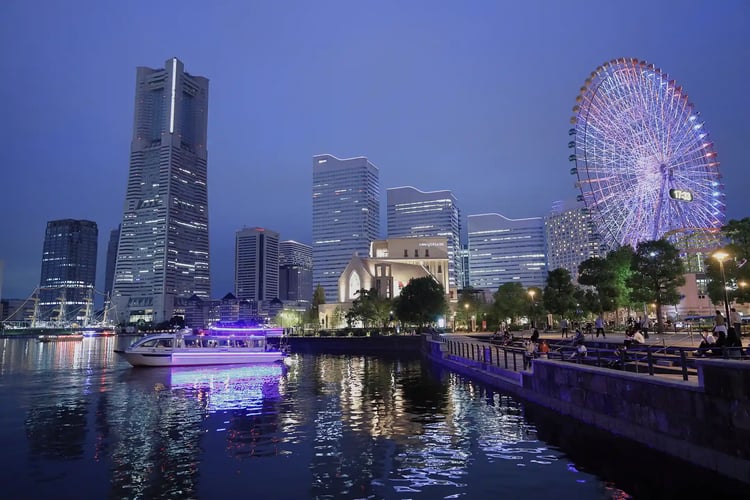
Route Overview
Start: Around Minatomirai Station. Begin in Minato Mirai 21, Yokohama’s waterfront hub. Here futuristic skyscrapers, museums, and malls gather around open seaside parks.
From this base, you’ll mix walking and short train hops; the total distance isn’t large. The course flows from Minatomirai → Motomachi/Yamate → Red Brick Warehouse, ending at a night‑view spot.
Yokohama is friendly to pedestrians, with promenades overlooking the harbor and hilltop villa districts where the walk itself is the joy. From dusk into night, the atmosphere shifts from place to place, so we build in time to linger.
Morning–Late Morning | Art & Design Spots
Museum Visit and Streetscape Walk (Morning): Start with art in Minatomirai—Yokohama Museum of Art, for instance. At opening, galleries are quieter so you can settle into the work.
Join any available gallery talks or short lectures to enrich context—learning how Yokohama appears in painting and photography deepens satisfaction. The museum’s collection spans from the opening of the port to the present.
Afterward, stroll Rinko Park to take in Landmark Tower and the Cosmo Clock 21 Ferris wheel from afar. Sit on a bench within the broad sea‑and‑sky vistas and let the salt air clear your head. By late morning, hop the Minatomirai Line to Motomachi‑Chukagai Station.
Once there, ease into the international charm of the streets. Start with a meander down Motomachi Shopping Street: admire storied boutiques and stone‑paved lanes. It’s lively but not overwhelming, with tucked‑away craft shops and galleries. If you’re footsore, slip into a beloved old‑school bakery café.
Lunch: A Quiet Bistro in Motomachi: Take your time over lunch in Motomachi. Down the side alleys away from the bustle, you’ll find small bistros and cafés cherished by locals. Some French‑style bistros serve lunch courses using fresh Miura vegetables and fish from Sagami Bay—ideal fuel before an afternoon among Western houses.
Reserve if possible to be sure. Over lunch you’ll also taste Yokohama’s blend of Japanese and Western food culture. Notice the interiors: a converted wooden house pairing a Japanese sense of space with Western menus captures Yokohama’s character. In that calm, confirm your afternoon plan and then set out up the slope toward Harbor View Park.
Afternoon–Night
Yamate Western Houses and Gardens (Afternoon): Head into the Yamate district to visit Western‑style residences from the Meiji through Showa periods and their gardens. Climb from Motomachi up to Harbor View Park and a sweeping panorama of the port opens at your feet. Yamate’s hill is dotted with beautifully preserved villas once home to foreign residents (*1).
Start with the British House in the park and Yamate 111 House. Many are open free of charge, with furnishings and design details that evoke daily life of the time. You’ll often find short explanatory panels by staff and volunteers—worth a look if you’re curious.
After a few houses, follow Yamate Hon‑dori to Yamate Italian Garden. Here two more villas—the Diplomat’s House and Bluff No. 18—pair with formal gardens for a gentle taste of another era.
As late afternoon deepens, gas lamps flicker on, casting soft light across verandas and lawns—a quietly romantic scene, as if time paused. From the terraces, gaze toward the bay and let your thoughts drift to the days of the treaty port.
In spring these gardens burst with roses; in autumn they glow with foliage—each season paints a different mood. Pause at the café attached to Ehrismann Residence; cake and tea in a retro interior will deepen the trip feeling.
Ōsanbashi at Sunset → Red Brick Night Walk (Evening–Night): As the sun begins to dip, descend the hill and take the Minatomirai Line from Motomachi‑Chukagai to Bashamichi (or walk from Motomachi Park via Yamashita Park). Your goal is the Ōsanbashi International Passenger Terminal—one of Yokohama’s finest viewpoints.
The rooftop deck is open 24 hours and offers a 360‑degree panorama of the Bay Bridge and harbor. It’s recognized by the Japan Nightscape Heritage program (*2). At the blue hour, the sky shifts from crimson to deep indigo as harbor lights come on.
Across the water, the Ferris wheel, Red Brick Warehouse, and skyline shimmer on the surface; it’s breathtaking. Once you’ve soaked it in, head toward the Red Brick Warehouse for a nighttime stroll.
A former Meiji‑era port warehouse reborn as a cultural‑commercial space, the Red Brick glows warmly after dark, the texture of the masonry standing out. Seasonal events and illuminations animate the plaza—perfect for an evening wander. Browse shops at your pace or sit by the water and let the lights wash over you.
Osaka Sightseeing Route | Day Trip Model Course
In Osaka, the “city of water,” you’ll weave modernist architecture on Nakanoshima together with the culture of tea for a distinctive day.
Cradled by waterways like the Dōjima and Tosabori rivers, Osaka flourished and earned that nickname in the Meiji era. You’ll find merchant‑city modern architecture and new art spaces along the banks, while deep traditions like the tea ceremony thrive nearby.
This model course starts with museums and architecture on Nakanoshima, then shifts to the retro charm of Karahori–Matsuyamachi to explore machiya revitalization and a hands‑on tea experience. You’ll feel Osaka’s energy and history while feeding your curiosity.
Some spots offer lectures or guided visits—popular programs book out, so reserve early, especially for tea or special architecture tours. The Osaka Metro and walking are your mainstays; the city’s compactness keeps things efficient.
Compared with Tokyo, Osaka feels more compact and friendly—brief chats with locals can become part of your joy. Notice the contrast between riverside heavyweights and human‑scale backstreets of row houses.
Route Overview
Start: Nakanoshima (Kita Ward). Within walking distance of Yodoyabashi and Kitashinchi stations, Nakanoshima sits between the Dōjima and Tosabori rivers—a waterside cultural zone. Begin here in the morning, then move by subway and foot. You’ll find an international museum, historic buildings, and a riverside park in a tight cluster.
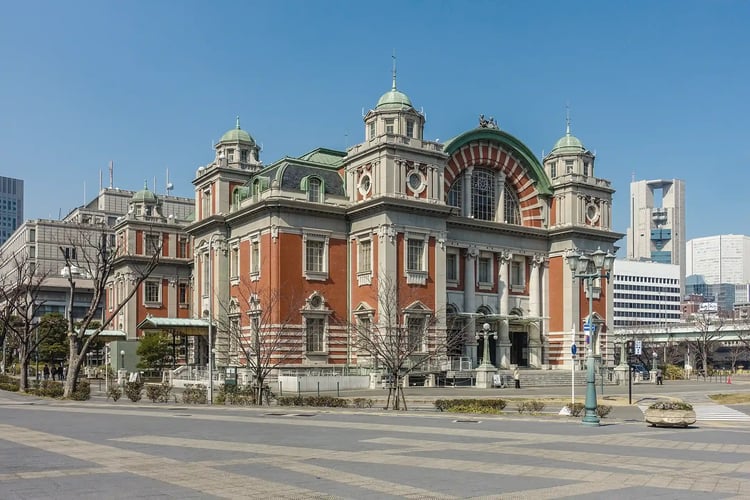
Hit the National Museum of Art, Osaka (NMAO) and Osaka City Central Public Hall in the first half, then ride to the Karahori machiya area in the afternoon. Karahori preserves retro shopping streets and long rows of townhouses, many revived as small cafés and galleries.
Finish with a compact tea‑ceremony session, touching the core of Japanese culture. Distances aren’t long, but in summer, the sun can be strong—bring a hat and hydrate. Let everyday Osaka warmth accompany a day rich in ideas.
Morning–Late Morning
Art & Architecture on Nakanoshima: Start at the western end of the island with the National Museum of Art, Osaka (NMAO)—about a 7‑minute walk from Higobashi Station. Entering right at opening lets you take in hit exhibitions and the collection in calm.
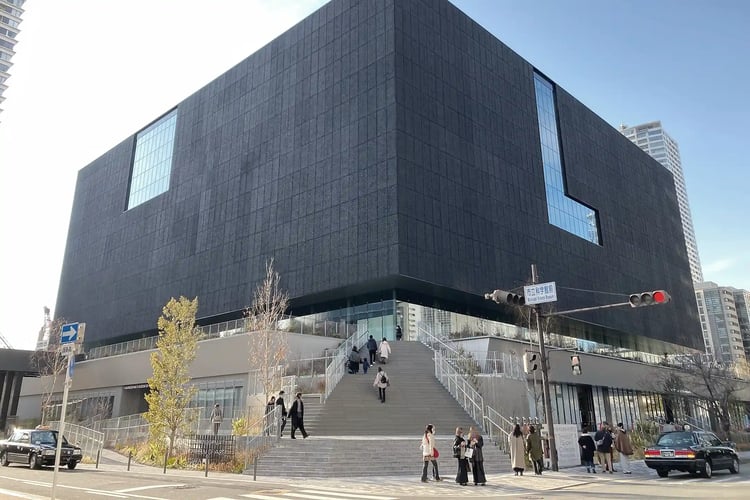
Designed by César Pelli, the building’s distinctive glass‑and‑metal forms rise above ground like a sculptural wave; it’s a work of architecture in its own right. With a strong focus on contemporary art, the collection offers invigorating encounters. Afterward, admire the exterior of the neighboring Osaka Nakanoshima Museum of Art (a striking black cube opened in 2022) and scout the area’s public art.
Walk east to Osaka City Central Public Hall. This Neo‑Renaissance landmark of red brick and white stone bands (completed in 1918) is a city symbol and an Important Cultural Property. If you book ahead, join a guided interior tour to appreciate the stained glass and acoustic design.
Across the way, visit Osaka Prefectural Nakanoshima Library. The main building (completed in 1904, flanked by 1922 additions) is Renaissance style, with marble colonnades and a domed ceiling that creates airy grandeur. Reading rooms are open to the public—sit a moment and feel the breath of history.
Nakanoshima’s modern architecture is the legacy of Osaka’s heyday as the “Manchester of the East.” Stroll the riverwalks and watch reflections of those weighty façades ripple on the water. Break at the Nakanoshima rose garden as needed while you immerse yourself in the area’s culture through the morning.
Lunch: Counter Sushi near Nakanoshima: For lunch, head toward Yodoyabashi or Kitashinchi. While Osaka is famous for casual classics, a refined counter‑sushi experience fits today’s mood. In Kitashinchi, some Edo‑style sushi spots offer excellent‑value lunches where you can savor seasonal neta in a tranquil setting.
If you can, chat with the itamae across the counter—it deepens the memory. Expect Kansai touches such as white soy or kombu curing. Reserve when possible. Cool off in the quiet interior and gather energy for your afternoon in the backstreets.
Afternoon–Night
Karahori–Matsuyamachi Machiya & Gallery Walk (Afternoon): After lunch, take the Osaka Metro Tanimachi Line to Tanimachi 6‑chome and explore Karahori. Around the shopping arcade you’ll encounter a living district of long, narrow row houses (nagaya) with Taisho–Showa flavor; many have been updated into small shops, cafés, and galleries (*1).
Stroll the covered arcade and relish the retro atmosphere. Among the greengrocers and hardware stores, drop into a café within “Hō—Karahori Multipurpose Cultural Facility,” a renovated Showa‑era building, and enjoy a post‑lunch coffee in a space that blends old beams with new life.
Local volunteers have driven townhouse revitalization, converting nagaya into multi‑tenant spots like “So” and “Ren,” where you’ll find contemporary galleries and design shops in interiors that fuse original timbers with crisp modern lines.
Venture into the narrow lanes to feel the neighborly rhythm—potted plants at eaves, a small jizo shrine at a bend, lines of laundry in the sun. Pause at a retro kissaten when you like, and continue through Karahori to Matsuyamachi.
Around Matsuyamachi‑suji, known for dolls and toys, window displays of nostalgic playthings add a whimsical note to your walk.
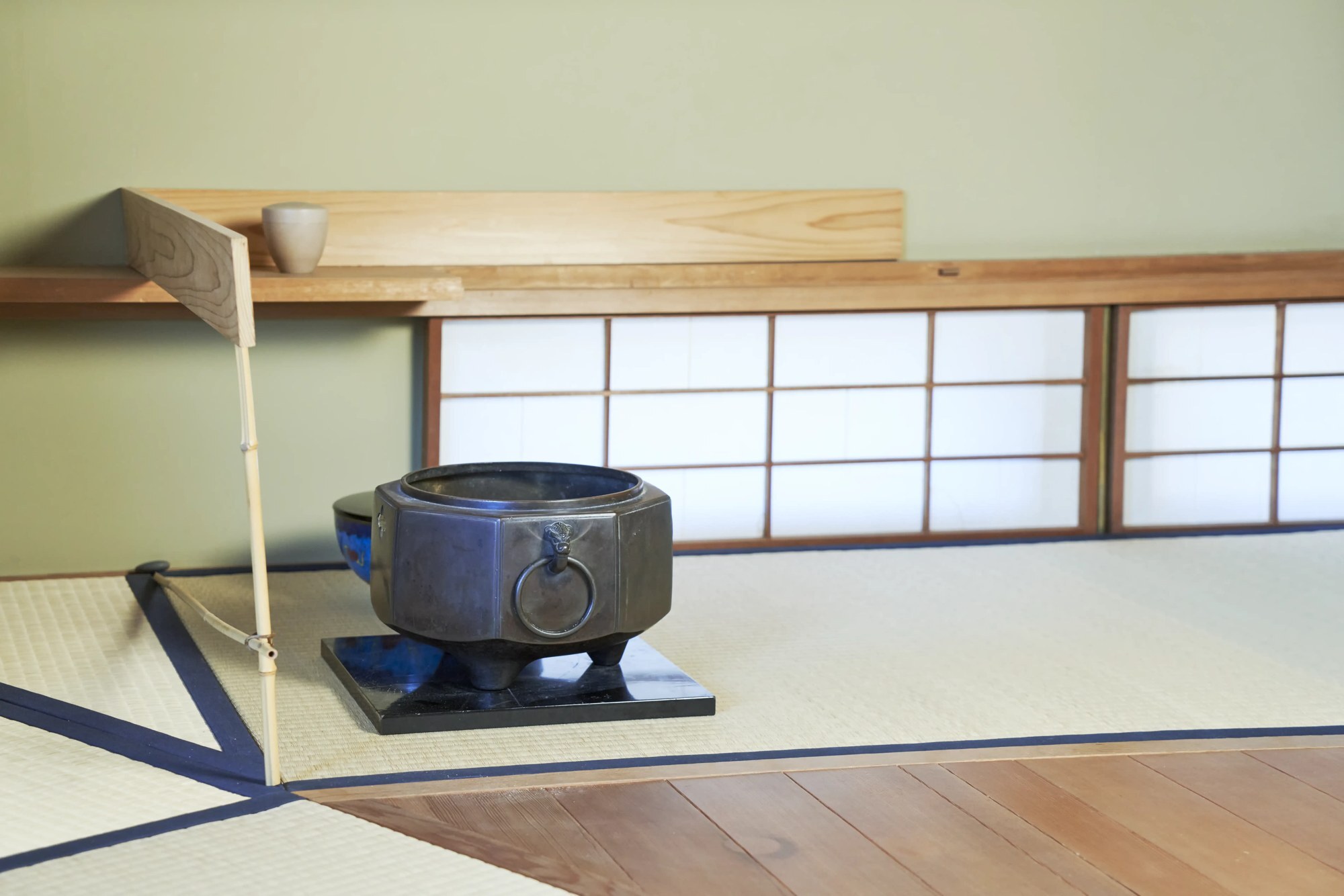
Short Tea Ceremony Experience (Late Afternoon–Night): End the day with a compact tea ceremony—an approachable introduction to the heart of Japanese culture. Osaka has beginner‑friendly options, including those that welcome English speakers.
For example, near Dotonbori, “Tea Ceremony Experience The Osaka” offers sessions led by an English‑speaking instructor (*2). First, watch the host’s temae, then enjoy matcha and wagashi, and finally try whisking your own bowl.
Through tea, you can reflect on omotenashi and the aesthetics of wabi‑sabi. When the experience concludes, your day ends—but the inspiration will carry into tomorrow.
Kyoto Sightseeing Route | Day Trip Model Course
In Kyoto, the thousand‑year capital, you’ll quietly savor garden arts and traditional crafts. Few places better suit a thoughtful day steeped in the seasons and cultural depth.
This model course focuses on the Higashiyama area—gardens, museums, and crafts. Even within a day, you’ll find it full by visiting temple gardens at opening and again near closing when they’re calm.
Breathe the cool air of a temple garden right after the gates open, spend midday with art and seasonal cuisine in a machiya restaurant, and from late afternoon toward closing, follow the Philosopher’s Path for a gentle brush with ideas. Kyoto draws many visitors, so crowd strategy is key.
Early morning and evening slots and, when available, reservation‑only guides are your best friends. From a quality standpoint, give yourself the mental space to study details—garden textures, the finesse of craft. In Kyoto’s hush, you’ll converse with your own inner life and fulfill both curiosity and calm.
You’ll combine city buses, walking, and taxis as needed. The bus network is extensive but can be crowded; for short hops, taxis can be wise. While seasons change the “best” spot, this course is enjoyable year‑round (see seasonal tips at the end).
Route Overview
Start: Higashiyama (around Nanzen‑ji). Base yourself near Keage Station on the subway; by bus, the “Nanzen‑ji/Eikan‑do” stop is convenient.
Higashiyama bundles major temples, gardens, and museums within walkable distances. In the first half, you’ll visit Nanzen‑ji → Murin‑an → the Okazaki museum district and enjoy a seasonal lunch in a machiya.
In the second half, move to the Philosopher’s Path–Ginkaku‑ji area to meet Zen thought and architecture, then wrap with a craft workshop. Since many places close around 3–4 p.m., plan times carefully and make the most of those serene morning and evening windows.
Morning–Midday
Nanzen‑ji → Murin‑an (Modern Garden & Political History) (Morning): Arrive at Nanzen‑ji at opening. Headquarters of the Rinzai Zen sect, it offers a grand Sanmon gate and spacious grounds—perfect for an unhurried morning walk. At opening, the hōjō (abbot’s quarters) garden of dry landscape can be especially tranquil.
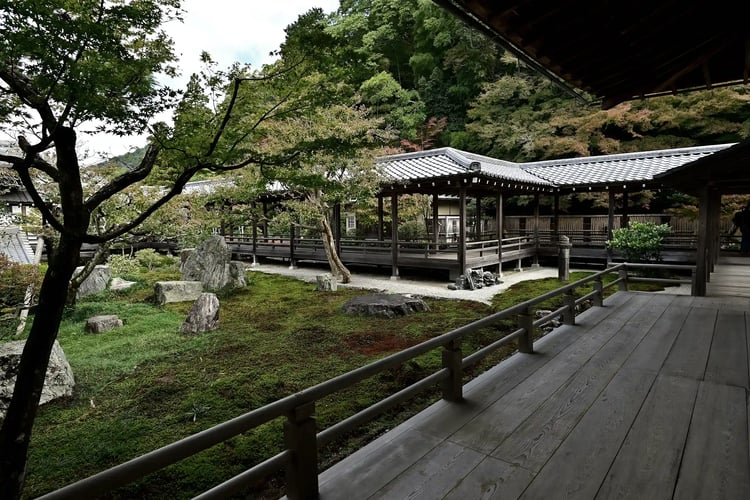
Five minutes on foot brings you to Murin‑an, a villa garden built between 1894 and 1896 by elder statesman Yamagata Aritomo. Designed by Ueji—Ogawa Jihei VII—it’s considered a masterpiece of the modern Japanese garden and is a National Place of Scenic Beauty (*1).
The property includes a Western‑style house and a Japanese complex (main house and tea room). The second floor of the Western house is famed as the site of the 1903 “Murin‑an Conference,” where Itō Hirobumi, Yamagata Aritomo, and other Meiji leaders discussed foreign policy on the eve of the Russo‑Japanese War (*2).
The preserved meeting room displays materials that convey the tenor of the times. At the garden café, enjoy matcha and seasonal sweets—a luxurious morning pause.
Art in the Okazaki District (Late Morning): From Murin‑an, walk about ten minutes to Okazaki Park, home to the Kyoto City KYOCERA Museum of Art (formerly Kyoto Municipal Museum of Art) and the National Museum of Modern Art, Kyoto. For today, visit the Kyoto City KYOCERA Museum—enter around 11:00 when it opens.
Opened in 1933 and reimagined in 2020, the museum marries modern design with tradition. Its collection surveys modern and contemporary Kyoto art—nihonga, yōga, sculpture, and crafts.
Masterworks of the Kyoto school are essential for tracing modern Japanese painting. Use wall texts and audio guides to deepen your understanding (*3). On certain days you’ll find gallery talks by curators—join if you can.
A calm viewing not only stimulates curiosity but also steadies your mood. The museum café invites a short rest while you mull over a favorite work.
Lunch: Seasonal Set in a Machiya: After Okazaki, take a taxi about ten minutes to a machiya restaurant in Gion. Many traditional townhouses have been sensitively renovated—perfect settings for seasonal Kyoto cuisine.
We recommend a refined kappō in Gion. In a century‑old machiya with views of a pocket garden, reserve a seasonal set or mini‑kaiseki.
Two pillars of Kyoto cuisine are “seasonality” and “vessels”—ingredients that honor the season and tableware chosen to suit both dish and moment (*4). Let the care in cooking and hospitality carry you, then step out for the afternoon walk.
Reservations are essential. Call or book online several days ahead to secure your preferred menu and seating. This lunch—where you can taste the seasons with all five senses—becomes a highlight of your cultured trip.
Afternoon–Night | Philosopher’s Path–Ginkaku‑ji Area (Thought & Architecture)
Philosopher’s Path Walk (Afternoon): After lunch, taxi to the Ginkaku‑ji side and stroll the Philosopher’s Path (about 15 minutes from Gion). This stone path runs along the Lake Biwa Canal and is said to have been favored for meditative walks by Kyoto University philosophers like Nishida Kitarō and Tanabe Hajime (*5).
In spring, some 400 cherry trees bloom; in autumn, the leaves blush red. Even in quieter seasons, the dappled light on the water invites calm as you walk. Along the path stands Nishida’s stone poem, “People are themselves; I am myself… I walk my own path,” a small touchstone to the life of the mind.
You’ll pass charming craft shops and bookish cafés—duck in for a breather if you like. Near the end, Ginkaku‑ji appears.
Ginkaku‑ji Visit (Late Afternoon): Officially Jishō‑ji, Ginkaku‑ji was built as a mountain villa by Ashikaga Yoshimasa, the eighth Muromachi shogun, and centers on the Kannon‑den (“Ginkaku”) with a celebrated dry garden.
Where Kinkaku‑ji dazzles, Ginkaku‑ji embodies the understated depth of wabi‑sabi. Yoshimasa nurtured tea, flower arranging, and incense culture here; the taste he cultivated in his alcove displays influenced Sen no Rikyū and helped shape wabi‑sabi (*5).
The two‑story Kannon‑den is modest outside, but its quiet presence holds contemplative power. In late‑afternoon light, the grounds fall into a gentle hush—that’s your cue to enter. After the ticket gate, the white‑sand Ginshadan and conical Kōgetsudai greet you.
Follow the path up the hill for a lookout over the compound and the city beyond. Fix the evening‑toned Ginkaku‑ji in your memory. Away from the crowds, you have a moment to listen inward.
Wabi‑sabi is often described as finding beauty within the incomplete. Ginkaku‑ji’s restraint, almost austere in its refinement, speaks deeply to modern sensibilities.
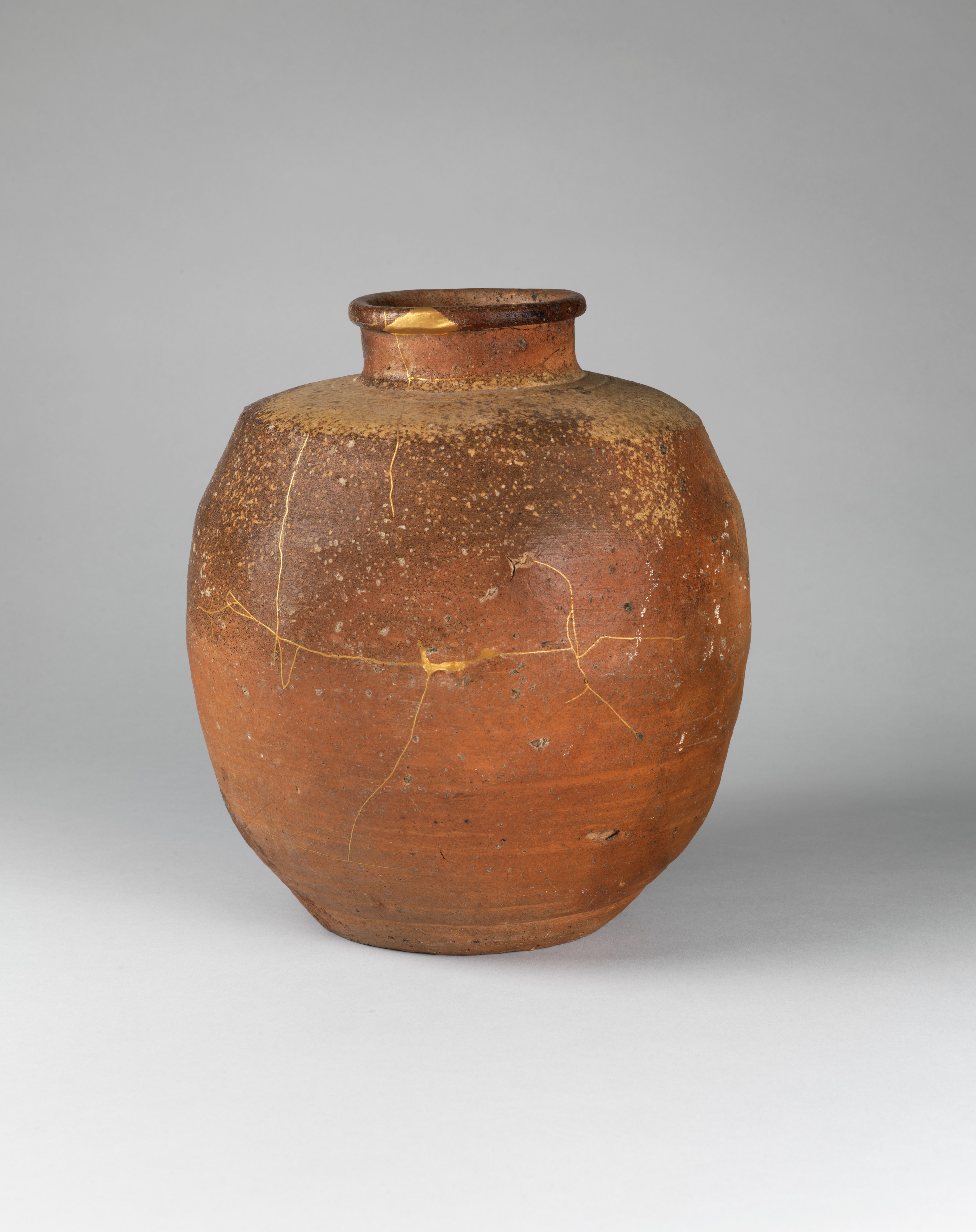
Craft Workshop (Kintsugi, etc.) to Close (Night): After Ginkaku‑ji, end with a short traditional craft workshop. Kyoto offers many—kintsugi (repairing ceramics), wagashi making, incense, or calligraphy. Here we suggest kintsugi: repairing a broken vessel with lacquer and gold powder.
Head from Ginkaku‑ji back into town to the studio at the appointed time (bus or taxi). Kintsugi’s golden seams celebrate a piece’s history rather than hiding it, making it a meaningful experience for many visitors.
Comparing the Four Cities and How to Choose Your Trip
To close, here’s a comparison of the four model courses—Tokyo, Yokohama, Osaka, and Kyoto—and hints for choosing the right one for you. All can deliver a rich day, but depending on your theme, taste, and season, some fit better than others.
For deep dives into contemporary art and architecture, Tokyo is your match—museums and towers cluster there. Tokyo’s course lets you balance urbane sophistication with historical gravitas.
If you’re drawn to harbor views and a cosmopolitan atmosphere, choose Yokohama. Its focus on sunset and night views suits you if you love photographic scenes and a romantic mood. If you prioritize traditional culture and quiet feeling, Kyoto comes first.
With gardens, tea, and craft experiences, you’ll touch the core of Japanese culture and come away satisfied both intellectually and spiritually. If you want urban energy and down‑to‑earth culture in the mix, Osaka is ideal.
Osaka’s course shows multiple faces—modernist architecture, warm backstreets, and tea—along with a friendly vibe. The “journey of the mind” thread runs through all four cities; choose based on the elements you value most (art, history, scenery, hands‑on culture).
Rhythm and atmosphere also differ. Tokyo covers broader ground with a brisker pace, rewarding you with variety. Yokohama is more compact and eases into a relaxed mood from afternoon to night. Osaka’s friendly spirit invites a looser plan so you can enjoy spontaneous moments. Kyoto, overall, prefers a calm rhythm—better to savor each stop than to rush.
On costs and effort: Tokyo and Kyoto, as top destinations, can run a bit higher (special exhibition tickets, kaiseki lunches) but return value in quality. Yokohama and Osaka are relatively cost‑effective, with many public sites and walks that keep expenses in check.
For transit load, Tokyo and Osaka require more walking and transfers given their scale. Yokohama and Kyoto’s Higashiyama area are more concentrated and lighter on logistics—though Kyoto traffic can snarl even for taxis in peak seasons.
Wherever you go, don’t pack in everything. Prioritize 1–2 themes per city. Ironically, focus yields deeper satisfaction.
Seasonal & Weather Tips
Season and weather shape your impressions. In general, spring (Mar–Apr) and autumn (Oct–Nov) are Japan’s best seasons—gentle weather, brilliant colors (*1). Autumn, in particular, is cool and poetic, with cities glowing under foliage. In Kyoto and Tokyo—cities rich in gardens—spring brings cherry blossoms and autumn brings crimson leaves; both are incomparable (*2).
For spring/fall garden viewing, Kyoto shines; Tokyo’s Shinjuku Gyoen and Rikugien are also lovely. Yokohama’s Yamate rose gardens (spring/autumn) and Osaka’s Nakanoshima rose garden (May/Oct) add floral punctuation.
Summer (Jun–Aug) is hot across all four cities—Kyoto and Osaka can be especially humid. So increase your ratio of indoor stops. In Tokyo and Osaka, center your day on museums and limit outdoor walks to morning and evening.
Yokohama benefits from sea breezes but still demands hats or parasols under the midday sun. Lean into night events—summer festivals, fireworks in Tokyo/Osaka, or Kyoto’s Kamo River dining terraces. Keep the pace roomy and hydrate with café and museum breaks.
Winter (Dec–Feb) is cold, but the air turns crystalline and night views sparkle. Think Yokohama and Tokyo’s bayside lights, Kyoto’s snow‑dusted temples, and special winter illuminations.
If snow falls on Kyoto’s Kinkaku‑ji or Kiyomizu‑dera, the hush can be breathtaking. Seasonal illuminations—Yokohama’s Red Brick Christmas Market, Osaka’s Festival of the Lights in Nakanoshima—make evening walks romantic.
Kyoto’s winter chill is penetrating, so bundle up and enjoy early‑morning visits with fewer crowds. The trade‑off for the cold is freer movement nearly everywhere.