%20in%20summer%2c%20overlooking%20the%20Shakotan%20Blue%20sea.webp)
Hokkaido is a land where vast, ever‑changing nature and a distinctive local culture exist in gentle harmony. If you are considering where to go in Hokkaido for sweeping landscapes, outdoor activities, and wellness experiences that reset both body and mind, this northern island offers almost limitless themes for your trip.
In this guide, you will find a carefully curated selection of places to visit if you want to truly get to know Hokkaido and decide where to go in Hokkaido based on your own style of travel. From deep immersion in nature at national parks to ways of enjoying each season, and on to healing experiences in hot springs and saunas, we unpack the key points for creating a high‑quality journey.
Whether you are visiting Hokkaido for the first time or returning as a repeat traveler, this guide will help you plan a trip that matches your own interests. Along the way, we highlight the “wellness value” of each place and share practical tips you can actually use. Let this be your starting point for a refined journey on northern soil, where you and nature begin to resonate with each other, backed by insights from local tourism offices and national park authorities.
9 Places to Visit When You’re Wondering Where to Go in Hokkaido
To help you enjoy vast Hokkaido efficiently, we have selected nine must‑visit spots, with a good balance across Eastern, Northern, Central, and Southern Hokkaido. At each place, you can experience not only majestic scenery, but also activities that feel meaningful from a wellness perspective. As you check the highlights, best seasons, and typical time needed, pay attention to how each spot can work on your body and mind so you can decide where to go in Hokkaido for your own ideal trip.
Biei and Furano – Rolling Hills and Flower Fields
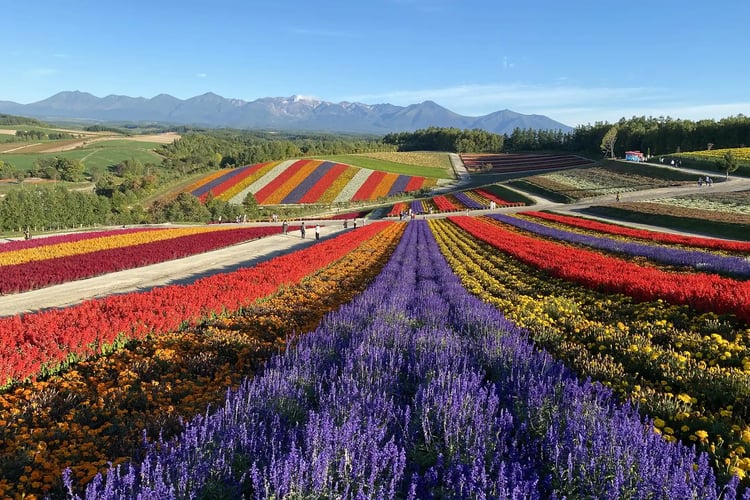
For many travelers wondering where to go in Hokkaido in summer, the hilly area of Furano and Biei, where lavender fields and colorful farmland spread out across the slopes, is one of the most iconic rural landscapes in Hokkaido. The flower fields stretch to the horizon, and the best time to see them is summer—especially from mid‑ to late July—when “Okamurasaki,” the main lavender variety, comes into full bloom around Furano City (*1).
In the early morning or around sunset, you will find fewer visitors and can have the views over the hills almost to yourself. Exploring the area by bicycle is wonderfully refreshing, and with an electric‑assist bike, even the many ups and downs of the hills become easy to handle. In fact, the popular “Hills of Biei” cycling route starting from Biei Station (about 19 km) is designed so that you can take photos at a relaxed pace and still complete it in roughly three hours with an electric bike (*2).
On weekends and holidays, crowds tend to build from around 9 a.m., so if you want a quieter atmosphere, aiming for early morning is your best bet (*3). When you let yourself drift in the breeze that sweeps across the gentle hills, everyday noise feels very far away—and you may find both body and mind naturally refreshed.
Niseko – Hot Springs and Four‑Season Activities at the Foot of Mt. Yotei
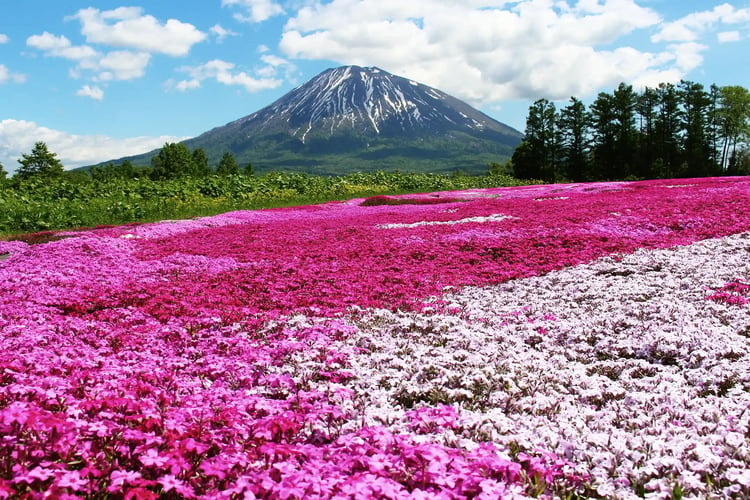
Niseko is an all‑season resort where you can fully enjoy both outdoor activities and a relaxing stay throughout the year. In winter, you can ski some of the world’s finest powder snow; in the green season, you can hike, go rafting, or cycle through the countryside, choosing from many different activities. In recent years, Niseko has also developed a strong wellness side, with yoga and Pilates, spas, and hot springs available year‑round (*4).
You can relax in open‑air baths with views of Mt. Yotei or unwind at a highland spa, helping you rebalance your body and mind. Even in the hilly town itself, you can get around easily if you rent an electric‑assist bicycle (often called a “green bike”), stopping freely whenever a view or a shop catches your eye. Soak in the hot springs at the foot of Mt. Yotei, feel the fresh air on your skin as you cycle, and you may notice the stress of daily life quietly melting away. To make the most of your stay, check local tourism sites or your accommodation’s information desk for up‑to‑date recommendations and guided programs.
Shakotan Peninsula – Cape Kamui and Crystal‑Clear Sea Views
Cape Kamui on the Shakotan Peninsula, which juts out into the Sea of Japan, is famous for its breathtaking views of the clear blue waters known as “Shakotan Blue.” A walking path called “Charenka no Komichi” (Charenka’s Path) runs to the tip of the cape, about 770 meters one way, and you can enjoy a round‑trip walk of roughly 40 minutes (*5). On very windy days, the gate to the path may be closed for safety, and access can be restricted at the trailhead. When you visit, be prepared for strong winds and avoid wearing or carrying items like hats or umbrellas that can easily be blown away.
Cape Kamui is known as one of the windiest spots in Hokkaido, so it is best to avoid hats, scarves, and other items that can be swept off by gusts. The cobalt‑blue sea seen from the cliffs along the walking trail is truly special, but when taking photos, always watch your footing and never step outside the designated path. From the lookout at the tip of the cape, you have a sweeping view of rugged rocks and the Shakotan Blue sea, and as the sea wind lashes your face you can feel the raw power of nature.
Tomamu – Unkai Terrace and Mornings with Sea of Clouds and Forest
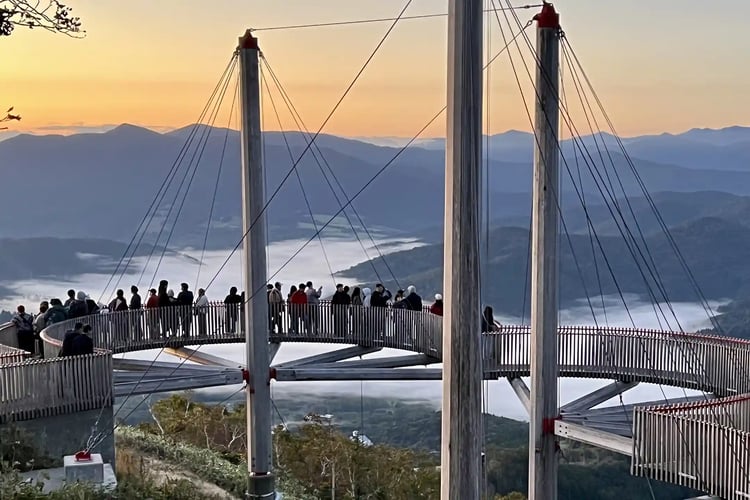
At Hoshino Resorts Tomamu, the “Unkai Terrace” is a popular place where you can gaze out over a magical sea of clouds from the mountaintop at 1,088 meters. You ride a gondola for about 13 minutes on an aerial journey, and if the weather conditions line up, a sea of clouds spreads out beneath your feet. During the operating period, the odds of seeing the unkai (sea of clouds) are said to be about 40% (*6), making it a once‑in‑a‑lifetime kind of scene. The best time is in the early hours around 5 a.m., and if luck is on your side you might see the clouds turned golden by the rising sun. Sitting at the café with a warm drink in hand, watching the clouds shift and change, you may feel as if you are floating in the sky. Because operating dates and times change each year, always confirm the latest schedule and conditions on the official resort website before planning an early‑morning visit.
After watching the unkai, it is also rewarding to take a walk in the surrounding forest. In the early morning, the air is especially clear, and a forest bath accompanied by birdsong can gently calm your mind. Spending this kind of morning, wrapped in the unreality of the cloud sea and the stillness of the woods, becomes a meditative moment where you can quietly connect with yourself.
Jozankei Onsen – A Wellness Stay Close to Sapporo
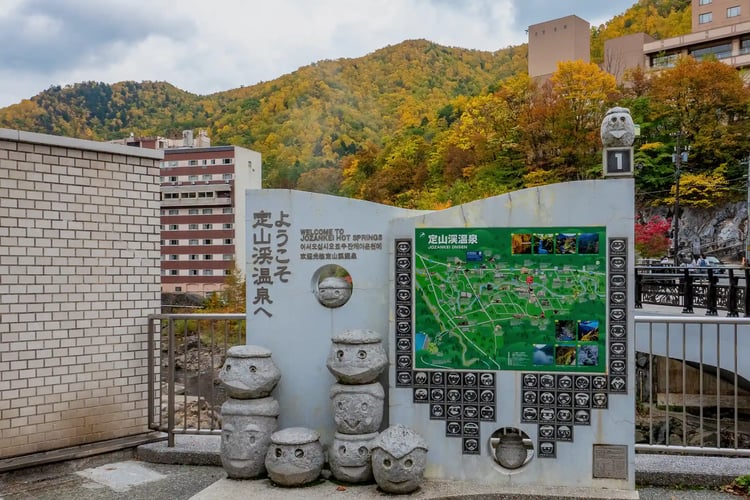
Jozankei Onsen, less than an hour by car from central Sapporo, is a hot spring town blessed with abundant springs bubbling up along the Toyohira River. One of its charms is that you can start a “detox‑focused” stay the very day you arrive, making it ideal for unwinding right at the beginning of your trip. Because many inns emphasize wellness retreats, it is worth checking official websites or contacting the properties in advance to find the program that best fits your needs.
For example, at Suiyoukan, a women‑only inn, you choose a theme—“Detox,” “Energy,” or “Relax”—at check‑in, and during your stay you are offered services such as medicinal soup, herbal tea, and aromatherapy treatments tailored to that theme (*1). Many inns here offer different spring qualities, from sulfur springs to chloride springs, so you can enjoy touring different baths depending on your physical condition and purpose.
In the hot spring town, you will also find public footbath parks that you can enter for free, where you can enjoy open‑air bathing for your feet in a green setting. At Jozankei Gensen Park, you can soak leisurely in “Ontama no Yu,” a footbath fed by 80°C spring water, while also having the fun, unique experience of making hot spring eggs (*2). It is a place where you can warm your body from the core in nature‑rich surroundings, yet still be close to Sapporo, and gently ease the fatigue and tension accumulated in the city.
Hakodate – Yunokawa Onsen and Night Views in Harmony
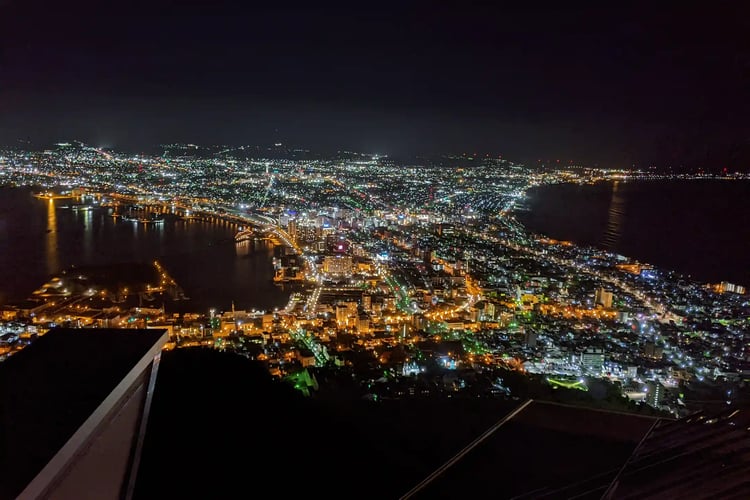
If you combine the night view from Mount Hakodate—one of the highlights of Hakodate sightseeing—with a soak in the hot springs of Yunokawa, your overall sense of satisfaction with the trip will grow even more. From the Yunokawa Onsen area, the recommended way to reach the Mount Hakodate Ropeway is by city tram (streetcar). It takes about 40 minutes on the tram from Yunokawa to Jujigai stop, and from there you can walk for around 10 minutes to reach the ropeway’s lower station (*3).
After enjoying the night view, you can take the tram or a taxi back to your inn and warm your chilled body in hot spring baths fed by free‑flowing spring water. If you prefer to avoid transfers, the “Hakodate Night View Bus” that departs from Yunokawa is very convenient. This sightseeing bus picks you up at your accommodation, takes you to see the night view, and then drops you back at the inn—a simple style of transport that many travelers appreciate. From the summit of Mount Hakodate, you can enjoy a glittering cityscape often called a “million‑dollar night view.” Timetables and sightseeing buses may change seasonally, so confirm details with official websites or your hotel before you go.
When you gaze out over the sea of lights filling your field of vision and then end your day by soaking in hot springs, your heightened excitement gradually softens and you are likely to fall into a deep sleep. In Hakodate, a city rich in history and atmosphere, pairing the night view with hot springs gives you a truly indulgent time for both body and soul.
Tokachi / Obihiro – Garden Highway and the Terroir of Food
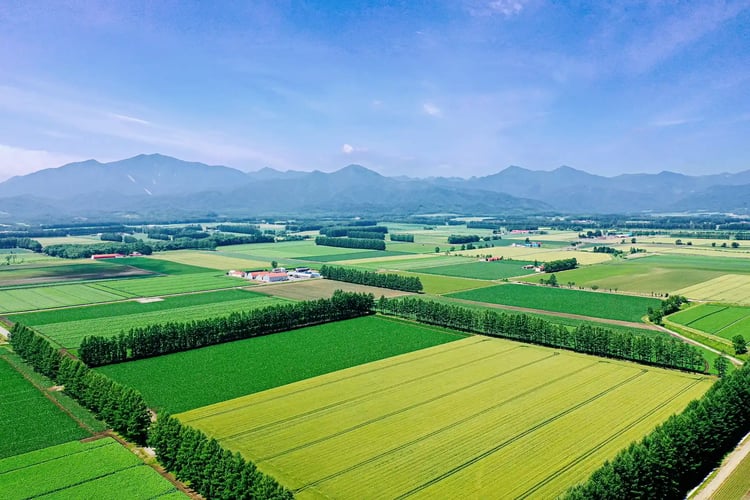
The Obihiro area, located on the vast Tokachi Plain, is the gateway to the “Hokkaido Garden Highway,” a route for visiting a series of distinctive gardens. From early summer through autumn, colorful flowers are in full bloom, and gardens such as Shichiku Garden and Manabe Garden near Obihiro offer beautiful scenery in every season.
True to Tokachi’s reputation as a dairy kingdom, many cheese dairies are scattered along the route. Each one has its own personality, and you may come across natural cheeses that have won prizes in international competitions. The region is also rich in sweets that highlight the quality of the ingredients. Desserts made from fresh milk and azuki beans are so tempting that you might feel one “extra stomach” is not enough (*4).
Food culture here is strongly influenced by the “terroir”—the character of the land itself. Vegetables and herbs grown in fertile soil, and yogurt and cheese made from cows raised at pasture without stress, have a surprisingly rich yet gentle flavor. After your garden visits have soothed you with flowers and greenery, you might enjoy pairing local cheeses with wine, or tasting dishes made with house‑made cultured butter. In this area, you can fully experience the blessings of the land with all five senses—not only through the scenery but also through nourishing food.
Asahikawa – Asahiyama Zoo Through an Eco‑Education Lens
Asahiyama Zoo in Asahikawa is internationally known for its original “behavioral exhibits.” By creating environments where animals can express their natural behaviors and habits, the zoo encourages them to be lively and active, and their presence powerfully conveys the preciousness of life.
In practice, the behavioral exhibits at Asahiyama Zoo are all about improving animal welfare. From the penguin underwater tunnel to the polar bears’ dramatic dives, the guiding principle of “animals first” is woven throughout the exhibits (*5). When you visit, you can reduce stress on the animals by keeping an appropriate distance, refraining from flash photography, and following on‑site etiquette.
Inside the zoo, you will find many signs and displays that explain animals’ ecology and environmental conservation, so both children and adults can enjoy their visit from an eco‑education perspective. It is a place where you can receive powerful messages about life and use them as a chance to think more deeply about the environment and biodiversity.
Abashiri – Drift‑Ice Activities and Winter on the Okhotsk Sea
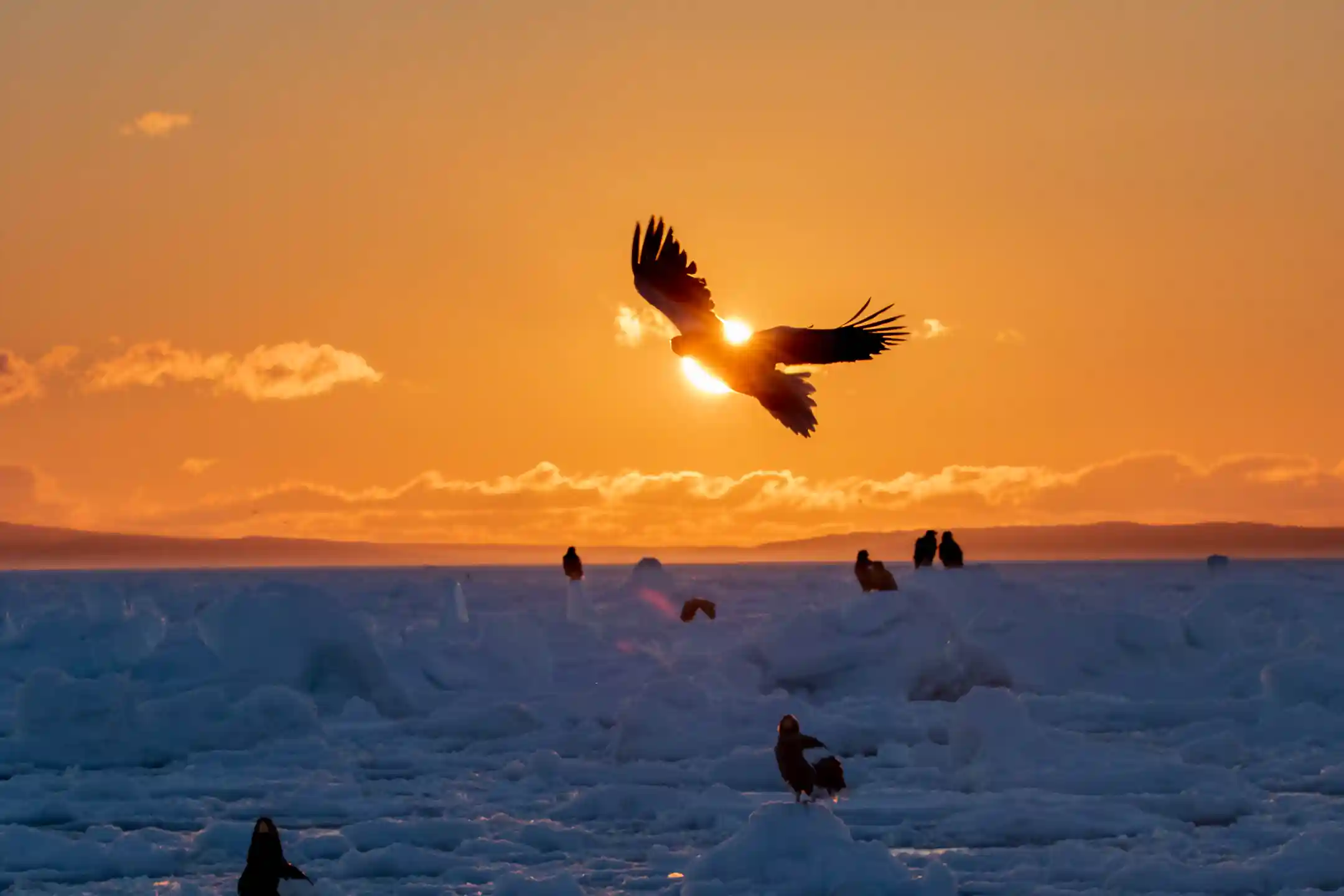
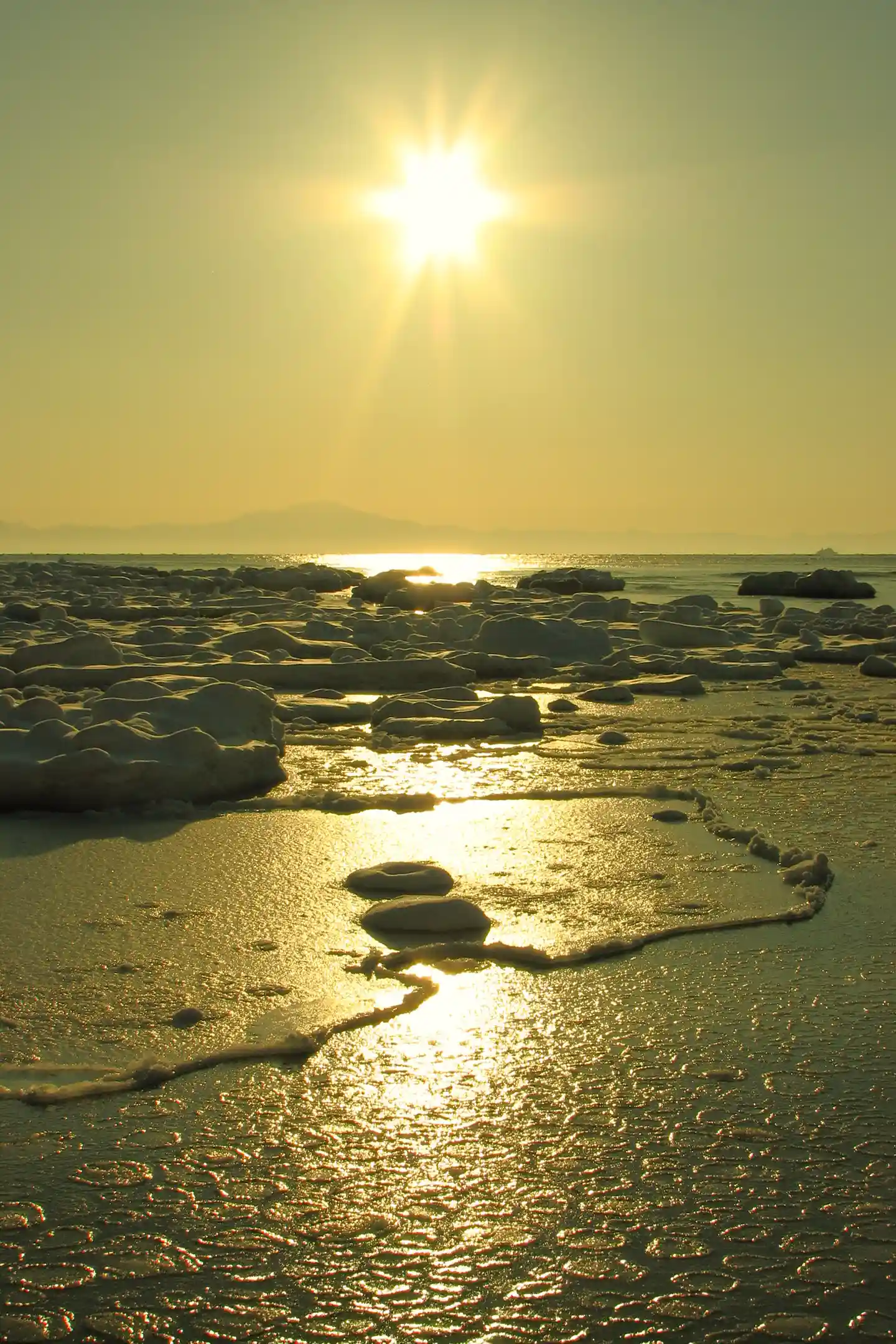
In winter along the Okhotsk Sea coast near Abashiri, the main spectacle is the dynamic natural phenomenon of drift ice arriving offshore. For drift‑ice tourism, the classic experience is a cruise on the icebreaker “Aurora,” which ventures out to the drift‑ice zone so you can feel the white sea at close range.
Another activity growing in popularity is the “Drift‑Ice Walk,” where you actually go out onto the ice. On these tours, you wear a drysuit with excellent insulation and waterproofing and explore the ice with a guide. For safety reasons, participation always requires an experienced guide, and you must follow their instructions carefully. The designated drysuit and other gear are essential to combine safety and ease of movement, and hats and gloves are also indispensable for protection against the cold (*6). Choosing reputable operators authorized by local authorities and checking recent reviews and safety measures will help you enjoy the experience with peace of mind.
Conditions on the drift ice and winter sea can change rapidly, so when choosing a tour, be sure to check the operation rate and the conditions under which tours are canceled due to weather. If you do fall into the sea, the drysuit provides buoyancy and warmth, which is reassuring—but you should never let your guard down, and always follow your guide’s directions.
Standing amid the crystal‑clear midwinter wind on a drift‑ice field that stretches to the horizon, you can feel that you are literally standing on the heartbeat of the planet. This mysterious experience, only possible in the harsh winters of the Okhotsk region, is so moving that you may momentarily forget the cold.
Recommended National Parks – Deepening Your Nature Travel in Hokkaido
Hokkaido is home to six national parks where largely untouched nature still remains, each with its own ecosystems and stunning landscapes. If you are wondering where to go in Hokkaido for deeper immersion in wild landscapes, this chapter picks out the national parks you should especially consider visiting and introduces their highlights, ideal seasons, and rough time needed. We also explain rules for enjoying them safely and the wellness benefits they offer.
Rather than just looking at scenery from a distance, you are invited to go deeper and experience what it is like to coexist with grand nature. Through hands‑on activities and thoughtful encounters, you can seek out the kind of emotions that stay with you long after your trip ends.
Shiretoko National Park
Shiretoko National Park, designated as a UNESCO World Natural Heritage Site, is a land where primeval wilderness still survives in near‑original form. It is rich in wildlife such as brown bears and Ezo red foxes, yet at the same time it is an area where people and wild animals live in close proximity, so special rules are in place for visitors.
At one of the key spots, the Shiretoko Goko Lakes, you are required to join a certified guided tour to use the ground walking trail during the brown bears’ active period from May 10 to the end of July. You cannot simply walk the trail on your own during this time (*1). Because the guides have expert knowledge and keep you safe while explaining the area’s rare flora and fauna, many visitors say this rule actually enhances their experience (*1). When hiking, it is important to wear a bear bell, and if you do encounter a brown bear, never approach it—back away slowly and follow basic safety practices.
Cruises along the sea side of the Shiretoko Peninsula are also popular. Larger sightseeing ships like the “Aurora” are more stable, allowing you to enjoy the scenery with less motion, while smaller boats can approach closer to the shore so you can see wildlife and waterfalls at close range (*2). You can choose whichever best suits your style—prioritizing reduced seasickness or a heightened sense of immersion. Check with official operators or the local tourist association for current routes, departure times, and wildlife‑watching guidelines.
If you show respect for untouched nature while feeling both the grandeur and harshness of Shiretoko with all your senses, the experience will likely become one of the most memorable of your life.
Akan‑Mashu National Park
Akan‑Mashu National Park includes both Lake Mashu, famous for its emerald‑blue water, and Lake Akan, known for marimo, the rare spherical green algae. It is a place where the mystique of water meets striking volcanic scenery. Lake Mashu is often called “Misty Lake Mashu,” and on days when the mist clears, the beauty of the view is breathtaking.
There are three main viewpoints: the First and Third Observatories and the Uramashu Observatory on the opposite side. The Third Observatory, at 670 meters above sea level, is the highest. From here, you can see the lake’s color change depending on the angle and look closely at the only island, Kamuishu (Nakajima). Compared with the First Observatory, the Third gives a more dramatic feeling, as if you were peering almost straight down at the lake surface, and it lets you experience Lake Mashu’s mystique more deeply (*3).
On Lake Akan, guided canoe tours are popular. The adventure course leads you along reed‑filled shores backed by primeval forest, and you paddle a two‑person Canadian canoe yourself. Sometimes you even pass through reed beds or under fallen trees, adding a touch of thrill (*4). On a quiet lake without engine noise, you can hear birds and wind more clearly, which heightens your sense of oneness with nature.
On the shores of Lake Akan, you will also find an Ainu kotan (an Ainu village), where you can encounter traditional crafts and performing arts. This gives you a chance to learn about the culture of Hokkaido’s Indigenous people. In this region, where mystical lakes and human life have long coexisted, you can experience both healing and rich learning through nature and culture together.
Kushiro‑Shitsugen National Park
Kushiro‑Shitsugen National Park, home to Japan’s largest wetland, is a treasure trove of a rare ecosystem shaped by water, land, and countless living things. If you want to enjoy panoramic views of the wetlands, Hosooka Observatory and Kottaro Observatory are recommended.
From Hosooka Observatory in particular, you can look out over the winding Kushiro River and the expansive wetland. During the fresh‑green season, many birds flit across the sky, making it an ideal place for birdwatching. Inside the wetland, wooden boardwalks are laid out as walking paths, and you can stroll at an easy pace while listening to the calls of birds such as great spotted woodpeckers and Japanese tits (*5).
Canoe tours down the Kushiro River, which flows through the wetland, are one of the most popular activities. Spring, when snowmelt increases the water level, is an especially good time to enjoy the vastness of nature from the water and observe wildlife and seasonal scenery (*6).
Even in summer, the wetland stays cool, and mornings and evenings can be chilly. Sometimes morning fog forms, and on an early‑morning canoe trip you may encounter truly ethereal views. The wetland is also a habitat for rare species such as red‑crowned cranes (tancho), so if you see them, watch quietly from a distance and never attempt to feed them. Feeling the breath of the wetlands as they shift with the seasons and listening to the Earth’s heartbeat in this way offers a deep sense of healing and insight that is hard to find in daily life.
Daisetsuzan National Park
The Daisetsuzan mountain range, often called “the roof of Hokkaido,” is known as the place where autumn colors arrive earliest in Japan.
On the high slopes near the summits of peaks like Kurodake and Asahidake, the leaves start to turn as early as mid‑September, with the peak of autumn foliage coming from late September to early October (*7). During this period, hikers from all over Japan gather, and on weekends the ropeway stations become extremely crowded. Even though the large gondolas depart every 15 minutes, you might wait more than 30 minutes in line (*8). It is wise to plan around this, for example by taking the first gondola of the morning or visiting on weekdays.
If you prefer a shorter outing but still want grand views, a mini hike to the Kurodake 7th Station lookout is a good option. You ride a ropeway and then a chairlift up to the 7th Station, and from there it is about a 15–20 minute walk on well‑maintained boardwalks with gentle ups and downs to a viewpoint. In around two hours round‑trip, you can already feel the unique atmosphere of the high mountains (*9).
For longer routes, such as the circular trail around the marshes at Kogen Onsen, you will need four to five hours. There are also specific rules there, including mandatory lectures at the Bear Information Center and restrictions on entry times, so you must check ahead. Even in summer, the weather in Daisetsuzan can change quickly, so always carry warm clothing, rain gear, plenty of water, and snacks, and keep your schedule flexible. Before hiking, always check the latest weather forecast and ropeway operation information from official websites or local visitor centers.
Surrounded by grand peaks, alpine flower meadows, and blazing autumn colors, you can feel with your whole body that you are part of nature on a truly large scale.
Shikotsu‑Toya National Park
Shikotsu‑Toya National Park, within easy reach of Sapporo, is characterized by dynamic landscapes formed by volcanoes and caldera lakes. Lake Shikotsu is Japan’s second‑deepest caldera lake, and its transparency is the second highest in the country after Lake Mashu, with remarkably clear water (*10).
Because motorized boats are restricted, the environment stays quiet and serene. From sightseeing boats or canoes on the lake, you can look down and clearly see rocks and even fish several meters below the surface. Peering at the lakebed through glass‑bottom boats, you may feel as though the clarity of the water is cleansing your mind.
By contrast, Lake Toya is a caldera lake surrounded by active volcanoes such as Mount Usu and Showa‑Shinzan. In 2007, the area was recognized as “Toya Caldera and Usu Volcano Geopark,” Japan’s first Global Geopark. At the Lake Toya Visitor Center and Volcano Science Museum, you can learn about the massive eruption that created Lake Toya around 110,000 years ago, the birth of Mount Usu around 20,000 years ago, and the ongoing changes to the land caused by repeated volcanic activity (*10).
Exhibits such as actual eruption footage and models of the land uplifted by the 1977 eruption bring home both the threats and blessings of volcanoes. From Toyako Onsen town, you can also take a sightseeing boat to Nakajima Island. Walking through its primeval forest, you can feel the vitality of a landscape nurtured by volcanic ash. This is a place where you can experience the contrasting charms of clear water and living volcanoes all at once and spend time contemplating the pulse of the Earth.
Rishiri‑Rebun‑Sarobetsu National Park
Rishiri‑Rebun‑Sarobetsu National Park covers Japan’s northernmost offshore islands and surrounding wetlands, known for unique landscapes that combine alpine flora, volcanic forms, and marshlands. Rebun Island, nicknamed the “Floating Flower Island,” is a rare environment where alpine plants grow right from sea level. In summer, around 300 species of alpine flowers bloom all over the island (*11).
On the 16‑kilometer “8‑hour course,” a long trail that runs from Cape Sukoton at the northern tip down to the south, you can enjoy sweeping views while admiring flowers along ridgelines and coasts. Along the way, you may encounter rare species endemic to Rebun, such as the Rebun lady’s slipper orchid and the Rebun edelweiss, if you are fortunate. It is a serious hike with plenty of ups and downs, but if you join a tour with the local Flower Guide Club, knowledgeable guides will point out highlights you might otherwise miss.
On neighboring Rishiri Island, climbing Mt. Rishiri (Rishiri‑Fuji, 1,721 meters) is especially popular. Although the elevation is not extremely high, the trails are steep and long, so your gear should be as solid as for a climb in Japan’s main Alpine ranges. Local guides strongly recommend proper rainwear (jacket and pants), trekking shoes, and thorough protection against UV rays (*12).
Clouds often cling to the summit and temperatures are low, so make sure you bring enough warm clothing, emergency food, and water. The 360‑degree panorama and sense of achievement at the top are incomparable, but never overestimate your strength—start early and descend early, keeping safety your top priority. As you enjoy offshore views and distinctive ecosystems only found on these islands, it is crucial to travel with respect and caution toward nature.
Theme‑Based Places to Visit in Hokkaido – Scenic Views, Islands, and Hot Springs
Hokkaido’s appeal lies not only in its expansive nature. The places you choose to visit and the way you enjoy them change significantly depending on your aims and themes. In this chapter, we organize recommendations by theme—spectacular viewpoints, island experiences, and hot‑spring retreats—to help you refine where to go in Hokkaido based on what you most want to feel.
Beyond national parks, we introduce photogenic yet tranquil locations, islands that require a bit of planning for transport, and hot‑spring areas that feel distinctively “Hokkaido.” Even if you return to the same place, visiting with a different theme can reveal fresh discoveries and emotions. Try planning your trip around themes to shape a very personal Hokkaido journey of your own.
Biei and Furano – How to Balance Photo‑Worthy Shots and Quiet Moments
The Biei and Furano area offers postcard‑perfect scenery in every season, but its popularity also means you will often be dealing with crowds. The key to enjoying both photogenic views and tranquility is timing. The early morning, just as the sun rises and before the tour buses arrive, is your golden hour.
Take the Blue Pond in Biei as one example. During the busy season, traffic jams are almost guaranteed in the daytime, but if you visit around 5–6 a.m., there are few people and you can witness the magical sight of larch trees reflected upside‑down in the mirror‑like water (the surface tends to be calmer and mirror‑like in the early morning). At that time of day, only birdsong breaks the silence, and the pond’s mystical blue shines even more vividly.
The hills are no different—exploring them while the morning light is still soft is highly recommended. If you rely on public transport, it is efficient to catch the first trains on the Furano Line and then use rental bicycles from the station. Even if you sightsee in the daytime, you can ease the crowds by avoiding the peak midday hours at major spots and timing your visits around 1–3 p.m., when things tend to be a bit less intense.
Towards evening, many visitors head back, and quiet returns. During the short “magic hour” right after sunset, the contours of the hills stand out dramatically, creating a completely different mood from midday. By playing with your schedule, you can sidestep the crowds and still capture images and memories that stay with you.
Shakotan Peninsula and Its Blue Seascapes
On the Shakotan Peninsula, the vivid blue sea known as “Shakotan Blue” can be overwhelmingly beautiful on clear days—but protecting that scenery depends on the manners of the people who visit. When taking photos, never lean out over cliffs or railings, and never fly drones without permission.
Around Cape Kamui in particular, some cliffs are fragile. Entering restricted areas carries a real risk of accidents. With a telephoto lens or binoculars, you can still capture dynamic scenes from a safe distance, so always prioritize safety over getting closer. On the walking paths at the cape, keep some space between yourself and the people ahead or behind you, and avoid shouting or making loud noise. In doing so, you help everyone share in the same sense of stillness and grandeur.
Because the water is so clear, many people also enjoy scuba diving and snorkeling in summer. If you take part in marine activities, be mindful of your fins so that you do not damage coral or rocks. The secret behind these blue seascapes is clean water. Needless to say, littering is unacceptable, and if you feel up to it, picking up any stray trash you find on the shore and taking it back with you is a small way to help keep the coast beautiful for the next visitors.
If you want to remember not only the views in your photos but also the feel of the air and the soundscape, it helps to be aware that your own behavior becomes part of the overall scene. By offering good manners and consideration in exchange for those beautiful moments, you help ensure that Shakotan Blue can be passed on to the future.
Top 5 Hot‑Spring Retreats
Hokkaido has many hot‑spring areas, each with its own character. Here are five that are especially well‑suited to wellness‑oriented travel.
Jozankei Onsen, near Sapporo, is easy to access from the city and offers a variety of inns with different spring qualities. Open‑air baths surrounded by forest and slow sessions soaking your feet in riverside footbaths are ideal for helping you “reset.”
Yunokawa Onsen in Hakodate is a seaside hot‑spring area facing the Tsugaru Strait. Watching fishing lights or the night view of Mount Hakodate from the beachfront footbaths at dusk is a special experience. In winter, you may even see Japanese macaques soaking in the hot springs, which is a charming and unexpected sight. Noboribetsu Onsen in Noboribetsu City is called a “department store of hot springs,” with 11 different types of water, including sulfur, iron, and saline springs. You can walk through the dramatic volcanic landscape of Jigokudani (Hell Valley) and enjoy a variety of baths, warming yourself from deep within.
On the shores of Lake Akan, Akan Onsen offers a healing environment surrounded by lakes and forest, with Ainu culture still very much alive. The clear, gentle hot spring water is kind to the skin, and after bathing, visiting the Ainu kotan to listen to traditional music can be deeply soothing.
Finally, Tokachigawa Onsen on the banks of the Tokachi River is known for its rare plant‑based “moor” hot springs, said to be excellent for the skin. The amber‑colored water feels like it coats your skin softly, and it is sometimes called “natural lotion.” Moor hot springs, rich in plant‑derived organic matter, are reported—according to research by the Hokkaido Institute of Public Health—to support moisturizing and cleansing on the skin’s surface and to help stimulate hyaluronic acid production (*1). After soaking and resting your body, enjoying dishes that showcase local ingredients will leave you feeling gently detoxed and full of energy for tomorrow.
Island Travel Basics
Off the coast of Hokkaido lie several islands with their own distinct personalities, where you can enjoy experiences unique to island life. To reach them, you typically travel either by ferry or by air. For example, Rishiri and Rebun Islands are usually accessed by Heartland Ferry from Wakkanai Port (about 1 hour 40 minutes, 2–4 sailings per day depending on the season) (*2), while in summer there are also direct flights from Sapporo (Okadama) Airport to Rishiri Airport (about 1 hour).
Because ferries are sensitive to weather, it is wise—if your schedule allows—to consider combinations such as taking the ferry out and flying back. Once you are on the islands, public transport is often limited. Booking a rental car in advance or using seasonal sightseeing buses (on Rishiri and Rebun, regular sightseeing bus tours circle the islands) is an efficient way to explore.
During peak seasons, rental cars can sell out, so it is smart to arrange them early. The weather on the islands tends to change faster than on the mainland and can be quite windy, so always carry a jacket that protects against both wind and cold.
Ferries may also be canceled due to high waves, so building a buffer day into your itinerary adds peace of mind. If you are prone to seasickness, consider taking medicine beforehand. For your daypack, it is a good idea to pack water, some emergency snacks, and a compact rain jacket as a basic kit. Convenience stores are few and their hours limited, so buy anything essential on the mainland before you go.
On these islands, where expansive nature and a simple way of life coexist, time flows differently than in the cities. When your preparations are thorough, any minor inconvenience becomes part of the charm, and you can relax into the unique rhythm of island travel.
Enjoying Each Season – Best Times to Visit, Clothing, and Planning Tips
Hokkaido’s vast nature looks completely different from season to season, and each period has its own activities and highlights. In this chapter, we walk through spring, summer, autumn, and winter, explaining typical weather, what to see, what to wear, and what to keep in mind when planning, so you can decide where to go in Hokkaido in each season.
Compared with many parts of Japan, the seasons in Hokkaido unfold earlier, and the weather can change abruptly. By checking average monthly temperatures and seasonal events, you can draw out the best of each period. For trips that involve island ferries or mountains, it is also important to plan for buffer days and check cancellation policies in advance. Knowing the charms and risks of each season lets you shape a trip that is both safe and fulfilling.
Spring – April to June
When the long winter ends, late spring arrives in Hokkaido from April to June. In early April, snow still remains in some areas, but day by day the snow melts, and fresh green shoots begin to appear. The cherry blossom front moves north through the prefecture from south to north until early May, and flowers such as plum, peach, and moss phlox bloom in succession.
Mornings and evenings can still be quite cold, so it is best to wear layers that you can adjust, such as a light down jacket or fleece. During the day, you may work up a sweat while moving around, so moisture‑wicking, quick‑dry innerwear helps you stay comfortable.
This is also an ideal season for birdwatching, as many birds begin breeding and become more active. Around places such as Kushiro Wetland, birdsong echoes through the early‑morning air. Walking along the boardwalks with binoculars in hand, you may spot species such as grey herons or long‑tailed tits.
With the increase in snowmelt, river flows and waterfalls become more powerful. Spring is therefore a good time for river‑based activities and waterfall visits, such as rafting on the Tokachi River or viewing Oshinkoshin Falls in Shiretoko, which often have more water than usual. Spring weather can be unstable, with sudden rain and strong winds, so carry a folding umbrella or rainwear.
In the mountains, snow patches can remain even in June. If you plan early‑summer hikes in higher‑altitude areas, bringing light crampons and taking extra care is wise. This transition season, when winter gives way to spring, is a time when you can feel nature’s energy bursting into motion. With snow, fresh greenery, and flowers sometimes all present at once, Hokkaido’s spring offers a rare chance to experience three seasonal moods overlapping.
Summer – July to August
Hokkaido’s summer is known for its low humidity and pleasant temperatures, making it the best season for outdoor activities. In July and August, average temperatures hover around 20°C, cooler than much of Japan, and mornings and evenings can even feel a little chilly. While shaded areas are very comfortable during the day, you may tan more than expected under direct sun, so do not forget your hat, sunglasses, and sunscreen. Breezes are especially refreshing in the highlands and hill country, and places like Furano and Biei’s flower fields or the plateaus around Niseko are popular bases for longer stays.
For example, you could base yourself at a pension in Furano or a campsite in Higashikawa and then explore other areas by rental car on day trips. Summer is packed with events across Hokkaido: in July, Sapporo hosts its “Summer Festival,” and Furano its “Lavender Festival”; in August, you will find the Kushiro “Port Festival” and many fireworks displays throughout the region. All of these add extra color to your travels. Clothing‑wise, a short‑sleeved T‑shirt with a light long‑sleeved shirt over it is usually enough, but at night or in high‑elevation areas such as the Daisetsuzan range, temperatures can drop into single digits, so bring a thin jacket.
If you are camping or attending outdoor music festivals, insect repellent is also important. Using sprays and wearing long sleeves and long pants to reduce exposed skin will help you avoid bites from mosquitoes and gnats. Even in summer, sudden showers or thunderstorms can appear in the mountains.
Check weather charts before you go, and if you hear distant thunder, retreat to a safe place sooner rather than later. In summer, Hokkaido’s natural energy is at its peak. With blue skies, green fields, colorful flowers, and the sound of clear streams all around you, it is easy to feel that you are part of this planet’s living system, and you may find yourself relaxing into a powerful sense of freedom.
Autumn – September to October
In autumn, Hokkaido is covered in dramatic fall colors. The foliage front starts in early September in the Daisetsuzan mountains in the north and gradually moves south, painting the mountains of southern Hokkaido by mid‑October. In high mountain areas, peak colors already arrive by mid‑September, and on September weekends, the ropeways at Asahidake and Kurodake can be extremely crowded.
If you want to avoid crowds, visit on weekdays or aim for the first ropeway of the morning (even so, the Asahidake ropeway can be busy during the peak). Roads near popular leaf‑peeping spots also get congested, so build some extra time into your driving plans.
When driving to different foliage spots, remember that the road surface over mountain passes can freeze in the mornings and evenings. From late September, high elevations may even see the first snow. If you are using a rental car, consider switching to winter tires early, or drive with extra caution.
Because the temperature difference between day and night is large, layering works best. Thin sweaters and windbreakers you can easily add or remove are invaluable. You might want gloves or a scarf for cold mornings or highlands, while midday can feel so warm you do not need a jacket.
Autumn weather is generally stable and sunny, but it is also typhoon season. In southern Hokkaido, including Oshima and Hiyama, ferry services may be canceled and trains may be suspended. It is wise to check weekly forecasts frequently before your trip and have a backup plan ready for bad‑weather days.
You also should not overlook autumn’s flavors. In eastern Hokkaido you can enjoy Pacific saury and autumn salmon, in the south matsutake mushrooms, and inland areas offer new soba and fresh fruit. Stopping at roadside stations and markets between sightseeing stops to taste seasonal specialties is one of the great pleasures of travel. With autumn leaves, seasonal foods, and crystal‑clear air, Hokkaido in fall is perfect for quietly reconnecting with nature.
Winter – November to March
Hokkaido’s winter brings intense cold and snow‑covered landscapes that feel almost otherworldly. Snow often arrives in early November in higher areas of the north and east, and from December through February, snow blankets most of the region. If you love skiing or snowboarding, resorts like Niseko, Furano, and Rusutsu are ideal for enjoying world‑class powder snow. Fresh snow can feel almost like silk under your skis or board, and after your first run you may find yourself thinking, “So this is what one of the world’s best powder snows feels like.”
Beyond skiing, winter also offers activities such as snowshoeing across open fields and dog‑sled rides—experiences that can only be had in the snow season.
When it comes to clothing, full protection is essential. Wear a windproof, waterproof outer shell with a thick mid‑layer and heat‑retaining base layers, and cover exposed areas with a hat, gloves, and neck warmer. Even in sub‑zero temperatures, you may feel surprisingly comfortable if there is no wind, but once the wind picks up, the perceived temperature drops sharply, so a face mask or balaclava can help.
Proper winter boots with good traction are a must. Even in cities, packed snow and “black ice” (invisible frozen patches) are common, and slips and falls are frequent. Carrying clip‑on anti‑slip spikes for your shoes adds another layer of safety.
In places like Shiretoko and Abashiri along the Okhotsk coast, drift‑ice season arrives around February. When you take part in drift‑ice walks or icebreaker tours, add protection for your camera and smartphone—such as waterproofing and extra batteries—to your usual winter gear, as batteries drain faster in the cold.
In winter, disruptions to transport are part of life. Flights and trains may be delayed or canceled due to blizzards, so check cancellation policies when you book and build flexibility into your schedule. Locals, who endure harsh winters every year, have turned the season into a celebration through indoor events.
At the Sapporo Snow Festival and Asahikawa Winter Festival in February, and at various ice and snow festivals elsewhere, you can see how people have learned not just to endure the cold but to enjoy it. Winter in Hokkaido is a time when challenge and beauty coexist. With endless snowfields, clear starry skies, restorative hot springs, and comforting hot dishes, the season offers experiences you cannot find anywhere else. If you prepare well for the cold and plan with care, you will be rewarded with moments that truly feel miraculous.
Etiquette and Safety – Being Prepared for Wildlife and Weather
To fully enjoy Hokkaido’s grand nature, it is important to understand the risks and rules that lie behind the beautiful scenery. In particular, how you manage distance from wildlife, and how you handle safety in mountain and coastal areas, can make a huge difference if something unexpected happens. Being aware of these points is just as important as choosing where to go in Hokkaido in the first place.
In this chapter, we summarize key points of etiquette and safety to keep in mind while traveling. You will find basic actions for encounters with wildlife such as brown bears, essential equipment and decision‑making guidelines for hiking or coastal walks, and ways to take part in conservation programs. These points help you enjoy nature with peace of mind while also protecting it. To pass on this beauty to the future, it is worth revisiting the kind of behavior and preparation each traveler can commit to.
Keeping a Safe Distance from Wildlife
While traveling in Hokkaido’s natural areas, you may come across endearing wild animals such as Ezo deer, red foxes, or Ezo squirrels. In those moments, what matters most is keeping a proper distance. Because wild animals are not used to people, even an approach you consider harmless can cause significant stress and make them flee or become aggressive.
As a rule, watch wildlife quietly from afar and never chase them or feed them. Encounters with brown bears are especially dangerous. Even if a bear is 100 meters away, it is sensitive enough to notice you.
When you are in bear habitat, always check local bear‑sighting information beforehand and use bells or whistles to make your presence known as you walk. If you do see a brown bear, you need to quickly assess the situation—whether it has cubs, whether it has noticed you, and so on—but the basic rule is to avoid the area and leave. Never try to feed it or move in for a photo. Instead, back away slowly and calmly until you can retreat safely.
At campsites and wild camping spots, two principles are absolutely non‑negotiable: never feed animals and manage all food scraps and garbage very carefully. Feeding even foxes or crows can disrupt the balance of the ecosystem and can ultimately lead to those animals becoming dangerous to people. Encounters with wildlife can be deeply moving parts of your trip, but remember that these animals are engaged in a daily struggle for survival. Keeping your distance and not interfering is the most respectful approach.
Risk Management in the Mountains and Along the Coast
Because of the sheer scale of outdoor environments in Hokkaido, it is crucial to be fully aware of the risks involved. In the mountains, the fundamentals are: never skimp on gear, never underestimate the weather, and never push beyond your limits. Even in summer, mornings and evenings are cold, and conditions can change faster than you might expect elsewhere in Japan.
Always carry warm clothing, rain gear, a map and compass, emergency food, and a headlamp. Submitting a hiking plan or climbing registration before your trip is another important step. To reduce the risks of getting lost or falling, it is better to hike with companions rather than alone, and to bring a bear bell and whistle.
Along the coast, you must pay attention to high waves and tidal changes. In the Okhotsk region, drift ice can suddenly move in and trap you, and on both the Japan Sea and Pacific sides, rogue waves and rip currents pose real dangers. When walking on rocky shores, never approach the sea during high tide or stormy weather.
Visitors often overlook how tides can dramatically change the coastline. In some incidents, travelers who walked along a beach at low tide found the way back cut off by water when the tide came in. To avoid such situations, check tide tables in advance and do not attempt risky routes.
Local nature guides often speak of “the courage to turn back.” This means that if you sense even a hint of danger, the wisest choice is to retreat. Of course, you want to see that stunning view, but your trip is only truly complete when you return safely. Listen to what nature is telling you, avoid overestimating your ability, and be ready to change your plans without hesitation if conditions demand it.
Taking Part in Conservation Programs
If you want to help preserve Hokkaido’s rich natural environment for the future, you might consider taking part in conservation activities as a traveler. Many national parks and local governments now offer eco‑experience programs and volunteer activities designed for visitors.
In Shiretoko, for example, the local Shiretoko Nature Foundation regularly organizes “Forest‑Making Volunteer” events and “Beach Cleanup Projects,” both of which welcome travelers for short‑term participation. Planting seedlings while listening to guides talk about the forest, or working with others to collect driftwood and trash along the shore, makes the importance of conservation feel very real.
Shiretoko’s “100 Square‑Meter Movement,” run by the town of Shari, is a national trust initiative for acquiring and restoring forest land through donations. With a contribution of 5,000 yen per unit, you can support forest conservation, and more than 70,000 people have already taken part (*1). Donors receive a certificate, and their names are recorded as part of the forest’s future. Supporting such projects or using hometown tax donation schemes is another meaningful way to help.
You will also find donation boxes at visitor centers throughout the region. The funds collected are used for ranger activities and the protection of wildlife. Even placing your spare change in the box at the end of your trip is a real contribution. In recent years, travel companies have begun offering “eco‑tours” that combine conservation work with sightseeing.
On such tours, you might spend half a day removing invasive plant species with a guide and then relax in a hot spring and taste local cuisine afterward. These experiences benefit both visitors and local communities. Joining a program like this offers a sense of fulfillment that is quite different from simply “going to see” nature.
Hokkaido’s nature is an irreplaceable asset. If each of us who visits expresses gratitude for its gifts and joins the circle of people working to protect it—even through small actions—we can help ensure that future travelers experience the same sense of wonder that you do.