Set off for an extraordinary journey across Hokkaido, Japan’s northern frontier, to realign body and mind. In this guide, you’ll discover how the island’s nature changes from May through August—and the restorative power of leaning into the region’s quiet.
From seasonal activities and high-quality stays to locally rooted food culture and practical tips for environmentally mindful travel, this guide is packed with ideas to curate an elevated wellness experience. Let soothing, otherworldly landscapes restore you, and spend meaningful time in Hokkaido that deepens bonds with the people you care about.
This article follows a single trail through Hokkaido's wild north — one way into a far larger landscape. The Hokkaido Unleashed Digital Guide draws its mountains, coastlines, and shifting seasons into one connected reading.
The Appeal and Essentials of Nature Tourism in Hokkaido
Hokkaido’s nature takes on a distinct character each season—and that shapes the value of your Nature Tourism experience. Average monthly sunshine nearly doubles from winter (Nov–Feb), at about 96 hours, to roughly 188 hours in spring to early summer (Apr–Jun). Around the summer solstice, sunrise in Sapporo can be as early as 3:00–4:00 a.m., giving you long daylight for exploration. Even in midsummer, days above 30°C (86°F) are rare; nights seldom remain above 25°C (77°F), and humidity stays low—making Hokkaido one of Japan’s most comfortable cool-summer climates (*1).
That said, from early spring into early summer, mornings and evenings can feel chilly compared with daytime, so warm, adjustable layers are essential. Depending on the year, fronts and extended rainy spells may appear. However, because Hokkaido generally lacks the tsuyu (rainy season) seen on Honshu, early-summer weather is comparatively stable—ideal for outdoor pursuits (*2).
Your satisfaction also hinges on choosing between peak travel periods and quieter shoulder or low seasons. During Golden Week in early May and around Obon in mid-August, popular spots get crowded. Travel outside those periods or on weekdays and you’ll often find a hush that lets you enjoy grand vistas with a sense of privacy. Even within a single day, aiming for pre-dawn or after dusk—times when few people are moving—makes it easier to slip into a mindful, nature-immersed state.
Clarity of purpose matters too: rest that resets your system, creative sparks drawn from nature, time to deepen bonds with loved ones—when you travel with intention, you gain richer learning and refreshment. Many studies suggest that encountering nature and savoring the extraordinary on a trip reduces stress and improves sleep quality (*3).
Leaders in wellness tourism often recommend the “3 Rs”: Relax (soothe body and mind), Reset (recalibrate daily life), and Relation (nurture connections with nature and people) (*3). When you sync your trip with nature’s rhythm, you’ll foster renewal and fresh insight.
Hokkaido in May|How to Enjoy Nature Tourism and Embrace the Quiet
In May, snowmelt nourishes the land and fresh green begins to bud. Late-blooming flowers color many regions, and with relatively fewer visitors, you can savor outdoor wellness in crisp, clean air at just the right moment.
May Weather, What to Wear, and Crowd Patterns
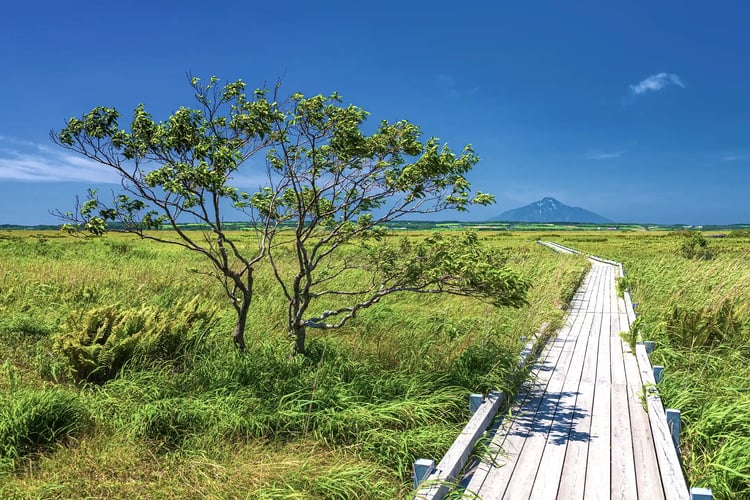
May in Hokkaido bridges spring and early summer, and temperatures vary by area. Some southern locations can reach close to 20°C (68°F) during the day, while northern and eastern regions may hover around a brisk 10°C (50°F) (*1). The average stays near 10–15°C (50–59°F), and mornings and evenings can dip to about 5°C (41°F), so plan to layer. Expect many sunny days and relatively little rainfall—excellent travel conditions (*1).
Right after Golden Week, weekday visits bring welcome calm at sightseeing spots. During the holiday itself, shift your visit times to secure a quieter atmosphere.
Natural Scenery to Seek Out in May
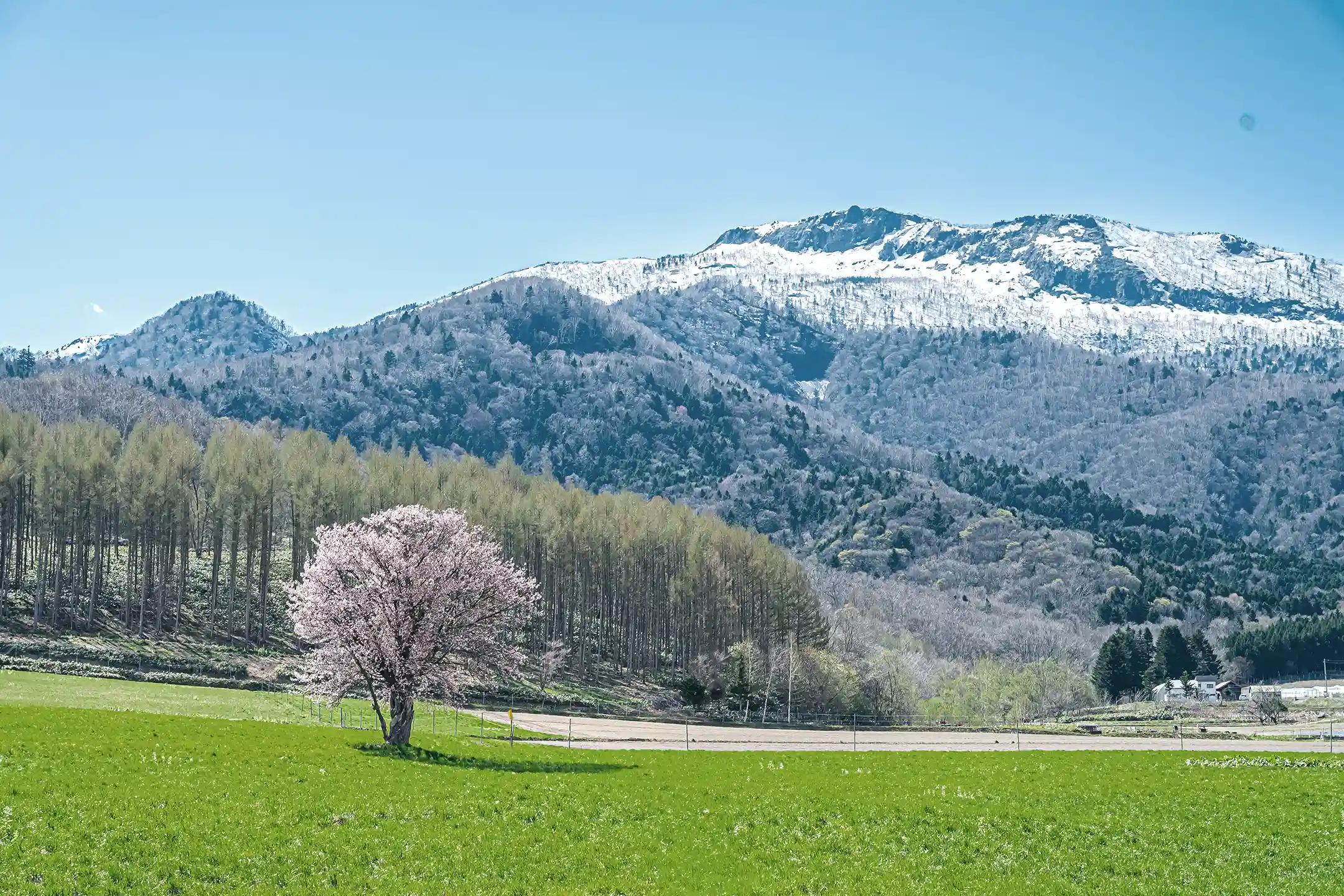
Under crystalline skies, striking landscapes unfold across Hokkaido. In the forests, newly unfurled pale-green leaves spread softly, and lakes mirror snow-patched mountains like glass. You can still enjoy cherry blossoms into early May in many places—perfect for a late hanami.
Sakura in Hokkaido typically peaks about a month after Honshu; around Sapporo, blossoms often open from late April to early May depending on the year, and in some locations the bloom continues into mid-May. Seasonal flowers such as shibazakura (moss phlox) also hit their stride—carpeting fields in vivid color.
At higher elevations, snow lingers, creating dramatic contrast with thawed lowlands. For example, in Rishiri–Rebun–Sarobetsu National Park, you can admire late-spring alpine flowers alongside snow-dusted ridgelines (*2).
Quiet-Focused Nature Tourism Activities in May
With fewer visitors in May, the stage is set for silence-forward experiences. Join a small-group nature tour for forest bathing or try walking meditation in pristine woods. In eastern Hokkaido’s Kushiro Wetland, guided canoe eco-tours are also popular.
On a guided canoe tour, you can feel the vast wetland’s stillness up close and take in its subtle beauty. Afterward, warm up in an outdoor sauna and “recalibrate” with an open-air cooldown—gaikiyoku—letting your body rest in the fresh air. Listening to natural soundscapes as you cool down is a May-only luxury.
Tips for a Sustainable May
To keep Hokkaido’s nature thriving for the future, make mindful choices on the move. Opt for lower-impact transport whenever you can—walking, cycling, and public transit. Keep a respectful distance from wildlife and never feed animals; getting too close disrupts ecosystems and can harm both wildlife and people.
Stay on designated trails so you don’t trample plants, and always pack out your trash. Precisely because May is quiet, it’s the perfect time to practice nature‑friendly habits.
Summer Nature Tourism Highlights in Hokkaido
With low humidity and bright, fresh air, Hokkaido’s summer invites you to be active outdoors. Long daylight—dawn breaks in the 4:00 hour—lets you start early and stay out late (*1).
At the same time, it’s peak season, and weekends and the Obon period draw crowds to iconic spots. Keep a few strategies in mind so you can enjoy summer’s benefits while preserving your peace.
Summer Weather, What to Wear, and Crowd‑Savvy Tactics
In July–August, Hokkaido averages around a comfortable 20°C (68°F), with almost no brutal heat days (*1). As nights can cool to about 15°C (59°F), bring a light layer—even if you’re in short sleeves during the day—to bridge the temperature swing.
In some places, mosquitoes and other insects become active after evening. Long sleeves help both with warmth and as natural bug protection. Late July to mid‑August—especially Obon—is the busiest stretch, and places like Furano and Shiretoko see heavy traffic. To avoid congestion, adjust your timing, travel on weekdays, and mix in lesser‑known locations.
Even famous flower fields feel serene if you arrive early in the morning; you’ll have more space and time for unhurried photography.
Summer Phenomena You Shouldn’t Miss
Summer in Hokkaido brings a rotating show of natural phenomena. At dawn, if conditions align, unkai—a “sea of clouds”—can form over mountain valleys. At observation points dedicated to cloud seas, you’ll witness a vast carpet of white. In Tomamu (Shimukappu Village), the Unkai Terrace is renowned; from May to October, a gondola carries you up for early‑morning views above the clouds.
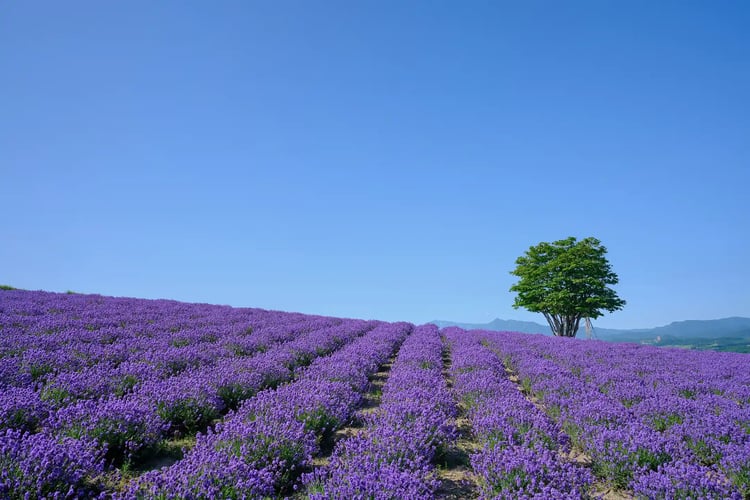
By mid‑July, the rolling hills of Furano–Biei turn a radiant purple with lavender—an emblem of summer here (*2). After dark, head for the highlands with clear air and minimal light pollution; on the Shiretoko Peninsula and in eastern Hokkaido, the Milky Way often appears with astonishing clarity, immersing you in the breadth of the cosmos.
Waterfalls and clear streams, fed by snowmelt, run full in summer. Stand in the forest mist as you watch a cascade and let the negative ions refresh you, body and mind.
Time‑of‑Day Tactics for Quiet
In high season, timing is everything if you want quiet moments. Aim for pre‑dawn or post‑sunset walks and transfers. In these twilight windows, when few people are out, a lookout or lakeshore can feel like it’s yours alone—just birdsong and the wind.
At peak midday, don’t force movement. Rest at your lodge’s spa or library lounge. You’ll sidestep strong sun, restore your energy, and head out again in the evening with a balanced body and mind.
Remember, Hokkaido is vast and decentralized. Look beyond the famous names to smaller wetlands and viewpoints; you’ll find beauty of the same caliber—often with solitude that elevates your trip.
What to Do in Summer in Hokkaido|Refined, Serene Nature Tourism Activities
Summer in Hokkaido offers a wide range of programs that help you rebalance against spacious, majestic backdrops. Choose small‑group, reservation‑based, or private‑style options to secure a quiet, high‑quality experience.
Mindfulness & Bodywork
Feel the breeze on a highland meadow as you move your body and center your mind. Early‑morning yoga on a field sets the day’s tone with deep breathing and gentle stretches scored by birdsong. Near Sapporo, some Zen temples offer zazen (sitting meditation) for visitors; quietly sitting on tatami to empty the mind is a precious way to release mental clutter.
On a forest‑bathing walk, try walking meditation: bring attention to the sensation of each step through your soles and invite all five senses to take in the forest air. Breathing sessions by a lake or among the trees help draw in fresh air, easing the nervous system toward the parasympathetic for deeper relaxation. Finish with a sauna to sweat thoroughly, then cool down outdoors; the “warm → cool → rest” cycle can leave you feeling renewed from the inside out.
Nature & Eco‑Adventures
Summer also shines for gentle adventures that keep the focus on quiet. Choose less‑trodden mountain loops for a contemplative hike—without a fixed target—simply walking with the forest’s heartbeat to heighten your sense of unity with nature.
In wetlands, opt for silent tours by canoe or kayak. Glide over still water, observe water plants and birds without disturbance, and when you stop paddling, let the wind and the calls of living things be the soundtrack.
At dusk, bring binoculars for stargazing. In eastern Hokkaido’s open country or around Lake Shikotsu, where light pollution is minimal, countless stars shimmer overhead; with luck, you’ll catch meteors or a sweeping Milky Way. Hiring a nature guide adds context and insight, enriching both learning and wonder.
Tuning Your Senses with Art & Landscape
Hokkaido’s vast nature pairs beautifully with art to create restorative spaces. The “Hokkaido Garden Highway” links distinctive gardens from Daisetsu to Furano and Tokachi; meandering between them is a beloved journey (*1).
Wander each site quietly to appreciate seasonal plantings and thoughtful landscape design—you’ll feel your senses sharpen. In museums nestled in the woods, architectural spaces that admit natural light heighten art viewing.
For example, at Moerenuma Park on Sapporo’s outskirts—designed by sculptor Isamu Noguchi—the entire grounds function as land art, with sculptures set across sweeping greens. Settle into a patch of shade for a picnic retreat and contemplate a favorite piece; you’ll feel your inner pace easing. Climb a hilltop lookout or linger in a garden with a cup of coffee you brought along.
In these unhurried moments, Hokkaido’s scenery and art harmonize, and you can feel your sensibilities coming into balance.
How to Choose Stays Worthy of a Wellness Retreat (Hokkaido)
The right base elevates a restoring journey. Across Hokkaido, you’ll find lodgings that prize quiet, hot springs, and natural materials. Below are criteria for luxury onsen inns, how to spot sustainable properties, ideas for shaping your in‑room spa time, and thoughts on privacy‑first villas.
Criteria for Luxury Onsen Inns
In wellness travel, quality hot springs are a major draw. When choosing, check the spring composition and whether baths are free‑flowing from the source (kakenagashi, with no added water or recirculation). Source‑fed baths preserve mineral properties for a gentler soak. If a property offers private open‑air baths or rooms with their own onsen, you can relax without worrying about others.
For instance, at the luxury ryokan Zaborin in Niseko, every villa features both an open‑air and indoor spring bath, supplied free‑flowing from the source—delivering an indulgent private soak (*2). Saunas are another key point: look for properties with löyly (pouring water over sauna stones), cold plunge, and a well‑designed path to outdoor cooldown. The “warm → cool → rest” cycle helps reset you at a deep level.
Soundproofing and overall quiet matter too. Construction that blocks hallway and neighbor noise—and low ambient noise from HVAC—supports calm, low‑heart‑rate rest.
.webp?width=750&height=500&name=Women%20who%20love%20onsen%20(hot%20springs).webp)
How to Spot Sustainable Stays
Wellness aligns naturally with environmental care. Evaluate properties by their sustainability measures: use of renewables (solar or geothermal), reductions in single‑use plastics (e.g., bamboo toothbrushes), incorporation of locally sourced timber in architecture and interiors, and steps to cut food waste (like smaller portions at buffets). Properties that publish concrete initiatives are reassuring.
In Hokkaido, more lodging is adopting SDGs‑minded operations; as of January 2025, 16 facilities have earned “Sakura Quality Green,” an international‑standard certification (*1). Sustainable stays also tend to support local jobs and cultural continuity—meaning that simply by staying, you contribute to the region.
Shaping Your In‑Room & Spa Experience
When you arrive, start by easing travel fatigue with a spa treatment. If you pre‑book a body treatment right after check‑in, skilled hands can release tight muscles and help you switch smoothly into wellness mode. Spas that offer an aroma consultation let you choose essential oils you love, layering scent‑driven balance onto physical care.
In the evening, set up your room for easy meditation. Spaces lit with layered, indirect lighting make it simpler to focus before bed. Dim to warm hues, switch off your devices, and you’ll likely see your heart rate drop as you slip into deeper sleep.
A simple pre‑sleep ritual also helps: hot springs → light stretching → herbal tea.
Privacy‑Focused Villas / Whole‑House Rentals
If you want your own space without concern for other guests, look to villas or whole‑house stays. In Hokkaido’s forests and by its lakes, discreet hideaway villas are scattered like small sanctuaries. With detached layouts, they let you savor private time without prying eyes.
Choose a villa with a kitchen and enjoy long stays by cooking with local organic vegetables and seafood. Some properties can arrange a personal or visiting chef on request, so you can relish seasonal regional dishes in a private dining space. Time spent in complete privacy fosters the kind of stillness that makes a true wellness retreat.
Elevated Dining and Wellness|Organic & Locally Sourced (May–Summer)
What you eat—how you nourish yourself from within—is central to wellness travel. In Hokkaido, aim for meals that are light, wholesome, and seasonal so you stay comfortable and active afterward. Below you’ll find seasonal ingredients from May through summer, how to choose restaurants, and a morning wellness routine.
Seasonal Ingredient Calendar (May–August)
Hokkaido brims with fresh, seasonal bounty. In May, wild mountain vegetables and spring produce hit their stride—think asparagus and tara no me (angelica sprouts) with vivid, juicy flavors.
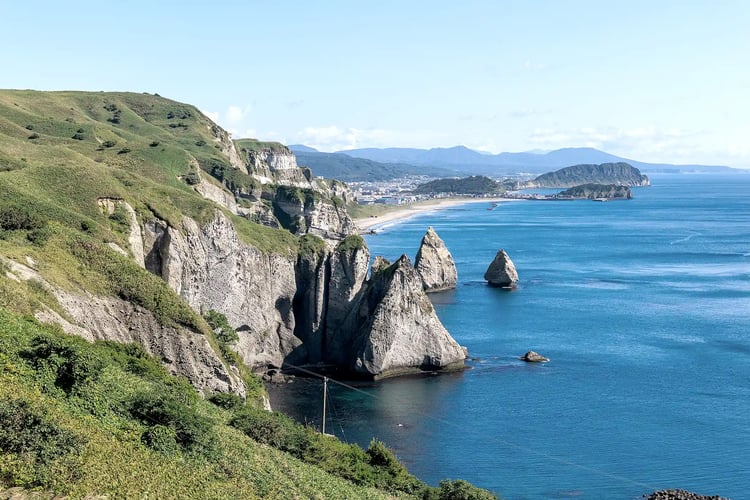
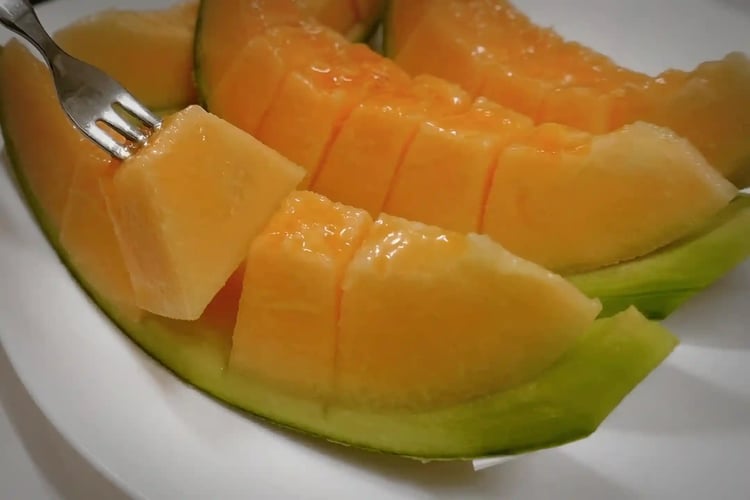
From June to July, early‑summer fruits like melon (Yubari) and cherries arrive, bringing delicate sweetness to your table. Don’t miss what the sea offers either: sea urchin is at peak from mid‑June to around August off Rishiri, Rebun, and Shakotan in northern Hokkaido. Summer uni, dense with nutrients, is often praised for fruit‑like sweetness (*1).
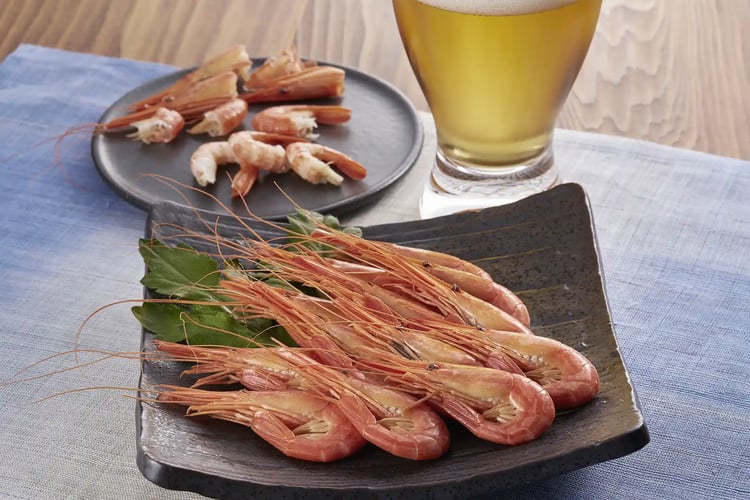
Another summer delicacy is Hokkai shima ebi (striped northern shrimp), harvested in eastern Hokkaido’s Notsuke Bay between late June and early July. Its snap and deep sweetness make it a short‑season luxury (*2). From July to August, highland vegetables—corn, tomatoes, potatoes, eggplant—burst into season together. Fresh‑picked sweet corn, high in natural sugars and juice, is sublime boiled and eaten right away; morning‑harvested tokibi at roadside stands is especially popular.
How to Choose Restaurants
If you’re pursuing food as wellness, pick restaurants that accentuate the innate quality of their ingredients. Across Hokkaido, you’ll find country auberges (restaurants with lodging) that plate cuisine grounded in their own organic gardens, nearby dairies, and local producers—true farm‑to‑table. In cities too, seek places with high usage of local ingredients or organic certification. For example, some luxury stays in Niseko source nearly all ingredients from within Hokkaido, with a head chef from the region leading the kitchen (*3).
At the table, aim for hara hachi‑bun me—about 80% full—and keep alcohol moderate so you don’t get sluggish afterward; you’ll be better prepared for active plans. Vegan and gluten‑free options are increasingly available (especially in Sapporo). If needed, research and reserve ahead for peace of mind.
A Morning Wellness Routine
Even small tweaks to your morning on the road can transform the whole day. Right after waking, drink a glass of warm water or herbal tea to gently awaken your system.
Open a window while the air is still fresh and take deep breaths for around three minutes; oxygen reaches your brain and you’ll feel mentally clear. Then loosen up with simple stretches and a few light yoga poses in the morning sun—activating the sympathetic nervous system and warming you up for better metabolism. At breakfast, include fermented foods and fruit.
Miso soup or yogurt, and a smoothie with seasonal berries—such as haskap (honeyberries)—help cultivate your gut microbiome and support immunity. Some properties serve gentle breakfast menus like brown‑rice porridge or soup made with house‑fermented miso. Fuel up well before you set out.
By skipping overly heavy or greasy foods, you’ll move comfortably even if your morning takes you outdoors.
Well‑Being That Continues After the Trip|Habits to Bring Home
The rhythms and insights you cultivate on the road matter most when you weave them into daily life. Here are practical ideas: a three‑minute breathing practice, walking meditation, creating a mini Zen nook at home, and sustainable choices that keep you connected to the region you visited.
Three‑Minute Breathing and Walking Meditation
Even in a hectic routine, you can steady yourself in the margins—morning, in transit, before bed. Right after you wake, stand by the window and try three minutes of slow diaphragmatic breathing.
Recalling the pure air you breathed on your trip, take deep, unhurried breaths to circulate oxygen to your brain and soften stress. Stepping away from everyday pressures alone has been associated in many studies with reduced stress and improved sleep quality (*1).
On your commute, walk an extra station and practice walking meditation. Focus on the contact of your soles with the ground; when stray thoughts arise, let them go. Even just a few minutes can bring a quiet clarity that you carry into work or study. At night, set your phone aside, dim the lights, and rest your attention on your breath. Remembering the sounds of nature from your trip nudges your parasympathetic system and supports better sleep.
Designing a Mini Zen Space at Home
Bring a hint of the temple calm or tranquil lodgings you visited back into your home. Dedicate a corner to a plant and a favorite natural element—driftwood or a river stone—and make it your evening meditation spot. Use soft, indirect lighting and an aroma diffuser with grounding scents like hinoki or lavender; your mini Zen space is ready.
Keep the area spare to create visual “white space.” With less visual noise, your mind settles more easily. Even 5–10 minutes of nightly breathing there can sustain the mindful state you cultivated on your journey.
Sustainable Choices that Connect You with Place
Your well‑being deepens when you keep your ties to the destination alive. Consider subscribing to organic foods or teas from the region you loved. Regular deliveries of local bounty revive travel memories while supporting a nourishing diet.
Small donations to environmental or cultural‑heritage projects in the area also make a difference. Supporting a place you care about brings a vibrant sense of purpose. For your next trip, plan in the off‑season: visiting when crowds are thinner eases pressure on the community while gifting you a quieter experience. Layering these choices into everyday life keeps your travel‑born well‑being going—and sets a positive cycle in motion for your future journeys.
Where the wilderness opens further

Conclusion:
Carry the calm and insight you found on the road, and by the time you return to daily life, you’ll notice your circle of well‑being has widened.From May into summer, Hokkaido offers a treasure trove of elevated Nature Tourism wrapped in seasonal scenery and quiet. Yield to the land’s rhythm, and you’ll find your body and mind rebalanced—turning a milestone journey into a source of depth for your life.Savor dynamic seasonal vistas in stillness, unwind in luxury onsen stays and locally rooted cuisine, and sharpen your senses through mindful activities—the richness unique to Hokkaido will gently support your relationships and personal growth.
Now, step into refined, sustainable Nature Tourism in Hokkaido—and let its afterglow carry into your everyday life and the journeys still to come.