



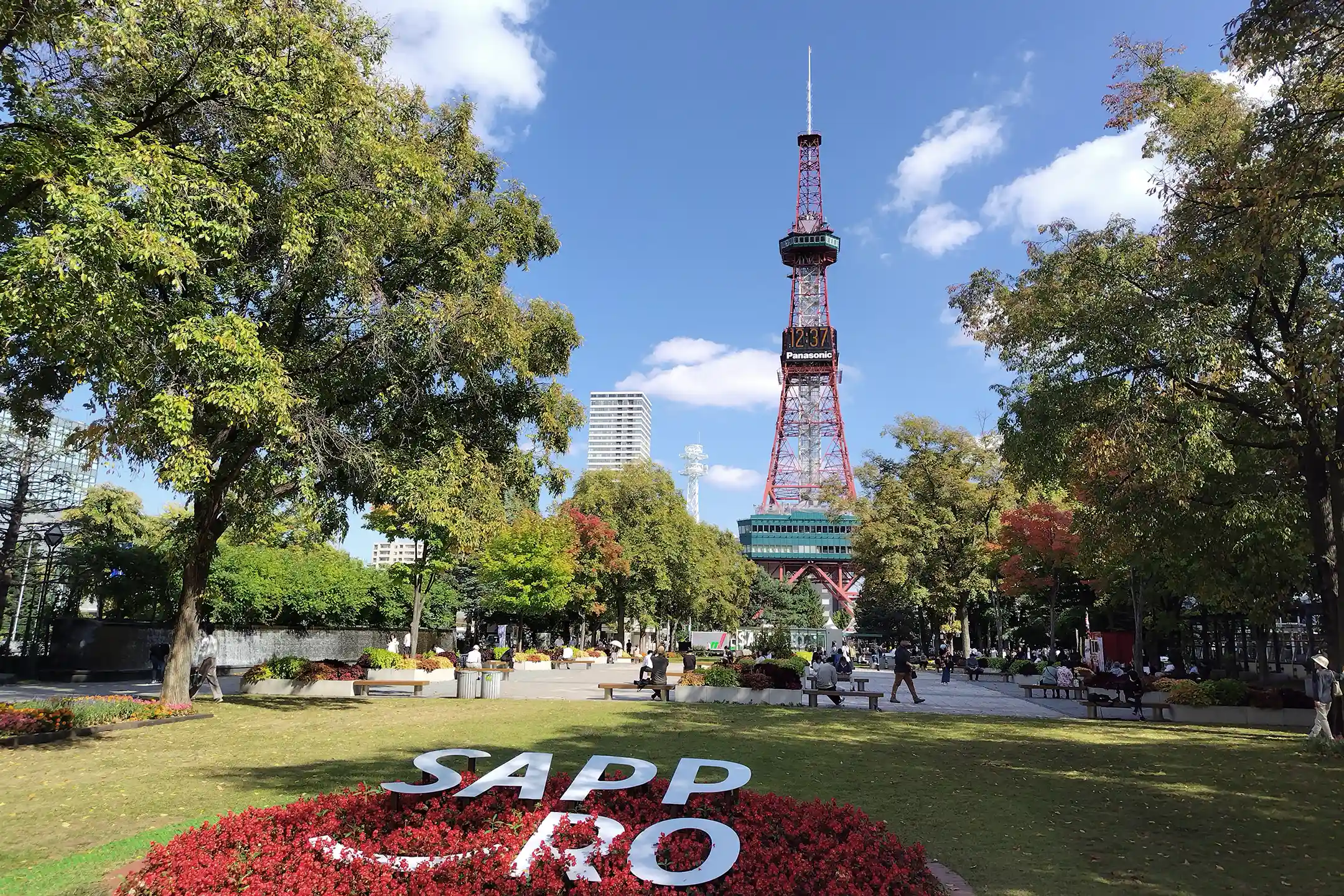
From here, you’ll discover high-value models for a day trip from Sapporo. Imagine spending a refined day wrapped in rich nature, healing your body and mind in hot springs and saunas, and savoring local ingredients such as organic vegetables and lake fish.
By combining environmentally conscious electric vehicles (EVs) and public transportation, you can enjoy meditation or yoga in quiet forests and on lakeshores, and fully immerse yourself in experiences where tradition and modernity harmonize so that you truly feel “aligned” and reset.
With flexible planning that adapts to season and weather, plus booking techniques that prioritize English support and private spaces, this is a blissful style of travel where wellness and sustainability come together—one that will satisfy even the most sophisticated traveler in their 50s.
Guide to Designing a Day Trip from Sapporo Itinerary (Basic Strategy)
To make a day trip from Sapporo genuinely fulfilling, the key is to design an itinerary that never feels rushed. You’ll want to balance travel time and time spent on site, take seasonal conditions into account, and build in flexible options for bad weather from the very beginning.
In this section, you’ll find basic strategies for planning the rhythm of your day, seasonal points to note, and backup plans you can rely on.
Principles of Route Design|A Relaxed 8–10 Hour Itinerary
Even though it’s “just a day trip,” if you want to truly slow down at your destination, it’s ideal to keep your total day to around 8–10 hours. Think of travel from central Sapporo as no more than 90 minutes one way—with about 3 hours round-trip and roughly double that, around 6 hours, actually spent at your destination.
For example, if you’re driving, there are hot spring areas you can reach in about 40 minutes from Sapporo Station. Leave a little earlier in the morning, plan more active nature walks or outdoor activities before noon, and then after lunch, ease digestion with a gentle stroll or a soak in a bath.
From late afternoon onward, avoid overextending yourself. Either head back while it’s still light, or if you stop somewhere on the way, choose places that are well lit and feel safe even after dusk. Make sure your overall schedule has breathing room, and use breaks or short gaps during your transfers to sip herbal tea, gaze at the scenery, and take a few deep breaths. That way, your day won’t turn into a hectic race from one spot to another.
Reading the Seasons and Weather|In Winter, Watch Daylight Hours and Icy Roads
Understanding how Hokkaido’s climate shifts through the four seasons helps you design a day trip that’s both comfortable and safe. In early spring (April–May), the wind can still feel chilly, and if you have hay fever, it’s wise to bring a mask, glasses, or other protection. In early summer (June–July), you’ll need good sun protection, and in forested areas, don’t forget insect repellent.
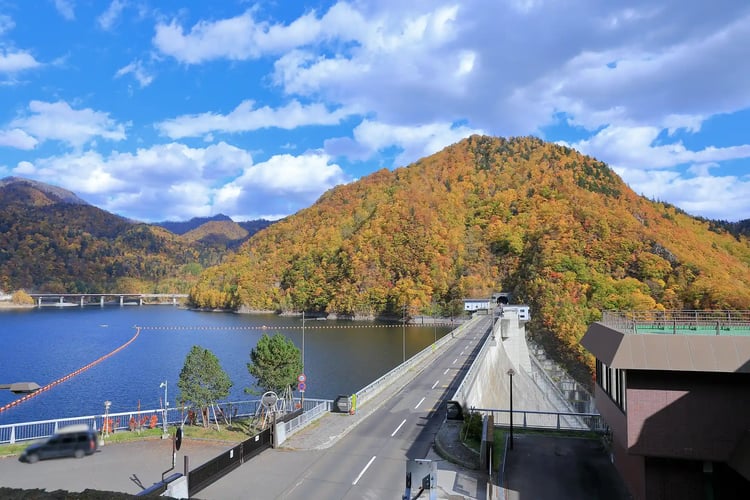
In autumn (October–November), temperatures drop quickly in the morning and evening, and around peak foliage season, roads near popular spots can become congested. In fact, when the leaves are at their peak, the main road from Sapporo toward Jozankei often experiences traffic jams, so it’s recommended that you allow extra time in your schedule (*1).
In winter (December–March), daylight hours are short and the sun sets around 4 p.m., so early planning and travel are crucial. It’s also common for the roads to freeze in the cold of early morning and evening. Even during the day, shaded areas may stay icy and never fully thaw. If you’re driving, you’ll need careful braking and plenty of distance between cars.
Check the latest weather forecast around 6 p.m. the evening before your trip, and if heavy snow or strong winds are expected, don’t hesitate to rethink your plan. Choosing safety first and staying flexible will keep your experience pleasant and stress-free.
Alternative Plans for Bad Weather
If sudden rain or a snowstorm makes it hard to be outdoors, it’s reassuring to have a backup plan ready. On days when walking outside isn’t realistic, you might simply decide to spend a leisurely day at an indoor spa facility in Sapporo or nearby. Soaking in hot springs and saunas, enjoying a massage, or reading by a fireplace lounge lets you relax deeply without worrying about the weather.
You could also switch to a cultural day, visiting museums and galleries to indulge your curiosity. Another idea is to create your own “café retreat.” Find a café with a good view, order herbal tea, and spend time writing in your travel journal or quietly meditating. That simple time can bring your mind a deep sense of peace.
Sometimes, the right decision is to shorten your schedule and finish the day earlier than you planned. If you respond flexibly while putting safety first, you might actually end up with a richer experience—a slow, unhurried travel day that you’d never have had on a sunny, activity-packed schedule.
Sapporo → Jozankei Onsen Sightseeing Route (Half-Day to Full-Day Wellness Day Trip from Sapporo)
About 40–50 minutes by car from downtown Sapporo, or under an hour by public bus, Jozankei Onsen is a celebrated hot spring area often called the “inner retreat of Sapporo” (*1). Here, in an onsen town nestled within a lush gorge, you can enjoy a wellness-focused day, blending hot spring bathing that calms your parasympathetic nervous system with gentle forest bathing.
From morning to evening, you can tune in to the sounds of the stream and birds, warm your body and mind to the core in free-flowing hot springs and private saunas, and savor that deeply settled feeling when your parasympathetic nervous system becomes dominant. Jozankei, where seasonal nature and refined hospitality harmonize, is an ideal choice when you want a restorative day trip from Sapporo that lets you step away from daily noise and reset your whole being.
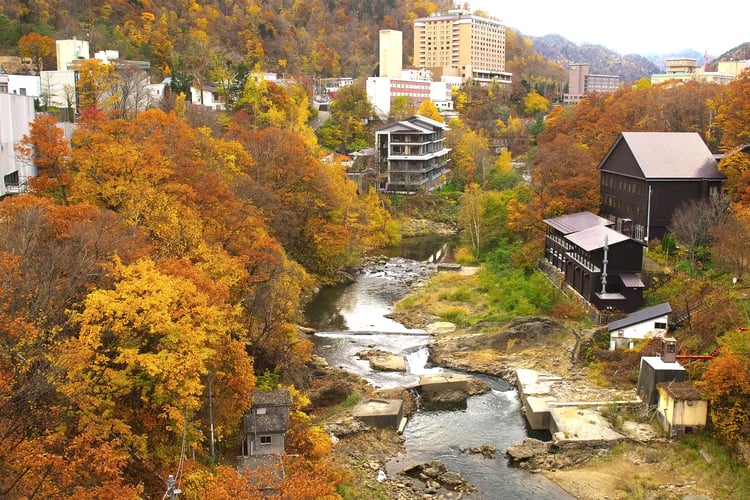
Overview and Highlights
Although Jozankei Onsen sits close to central Sapporo, the area around it is designated as a national park, with untouched gorge scenery spreading out around you.
In spring, fresh green leaves; in autumn, vibrant foliage; and in winter, snow-covered landscapes transform the gorge’s atmosphere season by season. Simply walking through this landscape brings a deep sense of relaxation. Around the hot spring town, you’ll find a number of free foot baths and hand baths, so you can dip into the hot spring waters casually as you stroll.
By late 2024, a new footbath facility will open in the Futami Park area. You’ll be able to soak your feet in high-quality spring water, relaxing on a hilltop surrounded by trees and looking out over the gorge. Letting your body surrender to warm water in the middle of nature is a simple way to refresh both body and mind (*1). Around Futami Suspension Bridge, a symbol of Jozankei, the river is framed by fresh green leaves or autumn foliage, making it a popular photo spot.
Along the walking trail known as Futami Jozan no Michi, you can also observe wild birds that inhabit the gorge. Throughout the year, a variety of birds such as great tits and the beloved Hokkaido bird shima-enaga—the tiny “snow fairy”—flutter through the trees, so you can enjoy a bit of birdwatching too. If you listen carefully to the birdsong along the quiet stream in the early morning, you’ll feel a soothing calm that’s hard to find in the city (*2).
Nature and Experiences
In Jozankei, wellness experiences that bring you into harmony with nature are especially rewarding. You might start your day by taking a deep breath in the forest near the hot spring town and gently moving through a series of sun salutations in yoga.
Along the riverside walking paths, you can try “walking meditation,” matching your pace to the sound and flow of the water. As sunlight filters through the trees and dances on your skin, your autonomic nervous system gradually rebalances, and your mood softens.
From spring through summer, guided nature walks are held where you can observe wild flowers and birds. You may be surprised at how rich the web of life is, even this close to Sapporo. If you prefer, English-speaking guides can often be arranged, so international guests can join with ease. If you want something more active, there are canoe outings and e-mountain bike tours that let you explore Jozankei Dam Lake and the surrounding forests.
Summer brings rafting on the Toyohira River and, in autumn, seasonal activities like hot-air balloon flights over the foliage. These programs are set up with beginners in mind, with relatively light physical intensity, so you can engage with nature at a gentle pace while still feeling your body and mind fall into balance.
After any kind of exercise, soaking your calves in a foot bath while giving them a light massage improves circulation and helps your muscles recover. Time that weaves together moderate movement in nature with quiet, restorative rest is one of the purest pleasures of a wellness-focused trip.

Hot Springs and Sauna
Jozankei Onsen has a history of over 150 years. Its hot springs are sodium chloride springs with a soft, pleasant feel on the skin. Each ryokan or day-use bath facility offers its own unique lineup of baths, but if you can, experience an open-air bath or a private bath where you can feel the outside air on your skin. Soaking slowly in slightly cooler water encourages your parasympathetic nervous system to activate, relaxing both body and mind.
At some long-established ryokan, the large bath area may feature both hotter and milder pools. Starting in the milder bath and warming yourself thoroughly first can create a wonderful feeling of complete release in your muscles.
Sauna facilities have also improved considerably in recent years, and some venues offer self-löyly—pouring aromatic water onto hot stones to create steam. Repeating the cycle of sauna → cold bath → cool-down rest in the open air two or three times will deepen that powerful “totonou” sensation of alignment and clarity.
When you cool down outdoors, pick a time when the wind is gentle and wear a bathrobe or gown after your bath. In winter, choose spots sheltered from the wind—such as the lee side of a building—so you don’t get too cold. If you book a room with a private bath or private sauna, you can enjoy hot-and-cold bathing entirely at your own pace, without worrying about anyone around you.
After your bath, do a few stretches and then lie down in a relaxation room, letting the benefits of the hot spring soak deeply into your body. If you schedule an aromatherapy treatment about 60 minutes after bathing, the improved blood flow in your body will make it even more effective. In this gentle parasympathetic state, the fatigue of travel and everyday stress alike will begin to melt away (*3).
Food and Cafés
For lunch and café time in Jozankei, it’s worth seeking out wellness-friendly options. In day-use plans at ryokan, you may find creative Japanese set meals rich in local vegetables or healthy medicinal-style lunches.
Dishes that feature wild mountain vegetables, seasonal produce, and fermented foods tend to be easy on your digestion and, together with the hot springs, help you feel revitalized from the inside out.
Keeping lunch on the lighter side is a good idea, then strolling through the town afterwards to aid digestion. You might pick up a freshly steamed sake-manju at a long-established onsen confectioner, or take a break at a foot-bath café, sipping herbal tea while your feet stay warm in the water.
If you prefer non-alcoholic drinks, you’ll find stylish cafés serving sparkling drinks made from local haskap berries, fruit vinegar sodas, and other refreshing options.
If you do enjoy the ritual of a drink, you might stop early in the evening at your ryokan’s lounge to savor a glass of non-alcoholic sparkling “Hokkaido wine” or 0.00% craft beer. That simple toast can heighten your sense of having truly gotten away.
At Café “Kokoro no Sato Jozan,” you’ll find a lounge where, for the price of admission, you can enjoy unlimited tea, sweets, and snacks with no time limit. There’s also a hearth-style foot bath and a tatami meditation space, offering a wonderfully soothing atmosphere. More and more facilities now have English-speaking staff, so ordering and asking questions feels comfortable.
If you finish your day with a final cup of non-caffeinated herbal tea, both hydrating and relaxing you, you’ll be able to bring your thoroughly satisfying day to a gentle close.
Sapporo → Lake Shikotsu / Mount Eniwa Area Sightseeing Route|A Crystal-Clear Lakeshore Day Trip from Sapporo
The Lake Shikotsu (Shikotsu-ko) and Mount Eniwa area, with its crystal-clear water and old-growth forest, is an ideal setting for rebalancing your autonomic nervous system. Even though it’s only about an hour’s drive from Sapporo, you’ll be embraced by the quiet of an ancient caldera lake born of volcanic activity and by the deep stillness of primeval forest.
By combining a lakeside meditation session, beginner-friendly activities, and a hot-and-cold alternating bath in natural hot springs, you’ll feel your mental and physical energy reset. When you spend time in a place where the lake has some of the highest water clarity in Japan, and where more than 90% of the surrounding area is covered in untouched forest, daily stress falls away and your five senses come alive, giving you a genuinely wellness-focused day trip from Sapporo.
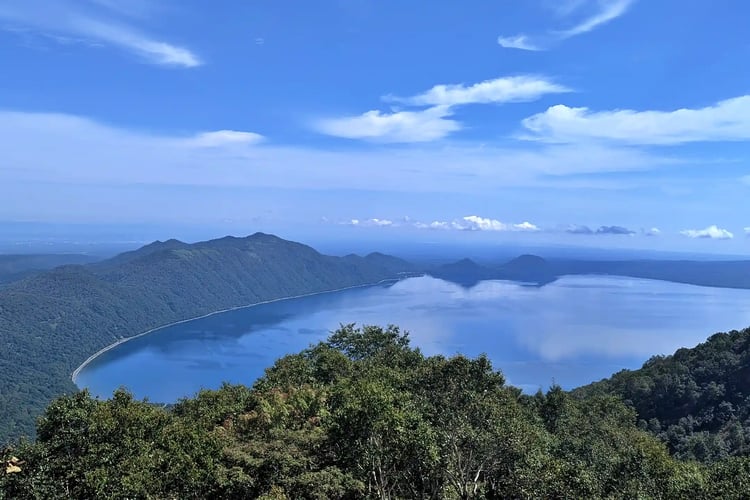
Overview and Highlights
Lake Shikotsu is Japan’s second-deepest caldera lake, with a maximum depth exceeding 360 meters. Its water clarity is considered the best in Japan. In fact, Lake Shikotsu has ranked first in domestic water quality surveys for 11 consecutive years, and its transparency is so remarkable that you can clearly see pebbles on the lakebed (*1).
Around 90% of the lake’s shoreline is wrapped in natural forest, creating a landscape where old-growth woods come right down to the water’s edge—an atmosphere often described as one of Hokkaido’s hidden sanctuaries (*1).
Look up from the lakeshore and you’ll see Mount Eniwa rising to the north and the active volcano Mount Tarumae to the southeast. The dynamic contrast of mountains and water shapes a spectacular view that changes with the seasons and time of day. On calm days with little wind, the lake surface becomes like a mirror, reflecting Mount Eniwa in a magical upside-down view.
Excellent viewpoints include the area around the lakeside holiday village and the sightseeing boat pier. If you venture a little farther, the lookout near the trailhead for Mount Fuppushi offers sweeping views of the entire lake.
You can enjoy the scenery not only from the shore but also on sightseeing boats and glass-bottom or underwater-view boats. From summer through autumn, the contrast between the blue lake and the red and gold forests is stunning, making it a favorite area for photographers. The largely untouched nature around Lake Shikotsu feels like a place where you can sense the “heartbeat of the earth,” and simply sitting quietly here can leave your mind feeling as if it has been washed clean.
How to Spend Time by the Lakeshore and in the Forest
At Lake Shikotsu, the greatest luxury is to move slowly and embrace the quiet. In the crisp morning air, try sitting on a pier, closing your eyes, and practicing five minutes of silent meditation. As you tune in to nothing but wind over the lake and the sound of waves, everyday thoughts gradually fade and you slip into a deep state of relaxation.
Afterwards, you might challenge yourself with a beginner-friendly SUP (stand-up paddleboard) or kayak outing. Gliding over the lake’s transparent surface on a SUP lets you enjoy the underwater world right beneath your feet.
There are even unique guided programs, such as tours in clear-bottom kayaks, that anyone can join safely with an instructor. These water activities also count as gentle aerobic exercise, helping your mood reset and leaving you refreshed.
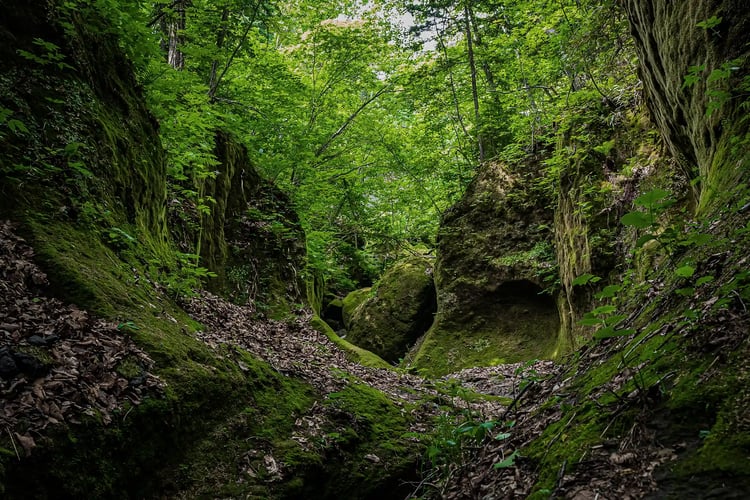
Strolling through the lakeside forest is another must. The primeval woods are carpeted with various kinds of moss, and fallen trees become hosts for new life. If you take your time examining moss-covered rocks and trunks, you’ll find yourself deeply soothed by their vivid greens and intricate miniature landscapes.
On some guided tours, you’ll be led through a mystical “moss corridor,” a dense, otherworldly stretch of moss. When photographing, remember to treat the environment with care—switch your camera to silent mode and try to blend into the stillness around you. If you encounter wild birds or small animals, stop, pause, and watch quietly. You may meet Ezo squirrels or wild deer, moments that feel like stepping into the pages of a picture book.
Time along the lakeshore and in the forest is best when you slow your pace and savor each sense—seeing, hearing, smelling—one at a time. This gentle, unhurried rhythm is what helps your autonomic nervous system recover from the constant stimulation of everyday life.
Hot Springs and Sauna
There are several hot springs around Lake Shikotsu as well. One of the most famous is Marukoma Onsen near the lakeshore, a hidden hot spring with more than 100 years of history, known for its natural open-air bath whose water level rises and falls with the lake itself. Day-use bathing is available, so you can drop by after time on the water.
Warm your body thoroughly in the indoor bath first, and then move to the open-air bath to feel the outside air on your skin. The combination of heat and cool, together with the view of the lake, creates a refreshing yet comforting sensation.
If you can, try a simple version of “hot-and-cold alternating bathing” by the lakeshore. After warming your body fully in the hot spring, quickly cool only your feet in the cold lake water, then return to the hot bath. Repeating this a few times gently promotes the expansion and contraction of your blood vessels and can significantly boost circulation. Alternating bathing helps your sympathetic and parasympathetic nervous systems switch smoothly, supporting a healthier autonomic balance.
That said, it is also a mild stress on the heart, so it’s important not to push yourself and to keep immersion in cold water to your feet only.
In the Lake Shikotsu Onsen town, you’ll also find accommodations with saunas. There are a variety of options, including steam saunas that use natural hot-spring steam and Finnish-style saunas with views of the lake. After you work up a good sweat in the sauna, cool down in an outdoor rest area, sitting in a chair while gazing out at the water.
In the evening, the sun setting in the west paints the lake gold, and resting quietly during this “golden hour” can feel almost sacred.
In winter, you might experience open-air baths while snow falls around you or even soak outdoors in below-freezing temperatures, but to avoid getting chilled, it’s wise to wrap up in a robe or blanket after your bath and sip a hot drink to warm yourself from the inside. The hot springs and saunas around Lake Shikotsu offer a luxurious way to reset your body and mind while surrounded by the energy of the great outdoors.
Food and Cafés
When you eat in the Lake Shikotsu and Mount Eniwa area, try choosing menus that showcase local ingredients in simple, nourishing ways. Lakeside restaurants are known for dishes made from fish caught in Lake Shikotsu, such as himemasu (landlocked sockeye salmon) and rainbow trout. Grilled with salt, lightly fried, or smoked, these fish are prepared to highlight the natural flavors without any bitterness.
You’ll also find set meals and soba dishes featuring mountain vegetables and mushrooms, letting you really feel the blessings of the lake and the land. Ideally, aim for a lunch that leaves you about 80% full, so you feel light enough to fully enjoy your afternoon activities.
After your meal, if you have time, stop at a lakeside café for a break. At the café attached to the Lake Shikotsu Visitor Center, soft-serve ice cream made with local milk and house-roasted coffee are especially popular.
If you’d rather avoid caffeine, try fruit teas made with wild grapes or haskap berries—specialties of Hokkaido—or herbal teas. Sipping herbal tea while looking out over the clear lake will sink into all your senses, helping your heart settle.
At cafés with terrace seating, you can feel the breeze from the lake as you linger.
If you plan a light dinner after returning to Sapporo in the evening, consider gentle, vegetable-centered dishes or simple rice porridge and zosui. These are kind to your stomach after a day of hot springs and activity.
While reliving the memories of the lake and hot springs, you might also choose to skip alcohol and toast instead with herbal tea or a non-alcoholic cocktail. Bringing home locally roasted decaf coffee beans or similar items makes a thoughtful souvenir for yourself, letting you revisit the wellness mood of your trip once you’re back in your everyday routine.
Time spent with good food and café stops that support the balance you found by the lakeshore will make your journey feel even richer.
Sapporo → Otaru / Yoichi Sightseeing Route|Urban Mindfulness Along Historic Canals and Sea Breezes on a Day Trip from Sapporo
This route takes you through the port town of Otaru—known for its stone warehouses from the Meiji and Taisho periods—and the Yoichi area, dotted with orchards and wineries. You’ll spend a gentle day strolling through nostalgic canal-side streets and feeling fresh sea breezes.
As you walk at an unhurried pace among historic buildings, you can stimulate your senses with creative experiences like glass craft or making aroma candles. In Yoichi’s sustainability-minded wineries, you can learn about the soil and grapes while enjoying tastings.
Time in Otaru and Yoichi, where urban sophistication meets the simplicity of nature, fills your heart and brings a mindful sense of contentment. Travel between spots takes about an hour by train or car, and if you combine public transportation with walking, you’ll enjoy a relaxed, low-impact journey that’s also kinder to the environment. Many facilities can support English speakers, so international travelers can feel at ease on this day trip from Sapporo.
.webp?width=750&height=500&name=Otaru%20Canal%2c%20Hokkaido%20(Daytime).webp)
Overview and Highlights
Otaru’s city center is a charming port town lined with stone warehouses and retro Western-style buildings. These streets once supported Hokkaido’s frontier-era economy, and walking through them feels like stepping back in time.
Gas lamps illuminate the Otaru Canal running through the center of town, and at dusk the crowds thin and a quiet atmosphere settles over the area. In the northern canal district, the waterway remains at its original width of about 40 meters, and the stone warehouse clusters and the former Japan Mail Steamship Company building stand in a nostalgic, tranquil line (*1).
As you stroll along the canal, the gentle sound of the water and the glow of the gas lamps soften your mood, letting the noise of city life drift away.
Although Otaru is busy with tourists during the day, early mornings and evenings can be surprisingly quiet, offering moments when you feel as if you have the canal and its historic warehouses to yourself. The city has designated over 75 structures as historic buildings, including former bank buildings, churches, and trading houses. Exploring these on foot leads to one cultural discovery after another.
From stone-paved slopes and old stone bridges, you’ll find views of the canal that leave a lasting impression. As the gas lamps flicker on in the evening, the stone walls glow warm orange and the atmosphere becomes even more romantic. The cool breeze off the sea adds a sense of openness that’s one of the true pleasures of walking Otaru.
Craft Experiences
When people think of Otaru, they often think of glass. While you’re here, it’s worth trying your hand at making your own piece of glass art. At Otaru’s glass studios, you can choose from a variety of programs: blowing glass to shape your own drinking glass, engraving patterns with sandblasting, and more.
Even if it’s your first time, artisans will guide you carefully, often with English support, so you can relax and enjoy the process. You can take your finished piece home as a practical souvenir that will bring back memories of your trip each time you use it.
Candle-making and aroma blending are also highly recommended. At Otaru Candle Studio, workshops invite you to pour melted wax into molds to create your own original candles. Watching the wax harden and your candle take shape is a very special experience—one where you’re literally creating a one-of-a-kind light (*2).
The workshops are easy to enjoy even for beginners or families with children, and with about 20 minutes of making time plus around 10 minutes for cooling, you can take your candle home the same day (*2). When you eventually light it, the warm glow will revive the feelings you had during your time in Otaru.
At the same studio, you can also create your own original perfume. Blending essential oils inspired by Otaru’s sea breeze or northern forests, you bottle your own “scent memory.” Scent is said to be deeply tied to memory, so wearing perfume you created on your travels will help you recall the comfort and atmosphere of Otaru whenever you like.
These craft experiences are essentially mindful sessions that engage all your senses. As you focus on moving your hands, daily worries fade, and the simple joy of creating something fills your heart. The finished pieces become treasures from your journey and wellness-focused gifts to yourself.
Wineries and Orchards
About 30 minutes from Otaru by car or train lies Yoichi, a town that has recently gained attention, both in Japan and abroad, as a center of “Hokkaido wine.” In Yoichi and neighboring Niki, you’ll find many wineries, large and small, each producing wines that “express the character of the land” in its own way (*3).
The region has long been known for fruit cultivation, and new, small-scale wineries are constantly opening, adding energy to Hokkaido’s wine tourism scene (*3). Many offer guided tours, where you walk through the vineyards and production facilities while learning about sustainable farming techniques and how they care for the soil.
At wineries working with organic cultivation, you might see vineyards where pesticides are minimized and nature-based cycles are emphasized. Guides sometimes scoop up soil from the base of the vines, explaining the role of microorganisms and how organic fertilizers are used.
Most tours end in a tasting room where you can sample several wines and experience the flavor of “all-Yoichi-grown” grapes. Of course, if you’re visiting by car, the driver must refrain from drinking alcohol—no exceptions. In that case, the person driving can join in with soft drinks instead. If possible, plan to use public transportation or hire a sightseeing taxi so that everyone can enjoy tastings.
Many Yoichi wineries have on-site restaurants that serve meals designed to pair beautifully with their wines: stone-oven pizzas, local cheeses, and grilled Yoichi-raised “wine beef,” among others. Sharing wine made from grapes grown under the same sun and on the same land as the ingredients on your plate gives you a tangible sense of harmony with the environment.
Some wineries offer English-language pamphlets or have winemakers from overseas, creating naturally international encounters. Deepening your understanding of terroir—soil, climate, and landscape—while slowly savoring wine is a wonderfully grown-up way to spend part of your wellness trip.
Food and Cafés
Restaurants and cafés in the Otaru and Yoichi area offer refined menus that showcase both the sea and the mountains. For lunch, a light seafood-based course is particularly fitting in Otaru.
At long-established sushi restaurants, you might order a mini kaiseki featuring bite-sized pieces of sushi, or a small seasonal kaisendon (seafood rice bowl). These courses are sized to leave you pleasantly satisfied without feeling too full. Even though they highlight seafood, the cooking is restrained in oil and gentle on digestion, making them popular among guests in midlife and beyond.
In Yoichi, where orchards abound, lunch desserts featuring fruit are a highlight. At winery restaurants, you might finish your meal with grape or apple sorbet, or a tart topped with seasonal fruit—a refreshing, not-too-sweet way to close.
Even if you enjoy wine, daytime is a good opportunity to explore non-alcoholic pairings. More and more places offer non-alcoholic wines and cocktails made with local herbs, letting you enjoy complex flavors without any alcohol. That way, you and your companions can keep your heads clear for afternoon sightseeing while also being kind to your bodies.
After lunch or toward evening, consider spending some time in a canal-side café in Otaru or a farm café in Yoichi. In Otaru, you’ll find cafés created in renovated warehouses, where stone walls and wooden interiors create a cozy atmosphere. Here, you can enjoy house-made sweets and fragrant tea while gazing out at the canal through the windows.
As you sink into the nostalgic atmosphere and watch the scene outside, you may lose track of time in the best possible way.
Sapporo → Ishikari Beach / Atsuta Sightseeing Route|Seaside Sunsets & Sandy Beach Walks on a Day Trip from Sapporo
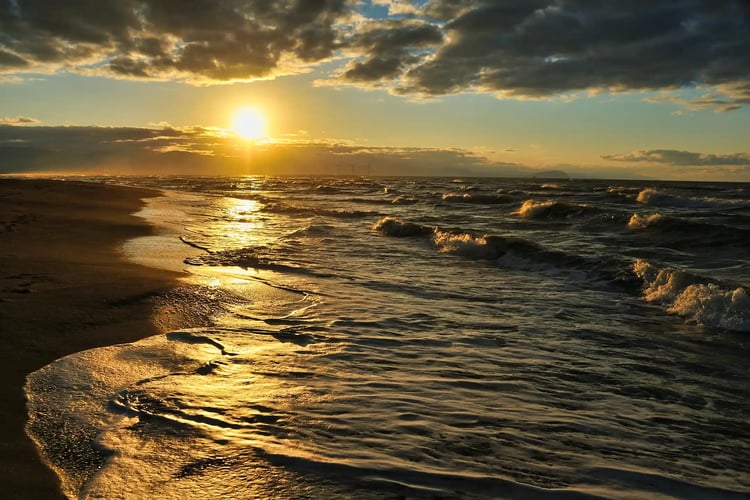
If you drive about an hour north from Sapporo toward the Sea of Japan, you’ll arrive in the Atsuta area of Ishikari City, known for its expansive sandy beaches and beautiful sunsets. Here, you can try wellness experiences that can only happen by the sea: “beach-walk meditation” while listening to wind and waves, or open-air cool-down sessions under a sunset sky.
Walking slowly along the wide sand, syncing your breath with your steps, and watching the sun sink toward the horizon will help you gently release the fatigue of modern life.
If you include a short beach-cleaning session—picking up litter along the shore—as a way of giving something back to the environment, you may find your sense of gratitude toward nature deepening. Then, you can warm your body in a seaside tent sauna or open-air bath and “reset” yourself while feeling the ocean breeze. This area allows for a new style of retreat built around the sea.
The few hours you spend here as the sun sets truly let your body and mind settle as “one day comes to a close.” Because you can comfortably reach these sunset spots on a day trip from Sapporo, they’re perfect for a short afternoon escape over a weekend.
Overview and Highlights
The greatest appeal of the Ishikari Beach and Atsuta area is the combination of the long, open sandy shore with magnificent sunsets over the Sea of Japan. In particular, the coastline near the district of Mōrai in Atsuta is famous for having some of Hokkaido’s most beautiful sunsets. The gently sloping, shallow sandy beach stretching toward the horizon makes the colors of the evening sky feel even more dramatic (*1).
As the sun slowly sinks into the water at dusk, the sky and sea shift moment by moment—from crimson to gold to deep navy. The scene unfolding before you feels like a living painting (*1). The magic of these few minutes will leave a vivid imprint on your memory.
Atsuta Park Observatory, known as a “Lovers’ Sanctuary,” sits on a headland where you can look out across the sweeping coastline and sunset. There’s also a “Pledge Bell,” so you can create a romantic moment, ringing the bell with someone special as you watch the sun go down.
Summer evenings stay light for a long time in Hokkaido, but sunset time in Atsuta changes with the seasons. Around late June, the sun sets after 7 p.m.; in September, around 6 p.m.; and in midwinter, sometime in the 4 p.m. hour. Check the day’s sunset time in advance when you plan your visit.
For seafront scenery, the observation deck at the roadside station “Ai Road Atsuta,” which overlooks Ishikari Bay, is also popular. This spot has ranked highly in surveys of scenic roadside stations, and the sight of the sun dipping below the horizon during the “magic hour” of twilight is especially moving.
Because the Ishikari Beach area opens westward, you can enjoy panoramic views of sea and sky. One of the pleasures of visiting is finding your own perfect sunset viewpoint. As you walk barefoot, feeling the texture of the sand and letting time pass slowly, you’ll realize that this simple experience is the true highlight.
Eco Activities
To help protect this beautiful coastline for the future, you might consider joining a beach-cleaning effort during your visit. Since the 1970s, Ishikari City has held an annual coastal cleanup event called “Clean Up Ishikari Beach,” and local people have been working together for decades to keep their shores clean. Some volunteer events are open to travelers, providing tongs and garbage bags free of charge.
Even if you’re only able to help for a little while, picking up trash along the shore will quickly show you how much plastic and other debris washes up. For travelers who care about environmental issues, taking part in this kind of activity can feel deeply meaningful.
If your time is limited, you can still make a difference by setting aside just ten minutes to collect litter on your own. As you walk along the waterline, simply picking up cans and plastic bags creates a sense of connection and respect for the place you’re visiting. You can dispose of what you’ve gathered in trash bins at the roadside station or at official beach facilities.
Eco activities like this combine physical movement with contribution to nature, and are said to boost levels of “happiness hormones.” While you wait for the sunset at Atsuta’s beach, perhaps you’ll walk by the shoreline, pick up a single piece of trash, and slip it into your pocket—that alone can leave you feeling unexpectedly warm inside.
The key is to act within your comfort zone and enjoy the process. When you travel with a mindset of giving something back to nature, it feels as though the place itself welcomes you more warmly. For travelers with a strong sense of awareness, practicing a travel style where eco-consciousness and sightseeing are in balance can be a particularly satisfying part of the experience.
Seaside Sauna and Open-Air Cool Down
In the Ishikari Beach area, seaside saunas—especially tent saunas—have become a hot topic. You can set up a tent sauna directly on the sand and enjoy a unique, private sauna experience with your group. To feel comfortable even on windy days, you’ll want to angle the tent and secure it with weights in a way that protects you from the wind.
Warm your body slowly with the sauna stove until you work up a strong sweat, then step out into the ocean breeze for an open-air cool down. In winter, or when the wind is strong, choose a spot sheltered by a building or windbreak so your body doesn’t get too cold too quickly.
If you bring a light robe or poncho, you can slip it on the moment you step outside, which keeps you from losing heat all at once. Lying back on the sand and cooling your heated body while gazing up at the stars is a feeling you rarely, if ever, experience in daily life. During your open-air rest, using the shade of a beach umbrella or similar will help keep the cold wind from striking your body directly.
After the sauna, remember that along with sweat, you’ve lost salt and minerals. It’s important not only to rehydrate but also to replenish electrolytes like sodium and potassium. Sip sports drinks or oral rehydration solutions slowly while you rest.
When you’ve finished your cycles of heat and cool-down, breathing deeply on the sand with the vast sea and sky spread out before you can create an almost euphoric feeling. Open-air cool downs in such an environment naturally help your body switch between the sympathetic and parasympathetic nervous systems, guiding you toward an ultimate state of “totonou,” of being aligned and reset.
To finish, you might meditate while watching the sunset fade or the stars appear, letting your heart feel as if it has been cleansed to its depths. Tent sauna rentals are available locally, so if this interests you, it’s a good idea to book in advance. Once you experience this luxurious combination of seaside sauna and open-air rest, you may find yourself wanting to return again and again.
Food and Cafés
To close out your day in the Ishikari Beach and Atsuta area, a simple meal featuring seafood and local ingredients, followed by a relaxing café stop, is just right. Atsuta Port has a long history as a fishing harbor known for herring and salmon, and nearby eateries offer set meals and light dishes made with fresh catch.
If you visit in the evening, you might try a grilled fish set meal or a small seafood bowl at a dining spot near the port. Since this is a time when you don’t want to strain your digestion, it’s best to choose less oily dishes. A seasonal grilled herring set meal, for example, typically includes rice, miso soup, and a few side dishes—modest in volume but rich in flavor, allowing you to enjoy the taste of very fresh fish.
In recent years, stylish bakery cafés have opened in Atsuta as well, known for bread made with locally grown wheat and natural yeast. If you plan a lighter dinner, you might pick up whole-wheat sandwiches or focaccia with seasonal vegetables from such a bakery and enjoy them in the car on your way back.
Before you head home, try to make time at a café for a warm drink while you reflect on your day. It’s ideal to choose non-alcoholic drinks that provide both hydration and minerals. Hot yuzu with honey or homemade ginger ale served warm are great options; after sweating in the sauna, these drinks sink into your body and help you relax deeply.
Inside the roadside station “Ai Road Atsuta,” there’s also a café space where you can look out over the Sea of Japan while enjoying coffee or soft-serve ice cream. If it won’t affect your driving, you could also toast your day with a non-alcoholic version of a local craft beer.
In any case, once the sun sets, it becomes quite dark, so don’t linger too long. After a sufficient rest, return to Sapporo with safe driving as your top priority. While your body is still warm, keep the car interior cool with air conditioning, and remember to sip water regularly on the way back.
Seasonal Model Sightseeing Routes (Spring / Summer / Autumn / Winter) and Recommended Time Frames for a Refreshing Day Trip from Sapporo
Next, you’ll find model day-trip routes tailored to each of Hokkaido’s four seasons. Taking into account seasonal light conditions, temperatures, and crowd levels, each itinerary has been designed so you can enjoy your day comfortably within either 8 or 10 hours.
Spring brings budding leaves and blossoms; summer offers cool air and deep shade; autumn is all about foliage and harvest; and winter reveals clear skies and snowy landscapes. Each model route draws out the unique charm of its season. At the same time, they factor in seasonal concerns—spring pollen, summer sun, autumn traffic, and winter road conditions—to keep your schedule relaxed and realistic.
Use these seasonal models as templates and adjust them based on your own condition and interests. That way, you can enjoy wellness-focused day trips from Sapporo throughout the entire year.
Spring (April–June)
Model course (approx. 8 hours):
Depart Sapporo at 7:30 a.m. → Breathing exercises and a walk in the woods of a suburban shrine (8:00–9:00) → Depart central Sapporo at 9:30 → Arrive in Jozankei at 10:30, gorge walk and forest bathing in fresh green (until 11:30) → Healthy lunch featuring spring vegetables at a hot spring ryokan (12:00–1:00 p.m.) → Day-use hot spring bathing (1:30–3:00 p.m.) → Herbal tea break at a garden café in Sapporo (3:30–4:30 p.m.) → Return home by 5:00 p.m.
Points and explanation:
Spring in Hokkaido is a season when snow melts away, trees start to bud, and the air feels refreshing. Close to Sapporo, there are many spots—such as Maruyama Park or the woods around Hokkaido Shrine—where you can breathe deeply in the morning quiet while listening to birdsong.
Once sunrise reaches the 6 a.m. hour in April and onward, you can set your alarm a little early and stroll slowly through the shrine forest, focusing on your breathing in a Zen-like way before you head off. This gives your whole day a balanced start.
Spring can still bring chilly days, so bring an extra layer and consider wind protection. If you have pollen allergies, don’t forget masks or pollen-blocking glasses.
In Jozankei, spring is the time when wild flowers begin to bloom one after another among the fresh green leaves. As you walk along the stream, looking for delicate blossoms like Ezo engosaku or nirinsou, you’ll feel the life force of spring with your whole body after the long winter.
For lunch, enjoy a Japanese set meal featuring seasonal ingredients such as spring cabbage and mountain vegetables. These dishes are gentle on your stomach and nutritionally balanced, leaving you comfortable for an afternoon in the hot springs. Remember to drink water regularly before and after bathing.
From the open-air baths, the newly leafed mountains are especially beautiful. As you breathe in the clear air, you’ll notice the tension from the winter months easing away.
On your way back, if the timing matches Sapporo’s lilac season, you might stop at a café near the “Lilac Festival” venue. Enjoying herbal tea while surrounded by floral fragrance is a wonderful way to conclude your spring day. Spring weather can change quickly, so check the forecast the day before and pack rain gear if needed. This model course lets you welcome the new season by engaging all your senses.
Summer (July–September)
Model course (approx. 10 hours):
Depart Sapporo at 8:00 a.m. (using an EV rental car) → Arrive at Lake Shikotsu Visitor Center at 9:30, lakeside walk (until 10:30) → Clear-bottom kayak experience on the ultra-clear lake (11:00 a.m.–12:30 p.m.) → Light lunch on a lakeside café terrace (e.g., grilled lake fish sandwich) from 1:00–2:00 p.m. → Day-use bathing and hot-and-cold alternating bathing with open-air rest at Marukoma Onsen (2:30–4:00 p.m.) → Stop in Sapporo’s Maruyama area for organic gelato and cooldown (4:30–5:00 p.m.) → Return home by 6:00 p.m.
Points and explanation:
Summer in Hokkaido is pleasantly low in humidity and feels refreshing, but the midday sun can be strong, so solid sun protection is important. At Lake Shikotsu, you’ll enjoy activities in the cooler hours of the morning.
During your lakeside walk, stick to shaded areas and keep an eye out for birds and insects. Hokkaido has mosquitoes and biting insects as well, so avoid exposing too much skin and use insect repellent for peace of mind.
Clear kayaks and SUP sessions on Lake Shikotsu are quintessential summer experiences. Because sunlight reflects strongly off the water’s surface, bring a hat and sunglasses.
After your time on the water, cool your heated body in the shade along the shore. For lunch, choose something gentle and light. Sandwiches filled with local tomatoes and lettuce or grilled herb-seasoned rainbow trout make ideal meals built around summer vegetables and lean protein.
In the afternoon, soak in a lakeside hot spring to ease your fatigue. Even in summer, a bit of open-air cool-down after bathing feels wonderful as long as you make sure not to get chilled. Find a patch of shade and let the breeze wash over you.
However, heatstroke can be a risk in the peak of summer, so avoid direct sun and drink water regularly during your breaks.
On your way back from Lake Shikotsu, a small detour through Sapporo’s Maruyama district leads you to stylish gelato shops. Seasonal flavors like Furano melon or haskap berry are perfect for cooling down from the inside and soothing your sun-warmed body.
Summer days are long, with light lasting until nearly 7 p.m., but in the mountains, weather can change quickly toward evening, so starting your journey home early is wise.
As you care for sun-kissed skin and savor the gifts of summer, this route offers a refreshing way to fully enjoy Hokkaido’s warmer season. Because it’s also peak tourist season, visiting popular spots early in the morning helps you avoid crowds and enjoy a more relaxed experience. This model plan captures the best of Hokkaido’s fresh, invigorating summer.
Autumn (October–November)
Model course (approx. 8 hours):
Depart Sapporo at 7:30 a.m. → Arrive in Otaru at 8:30 a.m., quiet morning walk along the canal (until 9:30) → Aroma candle-making at a candle studio at 10:00 (until 11:00) → Lunch at a hilltop restaurant on the outskirts of Otaru with a view of the sea, featuring local vegetables (11:30 a.m.–12:30 p.m.) → Transfer to a winery in Yoichi for a guided tour and a toast with soft drinks (1:00–2:30 p.m.) → Visit Shukutsu Panorama Observatory in Otaru for dramatic coastal views and the autumn Sea of Japan (3:00–3:30 p.m.) → Depart Otaru at 4:00 p.m. (heading home before traffic builds) → Arrive back in Sapporo at 5:30 p.m.
Points and explanation:
Autumn is a season of foliage and harvest, and also a time when visitor numbers rise. To enjoy your day comfortably, it’s important to have a strategy for avoiding crowds.
The Otaru Canal becomes busy with tour groups before noon, which is why a quiet stroll around 8 a.m. is ideal. The crisp, clear air and historic warehouses bathed in morning light create a serene atmosphere.
For the rest of your day, choose experiences and restaurants that accept reservations so you can move according to plan. Candle-making workshops are usually held in small groups, and time spent focused on scent and gentle light becomes a beautiful accent within your journey.
For lunch, move away from the central area to avoid crowds and head toward the hills on the outskirts of town. On the route toward Yoichi, you’ll find hidden hilltop restaurants with panoramic views. Many serve plate lunches made from organic vegetables grown on their own farms. Dishes like roasted autumn vegetables and pumpkin soup help warm your body from within.
In the afternoon, you can relax at a winery in Yoichi. While weekends and holidays are busy, having a reservation for a guided tour keeps things smooth. Since you’re traveling by car, refrain from wine tasting and instead purchase non-alcoholic sparkling grape juice from the shop so everyone can join in a toast.
On clear autumn days, the air is crisp and views are sharp, making it a great idea to stop by a lookout point on your way back. From Shukutsu Panorama Observatory, the contrast of rugged cliffs and sea is striking. The combination of autumn-colored hillsides, deep blue water, and a white lighthouse creates a scene that feels almost cinematic.
After enjoying some photography, it’s best to leave Otaru early. On autumn weekends at the height of foliage season, the main road between Otaru and Sapporo tends to get congested in the afternoon, so aiming to depart before 4 p.m. helps you avoid traffic (*1).
If you’re worried about driving back in traffic, you can also choose to take a train from JR Otaru Station in the 3 p.m. hour. With sunset coming earlier, it’s reassuring to be back in Sapporo before dark.
Autumn deepens both scenery and mood, so leaving generous margins in your schedule and following an “early start, early return” rhythm is the key to a successful trip.
Winter (December–March)
Model course (approx. 8 hours):
Depart Sapporo at 9:00 a.m. (later start due to road conditions) → Arrive in Jozankei at 10:30, day-use hot spring and snow-viewing open-air bath (until 12:00) → Warming fermented-food lunch such as rich miso ramen (12:30–1:15 p.m.) → Short stroll around the hot spring town (foot bath and souvenir shopping, 1:30–2:00 p.m.) → Return to Sapporo and stroll through Odori Park’s White Illumination (2:30–3:00 p.m.) → Take a break at a warm café with a sweet amazake latte (3:30–4:00 p.m.) → Head home by 4:30 p.m.
Points and explanation:
In winter, road and weather conditions can dictate how your day unfolds. For peace of mind, it’s best not to travel too far and instead focus on enjoying snow scenery and hot springs within easy reach of Sapporo.
Leave around 9 a.m., when frost on the roads has started to soften. Check roadside signs for temperature and road status, and drive with special care over bridges and shaded stretches where ice may linger.
Once in Jozankei, start by warming up your body. Choose a ryokan with a day-use plan that includes snow-view open-air baths, and soak quietly while watching snowflakes drift down around you. Because your body cools quickly in winter, avoid soaking for too long at a time and take breaks as needed.
After your bath, enjoy a lunch that warms you from within, such as miso-based dishes. Hokkaido miso ramen or Ishikari nabe (salmon miso hotpot) both use fermented miso, which gently warms the body from the core while also helping replenish salt. If you keep your portion modest, you’ll also minimize post-lunch drowsiness.
In winter, sidewalks can be slippery, so don’t overdo your walking. Limit your stroll to a short circuit around the hot spring town—perhaps taking photos near the famous “Kappa Statue” and stopping at a souvenir shop for onsen manju—before heading back to Sapporo.
In central Sapporo, the seasonal “White Illumination” lights up Odori Park from late afternoon. Take a short walk to enjoy the magical lights and snowy scenery. Because your body temperature can drop quickly outdoors, slip into a nearby café before you get too cold.
Ginger-infused hot drinks or sweet amazake are especially suitable, helping you warm up from the inside.
In winter, roads tend to refreeze in the evening, so if you’re driving, aim to begin your return journey sometime in the 4 p.m. hour and be home before dark. Watch out for “black ice,” where the road surface looks glossy black but is actually frozen (*2). If you feel even slightly uneasy about the roads, don’t hesitate to switch to public transportation.
This winter model plan puts safety and warmth first, while still offering a simple, luxurious combination of hot springs and hearty food. The quiet that comes with snow-covered landscapes is truly special, and even with shorter days, your heart will feel full.

%20in%20summer%2c%20overlooking%20the%20Shakotan%20Blue%20sea.webp)