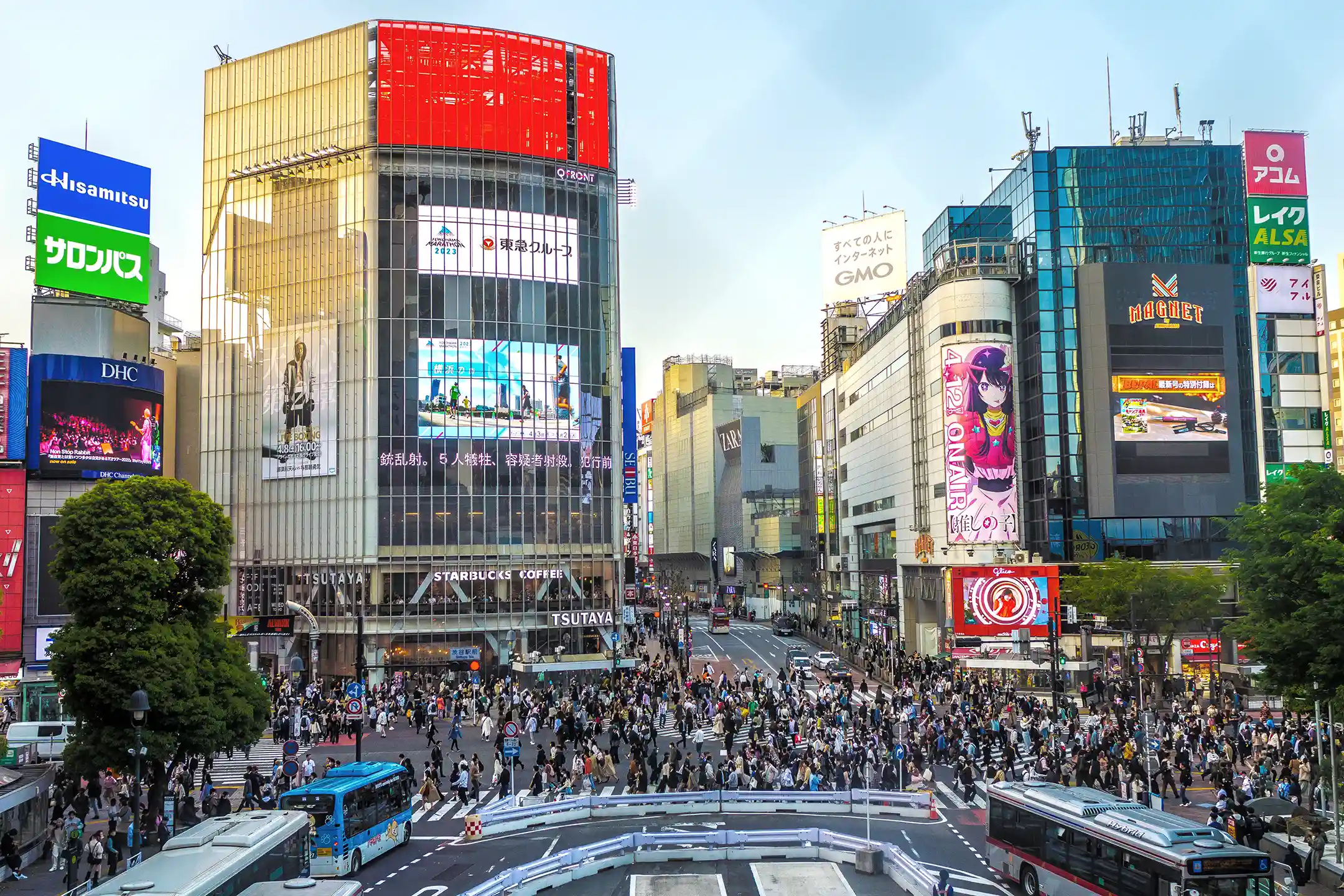
When people search for things to do in Shibuya, the rush of the Scramble Crossing is often the first image that comes to mind. But beyond that spectacle lies a richly layered district that rewards travelers who enjoy context, design, and a more intentional pace. This guide is designed for high-end visitors who want to step away from the loudest lanes and savor Shibuya more deeply—through the lenses of culture, architecture, gastronomy, and sustainability.
As you learn the city’s context, tune in to seasonal events, and seek out quieter corners where tradition and innovation meet, you’ll begin to understand what Shibuya is really about. Now, let’s set off on a journey to uncover the thoughtful experiences tucked just beyond the crowd.
The Big Picture: Things to Do in Shibuya and How to Walk It (History, Redevelopment, Topography)
To enjoy Shibuya at a refined level, the key is to understand how the district was formed, how it functions today, and how to move through it efficiently. Spreading across a basin-like valley, Shibuya has historically grown at the intersection of railways and culture—and in recent years, it has been reshaped by what’s often described as a “once-in-a-century” redevelopment.
Here, let’s explore the context created by Shibuya’s terrain, rail lines, and cultural currents; the new landmarks born from redevelopment; and practical ways for you to walk Shibuya while avoiding the worst of the crowds.
Three Contexts to Understand Shibuya (Topography, Railways, Culture)
True to the “valley” in its name, Shibuya sits in a basin formed by the Shibuya River, and the area around the station lies noticeably lower than the surrounding neighborhoods. When Shibuya Station opened in 1885 (Meiji 18), multiple private railways and subway lines began to converge here, and the terminal station grew into a hub for information flow and cultural expression (*1).
In the early Shōwa period, the privately operated Tōyoko Department Store (the East Building) opened in 1934, becoming a symbol of the city as a pioneering “terminal department store” in the Kantō region (*2). After the war, the Tōkyū Group and Seibu Group competed fiercely, and Shibuya developed a vibrant history as a trendsetting center of youth culture.
The Scramble Crossing is the best-known emblem of that energy—a landmark recognized worldwide—but it’s worth holding onto the bigger picture: Shibuya as an entire district has continually generated diverse cultural movements and scenes (*3).
New Landmarks Born from Redevelopment
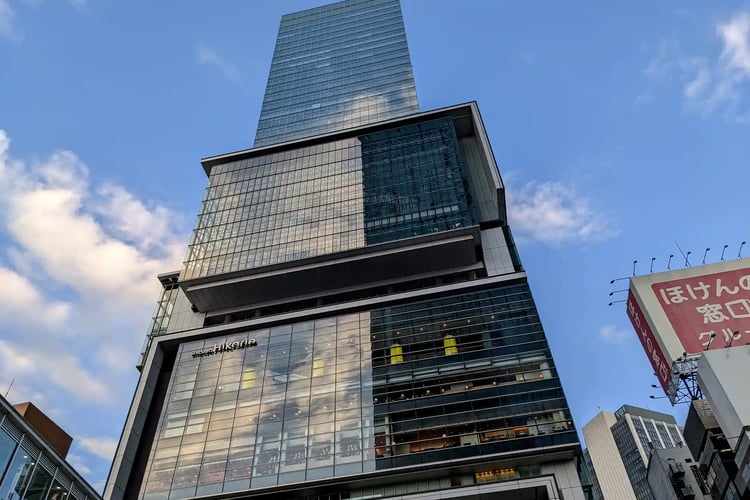
In recent years—especially since the 2000s—Shibuya has undergone full-scale urban redevelopment, and new landmarks have appeared one after another. Shibuya Hikarie (opened in 2012) is a mixed-use tower built on the former site of the Tōkyū Culture Hall; with its glass-clad façade and a wide range of cultural facilities and theaters, it reads like a beacon pointing to the district’s next chapter (*4).
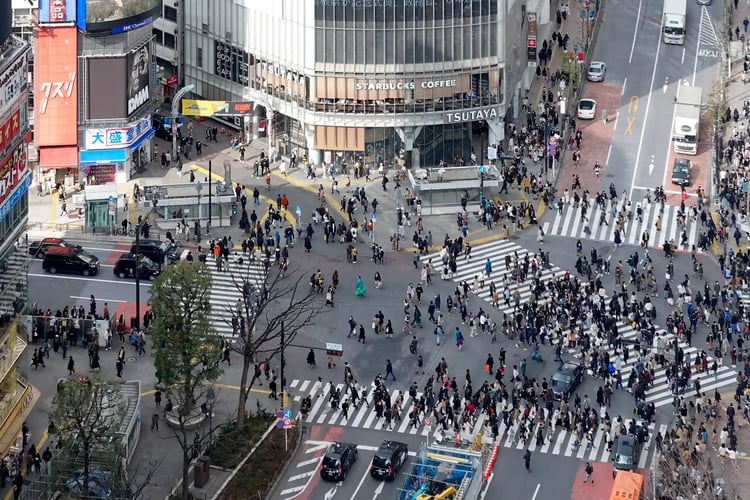
Shibuya Scramble Square (Phase I opened in 2019) rises 229 meters with 47 stories above ground. From its rooftop observation facility, “SHIBUYA SKY,” you can take in a sweeping panorama of Tokyo—and enjoy the distinct thrill of looking down at the Scramble Crossing below (*5).
Shibuya Stream (opened in 2018) revitalized the space along the Shibuya River, creating an inviting area with restaurants and a hotel. Then in 2024, “Shibuya Sakura Stage” in the Sakuragaoka area fully opened, positioned as the last major piece of the long-running redevelopment around the station (*4). These new complexes adopt ideas like the pedestrian network known as the “Skyway,” which connects buildings via decks and bridges, and the “Urban Core,” which concentrates vertical circulation along the exterior of buildings—both designed to make the entire district easier to explore on foot.
Shibuya Station and its surroundings are no longer a collection of isolated points; they’ve become a connected, multi-level network that adds a new layer of comfort to the area’s longstanding bustle.
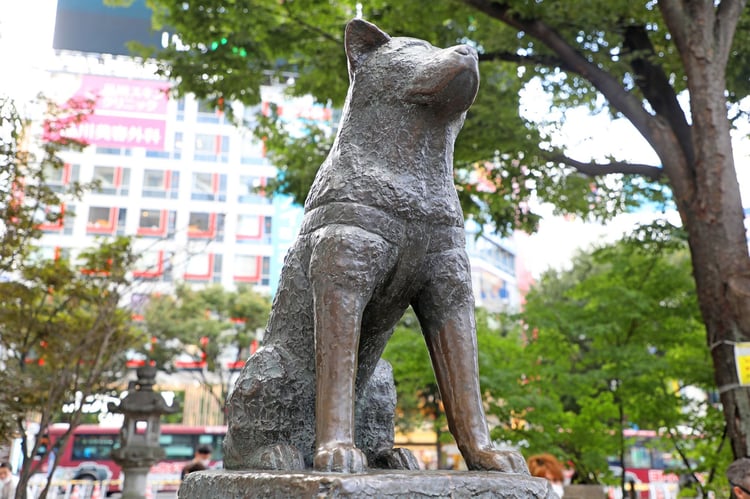
A Model Itinerary to Avoid Crowds (Morning / Afternoon / Night)
If you want to visit thoughtful, culture-rich spots while sidestepping dense crowds, timing and routing make all the difference. In general, early mornings (before most shops open) and late nights draw fewer people—and on weekends especially, mornings tend to be noticeably calmer.
Consider starting your day early with quieter art destinations in more residential areas, such as the Shibuya City Shōtō Museum of Art or the Toguri Museum of Art, then settling into a polished café for lunch. In the late afternoon, head to the Shibuya Scramble Square observatory, “SHIBUYA SKY,” to admire the sunset and (on clear days) the silhouette of Mt. Fuji. At night, treat yourself to dinner at a renowned restaurant where reservations are essential. Afterward, extending your evening to a high-floor hotel bar or a longstanding jazz bar can give you the kind of elevated, unhurried finale that feels made for Shibuya.
If you’re visiting Shibuya on a weekend in particular, you can weave through the district far more comfortably by avoiding the busiest daytime hours and choosing early morning or late-night windows instead (*6). Imagine having popular spots almost to yourself in the crisp morning air, then quietly strolling later under the city’s lights—this kind of pacing, with intentional contrasts, will make your experience of Shibuya feel even richer.
![The Shoto Museum of Art [Shibuya City, Tokyo]](https://blog.bespoke-discovery.com/hs-fs/hubfs/BlogArticles/396The%20Complete%20Guide%20to%20Things%20to%20Do%20in%20Shibuya/The%20Shoto%20Museum%20of%20Art%20%5BShibuya%20City%2c%20Tokyo%5D.webp?width=750&height=500&name=The%20Shoto%20Museum%20of%20Art%20%5BShibuya%20City%2c%20Tokyo%5D.webp)
Shibuya Highlights Through Art and Architecture
In Shibuya, you can satisfy your intellectual curiosity by moving from museum to gallery, and by walking the streets with an eye for distinctive architecture. Step just a little away from the main crowds, and you’ll find sophisticated cultural spots scattered throughout the area—filled with exhibitions and architectural spaces that many visitors overlook. Here, you’ll find guidance on how to tour Shibuya’s art destinations and architectural highlights, along with tips for making the most of an English-friendly private guide.
Museums and Art Spaces
Shibuya may not be packed with massive museums, but it offers a strong lineup of smaller institutions with real character. In the quiet residential streets of Shōtō, the Shibuya City Shōtō Museum of Art stands out for its distinctive exterior of curved walls designed by architect Seiichi Shirai. Since opening in 1981, it has hosted a series of thoughtfully curated special exhibitions (*1).
Nearby, the Toguri Museum of Art specializes in Asian ceramics, with a focus on Edo-period Imari and Nabeshima ware (*2). You’ll also find art spaces inside commercial complexes. PARCO MUSEUM TOKYO on the 4th floor of Shibuya PARCO hosts special exhibitions across a wide range of genres—from painting and fashion to subculture—so each visit can bring a fresh discovery (*3).
Limited-time pop-up exhibitions are another highlight you won’t want to miss. Check the latest listings in advance, and consider adjusting your itinerary to match exhibitions that genuinely align with your interests.
Walking the Architectural Highlights
From near-futuristic towers to celebrated buildings that preserve the texture of earlier eras, Shibuya offers architectural highlights that keep design lovers engaged. Shibuya Scramble Square has become a new symbol of the district, and beyond its observation decks, it’s also worth appreciating for its exterior composition and rooftop structure.
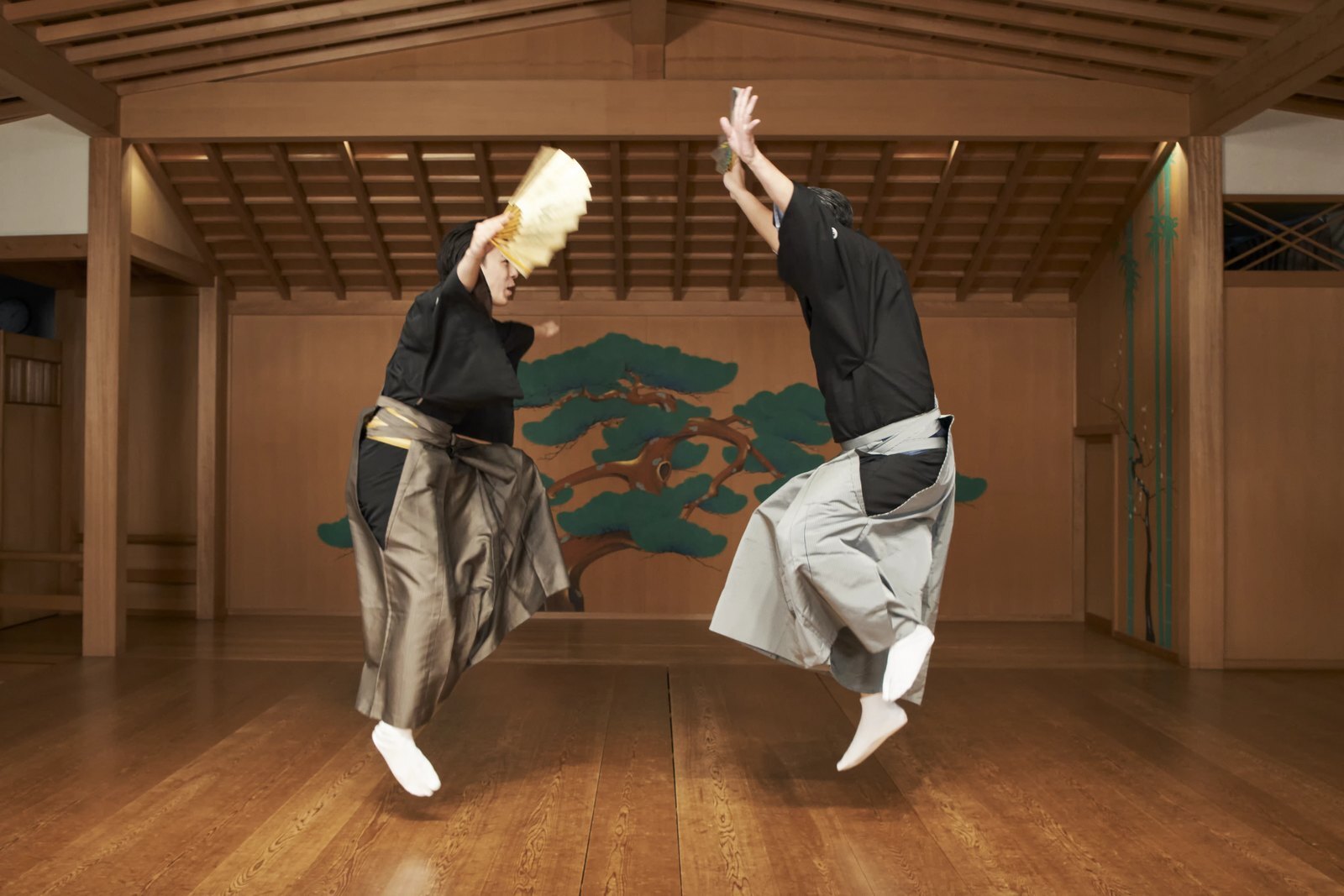
Shibuya Hikarie is a 34-story mixed-use complex that unites a theater, retail, and offices. Its transparent, light-filled façade and the pedestrian network extending both vertically and horizontally are key features (*4). Meanwhile, shaping Shibuya’s skyline since its opening in 2001 is Cerulean Tower—a dignified 41-story high-rise. Inside, you’ll find a Noh theater with a full-scale Noh stage, making it a well-known space where contemporary architecture and traditional performing arts coexist (*5).
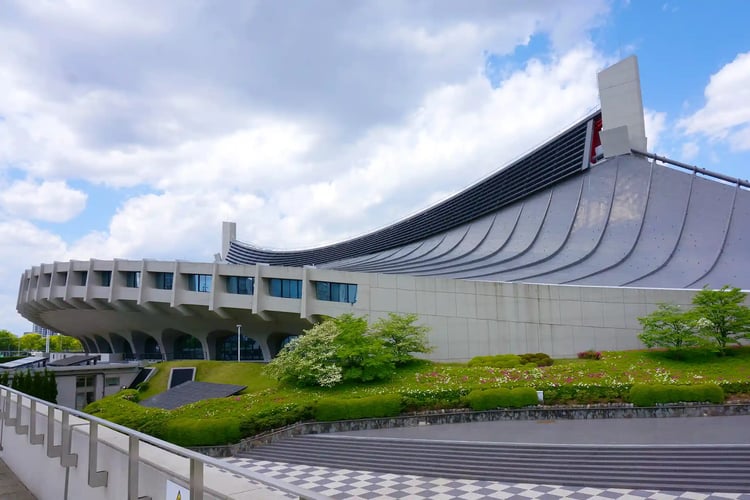
If you extend your walk toward Harajuku, you shouldn’t miss the Yoyogi National Gymnasium First Gymnasium (completed in 1964). It’s a signature work by architect Kenzo Tange, and its suspended roof structure creates an organic form that has been praised as a pinnacle of structural expression in modernist architecture (*6). As you walk through Shibuya, try paying close attention to exterior details and spatial staging—doing so lets you savor the design ingenuity embedded across the city.
Tips for Gallery Hopping
From Shibuya through Jinnan, Harajuku, and Omotesando, you’ll find an area dotted withsmall but high-quality galleries and art bookshops. Along Park Avenue, Shibuya Park Avenue Gallery presents contemporary art and exhibitions featuring artists with disabilities, while design-minded art spaces are also scattered through Jingumae and toward Aoyama.
To tour these spaces efficiently, a great approach is a circulating route: start at Shibuya Station and walk toward Jinnan and Harajuku, stopping in as you go. Because exhibitions change frequently, you’ll want to gather the latest information in advance via Tokyo art listing sites and official social media. Sites such as Tokyo Art Beat let you search exhibitions by area, and if you follow galleries you’re interested in, you can keep track of dates without missing a beat (*7).
If your timing aligns, attending an opening event and listening to curators or artists can be an especially stimulating experience. And if you use an English-speaking private art guide, you can deepen your visits with richer context as you move from gallery to gallery. With a bit of thoughtful research tailored to your interests—and a pace that doesn’t overreach—you’ll be able to enjoy the Shibuya-area art scene to the fullest.
Shibuya’s Intellectual Experiences Chosen by Season
In Shibuya, the city’s mood shifts with the seasons, and leaning into the events and scenery unique to each time of year adds depth to your trip. Here are suggestions for how you can spend spring, summer, autumn, and winter in a more thoughtful way. By incorporating natural elements and climate into your plans—and paying attention to what you pack and wear—you’ll enjoy experiences that feel both comfortable and memorable. Event schedules can vary by year, so don’t forget to confirm details in advance.
Spring—Cherry Blossoms and an Architectural Walk
In springtime Shibuya, it’s especially rewarding to combine cherry-blossom viewing with an architectural stroll. Yoyogi Park is an expansive green space that hardly feels like it belongs in the city center; across its roughly 540,000㎡ grounds, about 600 to 700 cherry trees bloom in full glory (*1).
As you walk beneath tunnels of blossoms, try turning your attention to the exteriors of the nearby NHK Broadcasting Center and the Yoyogi National Gymnasium. The forms of modern architecture set against fresh greenery feel exceptional—especially the contrast of the gymnasium’s suspended roof against a blue sky and soft pink blossoms, which makes for a superb photo spot. If you walk while noticing façade materials and landscape design, the beauty of the sakura will deepen your architectural appreciation even further.
Because spring weather is typically mild and ideal for walking, dress lightly for daytime outdoor strolling, choose comfortable shoes, and consider carrying a hat to shield you from the sun.
Summer—Night Museums and Classic Cafés That Feel Refreshingly Cool
In summer Shibuya, it helps to plan your activities for after late afternoon, avoiding the daytime heat. For example, the Shibuya City Shōtō Museum of Art sometimes offers late opening hours on Fridays, letting you linger over excellent works in a comfortably cool interior (*2).
With longer daylight hours, it can also be a pleasure to take a short walk through the city at dusk after the museum closes. For a refreshing break, settle into a longstanding kissaten (classic Japanese café). Shibuya is dotted with cafés that still carry a nostalgic Shōwa-era atmosphere, where you can enjoy carefully prepared iced coffee brewed via nel drip, or shaved ice served in beautifully cooling vessels.
Summer clothing can be light, but because air-conditioned museums and indoor facilities can feel chilly, you’ll be glad to have a layer to throw on. If you carry a compact folding umbrella, you’ll also be prepared for sudden showers.
Autumn—Make Design and Art Festivals Your Anchor
In Shibuya during the artistic season of autumn, immerse yourself in district-wide design and art festivals. Around October each year, major events such as “DESIGNART TOKYO” take place across Omotesando, Harajuku, and Shibuya—among the largest design-and-art events in Japan (*3).
Your familiar Shibuya can transform into something like a giant, open-ended museum. Galleries and shops host opening events, and you can enjoy the lively challenge of hopping between multiple exhibitions in a single evening. To cover ground efficiently, carry a map, grasp the venues by area, and head out in walkable shoes that make moving between neighborhoods effortless.
Autumn weather tends to be stable, making it an ideal season for art appreciation. Bring a light jacket to handle the temperature difference between day and night, and enjoy an art-focused city walk that truly sparks your senses.
Winter—Illuminations and Quiet Museum Time
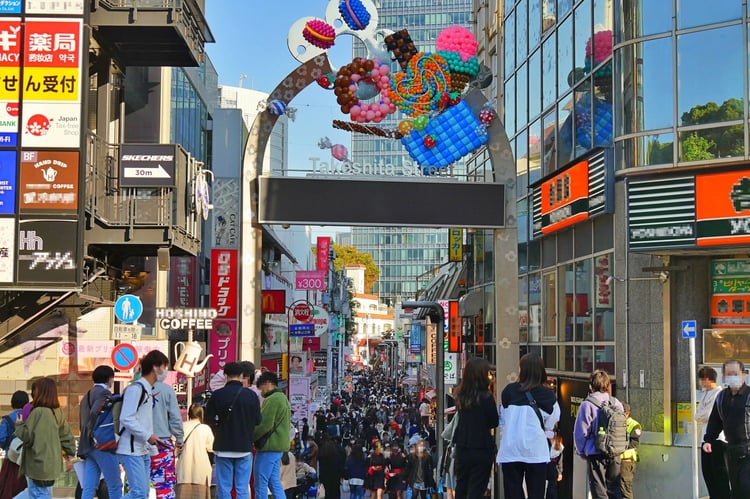
In winter Shibuya, try pairing glittering illuminations with unhurried indoor cultural experiences. “Ao no Dokutsu SHIBUYA” is a seasonal tradition, lighting up roughly 900 meters from Shibuya Park Avenue to the zelkova-lined path in Yoyogi Park with around 600,000 blue LED lights (*4).
When photographing, watch for camera shake; if you can, adjusting your shutter speed can help you capture beautiful trails of light. On particularly cold nights, it’s wise to wrap up your outdoor time early and shift to an indoor culture plan.
For instance, you might visit a museum in the evening—often relatively quiet—so you can take your time with paintings, then move on to a hotel bar lounge or a hidden jazz bar to savor a warm drink or a glass of whisky. Why not make that your winter-only course?
Many high-quality bars are meticulous about lighting and music, and the time you spend quietly raising a glass while looking out at the lights beyond the window can become a genuinely warming experience—one that feels uniquely “winter Shibuya.” Dress warmly, choose shoes with good traction, and enjoy a safe, comfortable winter night.
Eating in Shibuya: Refined Restaurants, Cafés, and Bars
Dining while traveling is part of understanding culture. In Shibuya, you’ll find excellent restaurants across genres, along with polished cafés and bars scattered throughout the district. If you keep basic etiquette in mind—how to reserve, dress codes, cancellation policies—and approach everything from choosing a venue to engaging with service as an intellectual pleasure, your culinary experiences can become even more rewarding.
Here, you’ll find key points for savoring quality across different scenes: lunch, early evening, night, and café time.
Lunch—Beautiful Plates and Daytime Drinks
Even in the middle of the day, you can spend a richly satisfying time with dishes plated as beautifully as artworks—paired with a light daytime drink. Try paying attention to the tableware as well. Many well-known restaurants in Shibuya use carefully chosen vessels from specific regions, such as Arita ware or lacquerware, creating harmony between cuisine and craftsmanship. The interplay between plating and tableware is often treated as a key element that heightens a dish’s appeal (*1).
With a course meal, it’s also worth consulting the sommelier or a sake specialist and trying a pairing. As you taste and learn—red wine with meat, white wine with delicate appetizers, and so on—your meal can naturally evolve into a more layered experience.
Even for lunch, aim for a polished business-casual look, and if needed, let the restaurant know in advance about allergies or ingredients you avoid. It’s a small gesture that reads as quietly competent.
Early Evening—Reservation-Only Standouts and Hidden Retreats
At dinnertime, Shibuya offers a wide range of options, from reservation-only celebrated restaurants to calm, discreet hideaways. In top Japanese restaurants—sushi or kaiseki, for example—counter seating is often the norm, and there’s a particular pleasure in enjoying delicate seasonal dishes while watching the chef’s hands at work.
Meanwhile, in French or innovative restaurants, it’s common to relax in a private room or at a table while attentive service unfolds over a longer meal, often paired with wine. Choose based on your preferences, and enjoy conversation with the chef or sommelier as part of the experience.
The more high-end the restaurant, the stricter the dress codes and reservation rules tend to be. Cancellation policies in particular deserve your careful attention: it’s not unusual to see examples like 100% of the course price for same-day cancellations and 50% for the previous day (*2). In places like Edomae sushi restaurants that require days of preparation, last-minute cancellations can have an especially large impact—so contacting the restaurant early is considered proper etiquette (*3).
When you book, communicate allergies or dislikes in advance, and be sure to read confirmation emails and guidance from the restaurant. For attire, smart casual is a strong baseline: for men, a collared shirt and jacket; for women, an outfit that isn’t overly casual.
Night—Authentic Bars and Time with Jazz
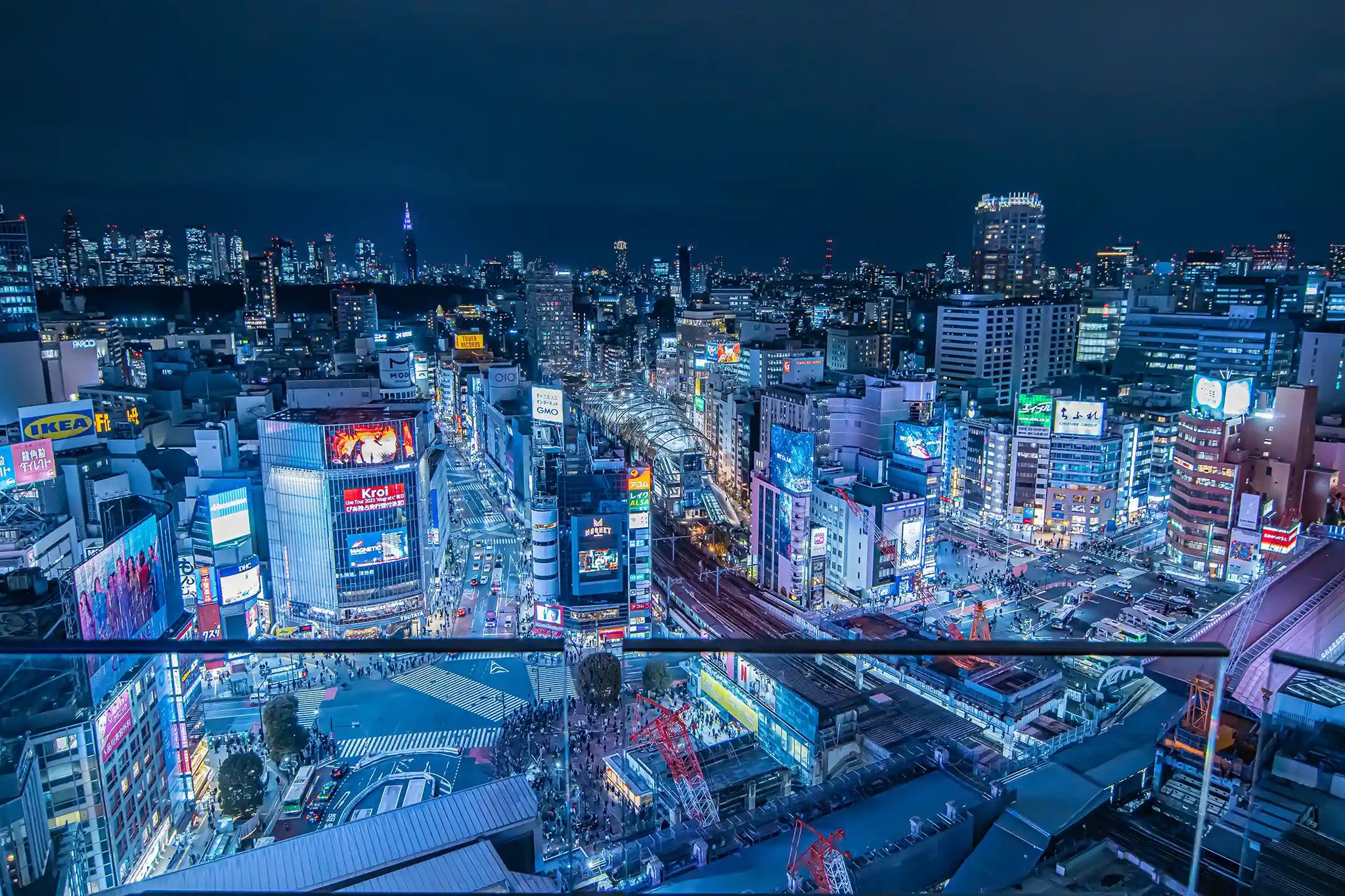
After dinner, Shibuya’s adult side truly comes into its own. In high-floor hotel bar lounges, you can enjoy quiet conversation while looking out at the city’s nightscape through the windows. Some bars set a dress code, and if you want to fully savor the calm atmosphere, choosing an elegant outfit is a good move. The luxury of asking a bartender to craft something tailored to your tastes, or slowly appreciating a well-aged single malt, can be a deeply sensorial experience.
Shibuya also has record bars and longstanding jazz clubs that music lovers speak highly of. Spending time with a drink while listening to the warm tones of analog records can become a special kind of night you simply won’t replicate elsewhere.
In venues with live performances, you may need to pay a music charge (an entrance fee), but the immediacy is well worth it. For late-night travel, consider taking a taxi, and enjoy your drinks in moderation—keeping adult manners in mind as you experience Shibuya’s nightlife.
Cafés—Spaces Where Work and Rest Coexist
Shibuya’s café culture is wonderfully varied, with many comfortable spaces that work equally well for taking a break or getting things done. In cafés devoted to house-roasted coffee, power outlets and free Wi‑Fi are often available, and on weekday afternoons it’s not unusual to see businesspeople working on laptops.
At the same time, you’ll find cafés specializing in Japanese tea, as well as modern “wa cafés,” where you can enjoy matcha or sencha in a calm setting. Some even offer simple tea workshops in English, teaching you in a mini-lesson format how to whisk matcha and understand the tools involved.
In backstreets, you may also discover book cafés and cafés attached to galleries—where you can pause in luxury while browsing art books.
When using cafés, keep a few manners in mind: avoid occupying seats for too long, stay mindful of other guests by keeping your volume low, and follow any posted guidance about outlet use. If you want to use outlets or Wi‑Fi, asking first—and offering your seat when it’s crowded—are small courtesies that help you share the space comfortably with locals as a traveler.
What to Buy in Shibuya: Design, Craft, and Fashion
If you’re visiting Shibuya, you’ll likely want to take home something truly good—something you can keep using for years as a lasting reminder. Investing not in mass-produced items, but in pieces where design and craftsmanship shine, can be a real key to a richer daily life. Shibuya offers everything from flagship stores and concept shops for domestic brands to vintage specialists and standout art book stores, making a wide spectrum of shopping possible.
Here, you’ll find key points on design goods and folk craft, fashion and accessories, vintage and art books, and finally the essentials of tax-free procedures and shipping.
Design Goods and Folk Craft
Shibuya is a shopping area where excellent items from across Japan gather, including shops that handle crafts and folk art from different regions. “rooms Ji-Ba” in Shibuya Hikarie is a curated shop selecting about 50 brands of traditional crafts, folk items, and creator-made pieces under the concept of “Connecting Japan’s Sensibility.” You’ll find refined local products presented through a distinctly thoughtful, modern lens (*1).
Here, you can pick up daily goods and interior accessories that highlight regional materials and techniques—creating a shopping experience that feels like traveling across Japan through objects. About once a month, the shop also hosts themed exhibitions and sales, as well as demonstrations by artisans, giving you opportunities to see the making process up close.
If you find a favorite piece—woodwork, lacquerware, ceramics, or something else—try asking staff about the maker’s story. In some cases, you may even be able to connect directly with the creator, deepening your attachment to what you buy. Prices may be higher, but tools and objects that grow more beautiful with use can stay with you for a long time, carrying your travel memories into everyday life.
Fashion & Accessories
As a center of trend creation, Shibuya offers fashion ranging from cutting-edge to classic. If you’re looking for high-quality clothing and accessories, consider visiting not only flagship stores of domestic and international brands, but also specialty shops that offer bespoke or semi-custom services. For example, in shops specializing in made-to-order men’s shoes or bags, you can measure your feet, choose materials, and talk with artisans as you create a one-of-a-kind piece.
High-quality basics that blend Japanese and Western styling are also worth your attention. A stole using Kyoto dyeing techniques, or a jacket lined with Aizu cotton—items that integrate traditional materials into modern design—can make ideal gifts for a well-traveled, culturally curious person (including yourself). Many fashion stores in Shibuya have staff who can assist in English, so feel free to ask about materials and care while you choose something you genuinely feel good about.
Vintage & Art Books
Shibuya is also home to shops dealing in vintage classics, as well as high-quality used bookstores and art book stores. In specialist boutiques for luxury vintage watches or brand bags, you may come across rare finds in excellent condition.
When you buy, confirm authenticity documentation and warranty details; if you care for your purchase properly, the appeal also includes the possibility of maintaining long-term value. In bookstores specializing in art books and photography collections, you’ll find museum catalogues and rare volumes from around the world—perfect for discovering a single book that genuinely excites your sensibilities.
Because paper books can deteriorate, covering them with clear protective film and watching humidity can help them last. If you purchase an expensive collection, it’s wise to request careful packaging to protect against impact during transport, and to add insurance for overseas shipping if applicable.
Since vintage items and used books are often one-of-a-kind, you’ll also need the decisiveness to act when something speaks to you. Treasure the encounter in that moment, and enjoy collecting Shibuya-only finds.
Tax-Free and Shipping Procedures
For travelers from overseas, it’s also helpful to understand tax-free shopping procedures in Japan. Many large stores in Shibuya are registered as tax-free shops, and if your purchase total reaches at least 5,000 yen (excluding tax) per store per day, tax-free treatment may apply—depending on item category and conditions (*1).
When you present your passport at the tax-free counter, procedures can differ by store and item type. For certain categories (especially consumables), purchases may be sealed in designated bags and treated as items to be taken out of Japan, so it’s important to follow the store’s instructions and confirm the latest guidance on what can be opened or used before departure. If you plan to ship items internationally, confirm in advance whether the store offers overseas shipping and how it is handled from a tax perspective, as rules and operational practices can change (*2).
If you buy large items or multiple “wins,” consider using delivery services while confirming you remain within the tax-free scope. Some stores support overseas shipping; check shipping fees and insurance costs before requesting the service. Because tax-free and shipping procedures can take time, give yourself plenty of margin—so shopping stays enjoyable rather than rushed.
Where to Stay: Spend the Night in Art and Design Hotels
In Shibuya, your hotel stay isn’t only for recovering from travel—it can also be a place where you actively enjoy art and design. From globally recognized luxury brands to distinctive boutique hotels, Shibuya offers a range of accommodations, many with robust English-language service and concierge support.
Your room environment—views, quietness, and overall comfort—also becomes an important standard for choosing. Here, you’ll find introductions to representative luxury and design hotels, followed by tips on selecting suites and higher-floor rooms.
Luxury Hotel: Cerulean Tower Tokyu Hotel
One of Shibuya’s signature luxury hotels is the Cerulean Tower Tokyu Hotel. Despite its convenient location near the station, the views from its upper floors are outstanding—you can look toward the skyscrapers of Shinjuku’s subcenter and, in the distance, even Mt. Fuji.
The service level is exceptionally high. In the dedicated executive lounge, complimentary breakfast, afternoon tea, and cocktail-time drinks and hors d’oeuvres are provided, letting you enjoy your stay with a distinctly VIP feeling (*1). The hotel also offers a fitness gym and a spacious spa (large bath facilities) that feels almost surprising for central Tokyo—perfect for unwinding after a day out.
If you book a room with club lounge access, you can also enjoy more personal support from dedicated staff and the convenience of private check-in/check-out. At the concierge desk, you can request restaurant reservations and transportation arrangements in English, and attentive hospitality will help meet a wide range of needs throughout your stay.
Design / Boutique Hotel: TRUNK (Hotel)
If you want your stay to feel distinctive and creative, the boutique hotel “TRUNK (Hotel)”—highly regarded in recent years—is an excellent choice.
Tucked into a backstreet in the Shibuya/Jingumae area, the hotel condenses refined design into an intimate, carefully curated space. Throughout the interiors, you’ll find craftsmanship from across Japan; the lobby lounge, where upcycled-material furniture and contemporary art sit in harmony, feels especially comfortable and inviting (*2).
With a small number of guest rooms—and different layouts and interiors from room to room—you’ll find something fresh each time you stay. The small scale keeps the atmosphere quiet and private, while the staff are friendly, multilingual, and attentive to each guest as an individual.
The property also includes a popular café & bar and a shop, and it functions as a social spot where locals gather as well. In an atmosphere that large hotels can’t replicate, you can enjoy a stay where Shibuya’s local character and an international sensibility naturally come together.
How to Choose Suites and Higher Floors
Finally, here are a few room-selection points worth keeping in mind when you book. If your priority is the night view, request the highest floor possible or a corner suite if available. Rooms overlooking the Shibuya Scramble Crossing, or rooms facing the direction where the lights of Tokyo Tower or Tokyo Skytree sparkle in the distance, are especially popular.
On the other hand, if you want a quieter environment, choosing floors away from nightlife-heavy areas, or selecting a room farther from the elevators, can reduce the risk of noise. If you communicate requests like “prefer a higher floor” or “prefer a quiet room” at booking, the hotel will often accommodate as much as possible.
Also, when you stay on a club floor or in a suite, you may receive perks such as lounge access and late checkout, which can make your stay feel more spacious and relaxed. If you choose your room type based on your travel purpose and companions, your nights in Shibuya can become even more memorable.