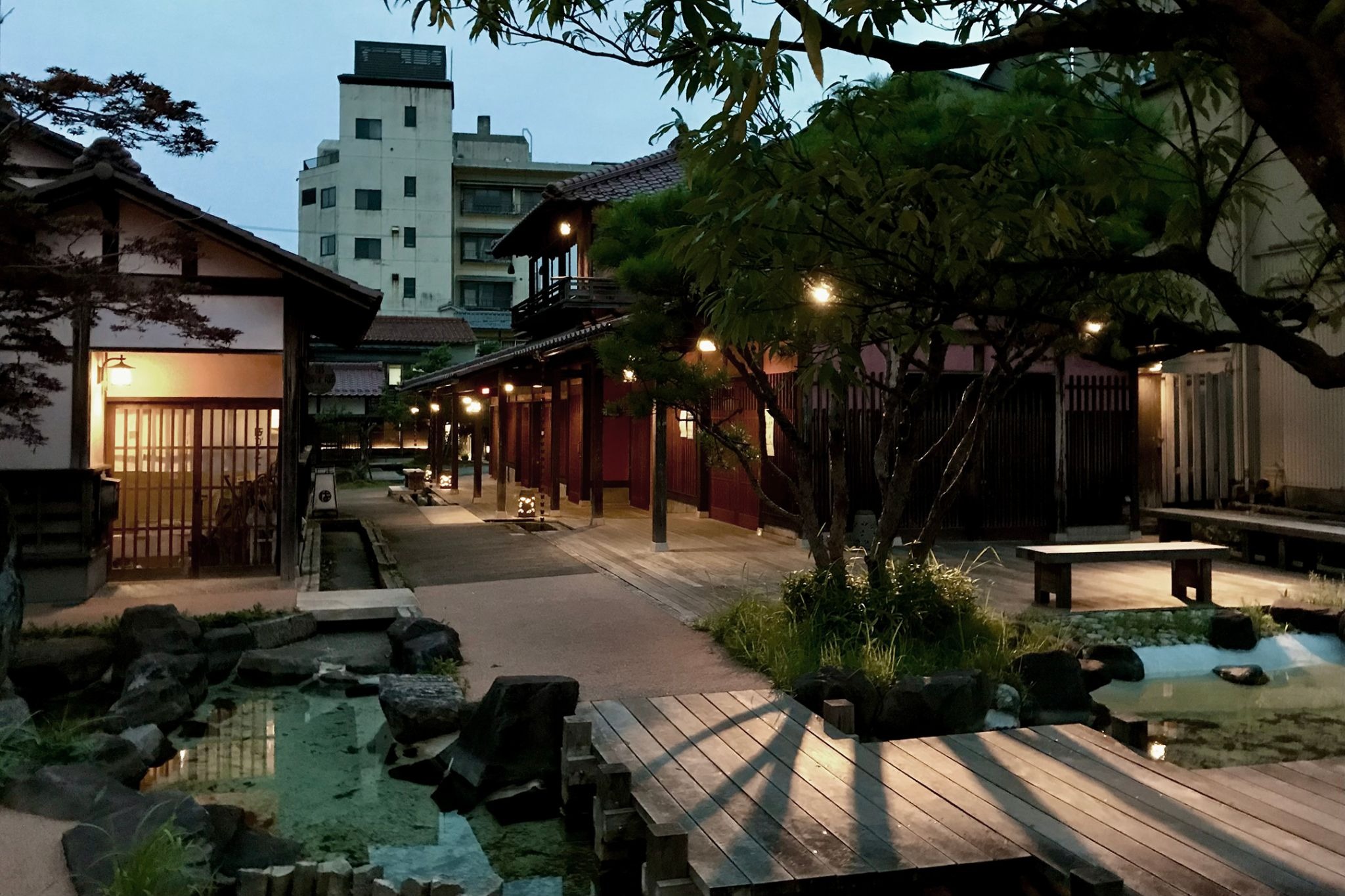
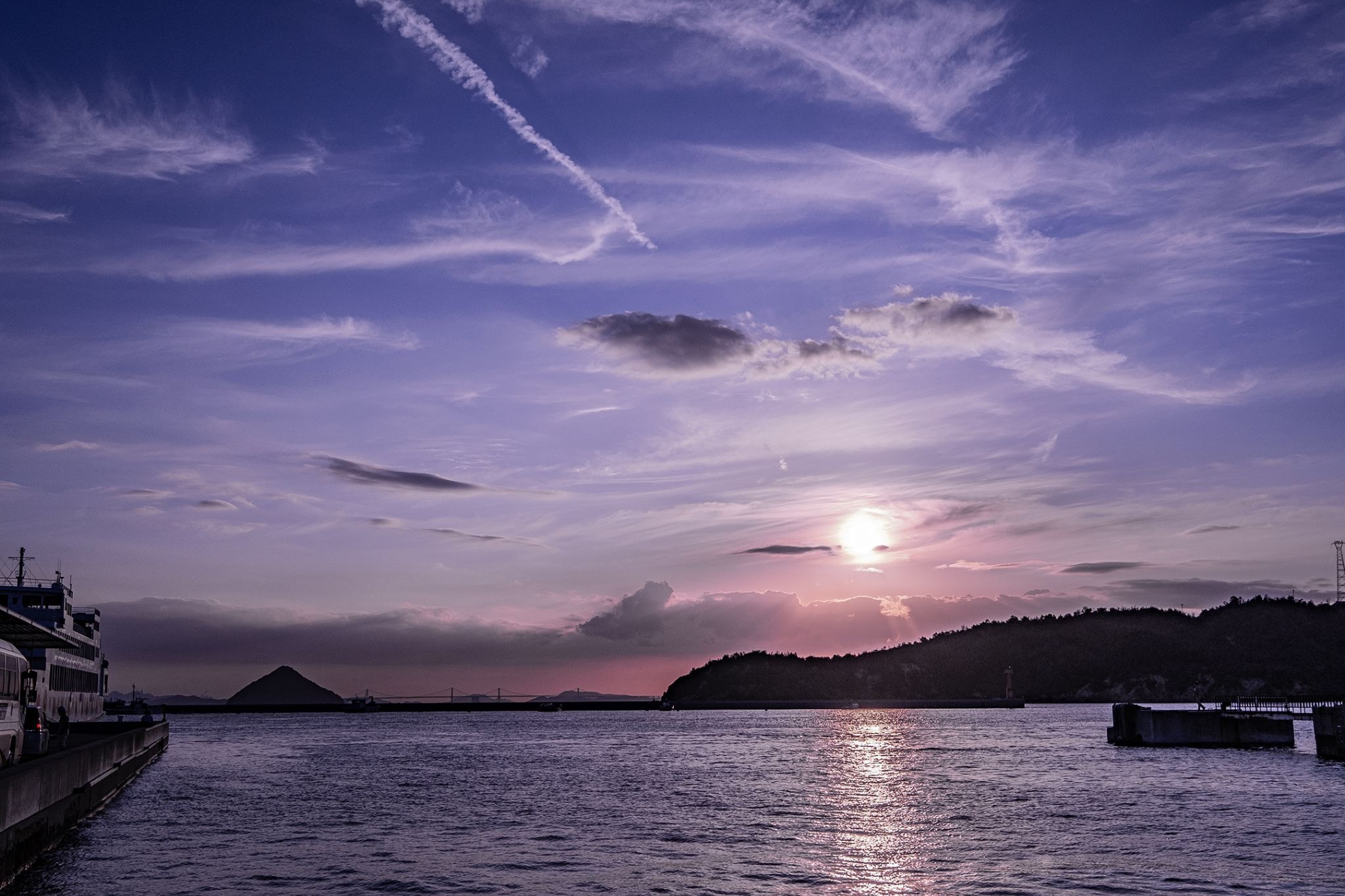
As your wedding anniversary, a milestone birthday, or another meaningful moment approaches, you and your partner may be dreaming of spending exquisite time at a Japanese onsen ryokan. This guide is for you. It covers everything from the basics of onsen ryokan and the appeal of private onsen, to seasonal highlights, how to choose the right area, model itineraries, and ways to savor meals and drinks—comprehensively and clearly. If you’re beginning your research with search terms like “japanese ryokan with private onsen,” you’re in the right place.
By understanding the key points for an elevated ryokan stay, you’ll find practical, real‑world hints to turn your anniversary trip into an unforgettable memory.
What Is an Onsen Ryokan? Essentials and Allure (Luxury Perspective)
A Japanese “onsen ryokan” is an accommodation where you can immerse yourself in natural hot spring waters while appreciating the aesthetics of traditional Japanese design. By law, an onsen refers to warm water, mineral water, steam, and similar resources that naturally emerge from underground with a source temperature of at least 25°C, or that contain specified mineral components (*1). There are ten principal spring types—such as simple springs and sulfur springs—each long reputed for benefits like softening the skin or soothing minor aches.
In practice, the thermal effect of hot spring bathing promotes circulation, supporting recovery from fatigue and easing discomfort. Components such as sulfur or carbonic acid in the water are also said to condition the skin and enhance relaxation (*2).
In recent years, scientific research has advanced to examine health effects by spring type. For example, bathing in sodium bicarbonate springs has been shown to increase beneficial gut bacteria, among other distinct actions depending on the water’s composition (*3). This growing medical evidence underpins the enduring appeal of onsen.
A ryokan, meanwhile, is a uniquely Japanese style of lodging, distinct from Western hotels. Guest rooms at onsen ryokan typically feature tatami flooring with futon bedding and interiors unified with natural materials such as wood and washi paper. Gentle light filtering through shoji (paper sliding doors) and a tokonoma alcove adorned with seasonal flowers embody a consistent Japanese sense of beauty throughout the space.
These settings—together with the experience of gazing at seasonal scenery from a steam‑kissed open‑air bath—create a restorative sense of escape. Another hallmark of ryokan is attentive omotenashi (hospitality) by the okami (proprietress/manager) and nakai‑san (attendants).
You may be welcomed with matcha and sweets, enjoy in‑room check‑in with your luggage carried to the room, have courses served at dinner, and later return to find your futon laid out for the night (turndown).
These are more than mere services—they’re thoughtful gestures intended to craft a special time for you, elevating the value of a luxurious stay.
Analyses of ryokan guest satisfaction point to staff attentiveness, dinner and breakfast quality, the hot springs themselves, and room comfort as major influences (*4). The true appeal of onsen ryokan lies in delivering high quality on both fronts: hard (facilities) and soft (hospitality).
If it’s your first time in an onsen, it helps to know basic bathing etiquette. Public onsen areas are typically gender‑segregated. Before soaking, wash thoroughly at the washing stations and rinse off (kakeyu, a pre‑rinse) before entering the tub. Tie up long hair and avoid dipping towels into the water.
Hydrate before and after bathing, and for safety, avoid entering immediately after a meal, after drinking alcohol, or staying in for too long (*5). If you have cardiovascular or other health conditions, consult a medical professional in advance.
When exiting the bath, rise slowly to prevent lightheadedness, keep your body warm after bathing, and rest quietly (*5).
If you’re staying multiple nights and bathing repeatedly as a therapeutic routine (toji), you may very occasionally experience mild “bath fatigue” (light dizziness or trouble sleeping). In that case, simply reduce frequency and monitor how you feel (*5). With a little etiquette and awareness, you can relax fully and enjoy your onsen ryokan stay.

What Are Japanese Ryokan with Private Onsen? Types and How to Choose
“Private onsen” means you enjoy the bath without sharing the space with other guests. Depending on the ryokan, you may see terms like “kashikiri‑buro” or “kazoku‑buro” (family bath); both indicate an exclusive‑use bath you reserve for a set period.
You typically book a time slot—often 60 to 90 minutes (*1). Some baths are fee‑based depending on size and features, though certain plans include them at no extra charge. The greatest charm of a private onsen is the freedom to soak without self‑consciousness. Couples savor uninterrupted time together, and families with small children can relax without worrying about others, creating both a special mood and peace of mind (*2).
Private use also benefits guests with tattoos, as well as older travelers or those with mobility challenges who wish to bathe without concerns. Policies vary by property, so check in advance. In recent years, more private baths have been outfitted with handrails and other barrier‑free features.
Type‑by‑Type Comparison of Japanese Ryokan with Private Onsen (In‑Room Open‑Air Bath / Timed Private Bath / Detached / Villa)
① Guest rooms with open‑air baths offer exactly that—each room comes with its own onsen (open‑air or indoor). From check‑in to check‑out, you can bathe whenever you like in complete privacy.
If the room affords a view, you might slip into the bath beneath a starlit sky or watch daybreak at dawn—pure indulgence for special trips like anniversaries. Rates tend to be higher for this category.
② Timed private baths (exclusive‑use bathing areas) are separate from the main public baths and are used by reservation. You request your preferred time on arrival or in advance, and the front desk assigns a slot based on availability. While these baths are often small to medium in scale, some are luxuriously appointed with open‑air tubs (*3).
Depending on the property, there may even be very large private baths that accommodate ten or more people, or characterful spaces with free‑flowing spring water—great for couples and for small groups. Note that usage time is limited and prime hours book early, so reserve ahead (*3). Some private baths lack washing stations, so check facilities in advance.
③ Detached “hanare” or villa types feature stand‑alone guest houses within the ryokan grounds. Many include a private indoor or open‑air bath, and the separate layout means you enjoy complete privacy with minimal contact with other guests. Styles vary from classic Japanese folk houses to contemporary luxury villas, but all share the appeal of a quiet environment removed from other rooms.
For couples celebrating a milestone, the experience feels like staying at your own private retreat. Pricing often reaches luxury‑hotel levels, and popular properties can be hard to book.
Design Elements That Elevate Privacy
When choosing a ryokan with private onsen, consider how the layout supports privacy. Detached suites are commonly set away from the main building, with dedicated entrances and pathways designed to minimize encounters with other guests. Open‑air baths that screen sightlines from the surroundings while leaving the sky open give you both a view and privacy.
If dinners and breakfasts can be served in your room, you can spend your entire stay unhurried and unobserved. Slip into your in‑room bath whenever you like and celebrate at your own pace—this kind of private stay makes life’s milestones feel even more memorable.
Quiet hours late at night or early in the morning are especially atmospheric for private baths. Keep these points in mind and choose the property that offers the style in which you feel most at ease. Also confirm whether the in‑room bath is supplied by natural spring water or heated tap water, as this varies by property.

How to Choose an Onsen Ryokan (Area, Season, Location)
When selecting an onsen ryokan, think about which region it’s in, what season you’ll visit, and what kind of surroundings (scenery) it offers. These angles help you find a destination that matches your ideal.
For area, balance travel time against the scenery you want. Onsen towns close to major cities mean less transit and easy sightseeing, though you may be near streetlights and buildings with more limited nature. By contrast, farther hot spring areas—deep in the mountains or on remote islands—often deliver pristine nature and, at night, a sky full of stars.
If you drive a few hours to a solitary inn in the woods, you’ll leave the urban buzz behind and bathe in clear, quiet air. Stay in an onsen town within walking distance of a Shinkansen station, and you can pair sightseeing and shopping with hot springs without travel stress. Choose your area based on your trip’s purpose (deep relaxation or active sightseeing) and schedule.
Location also shapes the mood. Seaside hot spring towns offer invigorating morning soaks with the sea breeze and sunrise on the horizon. Mountain hideaways deliver forest‑bathing vibes with birdsong and a murmuring river as your soundtrack.
Soaking along a gorge frames dramatic cliffs and waterfalls; lakeside inns set the scene for moonlit reflections at night. Part of the fun is asking yourself, “What do I want to look at while I’m in the bath?” and choosing accordingly.
%20in%20Winter.webp?width=800&height=533&name=Tsurunoyu%20Onsen_s%20Taenoyu%20(Semboku%20City%2c%20Akita%20Prefecture)%20in%20Winter.webp)
Best Private‑Onsen Moments by Season
One of onsen’s great joys is savoring nature across the four seasons. Private onsen make certain seasonal moments truly shine. In winter, nothing tops a snow‑viewing open‑air bath (yukimi‑buro). Blanketed in white with steam rising around you, the outdoor bath becomes a once‑a‑year dreamscape (*1).
In the crisp cold, the hot water warms you to the core, and watching snowflakes drift down brings a tranquil sense of escape. Nights are especially romantic: the air is clear, stars twinkle brighter, and a bath surrounded by snow and starlight feels beyond words.
In spring, bathing beneath cherry blossoms is pure delight. Lean back and gaze up at the blooms—an elegant way to forget everyday noise (*2). Soft spring light and petals dancing on the water turn your soak into a gentle, restorative moment.
In summer, fresh greenery and the night sky take center stage. In half‑open baths encircled by leaves, the scent of the woods and a light breeze feel wonderful; cicadas provide the daytime chorus, while a canopy of stars accompanies you at night. In highland resorts, you can cool off and look up at the Milky Way from your private bath—memories in the making.
In autumn, don’t miss the colors. Open‑air baths ringed by foliage look like living paintings. A single leaf settling on the water’s surface captures the season’s passage and quiet emotion. Come night, some baths spotlight the leaves, creating a dreamlike scene.
Weather also sets the tone. On a rainy day, choose a semi‑open private bath: rain on the roof becomes a soothing soundtrack, and the garden’s deepened greens feel evocative through the curtain of rain. The contrast between cool raindrops on your skin and the warm water is unexpectedly refreshing, bringing a different kind of relaxation.
Instead of visiting only for clear‑day views, seasoned travelers sometimes time their trips for rain or snow. Picture the best private‑onsen moments woven from season and setting, and let that guide when you book your anniversary getaway.
Japan’s Top 3 Onsen Destinations (Focusing on Ryokan Known for Private Onsen)
Japan is full of alluring hot spring areas. Here are three especially well‑suited to stays with private onsen—easy, reliable choices even for your first ryokan trip and perfect for an important celebration. If your priority is finding a japanese ryokan with private onsen, each of the following delivers a distinct vibe; choose the one that matches what you’re after.
Top Pick 1: Hakone Onsen Ryokan (Abundant Options for Private Onsen)
Within day‑trip range of Tokyo, Hakone is one of Japan’s premier hot‑spring resorts. Across its 17 onsen villages, roughly 25,000 tons of water flow daily, with nearly 20 varieties of spring quality—earning Hakone the nickname “department store of hot springs” (*1).
From sulfur springs to chloride springs, the therapeutic variety thrills onsen lovers. You’ll find everything from storied ryokan to modern luxury hotels, many offering plans with private baths or rooms with their own open‑air onsen.
Access from the city is easy, yet the grand scenery—views of Lake Ashi and, in places, Mount Fuji—is a draw. Hakone makes it simple to balance sightseeing and soaking. Some ryokan also help arrange anniversary touches like cakes or bouquets, making it easy to set the stage for your special day.
For couples in the Tokyo area, Hakone is a classic first choice—so dependable it’s often said, “When in doubt, start with Hakone.”

Top Pick 2: Hokkaido Onsen Ryokan (Epic Nature × Private Open‑Air Baths)
Hokkaido’s vast landscape is dotted with renowned springs, and the joy here is combining hot springs with sweeping nature. Noboribetsu Onsen, in particular, is famous for an exceptional range of sources—sulfur, saline, iron, and more—making it a “department store” of onsen in its own right, with generous flow and diverse benefits (*2).
Soaking in milky sulfur waters while looking out at Jigokudani (Hell Valley) with its volcanic steam is a powerful, place‑specific experience. In deep winter, many travelers come specifically for snow‑viewing baths—Hokkaido lets you enjoy a winter resort and hot springs at once.
High‑end properties with private open‑air baths are increasingly common. Around Lake Toya and in the Niseko area, you’ll find villa‑style suites with private baths facing lakes or mountain ranges. Under the vast night sky, stargazing from your own bath is unforgettable. Do note that winter travel involves snow and cold‑weather driving—pack warm layers and build in extra time. Across the seasons, Hokkaido’s onsen regions change character, making them ideal for nature‑loving couples.
Top Pick 3: Onsen Ryokan Around Kyoto (Cultural Experiences with a Private, Unhurried Feel)
The ancient capital of Kyoto is a world‑class cultural destination, and there are also smaller, atmospheric hot springs in the vicinity. Within the city you’ll find places such as Arashiyama Onsen and Kurama Onsen, the latter having reopened in November 2024, albeit on a modest scale. To pair culture and hot springs more fully, consider venturing a bit farther.
Though closer to Osaka/Kobe, Arima Onsen (Hyogo Prefecture) is accessible from Kyoto and is counted among Japan’s “Three Ancient Springs.” You can enjoy two distinct waters known as “kin‑sen” and “gin‑sen,” and many luxury ryokan offer private baths or rooms with open‑air onsen.
Also reachable by train from Kyoto, Kinosaki Onsen (Hyogo Prefecture) is famed for strolling among multiple public baths, while select ryokan provide private or in‑room baths—so although days can be lively with visitors, nights turn quietly atmospheric, perfect for two. Within Kyoto Prefecture itself, look to the Tango area near Amanohashidate or Yunohana Onsen in Kameoka for comparatively less‑discovered options.
These ryokan deliver a quietude and privacy you won’t find in city hotels. Spend your days exploring temples and shrines, and your evenings unwinding in the onsen—a richly paced itinerary. For couples who want both Kyoto’s cultural highlights and a private hot spring, the Kyoto area is an excellent choice.
Hakone Onsen|A 2‑Night, 3‑Day Model Plan for Staying at a Ryokan
We’ve gathered the essentials for creating a stay worthy of life’s milestones at an onsen ryokan. From the basics of hot springs to choosing and fully enjoying private onsen, seasonal staging ideas, a model itinerary, and tips for cuisine and pairings—use these insights to map out your ideal trip.
May your special day become a cherished memory. Surrounded by unhurried time, thoughtful hospitality, fine food, and renowned waters, savor every moment that belongs just to the two of you.
To close, here’s a sample 2‑night, 3‑day plan for Hakone. It includes ideas for pacing your time on an anniversary trip and smart timing for private‑onsen sessions. Treat this as a template you can adapt on the day.
Day 1
Leave the city in the morning or around midday and head to Hakone. Pause for a stroll or coffee around Hakone‑Yumoto’s shopping street, then aim to check in by about 3:00 p.m. After check‑in, relax with tea in your room and settle in.
Take a look around the property and confirm your private‑bath reservation time, then enjoy a soak before dinner. If you time it before the main baths get busy, you can savor the mountain greenery or forest views in daylight. If you’ve secured a private‑bath slot for this evening, a pre‑dinner soak makes a lovely, intimate start.
After warming up, change into a yukata and head to a kaiseki dinner showcasing local seasonal ingredients. Celebrate your special night at an easy pace. Later, enjoy a nightcap in the lounge or bar—or keep it quiet back in your room. A late soak under the stars is romantic, too. Let the first day’s fatigue melt away and turn in early on a fluffy futon.

Day 2
Rise a bit early and slip into the main bath while it’s still quiet. The clear morning air makes an invigorating start. Then enjoy a Japanese breakfast brimming with seasonal flavors. Rest a moment afterward and, if you like, venture out to nearby attractions in the morning—pay a visit to Hakone Shrine, stop by the Venetian Glass Museum, or simply choose the luxury of doing nothing and linger in your room.
Keep lunch light at a soba place or café, then spend a leisurely afternoon back at the ryokan. If you’ve booked another private‑bath slot, this is the perfect time to use it. In the gentle light of mid‑afternoon, idling together in your own open‑air bath is a luxury like no other. If you schedule a massage for after your bath, you’ll feel even more restored.
At dinner on the second night, consider a pairing menu with local sake and toast your celebration anew—ask someone to take a commemorative photo. Afterward, stay up a touch later and talk the night away as you soak in your room’s bath. With only stars overhead and the chorus of insects outside, your bond will feel even deeper.
Day 3
On your last morning, sleep in a little. Sip a wake‑up coffee, then savor the ryokan’s special Japanese breakfast. As departure time approaches, pack at a relaxed pace.
Enjoy a final farewell soak, then check out as the staff see you off. Afterward, browse for souvenirs around Hakone‑Yumoto Station or sit in a café and scroll through your trip photos while savoring the afterglow.
If time allows on the way home, you might even drop into a day‑use onsen. After two restorative nights and three days, you’ll head back refreshed in body and mind, carrying the memory of a meaningful anniversary.
How to Enjoy Dining and Drinks at an Onsen Ryokan (Kaiseki, Pairings, Dietary Needs)
Meals at an onsen ryokan are a major highlight. Dinner often features kaiseki (multi‑course cuisine) distilling the season’s bounty—each dish plated with jewel‑like care.
A typical progression runs from appetizers to sashimi, simmered and grilled courses, fried items, vinegared dishes, a clear soup, rice, and dessert—showcasing regional, seasonal ingredients. Tableware and color harmonies reflect Japanese aesthetics, so dining becomes a five‑senses experience: feast with your eyes, breathe in the aroma, then savor the flavors.
If your meals are served in a private dining room or in your guest room, you can eat at your pace without distraction. A banquet hall service, by contrast, offers a pleasant buzz and easier conversation with the attendants. If you have a preference, mention it when you reserve.
If you need vegetarian options or have allergies, consult the property in advance; many ryokan will arrange alternative menus. Don’t hesitate to request what suits you best—you want to feel great on your special day.

Pairing Drinks, Simply
Alongside fine food, drinks add another layer of pleasure. While sake is the classic partner for Japanese cuisine, more ryokan now offer curated pairings. Delicate sashimi and vegetable dishes harmonize with fragrant, light‑bodied sake (for example, ginjo), while richly flavored meat courses and hot pots pair well with fuller junmai or matured styles.
Some ryokan also propose wine pairings—crisp dry whites with sashimi, or light reds with mountain‑vegetable tempura, for instance. If you prefer non‑alcoholic options, many properties can create a pairing from local fruit juices, Japanese teas, or vinegar‑based drinks.
In every case, look for combinations that elevate the dishes. A gently sweet‑savory simmered course might shine with an aromatic junmai; a refreshing vinegared dish can sing with sparkling sake or a citrus juice. With a toast that’s just yours, your dinner becomes even more memorable.
Making Breakfast Pure Happiness
Mornings at a ryokan begin with the kind of breakfast that makes you smile. In Japan, starting the day with a proper meal is considered good for your health, and ryokan breakfasts are generous Japanese sets (*1).
Expect freshly cooked rice, steaming miso soup, grilled fish, rolled omelet, nori, pickles, onsen‑style eggs, and a medley of small side dishes unique to the region—comforting and quietly luxurious. Departure day can feel rushed, so be sure to protect a little unhurried time for breakfast.
If you’re not a morning person, some ryokan can shift your start time later. Where in‑room breakfast service is available, you can dine in your robe while enjoying the view—lingering until the very end of your stay. Add coffee or tea, glance out the window, and let the morning unfold gently.
With your appetite and spirit both satisfied, you’re ready to wrap up your journey. A wonderful breakfast acts as your finale, lifting your mood and energizing you for the return to daily life.
In Closing
We’ve gathered the essentials for creating a stay worthy of life’s milestones at an onsen ryokan. From the basics of hot springs to choosing and fully enjoying private onsen, seasonal staging ideas, a model itinerary, and tips for cuisine and pairings—use these insights to map out your ideal trip.
May your special day become a cherished memory. Surrounded by unhurried time, thoughtful hospitality, fine food, and renowned waters, savor every moment that belongs just to the two of you.
Author Bio

.webp)