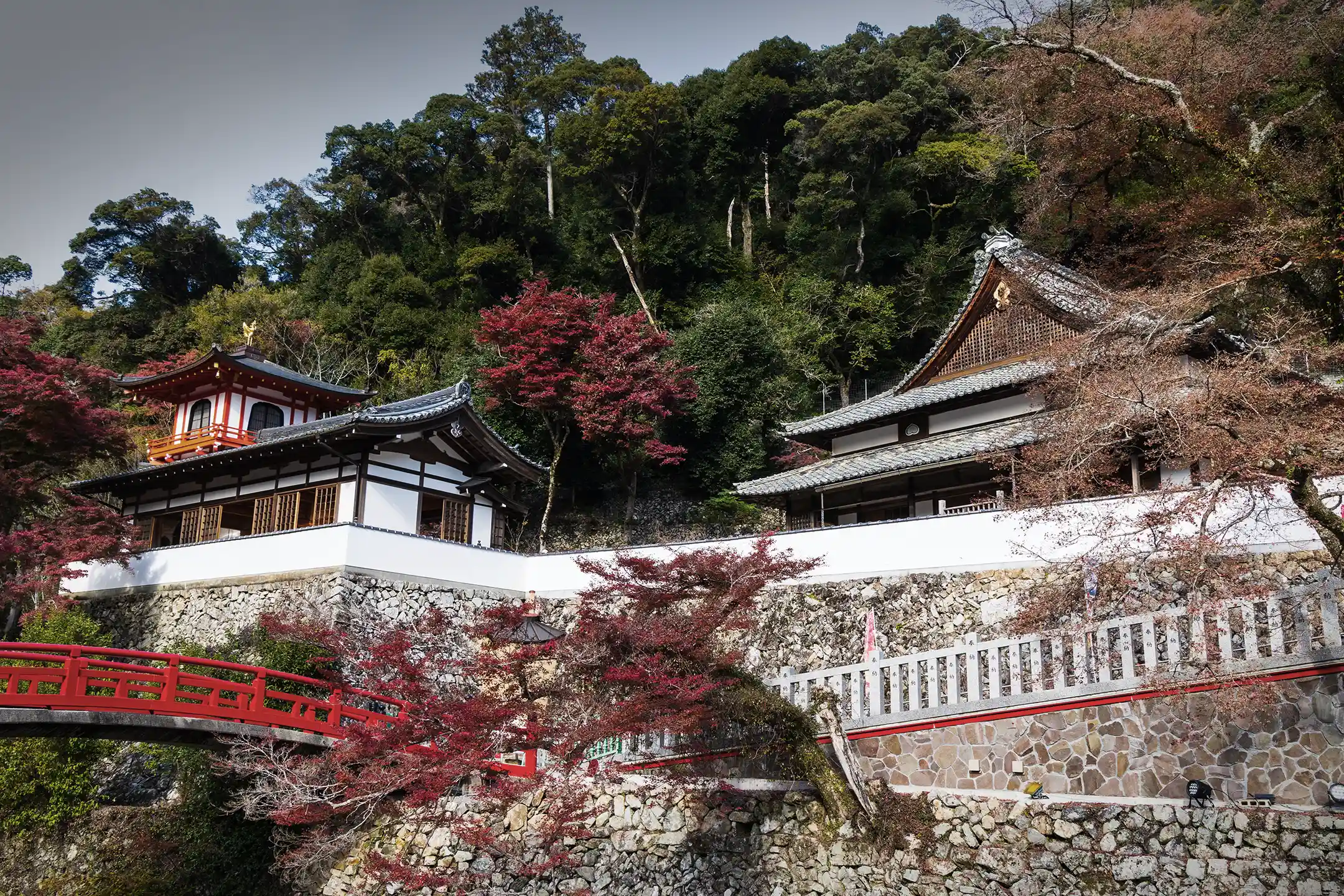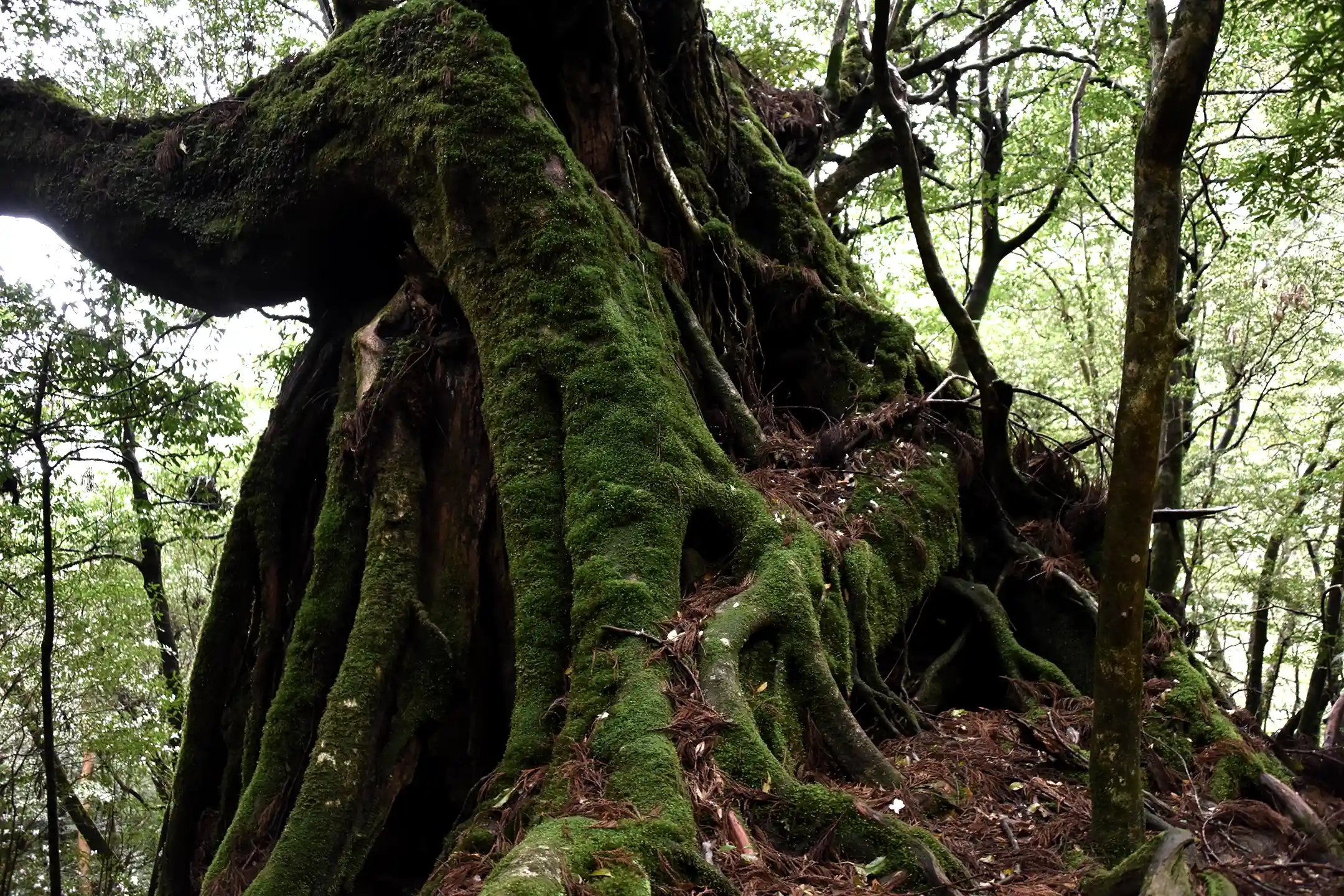
Kyoto is home to onsen ryokan where history and nature create a rare sense of stillness. Stepping away from the daily rush, an anniversary spent with someone you love becomes the perfect chance to relax body and mind in a world that feels truly out of the ordinary. Kyoto’s onsen ryokan pair the quiet, refined aesthetics of the ancient capital with Japan’s deep‑rooted bathing culture.
For a wedding anniversary or a birthday you’ll celebrate as a couple, nothing suits the moment better than a Kyoto ryokan where tradition and modern luxury harmonize. If you’re beginning your search with best onsen in kyoto, this guide organizes onsen areas and ryokan around Kyoto Prefecture by type, and offers ideas to elevate your time together plus seasonal ways to enjoy your stay.
Add a Kyoto onsen ryokan to your plans for life’s milestones, and you’ll come away with memories that linger. From choosing the right property for your special day to tips for thoughtful touches, this complete guide helps you prepare with confidence.
This article opens one door into a world shaped by centuries of ritual, stillness, and care. Wellness Through Water gathers the philosophy, traditions, and quieter rhythms of onsen ryokan culture into a single, connected reading.
Continue with the Digital Guide:
Wellness Through Water: A Journey into Japan's Onsen Ryokan Culture
Kyoto’s Recommended Onsen Ryokan—Choose by Type
Kyoto offers a constellation of onsen ryokan, each with its own appeal, so you can pick the one that best fits how you want to spend your anniversary. Below, you’ll find key points for choosing by type—luxury, hideaway, spectacular views, cuisine‑focused, private baths, and rooms with open‑air baths.
What matters most is the question, “What will become the most meaningful memory for the two of you?” Understand the features of each type and note examples to watch for in Kyoto, then find the one ryokan that truly suits your special day.
For Couples and Anniversaries
If you’re celebrating a special day, look for ryokan that prioritize privacy and excel at warm, attentive hospitality. In Kyoto you’ll find intimate, hideaway‑style onsen inns with detached villas or only a few rooms, where the small scale allows flexible service and close communication with staff for surprises.
Some ryokan offer birthday or anniversary plans and can arrange cakes or bouquets, even pre‑set room decorations (*1). The ability to create heartfelt moments—helping with commemorative photos or preparing a celebratory welcome drink at check‑in—makes a lasting impression.
If you want time just for the two of you, choose a ryokan offering in‑room dining or private dining rooms so you can relax over a meal without worrying about others. At a property that balances privacy with thoughtful care, your stay will feel like a true celebration of your bond.
View‑Forward (River, Sea, Garden)
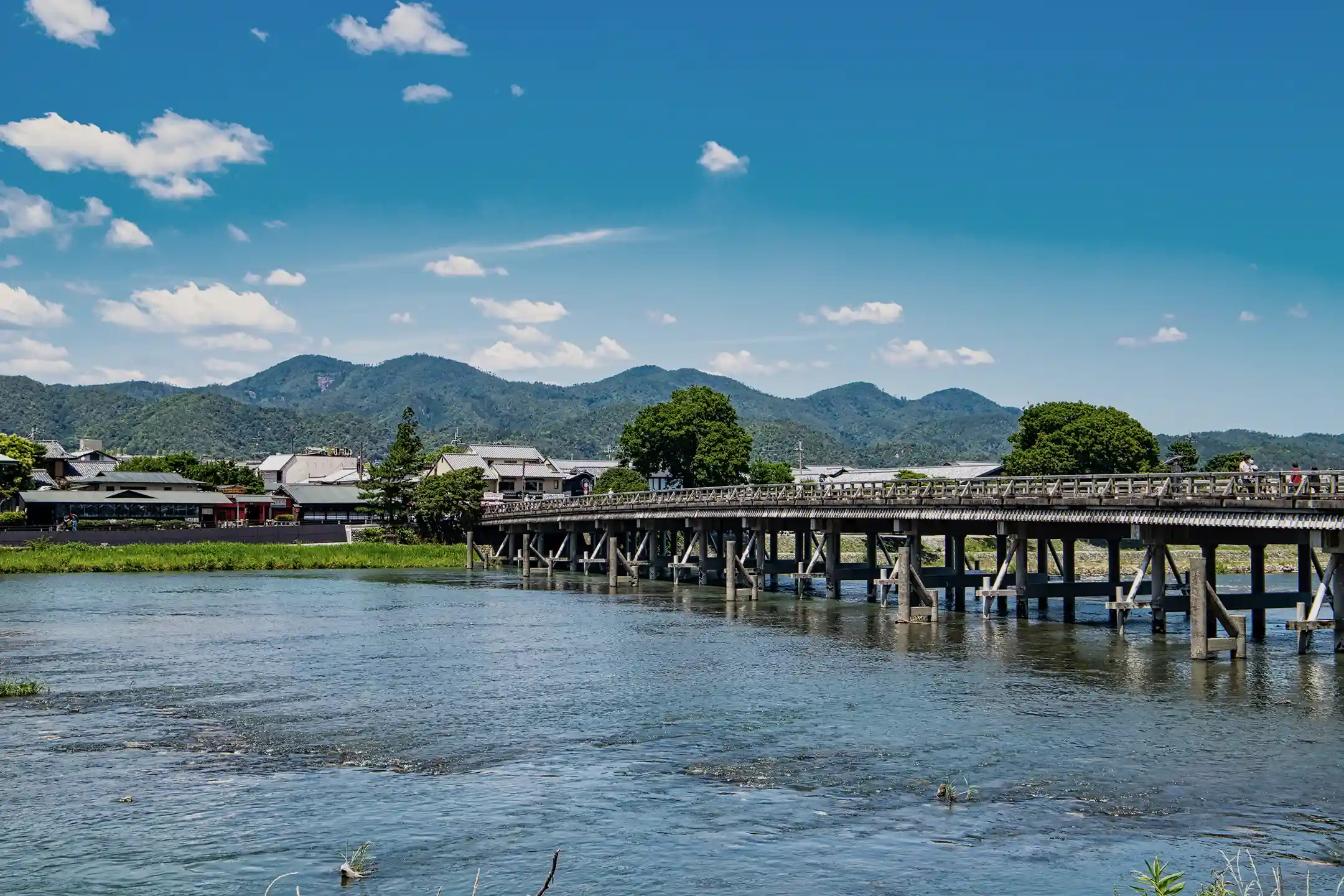
If you want breathtaking scenery worthy of your photo album, choose a ryokan known for views from the guest rooms or open‑air baths. In Kyoto City, riverside lodgings in Arashiyama Onsen are popular for vistas of the Oi (Hozu) River and bamboo groves. Natural hot springs bubble up in Arashiyama near the famed Togetsukyo Bridge and mountain backdrop, so you can soak while taking in seasonal landscapes at their best (*2).
To the north along the Sea of Japan, you’ll also find onsen with ocean panoramas—at Amanohashidate Onsen and Yuhigaura Onsen, for example—where open‑air baths look out over the horizon and fiery sunsets. Yuhigaura Onsen is especially known for the beauty of its sunsets; a photo with the sinking sun behind you is perfect for an anniversary keepsake (*3).
Don’t overlook ryokan with exquisite Japanese gardens, either. Rooms that frame a meticulously maintained garden let you appreciate the colors of each season like a living painting. At night, raise a glass together while gazing at the softly lit grounds. Choose a view‑centric ryokan, and every press of the shutter will capture another blissful anniversary moment.
Culinary Experiences (Seasonal Kaiseki & Local Pairings)
If “great food is the soul of travel” for you, opt for an onsen ryokan with an outstanding culinary reputation. Kyoto is a renowned food capital, and many ryokan serve kaiseki that highlights seasonal ingredients. These menus, crafted by accomplished chefs, embody seasonality and a sense of place—right down to Kyoto’s refined sensibility in tableware and presentation.
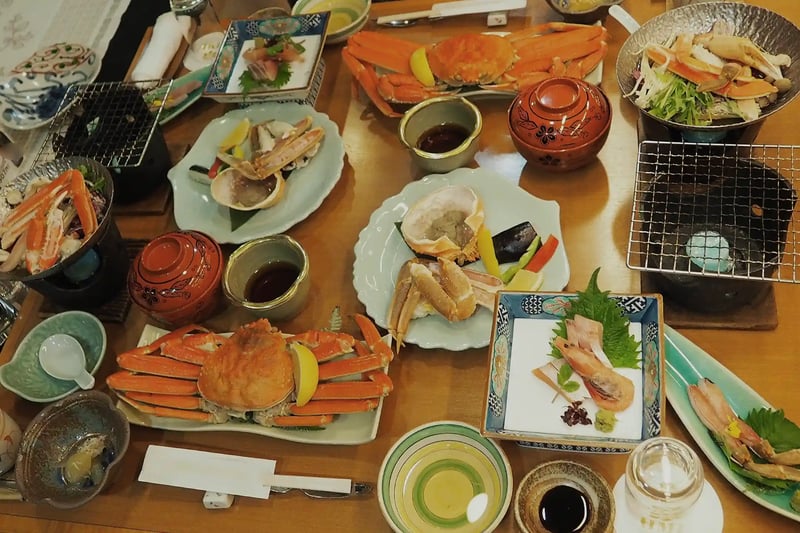
On the Tango Peninsula, Taiza Onsen offers winter kaiseki featuring matsuba crab (Taiza crab), the pinnacle of local seafood. Taiza is famous for crab, and many travelers come specifically for the ultra‑fresh treasures of this port town.
Indeed, some gourmands visit just to bathe and feast on Taiza crab—the cuisine itself becomes the highlight of the trip (*4). Many Kyoto ryokan also suggest pairings of local sake and wine with their dishes. Try a chef‑recommended pour—perhaps Fushimi sake or Tamba wine—matched to each course, and your meal becomes even more memorable.
The setting matters, too. Private rooms or serene restaurant salons invite easy conversation. “Delicious memories” are a vital accent for an anniversary; by choosing a cuisine‑focused ryokan, you’ll create moments that linger with all five senses.
Private Baths & Sauna Focus
If you want to savor the hot springs entirely on your own, look for ryokan with strong offerings of private (reserve‑only) baths. With a private bath, you can soak at your own pace without worrying about other guests. Some Kyoto‑area ryokan have multiple themed private open‑air baths or family baths.
For instance, a long‑established ryokan on the Tango Peninsula offers as many as six different private baths—such as rock or hinoki cypress tubs—available by reservation (*5). Systems vary: some assign time slots at check‑in, others allow use when vacant. To enjoy preferred times—right after check‑in, after dinner, before bed—plan your schedule and book accordingly.
If you love saunas, consider ryokan with private saunas. These let you enjoy alternating hot and cold bathing in privacy, then unwind side by side in an outdoor rest space to find your perfect “reset.”
Also check the flow from bath to room. Consider elevators and room location so you won’t get chilled on the way back. Choose a ryokan that prioritizes private baths and saunas, and you’ll bask in a retreat designed just for two.
Rooms with Open‑Air Baths
If your idea of luxury is soaking without interruption, focus on rooms with open‑air baths. With a dedicated bath on your terrace, you can enjoy the spring waters whenever you like—perfect for an anniversary that prizes privacy.
In Kyoto Prefecture, high‑end ryokan in Kameoka/Yunohana Onsen, for example, offer rooms with Shigaraki‑ware open‑air tubs fed by their own springs. Floor plans often orient the living space toward the bath, and when you open the wide windows, you can relax in a semi‑open ambience. Also confirm the hot‑water system—free‑flowing from the source or recirculated.
With free‑flowing (kakenagashi) baths, fresh water continually spills into the tub for an indulgent feel (depending on the spring, it may be heated or diluted; even so, the appeal of private bathing remains intact).
You might also wonder about sound and privacy. At luxury properties, partitions and plantings are designed to maintain quiet and seclusion. You can soak as long as you like, even late at night, without disturbing others and entirely at your own pace. Choose by “rooms with open‑air baths,” and you gain the ultimate luxury: onsen time for two, any time, 24 hours a day.
Kyoto’s Recommended Hot Springs
Across Kyoto Prefecture, you’ll find distinct onsen areas with character to spare. Here we introduce the main areas—central Kyoto and nearby, Arashiyama Onsen, Kameoka/Yunohana Onsen, Amanohashidate Onsen, Kyotango/Yuhigaura Onsen, and Taiza Onsenkyo—comparing features and highlights.
Because water qualities, scenery, access, and style of enjoyment differ by area, use this section to choose what fits you best, factoring in your purpose, your time, and sample itineraries by length of stay—essential when deciding what “best onsen in kyoto” means for you.
Hot Springs in Central Kyoto & Smart Use of Nearby Areas
Kyoto’s historic core isn’t especially blessed with abundant hot spring resources. That said, in recent years some hotels have drilled deep and now offer in‑house “Kyoto Onsen.”
One rare example of natural hot springs within the city is Kyoto Takenosato Onsen at Hotel Kyoto Eminence, which draws two types of spring water praised as mildly alkaline “beautifying” baths (*1). While you can enjoy onsen in select central spots, scale and flow are limited, so pairing city sightseeing with a night at a nearby onsen town is recommended.
A popular model itinerary is to focus on city sights, then end your trip with an overnight at a countryside ryokan. Within about an hour by train or car from Kyoto Station lie several quality hot spring areas with easy access. After days of walking, nothing soothes like a soak in a nearby onsen.
Because natural hot springs are scarce downtown, it helps to calibrate expectations—but the combined pleasure of “Kyoto sightseeing + onsen” is catching on. Use the nearby onsen wisely, and you’ll enjoy the best of both: a rich itinerary steeped in temple‑hopping and restorative bathing.
Arashiyama Onsen|Bamboo Groves and the Hozu River
If you want classic Kyoto scenery and hot‑spring ambience together, start with Arashiyama Onsen. Arashiyama is one of Kyoto’s signature beauty spots, a picturesque area along the Hozu River. The springs there are gentle, simple hot springs known for being kind to the skin, with reputed benefits for neuralgia, muscle pain, and cold sensitivity—just right for easing travel fatigue (*2).
Ryokan using Arashiyama Onsen include venerable inns near Togetsukyo Bridge and properties with all rooms facing the Oi River; rooms with open‑air baths are also popular. Though Arashiyama is lively by day, it turns tranquil from dusk through early morning.
After a stroll through the bamboo grove, slide into the onsen and watch sunset or night illuminations—luxury that lets you savor Kyoto’s sights and hot‑spring charm at once. Because it pairs so smoothly with city sightseeing, Arashiyama Onsen keeps transit light for anniversary trips and belongs on any shortlist of the best onsen in kyoto.
Kameoka/Yunohana Onsen|Quiet Valleys and Morning Mists
Just west of Kyoto City lies Kameoka, home to historically beloved Yunohana Onsen, a secluded hot‑spring village in the mountains. Legend holds that wounded samurai soothed their sword cuts here in the Warring States period.
True to its name, Yunohana (“hot spring flowers,” mineral flecks) offers silky waters; it’s a mildly radioactive spring said to aid neuralgia, joint pain, and digestive issues (*3). Above all, Yunohana’s allure is its quiet. Encircled by mountains, it preserves clear air and rustic countryside charm.
In early morning and late autumn, the Kameoka Basin often fills with ethereal mist. Many ryokan offer robust private‑bath facilities—think reserved‑time hinoki open‑air baths or rock tubs.
Some inns even host stargazing sessions at night. By day you can enjoy river rafting on the Hozu or ride the nostalgic Sagano Scenic Railway—both start here—then return to onsen and fine dining after dark. For an anniversary away from the noise, Yunohana Onsen is a perfect hideaway.
Amanohashidate Onsen|Seaside & Canal Resort
Overlooking Amanohashidate—one of Japan’s Three Scenic Views—Amanohashidate Onsen in Miyazu delivers the pleasures of a seaside resort and hot springs together. The slightly viscous iron–sodium chloride, mildly radioactive spring leaves skin feeling smooth, earning it the nickname “beautifying waters” (*4).
The onsen town centers on the Monju district, the gateway to Amanohashidate, so you can pair sightseeing with soaking. We recommend ryokan whose panoramic baths face the canal: you can take in the pine‑clad sandbar and Miyazu Bay, and at dusk the sea and sky turn rosy as you soak.
Visit in winter for seafood banquets starring local specialties like snow crab and cold‑season yellowtail. Guests praise the combination: savor crab or buri in season, then warm up in the onsen (*4).
Be sure to explore Amanohashidate during your stay—ride the canal boats, or head to Kasamatsu Park for the playful “viewing‑between‑your‑legs” vantage. As a view‑driven onsen resort, Amanohashidate Onsen adds an extraordinary accent to your anniversary. Bathe in the scenery of sea and sky, and your memories shine ever brighter.
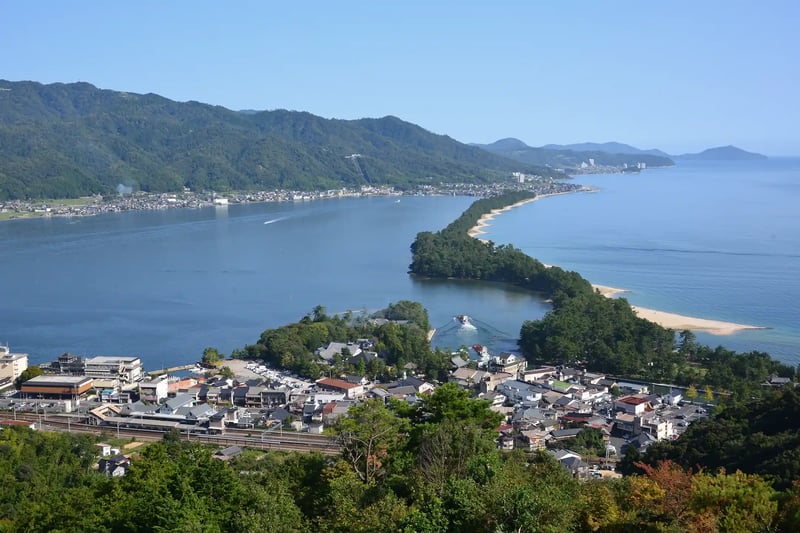
Kyotango/Yuhigaura Onsen|Sunsets Over the Sea of Japan
Yuhigaura Onsen in Kyotango, northern Kyoto Prefecture, is—as the name says—known for its glorious sunsets. Set on Hamazume Beach along the Sea of Japan, it’s a summer resort that draws swimmers, too. The water is an alkaline simple spring, gentle on the skin and appreciated—especially by women—for a smooth, silky feel (*5).
At twilight, the broad beach and open sea flush with red and orange; watching from the shore is breathtaking. To make that view even more special, choose a ryokan whose rooms or open‑air baths face the sunset. Many lodgings maximize ocean views so you can have the changing sky and sea all to yourselves from your private bath.
Dinners feature seafood from the Sea of Japan—rock oysters in summer, snow crab in winter. Crab courses are especially popular in the cold months: sashimi, boiled crab, and crab hotpot warm body and spirit. On the sand, enjoy long walks; by day, collect shells; by night, gaze at the stars to the rhythm of the surf.
Yuhigaura Onsen is famed for its sunsets and for photo spots perfect for keepsakes. A two‑shot with the sun sinking into the Sea of Japan behind you will be a treasure for life.

Taiza Onsenkyo|Hidden‑World Calm and Seasonal Indulgence
At Kyoto’s northern tip in Tango Town lies Taiza Onsenkyo, a little‑known hot‑spring refuge. Centered on the small fishing village of Taiza, the term “Taiza Onsenkyo” collectively refers to several sources, including Tango Onsen and Kono‑no‑Tsuru Onsen, drilled in 1981.
The name, chosen by public contest, is often shortened locally to “Taiza Onsen” (*6). Taiza’s greatest charms are its quiet and its cuisine. With only a handful of small inns, time flows gently at every ryokan. In a place where you hear only waves and wind, you can shed the city’s noise and truly relax.
In winter, Taiza crab—a premium variety of snow crab landed at Taiza Port—takes center stage. During the open season, ryokan serve creative crab kaiseki; because it’s so rare, it’s sometimes called the “phantom crab,” coveted by food lovers nationwide.
The combination of port‑town onsen and superb crab cuisine is a key draw and a major reason people come (*6). Free of mass tourism, nights reveal star‑filled skies. In a small, secluded inn, you might dine by the hearth on local sea and mountain fare, then warm up in a private bath—an unforgettable way to mark an anniversary. In this hidden haven, time becomes a seasonal luxury for two.
The Essence and Allure of Onsen Ryokan—Quiet × Aesthetics × Healing Culture
An onsen ryokan is more than a place to sleep—it’s a living expression of Japanese hospitality. Within its hush, it creates an extraordinary world where meticulous aesthetics loosen the heart. That is the essential charm of an onsen ryokan.
Here, we consider how ryokan differ from luxury hotels, the aesthetics revealed in architecture and design, and how to spend time rooted in Japan’s therapeutic bathing culture. We’ll highlight the distinct sense of ma—purposeful space and pause—flowing through Kyoto ryokan, and the proprietor’s philosophy reflected in service. The value runs deeper than surface‑level opulence.
If you want to understand what makes an anniversary feel truly special, it helps to reframe what a ryokan is all about.
.webp)
How They Differ from Luxury Hotels
In a word, ryokan differ from standard luxury hotels in individuality and local context. While luxury hotels deliver a consistent degree of comfort and service around the world, ryokan are unique to each property, tied closely to local culture and landscape.
Japan’s ryokan themselves are a distinctive lodging style; research has noted high interest among international visitors in experiencing Japanese culture through ryokan stays (*1). Instead of formulaic service, a ryokan reflects the proprietor’s philosophy and the omotenashi of every staff member, from the okami (hostess) on down.
With an anticipatory spirit, they imagine what you might wish for and offer it with heart—that’s ryokan hospitality.
Time flows differently, too. A hotel may serve primarily as a base between activities; a ryokan stay can be the purpose of the trip itself. The luxury of doing nothing on tatami, an afternoon spent simply watching the garden change, the quiet thoughts that come during an early‑morning soak—at a ryokan, even “not doing” becomes part of the story.
Each ryokan’s history and ties to its region are part of the appeal; staying there lets you touch the story of the place. In short, an onsen ryokan offers encounters that can’t be scripted. Choosing a ryokan for your anniversary matters because its one‑of‑a‑kind experiences add depth to your shared memories.
Architecture & Design (Sukiya, Gardens, Wa‑Modern)
The spatial design of onsen ryokan reveals Japanese aesthetics and playful refinement—suki—at every turn. Traditional sukiya‑style inns showcase simplicity and polish through natural materials.
For example, pillars may be round logs or bamboo used with minimal processing; walls are earthen; ceilings expose grain—celebrating materials as they are. By eschewing ostentatious ornament and stripping away excess, they arrive at a simple beauty aligned with wabi‑sabi.
Many contemporary luxury ryokan blend tradition with modern comfort—“wa‑modern.” Think lobbies where wide glass frames a garden over tatami floors, or guest rooms that use indirect lighting and andon lanterns to cast luminous shadow. Some are designed by notable architects—visual poetry that adds sparkle to anniversary memories.
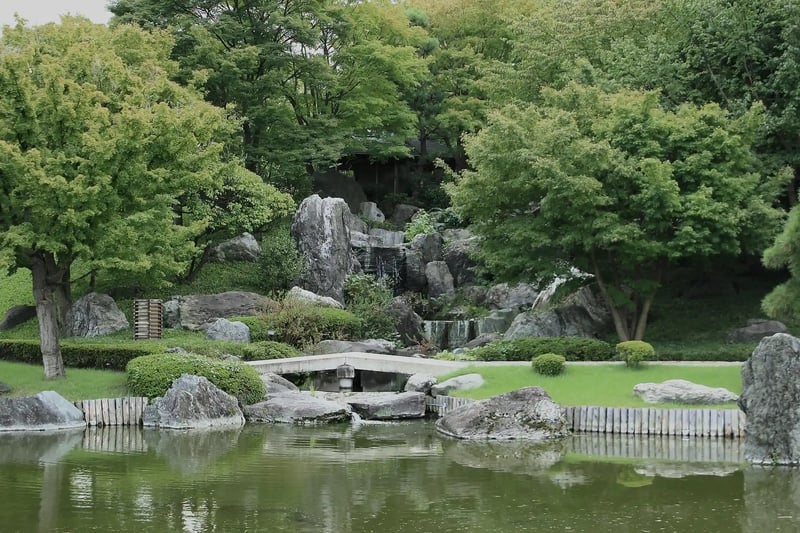
Many ryokan also feature splendid Japanese gardens—pond‑strolling layouts you can enjoy from indoors. Mossed stone steps, seasonal plantings, and softly glowing lanterns turn the grounds into an art experience for the senses, transporting your stay into the extraordinary. Beyond photogenic appeal, it’s the soul‑deep spatial experience that defines a ryokan—and why scholars regard it as the height of Japanese architecture.
Spend your anniversary cocooned in such beauty, and your time together becomes even more special.
Time with someone dear on an anniversary trip is a treasure beyond measure. Kyoto’s onsen ryokan invite you into an extraordinary world through quiet spaces, beautiful design, heartfelt hospitality, exquisite cuisine, and restorative waters—an experience for all five senses.
As you’ve seen in this guide, a little care and consideration—from choosing your ryokan and planning your day, to special touches and photo moments—can multiply the emotion many times over.
An anniversary is a milestone to reflect on your journey so far and to speak about the future ahead. Few places are as fitting a stage as a Kyoto onsen ryokan. The sound of water in the hush, moonlight filtering through shoji, the scent of tatami and incense, the season’s flavors unfolding on your tongue—each is a supporting player coloring your day.
Carry gratitude and affection for one another, and savor every moment of the trip. The memories you make will continue to deepen your bond and become a lasting treasure. Now you’re ready to plan your best anniversary yet in Kyoto—perhaps at the very best onsen in kyoto for the two of you.
A Framework for Choosing—Optimize Rooms and Baths Around “Time for Two”
The key to an anniversary trip is agreeing on which elements matter most. Tune the room’s features and feel, the types of baths, and ease of use so your “time for two” is as fulfilling as possible.
In this chapter, you’ll find a practical framework—from onsen basics to balancing private open‑air baths with large communal baths, plus how to pick the right view. Learn about water qualities and benefits so you can bathe safely and relax; discuss whether you value privacy or open‑air freedom to choose your room type; and imagine the joy of being surrounded by your favorite scenery as you select the location. With these lenses, the ideal anniversary ryokan will come into focus.
Use this as your guide to find the one that fits your shared priorities.
Onsen Basics (Water Types, Benefits, Free‑Flowing Springs, Heating/Dilution)
First, get familiar with the fundamentals of hot springs. Knowing water types and benefits makes every soak more rewarding.
In Kyoto, simple springs are common—they’re gentle and easy for most people to enjoy, often leaving your skin feeling smooth after bathing (*1). Springs rich in iron are traditionally linked with support for anemia; mildly radioactive springs are said to aid gout and chronic rheumatism—each type has its own indications.
That said, you don’t need specialist knowledge to benefit—relaxation is the point. Expert explanations note that onsen bathing supports autonomic balance and relaxation through warmth, buoyancy, and hydrostatic pressure (*1). For safe, effective bathing, mind your approach:
As a general rule, avoid over‑long soaks; about 20–30 minutes in comfortably warm water around 40°C can aid recovery from fatigue (*2). Some ryokan alternate men’s and women’s large baths morning and night—plan your timings so you can try every tub. Keep these basics in mind and enjoy Kyoto’s waters in a style that suits you.
Finding the Sweet Spot Between Private Open‑Air Baths and Large Baths
At a ryokan you’ll typically enjoy two kinds of baths: private baths attached to your room or bookable for your use, and communal large baths. For an anniversary, match your choices to how you want to spend time together.
If privacy is the priority, rooms with open‑air baths or bookable private baths are ideal. Soaking without seeing other guests raises the relaxation factor. For a special day, the freedom to bathe whenever you want is a major perk.
Of course, that exclusivity comes at a price, so balance with budget. If you crave openness, make the most of the scale of large baths and outdoor pools. Even in Kyoto, some ryokan have sweeping communal baths with views, or circuits of differently styled outdoor tubs. Large baths let you stretch out, and some add saunas and cold plunges.
Depending on timing, you might even have them practically to yourselves. For a perfect anniversary, enjoy the best of both: quiet, private soaks in your own bath and the expansive views and variety of the large baths. When choosing, check how well both are appointed and plan a mix that fits your style.
The Appeal of Different Views (Valley, River, Garden, Sea)
One surprisingly tricky choice is the scenery you want to live with during your stay. Depending on location, Kyoto’s onsen ryokan offer very different views: forested valleys, riversides with soothing water sounds, refined Japanese gardens across the four seasons, or vast Sea of Japan horizons.
Valley views cradle you in quiet woods and murmuring streams, rich in revitalizing air—Yunohana Onsen, mentioned earlier, sits along a mountain creek with vivid foliage in autumn and fresh greens in spring. For river views, Arashiyama and Kibune are classics. Immersing yourself in a riverside open‑air bath while listening to the flow of the Hozu or Kibune feels timeless—especially cooling in summer.
Garden‑view ryokan fill the window with dry landscapes and pond gardens that never cease to mesmerize. Meticulously tended master gardens are living art—moss glistening in rain, snow‑dusted lanterns in winter—transforming with the seasons.
Sea‑view ryokan offer the drama of sunrise and sunset on the horizon. Along Kyoto’s northern coast, when skies are clear you can admire fishing lights strewn over the deep blue at night and an ocean of stars from open‑air baths or wide windows.
Sometimes mist rolls in and softens the view; that, too, can feel otherworldly. Talk through which view draws you most and set priorities—your choice will streamline the search. Bathe while surrounded by your favorite scenery, and your anniversary becomes even more vivid.
%20Pier.webp?width=800&height=533&name=Arashiyama-Ranky%C5%8D%20Sightseeing%20Boat%20(Yakatabune)%20Pier.webp)
Designing an Extraordinary Anniversary (Privacy × Hospitality)
As important as choosing the ryokan is designing how you’ll spend the day itself. With the right plan, surprises land better and emotions run deeper. Sketch a timeline from check‑in to check‑out and decide on the when and what of your surprise—so you can relax and be present when the day arrives.
What matters is turning “thinking of your partner” and “the spirit of hospitality” into actions. Ryokan staff are often eager to help, so consult openly and craft the best anniversary together.
Planning Private Dining
Your dinner for two will be the highlight of the trip. To make it even more special, arrange private dining.
Many Kyoto ryokan offer in‑room kaiseki or private dining rooms so you can focus on conversation and cuisine. If you want to cherish a space and time just for the two of you, a private room or in‑room service is ideal (*2).
For such an occasion, be intentional about the toast. Raise sparkling sake or champagne and exchange words of celebration—those moments etch themselves deeply in memory.
Some ryokan will source sparkling wines from local wineries or seasonal zero‑proof cocktails tailored to anniversaries. Private dining progresses smoothly when you coordinate in advance. At a table prepared just for you, savor heartfelt dishes alongside surprise touches, and your anniversary evening will become a drama you’ll never forget.
Activities to Enjoy Together
Beyond bathing and dining, adding a shared experience makes your anniversary even richer. In Kyoto, fold in cultural or unique activities.
A tea gathering (tea ceremony experience) is a wonderful start. Kyoto is a cradle of the tea tradition, and many programs welcome beginners, often with English guidance so international guests can relax and enjoy.
Whisking matcha and savoring wagashi side by side has a calming effect and brings you closer. Zazen (Zen meditation) is also popular: sitting quietly in a temple at dawn and emptying the mind is an extraordinary experience, leaving you refreshed and connected.
For classic streetscapes, try a rickshaw date. In districts like Gion and Arashiyama, rickshaws run routes that make for special memories, with the puller’s lively narration adding color. Around Gion/Kiyomizu and in Arashiyama, many visitors enjoy rickshaw rides, taking in ever‑fresh views with the breeze on their faces (*3).
It’s lovely to linger at the ryokan, but since you’ve come to Kyoto, add at least one shared experience you’ll talk about later—“Remember when we…?” Whether you color your time with active adventures or quiet moments, Kyoto is a stage that supports both.
Photogenic Strategy for Seasons and Weather
To make your anniversary trip even more special, don’t forget the joy of capturing seasonal moments and sharing them. Kyoto’s onsen ryokan and their surroundings reveal different faces in spring, summer, autumn, and winter—and shift with the weather, too.
This chapter covers how to harness seasonal, photogenic scenes and how to enjoy rainy days. Since this is a special journey, you’ll want the best shot—while also being considerate of other guests. Follow a few smart tips so your photos—and memories—shine.
Spring Blossoms, Summer Green, Autumn Foliage, Winter Snow‑Bath Views
Kyoto’s four seasons are made for the camera, enriching your anniversary album. Spring means cherry blossoms—snap a quintessentially Japanese shot in the ryokan garden or at nearby landmarks.
In Arashiyama Onsen, for instance, the cherry‑lined paths near Togetsukyo and along the Oi River are spectacular; a kimono‑clad rickshaw photo can look like a postcard.
Summer brings cool greens—gardens shimmering with fresh maple leaves, and the riverside kawayuka terraces in Kibune create refreshing scenes where smiles glow in dappled light.
Autumn means fiery foliage. In Arashiyama and Takao, you can photograph open‑air baths with mountains ablaze in red and orange behind them. Steam rising through the leaves is irresistible—and perfect for social sharing.
Winter brings snow and snow‑view bathing. In the Tango region, snow‑laced gardens and pines with snow supports exude seasonal charm. Photos of you soaking in the cold air with drifting steam make for a dreamy contrast. Notice the powder that rests lightly in your hair or the flakes that melt on the water—details that define winter’s poetry.
To catch each season’s “golden moments,” plan around the golden hours at sunrise and sunset. From dusk into night in Arashiyama or Amanohashidate, moonlight and illuminations transform the scenery into something otherworldly (*1). Moonlit blossoms or foliage, and snow under lantern light—these are the heights of photogenic Kyoto. In spring and autumn, many temples and shrines hold special night illuminations, offering ample chances for evening photos. Let seasonal color and light be your allies—and preserve your memories at their most beautiful.
Making the Most of Golden Hour
Even if you’re not photography buffs, experience the magic of “golden hour.” In those brief windows after sunrise and before sunset, the sky glows gold or deep blue, turning every scene cinematic.
In the morning, aim for open‑air baths wreathed in mist. When the day’s first light filters through steam and haze—especially in Yunohana Onsen, where autumn and winter mists are common—you’ll capture something ethereal. At day’s end, seek reflections on the Hozu’s surface in Arashiyama or the sun dropping into the horizon at Amanohashidate and Yuhigaura. Silhouette yourselves against that glow for an undeniably romantic shot.
At night, use ambient light: andon lanterns in the courtyard, snow lanterns, and lit trees all soften your expressions. Because golden hour changes by the minute, check sunrise and sunset times in advance and decide on your spots. Work as a team so you don’t miss the moment—each click will bring the day’s emotions right back whenever you look at it.
Enjoying Rainy Days
If rain finds you on the road, don’t worry—Kyoto’s ryokan are full of rainy‑day pleasures. First, the luxury of listening to rain under the eaves. Sit on a wide wooden engawa or corridor and watch ripples bloom on the garden pond—it’s a gift of quiet time.
Rain sounds are naturally calming. On gentle, drizzly days, it’s a perfect chance to talk unhurriedly or simply gaze at the garden together. Listening to rain on the roof while you soak is beautiful as well. Some ryokan even provide umbrellas so you can enjoy an open‑air bath while it sprinkles; if it’s only a light rain, savor the shifting scenery from the tub.
The key is to find “the charm you can feel only because it’s raining.” Share an umbrella along a stone‑paved lane, or admire the garden from a tea room—the view washes the mind clear. Kyoto in the rain tends to be quieter, so the city’s old‑world atmosphere deepens. Think of it as a chance to rediscover the ryokan and town from another angle—and enjoy the weather positively. That, too, becomes an unforgettable scene in your story.

A Wider Landscape of Stillness
This article is one thread in a longer story. The Wellness Through Water Digital Guide brings together the culture, ritual, and meaning behind Japan's onsen ryokan tradition — carefully shaped into a broader understanding.This article is one thread in a longer story. The Wellness Through Water Digital Guide brings together the culture, ritual, and meaning behind Japan's onsen ryokan tradition — carefully shaped into a broader understanding.

Lastly:
Time with someone dear on an anniversary trip is a treasure beyond measure. Kyoto’s onsen ryokan invite you into an extraordinary world through quiet spaces, beautiful design, heartfelt hospitality, exquisite cuisine, and restorative waters—an experience for all five senses.
As you’ve seen in this guide, a little care and consideration—from choosing your ryokan and planning your day, to special touches and photo moments—can multiply the emotion many times over.
An anniversary is a milestone to reflect on your journey so far and to speak about the future ahead. Few places are as fitting a stage as a Kyoto onsen ryokan. The sound of water in the hush, moonlight filtering through shoji, the scent of tatami and incense, the season’s flavors unfolding on your tongue—each is a supporting player coloring your day.
Carry gratitude and affection for one another, and savor every moment of the trip. The memories you make will continue to deepen your bond and become a lasting treasure. Now you’re ready to plan your best anniversary yet in Kyoto—perhaps at the very best onsen in kyoto for the two of you.

%20Gunkan%20Maki%20Sushi.webp)