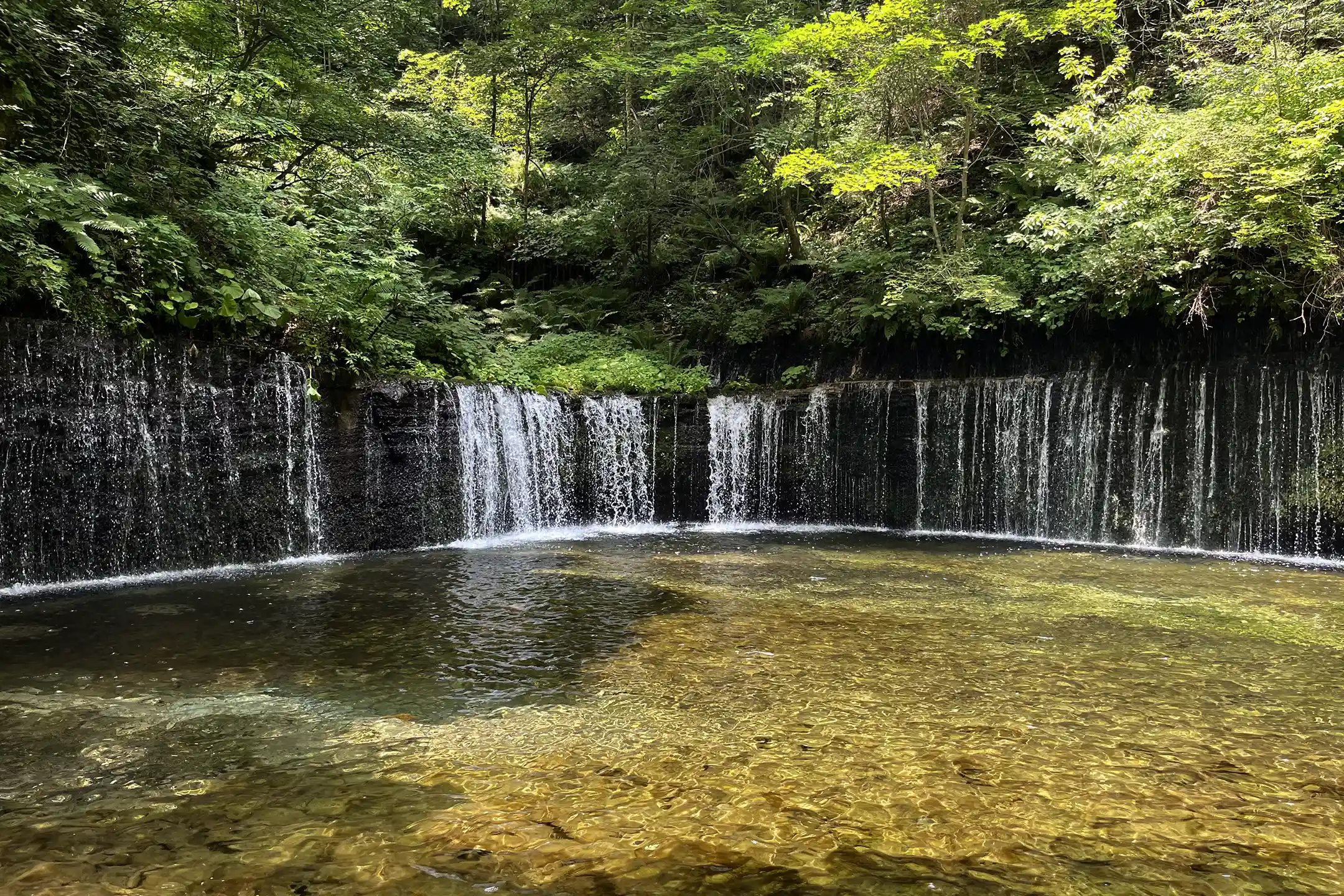
Across Japan, “retreats” are gaining momentum as a travel style that lets you step away from everyday life for a while, refresh both body and mind, and reconnect with who you really are. Spending a few days in a nature-rich setting far from the noise can become the kind of “reboot time” modern life quietly demands—especially when you’ve been running on empty.
In this article, you’ll explore what makes a Japan retreat distinctive: the spirit of Zen, the restorative tradition of hot-spring therapy, and the country’s deeply seasonal natural landscapes. You’ll also learn about their effects and the latest trends. From how to choose the right retreat for your needs to what programs actually look like—and which regions are most recommended—we’ll cover it all in a way that’s easy to follow even if it’s your first retreat. Think of this as your invitation to a high-quality stay that awakens your five senses—and even a sixth—guiding you toward a journey where your inner and outer balance can gently return.
What Is a Japan Retreat? Essential Basics and Current Trends
“Retreat” originally meant a “refuge” or “hideaway,” but today it commonly refers to time away from daily life to reset both mind and body. In Japan, it has long been associated with what was called tenchi ryōhō (therapeutic change of environment), and historically it could also carry a nuance of spiritual training. Now, however, it’s widely practiced for stress relief, self-development, and overall well-being.
The goals of a retreat are often grouped into the three Rs: Rest, Relaxation, and Recreation. In recent years, a fourth R is increasingly discussed: Retreatment, meaning a deliberate transition into the non-ordinary. This isn’t just sightseeing. It’s a stay designed to prioritize recovery from mental and physical fatigue—and to help you rediscover yourself. When you leave your familiar routines for a few days and place yourself in nature, you naturally loosen the invisible ties of everyday life, giving your tired mind and body room to breathe again.
For people worn down by information overload and constant stress, retreats are now being recognized as a practical way to support modern well-being. Peer-reviewed research has reported that mindfulness meditation programs can show measurable effects—such as reduced stress and anxiety and modest improvements in sleep quality for some people(*1). Hot-spring therapy, too, is popular as a way to care for both mind and body at once, since warm bathing may support circulation, ease muscle tension, and help relieve fatigue.
In Europe and North America, retreats centered on yoga and meditation are widely familiar. What makes retreats in Japan distinctive, though, is the blend of Zen philosophy, hot-spring culture, and a sense of harmony with nature across the seasons. For example, zazen in a Zen temple or shakyō (sutra copying) offers you a chance to face yourself in a uniquely Japanese kind of quiet.
And because Japan is one of the world’s great hot-spring destinations—with around 27,000 sources nationwide—the tradition of tōji (therapeutic bathing) naturally becomes part of retreat culture. Many programs are built around soaking in different mineral waters to restore both body and mind. Just as importantly, Japan’s sensitivity to the seasons is often woven into the experience: spring blossoms, autumn foliage, and the subtle shifts in light and air stimulate your senses and bring a deep calm.
Food is another signature element. Japanese retreats often feature health-conscious meals grounded in dashi culture. Traditional dashi—rich with the umami of kombu and katsuobushi—can create satisfying flavor even with less salt, which means you may reduce sodium without feeling deprived(*2). In this way, a Japanese retreat can be seen as a holistic wellness experience that brings together time-tested wisdom, local food culture, and natural resources.
The Relationship Between Wellness and Mindfulness
“Wellness,” the pursuit of mind–body health, and “mindfulness,” the practice of cultivating awareness of the present moment, often function like two wheels of the same cart in Japanese retreats.
The core principle of mindfulness is to bring attention to the present moment with intention, and to meet your experience with acceptance—without judgment or self-criticism(*3). This reflects the definition popularized by Dr. Jon Kabat-Zinn: paying attention “on purpose, in the present moment, and nonjudgmentally”(*3).
In a retreat, you bring this stance into daily programs, practicing how to step away from mental noise and constant evaluation so you can focus inward. For instance, you may observe the movement of your mind objectively as you follow your breathing—letting thoughts arise and fade, while returning again and again to “right here, right now.” Over time, you cultivate a state of mind that is less pulled around by stress or anxiety, and you may also support a healthier autonomic balance (during meditation, the parasympathetic nervous system often becomes more active, encouraging relaxation).
One key to mindfulness is not demanding dramatic results too quickly, and setting realistic goals. If you’re new to it, starting with just a few minutes of breath meditation each morning is often enough. Recently, especially among busy professionals, the value of stepping away from constant notifications and social media has also become more widely recognized. A retreat makes this easier by giving you a clear boundary: you are “allowed” to be offline.
Many retreats create this environment intentionally—asking you to leave devices in storage or setting limits on use—so your brain can rest from the constant flood of information. Mindfulness practice, in that sense, directly supports wellness and becomes one of the central pillars of the retreat experience.
The Value of Japanese “Quiet”
In Japanese culture, there is a long tradition of finding profound value in quiet—seijaku, a kind of calm removed from noise. In retreats, this “quiet” is treated as an essential element that can bring both healing and insight. In Zen thought, for example, special importance is given to ma (間)—the meaningful space, the pause, the silence between things. Where some Western aesthetics have historically emphasized grandeur and symmetry, Japanese beauty is often said to favor simplicity, stillness (kanjaku 閑寂), asymmetry, and the generous use of empty space. This sensibility of wabi-sabi appears in Japanese gardens and tea rooms, and the comfort your mind can receive from a simple, quiet environment is hard to overstate(*6). Many retreat hotels in Japan intentionally reflect this aesthetic—minimal décor, soft light, and space to breathe—because it supports deep rest(*4).
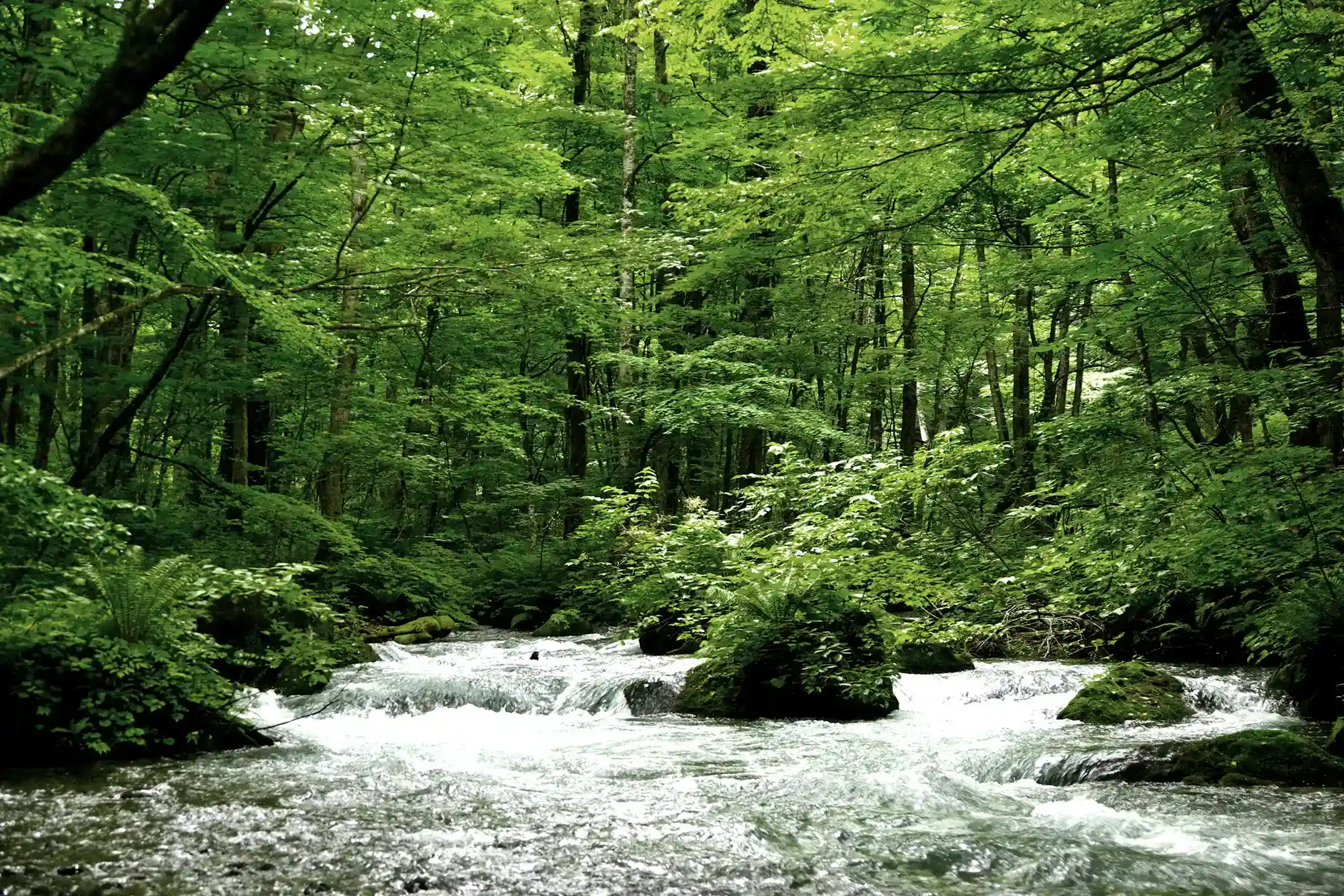
Many retreat facilities choose secluded mountain valleys or tranquil coastlines, and they often keep guest numbers low so each person can truly taste silence. By reducing unnecessary interaction in a quiet setting, the time you spend facing yourself becomes deeper and more fulfilling. Another distinctive element is the kind of healing you feel through your ears—the soundscape. When you leave behind the artificial sounds of the city and surrender to natural sound—stream water, wind moving through trees, birdsong—your mind can settle in a surprisingly natural way.
Japan’s Ministry of the Environment selected “100 Soundscapes of Japan We Wish to Preserve,” which includes everything from waterfall sounds and forest rustling to temple bells. It shows how deeply diverse sound environments—woven from nature and culture—are rooted in people’s hearts(*5).
Some retreats intentionally avoid artificial background music and instead incorporate these natural sounds as a kind of “sound bathing.” In the evening, dimming the lights and spending time listening to insects and the crackle of firewood can feel like a distinctly Japanese form of caring for yourself through quiet. When you step away from noise and open your senses in stillness, you begin to hear an inner voice you may not notice in daily life—and that new awareness is one of the great pleasures of a retreat in Japan.
How to Choose the Right Japan Retreat: A Practical Checklist
When you’re joining a retreat for the first time, choosing a facility that truly fits your needs is essential. In Japan, you’ll find a wide range of retreat options—from temple-based programs to luxury ryokan, spa resorts, and lodges on remote islands. Because each comes with its own character, let’s walk through how to match your purpose with the right choice—and what checkpoints matter most.
Your first step is clarifying why you want a retreat. Depending on the person, your goal might be “I just want to rest,” “I want to release stress,” or “I want to find a new version of myself.” For example, if stress relief is your main focus, it’s often best to choose a facility with excellent natural hot springs, saunas, and spa amenities(*1). If your goal is to improve lifestyle habits or support personal change, facilities with rich programming—yoga, meditation, nutrition coaching, or gentle fasting guidance—may be a better fit. Next, language support matters. With international guests increasing, you’ll feel more at ease if the facility has English-speaking staff and English signage. This is especially helpful for Zen temple experiences and specialized workshops: if English interpretation or materials are provided, your understanding can go much deeper.
You’ll also want to check whether one-on-one or small-group instruction is available. If you’re a beginner, a retreat where an instructor can guide you in a small group—or even privately—can make the experience far more effective. When someone carefully teaches you correct posture for meditation or alignment in yoga, you can participate with confidence, even on your first attempt.
Two essentials for a retreat environment are quiet and privacy. Ideally, choose a place away from city bustle, and if possible, one that limits the number of rooms or guests. Some boutique retreat stays keep the total number of rooms around 10–20, and that smaller scale often allows for more attentive hospitality. A location without nearby tourist crowds, plus strong soundproofing and thoughtful room layouts, can also make a real difference. And before you go, be sure to understand access and travel time.
If you’re doing a weekend retreat over two days, it’s convenient to choose areas near major cities like Tokyo and Osaka with easy transport links. If you have around a week, you can also consider a more remote hideaway—somewhere you reach by plane or shinkansen in a few hours. From Tokyo, Hakone and Izu are classic choices within 1–2 hours, but you could also go bold and extend your trip to retreat destinations in Hokkaido or Okinawa. Check transportation options (train, car, ferry), and whether pick-up services from the nearest station or airport are offered, so your itinerary feels smooth from the start.
How to Evaluate by Facility Type
Retreat facilities generally fall into several major types. Each has its own strengths, so choosing the type that fits your taste and purpose will raise your overall satisfaction.
Temple-Based Retreats: These are retreats hosted by Zen temples or other religious institutions. Through experiences like zazen, sutra chanting, and shōjin ryōri (Buddhist vegetarian cuisine), you can touch traditional spiritual culture directly. Accommodations are typically simple tatami rooms, and entertainment like television is minimal—but in return, you gain an uncommon kind of quiet that feels far from daily life.
From the temple lodgings (shukubō) of Kōyasan to certain temples in Kyoto, some places offer short-stay programs. That said, temples often have their own rules—curfews, bathing etiquette, and behavioral expectations—so it’s important to participate respectfully. More temples are now offering English explanations as well; Shunkō-in (Kyoto, Myōshin-ji) is one example that hosts English zazen sessions for international guests.
Ryokan & Hot-Spring Inn Type: These are retreat plans offered by Japanese inns. Many feature rooms with open-air baths, reservable private baths, and rich dining options such as kaiseki or shōjin cuisine. In luxury ryokan across famous hot-spring areas like Hakone, Izu, and Yufuin, you’ll also see plans branded as “◯◯ Retreat Plan,” sometimes including morning yoga with invited teachers or guided forest bathing walks. Surrounded by tatami rooms and Japanese furnishings, you can relax in a way that feels both physical and deeply atmospheric.
Ryokan-style retreats often come with especially attentive hospitality, making them ideal if you value privacy or want to fully enjoy a Japanese ambiance. English support varies, so it’s smart to confirm in advance—though internationally known high-end ryokan (for example, certain Hoshino Resorts properties) may have bilingual staff on site.
Modern Spa Resort Type: Here, hotels and resort facilities offer wellness-focused programs. These often include gyms, pools, advanced spa facilities, and professional trainers or therapists. With dedicated yoga/pilates studios and spacious meditation halls, you can stay comfortable regardless of weather. Some facilities run high-density schedules, planning your day in detail (morning yoga, late-morning hiking, afternoon aroma massage, and so on).
For instance, highland resorts in Karuizawa, Nagano may combine forest walks with enzyme baths, while parts of Okinawa have facilities known for fasting- and yoga-centered stays. If you’re considering fasting programs, it’s wise to check what medical screening or safety support is offered and to consult a clinician if you have any health concerns. This type suits you if you want a variety of experiences you might not plan on your own.
Remote Island Lodges & Eco-Retreats: These are small lodges or glamping facilities designed to blend into nature. On islands like Yakushima or Amami Ōshima, eco-lodges may also emphasize sustainability, such as low-impact operations and local partnerships. Staying in a cottage by the sea or deep in the forest, meditating under a sky full of stars, and waking to birdsong can feel like the purest kind of luxury.
Even without a dedicated meditation space, the beach or a mountain stream becomes your meditation hall. You’ll be further from urban convenience, but if you’re seeking a sense of oneness with nature, the fulfillment can be extraordinary. Access can be less straightforward, though some tours arrange transfers and local activities as a package.
Across all types, one shared checkpoint is whether there’s a dedicated meditation space or studio. If you want to practice yoga or zazen seriously, comfort can change depending on whether there’s a large tatami hall or a naturally lit studio. Program density also varies widely, so it’s smart to review sample schedules on official websites.
If you want to relax at your own pace but the day is packed with back-to-back curriculum, it can work against you—and the reverse is also true. Choosing a facility that offers the right balance between free time and guided activity is one of the keys to a truly satisfying retreat.
Experiences and Programs in Japanese Retreats: Zen, Meditation, and Yoga
Japanese retreats offer a wide range of programs that can match your level, from complete beginner to advanced practitioner. From Zen zazen and meditation that bring your mind and body into balance, to yoga and pilates that support mobility and posture, you can expect high-quality experiences guided by specialized instructors.
“Some facilities use small-group formats, which means you can receive more attentive guidance. Some retreats even offer private-instruction options, customizing programs to match your pace and needs.”
Many facilities also provide dedicated spaces—studios, dōjō, or meditation rooms—so you can focus inward without worrying about other guests. Let’s take a closer look at the main programs.
Zen and Zazen
One of the most popular programs in Japanese retreats is zazen, the seated meditation practice of Zen Buddhism. In zazen sessions held early in the morning or during a quiet evening, monks or Zen instructors will teach you carefully from the basics. The traditional sitting posture involves lengthening your spine, setting your legs in a stable position, and placing your hands in the classic mudra (hand seal).
For beginners, cushions and supports are often provided so you can sit without strain. During zazen, you focus your awareness on your breath. Even if distracting thoughts arise, you practice letting them go quietly without judging them—again and again. When you sink into slow breathing in silence, your mind can gradually clear, and many people describe a deep sense of calm afterward. Research on meditation programs also suggests benefits such as reduced stress and improved sleep quality for some individuals(*2).
In Zen retreats, you may also be able to join morning services (sutra chanting) and hōwa (Dharma talks) in the main hall. At temple lodgings in Kōyasan, for example, early-morning chanting rituals are performed, offering sutras to figures such as Amida Nyorai and Fudō Myōō(*1). Even if you don’t understand the words, the sound of chanting can wrap you in a sacred atmosphere—creating a chance to reflect on your own presence in a new way.
Another Zen-centered practice is “calligraphy meditation,” such as shakyō (sutra copying) or shabutsu. In shakyō, you copy sutras character by character with a brush, and it’s often described as a way to calm the mind and clear distractions. The sense of completion—and the refreshing clarity afterward—can be unforgettable, and you may feel yourself settling from the inside out.
Zen also teaches that everyday tasks like cleaning and cooking are part of training. Some retreats include morning samu (作務), such as sweeping temple grounds or tending a garden or field—an experience often described as “moving Zen.” Through this sequence of Zen programs, you learn in your body—not just in your mind—the value of returning to “right now” instead of overthinking.
Yoga and Pilates
In recent years, yoga and pilates have become standard at many retreat facilities. Yoga originated in ancient India as a mind–body discipline, but in Japan it has evolved in a way that often weaves in Japanese elements.
Some studios use tatami or hinoki wood to create a Japanese atmosphere, or offer yoga sessions in spaces where you can look out onto a karesansui rock garden. Practicing yoga in an environment that harmonizes with Japanese quiet and balance is often praised for making relaxation come more naturally.
Restorative yoga and yin yoga, especially in the evening, are designed to hold comfortable postures for longer periods, encouraging parasympathetic activation and supporting recovery. In restorative yoga, you surrender to bolsters and blankets in dim light, loosening physical and mental tension while tasting the luxury of “doing nothing.” This can support stress relief and help your body downshift into rest mode.
Yin yoga also holds each pose for several minutes, working into deeper tissues such as fascia and connective tissue, supporting flexibility while calming the mind. A yin yoga class practiced in quiet, low light can feel like entering a stillness reminiscent of zazen.
Pilates, developed in the early 20th century, is also becoming established in Japan’s wellness scene. It primarily strengthens your core and supports posture and alignment, and some retreats combine it with yoga. For example, a program that wakes your body with sun-salutation yoga in the morning and then pairs pilates core training with stretching in the afternoon offers an ideal reset—balancing flexibility and stability.
More retreats now have fully equipped studios with pilates machines (like reformers), allowing you to exercise safely and effectively under expert trainers. Because pilates originally developed in a rehabilitation context, it can be accessible even if you don’t feel confident about your fitness level—making it a strong option for middle-aged and older guests as well. With slow, breath-linked movement, you align your body from the inside; afterward, you may feel your posture lift and your whole body become lighter.
Yoga and pilates approach the body differently, but they share a core emphasis: awareness of breath and posture. In retreat programs, you’re not simply copying poses—you’re often taught the underlying principles, such as why breathing patterns matter and which muscles you are engaging. That practical self-care knowledge is a major benefit you can take back into daily life.
Variations of Meditation
“Meditation” covers a wide range of methods. In Japanese retreats, beyond traditional seated zazen, you’ll often find unique meditation programs that actively use your five senses.
For instance, walking meditation turns slow walking itself into practice. You might walk barefoot along a forest path or a sandy beach, focusing your awareness on each step—the sensations in your feet, the texture of the ground, the contact with the earth. Walking meditation helps you notice body movement and your connection to nature—things you may overlook in everyday life—and can bring your mind into a neutral, balanced state.
Tea meditation is another favorite. You prepare and drink tea slowly and carefully, becoming fully absorbed in each movement. The sound as hot water pours into the teapot, the steam rising, the aroma of the leaves, and the flavor blooming the moment it touches your tongue—you let tea fill all five senses, anchoring your mind in “now.”
Even the everyday act of drinking tea becomes genuine meditation when done intentionally. Some retreats offer tea meditation that incorporates tea-ceremony etiquette, and by savoring even the lingering fragrance in the empty cup after you finish, you can receive a deeper kind of calm. By combining these varied meditation styles, retreats help you stay engaged day after day, keeping your practice fresh rather than repetitive.
Designing a Digital Detox
To make a retreat truly effective, digital detox is an essential element. Every day, you receive massive amounts of information through smartphones and computers. During a retreat, the goal is to intentionally block that flow and let your brain rest.
Some facilities create playful “analog” setups—like a digital-free reading room stocked with reading lamps and paper books—so you can enjoy time offline by design. What many people feel through the retreat is this: the anxiety you initially feel about going without devices often transforms into a sense of release, and you begin to experience a spaciousness of mind that isn’t bound to constant updates.
What matters is bringing the essence of digital detox back home. Some facilities even offer advice at the end of your stay on how to incorporate what you learned—how to live without being “too connected.” Examples include concrete steps like “don’t look at your phone for one hour before bed” or “choose one day on weekends when you intentionally avoid SNS.” A retreat is an extraordinary experience, but the insights and habits you gain show their real value when you weave them into everyday life. Even a short stay can help you rediscover how restful life can feel without constant screens—and that becomes energy for a more positive “new normal” after the retreat.
Relaxation Through Hot Springs, Saunas, and Aroma
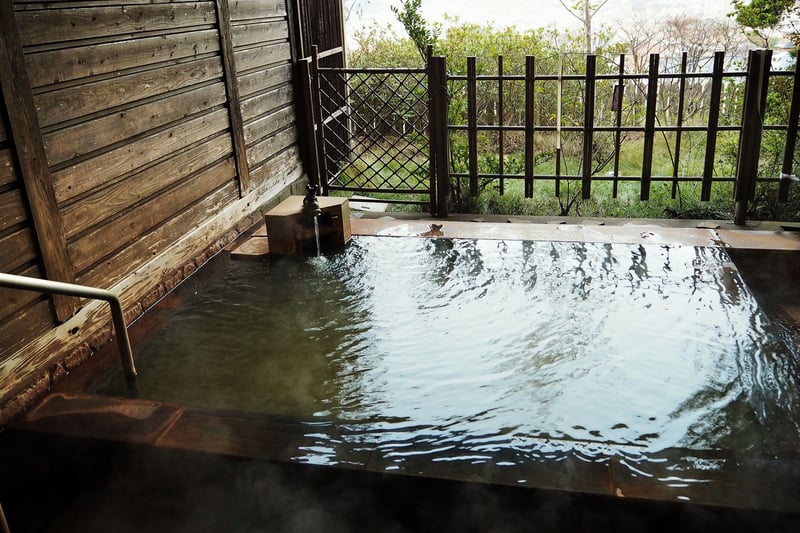
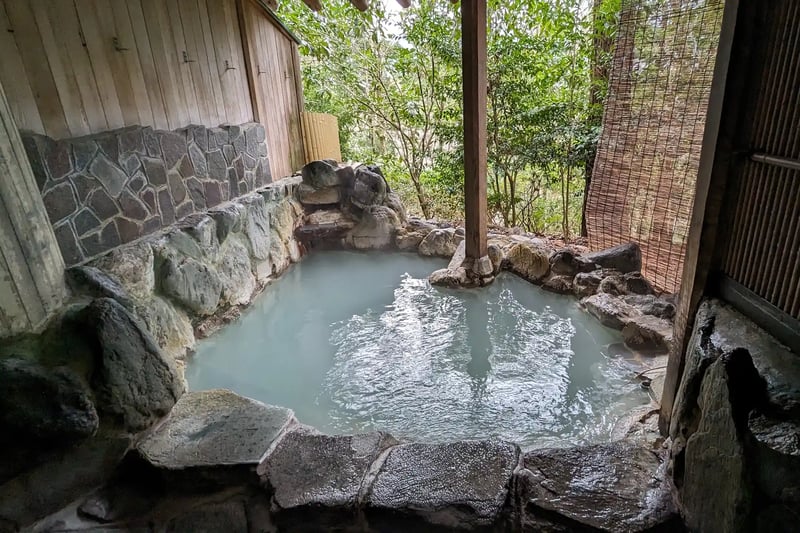
If there’s one set of elements you can’t separate from Japanese retreats, it’s traditional hot-spring therapy, the sauna boom of recent years, and aromatherapy. Across Japan—blessed with abundant volcanic zones—you’ll find hot springs of many different mineral types, long used for health through the tradition of tōji (湯治). Retreat programs often incorporate the relaxation and restorative comfort of hot springs, offering experiences that warm and soothe you from the core.
Saunas, too, are evolving beyond “just sweating.” Unique sessions have appeared that aim for synergy with meditation. In a “forest sauna” set among trees, or a tent sauna, you can savor the cycle of heat bath → cold plunge → outdoor rest, then slip into meditation with a newly balanced body and mind.
And don’t overlook the calming effect of aroma using Japanese herbs, or the soothing atmosphere created by natural interior materials typical of Japanese architecture. Let’s look more closely at relaxation through hot springs, saunas, and aroma.
How to Enjoy Hot Springs and Basic Etiquette
Hot springs are one of Japan’s great relaxation resources. In retreats, bathing itself is often positioned as part of healing and meditation, and time spent soaking is treated as something to protect—not rush. Hot-spring effects vary by mineral content, but in general warm bathing may support circulation, ease muscle soreness, and help your nervous system shift toward rest. If you have health concerns (for example, cardiovascular conditions, high blood pressure, or pregnancy), it’s best to follow facility guidance and consult a clinician if needed.
If you hydrate well and soak a few times, warming your body thoroughly, it can be pure bliss to stretch out afterward on tatami and simply rest. And that cold milk or local fruit juice you drink after your bath? It can feel unbelievably satisfying—one of the quiet joys of a Japanese-style retreat.
The Synergy of Sauna × Meditation
With the recent sauna boom, the phrase “totonou in the sauna” has become widely known. Totonou refers to the clear, euphoric sense of well-being you can feel by repeating the set of sauna → cold bath → rest (outdoor air bathing). In retreats, a notable trend is combining this post-sauna relaxed state with meditation. After you sweat thoroughly, tighten up in cold water, and then settle into a relaxation space, you quietly regulate your breath and enter meditation.
Medically speaking, it’s often thought that after the sympathetic nervous system is stimulated by hot sauna and cold immersion, the shift toward parasympathetic activation during outdoor rest supports the totonou state. That calmer timing can also feel ideal for meditation: your mind and body open, and concentration becomes easier. Because the “hot → cold → rest” cycle also increases blood flow and clears your head, even a short breath meditation can bring surprisingly deep absorption.
Guest Rooms and Spa Space Design
In retreats, the stay environment itself becomes a tool for healing. Many facilities use natural materials in rooms and spa interiors and pay close attention to lighting and scent. For example, Six Senses Kyoto, which opened for stays in April 2024, emphasizes natural light and a low-stimulation atmosphere designed for rest(*2).
A lobby or guest room filled with wood and stone, softly lit by daylight, can feel pleasant the moment you step in—an environment that also reflects sustainability values. At night, many facilities lower warm-toned indirect lighting so you can settle into a rhythm aligned with your body clock. Another key point is scent layering.
At this hotel, an original aroma oil blending Kitayama cedar and cardamom is diffused throughout the property, and at check-in, a welcome ritual invites you to rub zukō (塗香)—a traditional incense powder—into your hands and enjoy its fragrance. The fresh cedar and gentle spice warmth balance beautifully, offering a relaxation effect that can awaken not only your senses, but even your “sixth sense”(*2).
Some retreats work with professional aroma designers to produce signature scents, shifting fragrance profiles from morning to noon to night. In the morning, citrus notes might encourage waking; at night, lavender might guide you toward deeper sleep. By changing scent layers across the day, the facility supports your rhythm gently and naturally.
Sound and silence design matters, too. Some guest rooms remove televisions and even clocks, letting the natural sounds outside your window become the “background music.” Facilities also often pay careful attention to soundproofing, using wall materials and layouts to minimize noise from corridors or neighboring rooms.
Some hotels even design a courtyard stream so gentle water sounds echo softly throughout the building (also serving to mask surrounding noise). Furnishings frequently emphasize natural materials as well—solid-wood beds, plastered walls, linen made from hemp or organic cotton—so everything that touches your skin feels gentle. These low-stimulus interiors can feel especially comfortable if you are sensitive to strong scents or chemicals, and they may reduce concerns related to indoor irritation.
Lighting is often dimmable, and some places invite you to spend evenings by candlelight or the soft glow of an andon (行燈)-like lamp. Through these choices, the guest room can achieve a clarity of air and quiet that makes you want to inhale deeply the moment you enter. Some rooms are even described by guests as feeling so “clean and quiet” that you relax without trying.
In this way, retreats maximize relaxation not only through programs but also through the hardware of space itself—so you could say healing begins the instant you step inside.
Food Wellness and Sustainability
When you talk about the retreat experience, food is a crucial element. Ideally, you enjoy meals that are gentle on your body and support health from within—while also staying at a place operated sustainably, with care for the planet and local communities.
In Japanese retreats, you’ll often see thoughtful blends of traditional washoku wisdom with modern nutrition and environmental awareness. One example is local production for local consumption and highly seasonal menus. Fresh local vegetables, wild mountain plants, and seafood are used abundantly: spring brings mountain-vegetable tempura, summer brings refreshing vinegar-based dishes, autumn features mushrooms and chestnuts, and winter offers hearty soups filled with root vegetables—letting you taste the seasons directly.
Options by Dietary Style
More and more facilities are also adapting to a wide range of dietary habits. As options by meal style, retreats are increasingly offering special menus such as vegan (fully plant-based), vegetarian, gluten-free, and low-carb.
Facilities that welcome many international guests often accept declarations of allergies and religious dietary restrictions at the time of booking and will accommodate you as much as possible. For example, for vegans who avoid eggs and dairy as well, some retreats design main dishes using soy-based meat alternatives, and build protein through tofu and nuts. They may also avoid animal-based broth entirely, using kombu and shiitake to create umami-rich soups—details that reflect careful consideration.
In fact, some luxury resort hotels in Hakone now offer dedicated vegan menus in their restaurants, and hotels in Tokyo have begun hosting limited-time 100% plant-based buffet events(*1). Even major resorts are responding to demand, such as placing vegan-friendly soups as a permanent option at breakfast buffets(*1).
For gluten-free meals, you may see breads and sweets made with rice flour, buckwheat flour, or mixed-grain flour instead of wheat. Facilities may also replace soy sauce with rice miso or tamari (soy sauce without wheat).
For low-carb menus, options include mixed-grain rice or cauliflower rice instead of white rice, and desserts made with reduced sugar—aiming for a satisfying food experience that meets health-minded expectations. In terms of language as well, listing ingredients in English and having staff who can clearly explain allergens and cooking methods can make international guests feel safer and more relaxed throughout the stay.
Designing Fermentation and Gut Health
Recently, “gut health” (chōkatsu) has become such a trend that it’s widely discussed as essential to both health and beauty. Japanese retreat cuisine excels here as well, often incorporating plenty of traditional fermented foods as part of a balanced diet. Some facilities, for example, serve homemade brown-rice amazake or miso soup at breakfast.
Fermented foods contain beneficial microbes and fermentation byproducts that may support a healthy gut environment. Miso soup is a classic Japanese breakfast staple. If you’re concerned about salt, umami-rich dashi helps keep sodium at a moderate level, and if you add plenty of ingredients, you can also get potassium from vegetables and seaweed, supporting sodium balance.
Retreats also pay extremely close attention to the balance of umami, acidity, and aroma so that reduced-salt and reduced-sugar meals still feel satisfying. Concretely, they may cut back on soy sauce and instead brighten flavor with yuzu or vinegar, or rely on garlic, ginger, or herbs to build fragrance and depth (the idea of “making up for mildness with aroma”). With these strategies, you can maintain post-meal satisfaction while still honoring health goals.
Eating well, enjoying it, and becoming energized from the inside out—this is exactly how Japanese retreats support well-being at the table.
Recommended Areas in Japan for Retreats and How to Spend Your Time
Japan offers many retreat destinations where rich nature and distinctive cultural experiences come together. Here, you’ll find especially popular areas and examples of how to spend your time in ways unique to each place. Considering accessibility, we’ll suggest plans that let you fully enjoy each theme in a stay of around 3–5 days. Every area blends natural resources with history and culture, offering satisfaction whether you’re new to retreats or already experienced.
The Kanto Region (Hakone, Izu, Nikko)
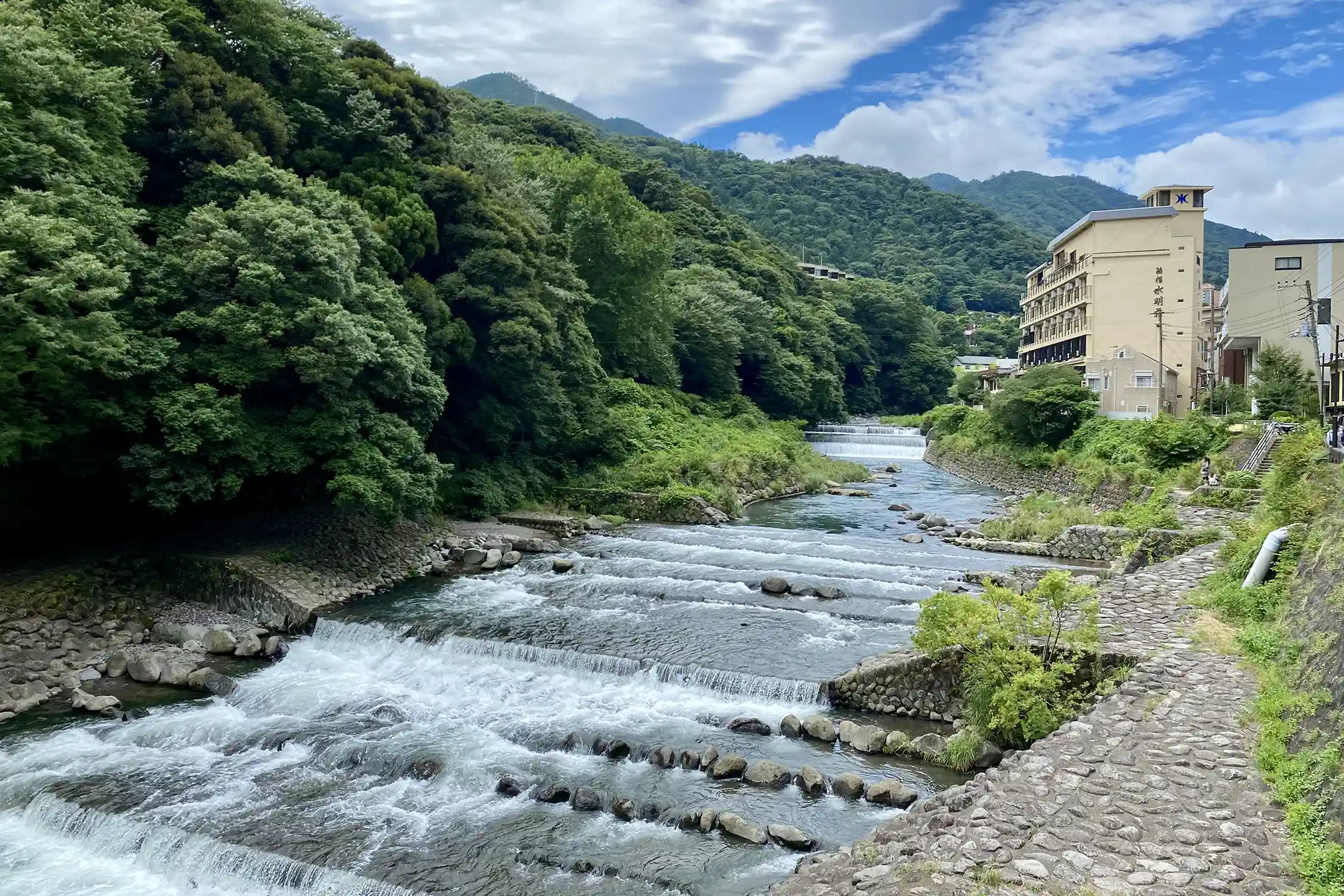
Near Tokyo, you’ll find standout retreat spots scattered across the Kanto region. Hakone is a famous hot-spring destination, offering diverse mineral waters such as sulfur springs, chloride springs, and carbonated springs. At spa resorts tucked into quiet forests near Lake Ashi, you can design a day that starts with lakeside yoga, continues with museum visits or hiking, and ends with an open-air bath under a sky full of stars.
Hakone is also known as an art town, home to places like the Pola Museum of Art and the Hakone Open-Air Museum, where you can find a different kind of healing through art appreciation. Access is comfortable, too—about 1–2 hours from Tokyo by Odakyu Romancecar or direct bus.
The Izu Peninsula is also unmissable. Surrounded by sea and mountains, Izu offers fresh seafood and hot springs. At coastal retreat facilities, you can meditate with the sound of waves as your soundtrack, or practice sunrise yoga on the beach at dawn.
In the mountainous interior of central Izu, you’ll also find villa-style retreats you can rent as a whole unit, where riverside open-air baths and forest therapy roads help restore you. Access from Tokyo is also good—around two hours by shinkansen or limited-express train. Nikko is another Kanto “hidden gem” retreat area. While it’s home to historic heritage sites such as the UNESCO-listed Nikko Toshogu Shrine, deeper in Oku-Nikko you’ll find primeval forests, waterfalls, and beautiful streams.
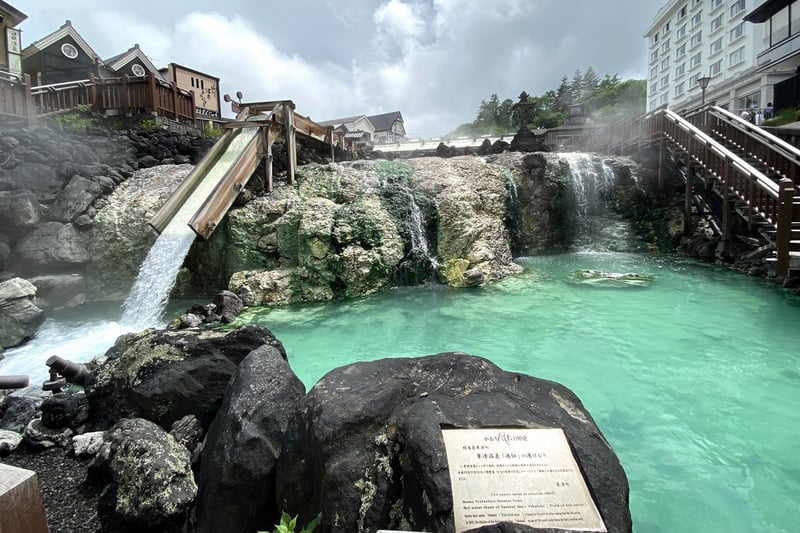
At resorts around Lake Chūzenji, you can spend your days immersed in nature—tai chi by the lakeside in the morning, waterfall-hopping hikes in the afternoon, stargazing at night. For hot springs, Oku-Nikko Yumoto Onsen is well known for sulfuric waters. After warming up in milky-white baths, meditating in the quiet highland air can feel exceptionally restorative. From central Tokyo, Nikko is about two hours by Tobu limited express, or about two and a half hours by car via the Tōhoku Expressway—a very manageable distance.
Nagano, Karuizawa, Azumino
Nagano Prefecture, known for its rich mountain landscapes, is also a beloved retreat area. Karuizawa, in particular, is one of Japan’s signature highland resorts—cool in summer and wonderfully quiet in winter, when the air becomes crisp and clear. Luxury resorts surrounded by Karuizawa forests may offer dedicated meditation rooms and glass-walled yoga studios that blend into the trees, and programs combining seasonal outdoor air bathing with saunas are often highly praised.
In winter, you might enjoy meditation by a wood stove after a snow-viewing open-air bath; in summer, morning yoga in fresh green forests and footbaths by rivers. Karuizawa also has a strong fermentation culture, and unique plans may include visits to long-established miso breweries or local craft beverage makers—bringing fermentation into your retreat experience.
Azumino and its surroundings are also worth attention. Spreading across gentle countryside at the foot of the Northern Alps, Azumino is known for clear streams running through wasabi fields and beautiful satoyama landscapes. Here, auberge-style retreats in renovated traditional houses are popular. You can practice mindfulness meditation in a calm space warmed by an irori hearth, or reset with macrobiotic meals made from organic vegetables grown on-site.
Azumino and nearby Matsumoto City also have many sake and miso producers, and you’ll find “food therapy” plans built around fermented foods. This region is also a sanctuary for forests and saunas. Imagine a private sauna hut surrounded by birch trees: you steam slowly, then step outside and let the refreshing chill of a 1,000-meter-altitude breeze wrap your whole body—an outdoor-rest experience that feels truly luxurious. Nagano is also practical for a three-night itinerary: Tokyo to Karuizawa takes just over an hour by shinkansen, and Matsumoto is around two and a half hours.
Kyoto and Koyasan
If you want to feel the essence of Japanese culture, retreats in Kyoto and Kōyasan are especially recommended. Kyoto is home to many prestigious Zen temples, and you’ll find temples throughout the city that accept visitors for zazen experiences.
At Shunkō-in, a sub-temple of Myōshin-ji, English zazen sessions are also held, making it popular with international guests. A Kyoto retreat often centers on morning zazen or shakyō while looking out over serene gardens, along with temple-style shōjin cuisine. At temple lodgings around Nanzen-ji, for example, you can enjoy Kyoto shōjin dishes such as yudōfu and goma-dōfu, and in the evening join meditation gatherings with incense—immersing yourself in the spiritual culture of the old capital.
Kōyasan is a sacred center of Shingon esoteric Buddhism, with more than 50 temples welcoming guests through shukubō stays. You can participate in morning and evening services, goma fire rituals, Dharma talks by monks, and shakyō—rich temple experiences throughout your stay. Zazen and chanting in the early morning stillness can feel like a rare encounter with “the real thing.” During the day, walking the old path to Okunoin and breathing deeply among cedar trees can feel like your heart is being washed clean.
Kōyasan’s shōjin cuisine is also praised for its deep flavor—built around seasonal mountain plants, tofu, and sesame—leaving you fully satisfied even without animal products. In the Kyoto–Kōyasan area, you can feel Zen culture and the quiet spirituality held by temples and shrines, while taking a journey that invites you to look at yourself again. The silence of early morning and night away from crowds, combined with the solemn air of historic temple complexes, is a luxury found only here.
Ise-Shima
A destination rising in popularity as a “purifying journey” is the Ise-Shima area of Mie Prefecture. Ise Grand Shrine—often described as the spiritual home of the Japanese heart—draws people for worship, and retreat plans that incorporate that visit are gaining attention.
A program that involves an early-morning walk through the vast shrine forest and a misogi breathing practice by the Isuzu River can feel quietly sacred, amplified by the forest’s presence. Nearby accommodations may offer original menus that use local gifts, such as tea meditation with Ise tea, or esthetic treatments using powder from locally produced pearl shells.
Resort hotels along Ago Bay may feature yoga decks with ocean views, where you can spend a day watching sunrise rise from the eastern sea and sunset sink into the western horizon. Programs themed around purification through sea and shrine are also unique—salt baths, moonlight bathing by the shore, and other experiences that focus on the cleansing atmosphere of the ocean.
Meals naturally highlight local seafood such as spiny lobster and abalone, but for retreat guests, many places emphasize quality over quantity, inviting you to savor each dish slowly. By sharpening your senses as you eat, the meal itself can become a meditation. The Ise-Shima area is also accessible from Kansai International Airport and from the Nagoya region, and a journey of renewal in a land of ancient nature worship can become a once-in-a-lifetime memory.
Setouchi and Shodoshima
The islands floating in the calm Seto Inland Sea are also perfect for retreats where you can enjoy quiet “island time.” Shōdoshima, in particular, is known as an island of olives and citrus, with scenery that can evoke the Mediterranean. At retreat facilities attached to olive groves, you may spend a day being soothed by olives—stretching among the trees in the morning, enjoying a healthy olive-oil-based lunch at noon, and meditating in the evening while watching an orange sunset.
Olive leaves are often associated with relaxation, and unique experiences include drinking olive-leaf tea or misting yourself with aromatic water. Citrus essential oils from local fruit (lemons, navels, and more) are also popular. Yoga paired with fragrance bathing can lift your mood and give you a positive kind of energy. The gentle sea and unhurried island rhythm can loosen your mind on their own; by living at a slower pace than the city’s time sense, your autonomic balance may begin to feel steadier.
Beyond Shōdoshima, Setouchi islands such as Naoshima, Teshima, and Inujima are famous as “holy sites of contemporary art.” Visiting scattered museums and outdoor installations can be powerfully stimulating. At places like Benesse House Naoshima, where art and lodging merge, art appreciation itself can become a form of meditation. Even ferry travel between islands can feel soothing—the rhythm of the waves rocking you like a lullaby, dissolving the noise of daily life.
Setouchi retreats strike a beautiful balance between art and quiet. In museums, you stand silently with a work and observe the emotions rising within you—often leading to a kind of inner cleansing. The entire island becomes a non-ordinary space: your mind stays calm even as you receive modern inspiration. It’s a retreat that polishes both your senses and your creativity at the same time.
Access is via ferries from Takamatsu or Okayama, and with 3–4 days you can enjoy multiple islands at an unhurried pace. By the time you return, you may find that the island’s gentle sense of time has settled into your body—and that you can move through everyday life with less rushing and more calm.
Yakushima
Yakushima, in Kagoshima Prefecture, is another essential destination if you’re drawn to nature-based retreats. The island is home to primeval forests registered as a UNESCO World Natural Heritage site, famous for a climate so rainy locals jokingly say “it rains 35 days a month.”
Trekking through forests filled with ancient giant trees—including the famous Jōmon Sugi, estimated to be several thousand years old—can be a moving experience that puts you in touch with the mystery of life. If you meditate in a forest where rain and birdsong resonate like a symphony, you may suddenly realize how small everyday worries can feel. Especially on rainy days, the scent of wet moss and the soft humidity sharpen your senses, and time takes on a unique quality that could be called “meditation with rain and moss.”
Some retreats even offer programs where you walk through the moss forest with a professional guide, stopping repeatedly for “moss observation meditation.” By focusing on moss texture and color, you can feel a sense of unity with nature. Yakushima also has many waterfalls, and some places offer the chance to try waterfall purification practices. Experiencing cold, clear water at sites like Ōko-no-taki, where water flows over smooth granite, can deliver a powerful “reset” impact. If that feels like too much, simply breathing deeply near a waterfall basin while bathing in its cool air and mist can be refreshing enough. Yakushima’s sea is also beautiful, and “two-base retreats” that combine trekking in places like Shiratani Unsuikyō Ravine with coastal meditation are popular. Imagine tai chi by the sea in the morning, forest walking at midday, and starlit yoga on a beach where sea turtles come to lay eggs at night—a luxurious duet of sea and forest. A 4–5 day stay lets you enjoy Yakushima fully. The energy you draw from nature here can refresh you from the bottom of your heart, and many people feel its effects linger long after they return home.
Hokkaido (Niseko, Toya)
Hokkaido offers dynamic retreats set against vast natural landscapes. Areas around Niseko and Lake Tōya, in particular, are rich with mountains, forests, lakes, and hot springs—while also hosting luxury resorts.
Niseko is famous for winter skiing, but in the green seasons of summer and autumn it becomes a quiet highland retreat destination. At hotels on elevated ground with views of Mount Yōtei, you may find menus such as morning yoga on grass while listening to birds, cycling to feel the wind during the day, and zazen on a terrace in the evening surrounded by the sound of late-summer insects. Many people find that simply spending time embraced by expansive nature makes stress feel smaller—and in Niseko’s grand scenery, you may feel that especially vividly.
Niseko is also known for its pure water. Carrying a bottle and heading out on a nature walk with mineral-rich spring water can feel like a luxurious detail. Some accommodations also have organic farms, offering workshops where you harvest fresh vegetables and make a healthy lunch—giving you a “touching the soil” kind of therapy.
The Lake Tōya area is a caldera lake surrounded by volcanoes such as Mount Usu and Shōwa-shinzan, known for its beauty and quiet atmosphere. Luxury resorts and ryokan line the shore, many with free-flowing hot springs. Hokkaido’s climate is cool and relatively low in humidity, making outdoor activities comfortable even in summer. Both Niseko and Toya are within about 2–3 hours by car from Sapporo or New Chitose Airport, and because pastoral scenery continues along the way, the drive itself can feel healing. When you spend time within the scale of Hokkaido’s vast nature, small worries often begin to feel less significant, and your heart can open wider. Soak in hot springs, let yourself be held by grand views, and fill your lungs with clear air—and city stress can dissolve, leaving you ready to face daily life again with a renewed mind.