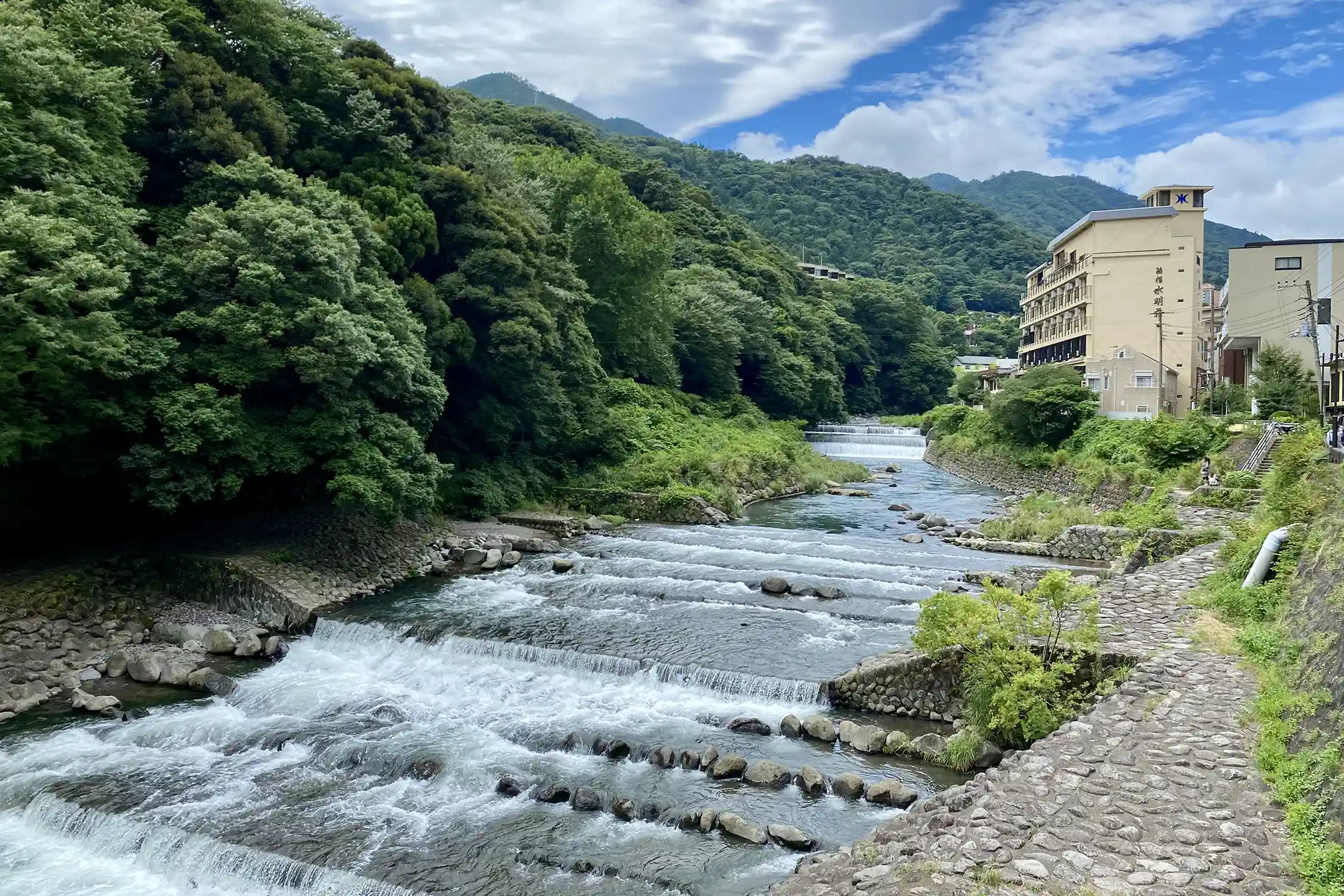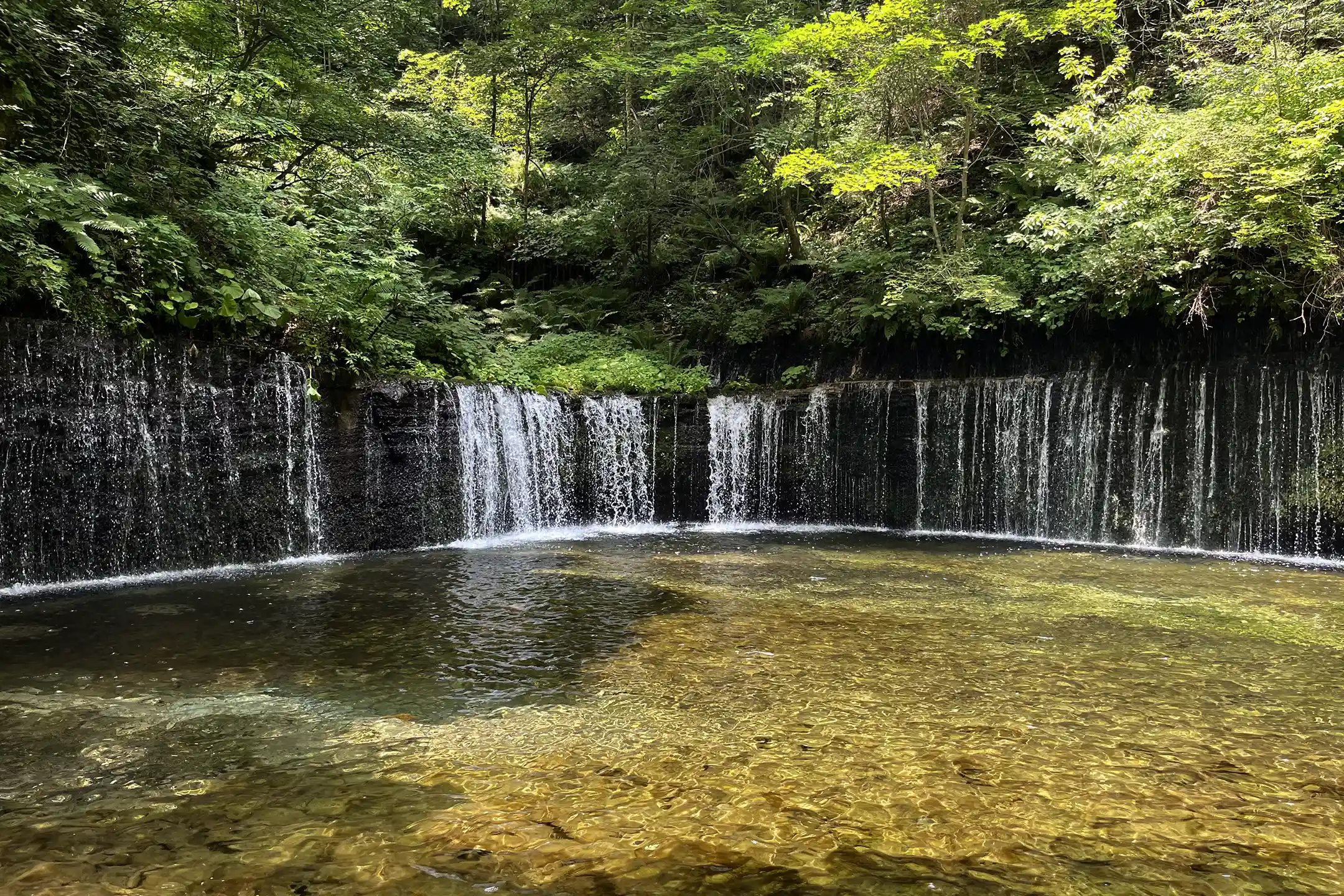
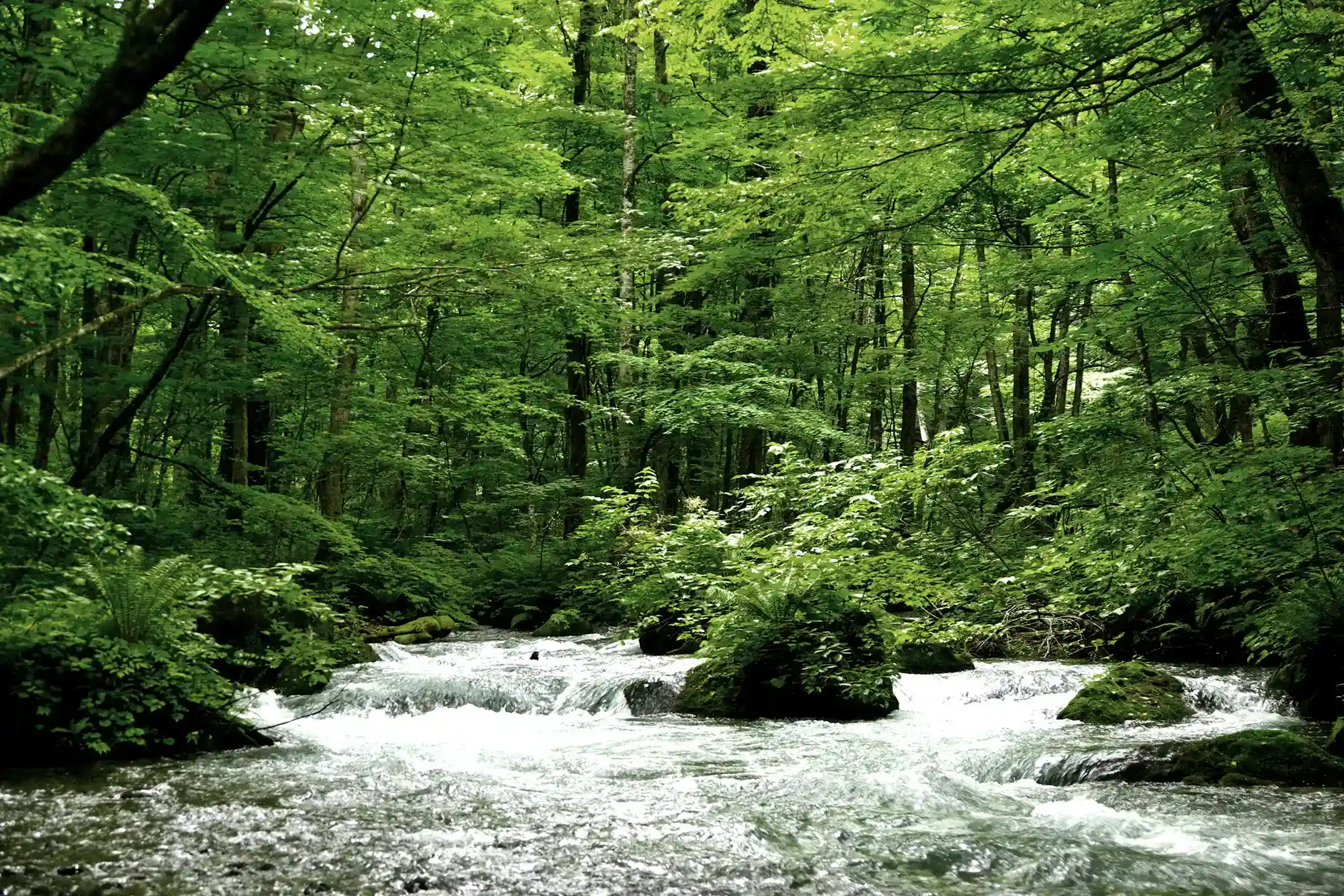
One of Japan’s most celebrated scenic destinations, Oirase Gorge (Oirase Keiryu) is a jewel of Towada-Hachimantai National Park, which spans three prefectures in the Tohoku region. Located in Aomori Prefecture near Lake Towada, Oirase is especially beloved for its easy-to-walk riverside trail and its “immersive nature” atmosphere—close enough to feel, yet gentle enough to enjoy at an unhurried pace.
Along the roughly 14 km stream that flows out of Lake Towada, you’ll find lush beech forests, moss-covered rocks, and waterfalls scattered throughout the valley—an ever-changing masterpiece that captivates visitors in every season. Oirase has also been recognized in major guidebooks (including a two-star rating in the Michelin Green Guide), and it draws travelers who want to step away from busy routines and reset both body and mind. Take a deep breath in the hush of the forest, listen to the clear sound of running water, and you’ll likely feel a calm, grounded kind of relaxation—like reconnecting with nature in a very personal way.
In this article, you’ll discover Oirase Gorge’s must-see spots, the best times to visit, how to get there, an unhurried sample itinerary, and wellness-minded tips on dining and accommodations. We’ll share Oirase’s appeal in generous detail—so you can plan a journey that gently restores you, inside and out.
What Is Oirase Gorge?|Its Allure and Essential Facts
Representing Towada-Hachimantai National Park, Oirase Gorge is designated a Special Place of Scenic Beauty and a Natural Monument by the Japanese government due to its exceptional landscape value (*1). From Nenokuchi—where Lake Towada’s waters begin to flow—down to Yakeyama, the gorge stretches about 14 km, descending with a gentle gradient. Here, a pristine stream and deep old-growth forest weave together into spectacular scenery that transforms with the seasons.
This streamside beauty, shaped by nature over long stretches of time, holds a sense of mystery that’s difficult to recreate anywhere else. Each waterfall, rock face, and bend in the water reveals a sculptural presence that can stop you in your tracks—often prompting an instinctive deeper breath. Below, we’ll explore Oirase’s healing appeal, its natural charm, and how to enjoy it through a wellness lens.
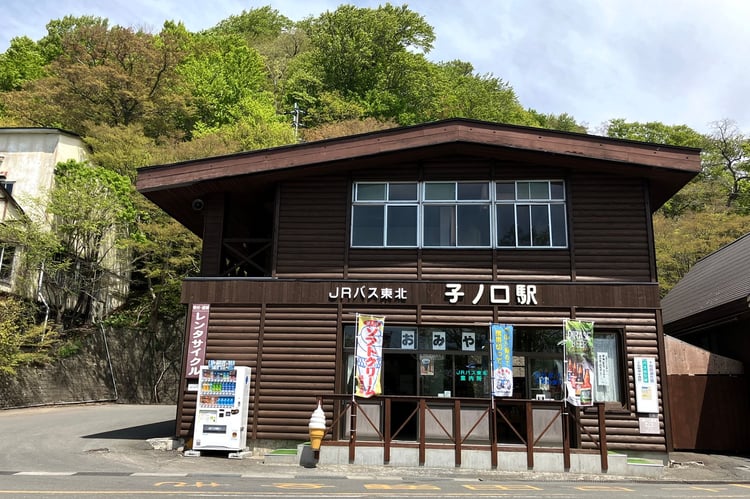
The Appeal of Oirase (Streamside Beauty, Moss, and the Restorative Effect of Waterfall Sounds)
One reason Oirase Gorge draws so many travelers is its restorative pull—the feeling that simply being there can soften tension and help you reset. In the dense forest, as you listen to the murmur of the stream and the steady roar of falls, many visitors describe a surprising mental clarity, as if the mind is being rinsed clean (*1).
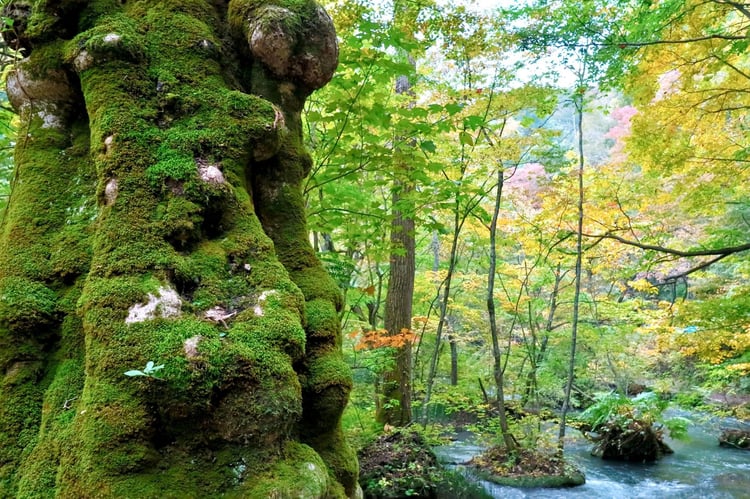
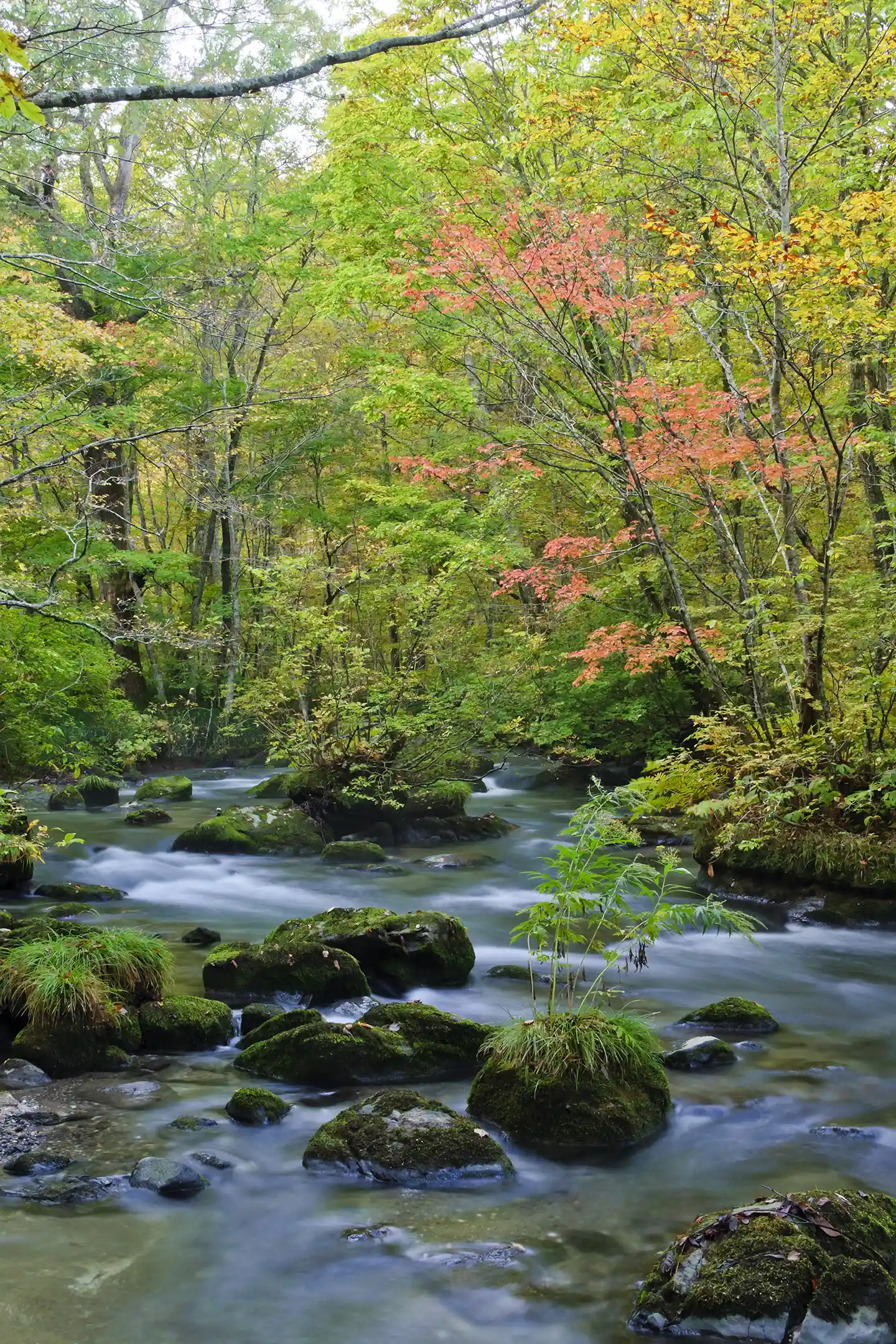
Oirase is also known for a cool, humid microclimate along the stream, even in summer—an environment that nurtures its extraordinary mossy woodland. More than 300 kinds of moss have been observed in the Oirase area, and the stream is also known for moss-focused nature experiences (*2).
The green carpet of tiny life—moss, ferns, mushrooms—spreading over rocks and tree trunks can feel like a living moss garden. After rainfall, it glows with an even fresher sheen, and its beauty can awaken your senses in a quiet, intimate way. In this space where forest and clear water meet, your five senses are gently reactivated, and the fatigue you’ve been carrying can begin to melt away. Time spent walking Oirase is more than sightseeing—it can feel like a meaningful moment of “nature therapy.”
Benefits You Can Gain in Oirase
To experience Oirase Gorge at its best, consider giving yourself time—enough to settle into the stillness. A roadway runs alongside the stream, and a walking path parallels it as well. During peak crowding periods—especially autumn foliage season—temporary private-vehicle restrictions may be implemented, with shuttle buses in operation. These measures help reduce noise and congestion, supporting a calmer, more comfortable environment for your walk (*3).
If you step into the forest early in the morning or toward evening, when few people are around, you may feel as though the gorge is yours alone. In a soundscape made of rustling leaves and flowing water, you can find a depth of relaxation that’s difficult to access in everyday life.
Beyond rest, Oirase can also offer you room for creativity and reflection. In nature far from constant stimulation, your thoughts often loosen; new ideas may surface, or you may feel inspired to meet yourself more honestly.
Many people also find that time in forests supports stress relief and better mood, and that’s one reason more urban creatives choose “workcations” in natural settings. And above all, simply spending time beneath mossy trees and dappled light is its own luxurious kind of healing. In Oirase Gorge, you can restore yourself in a space protected by quiet—and return with renewed vitality and fresh perspective.
How to Get to Oirase・Directions・Parking
Getting to Oirase Gorge typically means combining major transport—shinkansen or air travel—with a rental car or local bus. Because services can be seasonal, it’s wise to confirm the latest timetables and operating dates as you plan.
From Tokyo, you can reach the region in roughly three hours by the Tohoku Shinkansen, then connect by bus from major hub stations such as Shin-Aomori Station or Hachinohe Station to the Oirase area (*1). Depending on the season and route, some direct services operate to key points like Yakeyama (the gateway area) and Nenokuchi (Lake Towada side). Even without a car, Oirase is very reachable by public transportation—especially if you plan around bus schedules (*1).
If you fly, you can reach the area from Aomori Airport in about 1.5 hours by rental car, depending on road and weather conditions. Public transportation is also possible by heading toward Aomori Station and connecting to bus routes serving the Lake Towada / Oirase area, but travel time can be longer and more schedule-dependent (*1).
The main parking bases around Oirase Gorge are three: Yakeyama at the eastern end (Oirase Stream Museum / Oirase Field Museum area), Nenokuchi at the western end (Towada Lake Yasumiya area), and the midpoint Ishigedo Rest Area. Each has a parking lot. Yakeyama parking is generally convenient as a starting point; Nenokuchi (Yasumiya) is useful if you plan to combine your visit with Lake Towada sightseeing (*1). Ishigedo has limited capacity, making it better for short stops. During busy periods such as peak autumn foliage, private-vehicle restrictions may be enforced, and shuttle buses operate instead (*3).
Access from Major Cities (Tokyo・Aomori・Hachinohe)
From the greater Tokyo area, a classic route to Oirase Gorge is a combination of rail and bus. Take the Tohoku Shinkansen to Hachinohe Station (or Shin-Aomori Station, depending on your onward route), then connect to buses serving the Lake Towada / Oirase area. Travel times vary by service and season, so plan with a buffer and confirm your exact departure time before the day of travel (*1).
If you’re flying, it takes about 1 hour 15 minutes from Haneda Airport to Aomori Airport. From the airport, a rental car offers the most flexibility—especially if you want to combine Oirase with nearby destinations such as Lake Towada, the Hakkoda area, or Towada City. If you prefer public transportation, you can travel toward Aomori Station and connect via bus routes that serve the region, but note that transfers and operating periods may affect the total time (*1).
Either way, one of Oirase’s great charms is how you can reach expansive, soul-clearing nature without needing a long, technical trek—making it ideal for both first-time visitors and repeat travelers.
Parking and Shuttle Buses in Oirase (Nenokuchi・Yakeyama)
If you’re coming by private car, it’s convenient to use Nenokuchi and Yakeyama, located at each end of the gorge, as your bases. Nenokuchi is the area with Lake Towada sightseeing boat departures and shops, and it has a large paid parking lot. Yakeyama is home to the Oirase Stream Museum / Oirase Field Museum, which also functions as a tourist-information base, and there are parking areas nearby. Starting from either end makes it easy to plan a one-way walk and return by bus.
Near the middle of the gorge, the Ishigedo Rest Area offers a small parking space, but capacity is limited and it may fill during peak times. At the height of autumn foliage season, private-vehicle restrictions may be implemented, and a paid shuttle bus operates during the restriction period (*3).
During this period, a recommended approach is to park at designated lots, take the shuttle to your preferred starting point, and then walk at your own pace. Using the shuttle helps you enjoy Oirase without worrying about traffic—and it’s a more environmentally considerate way to travel.
How to Walk Oirase Gorge and How Long It Takes
Oirase Gorge has well-maintained walking paths along the stream. Because the terrain is mostly flat, you can enjoy hiking even if you’re not an experienced trekker. Walking the full route (Nenokuchi to Yakeyama) covers about 14 km and typically takes roughly 4 to 5 hours, depending on stops and pace (*2). But you can also use bus stops along the way to focus on the most scenic stretches.
For example, the roughly 9 km section from Ishigedo to Nenokuchi is a highlight zone where major falls and famous spots are concentrated. In around 3 to 4 hours, you can take in the essence of Oirase Gorge while still keeping the day comfortable (*2). This flexibility—being able to divide the route into smaller segments depending on your time and energy—is one of Oirase hiking’s advantages.
Because restrooms and rest areas are limited along the path, it’s wise to know their locations in advance. Main facilities include the Oirase Stream Museum / Oirase Field Museum at Yakeyama, the Ishigedo Rest Area (with restrooms and a shop), and Yasumiya at Nenokuchi (tourist information and restrooms) (*2). In particular, there are limited facilities between Ishigedo and Nenokuchi, so it’s reassuring to take care of restrooms and drinks before you start walking.
What to Wear・What to Bring・Safety Tips
When walking Oirase Gorge, choose comfortable clothing and well-worn shoes in any season. Even in summer, temperatures along the stream can feel noticeably cooler than in cities, so light long sleeves and long pants are often a smart choice for comfort and insect protection (*1). Insect repellent can also be helpful, especially from early summer through autumn.
The forest is part of a wild natural environment, so it’s wise to stay alert and follow local guidance. While encounters are uncommon, some travelers choose to carry a bear bell as a simple precaution. After rain, parts of the path can become muddy, and there may be uneven areas where roots form small steps—so non-slip walking or trekking shoes are ideal.
If you visit from autumn into winter, cold-weather and waterproof measures are essential. In early winter, parts of the path can freeze, so carrying simple traction devices (anti-slip spikes) can improve safety. Be sure to bring drinks for hydration and small snacks. Shops and vending machines are limited along the gorge, so purchase what you need before setting out (*1).
Mobile signal may be unreliable depending on location, so it’s smart to carry a paper map and bus timetable as a backup. As basic outdoor etiquette, take all trash with you. For unexpected minor injuries, pack simple first-aid items like bandages, and keep your plan realistic so you can enjoy Oirase’s grand nature safely and comfortably.
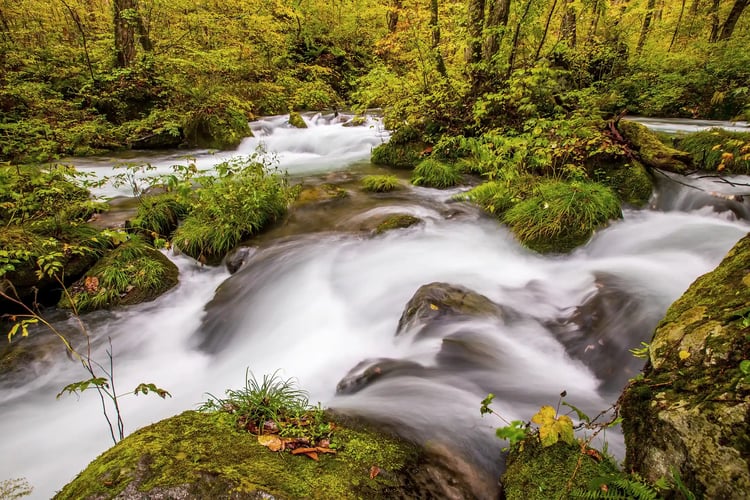
Oirase Gorge Highlights and the Best Seasons
At Oirase Gorge, the scenery shifts dramatically with the seasons, and each time of year offers a different kind of beauty.
In spring, fresh beech greenery is dazzling; from mid-May to mid-June, new leaves seem to burst forth and blanket the entire gorge (*1). Moss, too, becomes more vivid when wet, and the dewy landscape of new green and moss is especially lush after rain.
Summer brings deep shade and cool breezes. Under softened sunlight filtering through the canopy, you can fully enjoy forest bathing at Oirase. In autumn, broadleaf trees along the stream begin to color from mid- to late October, and a blazing tunnel of fall foliage appears (*1).
The interwoven reds of maple and lacquer trees and the yellows of beech and katsura are breathtaking, making this the peak season that draws visitors from across Japan. Winter, in contrast, becomes a quieter world of snow with far fewer tourists. In the coldest months, waterfalls can freeze into dramatic icefalls, revealing a solemn, sculptural beauty. Some local hotels and tour operators also offer winter programs, allowing visitors to enjoy seasonal highlights more safely and comfortably.
Seasonal Highlights in Oirase (Fresh Greenery・Moss Rain・Autumn Leaves・Winter Icefalls)
Spring in Oirase Gorge feels full of life. In late April through May, snowmelt increases the water volume, and the forest along the stream is wrapped in tender new green. The contrast with the clear flowing water feels crisp and refreshing.
In mid-May, Murasaki-yashio tsutsuji (a type of azalea) blooms delicately on rocky areas. Around Sanmidare-no-Nagare, you can enjoy a beautiful interplay of pink blossoms, fresh greenery, and the stream (*2). From early summer into the rainy season, rainfall moisturizes the gorge’s moss, deepening its green. Rainy days can be especially rewarding for moss viewing: seeing rocks and trees turned into a soft, breathing moss forest can feel deeply soothing.
In summer (July–August), more walkers arrive in search of cool air. Under the trees, direct sunlight is blocked, and together with the stream’s sound, it feels remarkably cool. As you walk through a mossy gorge wrapped in deep green, you may forget the city heat entirely.
In autumn, Oirase Gorge wears its most radiant “outfit” of the year. Color change begins gradually from late September, and peak foliage from mid- to late October is spectacular.
Broadleaf trees along the stream turn red and yellow all at once, and around Ashura-no-Nagare, trees grow thick near the water’s edge, creating a blazing tunnel of leaves. This view is often called one of Oirase’s signature scenes and is closely tied to the gorge’s reputation as a nationally recognized scenic site (*2). The area becomes lively in tourist season, but after leaves fall in late autumn, the valley shifts toward winter, and by mid-November you may even see the season’s first snow.
In winter (December–February), Oirase Gorge is quiet, with few visitors. The monochrome world of snow layered against evergreen conifers has a beauty unlike any other season. A major highlight is frozen waterfalls known as icefalls—and among them, the sight of Chōshi Ōtaki (about 7 m high and 20 m wide) transformed by cold temperatures can be powerfully awe-inspiring (*2).
Icefalls glow bluish-white in daytime natural light, and at night, illuminated views can create an otherworldly scene. Some walking paths may close in winter, but by joining a guided tour (such as snowshoe programs), you can experience winter Oirase more safely.
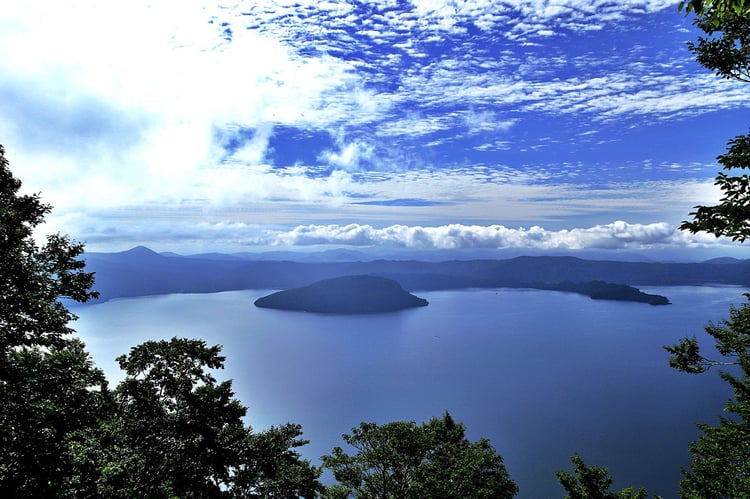
Oirase Highlights Map and Key Spots
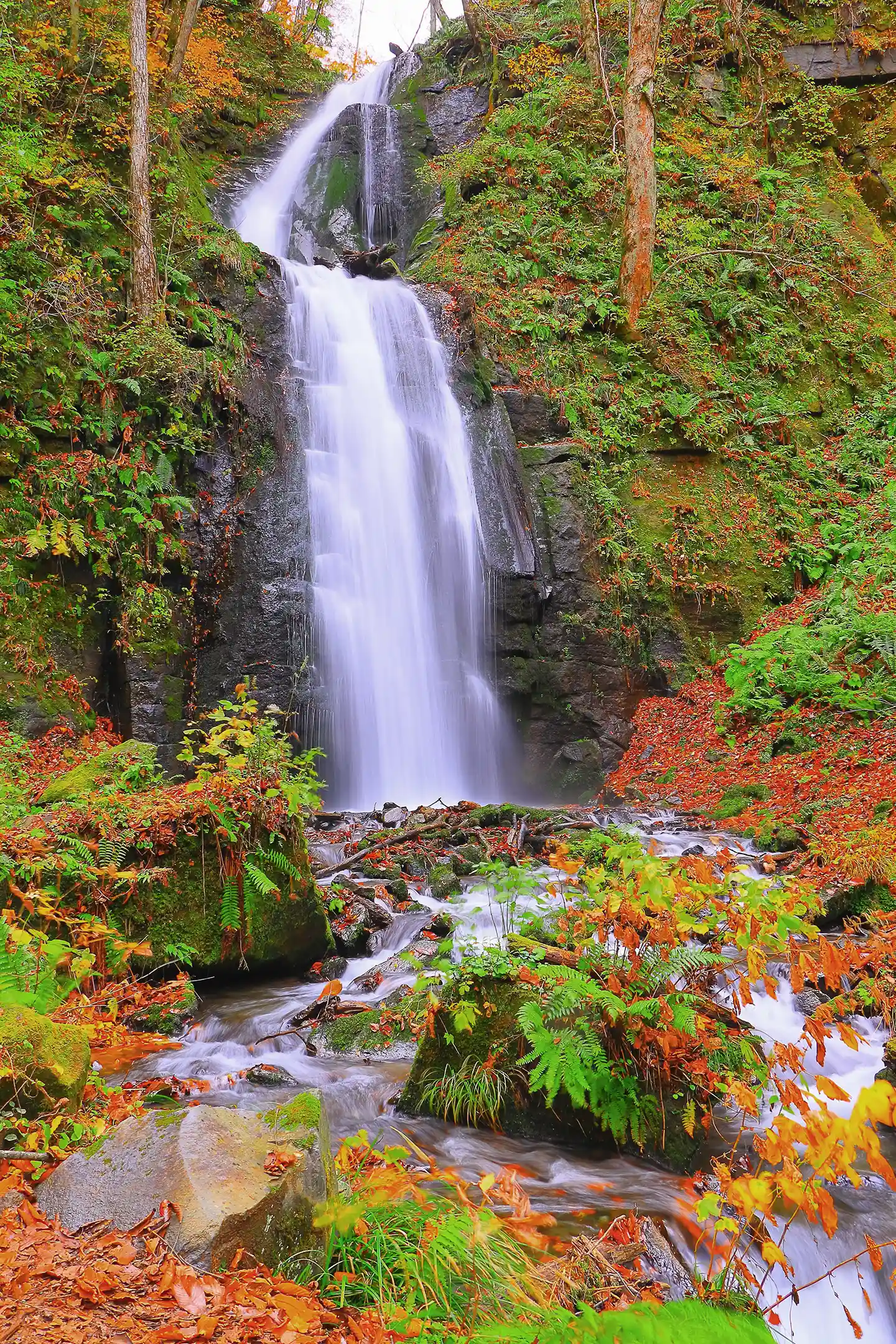
Oirase Gorge is dotted with many famous places, and it’s worth knowing several classics before you go. Near Nenokuchi at the western end, Chōshi Ōtaki is Oirase’s largest waterfall and is also known as the “fish-stopping waterfall” for its powerful flow.
The spray that rises and hangs in the air can feel like a natural mist that refreshes the atmosphere around you (*2). As you continue downstream from Chōshi Ōtaki, you’ll encounter a succession of falls large and small—Kumoi-no-Taki, Shiraito-no-Taki, Tamasudare-no-Taki, and more. Each has a different shape and expression, making them popular photography spots.
Among them, Kumoi-no-Taki is a three-tiered waterfall with a dynamic drop and abundant water, often counted among the most photographed falls in the gorge. Ashura-no-Nagare is a dramatic highlight where rapids bend in an S-shape around a stone bridge. Countless rocks scatter across the width of the river, and the forceful current seems to surge around them—an unforgettable sight (*2). The contrast between wild water and surrounding trees is so striking that Ashura-no-Nagare is also an excellent photography point in every season.
Nearby, you’ll also find connected highlights such as Ishigedo-no-Se and Kudan-no-Taki, and the walking path continues to reveal varied scenes. On the eastern side of the gorge stands Ishigedo, a massive boulder that forms a natural rock shelter—like a roof supported by a great katsura tree on one side. Tied to the legend of the bandit Osamatsu, Ishigedo is also a rest spot, where you can pause and catch your breath while gazing at the stream from within the mossy rock overhang.
Further downstream, you’ll come to scenic places such as Sanmidare-no-Nagare, where the gentle flow threads between large and small stones, and Shimeikei, a stretch lined with U-shaped cliffs. At Shimeikei, you can feel the scale of the water’s broad surface and the cliffs’ presence, enjoying a grand panorama from spring greens through autumn color.
The Best Season for Oirase and How to Avoid Crowds
Oirase Gorge is appealing all year, but the most popular times are May–June for fresh greenery and October for autumn leaves (*1). The fresh-green season offers mild weather ideal for walking, and crowds tend to be lighter than in autumn. The rainy season, when moss is at its most vivid, can also be a hidden-gem timing: fewer people, and a quietly saturated valley atmosphere you can enjoy at a calmer pace.
By contrast, peak foliage from mid- to late October is the busiest period of the year. On weekends and holidays especially, roads can fill with tour buses and private cars from early morning, and parking lots often reach capacity quickly. If you’re visiting during foliage season, choosing a weekday when possible—or entering the gorge early, ideally before 8:00 a.m.—can help you avoid much of the congestion. In the early morning, Oirase is quieter, and you may even encounter a magical scene where sunbeams pierce through morning mist (*1).
Late afternoon can also be calm after day-trippers leave, but because sunset comes early, keep your walk short and don’t push yourself. Note that some sections of the walking path may close for winter around mid-November each year. If you’re visiting in late autumn or later, check local updates in advance and prepare thoroughly with warm layers and traction for safety. To fully enjoy Oirase’s nature, planning with the season in mind—and choosing the right timing—makes all the difference.
Sample Itineraries Centered on Oirase
To explore Oirase Gorge efficiently—without making the experience feel rushed—your keys are time allocation and transportation choices. Here, we’ll suggest a relaxed half-day/day-trip option, and a full-day plan that lets you savor morning and evening light. Both are designed around the theme of “healing,” with an unhurried rhythm to enhance Oirase’s restorative effect.
Oirase Half-Day・Day-Trip Sample Itinerary
If you want to experience Oirase Gorge’s highlights even with limited time, it’s best to narrow your route.
For example, take a morning bus from Hachinohe Station and arrive at Yakeyama around late morning, then ride the bus to the Ishigedo Rest Area. From there, walk the roughly 9 km stretch to Nenokuchi. This section concentrates major highlights—Ashura-no-Nagare, Kudan-no-Taki, Kumoi-no-Taki, Chōshi Ōtaki—and if you walk for about three to four hours with photo stops, you can experience the best of Oirase Gorge in a satisfying way.
After your walk, you can board a bus from Nenokuchi and return to Hachinohe Station in the late afternoon. A day trip from Tokyo isn’t impossible, but it does mean a long round trip—so pairing your visit with a night before or after is recommended for a more comfortable plan.
Even with a half-day stay, you’ll likely feel satisfied in seasons like fresh greenery or autumn color. If your time is especially tight, you can also focus on a single area—enjoying spots like Chōshi Ōtaki or Ashura-no-Nagare in a pinpoint way.
For instance, you might ride the bus straight to near Chōshi Ōtaki, view the waterfall, and then give yourself a quiet moment of stillness in the forest. In Oirase, you don’t have to “cover everything” to feel its power—often, lingering in a place you love is what deepens the restorative effect.
With a shorter course, you can also more easily build in café time—such as relaxing on a streamside bench, or enjoying local apple sweets at the café “Ara, Ringo.” inside the Oirase Stream Museum / Oirase Field Museum. Even in limited time, Oirase Gorge can offer deep relaxation and fresh inspiration.
Oirase Full-Day Sample Itinerary
This plan lets you immerse yourself in Oirase Gorge from morning to evening. If you stay overnight at an accommodation along the stream the night before, head out for a walk in the early morning forest, when few people are around. Around 6:00 a.m., Oirase is often wrapped in mist, creating an atmospheric mood. If you’re lucky, sunbeams will cut through the fog and the forest may glow gold. Walking beside an empty stream with birdsong as your soundtrack can feel satisfying all on its own.
After breakfast, spend your morning enjoying a slow hike from Ishigedo to Nenokuchi. Even if you take photos and walk leisurely, you can reach Nenokuchi around noon. At Nenokuchi, how about lunch at a lakeside eatery featuring local dishes? Lake Towada’s specialty himemasu (a landlocked salmon) and dishes made with local vegetables are both gently nourishing. After lunch, a sightseeing boat ride around Lake Towada can be a wonderful refresh, letting you take in the grandeur of this caldera lake.
In the afternoon, return to Oirase Gorge and stroll the Yakeyama-side course. You can move by bus from Nenokuchi, but if you have the energy, cycling through the forest can also be a memorable option (seasonal operations vary, so check locally). By bike, you can enjoy the exhilarating feeling of passing through a green tunnel showered with filtered light. Along the way, hop off your bike to view Shiraito-no-Taki or Chōshi Ōtaki up close, then aim to return to the Ishigedo area by mid-afternoon.
End the day with a slow, restorative pause. For example, some travelers enjoy relaxing in a hotel lounge or on a streamside terrace, letting tea and quiet scenery ease the mind. As late afternoon arrives and the forest and river gradually tint orange, the fatigue of travel can feel softened away. And of course, if you stay overnight, you can enjoy a star-filled sky at night and morning mist along the stream the next day—experiencing Oirase to the fullest. When you devote a full day to meeting Oirase Gorge on its own terms, your trip can become a deeply satisfying wellness journey that truly settles into both body and mind.
Food and Wellness Around Oirase (Organic / Local Production for Local Consumption)
In the nature-rich Oirase area, simply tasting seasonal mountain and regional bounty can become a wellness experience in itself.
In spring, wild mountain vegetables (such as yama-udo, koshia-bura, and warabi) appear, and you can enjoy their pleasantly bitter richness as tempura or lightly dressed greens. From early summer into summer, himemasu from Lake Towada comes into season, and you can savor its fragrant flavor grilled with salt or prepared as meunière (*1).
In autumn, mushrooms like maitake and nameko, and root vegetables such as nagaimo (Japanese yam) and burdock become especially delicious, bringing nourishing local dishes to the table (*1). Towada City in particular is known for strong agriculture and high-quality produce—its burdock and yams are especially well regarded.
Hotels and restaurants along the gorge offer seasonal menus featuring abundant local ingredients, including dishes with a gentle, wellness-minded approach. Breakfast spreads of yogurt, fresh juices, and dishes incorporating fermented foods can feel especially comforting after travel and long walks.
In recent years, more places have become flexible with travelers’ dietary needs. Some accommodations can prepare vegan, vegetarian, or gluten-free options, so be sure to communicate your preferences clearly when booking. For example, if you inquire in Japanese—“ビーガン対応の食事は可能でしょうか?” (“Is it possible to arrange vegan-friendly meals?”)—it helps the property prepare in advance. If you have allergies, letting them know—“◯◯アレルギーがあります” (“I have a ◯◯ allergy”)—often leads to thoughtful substitutions.
At high-end properties such as Oirase Keiryu Hotel, services may include customizing meals to suit dietary preferences—availability varies, so asking early is always best. More facilities now also provide English-speaking support, so don’t hesitate to communicate clearly and make your stay comfortable.
Even your drinks can become part of the Oirase experience. Aomori is famously one of Japan’s great apple regions, and apple-based cider and juices are worth trying. The wider Oirase / Towada area also has craft beer options, including OIRASE Brewery, which is known locally for beers brewed with regional water—an ideal treat after a streamside walk (*2).
If you enjoy sake, you might try Hachinohe’s well-known Mutsu Hassen or Aomori City’s Denshu—fragrant local sake enjoyed chilled can be a wonderful match for regional cuisine. At dinner in a gorge-area hotel, you may also find local sake alongside natural wines paired thoughtfully to the meal.
Whatever you choose, it’s important to enjoy alcohol in moderation and be mindful not to overindulge. If you don’t drink or you’re focusing on detox, consider local herbal teas or non-alcoholic sparkling apple juice. When you nourish yourself from the inside with local flavors and savor Oirase’s food through all five senses, your trip’s satisfaction only deepens.
Where to Stay in Oirase|Luxury Lodgings with Privacy
Time spent in accommodations wrapped in Oirase Gorge’s nature can elevate the quality of your journey. A strong choice is often a high-comfort stay that balances three essentials: quiet, refinement, and privacy. Along the stream, you’ll find well-known resort hotels, and in rooms with a stream view, opening the window lets the gentle murmur of water become your natural soundtrack.
When choosing a high-end ryokan or resort, start by paying attention to the environment of sound and light. The quiet you feel the moment you enter your room can shape how deeply you relax during your stay. It matters whether noise carries from neighboring rooms or corridors, and whether the building is designed with solid soundproofing. Some rooms intentionally keep distractions minimal, helping you sink into Oirase’s forest calm. Lighting is best when warm-toned, not too bright, and ideally dimmable. Spending evenings under soft indirect light can help your body wind down and support better sleep.
Don’t overlook the quality of bedding and baths. Sheets and pajamas made from comfortable natural materials can feel gentler on the skin, and pillow options can make it easier to rest in a way that truly suits you.
If your room includes a private open-air bath, you can soak while gazing at the stream without worrying about others—privacy at its finest. In streamside suites at properties like Oirase Keiryu Hotel, you can luxuriate in hot-spring time with the river’s sound as your background music. The quality of large public baths and spa facilities also matters. Some lodgings offer treatments using forest aromas; letting a professional therapist unwind the tension you carry can deepen the sense of release in both body and mind.
Staying in a private villa or cottage is another option. Around the Oirase area, there are kominka-style rentals and log houses that can be reserved for one group only—popular for travelers seeking a more secluded space.
The charm of a villa stay is the ease of living as if it were your own home, without feeling self-conscious around other guests. With a kitchen, you can prepare breakfast at your own pace or cook with local ingredients. With advance consultation, some places even help arrange special dining experiences in a private setting.
Some villas also provide yoga mats and quiet spaces, giving you the luxury of immersing yourself in wellness activities without interruption. You might enjoy forest bathing on a spacious wooden deck, or try gentle grounding practices—standing barefoot and feeling the earth beneath you—in a private garden. In your own style, you can fully savor a retreat experience.
As a key point in choosing a high-quality stay, look at the room’s comfort design as well. For example, some properties incorporate traditional washi wall coverings and natural-texture materials that create a soft, calm atmosphere and reflect Japanese craft sensibilities (*1). More accommodations now also provide air purifiers and humidifiers, creating a reassuring environment in various seasons. Some hotels consider details like diffusers that let you enjoy forest scents, or keeping yoga mats in rooms for easy self-stretching. If check-in includes options to choose your preferred aroma oil or pillow, you can personalize your own ideal sanctuary. To fully enjoy Oirase’s nature, consider the quality of both the “hardware” and “software” of your stay.
Where Culture Meets Nature|Art・Crafts・Architecture Around Oirase
On an Oirase Gorge journey, consider experiencing not only nature but also the region’s culture and art. Satoyama culture—nurtured by rich forests—lives on in the world of craft.
For example, kogin-zashi, a traditional embroidery from the Tsugaru region, began as rural handwork to reinforce hemp cloth. Today, its geometric patterns are admired for their beauty and are popular on modern items like coasters and bags. If you try making a kogin-zashi coaster at a workshop, you can enjoy the meditative effect of steady, quiet stitching in a calm flow of time.
Similarly, there are facilities where you can observe or experience Aomori crafts such as Tsugaru-nuri (lacquerware) and Nanbu sakiori (weaving with repurposed cloth). A “moss terrarium-making” experience, themed around Oirase’s moss, lets you take home a small interior piece that holds a sense of the forest—something many international visitors enjoy. These satoyama crafts align naturally with a sustainable spirit, carrying practical wisdom about living in harmony with nature and wasting nothing.
Contemporary art and architecture that resonate with nature are also cultural highlights around Oirase. About a 30-minute drive away, Towada City is known as an “art town” and is home to the Towada Art Center, which exhibits works by internationally renowned artists. Yayoi Kusama’s colorful outdoor sculptures and the bright, open interior space designed by architect Ryue Nishizawa skillfully draw in natural light and air, letting you feel the fusion of art and environment with your own senses.
Even Oirase itself has an open-air museum quality. For instance, sunlight filtering through trees near Ishigedo changes angle and intensity depending on time and season, painting shifting shadows across the forest like a living artwork. When you walk with attention to such natural phenomena, your aesthetic senses—light and shade, color and texture—can sharpen naturally. On a journey, not only museums but the entire world can become art—Oirase is a place that gives you that kind of realization.
As you wrap up your trip, try choosing souvenirs through a responsible, sustainable lens. In protected natural areas, visitors are generally asked not to collect plants, moss, stones, or other natural materials, so instead, choose crafted items or products that translate nature’s gifts into thoughtful forms (*1).
For example, essential oil made from Aomori hiba (a local cypress) captures a forest fragrance with relaxing appeal. You can enjoy it for a long time—adding a drop to your bath or diffusing it in your room. When taking wood- or plant-derived items overseas, you’ll need to consider quarantine regulations in each country, but essential oils and processed craft products are often easier to manage than raw natural materials.
Tsugaru biidoro (handmade glass from Aomori) is also appealing, known for expressing the region’s seasonal colors through artisan techniques. Crafts you can use for years—rather than disposable souvenirs—are what truly keep your travel memories vivid over time. Choosing gifts with respect for nature and culture, and with sustainability in mind, feels like the perfect closing gesture for a wellness journey.