Immersive art museums are reshaping cultural travel in Japan—places where you don’t just look at art, but step into it through all five senses: light, sound, touch, and more. If you’re searching for a Japan immersive art museum that truly matches your taste and travel style, this guide breaks down what makes these spaces unique, how to choose the right venue, the defining features of major locations, and practical tips to plan smoothly.
We’re here to help you design an art journey that stirs both your cultural curiosity and your sensitivity to beauty. Why not set off on a trip where you can sink into extraordinary art spaces—and return with a mind full of fresh impressions?
This article is one way in — a single experience held up to the light. The Japan Immersive Art Digital Guide gathers the artists, the spaces they build, and the ideas behind them into one connected reading.
What Makes Japan’s Immersive Art Museums Different
Japan’s immersive art museums are a new style of experiential museum where Japan’s distinctive aesthetic sensibilities meet cutting-edge digital technology. You’re not simply asked to “view” art from a distance—instead, you’re invited to enter the artwork’s universe and participate in it actively.
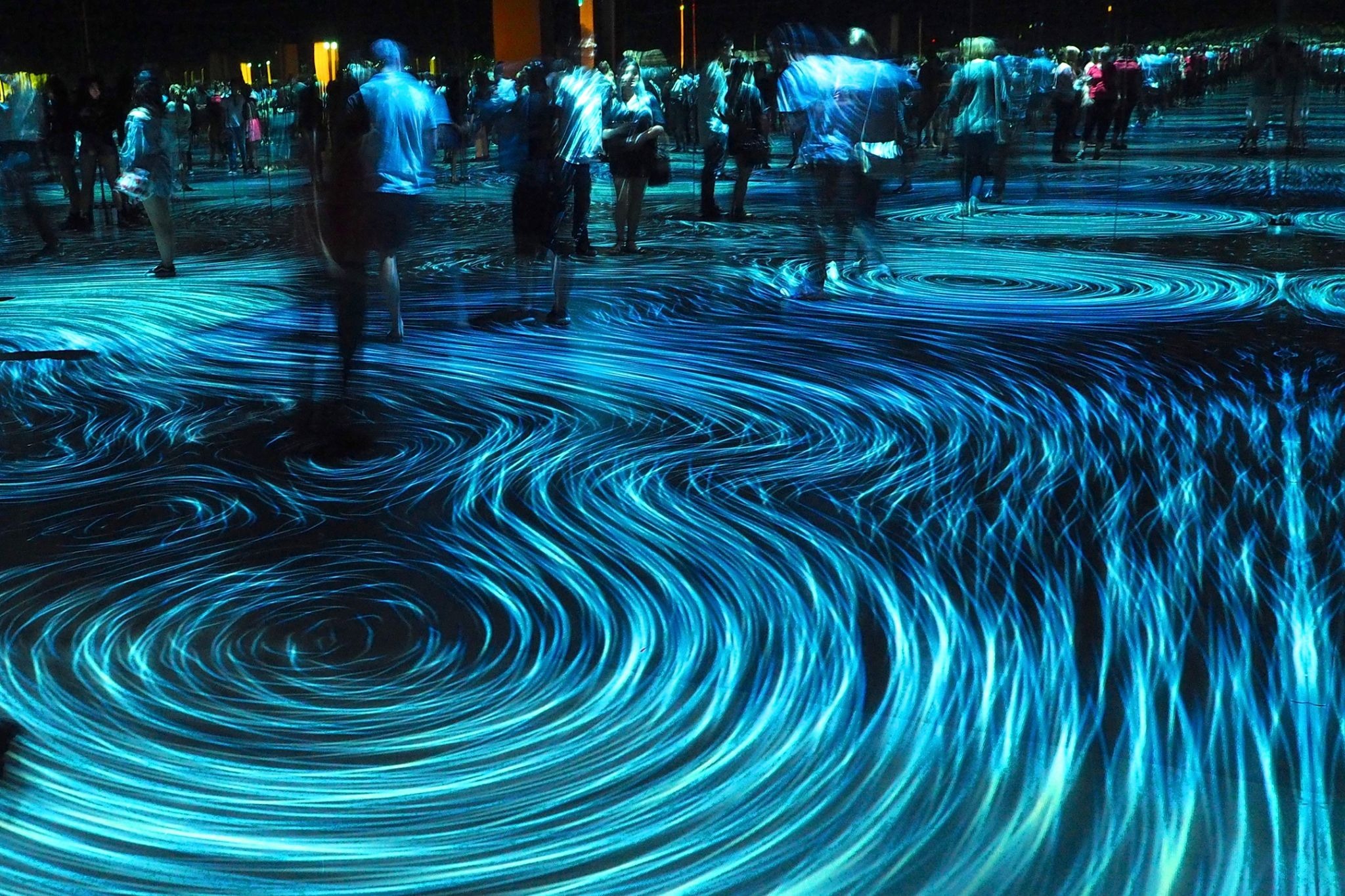
For example, in venues created by teamLab, light and imagery are projected across entire walls and floors, and many works shift in real time depending on where you move or what you touch. You’re no longer just a “spectator.” You become a participant whose actions influence how the work unfolds, creating an immersive experience that can feel like a dialogue with the artwork itself(*1).
What’s more, the staging often goes beyond sight alone. Through direction that engages hearing, touch, smell, and the rest of your senses, the entire space becomes “living art,” and you can spend time that feels as though you’ve stepped into another world(*1). These immersive methods are spreading beyond entertainment into education and tourism as well, and in Japan, teamLab’s venues in particular have drawn global attention as pioneers in the field(*2).
Another defining feature of Japan’s immersive museums is how they weave traditional aesthetics and cultural elements into their themes. You’ll find exhibitions that reinterpret Japan’s seasonal landscapes, ukiyo-e, or the worlds of masterworks from art history through state-of-the-art projection mapping. This isn’t “digital art” in a generic sense—it’s an immersive experience with narrative depth rooted in Japanese cultural contexts.
If you go in with a few key concepts in mind—like “interaction” and “generative art”—your understanding of what’s happening behind the scenes will deepen. In the next section, we’ll look at how Japanese cultural context can make your experience even richer.
Understanding It Through the Context of Japanese Culture
To savor Japan’s immersive art museums more fully, it helps to pay attention to how they connect with Japanese culture. Many immersive works are built upon traditional ideas, seasonal awareness, and ways of seeing nature that have long shaped Japanese sensibilities.
For instance, some digital artworks draw inspiration from the changing scenery of Japanese gardens through the four seasons, or from annual rituals that have been celebrated for centuries. Falling cherry blossoms, summer fireworks, autumn foliage, and winter snowscapes can be recreated in moving images, letting you re-experience the passage of seasons at your own pace. These aren’t mere visual effects—they reflect long-held Japanese feelings of reverence for nature and a particular way of recognizing beauty.
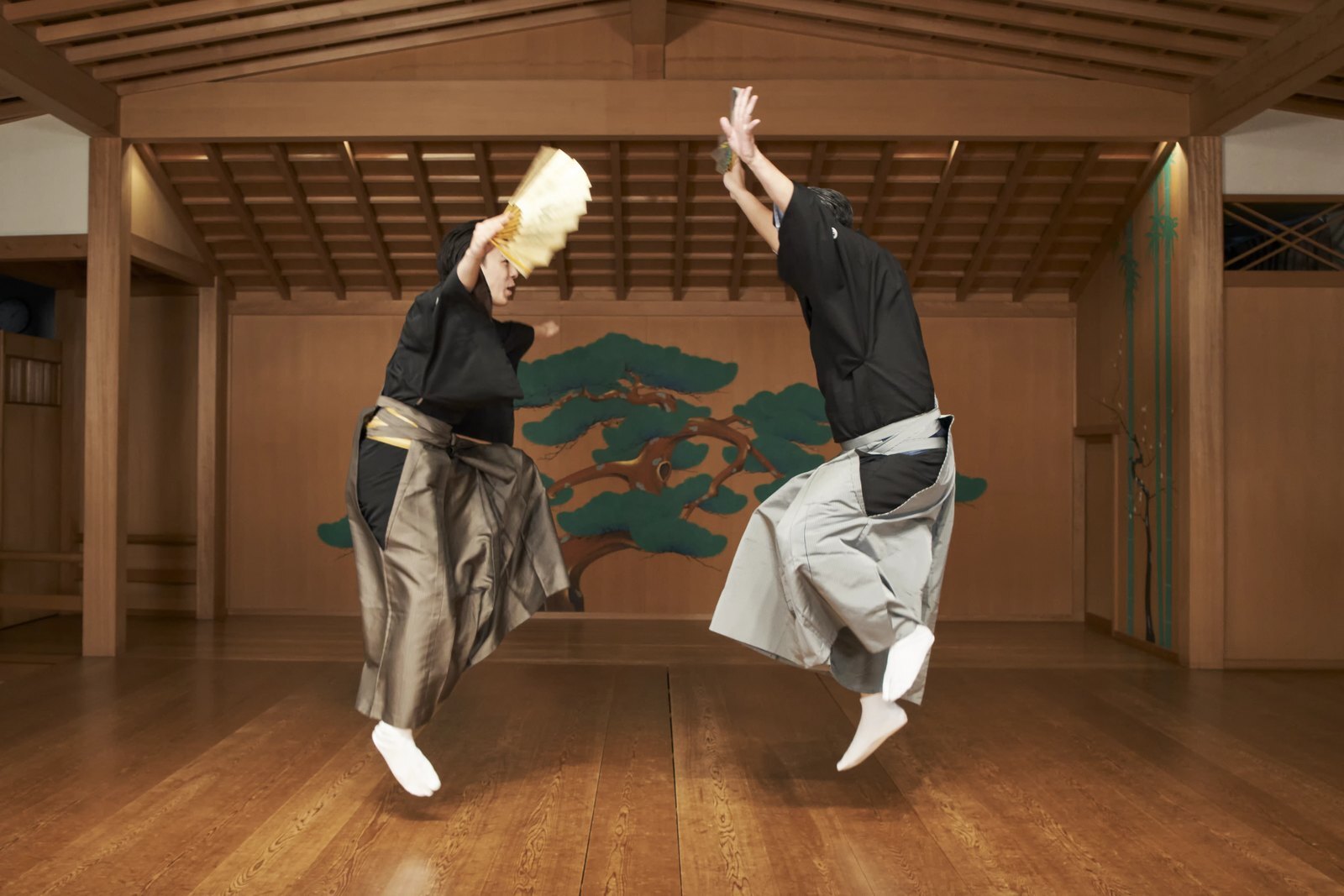
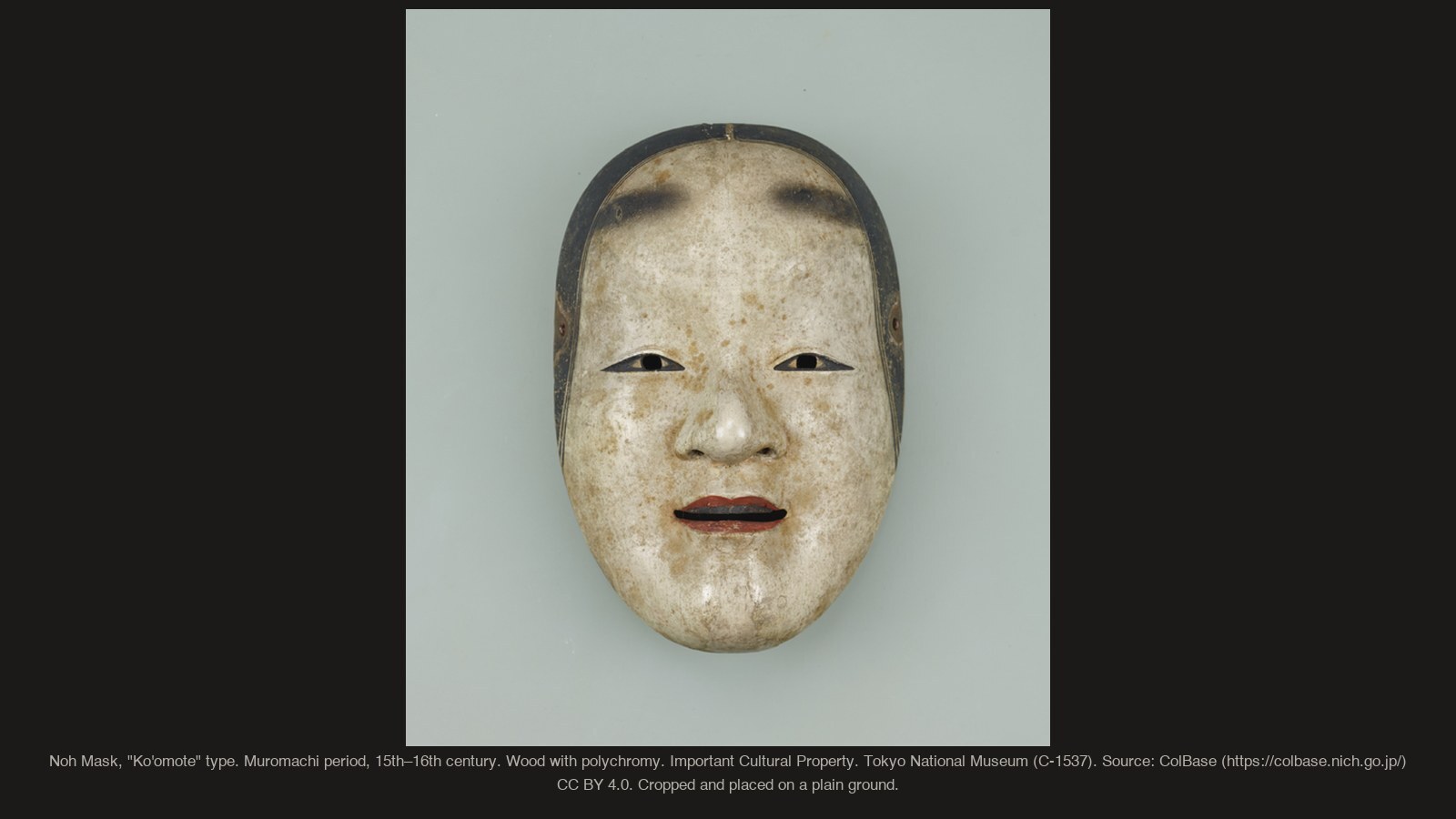
A dialogue with traditional performing arts is another fascinating layer. In installations that take cues from the gestures and music of Noh or Kabuki, historical layers overlap within contemporary art. As you stand inside the latest light-and-sound environments, you may find yourself sensing an older narrative spirit and rhythm carried forward into the present.
You’ll also encounter works tied to local history and industrial heritage. In art spaces created by renovating closed schools or warehouses, for example, artists attempt to express a place’s memory through contemporary art. When you understand the cultural context behind a work, you move beyond surface-level visual surprise and can feel a deeper, more intellectually resonant kind of awe.
.webp?width=750&height=500&name=TeamLab_Borderless%2c_Odaiba%2c_Tokyo%2c_Japan_(49070110298).webp)
How to Choose a Japan Immersive Art Museum
When you’re not sure which immersive art museum to visit among so many options, comparing a few key angles can make your choice much easier. Start with the type of works. If you want to immerse yourself quietly and slowly, museum-style venues where you can take your time tend to be a better fit.
If, on the other hand, you’re looking for something more physical—an experience that asks you to move your body—then venues that include athletic elements, almost like a “digital playground,” may suit you better. Next, consider whether it’s indoors or outdoors.
Fully indoor venues aren’t affected by the weather, and you can stay comfortable in climate-controlled spaces. Outdoor venues, meanwhile, offer an open, expansive feeling as art merges with the natural environment.
Seasonal staging—summer nights, winter illuminations, and more—can be part of the appeal that only an outdoor setting can deliver. It’s also worth checking how long you’ll need. In massive facilities, you’ll want the flexibility to spend 2–3 hours exploring, whereas smaller venues can feel satisfying even in about an hour. If you look up typical visit times in advance, it becomes much easier to build a realistic travel schedule.
Another factor is how difficult it is to book. Popular Tokyo venues often require date-and-time reservations, and weekends or holiday seasons can sell out quickly. Booking tickets in advance via official sites or reputable travel agencies gives you peace of mind. English accessibility matters too.
Check whether reception and exhibit explanations are available in English, and whether audio guides or apps support multiple languages—especially if you’re taking friends from abroad. Weather tolerance and nighttime suitability should also be part of your decision. Outdoor venues may cancel or change plans in bad weather, and some facilities are open only at night.
Depending on your itinerary, decide whether a daytime visit or a nighttime visit makes more sense. If you’re traveling with children or need barrier-free access, those considerations can become key deciding points. With small children, you’ll want to confirm whether strollers are allowed and whether the venue has kid-friendly facilities. In places with dark rooms or loud soundscapes, you may need to help children feel at ease, and in venues with many steps or level changes, moving with a stroller can be difficult.
The same applies for wheelchair use. Checking accessibility in advance helps you feel prepared. Many venues do allow wheelchair viewing, but some may offer staff-guided alternate routes or restrict certain areas(*1). By choosing an immersive museum that matches your travel goals and the needs of your companions, you’re far more likely to walk away with a deeply satisfying experience.
How to Choose by Your Purpose
It’s also helpful to choose based on why you’re going. If your goal is “to immerse quietly,” aim for weekday time slots or reservation windows that tend to be less crowded, with calmer lighting and sound. Early mornings on weekdays or the time right before closing often have fewer people, and you can taste a kind of stillness that makes it feel as though the artwork’s world belongs to you alone.
If your goal is “to move your body,” look for venues with highly interactive, active exhibits. In places with installations that include physical elements—bouncing spheres, slopes, and more—choose clothes that let you move comfortably so you can fully enjoy the experience.
If you want “to enjoy nature and light,” outdoor venues or those themed around blending with nature are ideal. In exhibitions where light artworks appear throughout a nighttime forest, or botanical gardens where projections respond to seasonal plant life, you can breathe in the fresh air while enjoying the magic of light. Because weather can cause cancellations, make sure you check the event status in advance.
If you want “to deepen your learning,” museum-style venues with strong interpretive content—academic explanations or exhibits connected to regional historical materials—are a smart choice. When background panels and audio guides are robust, the experience doesn’t stop at sensation; it also feeds your intellectual curiosity.
For example, at a facility like Kadokawa Musashino Museum, which also includes a library function and archival displays, you can balance art immersion with knowledge-building. By choosing based on your interests and the theme of your trip, you’ll create time that feels fuller and more rewarding.
.webp?width=750&height=500&name=TeamLab_Borderless%2c_Odaiba%2c_Tokyo%2c_Japan_(49070852437).webp)
Recommended Japan Immersive Art Museums by Area(Tokyo, Kansai, and Kyushu)
From here, we’ll introduce several immersive art museums that represent Japan, organized by area. As we go, we’ll compare their characteristics while touching on typical visit length, peak crowding, how to enjoy them in rain or at night, and whether English support is available.
In the Tokyo area, large-scale permanent exhibitions by world-famous teamLab are especially popular. In the Kansai region, you’ll find nighttime works staged in urban parks, and in Kyushu, there are distinctive venues that blend nature with physical, active elements. Keep each venue’s charm—and its practical considerations—in mind, and choose the spot that feels most “you.” In general, these venues tend to hit peak crowds on weekends and public holidays.
If you can, aim for weekdays, right after opening, or close to closing time to enjoy a more comfortable visit. In particular, central Tokyo venues often use time-slot ticketing and sell out easily, so once your plan is set, booking early is strongly recommended. If you’re traveling with small children or need barrier-free accommodations, check official sites in advance for the latest details.
Now, let’s explore Tokyo, Kansai, and Kyushu in that order, highlighting what to see and what to keep in mind at each venue.
Tokyo|teamLab Borderless(Azabudai Hills)—Time-Slot Tickets and a Tendency to Sell Out
As a signature immersive art museum in Tokyo, “teamLab Borderless,” which reopened at Azabudai Hills on February 9, 2024, stands out immediately. Built on the concept of a “museum without a map,” it’s a vast space where many works are arranged continuously, without clear boundaries between them.
The artworks move and transform beyond the borders of individual rooms, influencing one another as they form a single world together(*1). As you immerse your whole body in the art and wander freely through the museum, you can experience discovery after discovery(*1).
The exhibition space is labyrinth-like: there’s no fixed route, and signage is kept to a minimum. That’s part of the joy—like an expedition where you find your own favorite spaces simply by walking.
Tickets are sold via advance reservations for specific dates and times, and it’s so popular that weekends can sell out quickly(*2). Because the venue is enormous, spending 2–3 hours is recommended. Even when it’s busy, one way to ease into a calmer experience is to begin in areas that tend to be less crowded before heading toward the most famous works.
Also, because the walls and floors are deep black and the space is dimly lit, it can be hard to see where you’re stepping—so watch for level changes and keep a comfortable pace. Scenes can shift with seasons and timing, so each visit may feel slightly different—like catching a view that will never appear again in exactly the same way. teamLab Borderless at Azabudai Hills is truly a culmination of Tokyo’s immersive art, ready to lead you into a boundaryless world of wonder.
Tokyo|teamLab Planets TOKYO(Toyosu)—Barefoot, with Water Areas
“teamLab Planets TOKYO” in Toyosu, Tokyo is known as a “museum you enter through water,” offering an experience where you immerse yourself in the works with your entire body.
A defining feature is its unique style: you take off your shoes before entering and explore the venue barefoot. There’s an area with water filled to about knee depth, where projected flower petals and koi glide across the surface—and as you walk, they ripple and move as though responding to your presence. The cool sensation of water against your skin, combined with reflections created by mirror-like floors, makes for sensory staging that continually heightens bodily awareness.
In a huge dome-like space, seasonal flowers are projected all around you, and if you lie down, you may feel an illusion as though your body is floating and merging into the scene. There are also interactive works where koi in the imagery avoid you as you move—and when they collide, they transform into flowers—so your actions become part of the artwork itself.
You’ll be walking barefoot, and there are sequences where you’re immersed in water up to your knees. Half-length pants and towels are provided for free, so use them as needed(*3). The typical visit time is about 2–2.5 hours.
teamLab Planets is extremely popular with travelers from overseas as well, and it can be crowded even on weekdays, so booking is essential. There are dark areas, but if you walk slowly and stay aware of the floor, most visitors find it manageable. If you want to feel art with your whole body, Planets Toyosu can deliver an ideal immersive experience.
.webp?width=750&height=500&name=TeamLab_(50904349888).webp)
Osaka|teamLab Botanical Garden Osaka(Nagai Park)—Nighttime and Outdoors
In the Kansai region, a major highlight is “teamLab Botanical Garden Osaka,” located inside Nagai Park in Osaka City.
This is an outdoor immersive exhibition staged in a botanical garden and held only at night. After sunset, trees, ponds, and plants scattered across the expansive grounds are illuminated and animated by teamLab’s algorithm-driven light-and-sound artworks. Nature itself becomes part of the work, and because the staging changes with seasonal vegetation and climate shifts, it can feel fresh no matter how many times you return.
A full loop around the garden typically takes about 60–90 minutes. Staff members are positioned along dark paths, with careful attention paid to safety. In principle, the exhibition runs even in rain, but it may be canceled or interrupted during warnings for strong winds, heavy rain, or lightning—so checking the forecast and wearing comfortable walking shoes is recommended. Enjoying the fusion of nature and art while a night breeze brushes past you can become a special memory from your Osaka trip.
Fukuoka|teamLab Forest Fukuoka—Active, Hands-On Elements
From Kyushu, here’s “teamLab Forest Fukuoka” in Fukuoka City. Opened in 2020, this experiential museum is made up of “Catching and Collecting Forest” and “Athletics Forest.” True to its name, it’s built around the concept of a forest, with exploration and movement woven into the experience.
In “Athletics Forest,” within the flow of real time, a forest and sea that change over time are inhabited by various animals depending on the season. When you touch an animal, it may turn around—or run away. The space is filled with mechanisms that get you moving almost without thinking, from children to adults, and it can feel like you’re playing inside a digital athletic course.
Meanwhile, in the “Learning Forest,” many different creatures drawn by everyone live in a pulsing valley. You draw a creature on paper. Then your drawing is brought to life, appears right in front of you, and begins to move—creating a lineup of works where you can learn while you play.
For a safe visit, it’s best to wear non-slip shoes and comfortable clothing that allows movement. Store your shoes and smartphone in the free lockers and enjoy the experience with your hands free. Typical visit time across both zones is about 60–90 minutes.
Weekends are lively with families, while weekdays tend to be more relaxed for viewing. Photography is allowed, but be mindful of your surroundings as you shoot. As a unique venue where movement and art merge, teamLab Forest Fukuoka can add fresh surprise and emotion to your Kyushu journey.
Immersive Art Museums in Japan Beyond teamLab
When you think of immersive art museums, teamLab often comes to mind first—but Japan also offers compelling permanent venues beyond teamLab. Here, we’ll introduce museums that provide immersive experiences through approaches other than purely digital spectacle, or that bring out strong regional character.
Examples include facilities that use VR (virtual reality) and AR (augmented reality) to let you experience industrial heritage and history in a simulated way, as well as museums that develop large-scale contemporary installations by taking full advantage of traditional architectural spaces themselves.
Even without teamLab’s level of dazzling digital staging, immersive experiences that are deeply connected to academic materials and local cultural contexts can offer a different kind of depth—and a different kind of emotional impact.
Hirosaki Museum of Contemporary Art|Permanent Installation Exhibitions
The Hirosaki Museum of Contemporary Art in Hirosaki City, Aomori Prefecture, is a contemporary art museum created by renovating a former cider factory built in the Meiji and Taisho eras. The brick building itself—true to the museum’s character—is a major highlight. Under the design of architect Tsuyoshi Tane, the space preserves its historic exterior while boldly transforming the interior.
Since opening, the museum has energetically continued introducing large-scale installations by leading artists from Japan and abroad, and many works are powerful pieces created specifically to match the atmosphere of this brick space. While exhibitions do change, some form of immersive installation consistently fills the museum, wrapping you in an enveloping experience.
The distinctive mood created by the fusion of brick walls and contemporary art can feel overwhelming—in the best way—almost like stepping into a kind of time travel. It is also valued as an effort to connect regional cultural resources with contemporary art, making it a rare museum where the historic architectural space itself amplifies immersion.
Matsumoto City Museum of Art|Yayoi Kusama’s “Phantom Flower” Installation
The Matsumoto City Museum of Art in Matsumoto, Nagano Prefecture, is known for having a room that permanently exhibits works by Yayoi Kusama (a world-renowned contemporary artist from Matsumoto). Next to the museum entrance stands Kusama’s giant sculpture “Phantom Flower” (2002), over 10 meters tall, welcoming you as you arrive.
Inside, there is an exhibition room where you can experience Kusama’s immersive installations using mirrors and light. The sensation of not knowing where reality ends and where the artwork begins has a charm quite different from works driven primarily by digital technology.
Kusama’s work isn’t digital, yet it is highly regarded as experiential art that you enter with your whole body and feel wrapped by. An immersive experience connected to the context of an artist from the region can make your visit to that place feel even more meaningful and memorable.
Kadokawa Musashino Museum|A Sensory Digital Art Theater
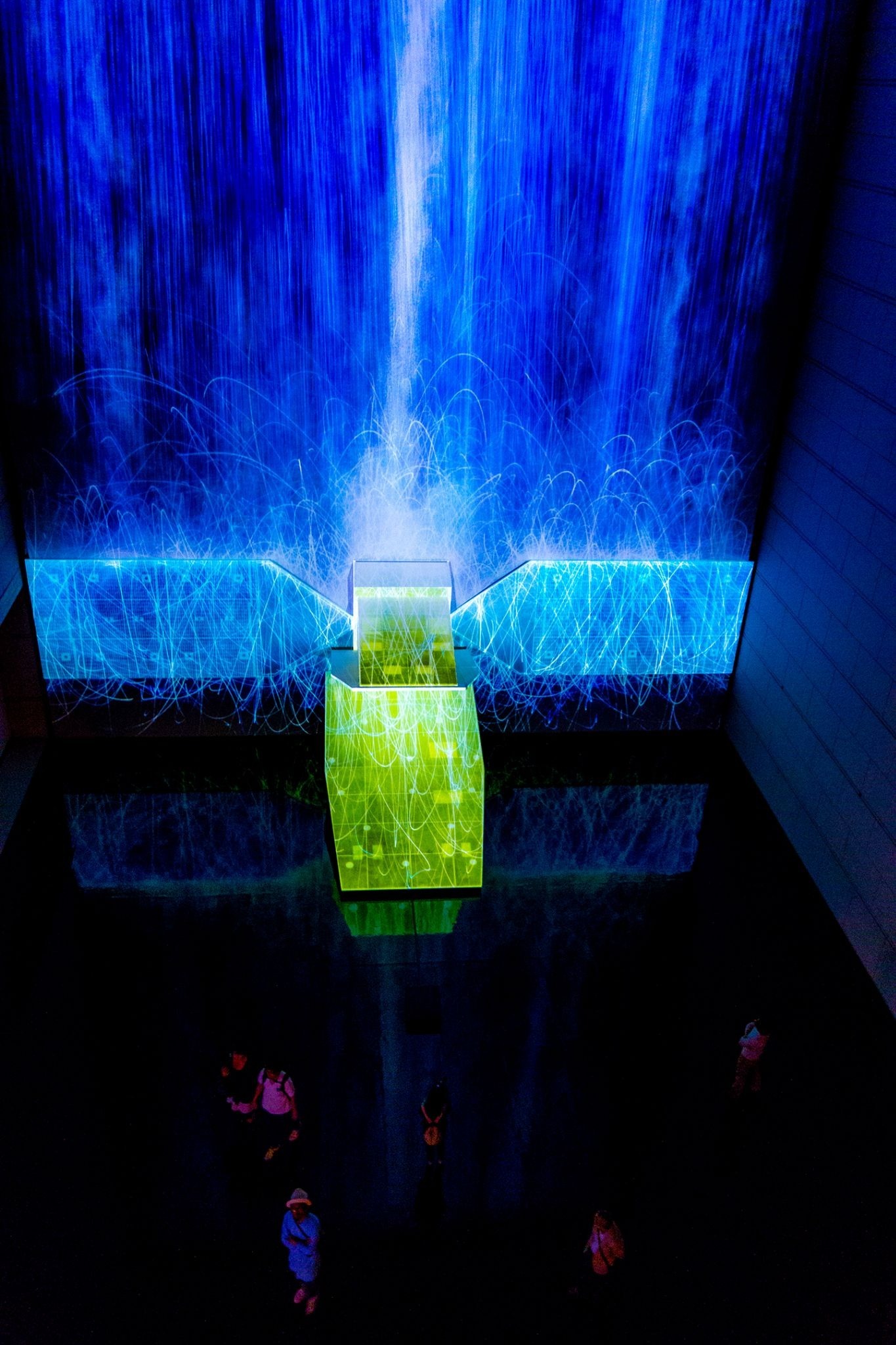
At the multi-purpose cultural facility “Kadokawa Musashino Museum” in Tokorozawa City, Saitama Prefecture, a sensory digital art theater is staged in the 1st-floor “Grand Gallery.”
Across a massive space with a ceiling height of about 20 meters and a floor area exceeding 1,000 m², digital art direction unfolds through imagery and music—giving you a special experience that can feel like entering a virtual world without VR goggles.
The visuals, created using 33 high-brightness projectors and seamlessly linking walls and floor, are breathtaking. It offers an immersive experience that is neither film nor VR, but something you can “share together” with others in the same space.
The programs range widely in subject: works that invite you into the world of Monet’s Impressionist masterpieces, and works that let you time-slip into Edo-period ukiyo-e, among others. For example, in “Ukiyo-e Reborn,” ukiyo-e prints by artists like Katsushika Hokusai and Utagawa Hiroshige come alive, and Edo streetscapes and theaters unfold in 360 degrees in time with the music.
Japanese and English audio commentary by museum director Akira Ikegami, as well as digital handouts, are also prepared, helping you deepen your understanding of the work’s world while you enjoy it. This theater-style content, combining art experienced in a huge space with scholarly explanation, is often praised as intellectual entertainment that doesn’t end at “just looking.”
Because the museum also includes a library function, you can look up books related to themes you encountered in the exhibition on the spot. In this venue, where you can enjoy both sensory digital art and academic materials, you’ll be able to taste a distinctive immersive experience—an original “fusion of knowledge and sensibility.”
Time spent wrapped in 360° digital art, while feeling its ties to regional culture and history, can become a precious experience you won’t easily find elsewhere.
Nagasaki|Gunkanjima Digital Museum—An Alternative Experience When Landing Is Not Possible
The “Gunkanjima Digital Museum” in Nagasaki City is an experiential facility that conveys the history and appeal of the World Heritage site Gunkanjima (Hashima coal mine) through the latest technology. Gunkanjima is an island where landing tours are often canceled due to poor weather, but this museum is located near the port and functions as an “all-weather” facility where you can experience Gunkanjima in a simulated way without being affected by conditions(*1).
Inside, in addition to extensive materials such as footage of restricted areas, sets recreating islanders’ lives, and huge scale models, there are 28 types of content installed using digital technologies like VR (virtual reality), MR (mixed reality), and projection mapping(*2). In VR, where you put on goggles and make a virtual landing at observation points on the island, you can even see inside buildings that are progressively collapsing through high-resolution drone-filmed footage.
There are also inventive ways to learn about industrial heritage while having fun, such as VR content where you pedal a bicycle to tour above the island, and content where you use HoloLens (an MR device) to overlay historical footage onto exhibits inside the museum. Former island residents also serve as guide staff on-site, and you can hear firsthand stories about life back then.
Because the Gunkanjima Digital Museum lets you experience restricted areas you can’t see on landing tours and sense the island’s former bustle, it can be a meaningful addition to a Nagasaki itinerary—especially if boat tours are canceled. Fusing the weight of industrial heritage with the accessibility of advanced technology, this museum is one spot worth considering for an all-weather cultural experience.
.webp?width=750&height=500&name=TeamLab_Borderless%2c_Odaiba%2c_Tokyo%2c_Japan_(49070641776).webp)
Preparing for Your Visit—Tickets, Reservations, What to Bring, Clothing, and Photo Etiquette
To fully enjoy an immersive art museum, it’s worth paying attention to preparation beforehand and etiquette on the day. For tickets and reservations, many venues use advance booking for specific dates and times. Purchase in advance via official websites or trusted booking sites, and make sure you also confirm cancellation rules and what happens if you arrive late for your entry time.
On the day, you’ll typically show a digital ticket on your smartphone, but whether screenshots are accepted depends on the venue—so follow the guidance provided at purchase. For clothing, the basic rule is to wear something comfortable, easy to move in, and unlikely to damage the works.
In particular, at facilities like teamLab Planets where you enter water barefoot, pants you can roll up to your knees or shorts are recommended. If you wear a skirt, there’s a risk of reflections on mirrored floors, so use the loaned half-pants or waist cloth as needed(*1).
For footwear, well-worn, non-slip shoes are a safe bet. In dark spaces, high heels can be dangerous, and outdoors you may encounter uneven ground. For what to bring, prepare your smartphone and a spare battery so you’re ready for camera use and digital guide apps. Ideally, store large luggage in lockers and enter with as little as possible.
Photography rules should also be checked in advance. As basic viewing etiquette, be considerate of others—don’t occupy popular photo spots for too long and don’t block passageways.
If you’re visiting with children, keep your eyes and hands on them even while shooting photos(*2). In dark spaces, it’s easy to miss other people around you, so avoid turning on your phone’s light as much as possible. To protect artworks, respect the distinction between exhibits you may touch and those you may not, and confirm prohibited actions beforehand so you can follow them properly.
A Practical Guide to Clothing and What to Bring
Here are a few specific pointers on clothing and what to pack. First, in venues where you might get wet, bringing an extra pair of socks or choosing clothing made from quick-drying fabrics can help you feel secure.
For long pants, choose a looser fit you can roll up below the knee; thick denim and similarly heavy materials are generally best avoided. If you’re wearing a skirt, it’s reassuring to wear leggings underneath or use the black half-pants you can borrow at the venue.
For your hairstyle, it helps to tie your hair back so it doesn’t get in your way as you move around in dark spaces. Shoes are best kept to familiar sneakers. Heels increase the risk of tripping on level changes, and sandals can slip off easily, making them less suitable.
For outdoor venues, waterproof shoes can be a comforting choice. As for belongings, a strap case that lets you wear your phone around your neck is convenient because it keeps both hands free and reduces the chance you’ll accidentally drop it while photographing in low light.
Put all bags into lockers and keep only your phone and perhaps a small camera with you. If needed, placing electronics in a waterproof pouch like a zip-top bag can also help protect against splashes. With the right clothing and essentials, you’ll be able to focus fully on immersion on the day.
Photography Rules and Protecting the Artworks
Immersive art museums offer many photogenic scenes, so it’s natural to want to take pictures—but that only works when you treat manners and rules as the foundation. While shooting, pay attention so you don’t obstruct other visitors’ movement. At popular spots, it’s ideal to share the space and take turns with a spirit of mutual consideration.
Some works can deteriorate or lose their intended effects under strong, bright lights, so leave illumination to the venue’s lighting and avoid using powerful personal lights. Some exhibits may be touched while others may not—confirm the guidance, and even when touch is allowed, interact gently. When everyone protects both the work and the experience of others, the viewing environment stays welcoming—and your own experience becomes better, too.
Accessibility and Tips for Visiting with Children
Immersive art museums are generally designed so that a wide range of people—from small children to older adults and people with disabilities—can enjoy them, but there are still points you’ll want to know in advance. First, check whether strollers can be used inside.
In many facilities, strollers may be allowed in principle, but dark corridors and areas with many level changes can make them inconvenient, so you may be asked to leave them at the entrance. Bringing a baby carrier and being ready to hold your child as needed can make the visit smoother. It’s also worth checking whether there are nursing rooms and diaper-changing tables. If you ask staff, they may be able to guide you to an available room.
Wheelchair viewing is generally possible, but in some areas, wheelchairs may not be permitted for safety reasons. If you speak with staff at entry, they can explain viewing routes and points to be careful about based on the situation.
Many venues have accessible restrooms and elevators, and routes are secured for movement. If you’re sensitive to sudden loud sounds or strong light, bringing earplugs or sunglasses can be helpful. It’s also important to take breaks and move through at a comfortable pace.
Many facilities include rest areas or cafés, so if you feel tired, use them without hesitation. Keeping these points in mind will help you enjoy immersive art worlds with confidence—whether you’re visiting with children or using a wheelchair.
.webp)
Savoring It Through Architecture and Spatial Design
In immersive art museums, paying attention to the design of the exhibition space itself can lead to new discoveries. Circulation planning and subtle guidance of your gaze, the use of materials like mirrors, water, and mist, acoustic systems and sound insulation structures, and the contrast between light and darkness along with the staging of “ma” (intentional intervals)—these spatial details function as part of the artwork.
For example, teamLab Borderless creates a “mapless” exploratory experience through a labyrinth-like, complex layout. Architectural design that adds rhythm to your sightlines and movement—like shifting from low ceilings to open atriums, or unfolding from narrow corridors into broad spaces—raises the sense of immersion.
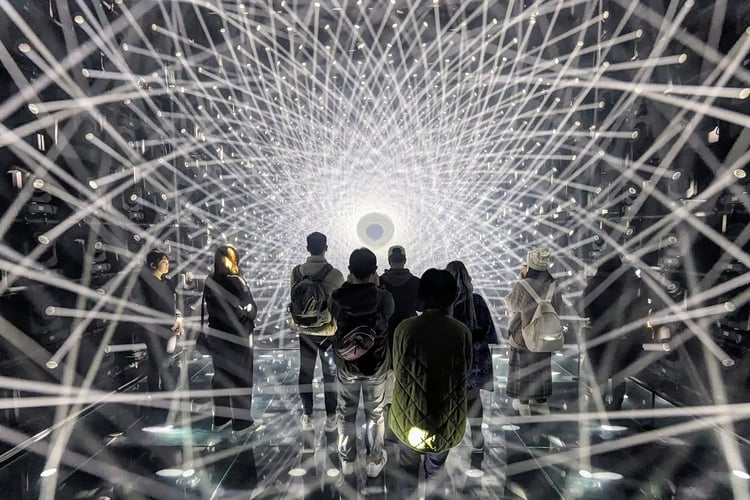
How mirrors are used is also a crucial element of spatial staging. Mirror finishes on floors, walls, or ceilings can make a space feel larger than it is, or create the effect of a scene continuing endlessly. In teamLab Planets’ mirrored rooms, for instance, light reflects in every direction so the view appears to extend without end(*1).
Materials like water and mist also turn space into an artwork. A thin layer of water becomes a screen that reflects images, and careful lighting design reduces harsh shadows even when people enter the space. Fine mist makes image particles appear to float, producing a three-dimensional effect like an aerial display. By fusing physical materials with digital technology, the space gains tactile and visual realism you can’t get from imagery alone.
You also shouldn’t miss the ingenuity behind acoustics and sound insulation. In spaces with multiple works, the directionality of speakers and placement of sound-absorbing materials are designed to minimize interference. At the same time, sounds intended to resonate through a space are carefully calculated down to reverberation and echo, and in some moments, even visitors’ footsteps and voices can feel like part of the work. The aesthetics of darkness and blankness also owe much to spatial design.
By deliberately creating “blank” areas—dark corridors or walls where nothing is projected—the impact is heightened when you enter bright, information-rich artwork spaces. This connects to the concept of “ma” in Japanese traditional aesthetics, where contrasts of light and structure in space make the viewing experience more dramatic.
Furthermore, multi-sensory direction—smell, temperature, touch—is also built into spatial design. In installations using plants and flowers, a faint botanical scent may drift through the air, creating moments that stay in your memory.
Temperature settings through air conditioning are also used skillfully: a space representing water might be cooled to enhance realism, while another might be warmed to feel inviting. In works you can touch, even the material of handrails and the cushioning of floors are considered so that safety and immersion can coexist.
In immersive museums where the entire space can be seen as a single massive artwork, savoring it through an architectural and design lens can deepen your experience even more.
When Space Becomes the Artwork
One of the greatest pleasures of immersive art is the moment when the exhibition space itself emerges as a single artwork. The environment unique to that location becomes inseparable from the content, and the place’s context adds depth to the staging.
In installations inside historic buildings, for example, the contrast between the texture of old pillars and beams and digital imagery can create a one-of-a-kind experience that can only exist in that space. Material choices are also essential in spatial direction.
A polished black floor can reflect people and light like a water mirror, while translucent fabric softly diffuses illumination. Some works use natural materials like wood and washi paper, blending digital light with analog texture.
Light environments that change by time of day are another aspect worth noticing. In outdoor exhibitions, many works look entirely different in daytime versus nighttime: a sculpture standing quietly under natural light can rise into a dreamlike presence when illuminated after dark.
Seasons and weather are part of the staging, too. A cool, refreshing light installation seen on a humid midsummer night will feel different from a warm, glowing illumination viewed in crisp winter air. In this way, the synergy between natural conditions and art gives rise to moments when space itself becomes dynamically “art.” The “never-to-be-seen-again scene” that only visitors present in that moment can experience is one of immersive art’s defining joys.
You Become Part of the Landscape
In immersive art museums, you yourself often become part of the landscape. The figures and movements of other visitors blend into the work’s space, shaping a single overall scene. For instance, if you’re watching a wall-wide projection of flowers in a dark room, another person’s silhouette may overlap the blossoms and rise like a shadow picture—becoming one element of the artwork. You could even say a certain beauty is born precisely because the presence of others is included.
When taking photos, some people intentionally include silhouettes to convey the scale of the artwork’s world, or step into the scene for a commemorative shot—enjoying a momentary “co-created art” that exists only there and then.
Once you recognize that you’re part of the landscape, you naturally become more mindful of manners. In popular areas, you might see visitors waiting their turn and kindly yielding to one another, even helping each other take photos for social media. If you understand that flash photography or strong lights can disrupt others’ immersion, your behavior tends to become more considerate.
In immersive spaces, detailed instructions from staff are often kept minimal, and much is entrusted to visitors’ own autonomy. One tip for safe enjoyment is to notice subtle wayfinding cues—small arrows on the floor, gentle guide lights near your feet—and read them carefully. Because these signs are designed not to stand out, you need to observe attentively, but that attentiveness is also part of the pleasure of savoring the space.
Overall, in immersive art museums, each visitor is both an “element that composes the artwork’s world” and a protagonist who supports a beautiful shared landscape. When you sense that your presence might shape someone else’s experience, you naturally treat manners with care.
Viewing etiquette isn’t just about obeying prohibitions—it’s grounded in the awareness that everyone is creating a single artistic space together. If you step into immersion with that mindset, you’ll be able to enjoy art more deeply, comfortably, and generously—together.
Nearby Experiences That Elevate Your Trip—Hotels, Restaurants, and Shops
To expand the emotion you feel at an immersive art museum, try being intentional about the experiences nearby as well. Design hotels where you can stay while lingering in the afterglow of art, restaurants and cafés where you can talk quietly after your visit, and museum shops where you can bring home items connected to the works—there are many ways to raise the quality of your journey.
Especially if you love art, the interior and atmosphere of where you stay can matter just as much as the museum itself. If you choose an art hotel that feels like it carries the museum’s world onward, you can spend an entire day wrapped in aesthetic pleasure. And tasting local cuisine at an on-site or nearby restaurant is also part of the joy. Dining in a calm, refined setting gives you time to slowly digest the sensitivity and inspiration stirred by your viewing experience.
In museum shops, you may find exhibition catalogs, limited-edition products, scents, posters, and other items you can only encounter there. If you buy something as a keepsake, art memories might quietly return to you later, even in everyday life. Many large facilities also offer shipping services, so you can purchase large catalogs or posters without worrying about carrying them.
Keep an eye out for seasonal events as well. Across Japan, you’ll find special projects throughout the year: collaborations between nighttime cherry blossoms and digital art in spring, limited-time outdoor installations in summer, moon-viewing themed nighttime staging in autumn, and winter events that blend with illuminations.
Dressing with those events in mind can also be part of travel’s pleasure. For a night cherry-blossom event, you might add a light haori-inspired layer with a Japanese touch; for winter illuminations, you might choose a warm yet elegant coat—stepping out with an outfit that reflects the season.
Beyond a single room

In Closing
An art-focused trip isn’t only about visiting museums. It’s a holistic experience that includes where you stay, what you eat, and the moments you spend touching the culture of the place you’ve traveled to. Using the information in this article as your guide, try planning your own ideal art journey. Leaving everyday life behind to travel through immersive art museums that satisfy your senses and your intellect alike will surely become a special experience that stays with you.