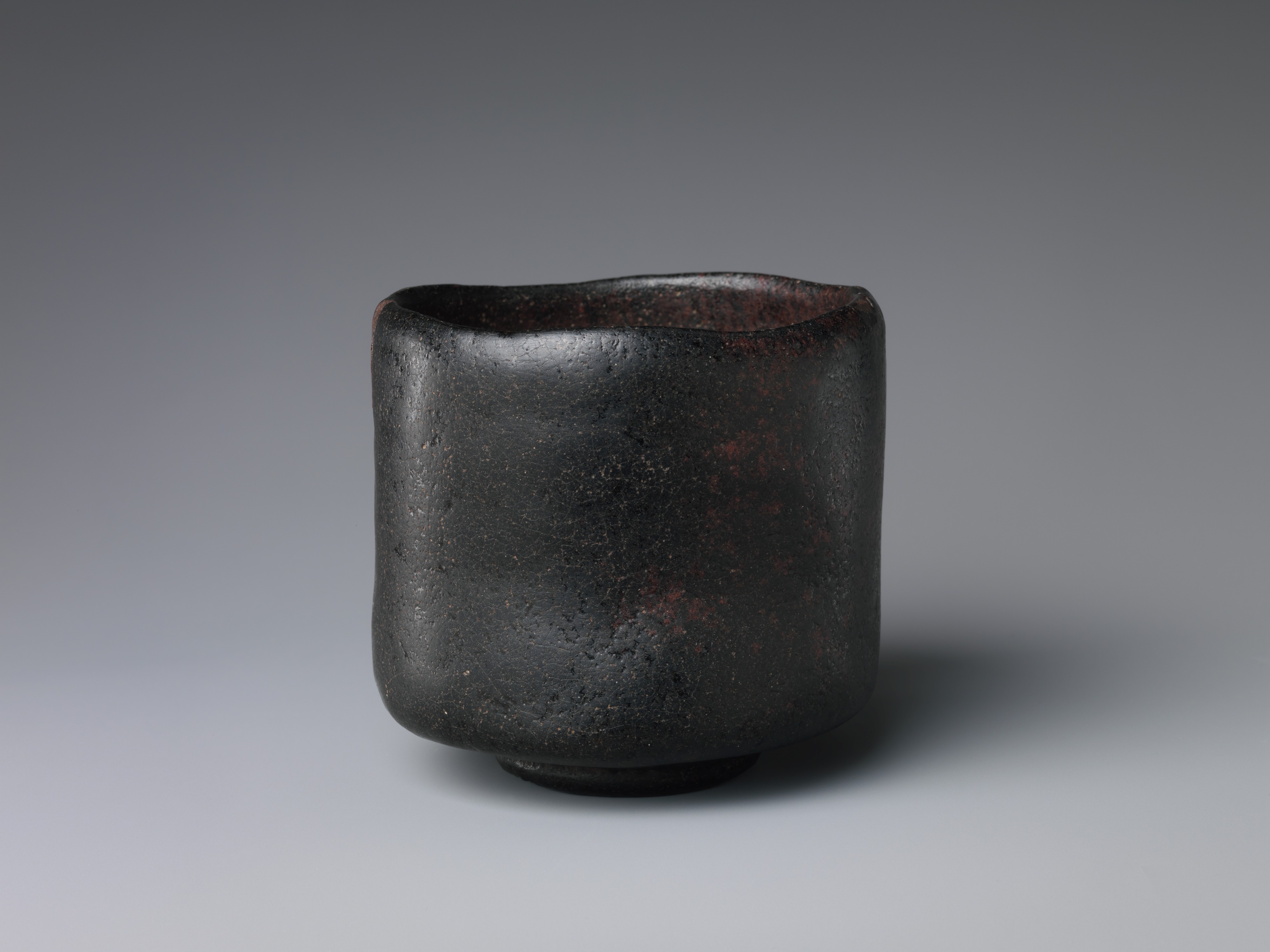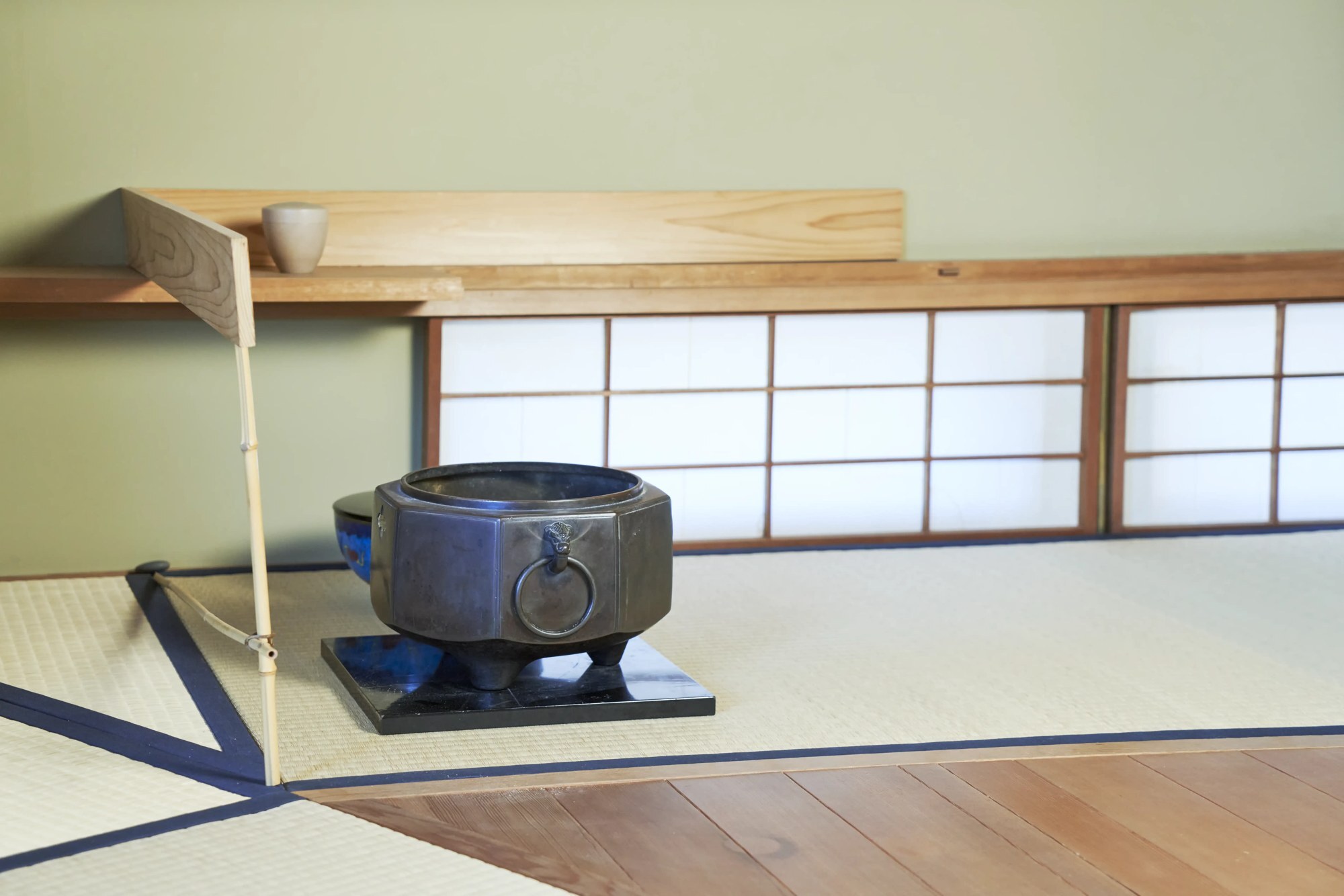
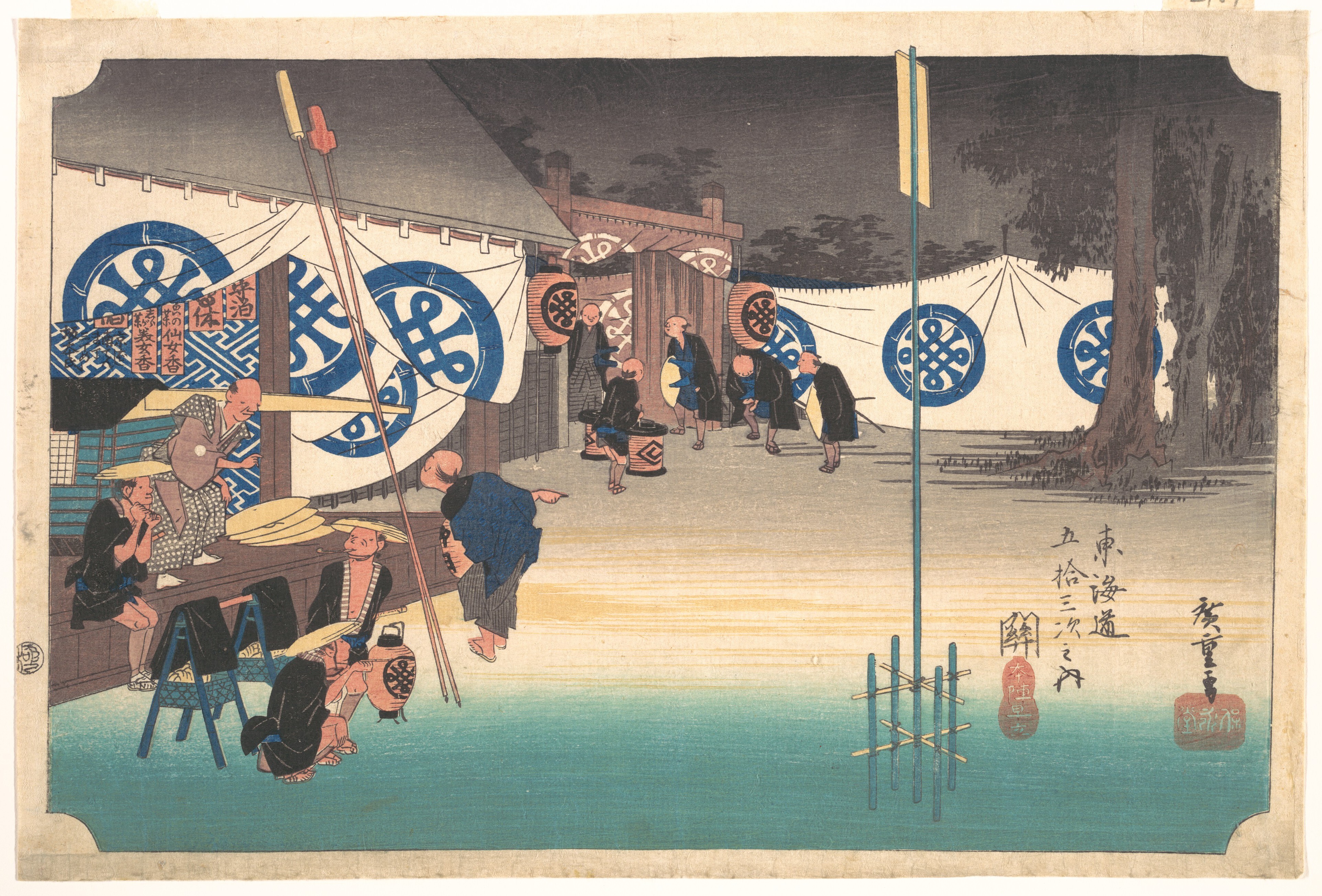
The standard English account of omotenashi — usually rendered as Japanese hospitality — is a feeling. Selfless attention. Anticipating what you want before you know you want it. A hospitality so instinctive that it cannot be taught, only absorbed.
Two published studies looked at how real inns are run, and wrote down what they recorded. At Kurokawa Onsen in Kyushu, the researcher reported that "documentation regarding omotenashi, such as a manual, does not exist." At Kagaya, in Ishikawa, the study recorded twelve lessons printed on cards that every member of staff carried.
Neither finding fits the feeling. Both come from peer-reviewed fieldwork published in the Journal of Global Tourism Research and freely readable, and both describe omotenashi as something a business builds, monitors and repairs — closer to an operating system than to a state of mind. This article walks through what those two studies actually recorded, and what it changes for a guest. If you are choosing where to stay rather than working out what is happening while you are there, our guide to Japan's luxury ryokan is the companion piece.
Japanese Aesthetics Unveiled — the ideas behind the rooms you stay in and the objects you are handed.
Omotenashi Without the Mysticism: What the Word Is Doing
Before the case studies, a word about the word — handled the way the researchers handle it, which is more carefully than most English articles do.
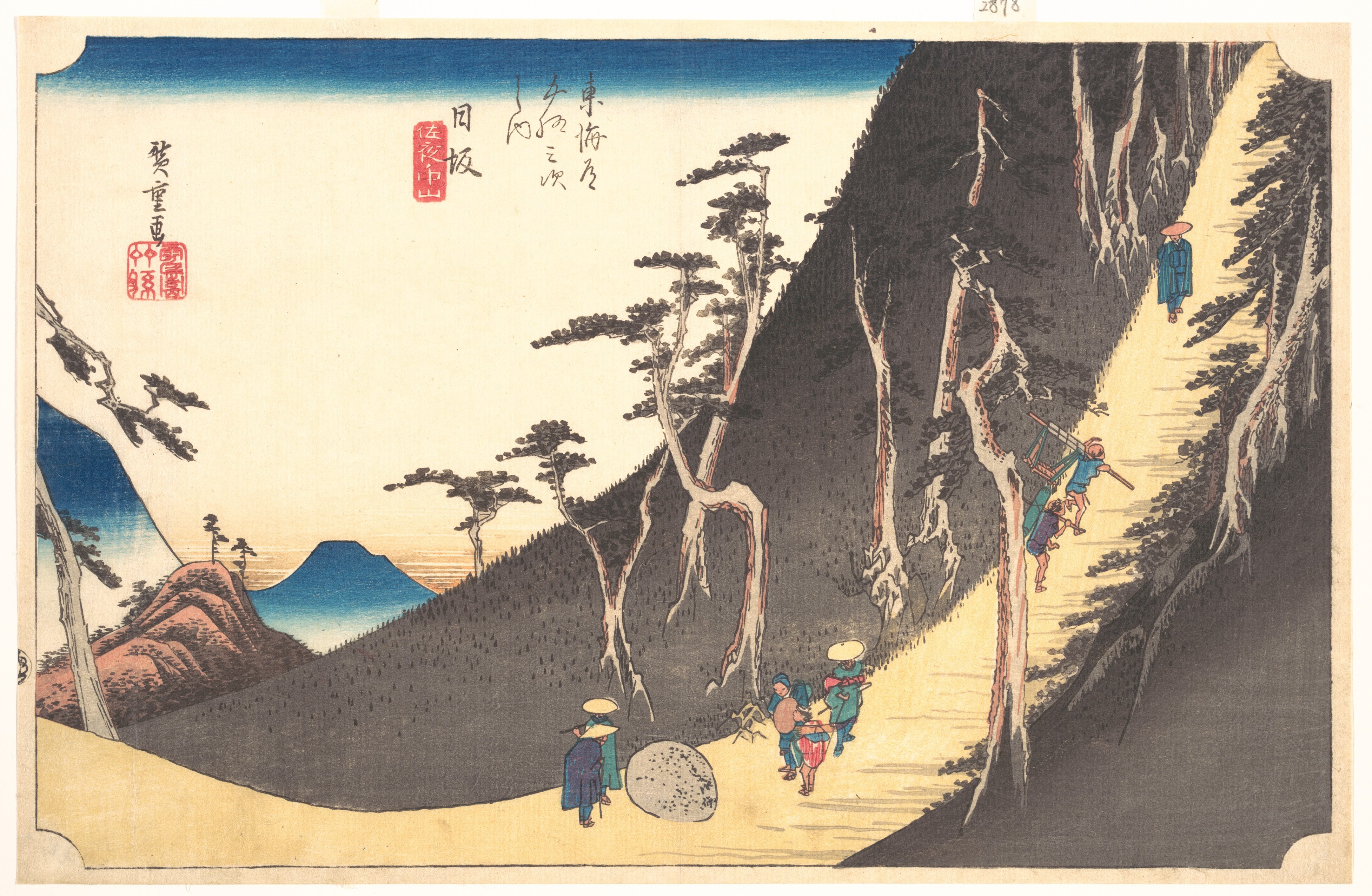
Four Aspects of Omotenashi, and an Etymology the Study Reports
Shunichiro Morishita, of the Department of Tourism Industry at Kyusyu Sangyo University, notes in his Kurokawa study that although the simple gloss is "the Japanese spirit of hospitality," the definition of omotenashi "can include four aspects." His summary of the literature gives them as "(1) treating guests, (2) offering feasts or receptions, (3) understanding the behaviors or attitudes of people, and (4) the treatment or procedure of certain activities."
Look at what that list mixes together. Two of the four are events — you are received, you are fed. One is a perception — somebody reads how you are. The fourth is a procedure. A single English word is being asked to carry a reception, a meal, an act of attention and a method, and the reason English writers reach for atmosphere is that atmosphere is the only thing large enough to hold all four at once.
On origins, the paper says the etymology of the term "stems from 'truthful contact with others' and 'establishing/creating better human relations.'" Note where that sits: in a literature-review section, with no citation attached to the sentence itself. It is a report of what is said about the word rather than a demonstration, and that is the right level of confidence for a reader to adopt too.
Hierarchy Versus Equality: How Omotenashi Differs From Hospitality
The comparison with Western hospitality is where the paper gets specific, and where a guest gets something usable.
Morishita notes that the two ideas overlap substantially — "thoughtfulness without payment and the ability to respond to a guest's situation and needs" belongs to both — and then names one difference: "hospitality in Western hotels includes a hierarchical relationship between hosts and guests; omotenashi in Japanese ryokans includes an equal relationship, cultivated between hosts and guests."
Sit with that for a second, because it inverts the usual advice. If the relationship is hierarchical, a good guest is a passive one: you are served, and your job is to receive gracefully. If it is equal, a good guest participates. The service is not something delivered onto you; it is something the two of you build.
The paper is also honest that this is contested ground. It cites research concluding that the Western word "cannot fully express the true meaning" of the Japanese one, and other work concluding "both terms include the same concepts." The scholarship has not settled it, and a travel article should not pretend otherwise.
Kurokawa Onsen: Twenty-Four Ryokan and No Omotenashi Manual
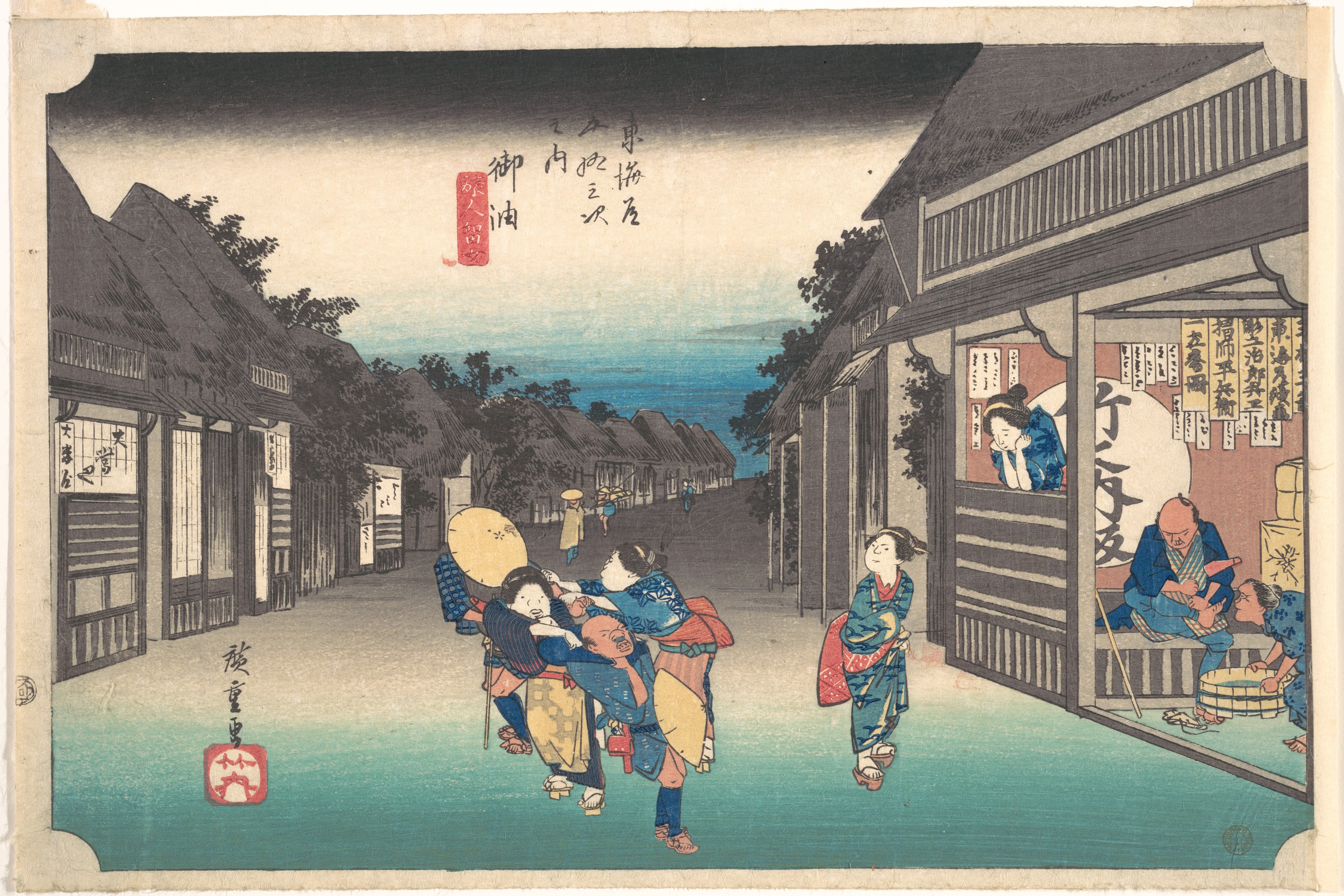
Kurokawa Onsen is a hot spring town in Kumamoto, in central Kyushu, with what the study describes as "24 rustic Japanese ryokans standing side-by-side." Morishita interviewed the owner of one ryokan and two okami — proprietresses — at the Kurokawa Onsen Union on 7 December 2015, with follow-up by phone and email. What follows is that fieldwork, at that date, and not a description of Japanese inns in general.
"Documentation Regarding Omotenashi, Such as a Manual, Does Not Exist"
The sentence is worth quoting exactly, because it is easy to soften: "In the ryokans at Kurokawa Onsen, documentation regarding omotenashi, such as a manual, does not exist."
Not "the manual is short." Not "the manual is a starting point." There is no document. What exists instead, the paper says, is "more experienced staff members teaching their younger counterparts, which is followed by on-the-job training and observations."
The obvious inference — that this makes the service improvised — is the wrong one, and the paper closes it off in the next section.
How Omotenashi Moves: Showing Her and Then Letting Her Do
One of the ryokans, the study reports, deliberately hires less-experienced people "so that they can teach them 'from scratch.'" The study names the method: the principle of omotenashi passes from senior staff to new employees "through the process of 'showing her and then letting her do.'"
That is an apprenticeship, not an absence of training. The paper describes the loop in some detail: a junior member watches a senior handle a situation, recognises the pattern, tries it, and gets feedback — from the okami, and, the study adds explicitly, from customers.
An experienced okami holds the whole thing together by watching. She "constantly observes the staff members," and the paper's summary of why the system needs her is blunt: "since there is no single approach to omotenashi that defines the success of the ryokans, they constantly search for better ways to implement such skills among staff members."
A Minimum Standard, Then Discretion: the Two Layers of Omotenashi
Here is the sentence that resolves the apparent contradiction, and it deserves to be better known than it is.
"The majority of the ryokans adhere to a minimum customer service principle, but leave the higher levels of omotenashi up to each staff member, based on his/her skills."
Two layers, deliberately separated — in most of the inns there, at that date. The floor is fixed and everybody who keeps to that principle meets it. Above the floor, the person in front of you decides. That is not the absence of a system; it is a system with a designed boundary between what is standardised and what is not.
It also changes how you would read an inconsistency. If two rooms in the same building receive noticeably different attention, that is not necessarily a failure of consistency — it may be where this design puts discretion. The floor is the part the principle fixes. What varies above it depends on who is looking after you and what they read in you.
Competitors Who Share: the Okami no Kai
The study's headline finding is about the town rather than any one inn. Its abstract reports that "each ryokan cooperates with the others by sharing the knowledge and skills of omotenashi, despite being competitors in the same environment."
The mechanism has a name. The study describes an "Okami no Kai" — a Meeting of the Proprietresses — where the okami "gather and share the information of various cases in each ryokan and how they attempt to satisfy the customers." What one inn learns becomes available to the inn next door, and each then adapts it to its own house.
The study explains why that is rational rather than saintly. With its twenty-four inns standing side by side, Kurokawa "creates the impression that the 'entire town is one accommodation, the streets are corridors, and the ryokans are guestrooms.'" If the town is the product, a weak inn damages the strong ones. The study's table lists what the inns compete on: sales and numbers of customers, "customer satisfaction and feedback," and staff competing to improve their own skills.
The Casual Conversation Is the Instrument of Omotenashi
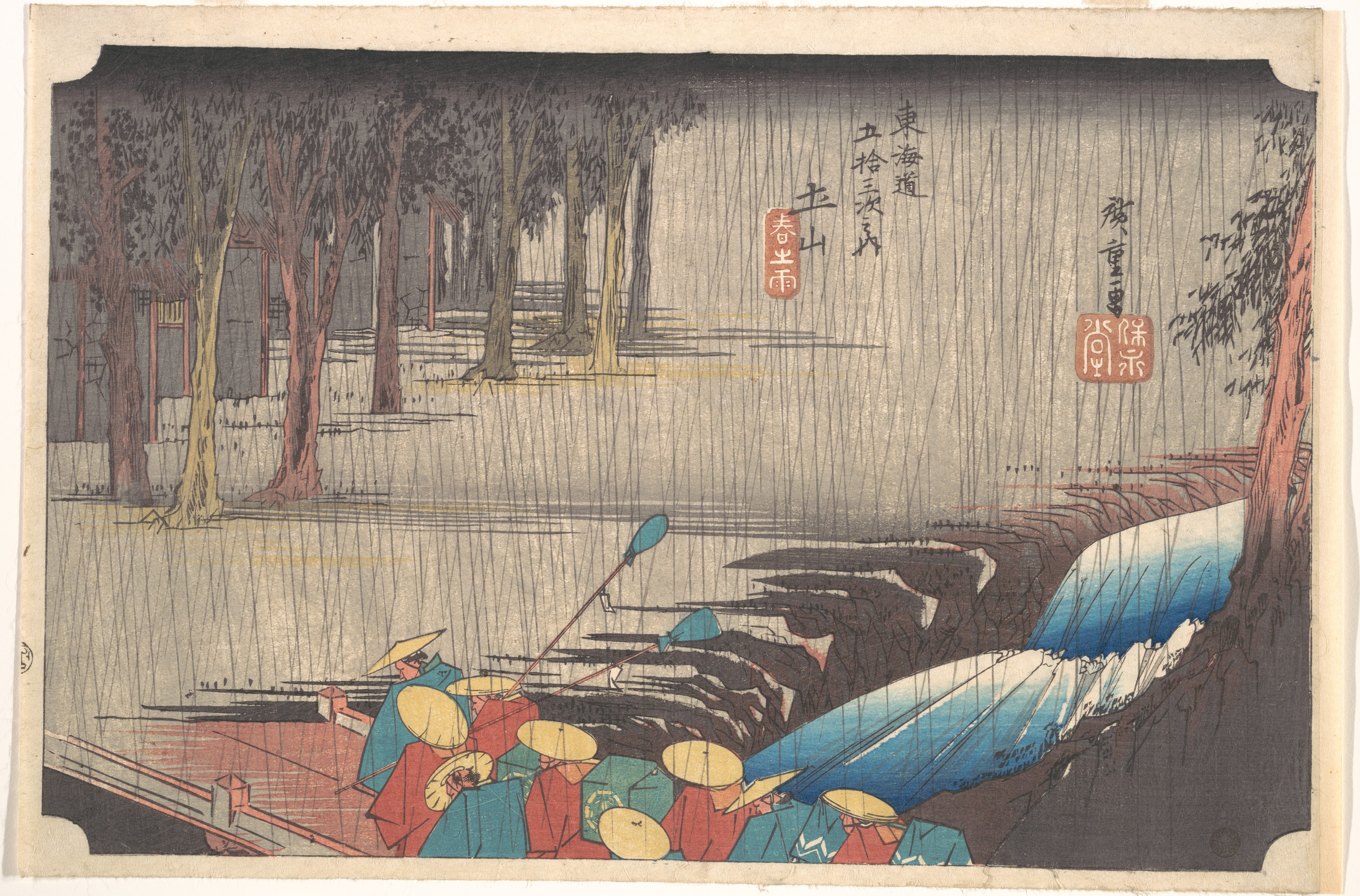
Of everything in the two papers, this is the finding that most directly changes what a guest should do.
What Small Talk at Check-In Is Actually For
Describing the okami's approach at Kurokawa, the study says what matters in her staff's work: "it is important for staff members to hone their communication skills and determine the comfort levels of guests through casual conversations."
Read that as a job description rather than a pleasantry. The chat at check-in, the exchange while the tea is poured, the question about your journey — this is how the reading gets taken in the room. There are questionnaires too: the study notes that many of the inns there ran them, for "omotenashi promotion and improvement." But a questionnaire is a separate channel from the exchange in front of you. The conversation is the part of it that happens face to face.
Which makes a monosyllabic guest a hard guest to serve, and not for reasons of politeness. If the reading of your comfort level happens through casual conversation, and you supply nothing to that conversation, there is less to work with and the stay falls back to the floor. This is the practical meaning of that "equal relationship": the guest is holding one end of the instrument.
It also means the questions are not idle. Where you have come from, whether you have been to the area before, what you are hoping to do tomorrow — each answer narrows what the staff will do next.
Casual, Not Excessive: an Okami's Own Limit on Omotenashi
The same passage contains a limit that runs against the way omotenashi is usually sold.
The okami interviewed "cherishes the traditional omotenashi in which each guest is treated like an acquaintance visiting her own house." And then: "However, the Okami's ryokan does not provide excessive omotenashi, but offers casual omotenashi to keep the guest relaxed."
Excessive attention is a failure mode, named as such by a practitioner. The target is a relaxed guest, and past a certain point more service produces a less relaxed one — you start performing gratitude, tracking whether you are in the way, wondering if you should be doing something.
So the thing to stop evaluating is intensity. A stay where you were left alone for three hours and then met at exactly the right moment is not a lesser version of a stay where somebody was always in the room. By the standard the okami states, it may be the better execution.
Kagaya: Twelve Lessons on a Card, and What They Do Not Cover
The second study, by Morishita with Michitaka Kosaka of the Japan Advanced Institute of Science and Technology, looks at an inn that seems to be the opposite case — and turns out to have the same architecture.
Kagaya is in the Wakura hot spring area of Ishikawa Prefecture. The paper records that it was established by Yokichiro Oda in 1906 and "began with 12 room accommodating 30 guests," and that at the time of writing it had 246 guest rooms, capacity for 1,400, and around 220,000 guests a year. It had also "ranked first among hotels in operation over 30 years in the 'Selections of 100 Japanese Hotels and Inns by Professionals.'" The interviews were conducted with personnel and service managers at head office on 19 December 2016.
Twelve Lessons, and the Matches in the Room
Kagaya issued "Twelve Lessons for Kagaya Staff" — the paper takes them from a 2006 account — and lists what kind of thing they are: "whether the room you oversee is clean," "free of bad smells," "has a set of matches before customers arrive," and "gathering at the appointed time at the front hallway for greeting customers, making an energetic greeting and greeting customers warmly."
They were "printed on cards held by all staff."
Notice how unmysterious that list is. Smells. Matches. Being physically present in the hall when guests are due. This is the floor again — the Kurokawa minimum, written down and carried in a pocket. It is checkable, teachable and enforceable precisely because it contains nothing about reading anybody's mood.
"Service Standards, Not Omotenashi": What a Manual Can Carry
And then the paper draws the line explicitly. Of Kagaya's service manual it says: "It imparts service standards, not omotenashi."
The service manager's own account of why is worth quoting at length, because it is the clearest statement in either study of what the manual cannot reach: "Manuals with a fixed form mostly don't help in facing different customers who are different in appearance and feeling every day. From the moment customers enter the front hallway, we don't take our eyes from them for even a minute. We focus on the actions and words of each individual and think only of what can be done to make this customer happy."
Put the two inns side by side and the difference shrinks to a matter of where the writing stops. Kurokawa wrote nothing down. Kagaya wrote down the floor and stopped there. Both then handed the part above the floor to a trained person watching the guest. The manual is not the disagreement; the manual's ceiling is the shared design.
You Are Being Assigned: How Staff Are Matched to Guests
The most startling thing in either paper is a piece of routine operations.
At Kagaya, as the study describes it, "the front desk gathers information about customers, determines what services they require and informs the proprietress or service leader, who assigns appropriate staff." The examples given are concrete: "guests gathering for a party are assigned cheerful staff, whereas elder couples might be assigned more measured and mature staff."
And the assignment is not final. "The proprietress monitors assigned staff and reassigns personnel immediately if necessary. Reasons for the reassignment are shared and discussed."
You are, in other words, being read and matched before you have said anything much — and if the match is wrong, somebody senior notices and quietly changes it, and then the reason becomes training material for everyone else. That is the machinery under the impression of effortlessness, at that inn, at the time of the study.
Your Booking Is Already Part of It
Which brings the process backwards into the part you control.
The study records that staff noted information about first-time guests "such as why they are visiting, where they are from and personal preferences when they take reservations," and that the staff then "plans omotenashi for their stay." For returning guests, Kagaya "notes customers' preferences in food and room temperature and assures they are in place prior to their next visit."
So the reservation is not administration. It is the first data collection, and an empty notes field is a smaller instruction set. Saying that you are celebrating something, that you have come a long way, that you sleep cold, that one of you does not eat fish — that is not fussiness, it is the input the system is built to consume.
The loop closes with complaints. At the time of the study Kagaya ran a questionnaire, posted positive feedback where everyone could see it, routed negative feedback to the person concerned, and held "four large 'Complaint Zero meetings' yearly" that worked through complaints and trends in dissatisfaction. On that account a comment card is a document that gets read in a meeting.
Where Omotenashi Came From, and Where It Is Going
None of this has been true forever, and the studies are unusually clear about that.
The 1960s: a Second-Generation Proprietress Sets a Style
Kagaya's style of omotenashi has an author and a date. The paper states it flatly: "Taka Oda, the second generation proprietress, set the style of omotenashi at Kagaya in the 1960s."
The inn had been open since 1906. The paper does not say what its hospitality looked like before the 1960s — it describes the inn's reputation as century-old — but it does say that the style has an author and a decade. What reads as timeless was set by a specific person, within living memory, and then transmitted deliberately enough to survive her.
That is worth holding on to whenever a tradition is described to you as immemorial. Somebody usually set it, and often more recently than the story suggests.
A Ministry, a List, and Omotenashi as a Management Category
The second change is institutional, and it happened to the whole country rather than to one inn.
Writing in 2016, Morishita describes how Japan's Ministry of Economy, Trade and Industry "recognizes a company that applies superior, customer-oriented management from the perspective of employees, the community or society, and customers as an 'Omotenashi Management Business.'" Separately, small and medium-sized companies judged excellent at it were listed as "High-Service Japan 300," on criteria that included "their scientific or industrial approach; their improvements in service processes; their high value-added services, their ability to foster human resources, their international development, and their contribution to the community."
Read the criteria again. Process improvement. Human resource development. International expansion. A quality of feeling had been made into a category of management, with an assessment framework and a list you could be on. Whatever omotenashi was before, by 2016 it was also something a ministry evaluated.
Tacit Knowledge and the Problem of Copying It
The live question, and the one both papers end on, is whether any of this can be moved.
The Kagaya study is direct about the puzzle: the kind of knowledge management it describes "seems common to most inns," and yet, the authors ask, "Why cannot most of other inns practice excellent omotenashi like Kagaya?" The Kurokawa paper notes the same thing from the other side — that Kurokawa is a well-studied example of superior omotenashi, and that "few ryokans have emulated this approach."
The Kagaya paper's answer is not that the knowledge is simply tacit. It argues that the standard tacit-and-explicit framework does not capture the process well, and proposes a different model in its place — one built on a shared way of thinking, organisation-wide sharing of what staff learn, and the support that lets staff concentrate on guests. Its abstract puts the finding in one line: omotenashi is "the product of focused training, organisation-wide communication and feedback shared among staff and customers." Every term of that is an organisational property rather than a personal virtue.
The same journal has published an attempt to test the question from the other end. A team led by Takashi Oyabu took Chinese students to a Japanese spa resort hotel and asked what they made of it, on a premise of their own: omotenashi "is a software technique," and "It is thought that the one should be exported as Japanese indigenous software." Their initial evaluation found "it is found for Chinese to accept Japanese omotenashi even in China," with the food a notable exception. It is a small first look rather than a demonstration, and the authors present it as one.
That is the part still in motion. A quality of feeling has become something trained, measured, recognised by a ministry, argued over in journals, and tested on guests from outside the country — with the research itself published openly. Whether it survives being written down is a genuinely open question, and it is being answered in inns rather than in papers.

Japanese Aesthetics Unveiled
What to Carry Into Your Next Stay
Three things to do, and then the part that is actually being decided.
First, answer the questions. At Kurokawa the study says it is important for staff "to hone their communication skills and determine the comfort levels of guests through casual conversations." That reading happens in front of you, which is why two extra sentences at check-in are worth more than any request you could make later.
Second, fill in the booking. At Kagaya, the study found, staff recorded "why they are visiting, where they are from and personal preferences" at the reservation stage and planned from it, and stored preferences in food and room temperature for a returning guest. At that inn, on that account, the free-text box on a reservation form was not a courtesy; it was the intake.
Third, stop grading intensity. The okami interviewed at Kurokawa deliberately avoided "excessive omotenashi" in favour of "casual omotenashi to keep the guest relaxed." Judge a stay by whether you were comfortable, not by how many times somebody appeared. A traditional building is designed around the same restraint — Japanese architecture spends most of its effort on what it withholds.
And the part still being decided is what you are participating in. The claim in the literature is that this relationship is an equal one rather than a hierarchical one — contested, as the researchers themselves note. If it holds, a stay is not a service you buy and receive. It is something the two of you make in one evening, out of a floor somebody standardised, a discretion somebody was trusted with, and whatever you were willing to say about yourself. That is a different thing to walk into, and knowing it is most of what it takes to be good at it. Choosing the inn is the smaller half.