.webp)
Are you planning an escape from the city’s buzz to turn a special anniversary into a truly unforgettable memory? In this guide, you’ll discover the appeal and differences between onsen ryokan and an onsen hotel (a hotel with onsen), plus smart ways to elevate your anniversary stay.
An onsen ryokan lets you savor Japan’s traditional aesthetics and quietude, while an onsen hotel offers refined, contemporary service. By understanding what each excels at, you can choose the perfect place for your anniversary getaway. From guest rooms with open-air baths and private-use baths to private dining and surprise touches, you’ll find plenty of ideas to make the experience linger in your heart. We’ll unpack onsen culture with a light, informed touch while painting vivid scenes that speak to your senses.
First Takeaway—Which Is Best for an Anniversary: an Onsen Ryokan or an Onsen Hotel?
Every couple values different things on an anniversary trip, but here’s the bottom line: both an “onsen ryokan” and an “onsen hotel” can deliver an unforgettable celebration if you lean into their respective strengths. The real decision point is which experiences you most want to prioritize during your stay.
If you’re drawn to a distinctly Japanese atmosphere, tranquility, and attentive hospitality, an onsen ryokan is your match. If you want convenience, seamless city sightseeing, and modern facilities, you’ll likely prefer an onsen hotel.
In terms of budget, ryokan typically price per person with dinner and breakfast included (*1), and high-end properties often range around ¥30,000–¥80,000 per person (*2). Onsen hotels usually price per room; for standard plans expect about ¥10,000–¥30,000 per person, while suites and premium plans can run ¥50,000–¥100,000 per person (*3).
Length of stay also matters. For a slow, restorative escape, choose a ryokan; for a shorter trip that mixes in sightseeing, opt for an onsen hotel. For example, on a one-night weekend, you might enjoy city views from a well-located onsen hotel; for two nights or more, immerse yourself in the otherworldly calm of a traditional ryokan. Match the property to your timeline.
When an Onsen Ryokan Fits—and How to Choose
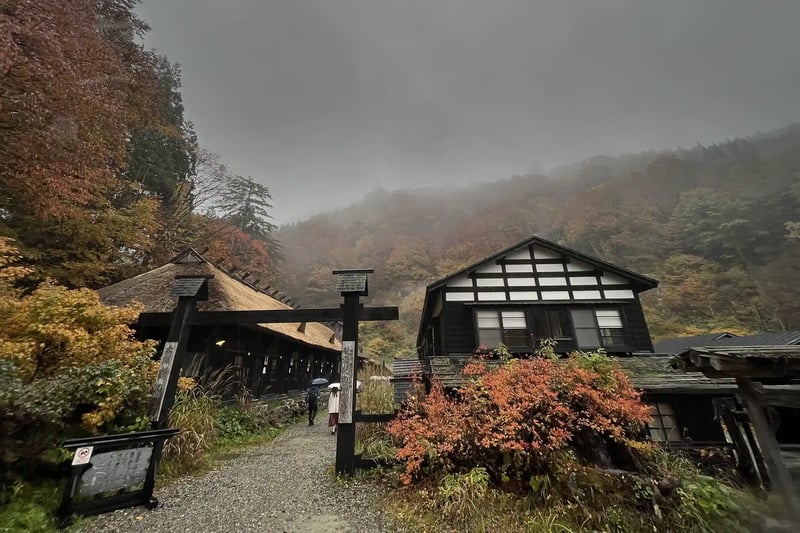
If silence and traditional beauty top your list, an onsen ryokan is ideal. Time in a tatami-mat room or by an irori hearth, warm, thoughtful service from attendants, and seasonal kaiseki cuisine—these are the details that enrich your anniversary. You’ll slip off your shoes, change into a yukata, and move through the inn as if welcomed into a Japanese home (*4).
Many ryokan serve meals in your room or a private dining space, so you can relax and talk without interruptions. For an anniversary, that privacy is priceless. With private dining or in-room service, you can also stage surprises without worrying about onlookers, turning the evening into a memory you’ll talk about for years (*5).
Some properties are adults-only—occasionally excluding middle-school-age guests and younger—and keep guest numbers low to preserve a deeper quiet (*6). If you want to protect “just-us” time in a sanctuary that feels worlds away, these intimate hideaways are a dream.
When an Onsen Hotel Fits—and How to Choose
If access and convenience matter because you want to shop and sightsee, an onsen hotel is a great fit. In-city or near-sightseeing locations minimize travel time, so you can catch a show, wander museums, and enjoy shopping—then unwind in the hotel’s baths.
Rooms are typically Western-style with beds, supporting privacy and flexibility (*4). With restaurants and room service on-site, you can plan meals at your own pace. When you want to set up a surprise, having that autonomy makes everything easier.
Sky-high hotels with city views are popular for anniversaries. You and your partner can soak in a panorama of jewel-like night lights through grand windows and sink into a romantic evening. When you book, mention “view priority”—you may be placed on a higher floor.
Also consider hotels with club lounges. From check-in to cocktail hour, you’ll enjoy elevated service that injects a short stay with just-right indulgence. If you’re meeting after work, hotels close to airports or stations help you spend your precious time well—and if the weather turns, rich indoor facilities keep the experience smooth.
What Is an Onsen Ryokan? How It Differs from an Onsen Hotel【A Primer)
Japan has many lodging styles, and among them “onsen ryokan” are traditional inns where you can experience the essence of Japanese living and culture. You’ll sleep on futons in tatami rooms, dine on regional cuisine, and bathe in large communal hot-spring baths—all signature ryokan moments (*1).
By contrast, an “onsen hotel” is a modern, mostly Western-style hotel that incorporates hot-spring elements. Differences span room style, service approach, and facilities. Below, you’ll get the basics and a clear comparison.
Core Elements of an Onsen Ryokan
Guest rooms are traditionally Japanese: tatami floors with futon bedding. Surrounded by shoji and fusuma, you can stretch out and exhale—the entire space feels gently removed from everyday life. Many ryokan now also offer hybrid Japanese-Western rooms or fully Western rooms with beds (*2).
Rates usually include dinner and breakfast, often showcasing seasonal, local ingredients in kaiseki courses (*3). Meals are served in your room or a private dining room, so you can savor everything in an intimate setting.
Large communal baths and open-air baths are central features, and soaking becomes the highlight of your stay. Guest rooms have showers or private baths, but for many Japanese travelers the big communal bath is a treasured ritual—well worth trying (*4).
For leisure, some ryokan have karaoke rooms, table tennis, massage corners, and gift shops (*5). Staff pride themselves on attentive care—help with your luggage, setting out your bedding, serving meals—often welcoming you with matcha and sweets at check-in, each property with its own personal touch.
Core Elements of an Onsen Hotel
Onsen hotels lean Western in layout: carpeted rooms you enter with shoes on, and the comfort of sleeping in beds. Restaurants and lounge bars are on-site, and meal plans range from breakfast-only to room-only. Rather than the ryokan “leave it to us” approach, you choose how and where you dine to fit your plans.
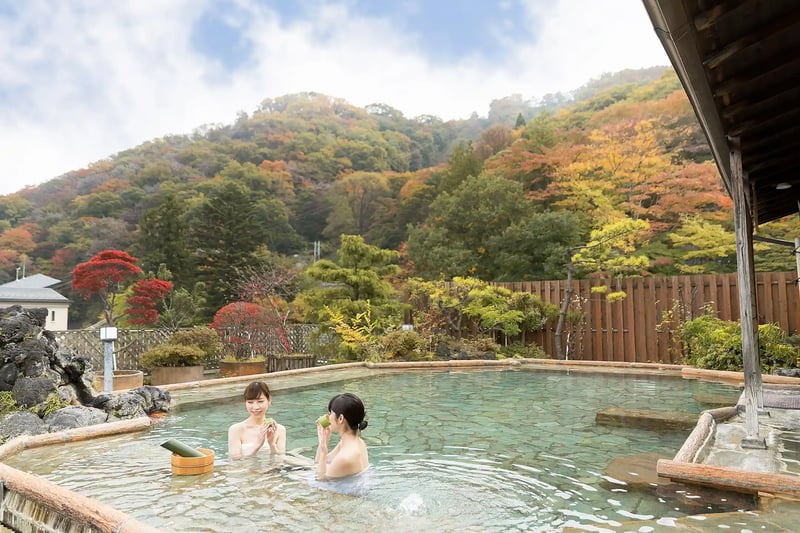
In cities, in-room unit baths may be standard, while resort hotels and some city properties in hot-spring regions run natural onsen as a large bath or spa facility. Some luxury onsen hotels feature guest rooms with private open-air baths for a more secluded soak—but overall, the hot spring is an added amenity rather than the core raison d’être.
On the service side, hotels provide professional front-desk and bell service, but typically not the in-room, constant assistance of a ryokan. You’ll get what you need when you need it, with a comfortable sense of space. Modern facilities—pools, fitness gyms, shops, club lounges, business centers—speak to urban comfort and entertainment.
Best Matches by Purpose
If the priority is quiet for your anniversary, choose an onsen ryokan. A single-inn hideaway deep in the mountains or a small-property ryokan lets you lose track of time in your own shared world.
If sightseeing is the main event, a well-located onsen hotel works beautifully. Spend days exploring and active, then reset at night in the hot-spring baths or spa. For surprises, both work: at a ryokan, arrange for cake or flowers during in-room dining; at a hotel, ask staff to decorate the room before check-in. Most properties are happy to help if you reach out in advance.
For one-night, two-day trips, onsen hotels minimize transit stress. For longer, lingering stays, onsen ryokan win with quiet surroundings where you feel the seasons passing. Talk through what matters most to you as a couple, then choose accordingly.
How to Infuse Extra Magic into an Anniversary at an Onsen Ryokan
If you’re spending a milestone at an onsen ryokan, add a few touches to heighten the sense of escape. Consider guest rooms with open-air baths, private-use baths, private dining, surprise moments, or even a professional photo session—ryokan-specific ideas that amplify the occasion.
Choosing Between a Private Open-Air Bath and a Reserved Private Bath
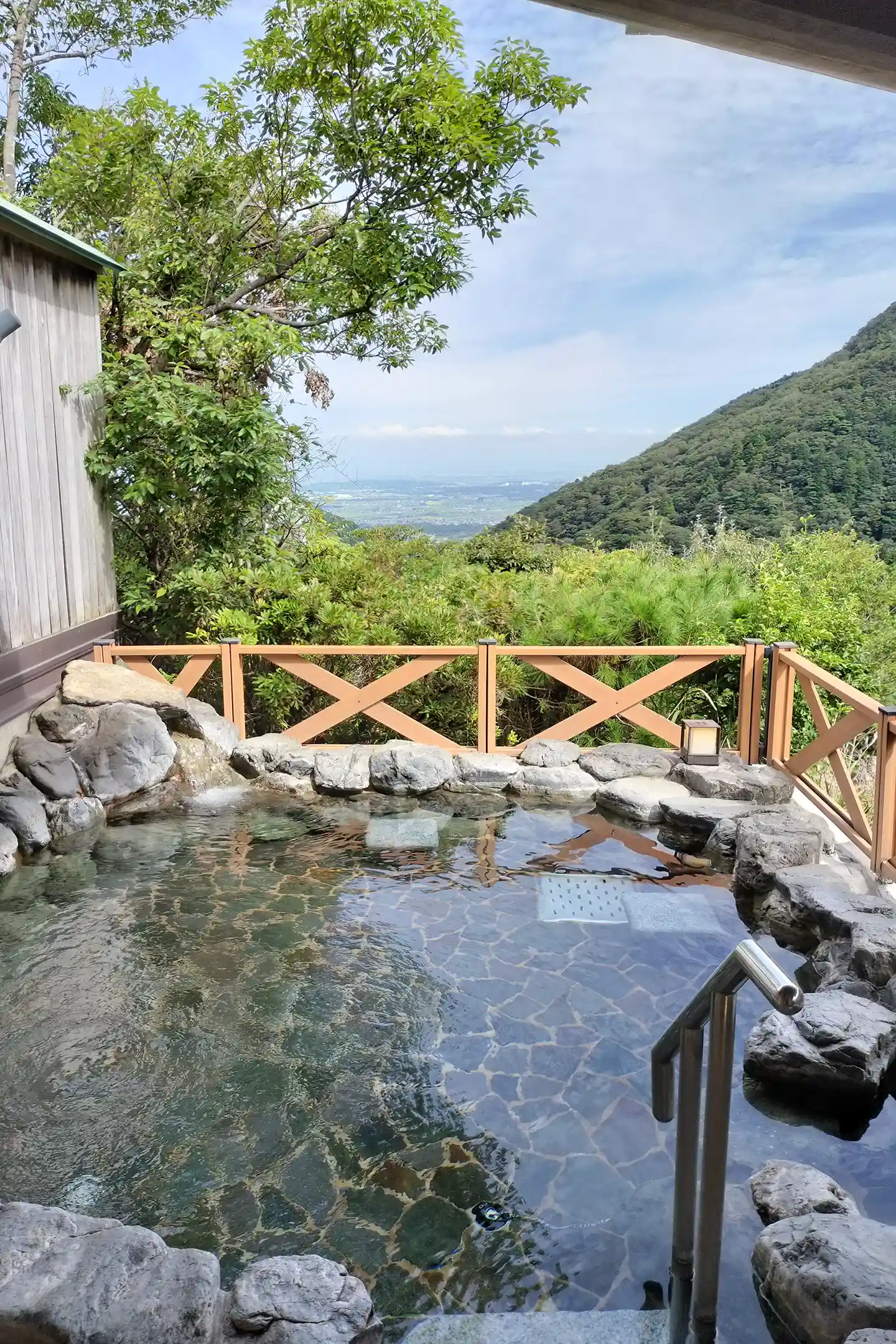
A room with its own open-air bath instantly elevates an anniversary. You can soak whenever you like, uninterrupted—just the two of you.
There are fully indoor baths, semi-open-air, and true open-air baths; rooms with a view and seasonal ambience tend to be most coveted. Perched on a hillside, you might gaze up at a star-drenched sky at night or watch dawn paint the mountain ridges—owning each evolving scene together.
The time of day changes everything. Morning, midday, evening—light, air, and scenery transform, so try both early morning and nighttime (*1). If you rise before others, you might even enjoy a “practically private” soak while most guests are still asleep. With birdsong as your soundtrack and the crisp morning air on your skin, it’s unforgettable.
Also consider reservable private baths. These smaller baths—booked in time slots—may be open-air, hinoki-wood tubs, or include extras like a warm stone bed, depending on the property.
Since slots around dinner are popular, aim for weekdays or off-meal times. If you can book ahead, do—otherwise reserve promptly at check-in. If you fall in love with a particular onsen, plan a return in a different season.
The same open-air bath shows different faces across the year: cherry blossoms in spring, vivid green in summer, crimson foliage in autumn, and snowy landscapes in winter (*2). Seasonal scenery like this paints your anniversary memories in deeper colors.
Private Dining, Ryokan-Style
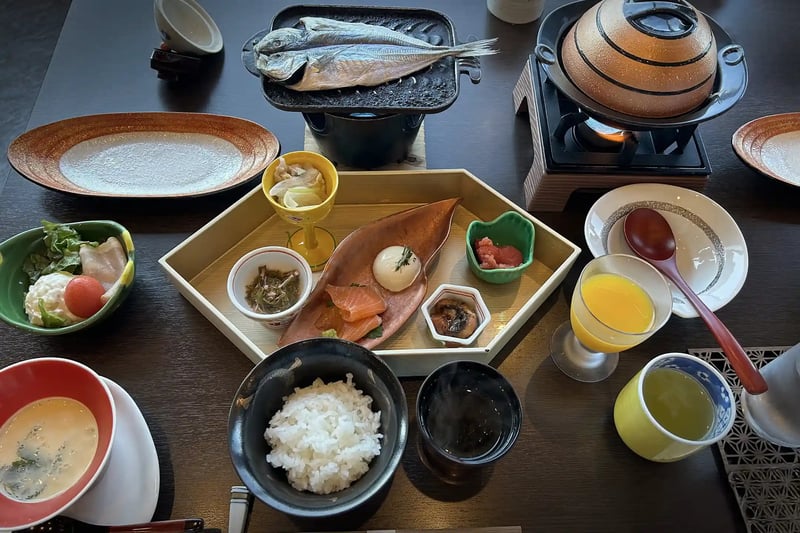
Dining at a ryokan can be a centerpiece of your celebration. If you want to talk freely and linger, choose a property offering private dining rooms or in-room meals. You’ll savor each course at your own rhythm.
Ask the chef for a special menu, and share your dislikes or favorite ingredients in advance—you might be surprised with a made-for-you course. Consider a local sake or wine pairing.
Tasting small pours selected by a sommelier or certified sake professional draws out new layers in each dish. If you prefer not to drink alcohol, a sparkling non-alcoholic cocktail or local fruit juice sets a celebratory tone. In a private room, it’s easy to stage a cake or bouquet reveal near the end (*3).
High-end ryokan also obsess over tableware and presentation. For instance, at a luxury ryokan in Nikko, Tochigi, seasonal regional dishes are served with impressive sparkle—almost like a palace banquet—where innovative Japanese-Western creations arrive on dazzling plates, delighting both eyes and palate (*4). Such festive dining artistry feels perfectly suited to an anniversary and lingers long after.
Luxury Standards and Hospitality at Onsen Ryokan
At top ryokan, every detail serves a sense of rare pleasure and ease. Room design, the cultivated quiet, the stewardship of the spring itself, dining artistry, and a service ethos that anticipates you—when all these are in harmony, the stay becomes indelible. Here’s what truly defines luxury in an onsen ryokan and how that “omotenashi” spirit shines.
Guest-Room Design and Quietude
High-end ryokan blend tradition with modernity. From serene sukiya-style rooms to Japanese-modern suites, the design fosters both escape and comfort. Lanterns and indirect lighting cast soft shadows; windows open to terraces or gardens where the seasons feel close at hand.
Silence is the ultimate luxury. Unlike large properties, these inns often keep guest counts intentionally low so calm can permeate the building (*1). Some create villa-like annexes or invest in robust soundproofing, even designing guest flows so you rarely cross paths with others.
A few are limited to just a handful of parties per day or accept adults only, curating an especially private environment (*2). When the corridor is quiet, the only sounds are rustling leaves and birdsong. Time in such a cocooned room becomes a stage where the noise falls away and your bond deepens.
You’ll also notice unique furnishings and art in each room, often featuring local crafts. A lounge where a fireplace flickers in a Japanese-Western blend, or suites where every room has a private, source-fed open-air bath—each property tells its own story through space.
Judging Onsen Quality
The spring itself is central to luxury. It’s not enough just to have a hot spring; inns that rigorously steward freshness and water quality consistently earn high marks. One key indicator is whether the bath is “gensen kakenagashi” (source-fed, free-flowing).
This means the spring water is not recirculated: fresh water constantly flows in, and overflow is not reused (*3). Because the water is used as it emerges, you’re soaking in the freshest possible spring. For temperature control or hygiene, a property may add a bit of water or heat or a trace disinfectant; if you see “100% gensen kakenagashi,” it indicates no added water, no added heat, and no disinfectant (*4).
Some luxury ryokan operate multiple private springs with ample yields, allowing every tub to be source-fed. Spring types vary—from silky, skin-softening alkaline simple springs to sulfur-rich or acidic springs known for their potent effects—so notice the fragrance, mouthfeel, and texture on your skin.
If there are private-use baths or in-room tubs, you can relax without worrying about others. If you have tattoos, check the policy beforehand. More ryokan now include saunas and cold plunges, providing that “totonou”—a refreshed, centered state—experience. A relentless focus on the bathing experience itself is a hallmark of true luxury.
%20in%20Arima%20Onsen.webp)
Dining Experiences and Pairings
Ryokan cuisine is culinary art that lets you taste a place with all five senses. Seasonal kaiseki courses express time and terroir; tableware and tray settings carry their own beauty. Many ingredients are sourced directly—organic vegetables, same-day coastal catch, prized wagyu—so every dish tells a local story.
Pairing local sake or wine is a joy in refined properties. With a kiki-sake specialist or sommelier curating small pours for each course, flavors unfold in layers.
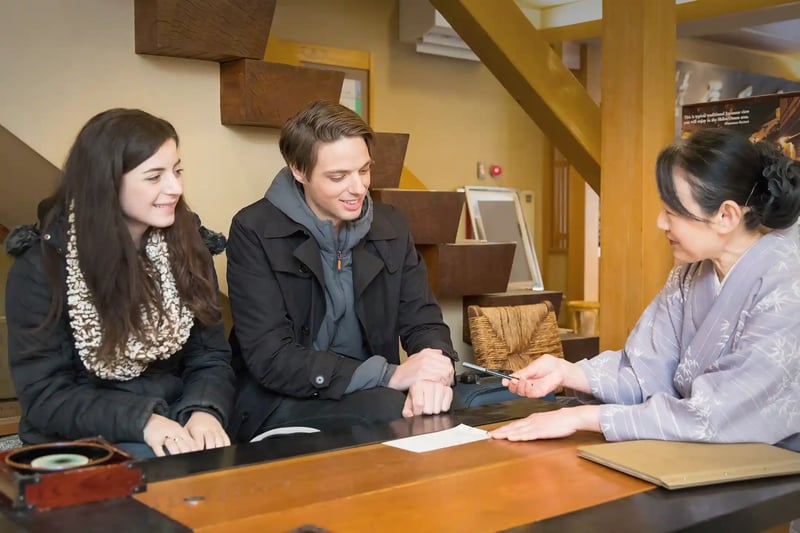
At small ryokan, the chef might visit your table to explain dishes, bringing you closer to the people behind the meal. Service staff are wonderfully attentive, sharing the origin of ingredients and the narratives behind each plate—heartfelt exchanges that define ryokan warmth (*5) and set them apart from large hotels.
Luxury ryokan also handle custom requests with grace. Planning an anniversary? They might secure superb seats for a fireworks show or add a message to your cake—thoughtful touches that often exceed expectations. Multilingual hospitality is expanding as well—English- or Chinese-speaking staff, multilingual guides, and room books—so international travelers feel at home. Your anniversary here will be one for the books.
Maximizing Privacy at an Onsen Ryokan: Location and Private-Use Strategies
If you want truly uninterrupted time at a ryokan, the right property and smart use of facilities make all the difference. Here’s how to choose locations that feel more private, leverage reservable spaces, and avoid crowds as you move through your stay.
Choosing Location and Season
Start with location. Ryokan in quiet, nature-rich settings create stronger feelings of escape and privacy.
At a coastal onsen, you can have the open sea to yourselves, waves as your soundtrack. In a mountain valley, a standalone inn wraps you in a luxurious hush where only birds and a flowing stream break the silence. Lakeside and highland inns offer big skies and clear air—with a canopy of stars at night.
These properties may be less accessible, but many offer free shuttles from the nearest station or port, so you can relax (*1). If you prefer freedom from shuttle timetables, consider a rental car or taxi straight to the inn.
Timing also affects privacy. Off-season dates and weekdays are easier to book and generally quieter. Popular weekends crowd quickly, so if your anniversary date is flexible, a weekday can be a savvy choice. Keep seasonal beauty in mind, too.
Spring might mean cherry blossoms in onsen towns; summer brings lush greens or even firefly sightings in rural areas; autumn reveals inns tucked into deep red valleys; winter invites iconic snow-view baths (*2). Think of Okuhida’s crimson and gold mountains viewed from a rotemburo in fall, or Ginzan Onsen’s early 20th-century streets dusted with snow in winter—once you experience this blend of season and setting, you won’t forget it.
%20from%20the%20stone%20steps%20of%20Ikaho%20Onsen.webp?width=800&height=533&name=The%20view%20(or%20scenery)%20from%20the%20stone%20steps%20of%20Ikaho%20Onsen.webp)
Making the Most of Private Facilities
Private-use facilities dial up privacy further. Beyond private baths (family baths), some ryokan offer private saunas, stone-bed rooms, or couple’s spa suites.
Slots are typically 30–60 minutes and often require advance reservations. Many places take bookings at check-in, but on busy days popular times may be gone—so if possible, ask about pre-booking (*3).
Open-air private baths and evening slots book quickly. Check availability as soon as you arrive. Consider a private sauna to “totonou” together without restraint, or a side-by-side spa treatment—experiences that feel especially indulgent when the space is yours alone.
If a ryokan offers 24-hour private-use baths, very late night or early morning can be quiet enough to feel like a de facto private bath even without a reservation. Study the property guide and maximize those private pockets of time.
Crowd-Savvy Movement Through Your Stay
To keep the two-of-you feeling intact, tweak your timing. Check-in often clusters around 3–4 p.m.; arriving right at the start (around 2 p.m.) or after the rush (after 5 p.m.) can smooth the process. Or drop your bags earlier and explore nearby sights to sidestep the crowd.
Stagger bath times. Communal baths tend to be busiest right after dinner (7–8 p.m.) and before breakfast. Instead, unwind in your room after dinner and bathe later at night or early in the morning.
Early morning is especially serene—many guests are still asleep—so your chances of having a wide, steamy bath to yourselves go way up (*4). Stretching out in silence as daylight filters in is pure luxury.
If dinner is offered in two seatings, pick the later one; you’ll often find the dining room much quieter. Use the lounge and gardens, too. For departure, prearrange a private shuttle or taxi to skip lines and leave on a calm note. Small choices like these elevate your sense of privacy throughout.
Why an Onsen Hotel Is Perfect for City Lovers
In contrast to the hushed appeal of ryokan, many urban-minded couples love spending an anniversary at an onsen hotel. Global-brand reassurance, outstanding access, and rich facilities—plus the relaxation of a hot spring—make a short stay feel delightfully efficient and luxurious.
Merits of an Urban Stay
Convenience is the headline. These hotels often sit in city centers with direct access to airports or shinkansen stations, trimming travel time. If you’re meeting after work to celebrate, reducing transit fatigue is a winning advantage.
Soaking in an onsen in the very heart of the city is its own kind of special. You can combine theater, museums, and shopping with hot-spring relaxation—perfect for active couples. If weather shifts, pools, spas, fitness centers, and club lounges keep your plans resilient.
In practice, many travelers—including international visitors—choose Western-style city hotels for convenience (*1). With an onsen hotel, you can enjoy Japan’s bathing culture with ease—comfort and cultural experience in one.
Expect plush beds, 24-hour room service, and a concierge who smooths the details—international-level service that lets you relax into your celebration.
A Hybrid Itinerary: Onsen Hotel × Onsen Ryokan
Why not weave the best of both into one trip? Spend the first night in a city onsen hotel—enjoy a standout dinner and sparkling night views—then move to a countryside onsen ryokan for your second night to soak up classic Japanese serenity. The contrast of urban energy and natural calm lifts the whole experience.
To keep moving day light, ship your luggage ahead to the next property via a delivery service (*2). In Japan, it’s easy to send suitcases from hotel to hotel or to the airport; ask the front desk and they’ll arrange same-day or next-day delivery. You’ll explore unburdened and arrive refreshed.
For the finale, arrange a direct shuttle or bus from the ryokan back to the airport or city center. This two-part plan lets you enjoy both worlds—and colors your anniversary with a richer palette of memories.
%20Gunkan%20Maki%20Sushi.webp)