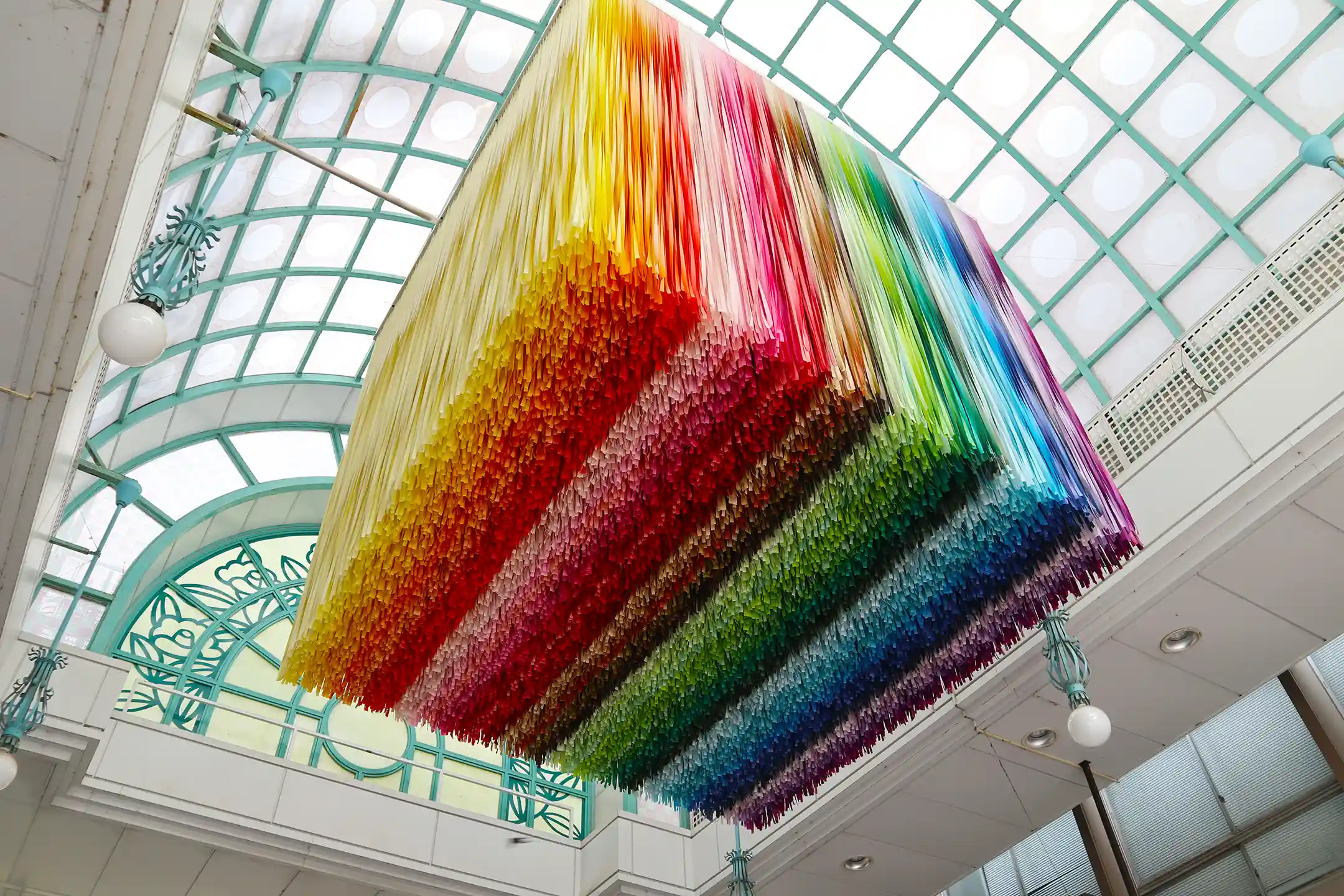
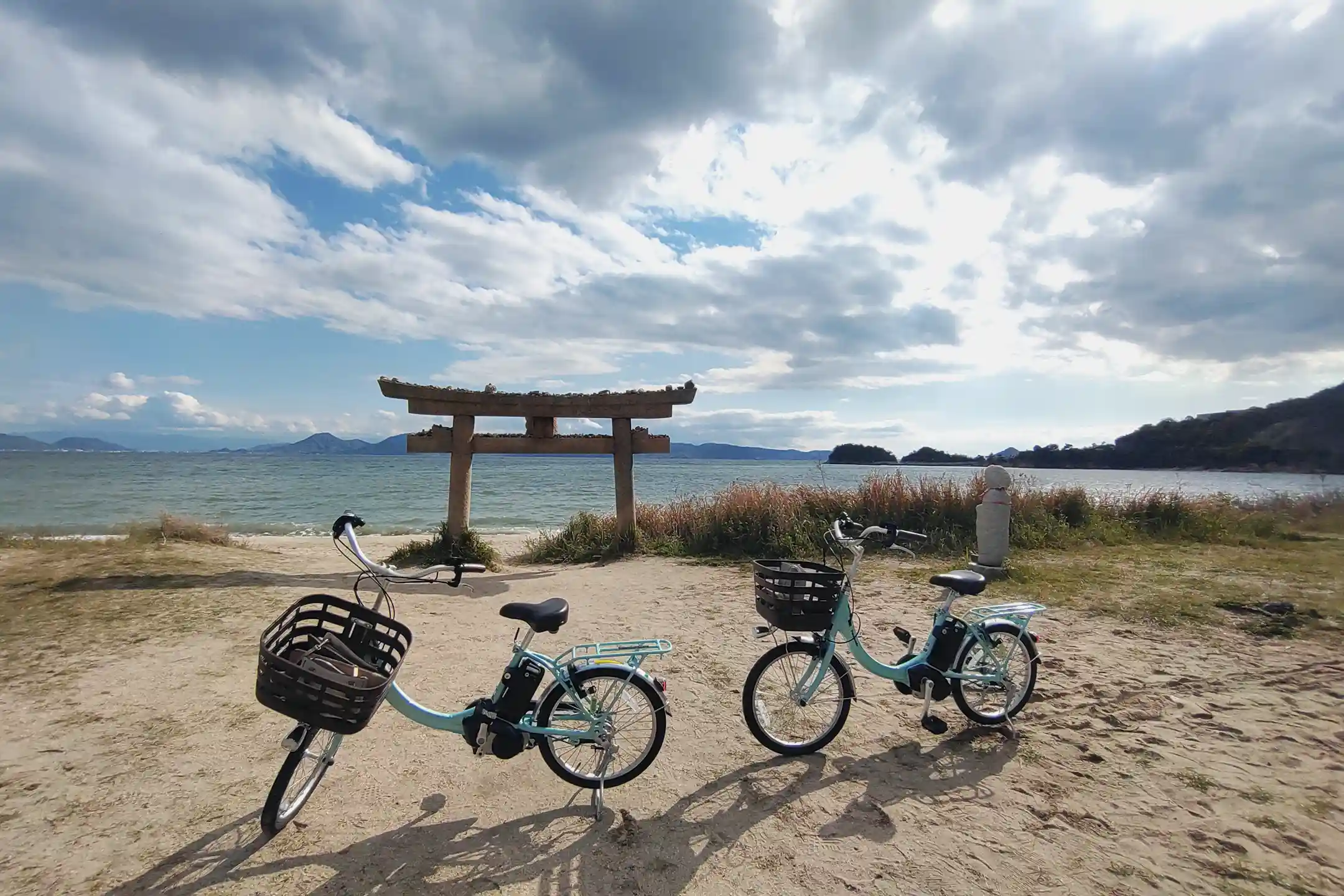
Bathed in the gentle light of the Seto Inland Sea, the small island of Naoshima has quietly become a sanctuary of art, a place discerning travelers return to again and again. Here, nature, architecture, and art amplify one another, and the very act of seeing is elevated into a cultivated stay. The scent of the sea breeze, the hush of the island, the shadows cast by minimalist buildings—what you absorb with all five senses turns your understanding of each work into a vivid, lived experience.
The essence of this trip is not “getting from place to place” but “dialogue.” When landscapes and artworks, past and present—and your own sensibilities—overlap, learning and restoration arrive together. There is the luxury of staying at a museum and meeting the art again with the morning light. There is the surprise of contemporary works breathing in streets where everyday life is rooted. Naoshima is a rare place that satisfies intellectual curiosity while quietly filling your heart.
Travel the island using sustainable transport, explore Setouchi’s food culture, and translate your insights into something you make with your own hands—each part of the journey becomes a thread of knowledge, and by the time you head home, a new perspective will have taken root within you. Sharpen your senses and savor time with care. Why not begin this mature way of traveling on Naoshima?
This article is one doorway into Japan's museum landscape. The Connoisseur's Guide to Japanese Art & Museum Experiences draws its institutions, artistic movements, and cultural lineage into a single, connected reading.
Why Naoshima Captivates Art Lovers Around the World
Floating on the calm Seto Inland Sea, Naoshima counts only about 3,000 residents and covers roughly 8 km². At first glance it appears to be a quiet rural fishing village, yet the entire island is enlivened with contemporary art, expanding into an extraordinary, museum‑like world (*1).
Once an industrial island that prospered with copper smelting, it was reborn as an island of the arts through the Benesse Art Site Naoshima projects launched in the late 1980s, drawing attention at home and abroad as a “sanctuary of contemporary art” (*1).
You reach Naoshima by ferry from Uno Port in Okayama or Takamatsu Port in Kagawa. Even though access is not exactly effortless, the number of international visitors has been rising year after year. In 2000, Condé Nast Traveler named it one of the “Seven Places to Visit in the World,” among other accolades that attest to its global reputation (*2).
Benesse Art Site Naoshima──Contemporary Architecture and Art in Harmony with Nature
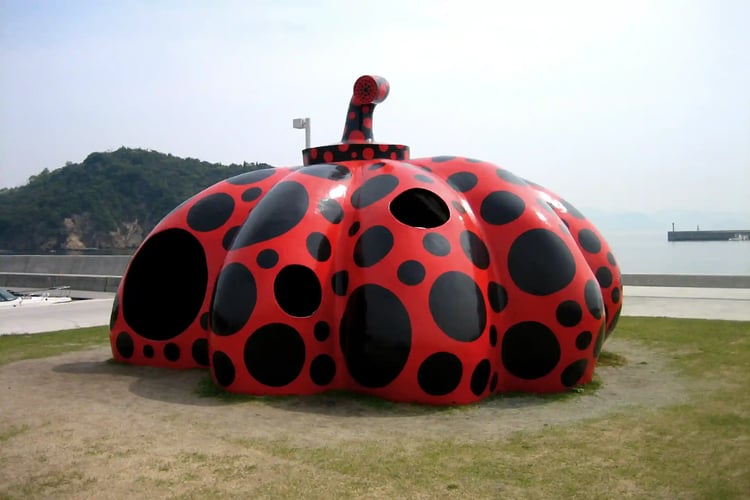
No account of Naoshima’s art scene is complete without Benesse Art Site Naoshima. The museums and hotels scattered across the southern part of the island were designed by the world‑renowned architect Tadao Ando, guided by the concept of “the symbiosis of nature, architecture, and art” (*3). This is a distinctly Japanese way of caring for nature: the architecture blends into the landscape as it highlights the art. For example, the Chichu Art Museum is built largely underground to preserve the surrounding scenery, a distinctive design that literally dissolves into the tranquil Seto Inland Sea landscape (*4).
We often imagine museums as imposing buildings that rise within a city. On Naoshima, visitors are frequently moved by the humility of designs that never intrude upon the view. Inside and out, you’ll encounter works by global artists—from Monet’s 《Water Lilies》 to James Turrell and Lee Ufan—displayed in spaces where gentle daylight pours through skylights. Rather than depending on artificial illumination, the shifting play of sunlight and shadow over the course of the day transforms the works, creating a quietly wondrous, deeply luxurious experience.
The “Art House Project”──A Fusion of Local Culture and Contemporary Art
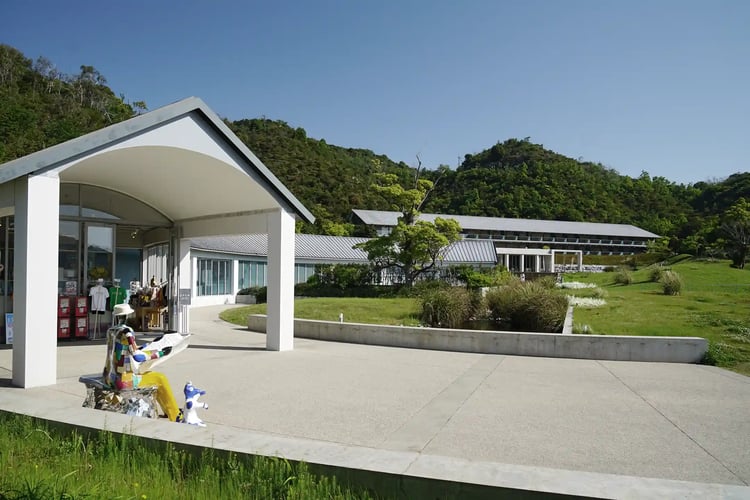
Naoshima also hosts the unique “Art House Project,” which fuses traditional homes born of island life with contemporary art. Centered in the Honmura area, this initiative repurposes vacant traditional houses, inviting artists to transform the buildings themselves into works of art. The first houses opened to the public in 1998. Breathing new life into dwellings where islanders once lived embodies the idea of “using what exists (local resources) to create what does not,” seamlessly weaving contemporary art into the historic townscape and uniting local memory with leading‑edge creativity (*5).
The inaugural work, Tatsuo Miyajima’s 《Kadoya / Sea of Time ’98》, installs a water basin evoking the Seto Inland Sea in the floor of a 200‑year‑old house. The blinking patterns of 125 digital counters floating within were set by 125 residents—meaning the “time” of each person living on the island is inscribed into the work itself (*6).

When the Stay Itself Becomes an Art Experience──Hotels on Naoshima
On Naoshima, not only viewing art but the act of “staying” itself becomes a special time that stimulates your senses. Some accommodations are integrated with museums; from the lobby to the guest rooms, you’ll find artistic touches that go far beyond a place to sleep. You can drift off with the afterglow of what moved you in the galleries, then wake and begin a fresh conversation with art in the morning—on Naoshima, that dreamlike, lavish rhythm is your reality.
Benesse House──Encountering Art Through Interiors and Amenities
Benesse House—Naoshima’s signature accommodation—is a unique art resort where museum and hotel are one. Since opening in 1992, it has been designed around the ethos of “nature, architecture, and art in symbiosis,” with buildings arranged to blend into the scenery of the Seto Inland Sea National Park (*1). Designed by Tadao Ando in refined exposed concrete, the architecture may appear cool at first, yet with time it settles even more gracefully into the surrounding greens and seascapes, deepening its harmony with nature (*1).
Contemporary artworks appear throughout the property—and even in the guest rooms you’ll find drawings, paintings, and prints by artists in the collection. The thrill of being able to contemplate art within your own room will set your heart quietly racing (*2).
Guest rooms open widely toward the sea, inviting the Seto Inland Sea into the interior. This spatial design gently links indoors and out—a contemporary expression of the longstanding Japanese idea of unity between interior and exterior—so you can unwind in a space where vistas and art exist in thoughtful harmony (*2).
Gourmet Spots to Enjoy Alongside Art on Naoshima
On this island of the arts, even mealtimes resonate with what you’ve seen. Holding onto the spark awakened in the museums, you can delight in a dining experience that’s entirely Naoshima.
Within Benesse House you’ll find both French and Japanese restaurants, allowing you to linger in the world of art without moving far. For example, at “Issen,” the Japanese restaurant located on the basement floor of Benesse House Museum, every seat looks through expansive glass to the Seto Inland Sea and outdoor artworks—so you can savor your meal in a setting that truly feels apart from the everyday (*3). Kaiseki cuisine crafted with the bounty of Setouchi’s waters arrives as plates that are beautiful in their own right, with seasonal menus that engage all five senses (*3).
.webp?width=750&height=500&name=Atsushi_Ozawa_-_Memory_of_Ship_s_Hull_(26179619214).webp)
Recommended Cafés & Bars for Savoring Naoshima’s Scenery
After your art‑filled day, take time to enjoy cafés and bars where you can admire Naoshima’s beautiful views at an easy pace. The island has several stylish cafés; among them, “Akaito Coffee” is especially memorable—a unique space the current owner restored from the island’s only former movie theater, once run by their grandfather. Knowing that story adds a lift to your step even before you arrive (*4).
Naoshima doesn’t have the late‑night bustle of a big city, and there aren’t many bars open until the small hours. That said, some places transform from cafés by day into bars at night. In these spots, you can enjoy original cocktails featuring local citrus or sake from Kagawa until around 10 p.m.—a welcome setting for relaxed, grown‑up social time within the island’s gentle quiet (*5).
Workshops to Experience Naoshima’s Culture and Deepen Your Knowledge
Your journey on Naoshima doesn’t end with viewing and dining. If you’re eager to delve deeper into the arts, you’ll find many hands‑on workshops where you can learn alongside local residents and artists.
When you shape the inspiration you’ve received into something you create yourself, the emotion grows, becoming part of your own knowledge. Shared experiences like these naturally bring travelers and islanders closer and broaden mutual understanding.
Create with Local Artists──Contemporary Art Workshops
As a quintessential Naoshima experience, consider joining a creative workshop led by artists who live on the island.
Facilities with studios host regular art classes where visitors and locals sketch the landscape together or try their hand at oil painting in an atelier (*1). Anyone—from beginners to seasoned creators—can join with ease; all you need is the desire “to draw” or “to make.” The joy lies in giving shape to works that reflect each participant’s individuality (*1).
When you actually sketch Naoshima’s scenery, unexpected discoveries emerge in views you might otherwise pass by, revealing fresh facets of the island. Time absorbed in making under the guidance of local artists becomes a rare chance to dwell with your own sensibility, leaving an imprint on your memory of the trip.
.webp?width=750&height=500&name=Karel_Appel_-_Frog_and_Kat_(26726524456).webp)
Hands‑on “Washi Paper” and “Ceramics”──Traditional Crafts of Setouchi
With a short ferry ride or drive from Naoshima, you can try traditional craft experiences such as Tokushima’s Awa washi paper or Bizen ware in Bizen City, Okayama. The regions along the Seto Inland Sea in Shikoku and Chugoku have long produced excellent washi; among them, Awa washi in Tokushima boasts a history of over 1,200 years and stands as one of Japan’s foremost traditions (*2).
At local workshops, you can watch papermakers demonstrate, then make your own sheets of washi. You might also try dyeing with persimmon tannin or flowers and grasses, or craft small items using washi—enjoying the pleasure of creating a one‑of‑a‑kind piece (*2).
Meanwhile, Bizen ware in Bizen City, Okayama is another emblematic tradition of Setouchi, its earthenware techniques passed down unbroken since the Heian period. In the pottery town of Imbe, you can shape vessels on the wheel or by hand under the guidance of a ceramic artist, creating works with the distinctive, subdued finish of Bizen (*3). Fired without glaze—born only of clay and flame—Bizen ware is simple yet profound. As your piece bakes in the kiln, the scent of earth and the heat of the fire bring you into contact with the spirit of Japanese making.
Join these traditional craft workshops and you’ll not only deepen your understanding of Setouchi’s cultural background—you’ll also take home the irreplaceable joy of a work you made yourself. Carry the sensitivities you’ve honed on Naoshima into hands‑on encounters with Japan’s heritage.
Eco‑Smart Sightseeing on Naoshima──Proposals for a Sustainable Trip
For travelers who care about the planet, eco‑friendly choices on the road matter. Naoshima is a place where travel styles in harmony with the natural environment feel wonderfully at home. By making good use of technology and choosing transport and spots with sustainability in mind, you can enjoy a trip that is both gentle on the earth and refreshingly smart. Here are ideas to help you balance comfort and care for the environment as you explore Naoshima.
Tour Naoshima by Tesla──Charging Spots and Getting Around the Island
One smart way to enjoy Naoshima is by exploring in an electric vehicle (EV). EVs are quiet, so you can feel the Setouchi breeze and hear the water without interruption as you drive in comfort.
You can take your car aboard the ferry, so it’s entirely possible to roll off the boat and start sightseeing in your own Tesla. With a circumference of about 16 km, the island is compact; a single charge is more than enough for relaxed touring.
There are two public EV charging stations on Naoshima: 200‑V standard chargers are installed at “Naoshima Furusato Umi no Ie Tsutsujiso” and in the parking lot of the Chichu Art Museum Ticket Center (*1). Because there is no charging equipment within the Benesse House grounds, it’s wise to top up at these spots before or after check‑in (*1).
For getting around, e‑assist bicycles and electric scooters are also popular. Even with Naoshima’s ups and downs, electric power makes the ride easy—and pedaling into the wind lets you taste the island air with all your senses. Public transport, including the local bus and shuttle cars, is available too, but weaving EVs into your plan adds an eco‑minded, exhilarating touch that suits Naoshima perfectly.

Eco‑Friendly Architecture and Facilities Worth Visiting on Naoshima
Naoshima offers many buildings and facilities designed with environmental harmony in mind; visiting them becomes a lesson in sustainable travel in its own right.
In the Honmura area, the multi‑purpose community facility “Naoshima Hall” was designed by eminent architects and is notable for an aesthetic that engages thoughtfully with nature (*2). Its garden features seasonal plantings—cherry blossoms in spring, colorful foliage in autumn—so the landscape and architecture come together to delight your eye.
As noted earlier, the Chichu Art Museum’s underground structure minimizes energy loss from air‑conditioning. During the day, carefully modulated natural light illuminates the gallery for Monet’s 《Water Lilies》, a design that skillfully employs natural energy. Elsewhere on the island, museums and facilities likewise maximize surrounding scenery and daylight, creating an integrated landscape where Setouchi’s nature, architecture, and art become one.
Naoshima Town also pursues island‑wide beautification and landscape stewardship, from anti‑littering rules to promoting recycling. Thanks to such efforts, you and I can continue to enjoy the Seto Inland Sea’s beauty for years to come. Explore Naoshima through an eco‑friendly lens and you’ll find discoveries different from those in the galleries—another facet of the island’s appeal is precisely this living harmony with its environment.
Beyond a single gallery
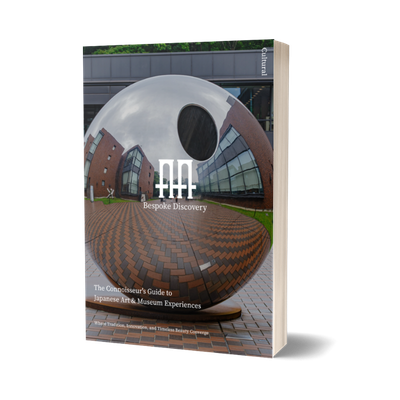
This article offers one perspective on Japan's art world. The Connoisseur's Guide to Japanese Art & Museum Experiences gathers the country's most considered institutions, artistic traditions, and the quiet philosophies that shape them — a fuller landscape for those drawn to look more closely.

In Closing
A journey to Naoshima—where contemporary art blends with daily island life—stimulates your senses and naturally deepens your understanding across cultures, offering time rich in both learning and restoration. You’ll confront masterpieces in refined museums, spend a night surrounded by art, and engage with food and traditions rooted in the island’s climate and history. Each element becomes a cultivated experience that leaves you with lasting knowledge and a resonance you won’t easily forget.
For those who love cultural exploration, Naoshima is an ideal destination—one that fully satisfies both your curiosity and your sense of beauty. In the gentle glow of the Seto Inland Sea, lose track of time as you immerse yourself in art, nature, and culture. By the time you return, you’ll likely meet a version of yourself carrying deeper knowledge and fresh inspiration.
.webp)