For over a thousand years, Kyoto has nurtured a profound history and culture. Among the most special places where you can savor Japanese culture across clothing, cuisine, and living with all five senses is the ryokan. Through dignified Japanese spaces and wholehearted hospitality, a ryokan offers learning that satisfies your intellectual curiosity and moments that speak directly to your aesthetic sensibilities.
In this article, you’ll explore the appeal of Kyoto’s ryokan culture and how to get the most from it—from the beauty of traditional architecture and seasonal décor, to cultural experiences like the tea ceremony, and even the latest sustainability efforts. We’ll guide you into the world of Kyoto ryokans—a true “journey of knowledge and beauty.”
This article steps inside a single ryokan. The Digital Guide sets that one stay within a wider landscape — its architecture, its seasonal table, and the quiet craft of omotenashi — gathered into a single, connected reading.
What Is a Kyoto Ryokan? Immerse Yourself in Japan’s Culture of Hospitality
The History and Development of Kyoto’s Ryokans
Kyoto’s ryokans originally developed as lodgings for travelers and cultural figures visiting the imperial capital, cultivating a distinctive hospitality ethos over centuries. Today, they stand as embodiments of Japan’s traditional beauty—harmonious with nature, built in evocative Japanese styles, and serving exquisite kaiseki that represent the very essence of the culture.
Some establishments founded in the late Edo period still exist, with records showing their patronage by loyalists at the end of the shogunate as well as by cultural luminaries of the Meiji and Showa eras. Hiiragiya Ryokan, one of Kyoto’s most iconic establishments, was founded in 1818 (Bunsei 1) and has long been cherished “like a second home” by members of the imperial family, statesmen, and famed novelist Yasunari Kawabata, among many others (*1). In this way, Kyoto’s ryokans have served as witnesses to history, helping to preserve and advance Japanese culture.
Since modern times, Kyoto’s ryokans have updated their facilities and services alongside tourism’s growth, while steadfastly protecting tradition. Although the number of ryokans peaked around the 1980s and later declined as lodging needs diversified, in recent years international visitors have reappraised ryokans as immersive “content for experiencing Japanese culture.” By offering the unique added value that only a historic city like Kyoto can, ryokans continue to hold a singular presence even today.
A Ryokan’s Allure—Something You Won’t Find at a Hotel
One of a ryokan’s greatest charms is Japan’s signature attention to detail—omotenashi. Unlike typical hotels, ryokans reflect local customs and culture, and you can feel the proprietor’s sensibilities and values in every corner.
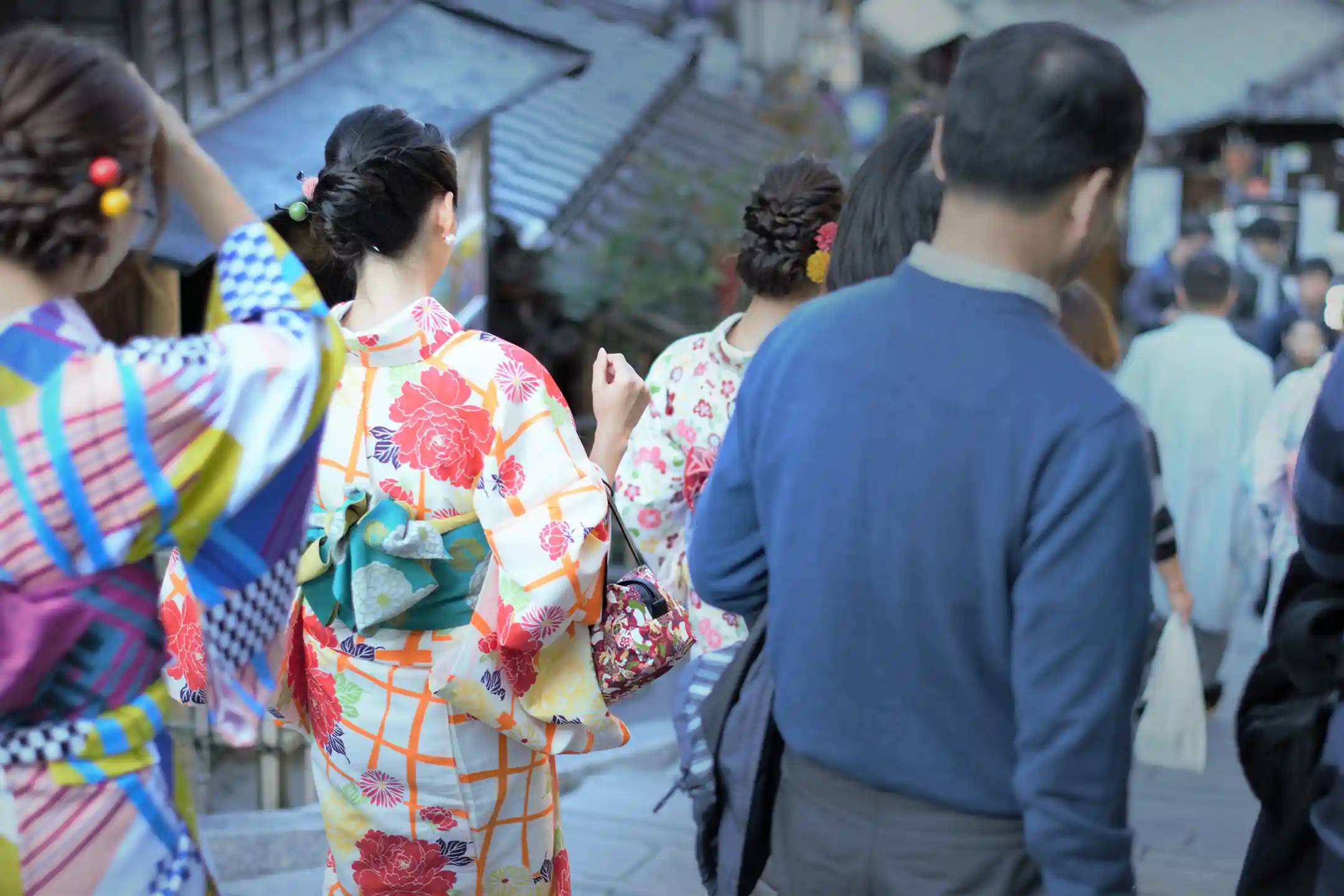
Sleeping on futon laid out on tatami, the gentle light filtering through shoji, the tokonoma alcove adorned with seasonal ikebana—this extraordinary Japanese setting eases daily tension and brings a deep sense of calm. Attendants in kimono or samue serve you with grace, and as you wander the inn in a light cotton yukata, you physically sense the atmosphere of tradition.
Service is highly personalized to your preferences and requests, from adjusting meal content and timing to serving tea in your room or setting up and putting away your bedding—care that feels almost familial.
It’s often noted that ryokan hospitality tends to provide “highly individualized service that respects each guest’s preferences.” This warm-hearted approach is a hallmark of Japan’s service culture, and in Kyoto’s ryokans in particular you’ll feel the glow of etiquette and thoughtfulness.
The fragrance of tatami, the warmth of wood, the immaculate cleanliness, and seasonal décor—all five senses absorb the comfort of wa. That sensory richness is a pleasure only a ryokan can offer.
How to Choose a Kyoto Ryokan That Truly Stimulates Your Curiosity
While every Kyoto ryokan conveys tradition, travelers driven by curiosity will especially appreciate selecting with the following points in mind.
First, choose a ryokan with historical and cultural significance. Kyoto has many inns housed in buildings over a century old, and some are officially registered as Tangible Cultural Properties.
For example, Jushichiharu Ryokan is a Kyoto townhouse ryokan built in 1909 (Meiji 42) and designated as a Registered Tangible Cultural Property; from its purely Japanese rooms you’ll feel the nostalgic atmosphere of old Kyoto (*2). Staying in such a place lets you steep yourself in the stories told by the building itself. Long-established ryokans preserve many episodes and traditions passed down through generations.
Among the “Kyoto Big Three” are Hiiragiya Ryokan, founded over 200 years ago, and Tawaraya Ryokan, which has continued for 300 years—living witnesses to Kyoto’s life and culture. You may find rooms favored by writers and artists or hear old tales directly from the okami; these encounters will spark your curiosity.
Next, consider ryokans that offer hands-on cultural programs. As you’ll read later, some host experiences like tea ceremony or calligraphy. If you can join such activities during your stay, you’ll learn Kyoto culture without ever leaving your inn. When comparing options, check official websites or brochures for the presence of a tearoom and for event information.
Since 2017, Kyoto City has recognized “Kyoto-like accommodations” that provide cultural experiences and employ traditional craft products in their décor. Looking into such initiatives helps you gauge how deeply a ryokan values local culture.
Location and access also matter. Visiting temples, shrines, and museums is often the highlight of a Kyoto trip; satisfying your intellectual curiosity depends on how efficiently you can get around. Fortunately, many ryokans are close to subway stations and bus stops. Jushichiharu Ryokan, for instance, is just one subway stop from Kyoto Station and a five-minute walk from the nearest station, with Shijo–Kawaramachi also within walking distance (*2).
Ryokans in Arashiyama or Takao offer lush natural surroundings, though they may require longer travel into the city. If you’re eco-minded, consider combining public transit with an EV. Kyoto Prefecture promotes the spread of electric and plug-in hybrid vehicles and has been improving charging infrastructure (*3); major hotels in Kyoto now include examples with Tesla Superchargers and similar facilities (*4).
Even if your ryokan doesn’t have on-site charging, staff can often direct you to nearby stations. By weighing transport and location alongside your interests and travel style, you’ll unlock a stay that exceeds your expectations—rich with learning and delight.
Experiencing Traditional Culture at a Kyoto Ryokan
Savor Tea Ceremony, Incense Ceremony, and Calligraphy at Your Inn
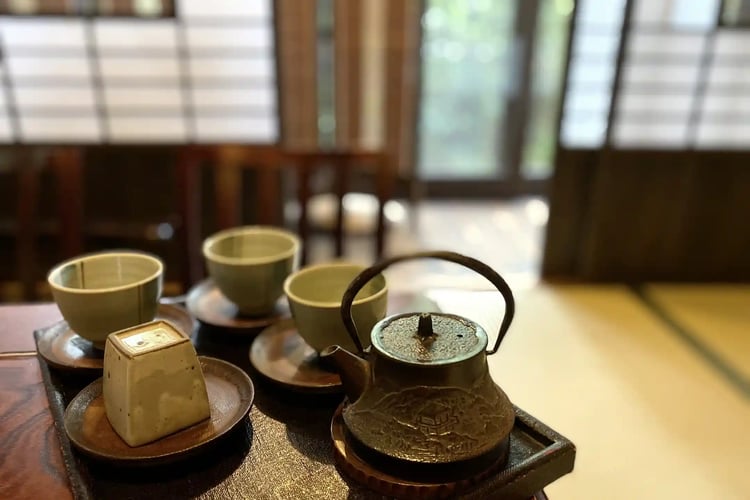
Staying at a Kyoto ryokan is your chance to experience Japanese traditions up close. Tea ceremony is perhaps the most popular activity. At centuries-old Sumiya Ryokan, for example, guests are invited to a tearoom on the 7th and 17th of each month for matcha; if you wish, you can learn how to whisk and drink tea and enjoy an authentic hands-on experience. Sitting formally on tatami and preparing tea in quiet concentration can feel almost meditative.
Kyoto is also deeply tied to kōdō—the incense ceremony—one of Japan’s three great classical arts alongside tea and flower arrangement. While less familiar to many, some ryokans offer simple mon-kō (incense listening) experiences.
Though not in Kyoto, the ryokan Genji-kō in Aichi hosts free daily incense classes for guests in the evening, allowing you to sample the elegant kumikō game of discerning aromas. Within Kyoto, traditional incense shops like Shoyeido and Yamadamatsu offer fragrance-making workshops that your ryokan can help arrange. Entering this refined world of scent is a precious path to understanding Japanese sensibility.
Calligraphy is also popular. Facing rice paper with brush and ink invites focus and a direct encounter with Japanese aesthetics. Increasingly, ryokans and hotels host workshops with professional calligraphers.
Near Kyoto Station, “Kyo-no Yado Hokkaikan Ohanabo” includes programs such as calligraphy, mini tatami crafting, goshuin seal making, and kimono dressing within its stay plans. Join these programs and you’ll feel like you’re on a mini study-abroad—learning Japanese culture without leaving your inn. For the curiosity-driven traveler, a Kyoto ryokan is far more than a place to sleep; it’s a living classroom of tradition.
Kyoto’s Four Seasons and the Pleasures of a Ryokan Stay
The ancient capital’s seasons are distinct, and each brings its own quiet poetry. A ryokan is the perfect stage for feeling these shifts.
In spring, cherry trees in the garden burst into bloom so you can hanami right from your room. Summer brings fresh green maples and the murmur of streams; autumn paints the gardens crimson; winter hushes everything under snow—your window frames ever-changing views of Arashiyama or inner courtyards.
At Arashiyama Onsen ryokan “Hanaikada,” for instance, the private open-air bath offers sweeping seasonal vistas—cherry blossoms in spring, verdant foliage in summer, fiery leaves in fall, and snow scenes in winter (*5).
Inside, seasonal sensibilities are woven into the décor: hanging scrolls and flower arrangements in the tokonoma, screen paintings whose motifs shift with festivals and time of year.
The art of seasonal staging is a ryokan specialty—using scrolls, screens, and ikebana to evoke the moment. In summer, reed screens and wind chimes invite coolness; in winter, a brazier by the hearth and warm-toned furnishings bring cozy comfort. For celebrations, you may even find auspicious cranes and turtles used in the décor, tailored to your occasion.
Kyoto’s annual events enrich your stay: sweets and sakura-yu tea in spring, yukata-clad lantern walks during the Gion Festival, and early-morning special temple visits in autumn arranged by the inn.
From year’s end into New Year, you can taste festive traditions like osechi and the white-miso Kyoto-style ozōni soup, plus toso spiced sake—sublime ways to welcome the year. Warming up in an outdoor bath amid snow, then reading quietly by the window—winter holds its own charm.
In short, Kyoto ryokans let you enjoy the city’s seasonal magic all year long. Stays that weave together nature, ritual, and cuisine become an immersive way to study Kyoto’s seasons. No matter how many times you visit, Kyoto and its ryokans show new faces—proof that “one trip isn’t enough to take it all in.”
The Allure of Kyoto Ryokans, Adorned with Art and Craft
In Kyoto’s ryokans, the very buildings and interiors are like works of traditional craft. You’ll notice masterful furnishings everywhere: kaiseki served on Kyo-yaki/Kiyomizu porcelain, cushions and lanterns with elegant Kyo-yuzen patterns, fusuma and lighting finished with Kyo-karakami (hand-printed paper).
At “Gion no Yado Kyoka,” a renovated machiya in Gion, Kyo-karakami graces the interiors, accentuating the townhouse’s former life as an ochaya teahouse. Tokonoma alcoves in guest rooms display seasonal scrolls and flowers, continuing traditions of mounting and ikebana.
Rooms often have distinct identities with names that reflect their design. At the aforementioned Sumiya, the main building is built in the tea-inflected sukiya style; the guestroom “Sengatsu” reportedly reimagines Ginkaku-ji’s tearoom Sento-tei, evoking the moon rising from water.
Every room is rich with playful artisan details (*6): auspicious motifs hidden in ranma transoms, family crests and seasonal flora on drawer pulls, washi artistry revealed in light and shadow. The longer you gaze, the more you discover. This obsession with detail is the pinnacle of Kyoto ryokan refinement.
Some ryokans even feel like small museums. Corridors and lobbies display local nihonga and ceramics; tatami rooms quietly hold heirloom scrolls and antiques.
At times the okami herself will explain, “This scroll is by XX from the YY era,” and you’ll feel as if you’re in a private art lecture. As the capital of traditional crafts, Kyoto’s ryokans offer the rare pleasure of living with art in situ.
Craftsmanship shines in the construction itself: the tatami and sliding screens, the earthen juraku walls, the lattice ceilings, the single timber posts—each bears the tactile quality only true artisans can achieve.
Hiiragiya’s main building, for example, is a two-story wooden sukiya structure; views of the inner tsuboniwa gardens transform the architecture into a living painting (*7). For travelers who love learning, Japanese architecture and craft become a living textbook.
In this sense, a Kyoto ryokan is both “a museum you can sleep in” and “a work of craft you can inhabit.” Time spent in a quiet room surrounded by traditional artistry sharpens your senses and deepens your understanding of Japanese culture.
.webp?width=750&height=500&name=A%20sunlit%20Japanese-style%20room%20with%20a%20Kato-mado%20(bell-shaped%20window).webp)
Architecture and Refined Interiors That Define Kyoto Ryokans
What Is “Sukiya-zukuri,” the Signature of Kyoto’s Ryokan Architecture?
You can’t discuss Kyoto’s traditional ryokan architecture without sukiya-zukuri: a style that blends the formality of shoin-zukuri with the spirit and aesthetics of tea rooms (sukiya).
Emerging in the late 16th century amidst the flourishing of chanoyu, sukiya-zukuri pushed back against opulent shoin, pursuing a refined simplicity and freedom. It embodies Sen no Rikyū’s ideal of wabi-cha—paring away excess and finding beauty in restraint.
Sukiya spaces celebrate natural materials. Bamboo, earthen walls, and even logs are left visible, honoring their innate character: bamboo rafters served with visible nodes, bark-on logs as tokobashira pillars.
Design elements simplify and streamline—lowered or simplified tokonoma, omitting continuous nageshi beams—to create clean lines. Yet within small tea-space proportions, playful ingenuity abounds: tiny windows, asymmetrical transoms, crawl-through nijiri-guchi, all reflecting the tea master’s wit.
Kyoto preserves supreme examples—Katsura Imperial Villa (early 17th century), hailed as the pinnacle of sukiya architecture, where elegant buildings and gardens form a unified whole; and Shugakuin Imperial Villa (late 17th century), renowned for its “Kasumi-dana” shelves and refined blend with shoin forms. These estates testify to Kyoto’s high sukiya culture.
Their influence runs deep in ryokans built by master carpenters from the Taisho to Showa eras. From each post and beam to kumiko latticework and borrowed-scenery gardens, you feel sukiya’s delicate sensibility.
To spend time in a sukiya-style ryokan is to sense the quiet depth of Japanese architecture and the spirit of tea—a quality not about flash, but about grace that seeps into your heart. For culture-seeking travelers, these inns are unmissable.
Renovated Townhouse Ryokans That Fuse Tradition and Contemporary Design
Kyoto has seen a surge in machiya townhouses reborn as ryokans and hotels—preserving the old while embracing modern comfort. Inns meticulously restore 100-year-old beams and lattices while reinforcing seismic safety and renewing HVAC and plumbing.
A stand-alone machiya stay in the Shijo area, for instance, retains its mushiko-mado lattice windows and great central pillar while upgrading amenities. Rooms are composed around a tsuboniwa courtyard, crafting a setting where you can linger in seasonal light and silence right in the city center.
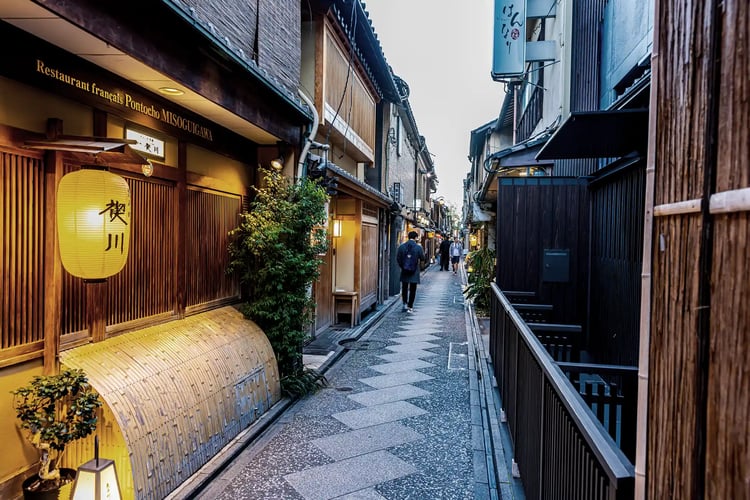
These renovated stays often enjoy stellar locations, with easy access to galleries, craft shops, and venerable restaurants in neighborhoods like Pontocho and Gion—inviting you to “live” Kyoto.
The blend of old and new appears at larger properties too. Luxury hotel SOWAKA uses a Taisho-era sukiya restaurant building for its main wing and adds a contemporary Japanese annex. All 23 rooms have distinct designs that harmonize tradition and innovation.
Breathing new life into a 100-year-old wooden structure and reviving it as a modern luxury hotel earned SOWAKA a 2019 Good Design Award Best 100 honor (*8). Across Kyoto, such projects balance preservation and reinvention, enchanting travelers from every generation.
By passing historic buildings on to the future while ensuring comfort, renovated ryokans embody sustainable tourism—Kyoto’s way, not by scrapping and rebuilding but by caring and renewing. In these spaces, you feel Kyoto’s time flowing from past to present to future.
Kyoto Ryokans: Interiors and Amenities Refined to the Last Detail
Step into a high-end Kyoto ryokan and you’ll be captivated by interiors that honor tradition while quietly integrating modern comfort—the very pinnacle of “wa-modern.” At venerable Hiiragiya, for example, the main building features classic Japanese rooms, while seven new rooms offer bright, contemporary Japanese spaces with beds.
Throughout, you’ll find Kyoto-esque touches—tokonoma alcoves, tsuboniwa gardens, and reflecting water basins—balanced with contemporary lighting and furniture. Rooms with tatami living areas and low sofas or low beds are especially considerate for older guests and international travelers. Many praise the spaces as “bright, immaculate, and functional while unmistakably Kyoto” (per *1).
Amenities reflect the same care. Even yukata and towels are chosen for quality to elevate your stay. At Kanamean Nishitomiya, for instance, loungewear and yukata use Kyoto-made textiles, and towels are top-grade Imabari cotton—carefully selected for feel and sustainability.
This commitment extends to local industry: seasonal confections from venerable wagashi shops, Kyoto-made organic bath products—each choice helps you sense Kyoto with all your senses.
Invisible comforts matter too: under-tatami floor heating to keep feet warm in winter, specialty glazing that blocks UV without spoiling views, concealed AC vents and screen-covered TVs that blend into the room—thoughtful touches that enhance comfort without breaking the spell.
Many rooms have fast Wi-Fi and audio equipment, making even traditional spaces workable for remote tasks.
Seasonal harmony is another hallmark. As noted, scrolls and furnishings rotate with the calendar, and overall palettes shift too: pale cushions and floral lanterns in spring, airy hemp curtains and bamboo vases in summer, warm hues and thick felted textiles in autumn and winter. You instinctively relax into a space tuned to the season.
Kyoto ryokans deliver interiors where the dignity of traditional architecture and the ease of modern living meet at a high level. As you take it in, you’ll notice a pervasive aesthetic intelligence—evidence of Japanese sensibility, ingenuity, and a desire to give you your very best time.
Enjoying a Sustainable Stay at Kyoto Ryokans
Recommended Examples of Environmentally Friendly Kyoto Lodgings
Deeply respectful of history and culture, Kyoto’s ryokans are also advancing sustainability. The city promotes “sustainable tourism” where visitors and residents thrive together, and eco-minded hotels and ryokans are gaining attention.
GOOD NATURE HOTEL KYOTO, in the city center, embraces the concept “good for people and the planet,” becoming the first in Japan to earn both WELL (health performance) and LEED (environmental performance) certifications.
They reduce impact by avoiding disposable plastic amenities and providing organic products. Downstairs, a market sells additive-free foods and fair-trade goods and even hosts local farmers’ markets, letting you practice sustainable consumption during your stay.
More lodgings now switch to bamboo or wooden toothbrushes and combs, and provide water in glass bottles rather than PET. Replacing lighting with LEDs and adopting energy-efficient HVAC has significantly lowered energy use at several properties.
Caring for the environment aligns naturally with preserving Kyoto’s traditions. Maintaining wooden buildings for the long term is sustainable in itself. Kyoto culture values durability over disposability; ryokans extend this ethos into daily operations. Kyoto Prefecture’s promotion of EVs and fuel-cell vehicles supports low-carbon travel (see *3). Ryokans, communities, and travelers together are shaping a uniquely Kyoto model of stakeholder tourism.
Local-to-Table Dining Only Kyoto Ryokans Can Offer
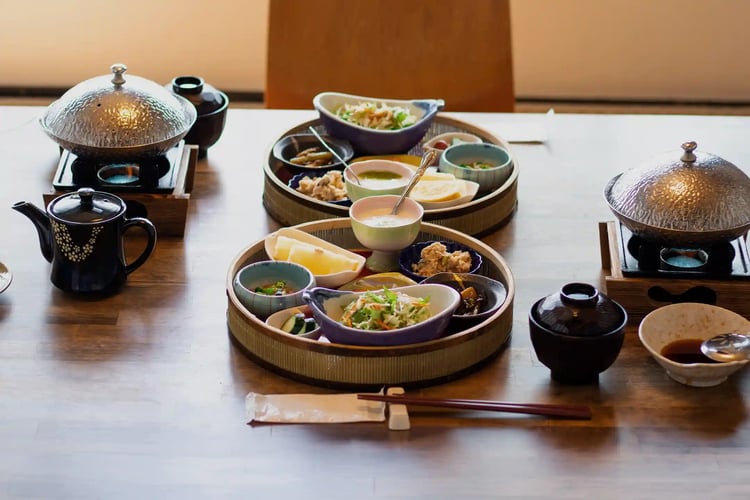
Dining is a highlight of sustainable stays. Kyoto abounds in high-quality local produce—famously “Kyo-yasai” heirloom vegetables. Seasonal kaiseki meals at ryokans showcase local ingredients, reducing food miles and environmental impact while letting you savor the region’s flavors.
At Kanamean Nishitomiya, for example, vegetables and fruit are sourced as much as possible within Kyoto Prefecture, with seafood from nearby waters. The kitchen emphasizes additive-free preparations that highlight each ingredient’s natural character, and portions are tuned to satisfy comfortably—helping to reduce food waste.
Through such efforts, you enjoy delicious, safe cuisine while contributing to SDGs like cutting food loss and supporting the local economy.
Kyo-kaiseki itself embodies sustainability. Rooted in the tea ceremony, it celebrates seasonality. Seasonal foods are tastier, more nutritious, and locally abundant—a rational approach.
Menus transform each season: spring’s bamboo shoots and mountain greens; summer’s hamo pike conger and ayu; autumn’s matsutake and chestnuts; winter’s crab and Shōgoin turnips—an ode to regional terroir. Chefs maximize each ingredient’s character and present it beautifully.
Dishes often use Kiyomizu ware and lacquer; leaves like kudzu or yuzu serve as natural plating—and return to the earth. In this way, cuisine expresses “circulation” and “harmony with the seasons,” making Kyoto cooking sustainable at its core.
On the sourcing side, ryokans collaborate with local farmers and fishers—commissioning pesticide-free produce, ordering soy sauce and sake from Kyoto brewers, and building resilient local supply chains.
In Miyama (Nantan City), one inn runs its own farm, growing pesticide-free vegetables and rice for guests and offering harvest experiences (*9). Such local-to-table dining deepens your understanding of Kyoto’s landscape and food culture—more than indulgence, it’s meaningful participation.
EV-Friendly and Well-Located Kyoto Ryokan Information
If you care about the environment, mobility during your trip is key. Kyoto’s public transit is extensive, so you can reach many sights via bus and subway.
You can absolutely enjoy a ryokan stay without a car, but EV drivers are also well supported. Across Kyoto City there are roughly 300+ charging spots (including dealers, malls, and public sites). Major hotels increasingly offer guest chargers.
Kyoto Hotel Okura, for instance, has one 6 kW normal charger and two 200V outlets; RIHGA Royal Hotel Kyoto hosts multiple Tesla Superchargers (*4).
Traditional ryokans are smaller and may not have parking or chargers, but the front desk can guide you to nearby stations. In the city, you’ll usually find a charger within a few kilometers of any inn.
Kyoto Prefecture’s “EV/PHV Town” initiative also supports EV taxis and rentals (*3). MK Taxi offers private sightseeing rides in EVs, and many ryokans can arrange these green tours.
Access remains important if you’re sightseeing by public transport. Inns near stations or major bus routes save you time—giving you longer for slow temple visits or reading in the lounge.
Many central ryokans are within easy walking distance of stations. Jushichiharu Ryokan, near Karasuma-Gojo, is a five-minute walk from Gojo Subway Station, and Shijo–Kawaramachi and Gion are a pleasant stroll away.
Despite central locations, once you step inside, ryokans are surprisingly serene. Thick tatami and sliding doors create privacy and hush even along busy streets—thanks to traditional layouts and inner courtyards. It’s a charm modern buildings rarely match.
To stay comfortably and responsibly, rely on transit and walking, adding EV options as needed. The journey itself becomes part of your cultural experience: views from the train, serendipitous shrinelets and machiya alleys on foot. You’ll enjoy Kyoto’s beauty while keeping your footprint light—the ideal style for the sustainability-minded traveler.
Savoring Intellectual Exchange at Kyoto Ryokans
Cultural Lectures and Art Events Hosted by Ryokans
A Kyoto ryokan is more than a bed—it’s a salon for cultural exchange. Many host intimate talks and events for guests, satisfying your curiosity on the road.
Some luxury ryokans invite Noh performers or koto musicians for nightly mini-concerts, followed by casual conversations. Others offer early-morning lectures by university professors on Kyoto history, then guide you on temple walks—small groups that encourage spirited discussion.
As mentioned, some ryokans hold in-house tea or calligraphy events. At Sumiya, for example, on designated days guests are welcomed free of charge to the tearoom, where the host prepares tea in the classic manner.
A certain Gion ryokan regularly hosts performances and socials with geiko and maiko—now accessible as curated cultural events welcomed by international guests. What was once “by introduction only” is now thoughtfully presented so anyone can experience it.
Some hotels curate exhibitions by local artists in on-site galleries and run workshops for printmaking or wagashi confectionery.
Okami and young proprietors often act as facilitators, creating a warm atmosphere for learning and conversation. These programs also connect guests with one another—shared experiences spark cross-cultural, cross-generational dialogue.
If you’re curious by nature, check each ryokan’s event offerings when you choose where to stay. Think of Kyoto’s ryokans as small cultural salons—places to learn, converse, and connect for a richer journey.
Ryokan-Led Neighborhood Tours with an Intellectual Edge
Temples and shrines are Kyoto’s classics, but a ryokan’s secret advantage is its insider tours. In a city where language and local knowledge matter, a trusted guide is invaluable.
Concierges and front-desk teams become your culture guides—telling you which maples peak this week, how to beat the crowds at dawn, or sharing little-known temple lore. Increasingly, ryokans run their own small-group tours.
One inn near Kōdai-ji launched an “Architecture Walk,” led by the young proprietor: a two-hour stroll to nearby townhouses and temple buildings, with access to back-alley machiya you’d normally pass by and occasional special viewings of kitchens or tearooms—insider content only locals can arrange. Guests raved about the depth and exclusivity.
In Arashiyama, another ryokan holds “Cultural Heritage Night Tours”—private access after hours to spaces like Nonomiya Shrine and Ōkōchi Sansō Garden, lantern-lit walks along the bamboo grove, and storytelling that feels like stepping into a legend.
Small group sizes make these experiences interactive; you can ask questions and dive deep. The warmth of ryokan staff blends expertise with genuine care—often ending with a tea gathering back at the inn to share impressions.
These ryokan-led explorations enrich your trip in ways no guidebook can. Ask the front desk during your stay and set out with a Kyoto insider—you’ll discover your own personal Kyoto.
Quiet Hours with Books: Libraries Inside Kyoto Ryokans
If you love reading and reflection on the road, you’ll appreciate the way Kyoto ryokans create tranquil spaces for it. Many luxury ryokans maintain library corners in their lobbies and lounges—stocked with history and art books about Kyoto, photo collections, and guidebooks in multiple languages.
At “Hoshinoya Kyoto,” the library lounge in the front building frames the Ōi River like a painting through vast windows. Read or sip tea while listening to wind and rain on the water—a luxurious pause in time. Choose floor-seating on tatami or a sofa nook, and visit anytime, day or night.
Another ryokan along Kiyamachi has a small study with shelves of books on Kyoto culture and art, a desk for research, and a quiet spot to write your travel journal.
You might find titles like “Temple Architecture of Kyoto,” “Life in the Machiya,” “The Tale of Genji (bilingual),” or seasonal waka poetry collections—even textbooks for the Kyoto Certification Exam. The okami’s simple “Please make yourself at home” often touches international guests.
Beyond libraries, subtle intellectual cues appear everywhere: haiku slips along the corridor, an English edition of the local paper in your room, a short-story collection by a Kyoto author at your bedside. Sitting on the engawa overlooking a courtyard with a good book—few pleasures feel as rich.
Away from the daily rush, a quiet hour with a book in a Kyoto ryokan deepens the knowledge and feeling you’ve gathered on your trip. For those who travel to learn, we recommend this restful, inspiring time—it’s both a pause and a spark.
Editor’s Picks | Five Kyoto Ryokans for Enriching, Intellectual Experiences
To close, here are five high-end Kyoto ryokans renowned for stimulating, culture-forward stays. While nightly rates start around ¥50,000 and up, you’ll find singular cultural experiences and refined hospitality awaiting you.
Historically Significant Kyoto Ryokans with Deep Cultural Programs
Hiiragiya Ryokan (Nakagyō-ku, Kyoto)
Founded over 200 years ago in 1818 (Bunsei 1), this celebrated inn comprises a wooden sukiya main building and a newer annex. Loved by figures from shogunate-era loyalists to Showa-era Nobel laureate Yasunari Kawabata, it’s counted among the “Big Three” of Kyoto.
Sukiya rooms and exquisite tsuboniwa gardens pair with the okami’s inherited spirit of hospitality. Kawabata famously said it felt “like my own home,” and manuscripts and letters related to him remain on display (*1). Seasonal décor and kaiseki dinners let you feel Kyoto’s culture in depth—especially compelling if you’re intellectually curious.
Sumiya Ryokan (Nakagyō-ku, Kyoto)
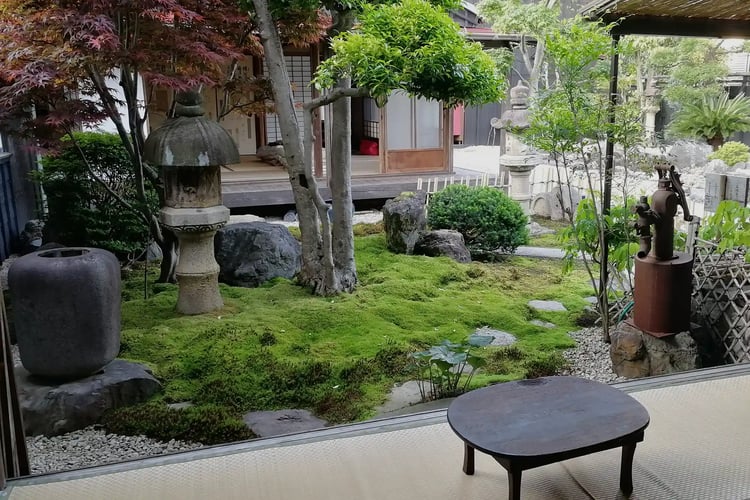
Founded in the early Taisho era, this “tea-spirit inn” has carried tea culture forward for about a century. With a tearoom and authentic sukiya architecture, it still welcomes guests on set days each month with matcha.
The main building offers wabi-sabi-infused shoin and sukiya rooms; a newer wing includes low tatami beds for accessibility—balancing tradition and comfort. Each room bears an evocative name like “Katsura” or “Arashiyama,” with unique décor and playful artisan details.
Rooms themselves are small art spaces—“Sengatsu,” inspired by Ginkaku-ji’s tearoom, is a standout. Dinner features superb kyo-kaiseki, including a signature tempura fried over charcoal. A quietly learned, deeply serene inn.
Art & Design-Forward Kyoto Ryokans
Kyo-Tominokōji Ryori-Ryokan Tempura Yoshikawa (Nakagyō-ku, Kyoto)
Founded in 1952 (Showa 27), this cuisine-centered ryokan inhabits a former merchant’s sukiya residence. Its grounds include a pond garden attributed to Kobori Enshū, preserving Edo-period elegance.
All eight rooms differ in layout and décor—some facing inner courts, others opening to the main garden. Art appears throughout the property, and the lobby lounge sometimes hosts contemporary exhibitions (the young proprietor is known as an art collector).
Dinner is the namesake tempura kaiseki served in your room—light, crisp, and praised for showcasing seasonal Kyoto vegetables and seafood. With the Kyoto Imperial Palace nearby, it’s a serene retreat for lovers of fine art and fine food.
Luxury hotel SOWAKA (Higashiyama-ku, Kyoto)
Opened in 2019 (Heisei 31), SOWAKA combines an 11-room Taisho-era sukiya restaurant building renovated as the main wing with a 12-room contemporary Japanese annex—blending tradition and modern design (*8).
Each of the 23 rooms is distinct: a machiya-like retreat, a Nordic-tinged space, a minimalist room inspired by a tearoom. Custom furniture and artworks by Kyoto artisans make the hotel feel like a design gallery.
Steps from Gion Yasaka yet hushed within, its name “SOWAKA” (from Sanskrit) means “may happiness be with you.” Recognized with top architecture and Good Design awards, it’s a must for architecture and design aficionados.
Sustainable, Environmentally Conscious Kyoto Ryokan
Kanamean Nishitomiya (Nakagyō-ku, Kyoto)
Founded in 1873 (Meiji 6), this long-standing ryokan has maintained its wooden sukiya buildings for nearly 150 years and actively advances SDGs with a “sustainable ryokan operation” ethos.
Loungewear and yukata use Kyoto-made, high-quality 100% cotton; cuisine focuses on seasonal produce and seafood from Kyoto and nearby waters—reducing food miles and supporting local agriculture and fisheries.
Kaiseki balances taste, health, and environment through careful portions and additive-free cooking. Meticulous care keeps the historic structures vibrant—“continuity as the ultimate environmental contribution.” Small gardens and a gallery set in a repurposed kura storehouse help the property serve as a cultural hub. It’s a standout example of “Kyoto-ness” meeting sustainability.
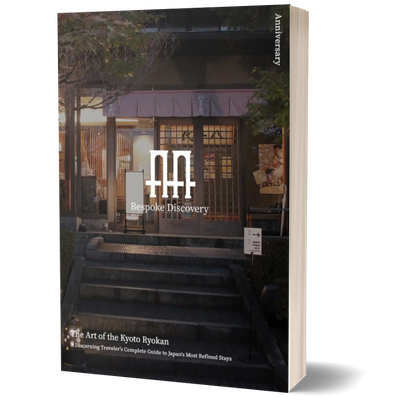
The fuller landscape of the Kyoto ryokan

Summary
A Kyoto ryokan is far more than a place to sleep. From the dignity of historic architecture and the seasonality alive in scrolls and ikebana, to the etiquette you learn through tea, incense, and calligraphy, and the kaiseki that honors seasonality and local ingredients—your five senses are guided to the very core of Japanese culture.
Long-standing hospitality embraces each guest’s personal story, leaving a quiet afterglow of learning and grace.
At the same time, preserving traditional buildings, cutting energy use and plastics, and collaborating with EV initiatives represent Kyoto’s sustainable approach to tourism. To learn, to savor, to recalibrate—this cycle is the true value of a Kyoto ryokan.
On your next trip, consider access, charging options, and cultural events, and choose a property that matches your interests and pace. Beyond the sliding doors lies a tranquil, abundant time. A stay that satisfies your curiosity and sharpens your sensibilities will transform your Kyoto experience in the best possible way.