


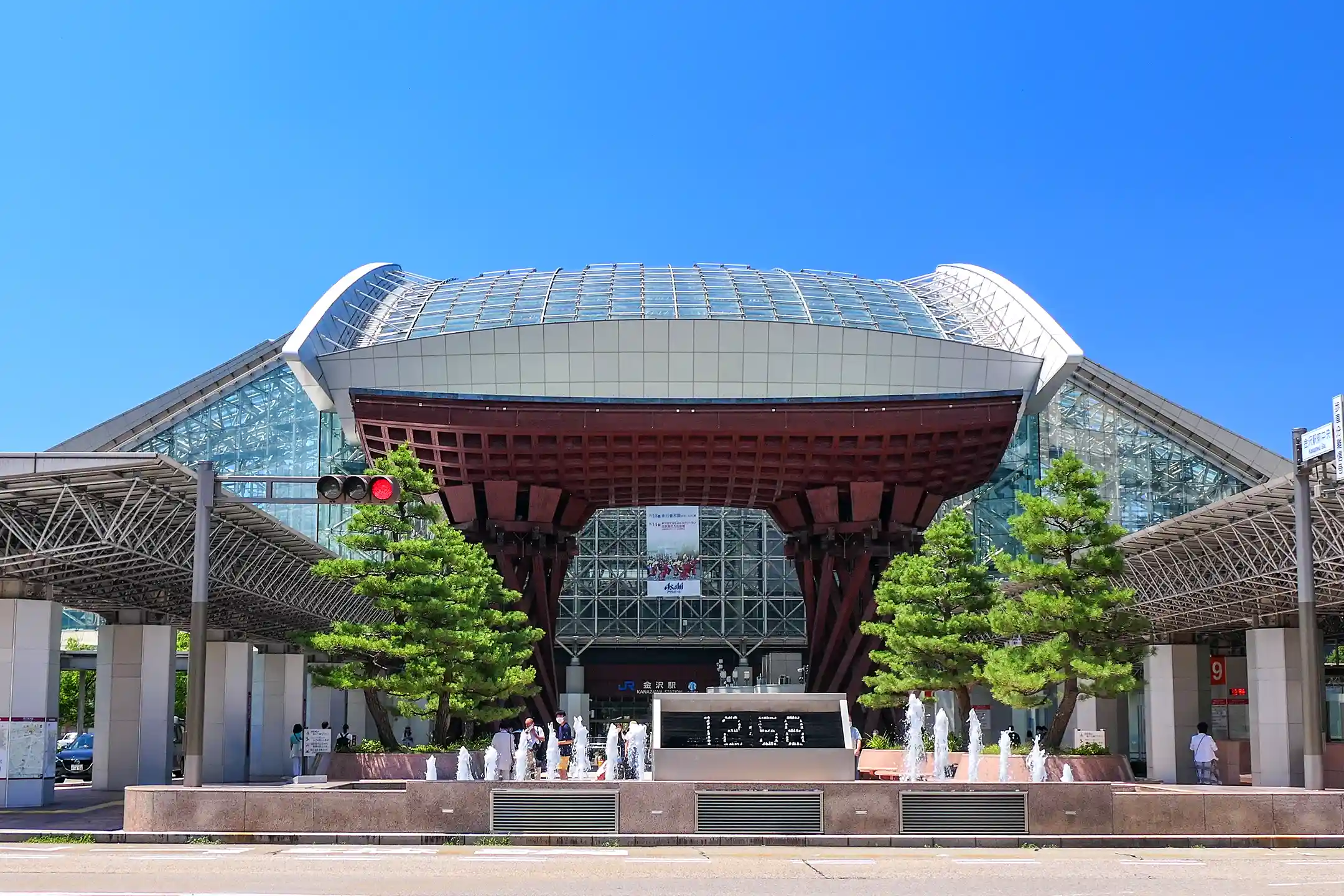
Savor Refined Cultural Experiences and Quiet Moments at Kanazawa Private Onsen
Kanazawa is a city where the grace of an ancient capital lives comfortably alongside modern sophistication. Beyond the historic vistas represented by Kenrokuen Garden and the teahouse districts, you’ll find flourishing craft traditions like Kaga Yuzen dyeing and Kutani ware, as well as a culinary culture that celebrates the seasons at their peak.
What makes your time in Kanazawa feel even more special is the “private onsen.” At inns nestled in quiet mountain hamlets or along the Saigawa River, you can restore body and mind while engaging with traditional culture and the arts—an indulgence you’ll rarely find elsewhere. In this article, you’ll discover the full appeal of Kanazawa’s private onsens: places where you’re enveloped in high‑quality cultural experiences and profound stillness.
The Appeal of Kanazawa Private Onsen: Luxurious Time Where History and Culture Converge
The History of Kanazawa’s Onsen Culture and Its Singular Appeal
As the castle town of the Kaga Domain since the Edo period, Kanazawa retains a deep historical imprint on its onsen culture. A short distance from the city center, Yuwaku Onsen boasts 1,300 years of history and was once the preferred therapeutic retreat of the Maeda lords of Kaga—a hot spring favored by the domain’s rulers.(*1)
Because of this distinguished lineage, the refined status of a culturally loved onsen is still alive here: Kaga cuisine lavishly showcasing treasures from sea and mountains, and a spirit of heartfelt omotenashi have been passed down to today’s ryokan. As a guest, you can savor quiet relaxation amid the mountain atmosphere, spending time in a calm, unrushed setting far removed from crowds.(*1) In Kanazawa’s historic hot‑spring areas, you’ll feel a distinctive charm born of strong ties to tradition.
Nurtured under the patronage of the Kaga lords, tea ceremony and craft culture also influenced bathing customs, cultivating a distinctly Kanazawa way of enjoying the onsen with grace and intention. For culture‑minded travelers like you, time spent at a private onsen in Kanazawa becomes an intellectual luxury that renews both body and spirit.
Enjoy Kanazawa’s Distinctive Hospitality in a Private Setting
In Kanazawa’s onsen ryokan, you’re welcomed with meticulous hospitality. Many properties limit the number of daily guests to create a strong sense of privacy—ideal when you want a quiet, grown‑up escape from the hustle.
For example, the venerable Kanazawa Yuwaku Onsen Atarashiya, founded 250 years ago, offers only eight rooms and provides in‑room kaiseki dining and private baths, so you can unwind fully in your own space. Its historic, purely Japanese wooden architecture preserves traditional ambience while integrating modern comforts, allowing you to settle into a serene private room with warm, attentive service.(*2)
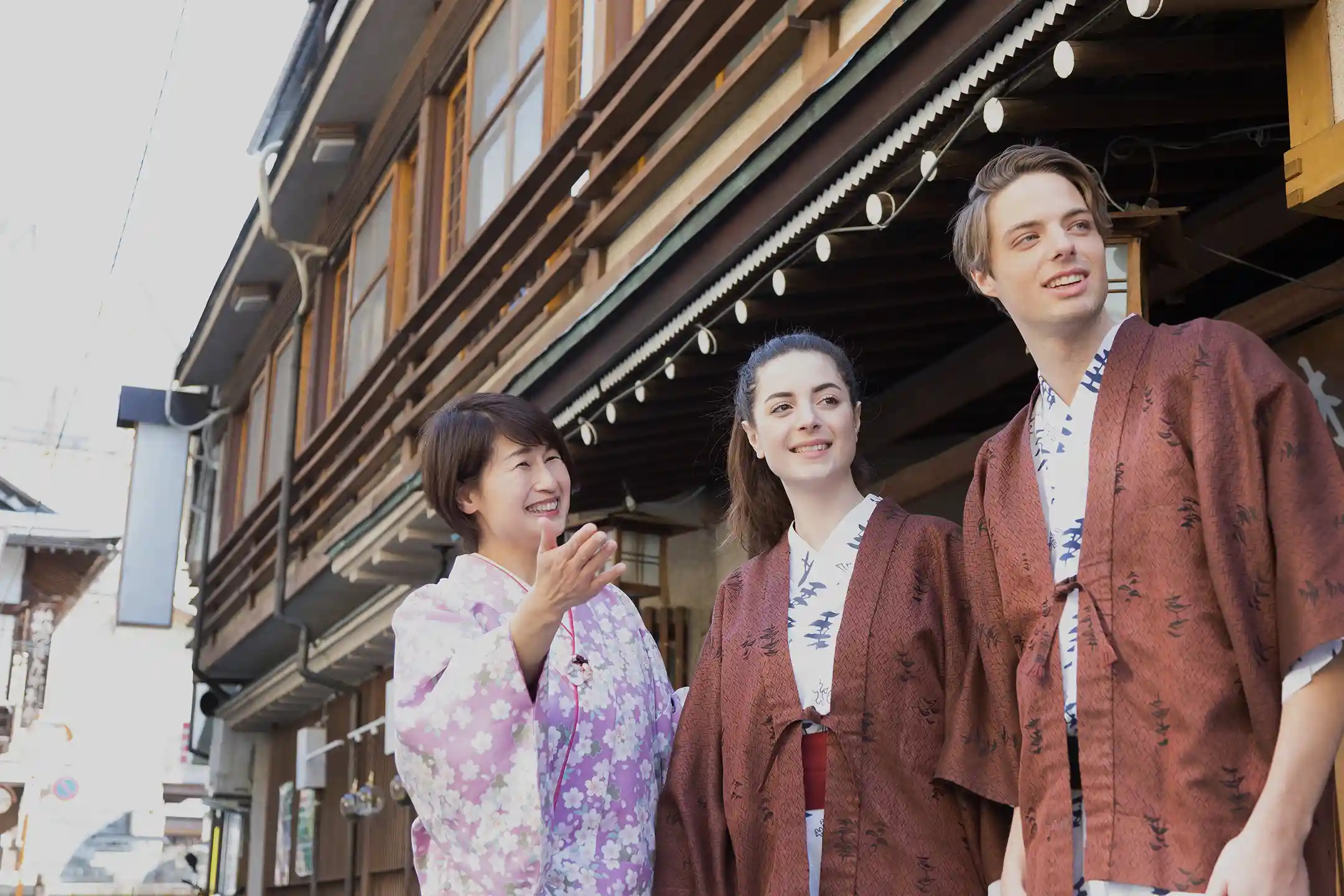
The refined, composed service you would expect from a castle town tied to the Kaga Domain resonates as the very essence of Japanese hospitality. Tatami‑floored rooms adorned with seasonal flowers, yukata with Kaga Yuzen patterns—every detail reflects Kanazawa’s aesthetic sensibility, making your unhurried time here truly special.
Flagship Properties Where Architectural Beauty Meets Modern Design
While Kanazawa’s onsen inns carry the spirit of tradition, their architecture and interiors often strike a beautiful balance with contemporary design. Historic wooden structures are preserved and paired with up‑to‑date amenities and polished interiors, so comfort and character go hand in hand.
For instance, a ryokan renovated from a Meiji‑era townhouse recently underwent a bold transformation, evolving from tatami‑centered rooms into a modern Japanese space that features linen‑textured flooring and interiors accented with lacquer and washi paper. In the lobby you’ll find a tea lounge for savoring Japanese tea and a gallery showcasing works by local artists—curation that lets you engage with tradition without leaving your inn.(*2)
Guest rooms are designed with generous windows framing the garden’s changing seasons, so the architecture itself becomes part of your stay’s pleasure. Time spent within a space where classic motifs and contemporary design harmonize feels like living inside a museum—an indulgence that satisfies a culture‑seeking traveler’s curiosity.
Recommended Private Onsen Ryokan in Kanazawa for Culture and the Arts
Yuwaku Onsen “Atarashiya”: A Retreat Where Art and Tradition Coexist
Yuwaku Onsen on the outskirts of Kanazawa, often called the city’s “inner parlor,” is a restful hot‑spring area. Among its highlights, the 250‑year‑old Atarashiya stands out as a hideaway that blends historic Japanese charm with contemporary comfort.
With accommodations limited to just eight parties per day, you can immerse yourself in attentive hospitality and genuine quiet. The inn’s atmosphere remains soothingly traditional, while the guest rooms and facilities offer the conveniences you appreciate today.(*1)
Atarashiya has also introduced a unique “Kuro Sauna,” a state‑of‑the‑art Finnish‑style sauna seamlessly integrated into a Japanese setting, offering a harmonious experience that marries tradition and innovation. Within its wooden architecture steeped in classic onsen mood, refined touches worthy of fine art live side by side, and time seems to slow—as if you were traveling back and forth between the Edo period and the present.
After dark, a canopy of stars spreads overhead; gazing up from the outdoor bath brings a quietly stirring sense of wonder. Nearby, the open‑air museum “Kanazawa Yuwaku Edo Village” and a museum dedicated to Takehisa Yumeji let you explore Kanazawa’s culture and arts right around your stay.
Notably, Atarashiya earned three pavilions (three stars) in the 2016 Michelin Guide Toyama–Ishikawa (Kanazawa) Special Edition, a testament to its long history and the caliber of its hospitality.
Yamanaka Onsen “Hana‑Murasaki”: Sensing Kanazawa’s Aesthetic Through Interiors and Tableware
The luxury ryokan Hana‑Murasaki in Yamanaka Onsen, Kaga City, is renowned for immersing you in Kanazawa’s aesthetic with all five senses.
Every room opens to superb views of the gorge. With 120 years of history, the inn has been boldly renewed by its young proprietor, evolving into a space where tradition and innovation meet. In the lobby, a tea lounge serving fine Japanese tea and a gallery exhibiting works by local artists bring Kaga craft traditions and contemporary art into your daily rhythm at the inn.(*2)
In guest rooms and dining spaces, you’ll notice handwork by Ishikawa artisans everywhere—from partitions of Echizen washi to decorations crafted with Kaga mizuhiki—details that convey a distinctly Japanese sense of beauty.(*3)
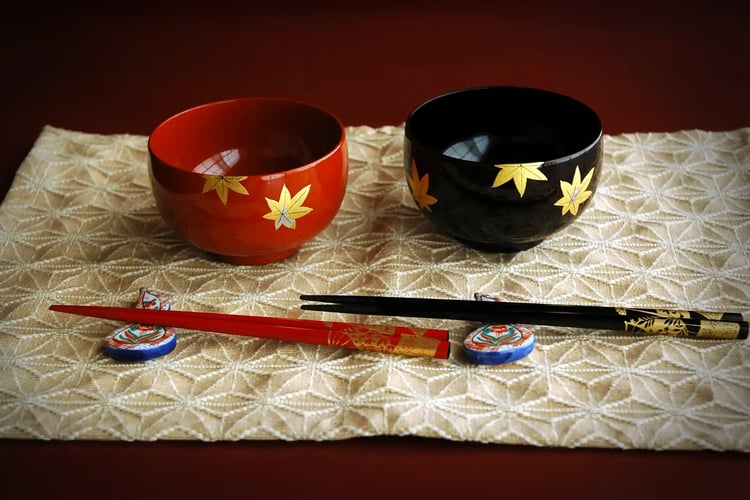
Tableware and furnishings also feature outstanding pieces linked to Ishikawa, such as Kutani ware and Wajima lacquer, so each course feels like a work of art. In this setting where classic ryokan service harmonizes with contemporary art, you’re invited into an intellectual, indulgent stay that feels like time spent in a cultural salon.
Hana‑Murasaki has been recognized for 19 consecutive years as a Five‑Star Inn in the “Top 250 Onsen Ryokan & Hotels Chosen by the Travel Industry,” placing it among the nation’s best. And the seasonal vistas of the Kakusenkei Gorge from every room are exceptional—lush green in early summer, a blaze of color in autumn.
Kanazawa Saigawa Onsen “Kawabata no Yuyado Takitei”: A Sanctuary Where Quiet and Local Art Intertwine
About 15 minutes by car from central Kanazawa, “Kawabata no Yuyado Takitei” sits in satoyama countryside rich with nature—a hideaway ryokan wrapped in greenery and stillness you won’t find in the city. In 2025, it underwent a major renewal to become the Hokuriku region’s largest “book hotel,” with a collection exceeding 7,000 volumes.
There are three distinctive library lounges on site. On the second floor, the newly added art‑book gallery “Komorebi” houses around 1,000 titles—from art collections and photo books to exhibition catalogues—so you can sink into art publishing with a coffee in hand.(*4) With an outdoor bath overlooking a waterfall and views of the satoyama through the seasons, losing yourself in a favorite book becomes a soothing, intellectually nourishing way to unwind.
Fields and woods spread in every direction, and star‑filled skies at night help you reset as you step away from daily noise. Throughout the inn, understated displays of crafts and artworks tied to Ishikawa surround you, so you can feel Kanazawa’s culture firsthand.
Your stay at Takitei, sprinkled with the colors of culture and art amid deep quiet, becomes the kind of grown‑up hideaway that stays with you. The garden features two waterfalls—“Hōshō no Taki” and “Tatsumi no Taki”—which give the ryokan its name.
Soaking in the open‑air bath while watching and listening to the pure cascade is truly special, a balm for both eyes and ears. Fireflies dance in summer; in winter, you can enjoy a snow‑view bath while the landscape wears a white mantle—nature’s gentle shifts in satoyama are yours to savor.
Cultural Experience Programs in Kanazawa to Enjoy During Your Private Onsen Stay
Hands‑On Workshops in Traditional Crafts such as Kutani Ware and Kaga Yuzen
One experience you shouldn’t miss during your stay is a hands‑on program in Kanazawa’s signature crafts. The city is a UNESCO Creative City of Crafts & Folk Art, and advanced techniques cultivated at the Kaga Domain’s artisan workshops in the Edo period live on today.(*1) Studios across the city offer experiences in Kaga Yuzen, Kutani ware, mizuhiki, lacquerware, metalwork, gold leaf, and more—each led by skilled artisans.(*1) When you touch the materials and try making a piece yourself, you’ll feel both the depth and the pure joy of traditional craft.
At the Kaga Yuzen Museum in town, a popular activity is dyeing a handkerchief using stencil‑based Yuzen methods under artisan guidance.
Gold‑leaf application—using Kanazawa’s signature 0.1‑micron‑thin sheets—is another favorite, where you can adhere leaf to a small dish or chopsticks and finish your own piece in a short time, a program that’s praised for the quick sense of accomplishment it brings. You can feel at ease taking part. Facilities such as the Kanazawa Utatsuyama Craft Workshop, the Kaga Yuzen Museum, and Hakukōkan all offer visitor‑friendly programs you can fit to your schedule. The item you craft becomes both a keepsake and a gift, and through the experience you’ll encounter the authentic appeal of Kanazawa. After a restorative soak, spending a creative hour or two makes your trip feel even more complete.
Deepen Your Understanding of Kanazawa’s Tea Culture with a Guided Tearoom Experience
Kanazawa has a rich tea culture; the Kaga lords themselves practiced the way of tea. While you’re enjoying your onsen stay, consider joining a tea ceremony experience in a historic tearoom.
At the “Kenrokutei” tearoom inside Kenrokuen Garden, you’ll first watch the host’s temae (the preparation of matcha) in a room where lords once entertained distinguished guests, and then try whisking your own bowl of matcha.(*2)
Clear, beginner‑friendly explanations of utensils and etiquette ensure you’ll feel confident even if it’s your first time.(*2) With wagashi, you’ll savor both koicha and usucha, and you can take a commemorative photo at the end—an experience grounded in the tea ideal of ichigo‑ichie, a once‑in‑a‑lifetime moment. The taste of matcha in a tranquil tearoom is incomparable, and your understanding of Japanese culture will deepen.
Special Seminars Led by Local Artists and Experts
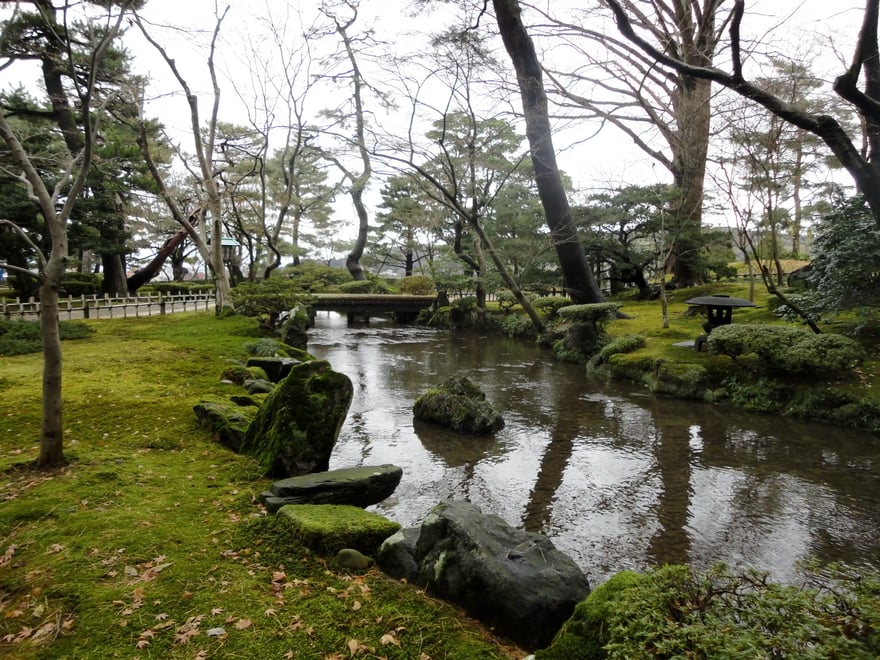
If you love learning, keep an eye out for special seminars and events hosted by select hotels and ryokan around the city. Some properties invite local craft artisans, artists, and specialists for intimate talks and demonstrations.
At one hotel, for example, young staff from a local apiary led a tasting of Noto honey and regional sake, letting participants savor local abundance while hearing directly from producers. Other ryokan have hosted live demonstrations by Wajima lacquer artisans or talks by Kaga Yuzen dyers—rare chances to hear behind‑the‑scenes stories of traditional industries.
At Yamanaka Onsen’s Hana‑Murasaki, a sculptor once led a hands‑on workshop exploring techniques used in Buddhist sculpture and jewelry, turning the inn into a contemporary cultural salon. These programs are often small and friendly, so conversations with fellow guests and the presenters flow naturally.
New encounters and fresh insights on the road make your trip more memorable. Check your inn’s event calendar in advance, and, if something intrigues you, do join in. Moments of culture and connection will likely become some of your most enduring memories.
High‑Quality Gourmet Spots in Kanazawa to Pair With Your Private Onsen Stay
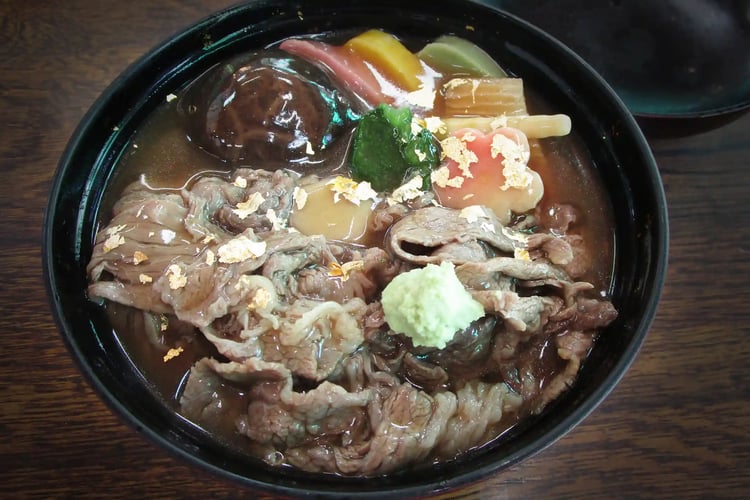
Kappo Restaurants That Capture Kanazawa’s Essence, Such as “Kataori”
Known as the city that carries Kaga Hyakumangoku’s legacy into the present, Kanazawa also ranks among Japan’s great culinary destinations. After unwinding at a private onsen, consider exploring the city’s distinctive dining.
Among the standouts is the Japanese restaurant “Kataori,” famed for kaiseki that relies on meticulously sourced local ingredients. Set in a quiet enclave along the Asanogawa River, chef‑owner Takuya Kataori personally visits Noto fishing ports and nearby mountain villages every morning, procuring only the best seasonal ingredients—from matsutake and crab to fugu, and even rare mountain vegetables and seaweeds treasured locally.(*1)
The dishes crafted from these ingredients deliver precision and depth, embodying Kaga cuisine at its most locally grounded, and earning admiration from devoted diners.(*1) Reservations are essential, and the restaurant’s popularity has led to a membership system; guests arrive from across the country for its cuisine and atmosphere. It’s often described as one of Japan’s finest kappo experiences.
Seasonal kaiseki in Kanazawa changes throughout the year; each course feels like a small work of art, and the flavors seem to travel straight into your relaxed, post‑onsen body. Beyond Kataori, you’ll find everything from storied traditional establishments to inventive contemporary kitchens, all celebrating Kaga vegetables and the bounty of the Sea of Japan.
Modern Cafés in Revitalized Historic Buildings, Including “Higashiyama Robert Dumas”
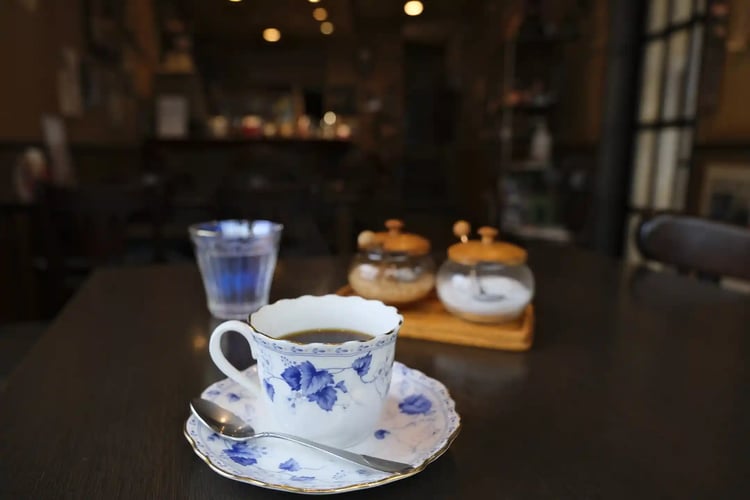
For a pause between strolls, Kanazawa’s cafés bring thoughtful design and a sense of place. In particular, French restaurants and cafés adapted from traditional teahouses or storehouses add a sophisticated touch to your days.
One example is the French restaurant “Higashiyama Robert Dumas” near the Higashi Chaya District. Housed in a renovated Taishō‑era teahouse, its interior blends the warmth of wood with a calm, modern sensibility, and from the counter you can chat with the chef while enjoying authentic French cuisine crafted from local ingredients.(*2) Step beneath the violet noren that harmonizes with the old streetscape, and you’ll enter a space where Japanese and Western aesthetics quietly meet.
Elsewhere in town, stylish cafés occupy renovated storehouses along the Saigawa, and retro coffeehouses have been reborn in former Taishō‑period bank buildings. Sipping excellent coffee or savoring a dessert while admiring exposed beams or lattice doors is irresistible if you love architecture—or cafés.
Elegant Wagashi in Onsen Towns, Including “Morihachi”
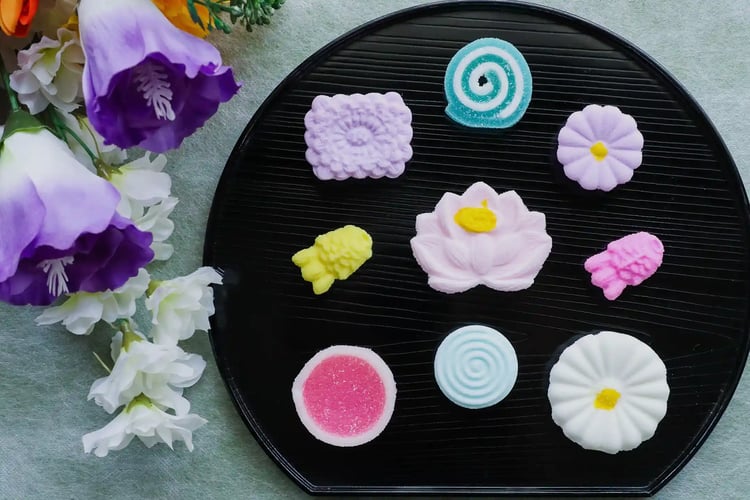
Kanazawa is also celebrated for wagashi, and tasting refined confections at a long‑established shop is a must. “Morihachi,” founded in Kan’ei 2 (1625) as a purveyor to the Kaga Domain, is a representative wagashi house with nearly 400 years of history. Its Chōseiden (rakugan), one of Japan’s three most renowned confections, has long been presented as a tribute since the feudal era.(*3)
At Morihachi’s main store, you’ll find the Kanazawa Confectionery Wooden Mold Museum and the Morihachi Saryo tea salon, both designed to share the culture behind the sweets.(*3) Enjoying a seasonal namagashi with a bowl of matcha brings a calm, gentle pleasure through delicacy and beauty.
Between restful hours at your inn, make time to visit a wagashi shop or two in town. Kanazawa is also home to venerable establishments such as “Moroeya” and “Yoshihashi,” where artisans carry forward traditions to craft graceful, memorable confections.
In Kaga, where tea culture is part of daily life, wagashi‑making has reached an artistic level—the subtle sweetness and exquisite forms have a way of easing the traveler’s heart. A sweet and tea after your bath soothes fatigue and lets you taste Kaga culture in a remarkably direct way.
Sustainable Initiatives at Kanazawa Private Onsen with Care for the Environment
Examples of Eco‑Friendly Initiatives at Private Onsen Properties
Interest in sustainable travel has grown in recent years, and onsen ryokan around Kanazawa are embracing a variety of environmentally conscious practices.
At the auberge “Onsen & Garden Nanana,” newly opened in the satoyama at the foot of Mt. Iozen in Kanazawa, initiatives include using energy from felled‑wood waste, introducing solar power, and reducing food miles by focusing on local ingredients.(*1) The hot spring is also delivered as a free‑flowing, non‑recycled source with no added water, minimizing environmental impact.
To cut single‑use plastics like PET bottles, some inns provide Kanazawa’s spring water in glass pitchers in guest rooms and encourage you to bring a reusable bottle; others offer bamboo toothbrushes. The aim is to ensure your stay leaves nature as it is—if not better—rather than adding to the burden on the environment.
Onsen Ryokan in Kanazawa with EV Chargers and the City’s Ecomobility
More travelers now tour by electric vehicle. To support this, some onsen ryokan have added EV charging stations in their parking lots. For example, riverside “Takitei” along the Saigawa installed EV chargers,(*2) and Yuwaku Onsen’s “Hyakurakuso” and “Oyado Yamashita” also offer standard chargers for guests.
While these aren’t rapid chargers, they let you recharge leisurely during your stay—overnight or while you’re out sightseeing. Knowing you can reliably charge at your inn is a major advantage, and it supports a lower‑impact travel style.
Across Kanazawa, public rapid‑charging points are also being developed, as the city invests in more carbon‑neutral tourism.
Environmental Efforts That Shape a More Sustainable Stay
Some ryokan have gone a step further by aligning their operations with the SDGs. Beyond basic environmental measures, they focus on the sustainability of local communities and culture. Examples include switching room amenities from plastic to natural materials such as paper or wood to reduce single‑use waste.
They also prioritize sorting and recycling, offer eco‑cleaning plans that reduce towel and linen changes (encouraging guest participation), and thereby save water and detergent.
Partnering with local NPOs, they engage in tree‑planting and forest‑care activities in the satoyama, sometimes inviting staff and guests to take part together—turning hospitality into a channel for environmental contribution. To reduce food waste, they purchase local ingredients in the appropriate quantities and adapt menus to the seasons.
In 2023, Kanazawa launched a program recognizing accommodation providers committed to sustainable tourism as “Kanazawa SDGs Tourism Promotion Operators,” offering official support for these efforts. From Kanazawa, a new hospitality model is emerging—one that blends comfort with sustainability.
A Sightseeing Guide to Enrich Your Kanazawa Private Onsen Stay
Feed Your Curiosity with Museum and Gallery Hopping
For culture‑seeking travelers, Kanazawa is a superb city for intellectual exploration. While the onsen restores you, spend your days discovering museums around town. The 21st Century Museum of Contemporary Art, Kanazawa, is internationally admired for contemporary work—interactive pieces often delight and surprise.
Around Kenrokuen Garden in the city center, you can walk to a cluster of institutions: the National Crafts Museum (masterpieces of modern craft), the Ishikawa Prefectural Museum of History (a distinctive red‑brick Meiji‑era landmark), the Ishikawa Prefectural Museum of Art (art linked to the Kaga Domain), and the Kanazawa Noh Museum (introducing the world of Noh).(*1)
In the Higashi Chaya area, you’ll find the Izumi Kyōka Memorial Hall and the Gold‑Leaf Crafts Museum; near the Nagamachi Samurai District, visit the Kaga‑hanshi Lifestyle Museum and the Honda no Mori Museum. It would be hard to see everything in a single day.
Other highlights include the serene water‑mirror garden at the D. T. Suzuki Museum, where you can feel the spirit of Zen, and the Kaga Honda Museum with armor and swords linked to the Kaga Domain—interests abound. Encountering art and history with a refreshed mind will make your trip feel wonderfully full.
Pair a Private Onsen Stay with Guided Walks Through Historic Districts
Walking Kanazawa’s historic streets is essential to deepening your feel for the culture. Use your private onsen as a base and join a guided walk. In the Higashi Chaya District, expert guides lead you through stone‑paved lanes lined with Edo‑period teahouses. Strolling together, you’ll discover that each seemingly similar building has its own story and hidden anecdotes.
Guides can also take you to quieter corners: the Utatsuyama Temple District (about 50 shrines and temples), the former lower‑samurai neighborhood of Go‑bōchō, and other lesser‑visited spots for a deeper look at Kanazawa’s past. In fact, volunteer guides known as “Maidosan” staff the local rest center in Higashi Chaya, and they’ll answer questions and offer free guidance in the area.(*2)
If you like, some inns can arrange a geisha ozashiki entertainment experience (※reservation required), so you can admire a graceful Kaga tradition up close. In the Nagamachi Samurai District, tours also bring you into former samurai homes to learn about daily life in the Kaga Domain. After your walk, soaking your feet back at the inn while reflecting on the day’s discoveries is a pleasure in itself.
Hidden Cultural Spots in Kanazawa: Bookstores and Galleries to Explore
Beyond famous sights, one of Kanazawa’s joys is “traveling as if you lived here.” The city is dotted with thoughtfully curated art‑book shops, book cafés, and galleries—just dropping in fills your day with a sense of discovery.(*3)
“Books under Hotchkiss,” a bookstore‑gallery run by a design firm near the 21st Century Museum, is a standout: with each exhibition, the selection of art books and related objects rotates, making the space feel fresh.
Renovated machiya townhouses also house secondhand bookstores, some with photo books and subculture titles, and their attached galleries often host events. Around the Hirosaka area near the 21st Century Museum, you’ll find several small contemporary art galleries exhibiting works by emerging artists.
Consider a visit to the Kanazawa Umimirai Library as well—its near‑futuristic architecture dotted with hundreds of round windows drew worldwide attention. Spend a little time among locals reading in the calm light, and you’ll feel the spirit of “traveling like a resident.”
Between leisurely hours at your onsen inn, slip into the city to explore these lesser‑known cultural spots. Finding a book or object that speaks to you becomes a keepsake of your time here.
A journey that immerses all five senses in Kanazawa’s culture goes far beyond sightseeing—it offers fresh inspiration and deep restoration. When refined hot springs and cultural experiences meet, your Kanazawa moments take on a singular glow—memories you’ll carry with you.
Summary
Kanazawa’s private onsens are far more than places to soak. They are experiences where history and culture, nature and the arts, and contemporary comfort all mingle. At venerable ryokan in Yuwaku Onsen, you can feel the lineage of baths loved by Kaga lords while receiving heartfelt hospitality.
At Yamanaka Onsen’s Hana‑Murasaki, you sense Kanazawa’s aesthetic through craft and tableware; at Saigawa Onsen’s Takitei, you enjoy an intellectually relaxing “book hotel” stay. During your visit, hands‑on workshops in Kutani ware or Yuzen dyeing, tea ceremony demonstrations in a historic tearoom, and seminars by local artists offer a rich array of programs worthy of a culture‑oriented traveler.
Kanazawa’s dining—from kappo cuisine to classic wagashi—and café time in revitalized townhouses brings delicious color to your days, while sustainable practices and EV charging point toward a forward‑looking style of travel. In Kanazawa, where your body unwinds and your mind soaks in culture and art, private onsen time becomes the emblem of “quiet and refined.” These are the moments that will be etched deeply in your travel memory.
Author Bio

..webp)