What Makes Hakone’s Ryokan with Private Onsen So Alluring?
Hakone is home to a wealth of luxury ryokan that invite you to linger amid breathtaking natural scenery. Among them, properties with private onsen attached to guest rooms let you slip into your own open-air bath while gazing out at Mount Fuji or deep forest—an intimate sanctuary you can savor at your own pace(*1).
Views and water sources (natural hot spring / heated water) vary by property and room type. Please review each ryokan’s guidance when you book. Because you can enjoy the bath whenever you like without interruption, you’ll feel at ease even if it’s your first onsen experience and you’re hesitant about public baths, or if you have tattoos(*1). Policies on tattoos in shared large baths follow each property’s rules.
You can also bathe together as a couple, sharing Japan’s onsen culture while keeping your privacy intact(*1). In fact, some of Hakone’s top-tier ryokan are adults-only and decline stays by children, pairing every room with a free‑flowing source hot spring (gensen kakenagashi) to ensure a calm, unhurried soak(*2). Thoughtful measures like these wrap the entire property in gentle quiet, creating an ideal setting to restore body and mind away from the city’s clamor.
A number of celebrated ryokan even embrace the idea of an “ultimate retreat.” In Hakone you’ll find several that offer open‑air baths in every room and serve both dinner and breakfast in your room, so you can relish time together without worrying about being seen(*3).
There are also distinctive stays where classic omotenashi and a resort sensibility meet, earning praise for combining traditional in‑room tray service with cosmopolitan interior design(*4). In short, a ryokan in Hakone with a private onsen delivers an experience you won’t find elsewhere—one that’s worth the splurge for a once‑in‑a‑lifetime stay.
Choosing Ryokan for Architectural Beauty
Some of Hakone’s luxury ryokan are destinations in their own right thanks to architecture and design that become part of your travel experience. With a deft balance of tradition and modernity, your stay doubles as an intimate encounter with architectural art.
Take Gora Kadan, which blends a historic residence—originally built in the Meiji era as a royal villa—with contemporary comforts, and now belongs to a prestigious global hotel association(*1). Preserving classic Japanese touches such as tatami‑matted rooms and a landscaped garden, many of its guest rooms also feature strikingly beautiful open‑air baths that elevate the harmony of heritage and indulgence(*1).
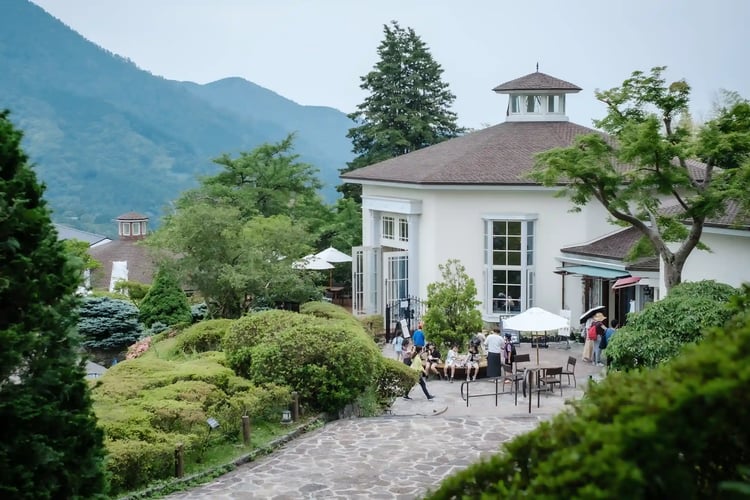
Design‑forward ryokan by leading contemporary architects are equally compelling. LIME RESORT HAKONE was designed by Noriaki Okabe, one of Japan’s foremost architects, and thoughtfully frames the surrounding nature throughout the property(*2). Okabe is known for the Kansai International Airport Passenger Terminal Building and for designing rolling stock for the Hakone Tozan Railway. Here, glass‑lined spaces open onto seasonal views, creating a refined environment where you can relax wherever you wander(*2).
Also emblematic of Hakone is Fujiya Hotel, acclaimed as a masterwork of eclectic Japanese‑Western architecture dating back to the Meiji era. Founded in 1878, its campus comprises the Main Building, the Western‑Style House, and the Flower Palace—romantic structures built from the late 19th to early 20th century. Simply strolling the halls immerses you in the aura of historic architecture(*3).
Choosing where to stay by savoring each ryokan’s architectural character becomes one of Hakone’s special pleasures for travelers who love culture.
Curating Artful Spaces that Enrich Your Learning
At many high‑value ryokan, the spaces themselves are curated like a museum. The Sengokuhara area is known for its cluster of art museums, and Hoshino Resorts KAI Sengokuhara channels that spirit with a singular concept.
Every room has its own open‑air bath at this so‑called “Atelier Onsen Ryokan,” where encounters with art placed throughout the property are said to spark your creative impulse(*4). Each guest room is named “Atelier no Ma,” and paintings by 12 artists from Japan and abroad hang in every space(*5). Guests can borrow sketchbooks, and many find themselves sketching, inspired by the works on display(*5).
In the on‑site Atelier Library, a daily workshop invites you to craft a multicolored tenugui (cotton hand towel) while surrounded by paints and art supplies(*5). Immersion in art like this turns a simple stay into a meaningful chance to cultivate your sensibilities.
Elsewhere, you’ll often notice local ceramics, lacquerware, and glass art displayed with effortless grace—another way to live alongside Japan’s traditional arts. Away from daily routines, surrounded by works of art, you can sharpen your eye in a space that feels like a “livable museum” for adults.
Experiences of History and Traditional Culture in Hakone That Spark Your Curiosity
A Hakone journey rewards not only unhurried time at your ryokan but also hands‑on encounters with local history and traditions. Some luxury ryokan even host in‑house programs that let you experience Japanese culture without leaving the property.
For instance, a hospitality group operating multiple ryokan in Hakone has launched a new “Ryocance” project that proposes longer, vacation‑style stays(*1). Guests can choose “Japanese activities” like tea ceremony, yukata dressing, or even trying on Sengoku‑period armor—a well‑received way to engage deeply with culture right where you stay(*1).
Tea ceremony is the most popular option, drawing about 60% of participants. Grinding matcha yourself on a stone mill and whisking a bowl to drink is a rare treat—especially appreciated by international guests(*2). With guidance from an instructor on manners and procedures, you’ll encounter the depth of tea culture—something even locals seldom learn in daily life.
Ikebana (Japanese flower arranging) is offered at select ryokan as well. Arranging seasonal plants with your own hands, learning both form and appreciation, is a beautiful way to experience Japanese aesthetics(*3). Under the eye of a master, practicing in a tranquil tatami room with garden views lets you savor both “the joy of arranging” and “the joy of beholding”—an unforgettable memory that enriches your cultural literacy.
Encountering Japanese Aesthetics Through Tea Ceremony and Ikebana
The tea and flower‑arranging programs hosted by Hakone ryokan are more than activities—they’re windows into the core of Japanese culture. A tea experience typically begins with an explanation of etiquette in the tea room, followed by the host demonstrating the temae with seasonal wagashi.
You’ll then grind tea leaves on a stone mill and whisk your own bowl, a quiet, contemplative moment that invites you to center yourself over a single cup. Overseas guests often remark, “The host’s movements were so graceful, and by whisking and drinking the tea myself, I finally understood how layered matcha’s flavor can be”(*2).
As you learn about tea’s history and spirit, you’ll feel wabi‑sabi and omotenashi with your own senses—something uniquely suited to a ryokan setting. In ikebana programs, you enjoy the luxury of direct instruction from a master representing a historic school. Selecting blossoms of spring, summer, autumn, and winter, and facing the life of each material helps you sense how Japanese people cherish the seasons(*3).
Looking at your finished work while talking with the instructor may even open conversations about vessel choice or the beauty of ma (intentional space), leaving you with insights that stay with you long after. Learning directly from experts in a setting apart from the everyday naturally deepens your understanding and affection for Japanese culture.
Gaining Knowledge of Hakone Through Heritage Sites and Museums
The Hakone area is dotted with places of historical and cultural value, and pairing them with your ryokan stay makes for an especially satisfying trip. Its museums are standouts—perfect for stirring both taste and curiosity.
Foremost is the Pola Museum of Art, whose design blends into the forest under the concept of “coexistence of Hakone’s nature and art.” With much of the building set underground to protect the landscape, the museum houses major works from Monet and Renoir to Picasso, Foujita, and contemporary art(*4).
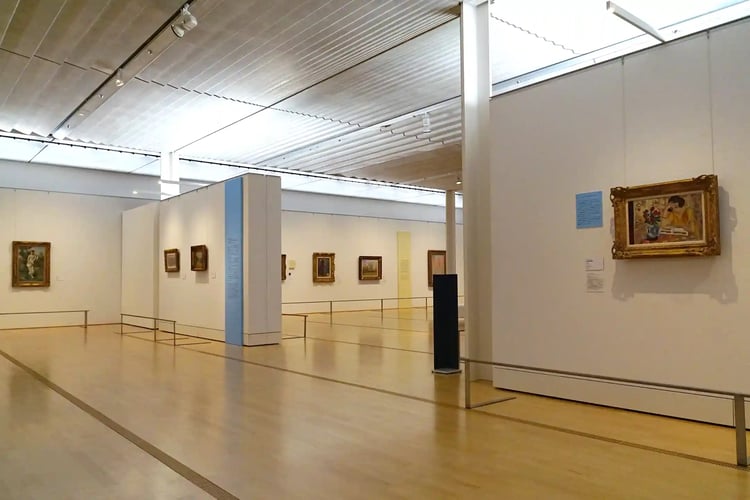
Beyond Western masters, a collection of around 10,000 pieces spans Japanese oil painting and nihonga, prints, glassworks, and even makeup tools from past and present across the globe—so you’ll discover something new every visit(*4).
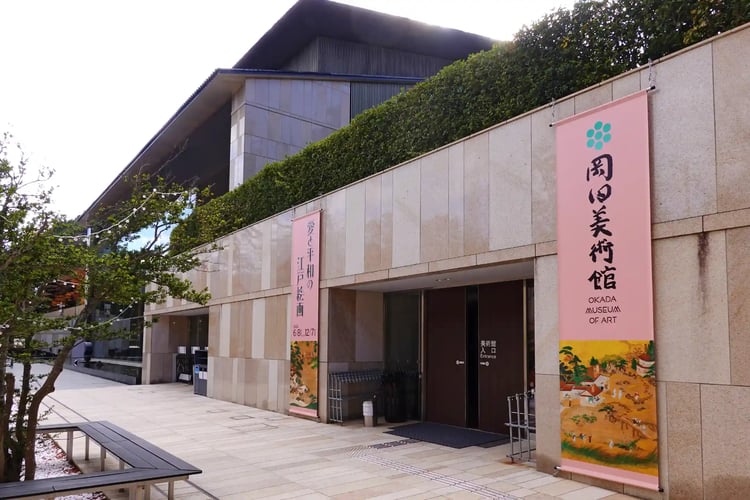
Don’t miss the Okada Museum of Art either. Opened in 2013, it’s one of Hakone’s largest, with five above‑ground floors and 5,000 m² of floor space. About 450 important works are always on view, centering on East Asian classics such as early‑modern/modern Japanese painting, ceramics from Japan/China/Korea, and Buddhist sculpture and painting(*5).
When Utamaro Kitagawa’s long‑missing painting “Snow in Fukagawa” and Ito Jakuchu’s folding screen “Peacocks and Phoenix” were found and exhibited, they made headlines(*5). Multilingual touch‑panel guides help first‑time visitors enjoy learning, and the footbath café lets you soak your feet in free‑flowing spring water while admiring a vast mural—beauty and relaxation at once.
On the shores of Lake Ashi, the Narukawa Art Museum is renowned for contemporary nihonga. This private museum, opened in 1988, holds more than 4,000 works by top artists including Order of Culture laureates such as Ikuo Hirayama and Kyojin Yamamoto(*6). Several special exhibitions each year rotate masterpieces, and from the lounge you can take in sweeping views of Lake Ashi and Mount Fuji—art and nature in dialogue(*6).
Many ryokan offer guided tours or shuttle services, so you can circle efficiently. Hearing a specialist’s commentary as you encounter masterpieces and heritage sites not only deepens art‑historical knowledge but also reveals Hakone’s cultural depth. Combine relaxation at your ryokan with local cultural exploration, and you’ll enjoy a journey that feeds both heart and mind.
Interiors and Amenities That Promise a Polished, High‑Quality Stay
What truly elevates a luxury ryokan stay is the meticulous approach to interior design and the richness of in‑room amenities. While on par with top Western hotels in quality, these spaces are shaped by a distinctly Japanese sense of beauty that carries you into another world the moment you arrive.
Guest‑Room Design Infused with Japanese Aesthetics
Hakone’s luxury ryokan weave traditional elegance into contemporary comfort with finesse. A case in point is the design ryokan Tsuki no Yado Sara. Throughout the property, décor echoes motifs of the moon and Yosegi marquetry; at the entrance, a sculptural piece appears as a full moon from the front and a crescent from the side—an imaginative play of light that welcomes you in(*1).
The delicate geometry of Hakone’s signature Yosegi craft harmonizes with clean modern lines, drawing you into a world where Japanese atmosphere and modern design speak the same language from the moment you step inside(*1).
At the venerable Gora Hanaougi in the Gora area, every corridor is tatami‑matted. The feel of tatami under bare feet and the fragrance of timber instantly soothe you. Ancient jindai‑keyaki (zelkova) lumber—over a thousand years old—appears generously throughout, and the natural aroma turns the space into a sanctuary of calm(*2). Lean back on soft tatami after a soak in your room’s open‑air bath with views of Hakone’s mountains, and you’ll sense the warmth and composure unique to Japanese architecture(*2).
Lighting and furnishings also express a refined Japanese sensibility: gentle, lantern‑like indirect light; fusuma panels and seasonal floral arrangements; and fittings accented with kumiko latticework. This attention to detail creates depth that satisfies even the most design‑savvy guests while shaping an unhurried, high‑quality stay.
Thoughtfully Curated High‑End Amenities
Top‑tier ryokan never compromise on amenities. For skincare and bath items, you’ll often find world‑class or organic brands, making it easy to indulge in elevated self‑care throughout your stay.
At the luxury inn Setsugetsuka Bettei Suiun in Gora, for example, women’s amenities are from APPELLES, an Australian organic brand. Shampoos and body washes made with premium natural ingredients help your skin feel its best, even on the road(*3).
Kinnotake Saryo opts for an ethical brand with the environment in mind. Sensatia, a natural spa line born in a small Balinese village, uses only plant‑derived oils and formulas gentle enough not to harm the ocean when washed away(*4). Stocking these bath amenities in every guest room means you can unwind to Hakone’s vast scenery with complete peace of mind(*4).
Comfort extends to loungewear and bedding. Many rooms provide two‑piece samue sets or silk‑blend pajamas, and you’re welcome to stroll the property in them—casual yet elegant. Some ryokan offer a pillow menu and complimentary rental of colorful yukata in patterns of your choice—delightful touches many guests appreciate(*3).
Together, these sensory‑attentive amenities enrich your time on property, heightening the overall experience with quiet sophistication.
Satisfy All Five Senses with Hakone’s Refined Cuisine
Dining is central to travel’s joy. At Hakone’s luxury ryokan, you’ll find culinary experiences that honor the region’s bounty and delight the senses. Meals and drinks enjoyed in serene restaurants, teahouses, or cafés don’t just taste wonderful—they invite you to savor the stories and culture behind them.
Japanese Restaurants Committed to Local Sourcing
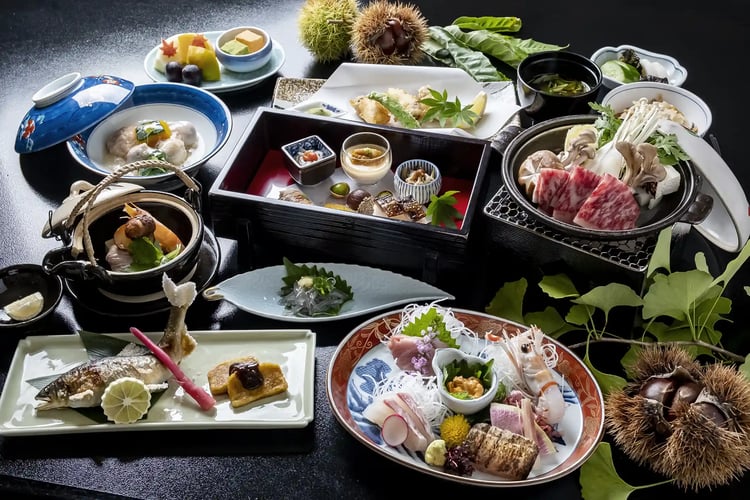
Many ryokan in Hakone serve Japanese menus rooted in local ingredients. Thanks to the area’s mountains and nearby sea, kaiseki and multi‑course meals shine with freshness.
One acclaimed chef, for instance, actively features “Hakone Seiroku Beef” and “Odawara/Seisho Vegetables,” products nurtured in Hakone and neighboring regions(*1). The locally raised beef is richly tender, and just‑harvested organic vegetables carry vivid aroma and depth. Dishes crafted from these ingredients earn high marks in reviews, and many repeat guests look forward to the seasonal menus(*1).
At Hakone Gora Karaku, opened in 2020, the main dining room serves modern Japanese cuisine under a locavore theme, using carefully chosen seasonal produce(*2). Chefs personally source ingredients at their peak, then plate them to mirror Hakone’s landscapes so you can see—and taste—the passing seasons(*2).
In spring, perhaps mountain vegetables and local bamboo shoots in a delicate dashi; in summer, same‑day catch from Sagami Bay as sashimi on cool glass; in autumn, fragrant ceramic‑grilled mushrooms from Tanzawa; and in winter, a botan‑nabe inspired hot pot with wild boar from the Hakone area—menus that tell the story of place and season.
Hearing the chef’s explanation invites you to imagine the terroir and traditions behind each bite, satisfying both palate and curiosity.
Café Moments That Elevate Your Afternoon
For slow afternoons, retreat to an on‑site café or lounge. Tea or coffee in quiet surroundings tastes exceptional—and paired with fine sweets, it’s nourishment for the spirit. Many luxury ryokan offer guest‑only lounges with complimentary drinks and snacks to enjoy freely(*3).
At Setsugetsuka Bettei Suiun in Gora, the “Kimi‑machi‑doko” lounges on each floor are stocked all day with seasonal beverages and beloved local confections you can bring back to your room(*3). In relaxed loungewear, it’s easy to slip into a book on a sofa or linger in unhurried conversation.
Hoshino Resorts KAI Sengokuhara hosts a “Travel Library,” a library‑café with travel books and self‑serve coffee(*4). Leaf through art books, photography, and essays on Japanese culture while enjoying a fragrant cup—one of the quiet luxuries of grown‑up travel(*4).
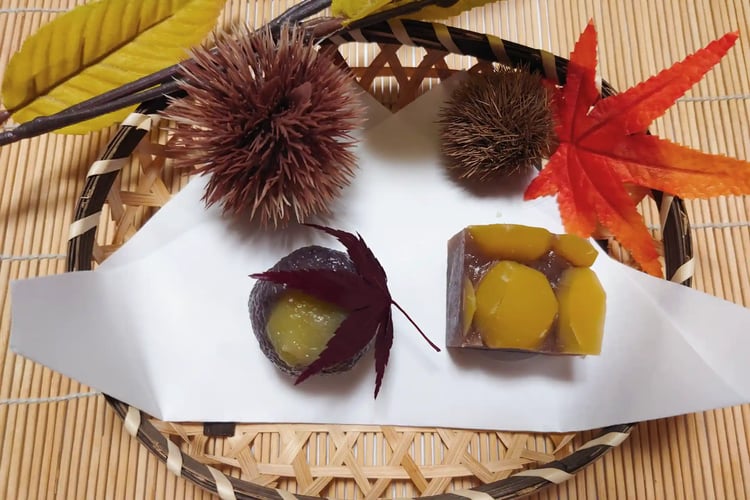
Elsewhere along Lake Ashi, scenic cafés present creative wagashi sets designed to complement the view. On terrace seats with a soft lakeside breeze, the simple act of sipping tea becomes a moment where elegance and the joy of travel wash through all five senses. These café experiences color your stay and offer reflective time away from everyday life.
A Sustainable Stay Where Environmental Care Meets Advanced Technology
For travelers who value quality, environmental stewardship and smart technology are becoming essential parts of choosing where to stay.
In Hakone, more luxury ryokan are acting on sustainability while enhancing comfort through innovation. Efforts to preserve Hakone’s natural beauty go hand in hand with a seamless, tech‑supported guest experience.
Environmental Initiatives at Ryokan
Local properties are tackling issues like plastic waste and CO₂ reduction. Many have switched shampoo, conditioner, and body soap from disposable mini‑bottles to refillable dispensers, and now limit single‑use amenities such as toothbrushes and razors to only what’s needed(*1).
One heritage ryokan, for example, was among the first in its group to stop pre‑stocking certain plastic amenities in rooms, offering them from the front desk only when requested. The program, which also invites guests to bring their own, has been welcomed by eco‑minded travelers.
Sustainability extends to bedding and supplies. At Hatsuhana in Hakone‑Yumoto, every guest room uses ADVANSA’s Suprelle blue—fibers recycled from ocean‑bound plastic—for pillows, duvets, and mattress pads(*2).
For traditional Japanese rooms, the property uses Toyobo’s high‑resilience “Breathair” mattresses, which can be washed and recycled—keeping them fresh longer and making them a sustainable choice(*2). By adopting planet‑friendly materials, these ryokan maintain comfort while contributing to the SDGs.
In restaurants, some properties reduce food loss by serving buffets in small plates and install composting equipment that turns food scraps into fertilizer. Others support forest conservation and the local economy by using thinned wood to craft Yosegi chopsticks and coasters for on‑site use and sale.
These initiatives reflect a commitment to offering an exceptional stay that’s also kind to the planet and community.
Advanced Technology for Effortless Comfort
At the same time, many ryokan invest in cutting‑edge convenience. With more guests driving EVs, properties across Hakone are adding charging stations.
At Ashinoko Hanaori, for instance, there are eight EV‑equipped parking spaces, open to overnight and—subject to availability—day visitors(*3). Being able to charge during your stay is a major plus for travelers who prioritize sustainability.
Inside, smart systems are now standard: LED lighting and automated climate control are widely adopted. Even storied properties like Fujiya Hotel have transitioned to energy‑saving lighting throughout and centralized air‑conditioning management to balance efficiency with comfort(*4).
More ryokan are also using tablets for check‑in/out and multilingual AI chatbots for in‑house guidance. In some rooms, IoT features let you adjust lighting and curtains via touch panels, and voice assistants make it easy to access information or connect with the concierge.
These technologies work quietly behind the scenes to support a smooth, stress‑free stay. In Hakone, tradition and modern convenience combine to point toward the future of luxury travel.
Special Experiences Through Encounters with Local Experts and Artists
To make your time in Hakone even more memorable, consider programs that connect you with local experts and artists while you stay at your ryokan.
Learning directly from people who know the land and its culture brings living knowledge no book or exhibit can match. Some luxury ryokan collaborate with craftspeople and guides to host workshops and tailor‑made tours for guests. Join in, and you’ll understand Hakone more deeply and feel a special bond with the place.
Hands‑On Workshops with Local Artists
Hakone is a stronghold of traditional crafts, where dedicated artisans carry heritage into the present. Some ryokan invite these creators to lead craft workshops on site.
At the luxury resort Gora Karaku, for example, a Yosegi marquetry workshop led by a local craftsperson is scheduled for February 2025(*1). After a traditional craftsman explains the history and techniques of Hakone Yosegi—rooted in the mid‑Edo period—you’ll combine the natural colors of different woods to make a hexagonal coaster(*1).
Live demonstrations help you visualize studio work rarely seen by the public, and hands‑on practice teaches the joy of making with wood(*1). You can take your coaster home as a memento—bringing Hakone’s warmth and tradition back to your daily life.
Beyond Yosegi, pottery, glass, lacquer, and natural dyeing thrive in Hakone and nearby areas. Some ryokan partner with local studios to offer hand‑building ceramics or glass‑accessory workshops.
Under expert guidance, crafting your own piece doesn’t just deliver a sense of achievement—it deepens affection for the region through the object you’ve made. Encounters with artists become lasting treasures that strengthen your bond with the destination.
Expert‑Led Tours to Explore Hakone’s History
If you want to grasp Hakone’s great outdoors and historic landmarks in depth, join a tour guided by a specialist.
Guests curious about the Hakone volcano’s origins can opt for geopark tours with geologists or certified geo‑guides. As you visit Owakudani’s fumaroles or the landforms around Lake Ashi, you’ll learn how millennia of volcanic activity shaped daily life—revealing grand stories behind the views.
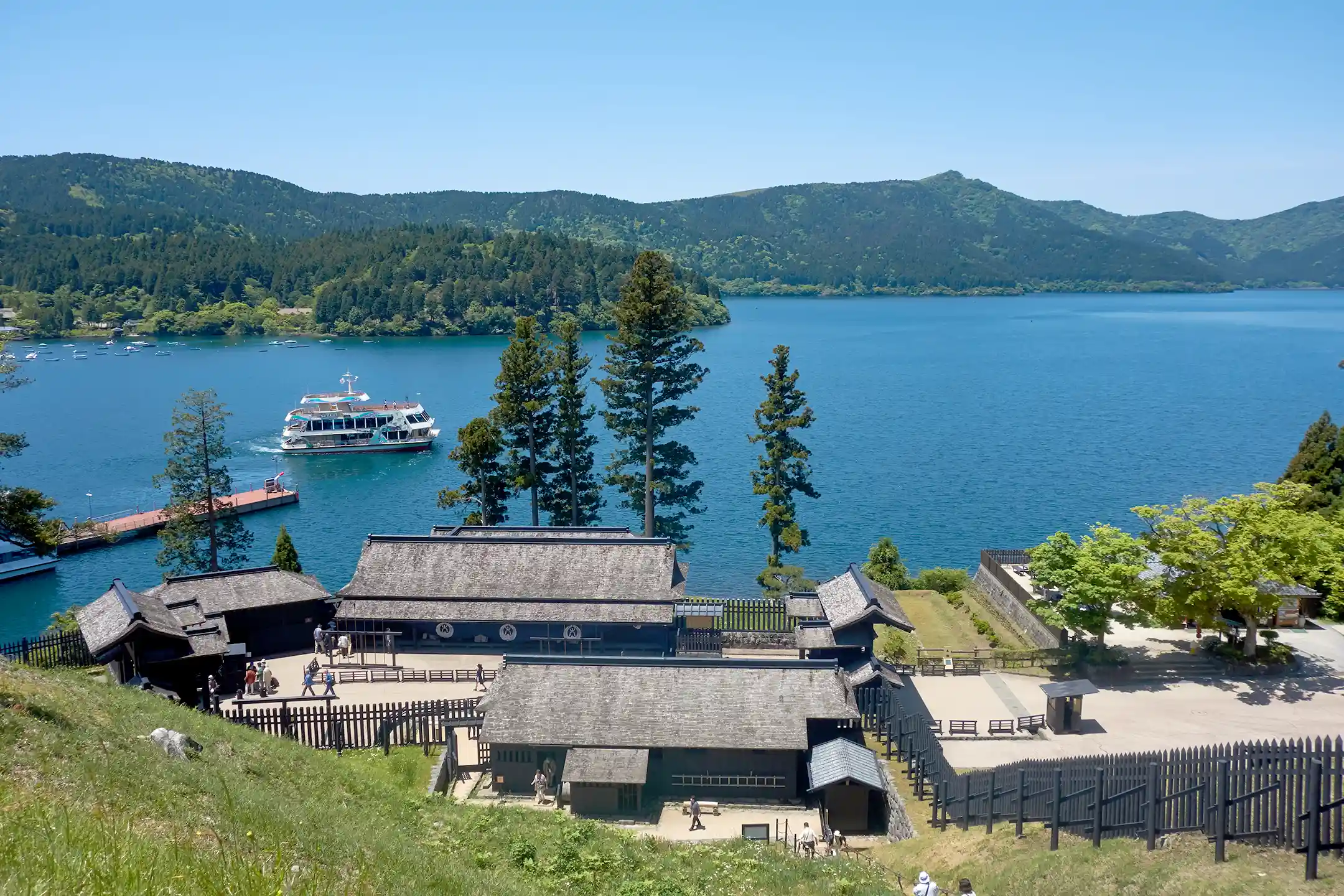
History lovers will enjoy visiting the Hakone Checkpoint, stone Buddha clusters, and the old Tokaido cedar avenue with a local historian. Walking the steep Hakone Pass along the route of Edo‑period travelers and hearing about its role and culture brings history to life under your feet.
At Gora Karaku, mentioned above, the property works with community experts to offer opportunities to learn about Hakone’s history, culture, and nature(*2). The Yosegi workshop is one example; guided neighborhood walks are another—efforts that grow a community of Hakone enthusiasts through place‑rooted experiences(*2).
These exchanges with specialists lead to discoveries beyond sightseeing. They satisfy curiosity, add layers of meaning to your journey, and create richer memories. In Hakone, ryokan weave these intellectual experiences into your stay, producing a polished trip that nurtures both mind and spirit.