.webp)
Kyoto is a rare place where the history and culture of a thousand-year capital still breathe. Among its many charms, a “ryokan” is more than just somewhere to sleep—it’s a lavish way to stay where traditional architecture, craftsmanship, garden aesthetics, cuisine, and heartfelt hospitality all come together for you.
From intimate, renovated machiya townhouses, to venerable inns housed in heritage-listed buildings, to modern ryokan that harmonize beautifully with contemporary art—Kyoto offers a spectrum of choices only this city can. In this guide, you’ll discover the full appeal of high-end ryokan in Kyoto, where culture and the arts resonate throughout your stay.
The Allure of Kyoto’s Luxury Ryokan, Rich in History and Traditional Beauty
Kyoto’s luxury ryokan offer you special stays inside historic buildings and exquisitely crafted spaces steeped in traditional beauty. Among them, ryokan created from renovated machiya townhouses are especially popular. Some have been reborn as highly private retreats—occasionally limited to a single party per day—by skillfully updating old townhouses.
In fact, you’ll find accommodations fashioned from century-old machiya that retain the texture of original pillars and beams while adding modern comfort (*1). Staying in a historic townhouse lets you feel the atmosphere of daily life in Kyoto with your own senses (*1). In these machiya-style ryokan, you’re immersed in a setting so evocative it feels like time travel.
Kyoto also has storied inns whose very buildings are designated cultural properties. For example, a small ryokan established in the Meiji era has been registered by the national government as a Tangible Cultural Property, offering a deeply traditional space where you can savor the ambiance of the old capital (*2). In the Nishijin area, a townhouse inn surrounded by streets rich in history is known for the refined mood that awaits as soon as you step inside (*2).
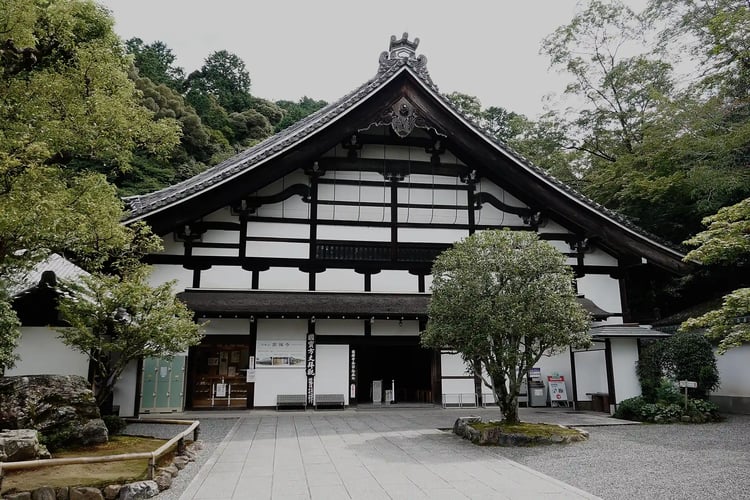
The experience of lodging within architecture of near–cultural-asset caliber is itself a luxury that lets you revel in Kyoto’s history and traditional aesthetics. The moment you cross the threshold, a quiet, timeless beauty settles around you—inviting you to step away from the everyday and relax.
Another highlight of high-end ryokan is encountering Kyoto’s traditional crafts and art on-site. Some long-established hot-spring ryokan have even transformed their lobbies into art galleries through collaborations with local artists.
Indeed, at one hot-spring ryokan on the outskirts of Kyoto, a contemporary artist worked with local craftspersons and architects to fill the lobby with artworks. The space is said to enrich the pleasures of both bathing and dining (*3).
When the property itself is curated like a museum and you can engage with craft and art during your stay, that’s a major draw for guests eager to learn. In Kyoto’s ryokan, you can bask in genuine beauty—Kyoyaki ceramics, Nishijin-ori furnishings, and more—and indulge in time surrounded by the real thing.
Kyoto’s Best Ryokan Stays Chosen for Design and Comfort
In Kyoto’s luxury ryokan, “wa-modern” interiors—where traditional beauty meets contemporary design—catch your eye. Spaces blend refined Japanese details like tatami and shoji with modern comforts such as beds and adjustable lighting, making them especially welcoming if it’s your first time experiencing Japanese-style lodging.
At properties offering wa-modern rooms, Japan’s traditional aesthetics and modern design are carefully balanced so you can enjoy contemporary comfort while still feeling the warmth of Japanese style (*1). With traditional materials set alongside thoughtfully chosen modern furnishings, these rooms offer a calm, elevated sense of ease.
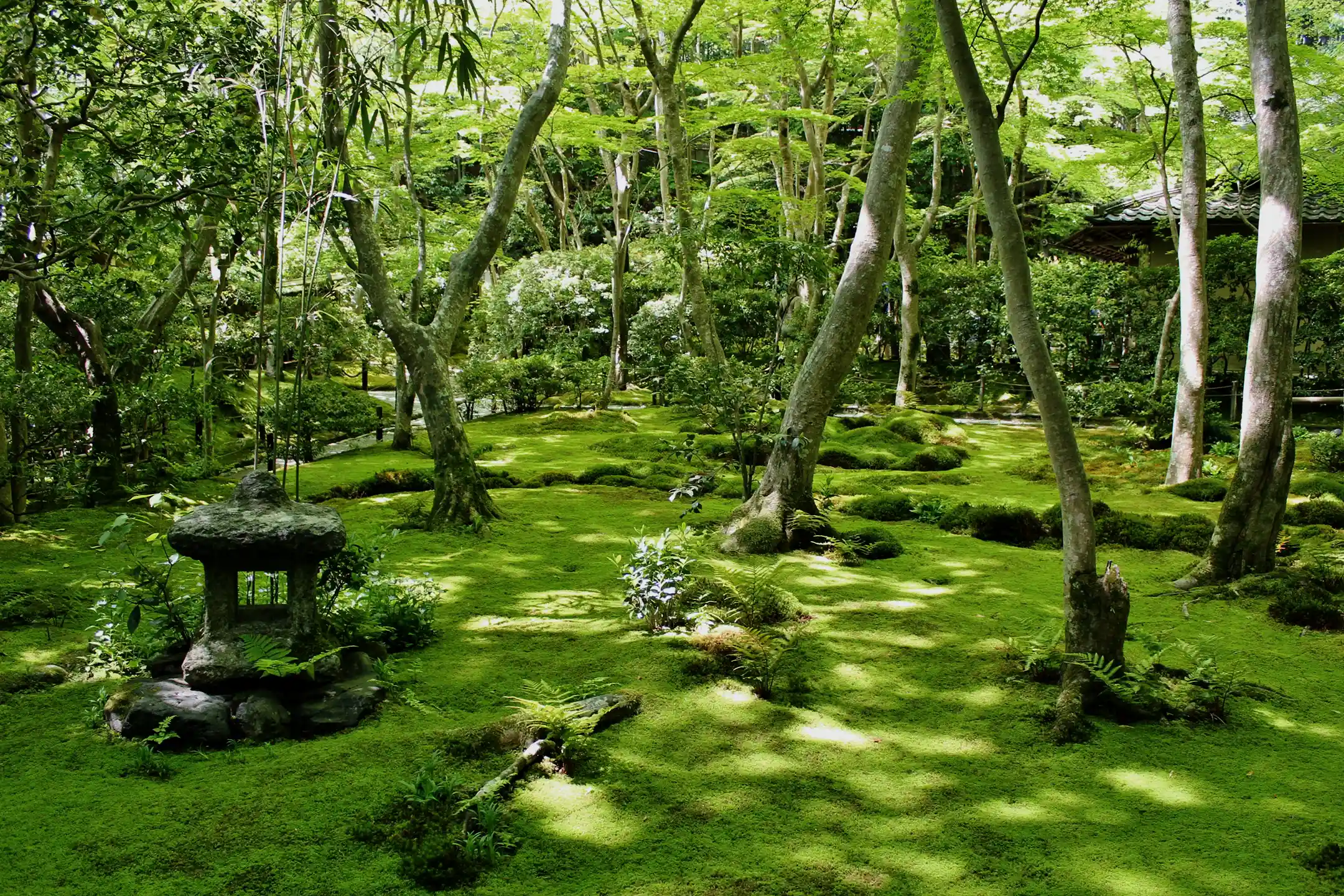
Kyoto ryokan also excel at creating serene spaces shaped by a Zen sensibility. Around Nanzen-ji, for instance, some inns honor the plain, contemplative spirit of a grass-hut tea room and let you savor quiet while gazing out at a stroll-style pond garden.
One long-established ryokan, for example, describes buildings of “simple, understated elegance modeled after the grass-hut tea rooms created by connoisseurs of old,” where you’re invited into a serenity that makes you forget you’re in the city, surrounded by a pond garden (*2). The property feels almost like a Zen temple—ideal for resetting mind and body. When you step into a space where the scent of tatami, meticulous details, and lush borrowed scenery all work as one, you can slip away from the bustle and spend time reconnecting with yourself.
Meanwhile, ryokan with rich collections of art and installations are gaining attention. Some small luxury hotels in Kyoto embrace “design as hospitality,” exhibiting artworks throughout their interiors like a gallery.
At one such property, every guest room has a distinct design by creators from Japan and abroad. You’ll find everything from Japanese rooms using tatami and fusuma sliding doors to ethereal white rooms enveloped in curtains—each a creative space shaped by a different vision. The varied, inventive interiors let you feel each creator’s aesthetics while remaining stylish and subtly infused with a Japanese spirit (*3).
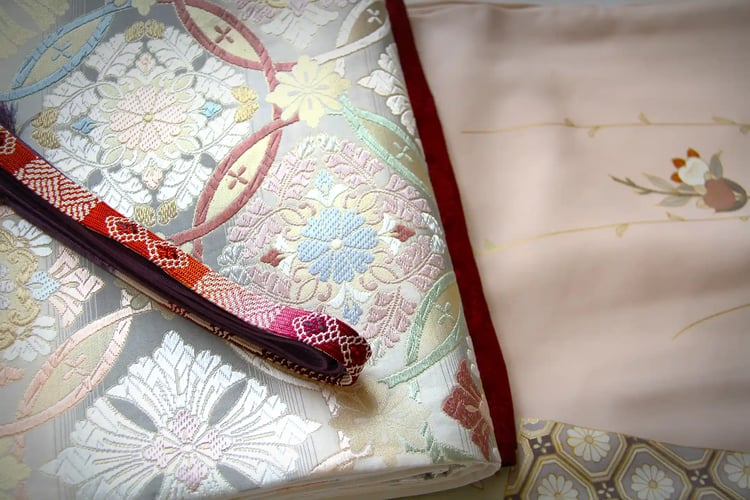
Some hotels even feature chandeliers made from wagasa (traditional paper umbrellas) crafted by long-standing ateliers, or sofas upholstered in Nishijin textiles—so you can enjoy art as you move through the lounge. In Kyoto, design and comfort go hand in hand, delivering a stay that speaks directly to your senses.
Culinary Experiences to Savor at Kyoto’s Ryokan
One of the great pleasures of staying at a high-end ryokan is the chance to indulge in Kyoto cuisine. Kyoto ryokan typically serve seasonal kyo-kaiseki crafted from local, fresh ingredients. Kyoto vegetables, pike conger (hamo), and yuba (tofu skin) are prepared with delicate seasoning to highlight local bounty—an experience people praise as uniquely Kyoto (*1).
.webp?width=750&height=500&name=Seasonal_Kaiseki_(28478173176).webp)
Each course showcases carefully selected seasonal ingredients—beautiful to the eye and, as you taste, a direct expression of Kyoto’s natural rhythms. At dining-focused inns, the head chef may be Kyoto-born and deeply familiar with regional produce, presenting dazzling kaiseki with meticulous attention to plating. Tableware and presentation are chosen to evoke the season, and that subtle artistry truly shines.
In summer, for instance, sashimi may arrive in a bowl carved from ice to summon a cool breeze, while lidded dishes decorated with motifs of the Gion Festival feature seasonal hamo—thoughtful tableware choices that elevate the sense of season (*1). Experiencing Kyoto’s four seasons through cuisine is something ryokan do exceptionally well.
Long-established ryokan also offer rich cultural experiences around tea and sweets. The distinguished “Sumiya Ryokan” is known as an inn of chanoyu (tea) affiliated with the Urasenke school, housing five tea rooms on its grounds.
Guests can enjoy a casual lesson in whisking and savoring matcha, with hands-on sessions where you whisk your own tea. Sharing matcha you’ve prepared with family or friends makes for a delightful moment (*2). Even if you’re new to Japanese culture, sipping thin tea with seasonal wagashi in an authentic tea room becomes a quietly memorable highlight.
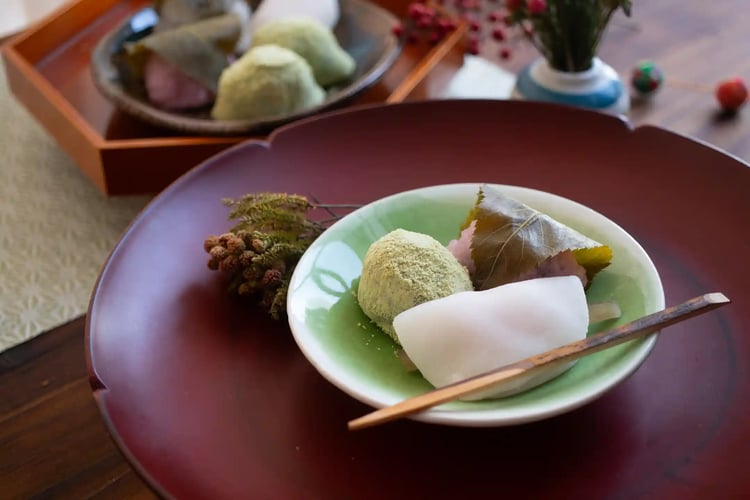
Many ryokan also welcome you with matcha and a principal sweet on arrival. Sitting in a serene Japanese room and watching the tea prepared before you turns a simple treat into something exceptional. Experiencing the atmosphere of a formal tea gathering inside a heritage tea room is a uniquely Kyoto luxury.
Kyoto ryokan are equally devoted to the vessels and interiors that frame the cuisine. Because “seasonality” lies at the heart of Kyoto dining, ryokan chefs use a range of tableware—ceramic, porcelain, lacquerware—to express the feel of each season alongside the ingredients (*3). Menus often follow the five seasonal festivals or the lunar calendar, presenting seasonality through the dishes and the tableware alike (*3).
At one ryokan, for example, long-honed techniques dating back to the Taisho era include serving summer dishes in vessels made of ice, or using plates adorned with autumn foliage—thoughtful touches that let you sense the season at a glance. From private dining rooms, you can look out over a garden designed by Jihei Ogawa (Ueji), and savor kyo-kaiseki alongside a tranquil view—an unforgettable pairing (*3).
Furnishings and lighting reflect Kyoto’s traditional aesthetics, creating a dining setting that feels distinctly out of the ordinary. When vessels, interiors, garden views, and cuisine work together, your Kyoto culinary experience engages all five senses.
Sustainability-Focused Ryokan in Kyoto
In recent years, Kyoto’s luxury ryokan have advanced thoughtful, sustainability-minded initiatives. More properties are prioritizing contributions to a sustainable society, from energy-saving measures to community collaboration—giving you the chance to experience these efforts firsthand (*1).
Watazen Ryokan is a good example of honoring tradition while working on environmental action. The proprietor and okami have obtained international certifications in sustainable tourism, clearly signaling a sincere commitment (*2). While they note there’s still a long way to go, they’ve expressed a determination to take steady steps toward “sustainable ryokan operations for the future” (*2), showing how even venerable inns evolve with the times.
At Kanamean Nishitomiya, efforts include adjusting meal portions appropriately to reduce food waste and providing cuisine without additives. They also use as many locally sourced vegetables, fruits, and nearby-caught seafood as possible to minimize food mileage (*3). Pursuing culinary excellence while caring for the environment is a stance that resonates with thoughtful travelers.
More Kyoto accommodations now support electric vehicles. Some hotels have even installed Tesla Superchargers on-site.
For example, one large hotel in the city provides four Tesla-dedicated 72kW chargers, as well as standard 200V chargers (*4). For EV drivers, this is a major advantage—and a concrete step toward more environmentally friendly travel.
Some high-end ryokan also offer EV charging spaces in on-site parking, letting you explore while the car charges. For eco-minded guests, EV readiness is fast becoming a new criterion when choosing where to stay.
Community-rooted sustainability is another noteworthy direction. In northern Kyoto’s Miyama, the town was selected by the UN World Tourism Organization (UNWTO) as a “Best Tourism Village” for preserving tradition and nature while developing tourism (*5). The recognition honors exemplary global cases where tourism helps safeguard local heritage; Miyama was one of 44 regions selected worldwide (*5).
There, the kominka (traditional farmhouse) ryokan Kigusuriya cultivates reduced-pesticide rice in its own terraced fields and leases fallow paddies from the community to expand cultivation—sustaining satoyama scenery and culture (*5). Growing the very rice served to guests and sharing the value of the area’s nature and traditions exemplify a joined-up approach between ryokan and community.
Kigusuriya also features guest rooms in a restored thatched-roof farmhouse. To reduce single-use plastics, they encourage guests to bring their own toothbrushes and provide amenities made from biomass materials—evidence of eco-conscious service now taking root in Kyoto’s lodgings (*5). In this way, Kyoto ryokan are leading high-value, sustainable tourism that honors both the environment and local communities.
Recommended Kyoto Ryokan with Enriching Cultural Experiences and Learning
Another draw of Kyoto ryokan is the array of cultural experiences and workshops you can join without leaving the property. Some hotels regularly host “koto experiences,” hands-on workshops that connect you with distinctive local traditions.
They invite local artisans, artists, and producers to lead programs where you make traditional crafts together or watch performances up close (*1). These efforts help link travelers and communities, gifting you lasting memories.
Practical examples include making small items from hand-crafted washi paper, blending your own incense, or joining 90-minute sessions in zazen meditation or calligraphy—easy, welcoming introductions for beginners. If you identify as a “culture-curious explorer,” you’ll love learning Kyoto’s traditions right where you’re staying.

Stays that offer direct exchanges with local experts and artists are also popular. A quintessential Kyoto experience is meeting a maiko. Some ryokan offer programs where, after watching an elegant Kyō-mai dance performed right before you, you can enjoy Q&A and photos with the maiko (*2).
The chance to speak with an authentic maiko—someone you rarely meet in daily life—can be moving for guests from overseas and within Japan alike. As a more accessible version of ozashiki entertainment, these events bring traditional performing arts delightfully close.
Depending on the ryokan, you might also find plans inviting maiko or geiko to evening gatherings for games, or intimate performances by gagaku or Noh artists. Stays that connect you directly to the people who carry Kyoto’s deep cultural traditions become truly singular memories.
If you prefer a quieter way to learn, choose a ryokan with a well-stocked library. Some inns create small libraries or study-like spaces with many books and art volumes about Kyoto’s history and arts.
One hotel even features a grand staircase “bookstore library” with over 2,500 Kyoto-related titles—perfect if you want to spend a trip immersed in reading (*3). At a long-established hot-spring ryokan, an airy library lounge holds roughly 500 volumes, inviting you to read by the window while looking out at the garden.
For book lovers, time in a ryokan’s tranquil library is blissful “cocooning.” Pick up a volume on Kyoto’s culture or history and your travels will take on deeper meaning.
Bring that knowledge with you to temples and shrines, and you may see them with fresh eyes. From active cultural experiences to quiet intellectual pursuits, Kyoto’s ryokan support your learning and enjoyment in many different styles.
How to Choose the Best Luxury Ryokan in Kyoto
If you want to prioritize culture and artistry when choosing a luxury ryokan in Kyoto, focus on a few points. First, look at the property’s history and the pedigree of the building. Kyoto has many inns with over a century of heritage, and some occupy buildings that are essentially cultural assets. Such stays convey the aura of historic Kyoto and give you a “genuine Kyoto experience.”
Indeed, Japanese travel media often introduce traditional ryokan under angles like “hidden retreats for an authentic Kyoto experience” or as members of the “Kyoto Big Three” (*1). Ryokan that make these lists are renowned for architectural beauty and service, and stand out for their cultural value.
Before you book, check the ryokan’s official site and reviews for details on the building’s history, the attentiveness of the okami and staff, and notable past guests. If writers or artists favored the inn, related items may be displayed—and staying there can carry its own cultural significance.
If it’s your first time at a luxury ryokan, knowing basic etiquette and how things work will help you relax. Even if you feel a bit nervous about Kyoto’s formality, more places now have English-speaking staff and plenty of experience welcoming international guests. In tatami rooms, however, you’ll want to be considerate in how you carry yourself.
When entering a tatami room, remove your shoes—and take off your slippers before stepping onto tatami. In large communal baths, observe simple etiquette such as rinsing before entering and keeping towels out of the water. Once you step into the soothing, Japanese-style space of a ryokan, it feels good to match that calm with courteous behavior (*2).
Confirming a few essentials in advance lets you handle any situation gracefully. For instance, you might wonder about tips. In Japan, service charges are included in room rates, so tipping is generally unnecessary (*3). Only if you feel especially grateful might you present a small gift or envelope at checkout, but it’s not required.
Before reserving, review each ryokan’s policies. Some long-established inns do not accept guests below elementary-school age, or set a curfew (nighttime lockup).
Many properties also ask you to call if you’ll arrive late. With dinner-inclusive plans, a late arrival can mean they cannot serve the meal, so do take care. For high-end ryokan, dinner start times are fixed, and it’s common to check in by 7:00 p.m.
Whether you can wear yukata around the property varies, but going to breakfast in yukata is generally fine. Just keep a neat appearance (*4)—for example, smooth bed hair, put on the over-jacket (haori), and straighten your collar.
Mind small points like these and you’ll avoid awkward moments and feel at ease. Staff at Kyoto ryokan are exceptionally attentive, so ask questions freely and enjoy discovering ryokan culture.
Best Ryokan in Kyoto
Finally, here are five Kyoto luxury ryokan especially well regarded as of 2024. Each has deep ties to culture and the arts, and is known for exceptional hospitality.
Tawaraya Ryokan – Often called the foremost of Kyoto’s “Big Three” ryokan, this legendary inn was founded in 1704 during the Edo period and is considered the oldest operating ryokan in Kyoto. In 1999, parts of the property were registered by the national government as Tangible Cultural Properties, preserving the essence of machiya architecture (*1). Frequently described as “Japan’s finest ryokan,” it continues to captivate guests from Japan and abroad with serene spaces, meticulous furnishings and gardens, and a singular, inherited style of hospitality.
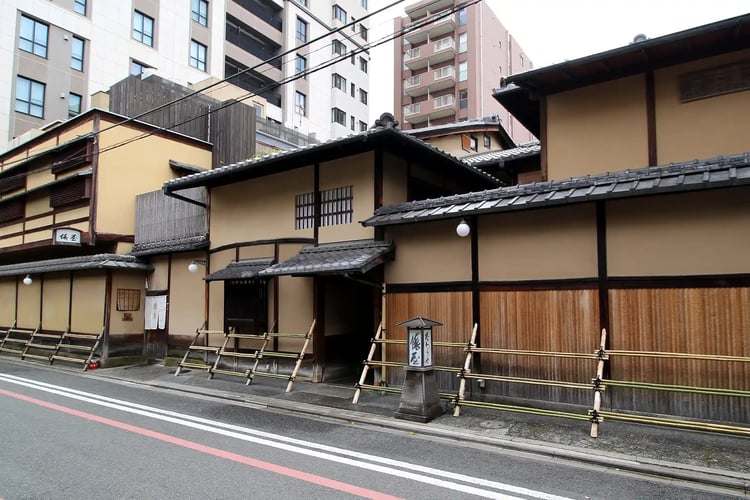
Hiiragiya Ryokan (ひいらぎや りょかん) – Established in 1818, this long-standing inn is one of Kyoto’s “Big Three” alongside Tawaraya. From the late Edo through the Showa era, many writers, artists, and dignitaries stayed here; Nobel laureate Yasunari Kawabata was a regular (*2). The two-story wooden buildings exude character, with rooms individually decorated to reflect the season. The kaiseki cuisine is renowned for showcasing Kyoto’s seasonal flavors. While honoring tradition, its family-run warmth embodies the spirit of “raisha nyoki” (welcome guests to relax as if at home).
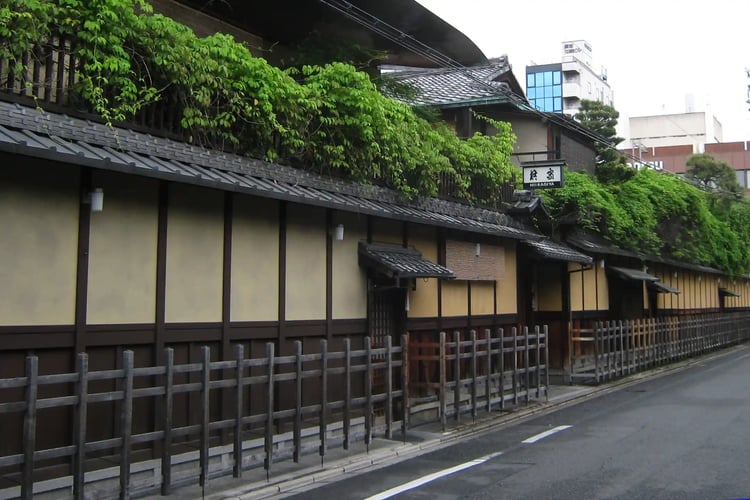
Sumiya Ryokan (すみや りょかん) – Counted with Hiiragiya among Kyoto’s “Big Three” (*3), Sumiya dates to 1912. Step just off the main street and you enter another world of sukiya-style buildings and green courtyards. Known as an inn of chanoyu, Sumiya houses tea rooms, and—with advance request—you can enjoy matcha service or tea experiences. Attentiveness here is exquisite: hanging scrolls and furnishings change with the seasons, and the Kyoto-style kaiseki is refined, with poetic use of tableware. If you want a stay of quiet grace and poise, this is ideal.
HOSHINOYA Kyoto – Set along the Ōi River in Arashiyama, this luxury ryokan offers river views from every room. You access it by private boat from near Togetsukyo Bridge—an evocative touch for a “riverside private residence.” The property opened in 2009 after renovating a ryokan building dating to about a century ago. Embracing an aesthetic of shadow and light, the space fuses tradition and modernity (*4). Room layouts and interiors vary, each designed with thoughtful detail. Views from the floating tea room across the gardens and river are exceptional, offering elegant moments that shift with the seasons. It has appeared on the Gold List of leading international travel magazines, earning global acclaim.
Kanamean Nishitomiya (かなめあん にしとみや) – A small, seven-room luxury ryokan tucked down a quiet lane in the Kiyamachi area. It preserves a sukiya-style building from 1873 while actively advancing sustainable operations. For example, their samue work robes and yukata are produced in partnership with Kyoto and Imabari makers, and they use as many Kyoto-grown vegetables and local seafood as possible—demonstrating care for community and environment (*5). The okami has obtained GSTC (Global Sustainable Tourism Council) professional certification, aiming to set a standard for sustainable hospitality. Comfort and service are first-rate: rooms feature open-air baths or courtyard gardens, and you’ll enjoy a restful stay surrounded by Kyoto’s cultural heritage. It’s a new-era luxury ryokan where classic understatement meets a contemporary sensibility.

.webp)