Set across from Kyoto’s Nijo-jo Castle, the luxury hotel HOTEL THE MITSUI KYOTO is an ideal stage for couples celebrating a special anniversary. Here, away from the city’s bustle and wrapped in history and serenity, time moves with a refined stillness you don’t find in everyday life.
In this article, you’ll learn how to choose and enjoy a luxury hotel that makes an anniversary trip truly exceptional, using HOTEL THE MITSUI KYOTO—one of Kyoto’s finest examples—as a detailed case study. We blend an analytical lens with an emotional voice, delivering insights with the breezy feel of a travel magazine.
Packed with ideas for quiet, sophistication, and one-of-a-kind experiences worthy of a milestone, this guide helps you plan a journey that deepens your bond. Read to the end and let it inspire your time together.
This article is one doorway into a much wider landscape. The Anniversary Collection gathers Japan's most considered hotels—their architecture, their settings, and the quiet art of marking an occasion—into a single, connected reading.
What Defines a Luxury Hotel—The Three Essentials of Quietness, Refinement, and Rarity
A luxury hotel is not simply an expensive place to stay. It offers top-tier facilities and service alongside experiences of rare value you cannot get elsewhere. Today’s luxury emphasizes essential, intrinsic quality rather than visible opulence.
As the concept of “Quiet Luxury” suggests, true richness is not about flaunting wealth through logos or excessive ornament. It lives in exceptional materials and disciplined design—in quality you can feel, and craftsmanship evident in every detail (*1).
This value system runs counter to flashiness, favoring a connoisseur’s discretion. It brings intellectual satisfaction through tranquil environments and gracious service for those who appreciate understatement (*1). In fact, a notable traditional ryokan describes “quiet” itself as the greatest luxury; distance from the clamor becomes the finest form of hospitality (*2).
Alongside quiet and refinement, “rarity”—experiences that exist nowhere else—is essential to a true luxury hotel. Industry analyses note that successful properties are built on delivering value that cannot be replicated, often through a rare location (e.g., adjacent to a World Heritage site), the adaptive reuse of historic assets (reviving an old aristocratic residence), distinctive architecture, and signature services found only at that hotel (*3).
Consider how Benesse House in Naoshima pairs art with Seto Inland Sea nature, or how a ryokan in Yufuin elevates hot spring culture and the local landscape—each refines what only that place can offer. In luxury hospitality, it’s also common to define your audience sharply rather than try to welcome everyone.
For instance, HOSHINOYA Kyoto accepts only guests 13 and older, creating a calm, adults-only stay—privacy and quiet are part of the brand. This resolute focus on tranquility resonates because what many guests truly seek is unhurried, high-quality time.
In recent years, environmental and social responsibility has also become indispensable. Global high-net-worth travelers are especially attentive to sustainability, and responsible operations are “becoming a prerequisite for luxury hotels” (*4). Think renewable energy, local sourcing, and plastic reduction—initiatives that speak to the values of contemporary travelers (*4).
In short, a genuine luxury hotel meets the three essentials—Quietness, Refinement, and Rarity—at a high level, while also weaving in sustainability as a sign of the times.
Comparison Checklist for an Anniversary Stay
When you compare luxury hotels for an anniversary, keep several points in view. First, room availability stability. Popular luxury properties book up quickly, so ensuring you can actually stay on your special date matters. Check whether room inventory and occupancy are steady year-round and whether last-minute bookings are feasible in peak periods.
Next, confirm the presence of view plans. For a once-a-year stay, you deserve a room or package that commands a beautiful view—perhaps a high-floor cityscape, a garden outlook, or an ocean panorama. Look into the room categories or plans that feature the hotel’s signature vistas.
Then, private dining and buyout options. If you want a two-person anniversary dinner with no interruptions, see whether the hotel has restaurants with private rooms—or whether in-room dining can be staged with special touches.
Also, check spa reservation slots. Popular treatments and private baths fill quickly. Verify that your preferred time is available during your stay and whether advance booking is required. Finally, consider area crowding forecasts.
If you’ll be sightseeing or moving around, factor in how busy the surrounding area will be during your dates. Kyoto in cherry blossom season or resort towns in summer can be packed, which may diminish the sense of privacy. Research seasonal congestion patterns and major events, then map routes that let you avoid crowds when needed.

Maximizing Privacy and Quality Through Room Selection
Room selection is the heart of a successful anniversary stay. Whether you can truly relax in a private space for two depends greatly on the room type and its location—especially at a property like HOTEL THE MITSUI KYOTO where views and layout can transform the experience. Start with two priorities: the view and the room’s distinguishing features.
What you see from the window shapes the entire trip. A glittering urban nightscape, an expansive ocean horizon, a garden that changes with the seasons—rooms with views you’ll want to photograph instantly elevate the experience.
An open-air bath or an in-room onsen makes bathing private and carefree—luxury on another level. Check for hinoki tubs or whirlpool baths in the room as well.
“Corner or top-floor?” is another key question. Corner rooms often have fewer neighbors and better privacy, and two-sided windows create a sense of openness. Top floors spare you any noise from above and protect the view.
In practice, choosing higher floors or corner rooms reduces foot traffic near your door and keeps things quiet. For a “grown-up hideaway,” you might opt for a small property with fewer rooms or a floor comprised mainly of corners.
Don’t overlook club lounge access and butler service. On club floors you can check in and out at a dedicated lounge and enjoy afternoon tea and evening cocktails.
Beyond avoiding crowds while you eat and drink at your own pace, closer contact with staff means your requests are met with finesse. In categories with butler service, tasks like unpacking, pressing, and restaurant reservations are handled for you—so you can focus entirely on each other. The value is hard to quantify—comfort and ease rise dramatically.
The Practicalities of Choosing a Suite
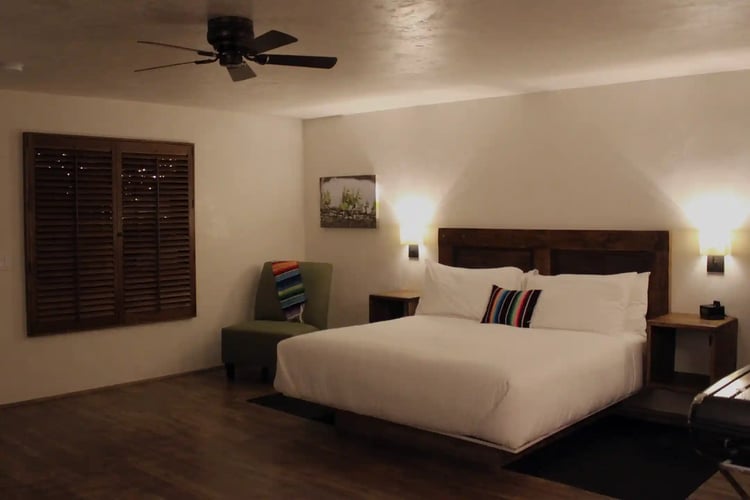
If you want to stage the very best anniversary, choose a suite. It’s tempting to focus on square meters alone, but what truly shapes satisfaction are the circulation of the layout and unbroken sightlines. Even a large suite can feel awkward if flow is poor, and window placement can rob you of a view.
Great suites guide you smoothly from entry hall to bedroom, living area, and bath, letting the scenery greet you at every turn. Interiors should be arranged with two people in mind.
Think: sofas or daybeds positioned to face each other for conversation; TVs and furnishings angled so both of you can enjoy them. Details like these prompt that one-word verdict: “impeccable.”
If you’ll order in-room dining, consider service flow too. A dining table near the entry lets staff serve quickly before dishes cool.
Meanwhile, bedrooms and bathrooms belong deeper in the layout as private zones—so you can truly relax out of sight. For the bath, check whether two can use it comfortably: double sinks, separate tub and shower, and a generous dressing area all make mornings and evenings smoother together.
In short, don’t judge a suite by size alone. Look for design choices that remove friction and make your time as a pair effortless.
The Conditions for Quiet
“Quiet” is a luxury with no substitute. To secure it, start with soundproofing: thick walls and floors, acoustic doors, and double-glazed windows drastically cut outside and next-room noise. Hotels on major streets or by stations are more exposed to traffic noise—if possible, choose a set-back location or higher floors.
Next, room placement and floor circulation. Rooms near elevators and lounges pick up passing voices; if quiet matters, avoid them. As noted, corner rooms tend to be calmer. Also consider what sits above and below—top floors, for example, mean no footfall overhead.
Some hotels designate “quiet floors,” allocating families with young children to lower levels and adults or business travelers higher. If that suits you, request it when booking.
Light and view also shape atmosphere. East-facing rooms invite a fresh sunrise; west-facing rooms bathe in romantic twilight. Sunlight has a drama artificial lighting can’t replicate—so note the window orientation. If you want to sleep in, choose a darker room with blackout curtains.
Check for terraces or balconies. A terrace room lets you savor the outdoors in private—stargazing at night, coffee with birdsong in the morning—restorative moments you won’t find inside alone.
Finally, lighting. Rooms with dimmable indirect light let you set the mood and relax into the evening. Warm tones paired with gentle music have a way of lifting you out of ordinary time and into something special (*1).
With conditions like these, you can revel in quiet time for two. If unavoidable noise looms (construction, festivals), be willing to change dates or hotels—quiet is that essential.
Smart Ways to Use the Lounge and Perks
If your room includes club lounge access—or you have elite benefits—leverage them to raise your satisfaction. Start by timing your lounge visits.
Afternoon tea just after check-in and evening cocktails often get busy; shift slightly off-peak for a calmer experience. For instance, skip the first hour of cocktails; head in about an hour after service starts for easier seating and unhurried staff attention.
You can also split breakfast between lounge and restaurant. The club breakfast is peaceful but sometimes simpler; try day one with a leisurely in-room breakfast tray, then day two with the main dining room’s buffet to enjoy both.
In-room breakfast is your chance to clink glasses of champagne under the covers; restaurant breakfast lets you watch a chef make an omelet to order—classic hotel theater.
Use benefits freely: early check-in/late check-out amplifies your time together. Don’t miss spa discounts or welcome drinks at the bar. If a two-night plan offers a percentage off treatments, seize the chance for a celebratory couples massage.
Lounge concierges can help stage surprises—serving a cake in the lounge to avoid crowded restaurants, or placing flowers at your seat. Flexibility is a lounge specialty.
The keys: avoid peak times and make full use of what’s offered. At your pace, relish those perk-filled hours like gifts from the hotel.
Dining Strategy—Private Rooms, Chef’s Table, and In-Room
An anniversary meal is the highlight of your trip. It becomes unforgettable when flavor, story, and presentation come together. Quality is a given, but a chef’s or sommelier’s stories about the ingredients add another layer of meaning—at HOTEL THE MITSUI KYOTO and other top Kyoto hotels this narrative is part of the theater.
As for presentation, lighting, table settings, music, and pacing are all part of the experience. Warm light and a gentle tempo of music lift you out of daily life and into a time set apart.
When all five senses are engaged, your experience goes beyond “the food was delicious” to something deeper. Still, presentation should never overshadow the star—the cuisine. Light and music should play supporting roles, elevating the dishes.
Seating influences the experience too. Chef’s tables bring the theater of the kitchen to you; window seats raise the drama with a night skyline or garden backdrop. Private rooms, on the other hand, cocoon you in your own world. Choose what you value most—views or privacy.
If you’re planning a surprise, coordinate with staff in advance—timing for a dessert message, the cue for presenting flowers, and other behind-the-scenes choreography. When music, lighting, seating, and service move as one, a special dinner truly shines.
Customizing the Course
For a special-night dinner, weave “the two of you” into the menu. A message plate is classic and effective.
A simple “Happy Anniversary” or “Thank you, always” piped in chocolate on dessert instantly personalizes the course. Many restaurants offer whole cakes or message plates for celebrations, and some will take commemorative photos at the end.
If you don’t drink alcohol, try a non-alcoholic pairing. It’s a major trend at top restaurants worldwide and delivers the same sense of discovery without alcohol. Even avid wine lovers are trying zero-proof pairings for a fresh perspective. Of course, traditional wine pairings can be reserved ahead.
Some places can customize parts of the course—switching fish to meat, or making the dessert anniversary-style—so don’t hesitate to ask. For a fine-dining chef, crafting something just for you is a joy. The result is a one-of-a-kind, made-to-order menu you’ll never forget.
Optimizing Seating and Service Flow
To make your anniversary dinner perfect, mind both your seat and the pacing of service.
Window tables are a perennial favorite with couples—romance comes naturally with a skyline or garden view. They’re popular, so request them early.
Private or semi-private rooms are also worth considering. A private room prioritizes conversation and makes surprise moments—like handing over a gift—easier to stage.
Semi-private sections keep you tucked away while staying within easy reach of staff. If the restaurant has a chef’s table, the live energy can be thrilling for food lovers.
Service pacing matters. Too quick feels rushed; too slow drags. Ideal service matches the rhythm of your conversation and appetite—clearing plates and presenting the next course at just the right moment.
If you want a leisurely evening, simply say, “We’re not in a hurry tonight; please serve at a relaxed pace.”
For precise moments (say, a surprise cake), agree on timing: “After dessert and before tea, please bring the cake.” Clear notes help the staff deliver flawlessly. As for quick breaks (restroom, etc.), try to go before the next course arrives—the team will pace service accordingly.
Finally, choose the moment for your surprise. Many opt for dessert, but opening with a champagne toast and message can be just as powerful. Align with staff to land the perfect cue. Optimizing seating and service flow means staging your evening so you remain the leads—share your intent, and let the team help you create something beautiful together.

Making the Most of In-Room Dining
If you want “a two-person dinner in an exquisite private space,” in-room dining is your best friend—your room becomes a private restaurant where you can truly relax. To make it special, add a few thoughtful touches.
First, mind serving temperature. Because dishes travel, they can cool; hotels that use warmers or cloches keep things at their best. Lift covers promptly and enjoy while hot. If you order a course-style meal, ask that dishes arrive at proper intervals.
Next, the table. Have the team lay a cloth on the dining or window table; add fresh flowers or candles and the atmosphere rises immediately. Some hotels will arrange bouquets, candles, or balloons on request. A fully set table in your room, combined with absolute privacy, tastes like luxury.
Play your favorite music softly (respecting neighbors). Many hotels lend Bluetooth speakers—use them.
After dinner, you might head to the bar—dressing up for a nightcap is a grown-up pleasure. A short stroll helps you reset; savor that final drink with a view or live piano.
Or, never leave the room—order a bottle of champagne and toast together on the balcony.
In-room dining can be staged in countless ways. Lean into its advantages—privacy and your own pace—to craft an evening that’s entirely yours.
Case Study|HOTEL THE MITSUI KYOTO(HOTEL THE MITSUI KYOTO | Hotel The Mitsui Kyoto)
From here, we spotlight HOTEL THE MITSUI KYOTO as a model that embodies the principles above.
Opened in 2020 opposite the UNESCO World Heritage site Nijo-jo Castle, the hotel stands on the former estate of the Mitsui family—a storied location—and has earned high praise for fusing Kyoto’s traditional beauty with contemporary luxury.
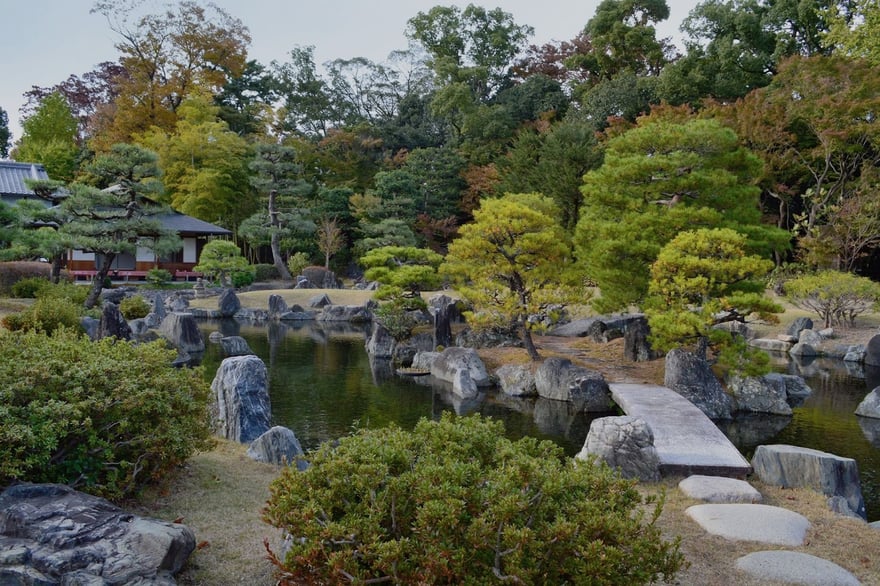
At the heart of its expansive grounds lies a roughly 1,300㎡ courtyard. The design integrates architecture and garden in the spirit of “niwa-ya ichinyo” (garden and building as one). Reflections on the water, seasonal plantings, and sukiya-inspired details wrap you in Kyoto’s quiet grace—hospitality grounded in stillness.
You feel it everywhere: a refined hush. The Thermal Spring SPA, an on-site facility for guests, draws natural hot spring water from underground; within the gentle sounds of water, you are invited to slow down (*1). Staff move and speak with poise—never rushed. Service remains attentive and flexible enough to support surprise moments when you ask.
Art and décor throughout incorporate Kyoto’s traditional craftsmanship, creating a stay that’s serene yet stimulating. With Nijo-jo’s historic presence beyond the water feature’s flickering lights at night, HOTEL THE MITSUI KYOTO stands as an ideal case study in Quietness, Refinement, and Rarity.
Reasons to Choose It
There are three major reasons HOTEL THE MITSUI KYOTO suits an anniversary.
First, a one-of-a-kind location: directly opposite World Heritage–listed Nijo-jo. You can see the castle’s stone walls and turrets from rooms and restaurants—history from the Edo period right before your eyes (*1).
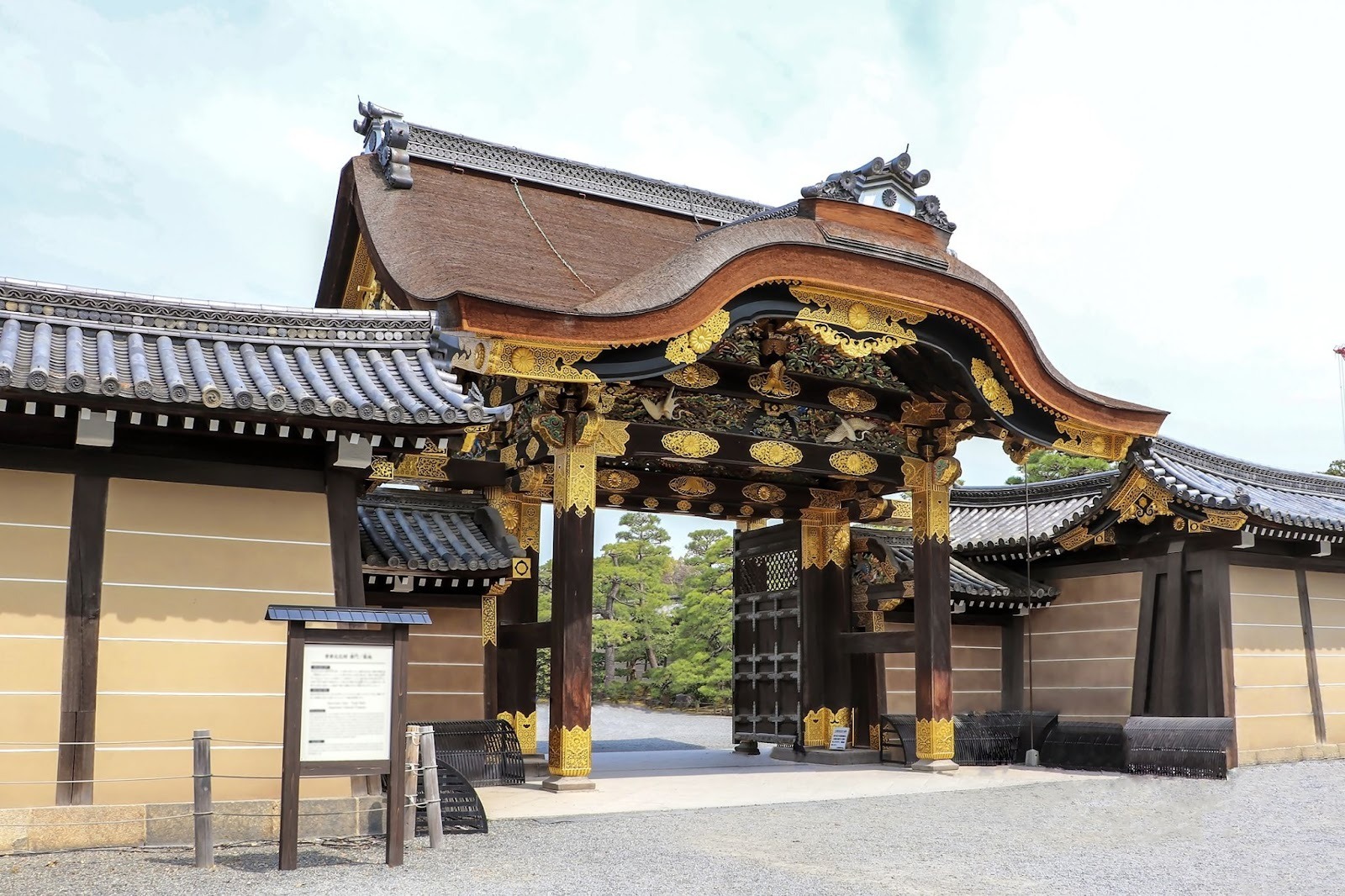
The site was once the vast residence of the Mitsui head family, and the historic “Kajiimiya Gate,” built more than 300 years ago, has been restored as the entrance. Simply standing where past and present meet is a rare experience.
Second, architecture centered on garden and water. A stroll garden spreads through the central courtyard, changing expression with the seasons. At night, the water feature glows; reflections ripple along the arcades—purely photogenic.
The building keeps a low profile, blending into Kyoto’s streetscape—a gesture of respect. The philosophy of “garden and architecture as one” has earned recognition in architectural awards at home and abroad (*1).
Third, hospitality rooted in quiet. The hotel is strikingly calm; staff behavior is unhurried and considerate. From check-in to turndown, every gesture is careful and composed, so you stay relaxed throughout.
At the spa and lounge, support is discreet yet precise—appearing when you need it. Instead of loud theatrics or over-service, the hotel offers what truly counts: time itself, quiet and well-made.
Together—rare location, garden architecture, and tranquil hospitality—make HOTEL THE MITSUI KYOTO a flawless choice for an anniversary.
Recommended Room Categories
For an anniversary, we especially recommend the castle-view suites such as the Nijo Suite and the premium garden-view rooms near the bathing facilities.
The Nijo Suite spans 112㎡ and uniquely overlooks the Important Cultural Property East Otemon Gate and corner turrets of Nijo-jo (*1). The castle’s stone walls and greenery fill the panoramic windows—solemn by day and dreamlike at night—an overwhelming view worthy of the occasion.
Inside, Japanese aesthetics lend a quietly elegant mood—tea-room touches heighten the sense of departure from everyday life. Sit side by side on the window-side bench, much like an engawa, and the Nijo view becomes yours alone.
Premium rooms facing the garden are also superb. Morning light meets the trees; in late afternoon, shadow and glow create a moving tableau.
Corner rooms with windows to the east and south let you enjoy both sunrise and sunset—capturing Kyoto’s changing sky in private. Open the curtains and the courtyard becomes a framed painting, always photogenic.
If you plan to use the onsen and spa frequently, rooms near the first-floor spa area make it seamless—especially nice when you want to slip straight back to your room after a soak.
Corner rooms at HOTEL THE MITSUI KYOTO are prized for quiet and openness, with windows on two sides. A Garden View Corner Room, for example, lets you take in the courtyard and a second outlook at once, boosting privacy and sense of space.
In sum: for anniversaries, target garden views, corner positions, morning-and-evening light—and, if budget allows, a suite. From a special castle-view suite to a serene premium room balancing views and quiet, you’ll find the right fit for your style.
How to Use the Private Spa
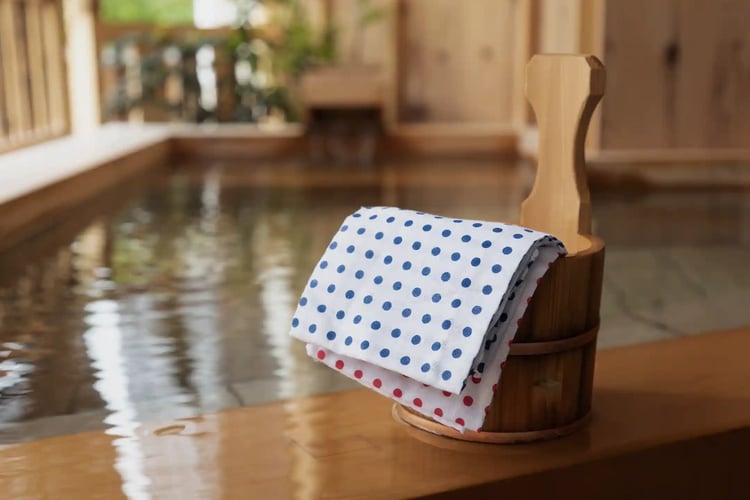
One of the hotel’s crown jewels is the guest-only hot spring area, Thermal Spring. Drawing natural onsen water from 1,000 meters underground, it’s a rare privilege to enjoy these waters within the hotel—don’t miss it.
Consider reserving a private onsen. In an approximately 100㎡ space with open-air and indoor baths plus a “wet living” lounge area, it’s tailored for couples (*1).
Rates start at 24,500 JPY for 60 minutes, but for a once-in-a-lifetime memory, it’s money well spent. Reservations are essential—book as soon as your schedule is set. In this private setting, you can take photos and linger at your own pace—pure bliss.
Staff set the water to a comfortable temperature, but remember to hydrate—especially if you love long soaks. After bathing, enjoy a drink in the wet lounge.
Put a couples treatment on your list as well. Warm up at the Thermal Spring and then head to the spa for a side-by-side massage—deep relaxation for body and mind. Treatments using yuzu or hinoki essential oils imprint the memory through scent (*1).
Ask for a couples room when booking. A smooth sequence is: private onsen in the afternoon of arrival, followed immediately by your treatment—warm muscles make the massage even more effective. Arrive at the spa reception a little early.
Spa schedules can fill up; reserve proactively. Inquire about desired time slots when you book your room; if the anniversary hour is taken, consider the following morning.
Finally, don’t skip the shared Thermal Spring area—onsen pool and sauna. Swimwear is required, and it’s mixed-gender so you can go together. Hours are 7:00–23:00; children 4–12 may use it from 9:00–17:00, otherwise it’s adults-only and especially quiet. Details such as hours and fees may change—confirm the latest with the hotel when booking.
Aim for later hours to have the expansive onsen pool nearly to yourselves. Use the hot springs more than once—twice, even three times—so you’re fully refreshed when you celebrate.
Photogenic Spots at HOTEL THE MITSUI KYOTO
HOTEL THE MITSUI KYOTO is rich in photo spots for camera-loving couples.
First, capture Nijo-jo’s stone walls. From the courtyard facing the castle, you can frame history, contemporary architecture, and sky reflected on water—a Kyoto-meets-luxury shot. Golden hour is magic, when the stone glows.
Second, the water feature and arcade. By day, the surface sparkles; at night, lantern light traces the walkway. Photographing the arcade after dark gives you layered depth and a cascade of gentle lights—like a film scene. Kimono here looks especially striking.
Third, the stone-paved approach from entrance to lobby—an “arcade of light.” Bamboo-inspired fixtures send fine strands of light from floor to ceiling. Come when it’s quiet and you’ll seem to float in light—perfect for a unique portrait.
Fourth, the window seats in your room. In the Nijo Suite and garden-view rooms, picture windows become living canvases. Sit together at the window bench, stand in silhouette—let sunrise or night lights set the mood for a dramatic portrait.
Finally, explore art and furnishings: contemporary pieces in the lobby, ikebana displays, tea-room-style lounge décor—subjects that blend Kyoto grace with modernity. They telegraph “Kyoto × Luxury” in every frame.
Please be mindful of other guests’ privacy; avoid capturing them without permission. Ask staff before using flash or tripods. In a space made for the extraordinary, your photos will keep the memory vivid for years.
Seasons and How to Avoid Crowds
Given Kyoto’s appeal, spring cherry blossoms and autumn foliage bring heavy crowds. To keep things comfortable, choose your dates and times with care. When possible, book weekdays. Weekends and holidays draw more visitors; weekdays tend to be calmer (*3).
For popular spots, go early. If you plan to see special events at Nijo-jo (like cherry-blossom illumination), consider late-evening slots or explore the castle area at first light—both strategies help you avoid the crush. During your stay, breakfast before 8:00 and spa visits later at night also preserve quiet.
For sakura and foliage, reserve well in advance. Kyoto’s top properties can sell out more than six months ahead. If your anniversary falls in peak season, book as soon as you can.
Weekends in peak bloom or mid-November are especially competitive—look for early-bird or multi-night plans. Stays of two nights or more may get priority for rooms or more flexible date changes.
If weekends are your only option, consider waitlists and last-minute calls—you might catch a cancellation.
Tailor your plans to the season. In full-bloom spring, you could even “flower-view” in the hotel’s courtyard—shidare-zakura from a private bench is incomparable. In autumn, visit famous temples at dawn and return for afternoon tea—using time-of-day to beat the crowds.
If you must go out midday, ask the concierge for quieter, lesser-known viewing spots; local tips are gold. Prepare rainy-day backups too.
If it rains on your anniversary, there’s still plenty to enjoy: long spa sessions, guided hotel tours exploring architecture and history (when available), or a film in your room.
HOTEL THE MITSUI KYOTO also offers cultural programs—try tea ceremony or incense appreciation on rainy days. Savor Kyoto’s seasonal charms and sidestep crowds to make your anniversary richer and more relaxed.
Anniversary Model Plan at HOTEL THE MITSUI KYOTO (1 Night, 2 Days)
Finally, here’s a 1-night, 2-day model plan based on the points above. It’s paced to follow the movement of light and people so you can make the most of your anniversary in Kyoto.
Day 1
13:00 Check-in & Garden Stroll – Arrive a bit early, leave your bags, and complete check-in (use early check-in if you have it). Once you’re shown to your room, head straight to the courtyard before settling in. Early afternoon is quieter—start with a commemorative photo together.
Use the castle’s stone walls as a backdrop and the water feature’s edge for a self-timer shot—your first favorite of the trip. Then enjoy the welcome matcha and sweets in the lobby. As you look out across the courtyard from the atrium, the feeling of being “away” sinks in.
15:00 Reset at the Spa – With a 3:00 pm private onsen booking, make your way to the spa. Change into yukata and slippers at reception and enter your private bath area. Soak in a wide, silent bath made just for two and smile at the luxury of it. Toast with a yuzu-honey drink afterward.
Head to the treatment room for a 60-minute couples massage. Wrapped in the scent of yuzu, you let go of tension and find a calm, unhurried state.
17:30 Sunset Toast – Back in your room, watch the evening sky. As the west turns crimson and Nijo-jo’s silhouette emerges, order a half-bottle of champagne. Step onto the terrace with your glasses. With only wind and water as the soundtrack, toast: “Here’s to us.” As crimson deepens into indigo and the castle lights glow, you have the moment to yourselves.
19:00 Private-Dining Dinner – In the hotel’s Japanese restaurant, your private room awaits—tatami underfoot, a hinoki table, and a handwritten “Congratulations” card from the okami-san.
You pre-arranged slight tweaks to the course: a soup using your partner’s favorite sea bream, and an amuse with French cheese from a place meaningful to you both—touches that surprise and delight. The head chef stops by to say, “Congratulations on your wedding anniversary.”
Dessert arrives with “祝” in gold leaf on matcha mousse. As you snap photos, a staff member offers to take one of you and prints it with a mount on the spot—thoughtfulness that warms the heart.
21:30 Nightcap – Before returning to your room, slip into THE GARDEN BAR. From the counter, gaze at the illuminated courtyard with a whiskey on the rocks and a seasonal mocktail. Soft jazz plays as you replay the day, glasses in hand. “What a beautiful day,” you whisper—and the drinks taste smoother than usual.
After, walk the arcade in the night air. Back in your room, turndown lighting glows softly—and a petite celebratory pastry from the hotel waits as a surprise. With gratitude for every last detail, you sink into a cloud-soft bed and drift off happy.
Day 2
6:30 Morning Stroll – Rise a little early, get ready, and step into Kyoto’s quiet dawn. Just outside, walk the moat of Nijo-jo. In clear air, you hear birds and the brush of wind on water. In sakura season, blossoms reflect in the moat—spectacular. A sunlit photo by the stone walls becomes a new favorite. With hardly anyone around, you smile: “It feels like a different world.”
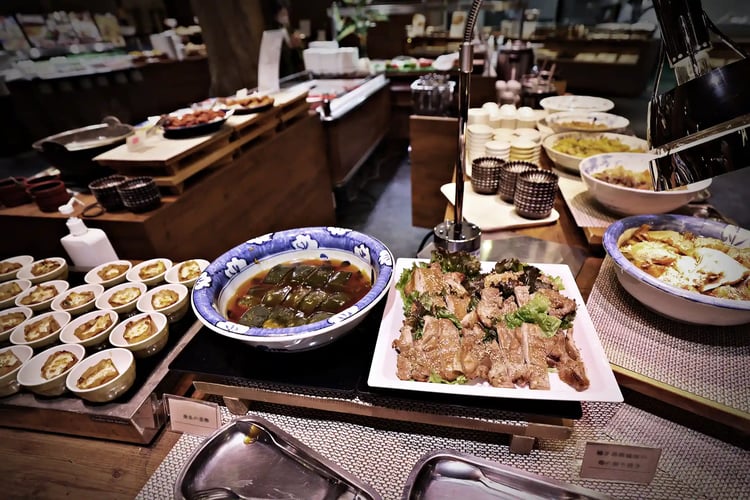
8:00 Breakfast in the Restaurant – Back at the hotel, enjoy the main dining room’s breakfast buffet. You choose a Kyoto-inspired, nourishing spread—obanzai small plates, grilled fish, a fresh tamagoyaki—to savor by the window with a garden view. A freshly made matcha latte at the end seals the feeling: “This is a Kyoto morning.”
10:00 Cultural Experience – Join the tea ceremony workshop you reserved, held in “Shiki-no-Ma,” a special room said to recreate the Mitsui family’s oku-shoin. With a teacher explaining in part in English, you learn the spirit of tea and whisk your own matcha. In the room’s silence, the sound of the chasen becomes a heartbeat; taking turns serving each other somehow draws you closer. “Challenging but wonderful,” you agree—grateful for a deeper connection to Japanese culture.
12:00 Check-out – At check-out, a smiling farewell: “Happy anniversary. We look forward to welcoming you again.” It’s hard to leave, but you carry countless memories and a strengthened bond.
This model is just one example, but the principles are timing and staging: lean on the quiet of morning and evening, sidestep crowds while chasing beautiful light, and draw fully on the hotel’s facilities and services to craft an extraordinary experience. Add your own touches and make your anniversary uniquely yours.
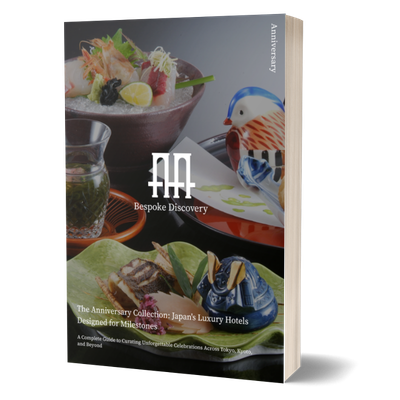
The fuller landscape of a milestone
This article followed a single thread. The Anniversary Collection brings Japan's most considered hotels together in one place—the design, the landscapes, and the quiet craft of marking a moment—so an occasion can be understood in its wider context. A more connected way to find where yours might belong.

In Closing
An anniversary trip marks a chapter in your life together—a chance to reaffirm and deepen your bond. A quiet, refined luxury hotel multiplies the value of that time.
We’ve covered how to choose a property; how to make the most of rooms, dining, and spa; the appeal of HOTEL THE MITSUI KYOTO as a prime example; plus a model plan and practical notes. The aim was to ground the guidance with sources while speaking to your emotions.
If this article helps you plan, even a little, we’re honored. And may the sound of glasses meeting—while you watch lantern light shimmer on water in Kyoto’s quiet night—become a harmony you’ll never forget. Let a five-senses journey open your next chapter together. Wishing you both a lifetime of happiness.