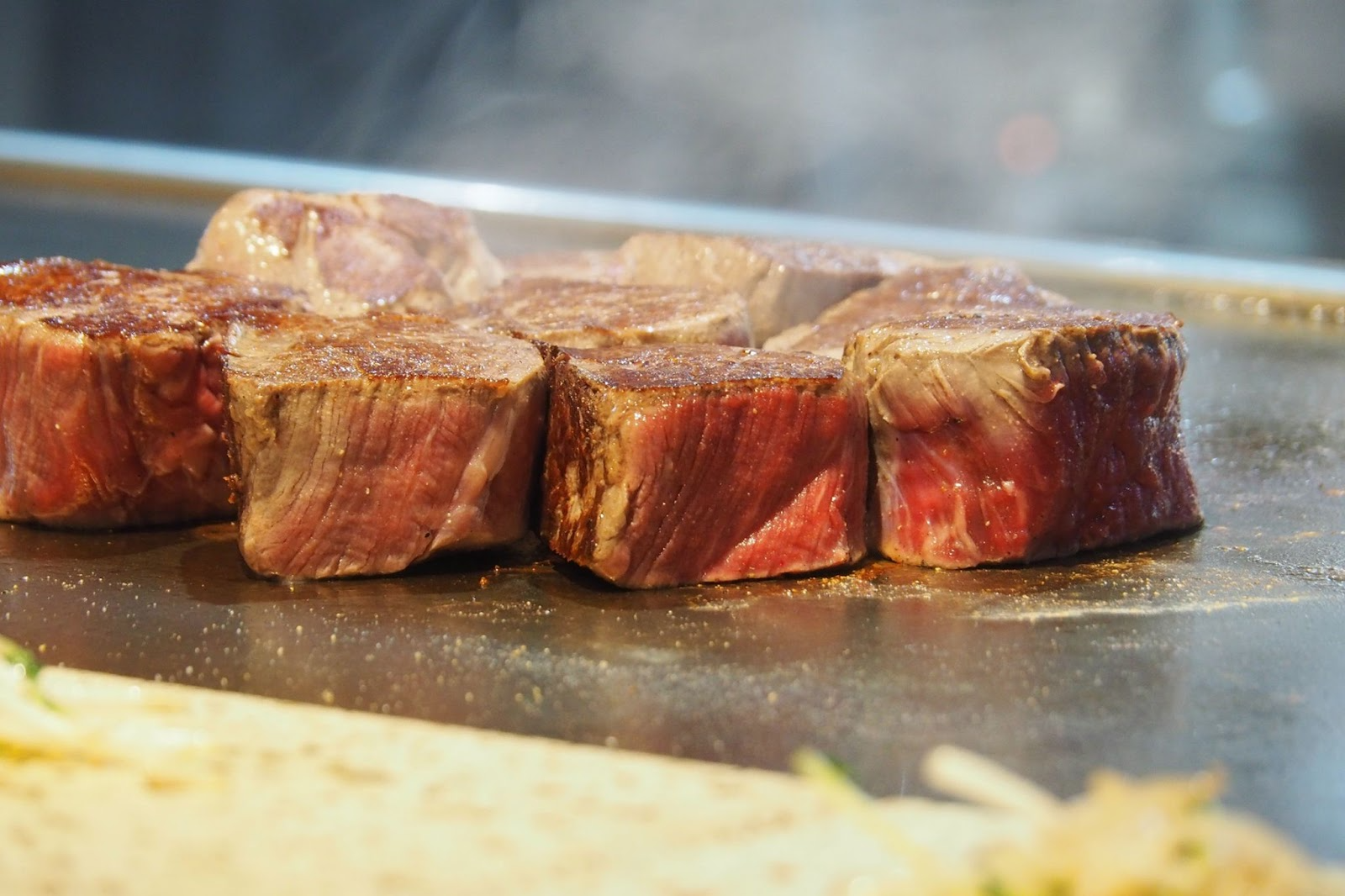
For many Western travelers, “Kobe Beef” is one of the first encounters with Japan through taste—an iconic experience that lingers long after the journey ends. Unlike Western steak culture, where bold, lean cuts often take center stage, in Japan the fine marbling of fat is prized as a kind of “melting sweetness.”
This difference in taste becomes an entry point into understanding each other’s food cultures more deeply. In this article, you’ll trace the history and production background of Kobe Beef, explore Kobe’s unique cityscape, and discover recommended restaurants—useful if you’re wondering where to eat Kobe beef in Japan—so your trip transforms into a richer journey of cultural connection.
What Is Kobe Beef? History and the Appeal of the Brand
Kobe Beef refers to a rare type of Wagyu from Hyogo Prefecture’s Tajima cattle that meets the strictest standards. While in the West the focus is often on “breed” or “cut,” in Japan quality is defined by a trinity of bloodline, rearing environment, and final finish. In the Tajima region, cattle have long been integral to farming and transport.
The lineage of Tajima cattle is said to stretch back more than 1,000 years, but it was after the Meiji era that refinements led to the Wagyu culture you see today—a path that stands in stark contrast to Europe, where the Industrial Revolution propelled livestock farming toward mass production.
Tajima’s climate, with sharp temperature shifts and pure water sources, fosters grasses that encourage fat to spread slowly and finely into muscle fibers. Farmers treat cattle not as “resources” but as “family,” raising them for around 30 months in low-stress environments. This way of “living together” reflects a rural Japanese philosophy of human–animal coexistence.
Behind the beautiful marbling—often praised as a “work of art”—lies a Japanese sensibility that honors harmony between nature and people. The brand’s strict certification and GI recognition further protect its authenticity and reputation.
The GI Mark, and the Science Behind the Melt
Kobe Beef carries a legal protection that most luxury foods do not. In 2015 it was registered under Japan's Geographical Indication system, alongside Tajima cattle, among the first domestic products to receive that status—so the mark on a menu is a state-backed guarantee of origin rather than a restaurant's own claim. Only about half of the cattle assessed clear the standard, which is the plainest explanation of the rarity.
The texture has a measurable cause. Kobe Beef fat is unusually high in monounsaturated fatty acids, chiefly oleic acid, which melts at a temperature low enough that it begins to give way at body heat. That is why the marbling reads as dissolving rather than rich, and why serving temperature matters more here than with ordinary beef.
The Rearing Standard Behind the Name
The criteria are unusually specific. The cattle must be purebred Japanese Black Tajima-ushi raised within Hyōgo, and either unbred females or castrated males; only carcasses graded at the very top—A4 or A5 equivalent, with exceptionally high marbling scores—earn the name. Calves are marketed at eight or nine months old and then fed meticulously for roughly thirty months on high-quality hay and grain in a deliberately stress-free environment, which is what lets fine marbling permeate the muscle rather than sit in seams. Brand control matches the rearing: Kobe Beef is a registered trademark, and only shops designated by the Kobe Beef Marketing & Distribution Promotion Association may sell it under that name.
How a Local Beef Became an International Name
The reputation was made by visitors, not by marketing. Before the Meiji Restoration beef was not commonly eaten in Japan, yet foreigners arriving after the ports opened quickly admired Tajima-ushi, and in the 1860s beef shipped from Kobe to the foreign settlement in Yokohama impressed diners enough that they began calling it Kobe Beef. After Kobe Port formally opened in 1868, word of mouth among visiting foreigners carried the name to Europe and America, and as Japan's own beef-eating culture grew through the Meiji era its standing as an elite delicacy only hardened. The official definition was codified in 1983, which is when full-scale brand management and international promotion began—so although the name is old, the system protecting it is comparatively recent.
A Walking Guide to Kobe: Where Food and Culture Meet
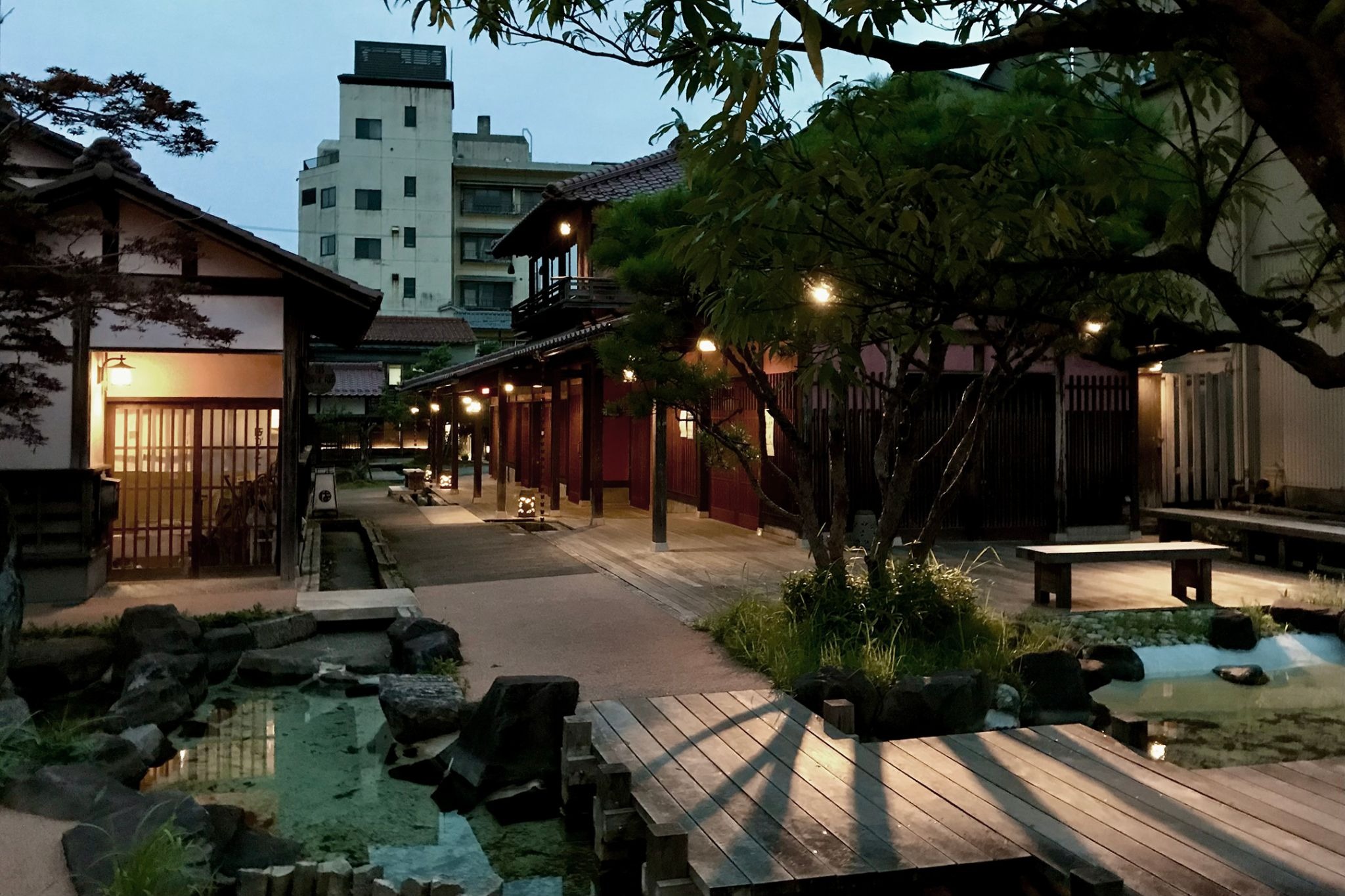
Since its opening as a port city in the 19th century, Kobe has thrived as a gateway where cultures intersect. In Kitano, the Western-style residences of the Ijinkan district stand in striking contrast to traditional Japanese wooden homes, with stone architecture expressing foreign aspirations yet blending with Japanese roof tiles and verandas. This hybrid aesthetic reflects Japan’s remarkable ability to adopt outside influences and make them its own.
The grid-like streets of the Old Foreign Settlement are remnants of Western city planning. As you pass stone façades of historic buildings, you’ll notice how seamlessly Japanese life has woven such architecture into daily rhythms. By the time you head to a steakhouse under the glow of gas lamps at dusk, you no longer feel like a visitor but part of the unfolding story.
Going to the Source: Ranches and the Butcher's Counter
For travellers who would rather see the animal than only the plate, northern Tajima keeps working ranches open to guided visits, and watching cattle graze well away from the city tends to reset how the meal reads afterwards. Kakogawa, in south-eastern Hyōgo, has been a Kobe Beef distribution hub for more than 150 years and now hosts butcher's cutting and sensory-evaluation workshops—the closest most visitors will get to understanding why one carcass is graded above another. Kyoto has its own version of the experience indoors: private teppan counters set in historic machiya, among them Gion Mikaku, founded in 1929 beside the Shirakawa canal.
Tajima: The Ranch Park and the Cattle Museum
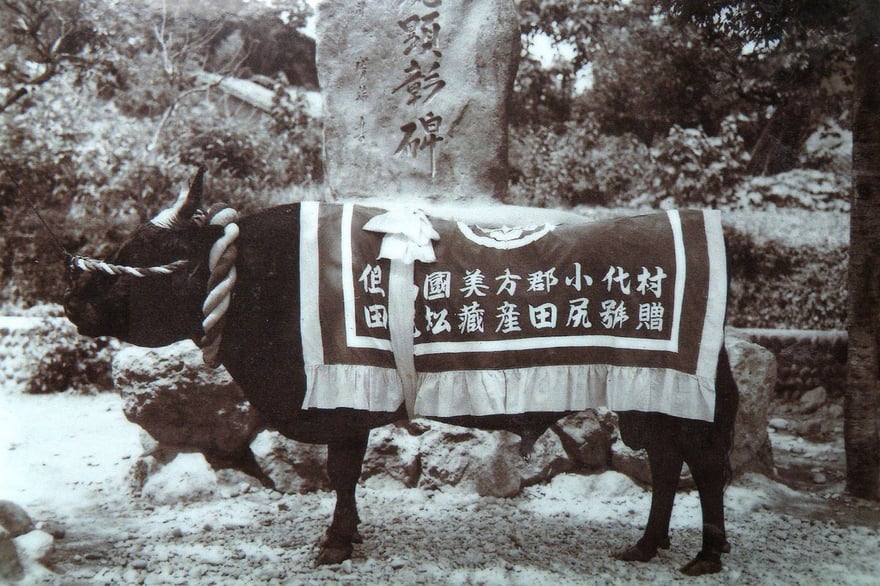
If you want to see where the lineage begins, Hyōgo Prefectural Tajima Ranch Park in Shin-onsen Town is a public ranch built for exactly that. Tajima cattle graze on the grounds alongside educational exhibits, and the on-site lodging serves Tajima beef and, in season, Matsuba crab. Inside the park, the Tajima Cattle Museum sits in the Ojiro district, a historic cradle of the breed; the ground-floor desk explains the exhibits in English, and upstairs you will find a taxidermy mount and a large model of Tajiri-gō, along with a chart showing that 99.9% of wagyu in Japan descends from that single bull. With advance notice, the Ojiro Guide Club will walk you through the barns and put you in front of the producers themselves. Getting there takes about three and a half hours by direct bus from Osaka or Kobe.
Kakogawa: Watching a Side of Beef Come Apart
For something closer to the trade itself, Kakogawa in southeastern Hyōgo has been a Kobe Beef distribution hub for more than 150 years. Since 2025 its Meat Artisan Experience Tour has opened that world to visitors: a mock auction at the meat market, then carcass breakdown watched up close, then a butcher portioning a side of beef with you attempting some of the cutting under guidance. It ends at the on-site restaurant with meat cake shabu-shabu—layers of thinly sliced Kobe Beef, a form certified by Guinness World Records at the 2024 Japan Beef Festival as the world's largest raw meat cake. Seeing the breakdown first changes how the eating feels. The tour is certified under Hyōgo's Field Pavilion programme, which ties food production to tourism and education.
Recommended Restaurants: Where to Eat Kobe Beef in Japan
Misono Kobe Main Restaurant – Founded in 1945, this legendary teppanyaki house pioneered the live-cooking style you see today. Inspired by “open-kitchen” concepts brought by foreign residents after the war and fused with Japanese craftsmanship, its sizzling iron grill becomes a stage where sound, aroma, and anticipation transcend language.
Kobe Steak Restaurant Mouriya – At this long-established counter-style restaurant, chefs cook Kobe Beef right before your eyes. While Japanese culture often emphasizes concealing backstage work, here transparency builds trust—an encounter with openness that resonates with Western dining values.
Steakland Kobe-kan – A large, popular spot offering Kobe Beef at more approachable prices. Sharing a line with others may feel unusual if you value personal space, but conversations while waiting often spark a sense of camaraderie that transcends borders and generations.
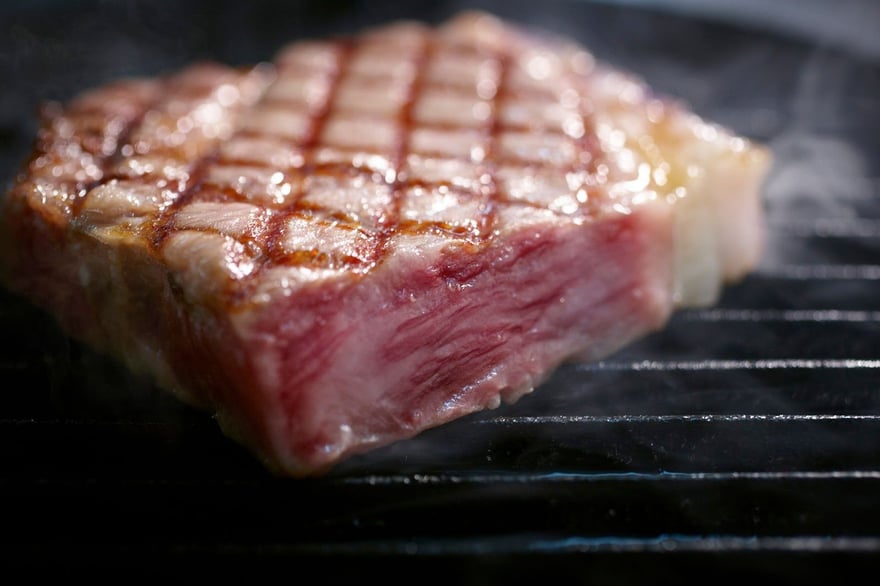
How to Choose a Kobe Beef Restaurant: Enjoying Different Styles
Teppanyaki Style – Immersed in the Drama
Teppanyaki is where food and entertainment merge. While Western BBQ celebrates boldness, Japanese teppanyaki captivates with quiet pauses and refined movements. Sharing your preferences with the chef and watching flavors shaped just for you becomes a cross-cultural dance of mutual trust.
Kaiseki Style – Experiencing the Heart of Japanese Aesthetics
From lacquered bowls to plates adorned with seasonal flowers, every dish embodies the idea that “you eat with your eyes.” When Kobe Beef appears mid-course, it feels like the star rising onto the stage—heightening emotion within a serene flow. Savoring this slower rhythm lets you feel the heartbeat of Japanese culture.
Casual Steakhouses – Affordable Indulgence with Japanese Hospitality
Standing bars and beef sushi may recall Western street food, but the moment staff greet you in polite Japanese, you discover the distinct charm of “casual comfort wrapped in courtesy.”
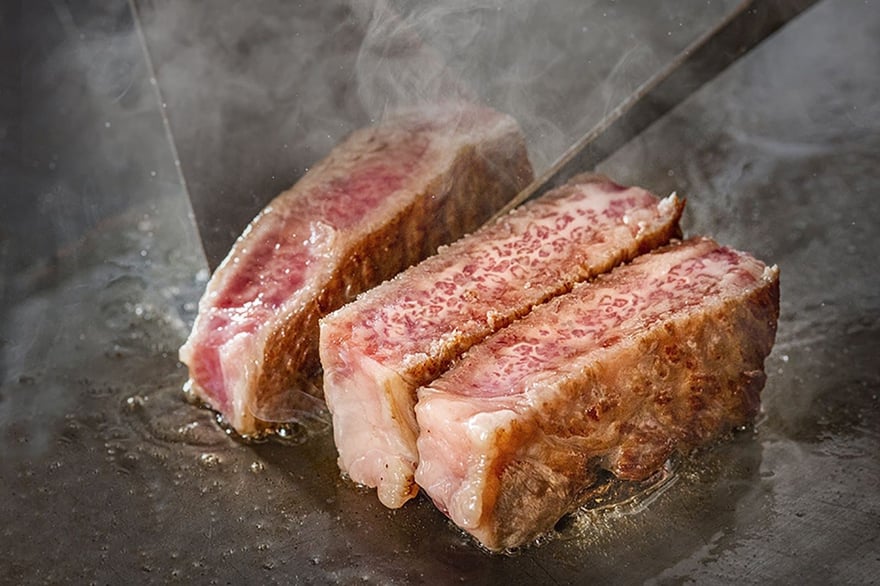
Choosing a Restaurant: Room, Chef, and Budget
Atmosphere does real work here. Long-established steakhouses often occupy stately Western-style mansions with a calm, historical feel, while newer venues pair modern Japanese aesthetics with glass-walled rooms over the cityscape—worth assessing on official sites and reviews in advance, since counter seating, a private room, and a view are genuinely different evenings. The chef's approach matters just as much: teppanyaki counters trade on live cooking, the sizzle and knife work engaging every sense, whereas a grilled steak or sukiyaki course invites a slower pace.
Budget is more flexible than the name suggests. Dinner courses at high-end venues often start above ¥10,000 per person, but lunch menus frequently serve the same beef at more approachable prices, and sampling a lunch course before committing to a full dinner is a clever way in for first-timers. Popular restaurants fill quickly and some accept reservations only, so book ahead; a hotel concierge can bridge the language gap. One last check worth making: confirm the venue is officially certified, since lists of genuine purveyors are published, and that single step removes most of the risk of paying Kobe prices for something else.
Restaurants Where Design Meets Culinary Art
Modern-Classic Fusion Spaces
At Kobe Beef 512, the interplay of wood, stone, and light creates minimalist elegance that embodies the Japanese idea of appreciating “empty space.” Unlike lavish Western interiors, the pared-back design elevates the cuisine as the true protagonist.
Private Dining Luxury
In Kyoto’s Nikuyakou, private rooms with attentive staff adapt to the subtle rhythms of your presence. The balance of Western privacy and Japanese omotenashi turns dining into a resonant, deeply personal experience.
(Reference: Kobe Beef 512 Official Website “Interior” – Modern Japanese-style interior using wooden lattice and earthen walls, promoting the “fusion of Japanese tradition and modernity” https://kobebeef512.jp/interior/)
(Reference: Ikkyu Restaurant (Nikuyakou) Listing “A Special Moment to Savor the Finest Meat in a Private Space” – Kyoto restaurant offering Kobe Beef and branded Wagyu in all-private dining rooms https://restaurant.ikyu.com/113017/plan11486050)
Kobe rewards pairing the meal with the city around it. The Kobe City Museum, housed in a stately western-style building in the former foreign settlement, is the natural starting point, and the craft studios nearby—leatherwork and pottery among them—offer the kind of hands-on session that a book or a video cannot substitute for. Working clay under a maker's guidance, in a ceramic tradition over eight centuries deep, turns an afternoon between meals into part of the same journey rather than a gap in it.
Presentation is treated as part of the dish rather than dressing on it. Japanese cuisine prizes eating with the eyes, weaving seasonal motifs and chosen tableware into each course—cherry petals and young greens in spring, turning leaves in autumn—and at the top of the market that sensibility is refined further, the sheen of marbling set against carefully selected ceramics with deliberate attention to balance and negative space. Several restaurants have gone further and partnered with galleries and museums, displaying artwork in the room or building limited menus around exhibitions, so that the venue itself amplifies the story rather than merely housing it.
The counter is also where the learning happens. Chefs grilling in front of you will explain salt levels, doneness, and the character of each cut, and tasting events and short lectures—increasingly offered in English—cover breeding and certification as readily as cooking. For anyone who wants to go past the meal, ranch tours and brand information centres in Hyōgo let you hear about stress-free rearing and pedigree registration firsthand, which produces something close to the satisfaction of learning a painting's provenance.
Sustainable Kobe Beef – Supporting Farmers and Communities
Just as the “Farm to Table” movement has spread in the West, the Tajima region has long practiced a cyclical lifestyle where rice straw feeds cattle and manure fertilizes fields. This sustainable cycle echoes today’s environmental consciousness.
In Kurodasho, circular farming systems and educational programs at Tajima Bokujo Park help connect producers’ voices directly to your plate. When children look into the gentle eyes of cattle during farm tours, their understanding of what it means to “receive life” begins to shift. The Japanese phrase “itadakimasu,” spoken before meals, reflects this cultural and ethical awareness.
Traceability: How the Guarantee Is Enforced
The credibility rests on record-keeping that predates the current tourism interest. After the lessons of BSE, Japan enacted the Beef Traceability Act in 2003, assigning an individual identification number to every domestic bovine, and the Kobe association layers DNA verification on top of that. More recently, blockchain-based supply-chain records have been trialled in food distribution generally, which points at where the verification is heading. In practice this means a diner can ask which animal a cut came from and expect a real answer—a question worth asking, since it is the fastest way to tell a certified restaurant from one trading on the name.
Reaching the Terroir by Rail and EV
The journey north from Kobe into Tajima is one of the places where travelling sustainably is also the better experience. Mixing shinkansen and limited express gets you there comfortably at a fraction of the carbon of driving, with farmland and river valleys passing the window; stopping for springs and satoyama on the way is how the terroir behind the beef starts to make sense. The Japan Tourism Agency funds regional rail and visitor-readiness work under its sustainable tourism programme, and in 2024 the public-private GREEN JOURNEY initiative launched with JR Group companies to build eco-friendly model itineraries—EV rentals and e-bikes, local-food dining, souvenirs from recycled materials—aiming at 200 regions by the 2030s.
In the production area itself this is already running. Toyooka City, home to Kinosaki Onsen, rents small electric bikes and three-wheeled tuk-tuks under the name Kinosaki Puchi-Tabi. Capped at 30 km/h and nearly silent, they let you cover the hot-spring town and the countryside around it at your own pace, and reach places that are awkward on foot—while still hearing the wind and the water as you go.
Where to Eat Kobe Beef Outside of Kobe
Tokyo Area Highlights
At Ginza’s Kobe Beef Steak Ishida, a minimalist counter turns a chef’s focus into theater. At Bifteck Kawamura, cattle ID numbers are displayed, reassuring guests who value food traceability. At Monsher Tonton, 1960s interiors preserve a nostalgic atmosphere—an example of Japan’s love for “aging with grace.”
Kansai and Beyond
In Osaka, the newly opened Kobe Beef Steak Murakami offers an intimate “mini-theater” atmosphere inside a modern mall. Meanwhile, the historic Misono Osaka branch keeps its lively postwar performance alive. In Kyoto’s Gion, Mouriya welcomes you into a traditional townhouse space where the taste of Kobe Beef and the quiet elegance of wabi-sabi unfold together.
The feed itself has become part of the sustainability story. Producers in Hyōgo raise Tajima cattle on eco-feed made from local sake lees and surplus rice, and manure and lees are composted back into pasture that in turn grows feed—a loop that the agriculture ministry has highlighted as an advanced case. It is an unglamorous detail, but it is the one that connects the brand's future to the region that made it.
Kyoto: Eight Places Where Kobe Beef Meets the Old Capital
Kyoto pairs Kobe's marbling with a thousand years of culinary craft, and the venues worth booking are the ones that add either a Michelin record or genuine stagecraft—a historic building, a garden, a river. Gion Mikaku, founded in 1929 along the Shirakawa stream, sears rare Tajima heifers branded Tairō at an aged machiya counter. A few streets away, Kobe Beef Steak Mouriya Gion—an offshoot of a 140-year-old Kobe house—carves A5 sirloin in front of you in a sukiya-style room, while Kobe Beef Teppanyaki Gion no Ichi, opened in 2024, runs its courses at a ten-seat counter and in private rooms built around original machiya beams.
North of the city, Kifune WHAT'S puts its veranda seating out over the Kifune River for a kaiseki shabu-shabu of the three great wagyu, cooled by the water below. Back in town, Yakiniku Genshu Esu serves Tajima-gen alongside Kobe Beef in private rooms overlooking a 120-year-old garden. Three more are worth knowing: Dominique Bouchet Kyoto Le Teppanyaki, where Forbes-starred French technique meets Kobe Beef; Teppanyaki Gozanbō, on top of a hotel connected to Kyoto Station with Higashiyama laid out below; and Teppanyaki Aoi at the RIHGA Royal Hotel Kyoto. What they share is Kyoto's habit of treating a meal as landscape—local produce and handmade tableware included.
Tokyo: Ginza Teppanyaki and Roppongi Sukiyaki
In Ginza, UKAI-TEI folds Art Nouveau interiors into a Japanese sensibility and sears black wagyu through a French lens; the course ends in a dessert salon lit by stained glass. In Roppongi, Seryna Honten has paired a Shōwa-modern façade with sukiya-style private rooms since 1961, where kimono-clad attendants run copper-pot sukiyaki and the fat of Kobe Beef meets a house warishita. And Misono—founded in 1945 and the originator of teppanyaki in Japan—still draws people to its Kobe, Osaka and Tokyo rooms; halal-certified Kobe Beef is available, and the knives and the flare of the grill make dinner a performance.

.webp)