Osaka is where layered history meets bold modern energy—an endlessly rewarding city for travelers who want more than surface-level sightseeing. Deep-rooted traditions stand beside cutting-edge art, and throughout the city you’ll feel a rare balance of calm and momentum. In this article, you’ll explore what you genuinely shouldn’t miss in Osaka, organized systematically through five curated perspectives.
From museums and architecture to waterfront scenery, seasonal festivals, and a ready-to-use model itinerary, you’ll travel with context—stories, background, and practical insight that satisfy intellectual curiosity while still stirring emotion. If you’re deciding what to see in Osaka, this guide is designed to help you move through the city with the lightness of flipping through a beautifully edited travel magazine—clear, elegant, and deeply informed. Shall we begin a journey that lets you experience every facet of Osaka at its best?
Basics|Foundational Context for Seeing Osaka as an Urban Destination
To make your trip to Osaka genuinely rewarding, it helps to start with a few essentials. Since ancient times, Osaka grew through commerce and water transport, earning the nickname “Tenka no Daidokoro” (the nation’s kitchen). From the Azuchi–Momoyama period onward, it flourished as a hub where goods from across Japan gathered, becoming a center of both economy and culture; in the Edo period, powerful merchant families shaped the city’s momentum.
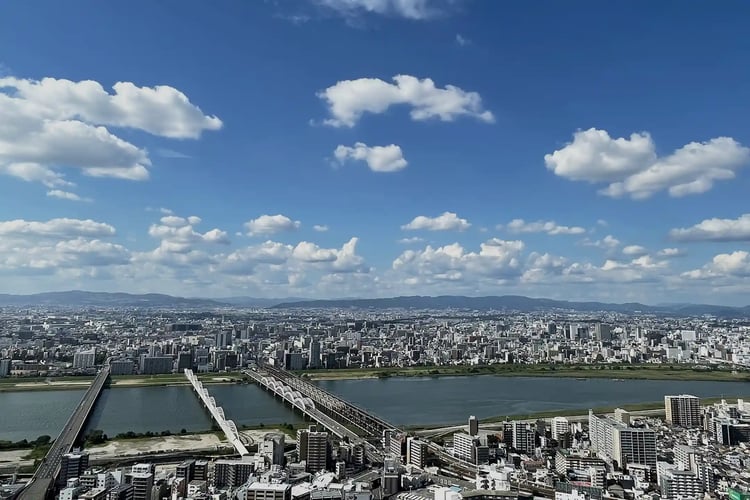
Osaka is also known as the “City of Water.” Rivers and canals encircling the urban core nurtured a distinctive landscape and culture. Depending on how the waterways are counted, the water-surface ratio is often cited at around 10%—an unusually water-rich geography for a major city. A city whose rivers form a square-like loop around downtown is rare even globally, and Osaka was once praised as “Naniwa’s 808 Bridges,” an expression that captures just how bridge-filled the city felt.
With this background in mind, Osaka sightseeing becomes richer when you focus on riverside views, bridges, and the legacy of merchant culture. The city is also divided into several major districts, each with its own atmosphere and highlights. Below, you’ll find a clear, step-by-step guide—including practical tips for getting around.
Osaka Areas at a Glance|Kita, Minami, Nakanoshima, Tennoji, and the Bay Area
First, let’s map the main areas that will become your base for exploring Osaka. “Kita” refers to the area around Osaka Station and Umeda Station, home to western Japan’s largest terminal and the city’s core business and commercial district. Redevelopment has accelerated in recent years, bringing new large-scale urban parks and mixed-use towers one after another.
On weekdays you’ll see business travelers; on weekends, well-heeled locals and visitors fill the area. Umeda features rows of luxury boutiques alongside cultural venues and offices, shaping a polished, metropolitan atmosphere. By contrast, “Minami” centers on Namba and Shinsaibashi.
It has developed as Osaka’s commercial heart since the Edo period and still carries the spirit of “Tenka no Daidokoro.” Today, food culture, youth culture, and traditional performing arts blend into a streetscape that feels unmistakably Osaka. With Dotonbori and Shinsaibashi-suji Shopping Street, it remains one of the city’s liveliest entertainment districts, always bustling with visitors. Recently, redevelopment around Namba Station has also advanced, with large buildings emerging that integrate retail, offices, and hotels.
The Nakanoshima area is a slender sandbar surrounded by the Dojima River and Tosabori River, long known as a center of finance and government. Today it forms a cultural cluster with institutions such as the National Museum of Art, Osaka (NMAO), the Nakanoshima Museum of Art, Osaka, and Osaka City Central Public Hall. The atmosphere is calm—modern architecture and parks in harmony.
Nearby Kitahama also preserves retro bank buildings and long-established Western-style mansions, making it ideal for an elegant walk. Tennoji and Abeno are positioned as a “secondary city center,” and have historically developed as a transportation hub. In recent years, large-scale development has been driven by the opening of the supertall mixed-use tower Abeno Harukas (2014). With a department store, museum, and hotel, Harukas draws visitors every day, weekday or weekend.
The broader Tennoji Park area includes museums, a zoo, and venerable temples and shrines—an area enjoyed by everyone from families to culture enthusiasts. Finally, the “Bay Area” covers the coastal zone around Osaka Port, including the Tempozan district with the huge aquarium Kaiyukan and a Ferris wheel, and the Sakurajima district where Universal Studios Japan (USJ) is located. The waterfront’s transformation has been especially visible in connection with Expo 2025 Osaka, Kansai, Japan (held April 13–October 13, 2025) on Yumeshima, and Yumeshima and Sakishima are also tied to long-range plans for an integrated resort (IR).
The sunsets and night views from the harbor are romantic, and cruises that let you enjoy Osaka from the water are plentiful. If you combine these areas to match the theme of your stay, your Osaka trip will become far more satisfying.
The DNA of a Water City|Culture and Commerce Shaped by Rivers and Canals
To truly feel Osaka as a “City of Water,” it helps to understand the waterfront culture at its core. Multiple rivers branching from the Yodo River flow through the city, supporting Osaka’s economy since ancient times through boat transport. In the medieval era, Naniwazu (around today’s Osaka Port) prospered as an international trading port. When Toyotomi Hideyoshi developed a merchant town below Osaka Castle in the Azuchi–Momoyama period, Osaka leapt forward as a national logistics hub.
In the Edo period, waterways and bridges spread throughout the city—so many that people called it “808 Bridges”—and this network enabled constant movement and exchange among merchants. Osaka’s rare urban form—rivers such as the Dojima, Tosabori, Dotonbori, Higashi-Yokobori, and Kizu flowing around the center like a square loop—helped make water transport remarkably productive. With a frequently cited figure of around 10% of the city’s area covered by rivers and water surfaces (depending on definition), Osaka benefited enormously from this geography.
As “Tenka no Daidokoro,” Edo-period Osaka flourished as a place where tax rice and specialties from across Japan gathered, and the city’s rich merchant culture developed along the waterways. Today, if you walk along the Nakanoshima waterfront, you’ll find traces of former landing places and stone monuments scattered throughout—quiet reminders that let you feel the history of water transport and commercial Osaka. On a river cruise around Nakanoshima, you can imagine the vitality of merchants who once thrived here, and you’ll sense—viscerally—that Osaka’s prosperity was built beside the water.
Along the rivers, architecture from different eras stands in succession, and many retro bridges remain. Design-forward bridges such as Namba Bridge (nicknamed “Lion Bridge”) and Korai Bridge add depth to the cityscape and preserve the refinement of engineering and design from their time. When you read the waterfront scenery as Osaka’s “water-city DNA”—and connect it to the economic and cultural context it shaped—you’ll gain an emotional resonance that goes far beyond “nice views.”
Getting Around|Optimizing Osaka Metro, JR, and Walking
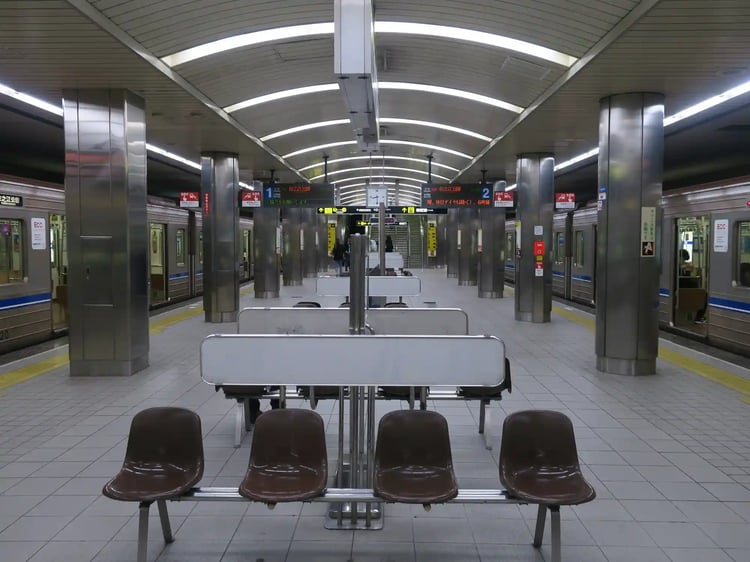
To explore Osaka efficiently, mastering public transportation is key. By switching between Osaka Metro and JR depending on the situation—and pairing them with walking—you can move around comfortably. The first thing you’ll want to avoid is rush hour. On weekdays from around 7:00 to 9:00 a.m., trains can become intensely crowded, to the point where you may feel swallowed by the flow of commuters. It’s best to avoid traveling during that time. Evenings also get busy around 5:00 to 6:00 p.m., though usually not as extreme as the morning, and it tends to calm down around 7:00 p.m. If you plan sightseeing around these peak windows, you’ll sidestep much of the congestion.
To save the hassle of buying tickets each time, use a transportation IC card. And for rainy days, take advantage of underground malls and station-connected pathways. Umeda (Kita) and Namba (Minami) have extensive underground shopping streets—such as Whity Umeda, Diamor Osaka, and Namba Walk—allowing you to move on foot between major facilities without getting wet. Around Umeda Station, for example, underground passages connect Osaka Station to Hankyu and Hanshin department stores and Grand Front Osaka, keeping things comfortable even when it’s pouring. In Namba, underground routes extend from Namba Station toward Shinsaibashi, easing the stress of bad weather. By tailoring your timing and routes like this, you can balance comfort and efficiency throughout your Osaka visit.
Art and Museums in Osaka|Collections × Architecture
When you come to Osaka, high-quality art viewing is non-negotiable. From world-class museums to distinctive digital art, the city offers a wide range of must-see cultural spots. What makes Osaka especially compelling is that the museum buildings themselves are often highlights. Each institution carries architectural intention and design context, so you get to enjoy both the collection and the space that holds it.
A balanced plan works best: savor masterpieces calmly in the permanent collection, then check what’s timely in special exhibitions. And if you make use of English audio guides, gallery texts, or curator-led talk programs, you’ll deepen your understanding of the works’ background and significance. Many major museums in Osaka provide solid English support, and some facilities also offer multilingual audio guides or apps (availability varies by exhibition and season).
The true pleasure of Osaka’s museum-hopping is that you can face art in a quiet space while also experiencing architecture with all five senses. Let’s begin with the art cluster in the Nakanoshima area.
Nakanoshima’s Museum Cluster
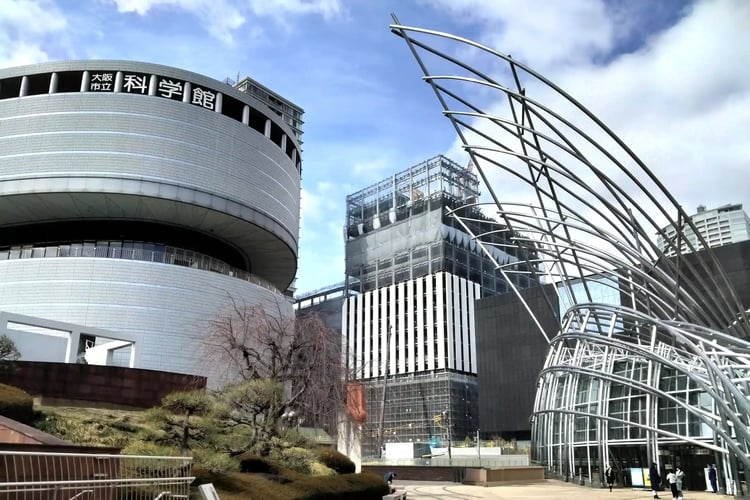
Nakanoshima is Osaka’s cultural zone—an exceptionally fortunate area where museums gather within easy walking distance. The two flagship institutions are the National Museum of Art, Osaka (NMAO) and the Nakanoshima Museum of Art, Osaka, standing across the road from each other. You can visit both with just a few minutes’ walk between them, and with the greenery of Nakanoshima Park and nearby cafés, it’s perfect for a full day of thoughtful “art strolling.”
NMAO is a subterranean museum designed by César Pelli, marked by a stainless-steel structure rising above ground. It holds a contemporary art collection spanning Japan and abroad, and hosts several major special exhibitions each year in addition to its permanent displays. Meanwhile, the Nakanoshima Museum of Art, Osaka—opened in 2022—makes a strong impression with its black, box-like exterior. It houses roughly 6,000 works of art and design from the late 19th century to the present. With major works by artists such as Yūzō Saeki, Modigliani, and Mucha, the scale and quality of the collection—built up over many years before opening—are genuinely overwhelming.
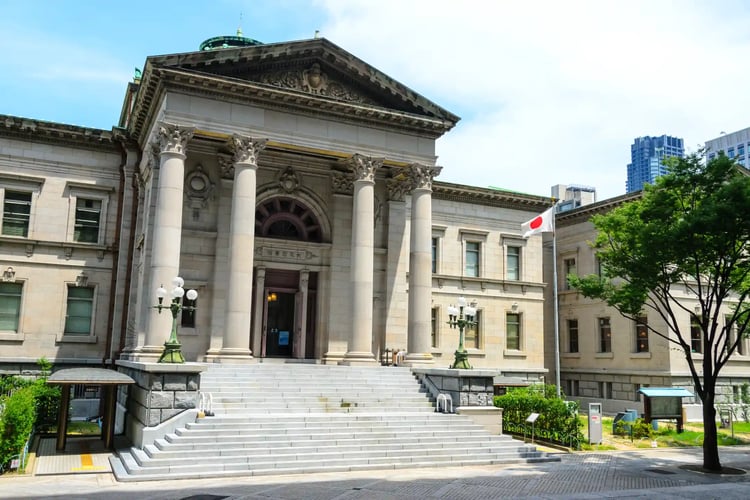
Because the two museums complement each other, you can cover a broad spectrum, from contemporary art to modern and contemporary masterpieces. Beyond that, Nakanoshima also features cultural facilities that make use of historic architecture. Osaka City Central Public Hall, for instance, offers building tours where you can admire halls with beautiful stained glass and chandeliers. Next door, the Osaka Prefectural Nakanoshima Library is a Neo-Renaissance building completed in 1904; you can visit not only for research but also to enjoy the café inside.
In Nakanoshima’s museum cluster, don’t stop at the exhibitions—let yourself wander through architectural spaces that carry a hint of Taishō-era romance and nostalgia. If you walk between sites along the riverside promenade, you’ll also enjoy shifting scenery as you go—truly the best of both worlds.
The Museum of Oriental Ceramics, Osaka
Also essential is the Museum of Oriental Ceramics, Osaka, located inside Nakanoshima Park. This museum holds one of the world’s leading collections of East Asian ceramics and opened in 1982 with the Ataka Collection, donated by the Sumitomo Group, at its core. The holdings span about 6,000 pieces, focusing on Chinese and Korean ceramics alongside works such as Joseon white porcelain, Goryeo celadon, and Japanese ceramic art.
The collection is impressive in both depth and scale, including two National Treasure works (“Yuteki Tenmoku Tea Bowl” and a celadon vase with iron spots, often introduced as a “Tobiseiji” flower vase) plus numerous Important Cultural Properties. Its global reputation draws researchers and ceramics enthusiasts from around the world. The permanent exhibition selects around 300 representative works and presents Chinese, Korean, and Japanese ceramic history in a structured, easy-to-follow way, with detailed interpretive materials.
For example, in the section on Joseon white porcelain from the Korean Peninsula, you can learn about the spirit of “beauty in use”—an aesthetic grounded in purpose and everyday function that still feels modern today. In addition, one or two special exhibitions each year offer focused, scholarly presentations on specific themes, balancing academic rigor with artistic appeal.
Even the display cases reflect careful thought: lighting that takes advantage of natural illumination and earthquake-resistant case design create an environment where you can study texture and glaze in detail. The museum also offers multilingual exhibition explanations and an audio-guide option including English, so international visitors can deepen their understanding while viewing (note that National Treasure objects may appear on a rotation schedule, so it’s worth checking the official exhibition calendar).
Architecturally, the building itself is understated—two floors above ground and two below—designed to blend into Nakanoshima’s greenery. Together with the surrounding landscape, it creates an atmosphere of clarity and quiet refinement. Spending time immersed in the long arc of East Asian art in this urban oasis is an especially rewarding experience for travelers with a lively curiosity.
.webp?width=750&height=500&name=The%20Museum%20of%20Oriental%20Ceramics%2c%20Osaka%20(MOCO).webp)
Museums in the Tennoji Area
You can also enjoy art in Tennoji, in southern Osaka. The Osaka City Museum of Fine Arts inside Tennoji Park is a historic institution that opened in the early Shōwa era (1936). Its collection ranges broadly from classical art to modern and contemporary works, with a focus on Japanese and East Asian painting. The building, designed by Sadao Shitara (who also worked on the Imperial Kyoto Museum, now the Kyoto National Museum), has a dignified Japanese–Western eclectic style, and the galleries offer a calm, settled atmosphere.
Special exhibitions are held regularly, featuring notable works from Japan and abroad. The museum also hosts open-call exhibitions for calligraphy and crafts, making it beloved by Osaka’s art community. Pair your visit with the Abeno Harukas Art Museum, just a short walk away. Located on the 16th floor of the supertall Abeno Harukas, it is an exhibition-focused museum that hosts a wide variety of special exhibitions from Japan and overseas. In the past, it has presented major shows such as Louvre-related exhibitions, Van Gogh exhibitions, and a Tezuka Osamu exhibition—often with refined exhibition design and excellent catalogs and merchandise.
After your museum time, you’ll want to visit the observation deck “Harukas 300” at the top of the same building. From about 300 meters above ground, you can take in a sweeping view of Osaka—especially moving at dusk, when the sun sinks over the Osaka Plain and the city’s silhouette becomes unforgettable. Experiencing “museum to skyline” in one seamless flow is rare anywhere in the world. After art sharpens your senses, looking out over the city can make Osaka itself feel like a single artwork.
Tennoji also has cultural sites such as the Chausuyama Kofun and Keitakuen (a Japanese garden), so you can easily combine art viewing with a gentle historical walk.
teamLab Botanical Garden Osaka
If you’re looking for a standout digital art experience, teamLab Botanical Garden Osaka is a must. This permanent nighttime installation inside Nagai Botanical Garden (Higashisumiyoshi Ward, Osaka City) lets you experience seasonal flowers and towering trees transformed through light and sound into a dreamlike world. Watching an ordinary botanical garden shift into an “art forest” after sunset feels like stepping into a different kind of reality.
In the camellia garden, for example, countless egg-shaped Ovoid objects change color and glow in different ways from day to night, and when you touch them, color spreads outward in an interactive chain reaction. Some works also change depending on wind, rain, humidity, and other natural conditions—meaning the art is always “alive,” continuously shaped by both the environment and your presence.
A few practical notes will help you enjoy it comfortably. Because it’s outdoors, wear walkable shoes and dress for the temperature (it can get chilly at night, and summers can still feel warm). Events usually proceed in rain, but strong winds or heavy downpours may lead to cancellations or interruptions to protect the artworks. If the weather looks uncertain, check official announcements on the website or social media beforehand. Operating days and hours vary by season, and the garden is closed on some Mondays, so be sure to confirm the latest schedule before you go.
Walking through a botanical garden at night—filled with light and sound—can feel wonderfully otherworldly, as if your senses are being sharpened. When you let yourself sink into this immersive space where digital art and nature intertwine, one evening of your trip can become an unforgettable memory.
Architecture and Urban Views in Osaka|Layers from the Early Modern Era to Today
Osaka is a city where historic landmarks and near-futuristic towers coexist—perfect for architectural walks that trace “layers of time.” From castles and modern-era heritage buildings to supertall skyscrapers born of redevelopment, the way architecture breathes through the city mirrors Osaka’s growth and transformation itself.
Each building comes with its own story. By appreciating exterior details and interior spaces, you’ll understand Osaka’s history and culture more deeply. Consider Osaka Castle, where you can sense Toyotomi and Tokugawa-era traces; the modern architecture of the Taishō and Shōwa periods represented by public halls and libraries; and the contemporary supertalls rising in Umeda and Abeno. By moving through these contrasts, you can take in Osaka’s “past, present, and future” in one coherent journey.
Because many sites are designated Important Cultural Properties or Registered Cultural Properties, it’s wise to confirm visiting hours and whether interiors are open in advance. Some buildings are illuminated at night as well, so you can enjoy completely different expressions by day and after dark. Now, let’s move chronologically through representative architecture and cityscape highlights.
Osaka Castle|Walking Through the Castle-Town Layer
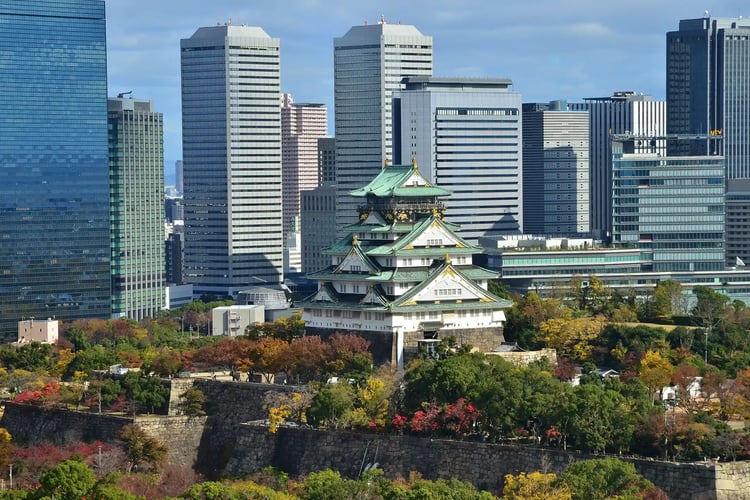
One of Osaka’s signature landmarks, Osaka Castle began as a fortress built by Toyotomi Hideyoshi in the Azuchi–Momoyama period, later rebuilt and expanded by the Tokugawa shogunate (the current main tower was externally reconstructed in the 1930s). As you walk through the vast Osaka Castle Park, you can retrace the structure of a grand castle city—encircled by outer and inner moats—as if you were stepping into a living diagram of fortification design.
Approach from JR Osakajōkōen Station or Osaka Metro Morinomiya Station and follow the outer moat. After passing through the main gate area, towering stone walls over 20 meters high loom ahead. The reflection of the stone ramparts and turrets on the moat’s surface is breathtaking—you’ll feel the sheer scale of the castle’s defensive infrastructure.
Inside the grounds, plum groves and cherry-lined paths have been cultivated, making it a beloved place for locals to relax as well. Cross the inner moat via Gokurakubashi Bridge and climb toward the Honmaru, and you’ll see the castle’s main tower rising above you. Its eight-tiered silhouette—gold-leaf roof tiles and shachihoko ornaments shining—is an exterior reconstruction based on Edo-period imagery. Inside, the Osaka Castle Museum introduces the castle’s history in the Toyotomi and Tokugawa eras, displaying armor, swords, and historical materials.
The top floor is an observation deck offering a 360-degree panorama from roughly 50 meters up. To the west, you can see beyond the city’s high-rises toward Osaka Bay; to the east, the Ikoma mountain range stretches across the horizon—both views are worth lingering over. Around the wider castle-town area, historical layers remain, too: near the Tamatsukuri side lies the site of Sanadamaru, and to the southwest you’ll find various sites connected to the Winter and Summer Campaigns of the Siege of Osaka—perfect if you want to spend time exploring history in depth.
Experts can also “read” details such as masonry marks on the stones and the castle’s layout logic, but even as a beginner, simply walking along the moat will let you feel—physically—the scale of a medieval-to-early-modern castle city. Photo spots are everywhere, and the scene of Osaka’s past and present crossing in one frame is the kind of memory that stays with you.
Modern Architecture in Nakanoshima|Osaka City Central Public Hall and the Prefectural Nakanoshima Library
Nakanoshima also gathers retro architecture that symbolizes Osaka’s modernization, creating a riverside atmosphere with a distinctive “Naniwa haikara” (early-modern chic) feel. Two signature landmarks are Osaka City Central Public Hall (completed in 1918) and the Osaka Prefectural Nakanoshima Library (completed in 1904).
Central Public Hall, designated a national Important Cultural Property, features a design grounded in Neo-Renaissance style, with brick walls and granite detailing. Its front façade is composed with a domed roof, arched windows, and columns; inside, the grand hall is adorned with stained glass and frescoes, carrying architectural beauty from over a century ago into the present. At night, lighting illuminates the building so it seems to float by the water—absolutely worth seeing.
Paid, reservation-based guided tours are offered regularly, and can include special rooms not usually accessible, as well as an underground vault space. Next door, the Nakanoshima Library is equally imposing in a Renaissance style, with a striking stone colonnade at the main entrance. Also an Important Cultural Property, it now includes a café and shop in addition to library services, and general visitors can enter freely. In its reading rooms—high ceilings and a rhythm of arched windows—the quiet can make you feel as though you’ve slipped into another era.
These modern-era buildings were constructed during Osaka’s boom years in the Meiji and Taishō periods, when the city was called “Great Osaka.” They were built through donations from business leaders and citizens, and designed by architects who brought back European styles from abroad. When you know that, these structures become more than “old buildings”—you start to sense Osaka’s modern spirit and its fascination with global ideas.
Around Nakanoshima you’ll also find the old building of the Bank of Japan Osaka Branch and atmospheric bridge lighting that complements the public hall’s red brick, such as the Nakanoshima gas lamps. Walk the waterfront promenade: by day, study the architectural details; by night, enjoy the silhouettes glowing in light.
Umeda Sky Building|Framing the City from the Floating Garden Observatory
Among Osaka’s modern architectural icons, Umeda Sky Building is unmissable. Rising at the western edge of Shin-Umeda City, it’s a bold connected high-rise: twin 40-story towers (about 173 meters) linked at the top. Its daring structure has earned international attention, and in 2008 it was introduced by UK newspaper The Times as one of the “Top 20 Buildings around the World.” With its near-futuristic form, it’s also a favorite among overseas visitors.
The standout highlight is the “Kuchu Teien Observatory” (Floating Garden Observatory) set in the top connecting section. From the top floors of the East and West towers, you ride escalators up through a tube-like aerial corridor until you reach the circular observation floor in the connecting structure. The see-through escalator feels suspended in midair—thrilling if heights aren’t your thing—but if you can, it’s worth taking a deep breath and going for it.
From the observatory, you’ll see not only Osaka’s downtown towers but also distant landscapes such as the Ikoma range and Mount Rokko. It feels as if the city has been “cut out” and displayed from above. From sunset into night, the view becomes a live performance: the sky turns amber, building silhouettes sharpen, and then city lights ignite all at once. On exceptionally clear days, visibility can stretch far enough to spot landmarks well beyond the city.
The building’s architectural appeal continues below. The lower levels include an atrium-style public plaza and waterfalls, creating a park-like place to relax even though it’s an office complex. Underground, the retro dining street “Takimi Koji” recreates Shōwa-era nostalgia, making a playful contrast with the building’s futuristic identity. Slightly removed from Umeda’s busiest streets, Umeda Sky Building is a place where architecture, city views, and entertainment merge—something you’ll likely remember as one of the defining scenes of your Osaka trip.
Namba Parks|A Commercial Architecture Integrated with Landscape
In Osaka’s Minami area, a symbol of more recent architecture is Namba Parks, located south of Nankai Namba Station. Opened in 2003 as a redevelopment of the former Osaka Stadium site, its defining feature is that the entire complex is designed like a lush, rolling hillside. With an organic design by architect Jon Jerde, the curving mixed-use structure connects to terraced rooftop gardens that are covered in greenery.
As you rise by escalator, the rooftop garden “Parks Garden” continues all the way to the 8th floor, opening into an oasis that hardly feels like the center of the city. Seasonal plants and small streams are thoughtfully placed, offering a restful spot where you can sense an urban ecosystem. Shops and restaurants curve gently floor by floor, shaped by the “terrain,” so shopping and dining can feel like strolling along a winding mountain path.
In the central atrium called “Canyon Street,” sunlight pours down, and the surrounding curved walls amplify an open, airy sensation. Namba Parks is convenient as a shopping center, of course—but the design itself, where architecture and landscape become one, is also a sightseeing destination. From above, the layered green curves and the movement of people create a photogenic scene. At night, illuminated gardens and façades form a softly dramatic atmosphere, making it popular as a date spot as well.
Built on land once energized by professional baseball, Namba Parks represents Osaka’s bold approach to urban regeneration—a new kind of city paradise. As you walk this near-future “garden city” within the traditional merchant district of Namba, you’ll likely notice a side of Osaka you didn’t expect.
Abeno Harukas|The “Harukas 300” Observation Deck
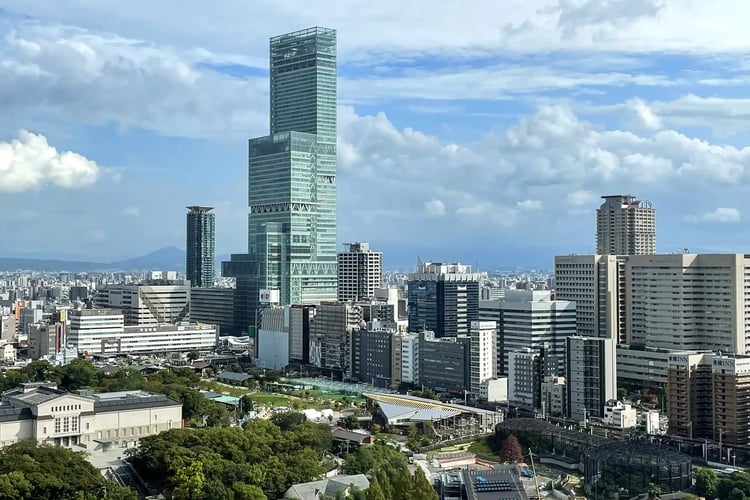
A landmark of Osaka—and its best-known supertall building—is Abeno Harukas. This 60-story, 300-meter mixed-use tower opened in 2014 and has been embraced as an urban complex directly connected to Osaka-Abenobashi Station. Inside you’ll find one of Japan’s largest department stores, offices, a luxury hotel, a museum, and more—an all-day “vertical city.”
The signature attraction is the observation deck “Harukas 300” at the top. Spanning three levels (floors 58–60), the glass-walled observation floors offer a truly sweeping view across the Osaka Plain. On a clear day, you can see from the Ikoma mountains toward the coast, and the scale can be overwhelming in the best way. At dusk, the city turns golden; at night, you can enjoy Osaka’s 360-degree panorama of lights.
The grid of headlights and building lights below can look like a carpet scattered with jewels. If you join the rooftop heliport tour (paid), you can step outdoors at around 300 meters and feel the wind as you look out over the nightscape. For thrill-seekers, limited-time attractions may also be offered depending on the season—always check the official site for the latest.
A major bonus is that the art museum mentioned earlier (on the 16th floor) is in the same building, allowing you to pair skyline views and art appreciation seamlessly. With “see, play, and learn” condensed into one tower, Abeno Harukas embodies modern Osaka’s energy and international character. When you visit, let the vast view sink in—and then, back on the ground, enjoy the cultural depth that spreads through the streets below.
Watch Traditional Culture and Performing Arts|Touch the Core of the Classics Live
Osaka offers abundant opportunities to experience traditional performing arts and classical culture live. Watching Noh, Bunraku (puppet theater), and seasonal shrine-and-temple festivals in person gives you a level of emotion and understanding that books and videos simply can’t replicate. Still, it’s also true that for first-timers, classical arts can feel intimidating.
That’s why a little “learning time” before and after the performance can transform the experience. You might read a short guide beforehand, join a pre-talk at the theater, or listen to a post-performance commentary. And if you’re concerned about the language barrier, check in advance whether English earphone guides or subtitle services are available. In Osaka’s main venues, both Bunraku and Noh/Kyogen often offer English support that helps you follow the story and key highlights in real time.
Your seat choice also shapes what you take away. Mid-to-rear seats make it easier to grasp the whole stage and overall movement, while front seats let you feel the intensity of sound and catch subtle expressions and details up close. Choose what fits your style. Below are especially recommended places in Osaka where you can meet the essence of classical arts in the way they’re meant to be felt—live.
National Bunraku Theatre
The National Bunraku Theatre is a dedicated venue for Japan’s celebrated puppet theater, and one of Osaka’s finest places to immerse yourself in local traditional culture. Bunraku is a highly sophisticated performing art where three forces—tayū (narrator), shamisen player, and puppet manipulators—work as one to weave a story. In a technique rare anywhere in the world, one puppet is operated by three puppeteers, enabling an expressive range so vivid you may forget you’re watching a puppet at all.
The theater holds regular performances throughout the year, usually split into daytime and evening programs with multiple works. If this is your first Bunraku, consider performances designed for beginners—such as Appreciation Programs with explanations, or highlight versions that are easier to enter. On the second-floor lobby, you’ll find displays of Bunraku puppets and costumes; seeing them before the curtain rises deepens your understanding.
During the performance, take advantage of the earphone guide. Japanese and English audio guides are available (and sometimes other languages depending on the program), offering ongoing explanations of the plot and background. The English earphone guide is especially valued by overseas guests—you can stay immersed without feeling blocked by language.
For seating, front seats on the first floor let you closely observe delicate gestures and facial nuance, while the back and second-floor seats help you take in the full stage—including the coordinated movement of the puppeteers. The theater shop also sells performance-related pamphlets and even Japanese sweets, so it’s worth browsing during intermission. When narration, shamisen, and puppetry craftsmanship converge into one stage, you’ll feel you’ve encountered a true core of Osaka-born artistry—and you may find yourself captivated long after you step outside.
Yamamoto Noh Theater
If you want to step into the world of Noh, visit Yamamoto Noh Theater in central Osaka. Established in 1927 and designated a Registered Tangible Cultural Property in 2006, it’s a place with deep heritage. Noh can seem highly formal, but Yamamoto Noh Theater actively welcomes beginners, offering rich educational programs such as pre-lectures and hands-on events.
For example, before regular performances, there may be storyline explanations or highlight lectures, where Noh performers themselves gently explain the narrative background and staging points. For groups of 10 or more, the theater also offers building tours and Noh experience workshops. Programs can include stepping onto the Noh stage to try basic movements and calls, or observing Noh masks and costumes up close—experiences that participants consistently praise.
For overseas audiences, English explanatory pamphlets are available, and some performances also display subtitles (Japanese and English) near the stage. These efforts lower the barriers of language and prior knowledge, making it easier for anyone to enter the world of Noh and Kyogen.
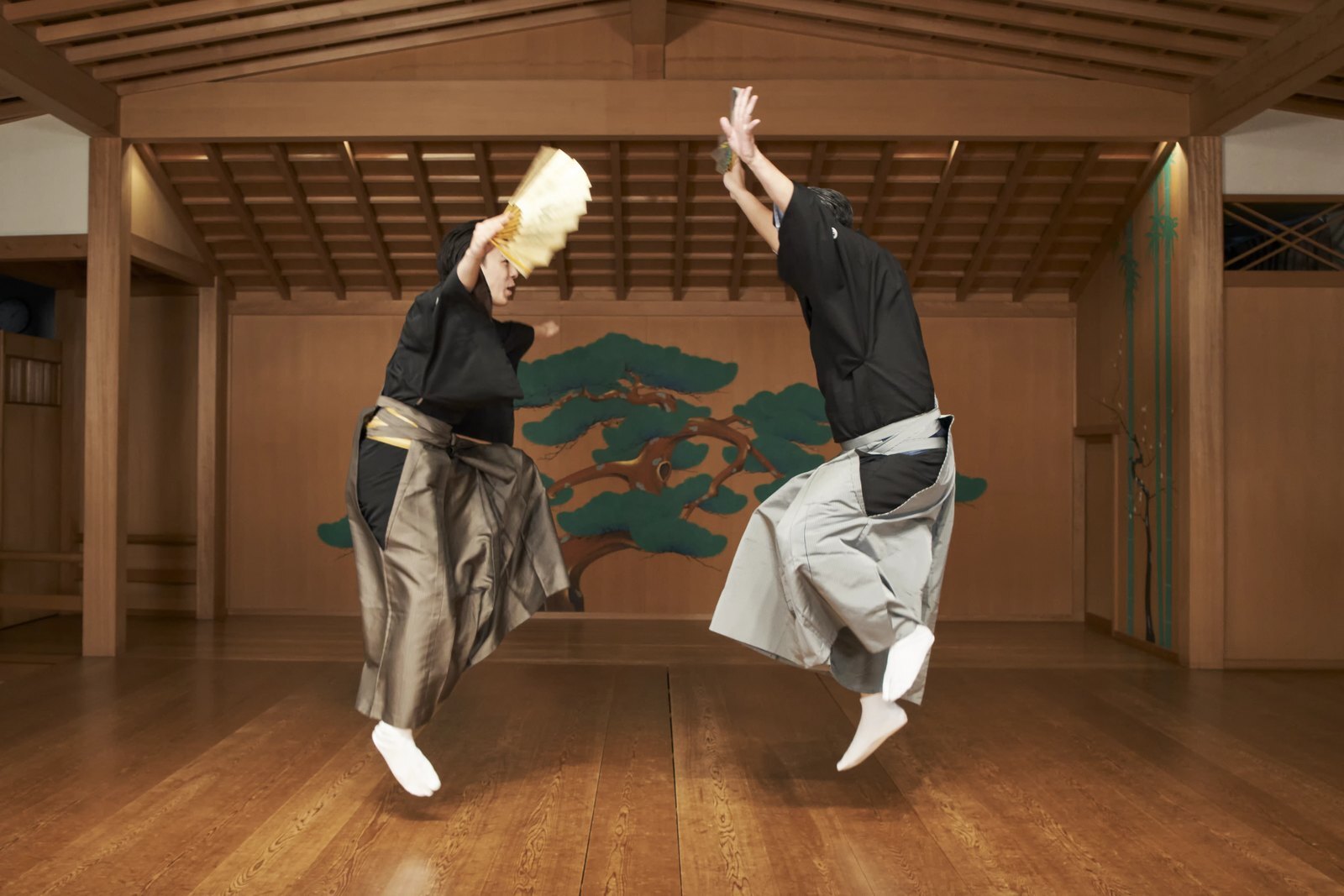
Even on days without performances, the building alone is worth visiting. The single-story wooden Noh stage sits quietly in the middle of the city; the hinoki cypress stage and the kagami-ita (backboard painted with a pine) embody the Noh aesthetic of profound subtlety. If timing aligns, you may even be able to observe an open rehearsal. Staff are friendly and willing to answer questions, so if you’re unsure about something, don’t hesitate to ask. Your time at Yamamoto Noh Theater can become a precious moment that deepens your understanding of Japanese culture.
Shitennō-ji Temple and Sumiyoshi Taisha
At two of Osaka’s most iconic sacred sites—Shitennō-ji Temple and Sumiyoshi Taisha—you can touch the core of classical culture through traditional rituals and festivals. Shitennō-ji (traditionally founded in 593) is among Japan’s oldest state-sponsored Buddhist temples and a key place linked to Prince Shōtoku. The spacious grounds offer highlights such as the Gokuraku-jōdo Garden (a Pure Land-inspired garden) and historically significant structures including halls and a stone stage that are designated Important Cultural Properties. On the 21st of each month, the Daishikai (Kōbō Daishi memorial day) brings a lively market to the grounds—the Shitennō-ji Antique Market.
If you want a quieter visit, go right after the gates open in the morning (8:30 a.m.). The air feels clear, the number of visitors is still small, and you can spend time in a more pristine atmosphere. In the evening, the pagoda and corridors take on a softer tone as the light changes, creating a gentle mood that feels like the perfect close to a day. By choosing your time of day thoughtfully, you can avoid the busiest periods and experience the temple’s true tranquility.
Sumiyoshi Taisha (traditionally founded in 211) is known as a guardian deity of voyages and is famous for drawing Osaka’s largest crowds during New Year’s visits. Its summer festival, Sumiyoshi Matsuri, held from July 30 to August 1, is one of Osaka’s three great summer festivals alongside Aizen Matsuri and Tenjin Matsuri, and it spectacularly marks the climax of Osaka’s summer. Events begin with the Yoimiya festival, followed by the main festival and purification rites, and culminate on the final day with a portable-shrine procession.
On the night of August 1 in particular, a massive mikoshi carried by many participants crosses the vermilion arched bridge (Taikobashi) in a powerful scene, then parades through the local community. The procession continuing all the way toward the Yamato River boundary is astonishing—you’ll feel Osaka’s spirit and boldness in your bones.
Outside festival periods, Sumiyoshi Taisha can be quiet and solemn, especially early mornings or weekdays. You might admire the bridge’s elegant curve reflected in the pond, or view the harmonious shrine buildings from a slight distance, including four National Treasure main sanctuaries. Shitennō-ji and Sumiyoshi Taisha—both are sacred places that carry the origins of Osaka’s faith and culture. If you time your visit with the right hour or the right ritual, you’ll find your own heart-stirring encounter with the classical core, lived in real time.
What to See in Osaka by Season|Special Exhibitions and Annual Traditions
One of Osaka’s greatest pleasures is how its events and seasonal scenery change throughout the year. If you understand the key festivals, exhibitions, illuminations, and other highlights across spring, summer, autumn, and winter—and weave them into your schedule—your trip becomes dramatically richer.
Because seasonal events are limited in duration and often crowded, preparation and time management matter. Here, you’ll find a calendar-style guide to Osaka’s seasonal “must-sees.”
We’ll include concrete examples from this year (2025), but dates and contents can shift slightly each year, so treat these as reference points. For the latest details, it’s best to check official websites and announcements. Now, from spring through winter, let’s look at how you can enjoy Osaka’s seasonal highlights in the most satisfying way.
Spring|Cherry Blossoms and Special Openings of Cultural Properties
Spring in Osaka begins with cherry-blossom viewing. One of the most famous events is the Mint Bureau’s “Cherry Blossom Viewing Walk” (Sakura no Torinuke). For about a week each year in mid-April, a normally closed cherry-lined path inside the Mint Bureau is opened to the public, letting you admire a wide variety of double-flowered cherry blossoms. In the 2024 example, it ran for seven days from Friday, April 5 to Thursday, April 11, and required advance online reservations (first-come, first-served). Without a reservation, you couldn’t enter, so if you plan to go, you’ll want to book early and not forget.
Opening hours were set at 10:00 a.m.–7:30 p.m. on weekdays and 9:00 a.m.–7:30 p.m. on weekends and holidays, with especially heavy crowds expected on weekends and opening day. In reality, opening day and weekends can be extremely busy, so if possible, visiting on a mid-week day during the event period allows for a calmer experience (in 2024, information suggested opening day and weekends were particularly crowded). Food and vendor stalls are not permitted inside the Sakura no Torinuke route, but along the Okawa River outside the venue, food stalls typically line up and create a festive hanami mood.
Another cherry-blossom classic you shouldn’t miss is Osaka Castle Park. The rows of blossoms in Nishinomaru Garden and along the inner moat are spectacular, and nighttime illuminations are also held during bloom season (some areas require paid entry). There are many spots where you can photograph the castle tower and cherry blossoms together, making it a favorite for photography lovers.
Spring is also when museums and galleries tend to concentrate special exhibitions. At the Osaka City Museum of Fine Arts, the spring “Shiten” (citizen open-call exhibition) is held each year, offering a chance to discover fresh, emerging work by local artists. The Nakanoshima Museum of Art, Osaka and NMAO also often host major exhibitions through Golden Week, so if the schedule aligns, it’s well worth building into your itinerary.
Additionally, keep an eye out for spring-only special openings of cultural properties. For example, at Shitennō-ji, some years feature special viewings of temple treasures or limited-time displays around seasonal turning points (details vary by year). If you pair cherry blossoms with moments of historical and cultural discovery, your spring trip to Osaka will gain even more depth.
Summer|Tenjin Matsuri and the Energy of the Waterfront
Osaka’s biggest summer highlight is Tenjin Matsuri, one of Japan’s three great festivals. It is a ritual festival of Osaka Tenmangu Shrine with over a thousand years of history, reaching its climax every year on July 24 and 25. On the night of the 25th, during the main festival, dozens of boats take to the Okawa River (the former Yodo River) for the Funatogyo river procession, and dedication fireworks color the summer night sky. The sight of torches and lanterns reflected on the water, with fireworks bursting one after another above, is truly dreamlike—hence its nickname as a “festival of fire and water.” On land, the Rikutōgyo procession also unfolds with portable shrines and festival music, and Osaka’s summer reaches its peak.
Because Tenjin Matsuri is extremely crowded, a little strategy will make your experience far more comfortable. There are paid viewing stands and even boat-based viewing options, but if you’re watching for free, moving a bit upstream or downstream from the main area can reduce the densest crowds. Locals often choose spots like Sakuranomiya Park or around Miyakojima Bridge to watch at a more relaxed pace. Public transportation runs special timetables, but stations can become heavily congested, so it’s wise to leave a little before the end—or shift your return time to avoid the rush.
Summer waterfront liveliness isn’t only Tenjin Matsuri. Around Osaka Port, some years host the Tempozan Festival in late July (sometimes including fireworks). In areas such as Hachikenyahama and Dotonbori, evening “cooling” cruises and beer-garden boats operate, letting you enjoy Osaka’s summer nights with a pleasant breeze. In early July, Aizen Matsuri (held at Aizendo Shoman-in within Shitennō-ji grounds) is known for its parade of women in yukata and is a seasonal tradition that signals the beginning of Osaka’s summer. With night stalls and the Aizen maidens riding in “Hoe-kago” palanquins, the scene carries a gentle, nostalgic charm.
Once August arrives, the Nagoshi no Harae purification rite at Sumiyoshi Taisha—featuring Chinowa-kuguri (passing through a ring of sacred reeds)—is also well known, and anyone can participate. Osaka’s summer is packed with festivals, fireworks, and water-based fun. Bring smart heat countermeasures—hydration and cooling items—and let yourself feel the city’s energetic summer spirit.
Autumn|Arts Month and Garden Foliage
In autumn, Osaka also fills up with cultural events. October is a peak season for art festivals across Japan, and within Osaka you’ll find contemporary art festivals hosted by organizations such as the Osaka 21st Century Association, alongside a concentration of special exhibitions at museums. For example, the Osaka City Museum of Fine Arts may host an autumn special exhibition featuring famous works from overseas, and the Nakanoshima Museum of Art, Osaka often schedules large-scale exhibitions such as anniversary commemorations. Check schedules in advance, and if something catches your interest, build it into your trip.
Autumn is also ideal for outdoor events, thanks to the comfortable weather. Osaka Castle Park hosts “Osaka Castle Takigi Noh” each October—an outdoor Noh and Kyogen performance. Against the backdrop of the castle tower at night, the subtle, mysterious stage unfolds in an atmosphere made even more luxurious by autumn insects’ sounds and illuminated scenery.
Don’t forget the foliage highlights. In the city, the ginkgo trees along Midosuji turn golden, creating a luminous tunnel. Around Central Public Hall in Nakanoshima, plane trees and zelkova trees color as well, and the contrast with retro architecture looks almost painterly. If you venture to the outskirts, places like Minoo Park and Ushitakiyama offer famous autumn leaves and a nature-filled day that feels like light hiking.
Some Japanese gardens in Osaka also offer autumn night illuminations. In many years, Nagai Botanical Garden runs nighttime special openings in November under the name “Garden Illumination,” lighting up autumn leaves and pampas grass; Keitakuen in Tennoji Park also has years with limited nighttime openings. These let you enjoy a dreamlike garden beauty that’s completely different from daytime—well worth adding if your schedule matches.
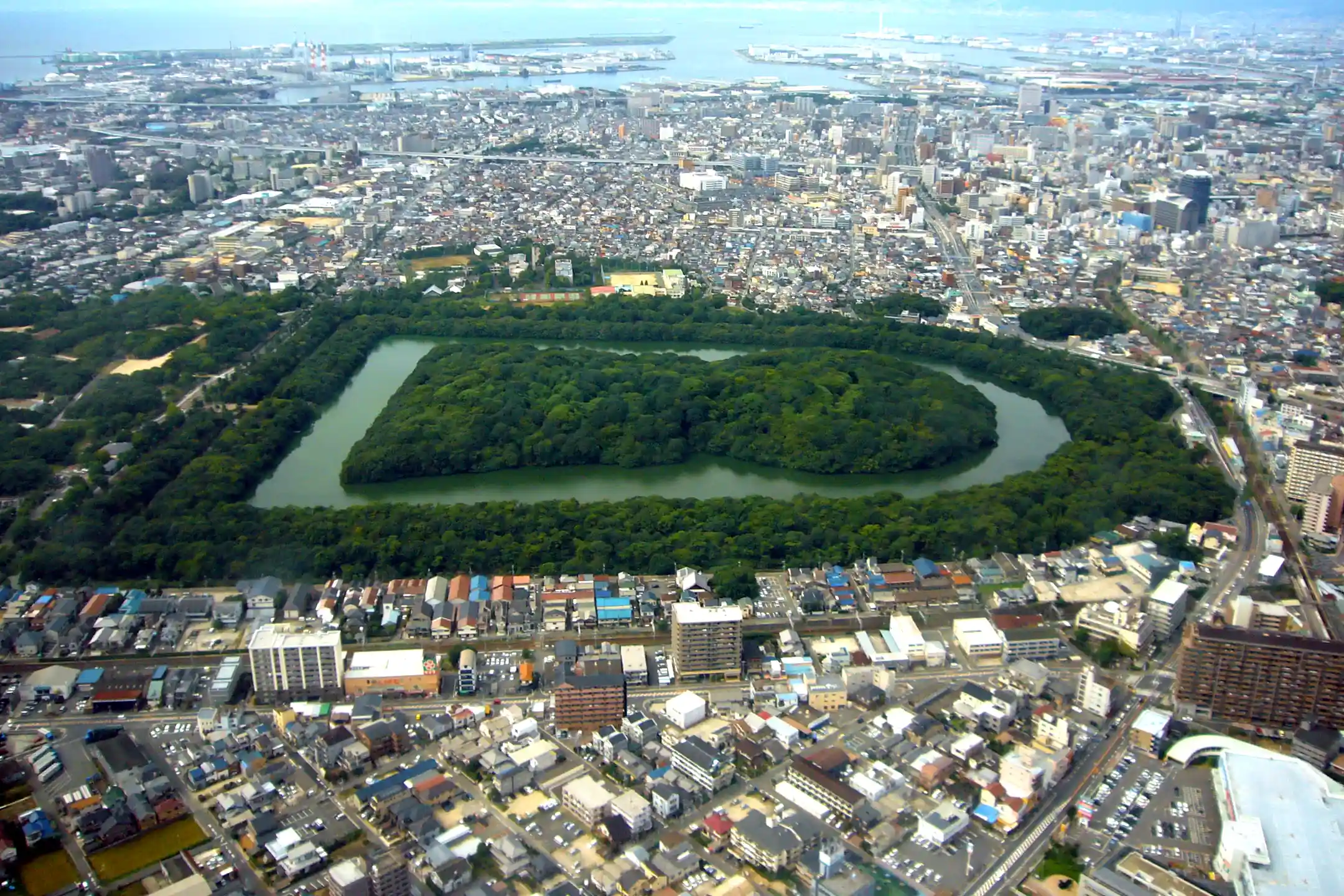
Autumn is also a lively season for tea events. In Sakai City, for example, in November 2024, Daisen Park was scheduled to host “Daisen Tea Gathering 2024,” combining an outdoor tea ceremony, traditional instrument concerts, and traditional craft workshops. The concept—enjoying matcha and shamisen sounds beside the world’s largest keyhole-shaped tomb, the Nintoku Mausoleum—feels especially fitting for Sakai, the city associated with Sen no Rikyu.
In short, Osaka in autumn offers richly layered time where art, nature, and tradition intertwine. With cooler mornings and evenings, you can build a nicely structured plan—museums in the day, outdoor cultural events in the evening—and enjoy a deeply satisfying autumn trip.
Winter|Night Views, Illuminations, and Indoor Appreciation
Winter in Osaka brings a city wrapped in light through Christmas and the year-end season. In Nakanoshima, “OSAKA Hikari no Renaissance” is held every year from mid-December to late December. Projection mapping and light artworks appear from around Osaka City Hall to Nakanoshima Park, and the dazzling video show using the Central Public Hall façade as a screen is a highlight you won’t want to miss. If you follow these illumination events, Osaka’s winter nights will feel wonderfully cinematic.
For night views, the previously mentioned Harukas 300 and the Umeda Sky Building observatory are especially rewarding in winter, when the air is clear and visibility improves. On clear evenings, distant landmarks can feel surprisingly close, and the contrast of dark sky and bright city lights becomes especially dramatic.
To warm up, consider ending your day with a drink at a refined bar or lounge. In Umeda and Nakanoshima, you’ll find bars on high floors with beautiful night views; with a cocktail in hand, looking down at the city while talking over your trip memories can become an unforgettable time.
Winter is also the season to lean into indoor attractions. You might spend time slowly in museums and galleries, enjoy the Kaiyukan aquarium, or warm yourself with live performances—traditional theater or even a Yose comedy show. Speaking of Osaka’s love for laughter, year-end special performances like Yoshimoto Shinkigeki are also popular.
For cold-weather comfort, wear a coat and scarf when walking outdoors for long stretches, and make strategic use of underground malls to avoid wind and reduce fatigue. Osaka in winter is a season where sparkle and warmth coexist—balance illuminated cityscapes with cozy indoor cultural experiences, and you’ll enjoy the city at its most inviting.
3-Day Model Itinerary|Enjoy Craftsmanship and Harbor Views in Sakai and the Bay Area
Finally, here’s a suggested three-day model itinerary. Osaka is packed with highlights, and if you try to do too much, travel time increases and your trip can turn into a rushed sprint. Here, we’ve designed a route that stays efficient while reducing crowds and transit stress, with careful attention to peak-time avoidance and geographic cohesion. Even with limited days, you can enjoy a concentrated dose of Osaka’s essence—use this as a reference when building your own plan. We recommend starting relatively early in the morning, avoiding commuter rush while still aligning with opening hours at major attractions.
Day 1 (Major Spots in Osaka City)
On the first day of the three-day course, focus on the Nakanoshima and Umeda areas. Visit museums and waterside modern architecture in Nakanoshima, then head to Umeda for a skyline finish at Umeda Sky Building—covering the classic highlights of central Osaka in a clean, efficient flow. After enjoying any evening illuminations that align with your season, end the day a bit early and rest at your hotel—saving your energy for the days ahead.
Day 2 (Sakai: Traditional Industries and Kofun Touring)
In the morning, take a short trip to Sakai City in southern Osaka. From Namba, it’s about 30 minutes on the Nankai Railway to Sakaihigashi Station or Sakai Station. Your first stop should be Sakai’s traditional industry hub, the Sakai Traditional Crafts Museum (Sakai Cutlery Museum). Enter when it opens at 10:00 a.m., and explore exhibits on Sakai forged blades while watching live demonstrations by craftsmen.
If your timing is right, you may see a knife-sharpening demonstration up close—and you’ll likely be amazed by the precision of the technique. Demonstrations can often be viewed without reservation and free of charge, but schedules can vary, so treat it as a bonus if you catch it. In the Takumi no Hiroba area, you’ll also find introductions to Sakai’s other traditional industries, such as incense and Japanese sweets, along with hands-on corners. Buying a high-quality Sakai blade as a souvenir can become a meaningful keepsake.
Next, tour the UNESCO World Heritage Mozu-Furuichi Kofun Group. Walk or take a bus to the perimeter of the Nintoku-Tennō-ryō Kofun (Daisen Kofun), Japan’s largest burial mound, and observe the forest-covered giant kofun from the surrounding paths. After taking in the overwhelming scale, consider visiting the nearby Sakai City Museum to learn through excavated artifacts and historical materials. For lunch, stop by a long-established shop known as the birthplace of Sakai’s specialty “kurumi mochi,” enjoy a sweet break, and taste a local classic.
Day 3 (Strolling the Osaka Bay Area)
On the final day, spend time at an easy pace in the Osaka Bay Area. After a slightly slower morning in the city, take the Osaka Metro Chuo Line to Cosmosquare Station. Start by going up to the Osaka Prefectural Government Sakishima Building Observatory (Cosmo Tower). From 252 meters high, you can enjoy a panoramic view stretching toward Kansai International Airport; on clear days, visibility can extend surprisingly far. It’s something of a hidden gem—often less crowded—so you can enjoy the scenery in a quieter atmosphere.
Next, stop by ATC (Asia & Pacific Trade Center) in front of the station for shopping and lunch. If you choose a seaside terrace seat and dine with a sea breeze, the mood feels delightfully resort-like. In the afternoon, take the New Tram one stop from Trade Center-mae Station to Nakafuto Station and stroll the Osaka Nanko Bird Sanctuary. This urban sanctuary offers a chance—if you’re lucky—to observe migratory birds resting. After soaking in the scent of the tide and the calming tidal-flat scenery, take the New Tram again toward the “Sea Fure” (Osaka Nanko) area.
To close your trip, consider a harbor cruise from the Tempozan area in the late afternoon (advance reservation recommended). On the sailing-ship-style sightseeing vessel Santa Maria, you’ll cruise Osaka Port at a relaxed pace. The view—sky and sea dyed by the setting sun, with the Port Bridge and Tempozan Ferris wheel turning into silhouettes—can be deeply moving. Onboard, you can enjoy a luxurious moment with a drink in hand. After disembarking, do your final shopping at the adjacent Tempozan Marketplace and bring your Osaka journey to a satisfying conclusion. With this three-day itinerary—from central Osaka to traditional Sakai to the waterfront—your trip will be richly varied, and you’ll be able to enjoy Osaka’s charm without leaving anything behind.