The Japanese tea ceremony is an extraordinary cultural tradition that elevates the everyday act of preparing a single bowl of tea into the realm of spiritual inquiry and artistic refinement. Amid the frenetic pace of modern life, the time you spend within the stillness of a tea room—quietly facing yourself and connecting with others—offers a profound sense of fulfillment to the soul.
In this article, for those who wish to deepen their understanding of Japanese culture, we offer a comprehensive exploration of the tea ceremony's historical background, the profound aesthetic sensibilities woven into it, and the practical etiquette you'll want to know when experiencing it firsthand. Allow us to open the door for you to this most refined cultural encounter—one that will richly reward your intellectual curiosity.
What Is the Japanese Tea Ceremony?
The Japanese tea ceremony is a cultural practice that, through the simple act of preparing and savoring matcha, quietly invites you to reconsider etiquette, spirituality, aesthetics, and the very way you relate to others. Its appeal lies in a depth that cannot be dismissed as mere traditional ritual or sightseeing attraction.
Within the limited space of a tea room, you'll find a concentrated expression of the Japanese view of nature, the spirit of hospitality, and a philosophy that discovers richness in simplicity—all cultivated over centuries. Let's first trace the basic outline of the Japanese tea ceremony, and through that, open the door to its profound world.
The Differences Between Sado, Chanoyu, and Matcha Experiences
The Japanese tea ceremony is far more than a simple ritual for drinking matcha. Through the series of actions in which a host (the one who presides over a tea gathering) invites guests and serves them tea, the practice takes on the character of a total art form—one that deepens spirituality, invites the appreciation of fine art, and lets you perceive the shifting of the seasons (*1).
Before we go further, let's clarify some terms that are often spoken of in similar contexts.
A "matcha experience" is a casual activity geared mainly toward travelers, focusing specifically on the act of whisking and drinking matcha. Because you can touch a small piece of Japanese tradition in just a few minutes, it serves as an excellent introduction to the practice.
"Chanoyu," on the other hand, is a traditional term that refers to the practical act—and the setting—of heating water, preparing tea, and serving it to guests. The term took root primarily in the warrior society of the Muromachi period (14th–16th centuries). The word "Sado" adds the concept of "Do" (a path of spiritual cultivation and philosophical inquiry) to the practice of chanoyu, and it came into wider use during the Edo period (from the 17th century onward), alongside the formation of various schools (*2).
So when you hear "Sado" (Japanese tea ceremony) today, the word carries far more than the offering of a beverage or the pursuit of visual beauty—it encompasses a profound quest for self-cultivation and philosophy.
The Spiritual Foundations of the Japanese Tea Ceremony
At the heart of the Japanese tea ceremony lies a noble spirituality that has been passed down through the ages. Central to this is the ideal of "Wakeiseijaku." "Wa" means gathering together in warmth and harmony; "Kei" means treating one another with respect and courtesy; "Sei" means keeping both the tea room and your own body and mind pure and clean; and "Jaku" refers to the quiet, composed state of mind that remains unshaken in any circumstance (*2).
These four Chinese characters encapsulate the ideal human relationships and inner world to which the tea ceremony aspires—qualities now highly regarded as a refined model of communication even in today's diverse society.
Equally important is the phrase "Ichigo Ichie."
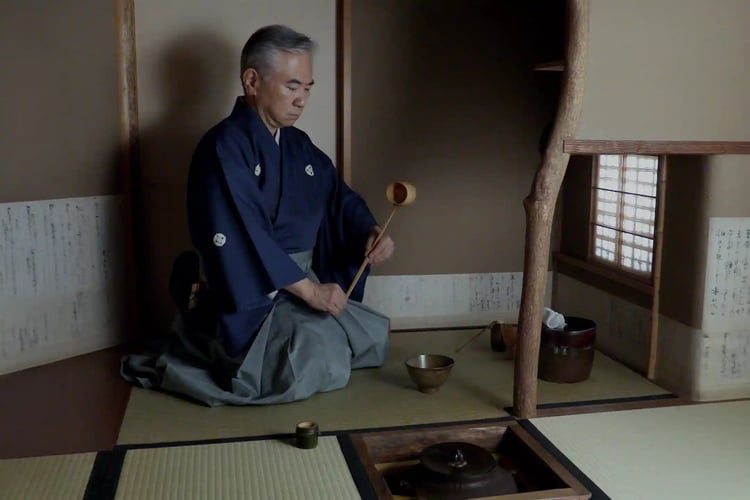
Meaning "a once-in-a-lifetime encounter," this concept expresses the philosophical awareness that even if the same people gather repeatedly for tea, today's particular gathering is unique and will never come again. The host offers sincere hospitality from the heart, and the guests respond in kind to that earnestness—creating the beautiful harmonious state of "Ichiza Konryu," in which the minds of everyone present become as one.
The Total Art Formed by the Tea Room, Utensils, and Wagashi
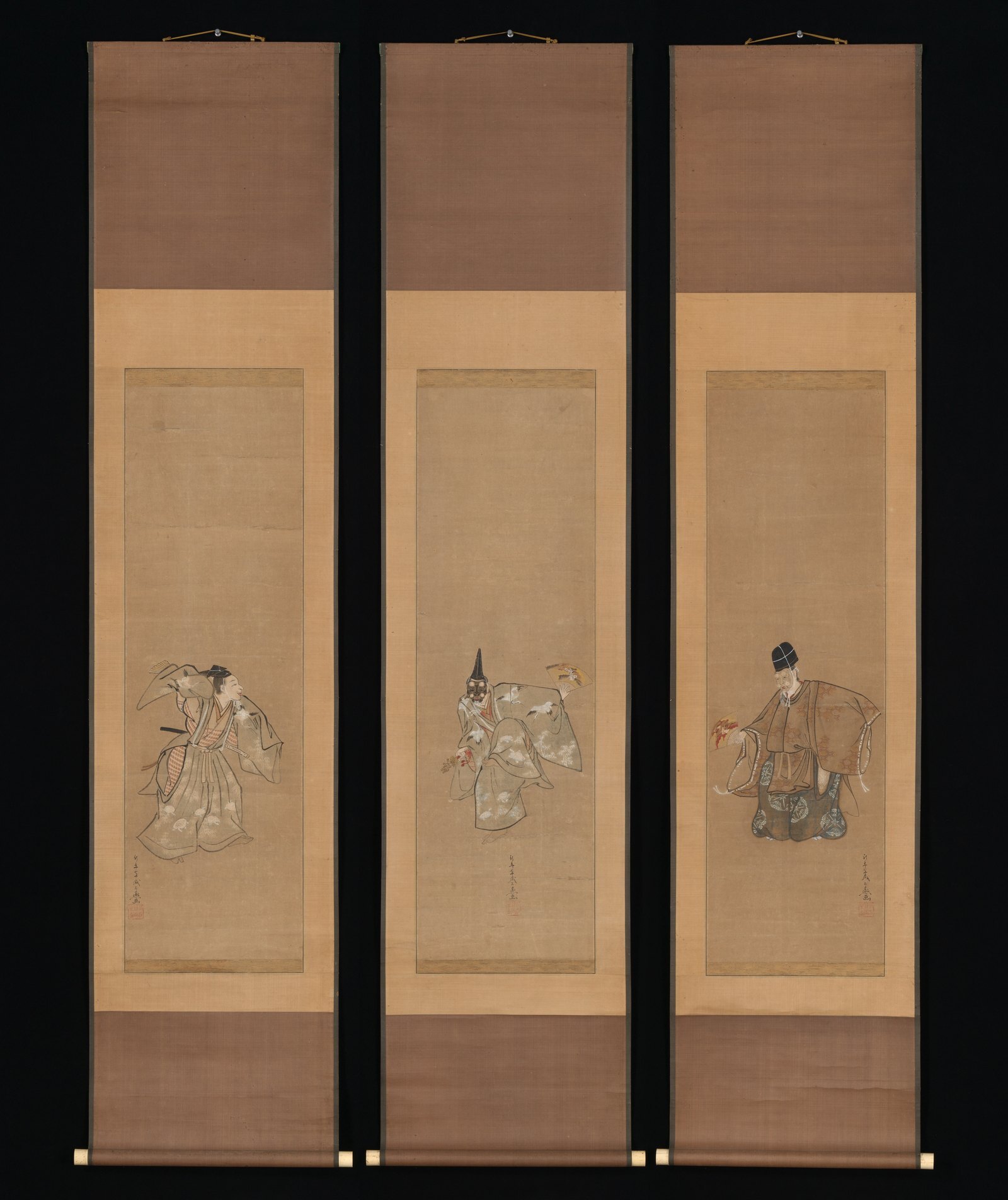
The Japanese tea ceremony is a total art form in which the essence of every facet of Japanese culture is woven around the simple act of receiving a bowl of matcha. The "Chashitsu" (tea room) where tea is served represents the pinnacle of traditional Japanese wooden architecture, and the "Kakemono" (hanging scrolls bearing calligraphy or paintings) and "Chabana" (seasonal flower arrangements) displayed within breathe life into the space.
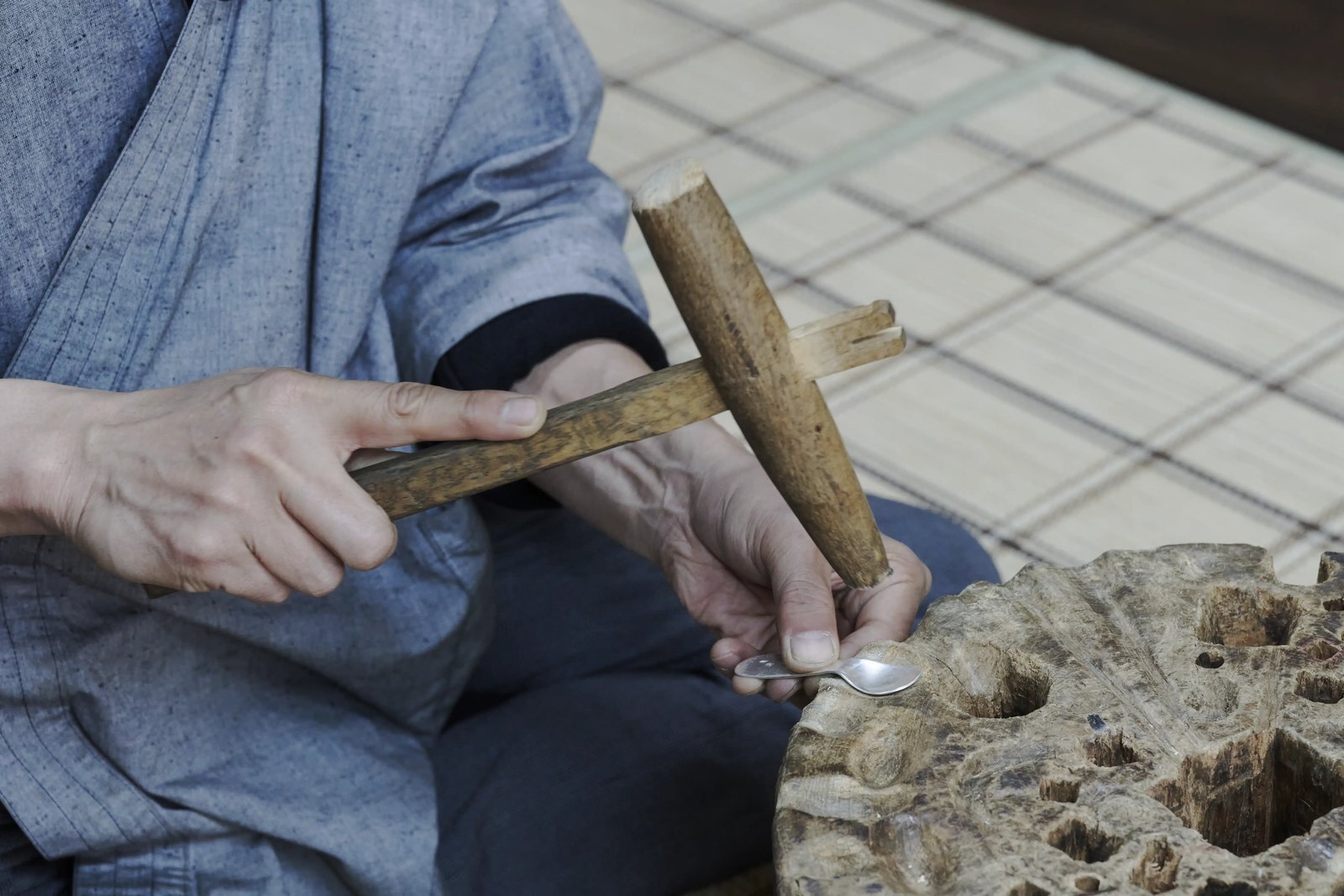
The "Chawan" (tea bowl), "Kama" (iron kettle), and "Chashaku" (a tea scoop fashioned from bamboo and similar materials) used for preparing tea are highly refined works of craftsmanship, shaped by techniques that artisans have passed down over centuries (*3).
Moreover, the "Wagashi" served before the tea are delicate works of art that express the seasons not only through taste but through sight. Wagashi are a traditional food made from plant-based, naturally derived ingredients such as azuki beans and agar.
Through the host's meticulous direction, architecture, fine art, craftsmanship, and food culture come together to create a single harmonious world that appeals to all five of your senses (*1). Just as a fine, modern-classic interior places importance on the balance of the entire space, the harmony of the Japanese tea ceremony offers a singular experiential value: resonating deeply with your own inner world within a space of stillness.
One official characterisation is worth carrying with you. A document from Japan’s Agency for Cultural Affairs describes the tea ceremony as a living cultural art form staged as a drama in two acts, built around the interplay of food and tea. That framing is more useful than it first appears: it tells you that kaiseki and the bowl of tea are not a meal followed by a drink, but two halves of a single composition, and that the room, the roji garden, the utensils, the scroll, the flowers, and the incense are all working inside the same stretch of time.
The History of the Japanese Tea Ceremony
The form the Japanese tea ceremony takes today did not appear overnight. The custom of drinking tea arrived from China and, over many centuries, intertwined with Japanese religious outlook, aesthetic sensibility, and the values of warrior society to develop into something uniquely its own.
Tracing that journey reveals why the tea ceremony has been handed down not as a mere set of dining manners, but as a path of spiritual cultivation and a total art form. Here, we'll walk through the flow from the time tea took root in Japan, through its perfection by Sen no Rikyu, to its spread through the various schools.
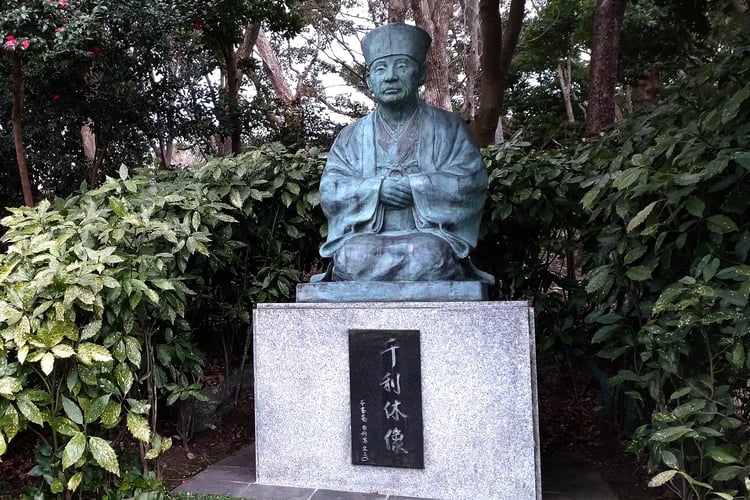
The Tea Culture That Came from China
The history of the Japanese tea ceremony began with a single seed carried across the sea. Tea was not native to Japan; it is believed to have been brought from China as the latest in foreign culture during the 8th and 9th centuries by the kentoshi (state missions dispatched to Tang China). Records from the early 9th century already show that tea cultivation had begun within Japan (*1).
Initially, what was adopted was solid-form tea derived from the pressed tea culture of Tang China, and the method of drinking is thought to have resembled the "sencha method" of simmering the leaves. In this era, tea was treasured among only a limited circle of aristocrats and elite monks, who valued it as a medicine and an extremely precious luxury amid their admiration for advanced Tang culture (*1). In much the same way you might incorporate a superfood today, the intellectuals of that age held tea's stimulating effects and its health benefits in high regard.
Zen and Warrior Culture Nurture Chanoyu
In the Kamakura period of the 12th century, the practice of drinking powdered tea (tencha) was introduced to Japan through exchanges with China, with Eisai among its key bearers. At the same time, Eisai brought home the teachings of Zen, a school of Buddhism (*1). In Zen temples, tea came to be consumed as part of spiritual practice—to ward off drowsiness during seated meditation and to sharpen concentration to its utmost—and the bond between tea and Zen grew inseparable.
As time passed, chanoyu spread widely into the society of the samurai, the ruling warriors of the day (*1). Powerful military lords poured vast fortunes into collecting expensive tea utensils imported from China. This went well beyond personal hobby; such collections became political and economic status symbols, considered on par with the value of territorial holdings.
Between the fraught days of battle, these warriors cultivated their spirits in the serene, otherworldly space of the tea room and strengthened bonds with their comrades. The fusion of Zen's "simplicity" with the warrior's pursuit of "dignified bearing" gave form to the powerful framework of the Japanese tea ceremony.
Sen no Rikyu and the Establishment of Wabicha
In the latter half of the 16th century, during the turbulent age known as the Sengoku period, a historic genius appeared whose vision would define the aesthetics of the Japanese tea ceremony as we know them today. This was Sen no Rikyu. Until then, chanoyu had celebrated the use of flamboyant, flawless Chinese-made tea utensils to flaunt power and wealth.
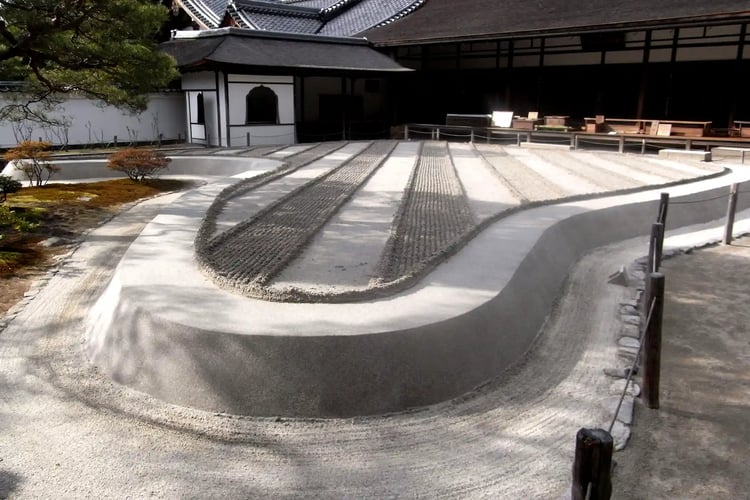
Rikyu, however, deliberately discovered the highest beauty within humble everyday objects and in small, spare spaces stripped of ornament to the very limit. This philosophy is known as "Wabicha."
"Wabi" refers to an exceptionally refined and distinctly Japanese aesthetic—one that finds spiritual abundance within material lack and imperfection.
This sensibility, which overturned the conventions of the wealthy class of the time, was in a sense avant-garde. Through his spirit of paring away, Rikyu established a tea ceremony of high spirituality, in which people could engage in heartfelt dialogue without relying on ornate display (*2). The idea of letting go of the unnecessary and confronting the essential is a timeless philosophy that also resonates deeply with the enriched lifestyle you seek today (*2).
The Spread of the Schools Centered on the San-Senke
After Sen no Rikyu's death, the spirit and form of the tea ceremony he established were carefully inherited by his descendants. Today, three principal schools descend from Rikyu's bloodline, collectively known as the "Sansenke": Omotesenke, Urasenke, and Mushakojisenke.
Omotesenke is sometimes said to be the school that most conservatively preserves the traditional movements handed down from Rikyu. In contrast, Urasenke has flexibly adapted the tea ceremony to the times—actively engaging with school education and promoting the practice overseas (*2).
Mushakojisenke is characterized by its rational movements and temae (the procedures for preparing tea), refined to eliminate waste. Though the schools differ in fine details, such as how the tea is whisked or how utensils are handled, the spirit of "Wakeiseijaku" advocated by Rikyu and the fundamental ideal of welcoming guests remain firmly shared across them all.
The Documentary Record—Dates, Names, and First Mentions
The broad story of tea arriving from China can be pinned to specific documents, and knowing them makes the timeline concrete rather than atmospheric. A report by the Agency for Cultural Affairs notes that tea is not a plant native to Japan and that it is believed to have come from China during the 8th to 9th centuries by way of the Japanese envoys to Tang China. On the basis of writings by the monk Saichō, cultivation is estimated to have already begun in Japan by the early 9th century. The firmest early record is in the Nihon Kōki, which states that on the 22nd day of the 4th month of Kōnin 6—815—a monk named Eichū brewed tea and offered it to Emperor Saga, and that in the 6th month of the same year tea was planted in provinces including the Kinai region.
The next fixed point comes in the Kamakura period with Eisai, who is known for introducing the Rinzai school of Zen and who brought matcha, then in the form of tencha, back with him. The Azuma Kagami records that in 1214, when Shogun Minamoto no Sanetomo was suffering from a hangover, Eisai offered him a single bowl of tea and presented him with the Kissa Yōjōki—considered Japan’s first book on tea. Tea was refined inside the life of Zen temples, in ritual and in the everyday alike, and that is the ground the chanoyu of later generations was built on.
From Murata Jukō to Sen Sōtan—How Wabi-cha Actually Spread
The turn toward wabi-cha was a deliberate act, not a drift in taste. The Agency for Cultural Affairs report describes how, in the latter half of the 15th century, a new sensibility took shape around Murata Jukō, who pointedly used utensils different from the prized pieces favored by the shogunal family. By the 16th century that influence had spread from Kyoto to Sakai, moving through figures such as Takeno Jōō, until Sen no Rikyū—active in the age of Toyotomi Hideyoshi—carried chanoyu into every corner of the country. The decisive move was stepping away from the competition for lavish display and building a highly refined stillness instead, out of everyday materials and small, carefully bounded spaces.
What happened after Rikyū matters just as much for understanding the schools you will meet today. Chanoyu diversified, weaving together with the tastes of the samurai class and the culture of the court nobility, and the sons of Rikyū’s grandson Sen Sōtan each founded their own house—Omotesenke, Urasenke, and Mushakōjisenke. The Senke-ryū style of tea then spread not only among the samurai but among the townspeople, which is why it survived the end of the warrior class intact. For a newcomer, the useful conclusion is not a ranking of the schools by their fine differences: every one of them shares the same underlying framework of preparing the space and savoring time together as host and guest.
The Procedures of the Japanese Tea Ceremony
Even if you're drawn to the Japanese tea ceremony, not knowing how a gathering actually unfolds can make the idea of attending feel daunting. Yet the procedures of a tea gathering aren't simply complex formalities for their own sake—they are a continuum of refined movements polished over time so that host and guest can show each other mutual respect and carefully share a single stretch of time together. Knowing the flow in advance will ease your nerves on the day itself, and allow you to savor the meaning behind each gesture unfolding before you. Let's look through the sequence from preparation to departure, step by step.
Preparation and Attire Worth Knowing Before a Tea Gathering
When you attend a proper tea gathering for the first time, you may feel apprehensive—"Aren't there many intricate rules?" In truth, every practice has a completely sensible reason behind it: "respect for others" and "careful handling of the utensils" (*1).
Let's begin with attire. While kimono is ideal, if you're attending in Western dress, choose something in a subdued color palette, grounded in business casual. The tea room is a quiet, pure space where you'll also enjoy the subtle fragrance of incense, so it's good manners to refrain from strongly scented perfume. Large jewelry and watches should be removed, as they could damage tea utensils that may be centuries old and irreplaceable.
Because you'll step into the tea room shoeless, proper etiquette calls for bringing clean white socks to change into before entering. Among the items you'll need are "Kaishi" (washi paper used to rest wagashi on or wipe the rim of the tea bowl) and "Sensu" (a folding fan used to mark boundaries), but for experiences geared toward beginners, the host will almost always provide these for you. In modern times, powering down your smartphone before the gathering begins—shutting out the flood of outside information completely—is an essential preparation for the true spiritual fulfillment that awaits.
From the Roji Garden to Entering the Tea Room
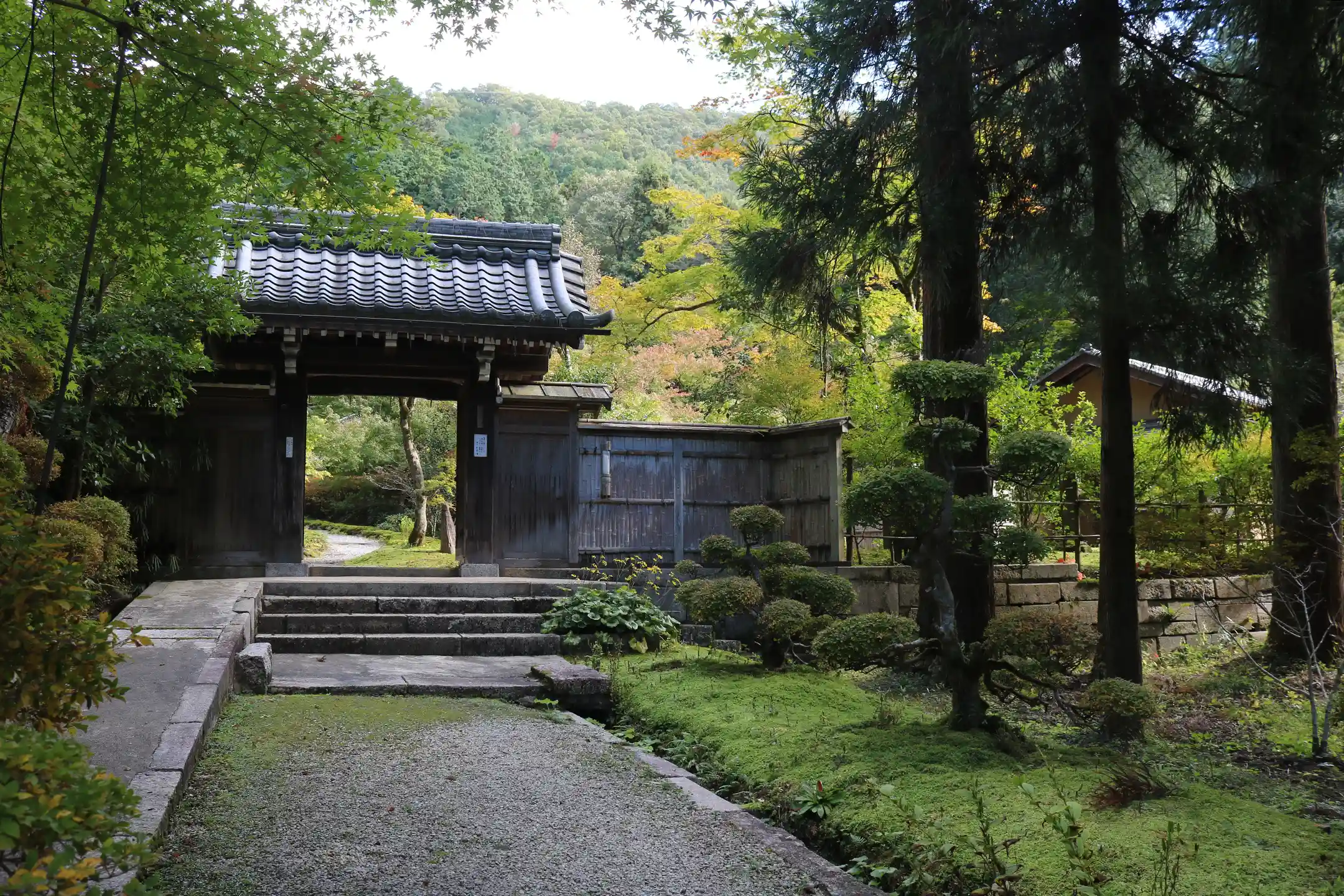
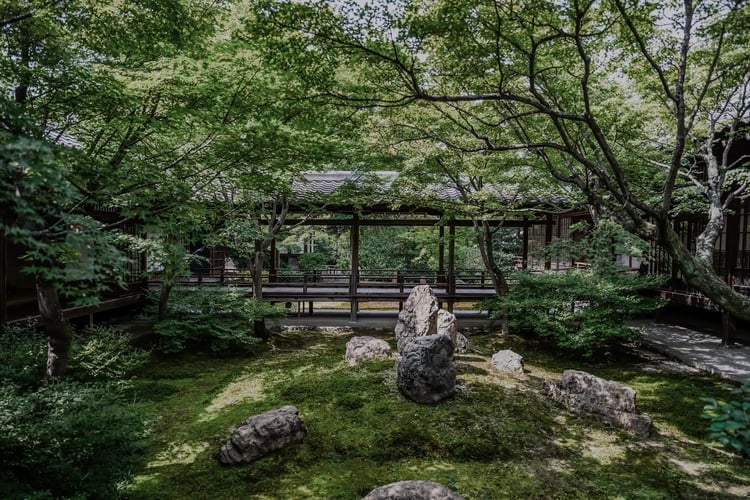
A tea gathering begins in a space called the "Machiai," or waiting area (*1). Here you remove your coat and settle your mind while receiving a welcome drink such as hot water. You then walk along the "Roji"—a beautifully tended garden path leading to the tea room. The Roji functions as a "spiritual transition device," carrying you from the mundane world into an altogether different realm.
You step along stepping stones, and at a stone basin called the "Chozubachi," filled with fresh water, you purify your hands and mouth. Then comes the "nijiriguchi," the entrance to the tea room—a small guest doorway through which you enter by bending your body low. It is often described as a symbol of the tea ceremony's philosophy: that within the tea room, all are stripped of social standing and meet as equals. Through this physical movement, Rikyu's philosophy—that within the tea room everyone stands on equal ground, apart from social attributes—is expressed bodily.
Viewing the Tokonoma and Receiving Wagashi
After passing through the nijiriguchi and entering the tea room (an act called "Sekiiri"), your first destination is the "Tokonoma," or alcove. Here you'll find the hanging scroll that reveals the theme of the day's gathering, along with a seasonal flower arrangement. You offer a bow of respect to these, taking in the message the host has chosen just for this occasion. Then you take your seat.
As the gathering progresses, a wagashi known as "Omogashi" is served before the tea (*1). Wagashi is far more than a sweet; it's an artwork expressing the beauty of each season in nature. Using a special "Kuromoji" (a small pick fashioned from fragrant wood), you cut the sweet into manageable pieces and enjoy it gracefully.
The delicate sweetness of the wagashi lingers in your mouth, heightening the deep, pleasant bitterness of the matcha that follows. It is all calibrated to produce perfect harmony on the palate.
How to Receive the Matcha and Handle the Tea Bowl
Now comes the heart of the gathering—receiving the matcha. When the host presents the tea bowl to you, begin with a small bow of gratitude. Pick the bowl up with your right hand, rest it on your left palm, and firmly support the side with your right hand. Here begins a crucial sequence. Every tea bowl has a "front," and the most beautiful design or scenery is turned toward you, the guest, as a gesture of the host's consideration.
To avoid placing your lips directly on that exquisite front and leaving any trace there, you rotate the bowl clockwise with your right hand, about twice, so that the front is turned slightly away before you drink. This movement expresses your humility and deep respect toward a beautiful vessel. After drinking, you lightly wipe the rim with your right thumb and forefinger, then clean those fingers with the kaishi. You then rotate the bowl counterclockwise to return the front to its original position, and place it down on the tatami.
The Difference Between Koicha and Usucha
Two kinds of tea are served at a gathering: "Koicha" (thick tea) and "Usucha" (thin tea). In a formal chaji (a full-scale tea gathering of about four hours that includes a meal), it is Koicha that takes the true center stage (*1). Made by generously using the highest-grade matcha and kneading it with a small amount of hot water, Koicha has a thick, velvety consistency, almost like a rich potage.
As matcha attracts global attention as a superfood, Koicha—in which you effectively "consume" freshly ground, top-grade tea leaves directly—can be considered the ultimate indulgence. Koicha is shared by all the guests from a single bowl, a deeply meaningful act that fosters a sense of solidarity and brings hearts together as one (*1).
Usucha, meanwhile, is the matcha you probably picture most readily, with a beautifully whisked, frothy surface. Served one bowl per person (*1), it has a comparatively crisp flavor, meant to be enjoyed in a relaxed and convivial atmosphere. Most Japanese tea ceremony experiences designed for beginners offer only Usucha.
Conversation and Questions During a Tea Gathering
A tea gathering is not a silent, rigid rite. On the contrary, thoughtful conversation about the arrangement of the tea room or the utensils is the highest compliment you can pay to the host's meticulous preparation and care. After finishing the tea, it is customary to ask about the maker of the bowl, its place of origin, its historical period, or its "Mei" (the unique name or theme given to the utensil).
You might say, "May I look at the tea bowl, please?" and hold the bowl with both hands at a low position (just above the tatami, so that even if it were to slip, it wouldn't break), taking your time to appreciate the texture of the clay and the landscape of the glaze.
Conversation flows gently, in measured voices. If you are someone with a rich appreciation for culture and art, asking about the historical context behind the utensils or the meaning of a Zen phrase inscribed on the hanging scroll will transform the gathering into something far beyond a meal—into an exceptionally rich exchange of intellect that will satisfy your deepest curiosity.
The Procedure for Leaving and the Final Farewell
As the gathering nears its close, the host carefully cleanses each utensil and begins returning everything to its original state. Once all the utensils have been put away, the host seats themselves at the "Sadoguchi" (the host's entry to the tea room) and offers a deep bow. You bow in response, conveying your heartfelt gratitude for the wonderful hospitality you've received (*1).
When it's time to leave, you exit through the same nijiriguchi by which you entered. Once outside, rather than hurrying away, you turn back and cast one last glance at the tea room—beautifully expressing the bittersweet feeling of "Nagori," the wish to hold onto the wonderful encounter and the hours spent. From beginning to end, every movement carries meaning, holds no wasted gesture, and flows with seamless beauty. That is the glory of the Japanese tea ceremony.
The Aesthetics of the Japanese Tea Ceremony and the Tea Room Space
The allure of the Japanese tea ceremony is not confined to the taste of the matcha alone. From the design of the tea room, to the texture of the utensils, to the arrangement of the tokonoma, to the selection of flowers and wagashi—every element is meticulously composed according to a single guiding philosophy. Here, a distinctly Japanese sensibility breathes, one that discovers beauty not in showy display, but in silence, in empty space, and in the imperfect. In this chapter, we turn our gaze to the space and design that shape the tea ceremony, and unravel the aesthetic that flows beneath.
The Philosophy Dwelling in the Design of the Tea Room
The physical space that perfectly embodies the profound spirituality of the Japanese tea ceremony is the "tea room." Its design holds a carefully considered philosophy meant to separate your mind from daily life and draw you into stillness. The stepping stones set through the roji garden are arranged in such a way that they naturally calm your stride and rhythm, stretching out your sense of time as you approach the tea room, and serving as an introduction that shifts your mind from the everyday into the world of chanoyu.
The tea room you enter through the nijiriguchi may be as small as four-and-a-half tatami mats (about 7.3 square meters) or even two (about 3.2 square meters). Ceilings are low, and natural light coming in through the windows is softly diffused by washi shoji screens, creating a dim space rich with shadow and nuance.
%20of%20a%20Traditional%20Japanese%20Tea%20Room.webp?width=750&height=500&name=The%20Crawl-in%20Entrance%20(Nijiriguchi)%20of%20a%20Traditional%20Japanese%20Tea%20Room.webp)
Built solely from natural materials—wood, earth, bamboo, and washi paper—the tea room is also an ecologically conscious architecture that embodies sustainability. This design, at once enclosed and yet evocative of cosmic expanse, allows you to forget the noise of the outside world entirely and immerse yourself deeply in the bowl of tea before you, in your own inner world, and in the spiritual dialogue with those present.
The Craftsmanship Seen in the Chawan, Chasen, Chashaku, and Kama
What brings the tea room to life is the array of tea utensils placed within it. These are not mere practical items, but the highest form of fine craftsmanship, into which generations of artisans have poured their souls (*1). The kettle used for boiling water, for example, employs techniques designated as Important Intangible Cultural Properties under the name of "Chanoyu-gama," supported by highly advanced metal-casting skills.
The "Chasen," used to whisk the matcha, is a delicate masterpiece of handwork, created by splitting a single piece of bamboo into extremely fine tines. The "Chashaku," used to scoop the tea, is often carved from bamboo by high-ranking monks or tea masters themselves, and the traces of their carving are said to reflect the maker's spirit.
As for the "Chawan," its "beauty free of artifice"—born from the interplay between nature and human hands, with the texture of the clay, the flow of the glaze, and the serendipitous effects of the kiln's flames (kiln transformation)—is held in the highest regard. When a fine tea utensil chips or breaks, it is restored with "Kintsugi" (a traditional technique of repair using lacquer and gold powder), and even those scars become new chapters in its history and beauty—loved and cherished for centuries.
Expressing the Seasons Through the Kakemono, Flowers, and Wagashi
One of the most treasured concepts in the Japanese tea ceremony is the delicate expression of "a sense of the season." Within the tea room, three main elements convey this: the kakemono (hanging scroll) displayed in the tokonoma, the chabana (flower arrangement), and the wagashi. The kakemono bears Zen phrases or waka poetry fitting to the season, setting the spiritual theme of the gathering.
Chabana are arranged not to decorate a space with flourish, as in Western flower arranging, but following Rikyu's teaching—"as they are in the field." Just one or two seasonal flowers are placed with the utmost simplicity, in their natural state.
Omogashi, the main sweets, reflect the scenery of the season through the artistry of the wagashi craftsman: soft pink cherry blossoms in spring, transparent agar evoking clear streams in summer, and the gradations of autumn foliage. Through these, though you remain within the tea room, you perceive the subtle shifting of Japan's four seasons and a profound reverence for the natural world.
%20Served%20with%20Traditional%20Japanese%20Tea.webp?width=750&height=500&name=Sakuramochi%20(Cherry%20Blossom%20Rice%20Cake)%20Served%20with%20Traditional%20Japanese%20Tea.webp)
Wabi-Sabi and the Aesthetics of Subtraction
Flowing beneath all of this is the philosophy of "Wabi-sabi" and the aesthetics of subtraction (*2). Where the classical Western aesthetic often pursues "completeness" and "permanence" through symmetry, golden ratios, and the addition of ornament, the Japanese tea ceremony deeply cherishes the intentional "imperfect," the "asymmetrical," and the "transient" (*2).
In place of a perfectly circular tea bowl, warmth is found in one slightly askew from being hand-formed; in place of cherry blossoms in full bloom, imagination is stirred more by petals falling or buds just beginning to open. Through the work of "subtraction"—paring away everything unnecessary and leaving only the essential—comes "yohaku" (empty space), and it is within this very space that you, the guest, project your own heart, finding the room to receive deep spiritual fulfillment (*2).
Toriawase—What You Are Actually Looking At
Knowing even a little about the tea ceremony changes how you travel in Japan: the shift is from ticking off famous places to reading the intention behind them. Stepping stones in a garden stop being a path and become an experience calibrated to the length of your stride and the pace of your gaze. The slight warp in a bowl or the unevenness of a glaze stops reading as a flaw and starts reading as a deliberate pocket of openness, left in on purpose. Once you carry that lens, it applies to temple architecture, to tea utensils behind museum glass, to a sukiya-style ryokan, and to the choice of a single dish at a quiet restaurant.
Inside the tea room, the thing to watch for is toriawase—the combinational design. Much of the conversation at a gathering turns on the background of the hanging scroll, the tea bowl, the tea caddy, the shifuku pouch, and the tea scoop, with the guests, and the shokyaku above all, guiding the flow through their questions and impressions. Silence in this setting is not wordlessness; it is time set aside for looking. The second thing to watch for is how the season has been folded into the room. Academic study of tea room arrangement describes a practice that avoids repetition and deliberately breaks balances of color and shape in order to generate beauty. The convention that flowers in the room rule out pictures of flowers is an editorial technique, not a superstition: it keeps the expression of the season clear and uncluttered.
What the Japanese Tea Ceremony Can Teach You
The Japanese tea ceremony is not simply a cultural tradition to admire from afar. When you touch its essence, you do more than deepen your understanding of Japanese culture—you can also reclaim sensibilities easy to lose sight of in modern life. Sitting quietly with another person. Treasuring a single, unrepeatable moment in time. Stripping away the unnecessary to see what truly matters. Lessons like these extend beyond a single travel experience, bringing a quiet shift to your everyday sensibilities and the way you relate to others. Here, we consider the value the tea ceremony offers to you as a modern person.
A Gateway to Understanding Japanese Culture as a Whole
The Japanese tea ceremony serves as perhaps the finest gateway for deeply understanding the essence of Japanese culture (*1). Through the simple experience of receiving a single bowl of tea, you encounter in one place the pinnacle of countless Japanese traditions—the philosophy of Zen, the structure of traditional wooden architecture, the traditional crafts of ceramics, lacquerware, and bamboo work, as well as washi paper, calligraphy, ikebana, kimono, and wagashi.
If you have a strong interest in admiring ceramic works at contemporary art galleries or hanging scrolls at museums, learning about the tea ceremony will be an invaluable aid in understanding the deeper context of those pieces—"in what kind of space and under what philosophy were they originally meant to be used?" The tea ceremony is precisely a master key that connects individual cultural elements not as isolated points but as a continuous thread, allowing you to grasp the Japanese inner world in three dimensions.
Feel the Power of Stillness and Focus
For today's executive, perpetually tethered to notifications and navigating overwhelming information and multitasking, the greatest lesson the Japanese tea ceremony offers is the felt experience of stillness and focus (*1). Within the tea room, all that resonates is the sound of water coming to a boil in the kettle, the drip of hot water from the "Hishaku" (a ladle), and the faint whisper of the chasen whisking the tea.
Watching the host's refined, unwasted movements, and then moving yourself along the prescribed sequence with the same care, you are led naturally into something akin to a "moving meditation"—a state of mindfulness (*1). The space, cleared of unnecessary noise through the aesthetics of subtraction, prevents your awareness from scattering and reminds you of the joy of being fully present in "this moment."
Just as world leaders who drive innovation often turn to the philosophy of Zen, the extreme concentration brought by the tea ceremony can clear your thinking and become a wellspring of fresh inspiration.
Experiencing Hospitality and Ichigo Ichie
The culmination of what the Japanese tea ceremony teaches lies in understanding the spirit of "hospitality" and the principle of "Ichigo Ichie" not as mere concepts, but as something you truly feel. The host, taking into account the preferences of the guests, the season, and the intent of that day's gathering, selects the perfect combination of utensils from their own collection (this process is known as "toriawase"), thoroughly purifies the tea room, and attends to every unseen detail in preparation for receiving you.
As the guest, you read the host's deep consideration from the space itself and respond with sincere gratitude. What takes place here is far beyond any exchange of monetary value—a pure communion between two souls. The philosophy of treasuring this unrepeatable moment to the fullest teaches the nobility of "truly being present with another person"—something we tend to forget in modern daily life.
The tea ceremony is not something to be consumed as a mere tourist activity; it will become a lifelong learning experience that enriches your life and cultivation at their very roots.
The Tea Ceremony Seen Through the Lens of Sustainability
For a practice several centuries old, the tea ceremony sits unusually close to contemporary thinking about sustainability. The affinity is not a modern retrofit—an attitude of less, better, and longer-lasting is built into how utensils are chosen and cared for. A Ministry of the Environment document introduces the word mottainai as the feeling that it is a shame to waste something without fully drawing out its potential, and connects it to a way of living that prizes quality over quantity.
The same sensibility runs through kintsugi, the repair of broken vessels with lacquer and gold powder—turning the scar into the point of interest rather than hiding it. TOKYO UPDATES, an official outlet of the Tokyo Metropolitan Government, traces kintsugi back to the tea culture of the Muromachi period and makes the case for repairing with natural materials and keeping things in use over the long term. The logic extends to the field as well as the tea room. The National Agriculture and Food Research Organization reports that the chagusaba method of tea farming in Shizuoka Prefecture sustains the diversity of native plants and animals by maintaining the surrounding grasslands, and that this led to its recognition as a Globally Important Agricultural Heritage System in 2013. Being able to take in the land and the labor behind a single bowl is not a separate topic from the tea itself—it is the same attentiveness, pointed further upstream.
How to Experience the Japanese Tea Ceremony in Japan and Choose the Right Option
Once your interest in the Japanese tea ceremony takes hold, the next thing you'll likely want to know is how you can actually experience it.
In Japan today, you'll find a remarkable range of options to suit your goals—from casual matcha experiences for travelers, to authentic lessons at practice studios, to intimate tea gatherings held in exceptional settings. The key is to clarify for yourself what you wish to learn, and how deeply you want to engage. Finally, let's outline how to choose an experience that will make your encounter with the tea ceremony all the richer.
Types of Japanese Tea Ceremony Experiences
If you're considering experiencing the Japanese tea ceremony firsthand during your visit to Japan, several different approaches are available, each calibrated to different traveler needs (*1). The most easily accessible are the "traveler-oriented experiences" offered at major sightseeing destinations and luxury hotels. In a session of several dozen minutes, you receive matcha and wagashi and are taught how to sit and perform a few basic movements—an excellent gateway into the culture.
For those of you wishing to learn the essence more deeply, there are "trial lessons at tea ceremony schools." Here, you step into an actual practice studio and learn the meaning and historical background of the etiquette directly from a teacher.
And if you seek the finest experience rooted in authenticity, we highly recommend a "private experience," in which you have exclusive use of a tea room within a storied temple or cultural property normally closed to the public, and take part in a "proper tea gathering (chaji)" with in-depth commentary in English from a professional tea master.
How to Choose if You're a Beginner
For you, especially if you are an intellectually curious traveler hoping to delve deeper into Japanese culture going forward, the most important criterion when choosing an experience program is "the richness of background explanation."
Rather than a program that merely instructs you to "turn the tea bowl and drink," seek one that offers thoughtful explanations—in English (or in your own language)—about the philosophical background, such as why the nijiriguchi is made so small, or what is meant by the "landscape of the tea bowl," and that provides expert commentary on the artworks displayed within the room.
Rather than a program incorporated into a large package tour, choose a "small-group" or "fully private" program where you can freely ask questions as they arise. Doing so will dramatically deepen your satisfaction and your learning. When booking, if you are unaccustomed to "Seiza" (the traditional Japanese seated posture), check in advance whether the venue can accommodate "Ryureishiki"—a style in which chairs are provided—so you can participate in total comfort.
Surrounding Culture to Enjoy Alongside the Tea Ceremony
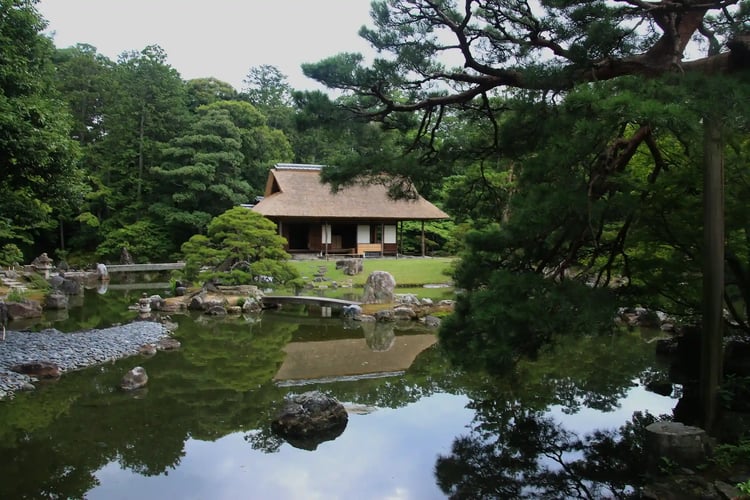
To transform your Japanese tea ceremony experience from a single point into a continuous line—making it richer and more multidimensional—we recommend engaging with the surrounding culture as well. For example, before heading to the tea room, take a leisurely walk through a Japanese garden and savor the beauty of "Shakkei" (the advanced landscape technique of incorporating distant mountains and scenery as background). Doing so will make the spiritual shift into the tea room's stillness all the more seamless.
Visiting museums beforehand to appreciate collections of famed tea utensils—"chawan" and "Chaire" (tea caddies) crafted hundreds of years ago—will also deepen the emotion and understanding you feel when you actually hold such utensils at a tea gathering.
Moreover, in cities like Kyoto and Kanazawa, where traditional culture still breathes, visiting long-established wagashi shops and savoring the seasonal artworks created by master artisans—with both your eyes and your palate—is an extraordinary experience. Arranging refined transportation and traveling seamlessly between art, architecture, and cuisine, with the tea ceremony at the center, will make for the most exquisite of cultivated journeys.
Four Ways to Judge Whether an Experience Is the Real Thing
If you want a sharper filter than “does it look authentic,” four criteria do most of the work. First, is the group small enough for actual conversation. Second, is there explanation of the historical and material background, rather than instruction alone. Third, are the tea room, the garden, and the utensils presented in their original context, or lifted out of it. Fourth, does the experience go beyond usucha to include koicha or kaiseki—and if it does not, is it clearly explained why. That last point matters because a full chaji traces a long arc from kaiseki through charcoal, koicha, and usucha, while public demonstrations usually concentrate on usucha alone for reasons of length and complexity. A short experience is not a lesser one. But the settings that take the time to tell you what is a summary and what is the essence will satisfy you on a different level entirely.
The same test applies to English-language programs, where what matters is not the quality of the translation but whether the design fills in the cultural context you would otherwise miss. Urasenke describes chado as a way of spiritual and aesthetic self-cultivation, with the warm moment shared between host and guest over a single bowl at its center—and a strong course will give you four things alongside the experience itself: clarity on the vocabulary, such as temae and chaji; the meaning behind the movements, including why things are purified and why utensils are examined; the background of the materials, from bamboo to lacquer to clay; and the philosophy of seasonality and combinational design.
Where to Stay Once the Tea Ceremony Has Taken Hold
One side effect of falling for the tea ceremony is that your standards for lodging quietly shift. You start noticing sukiya-style architectural detail, the rhythm of open space in a garden, the choice of tableware, lighting that does not disturb the quiet. Japan’s Database of National Cultural Properties, writing on Tairyū Sansō—a modern sukiya-style building designated an Important Cultural Property—singles out the harmony between building layout and garden, the careful use of contrasting materials, and the character of the tea rooms as its standout qualities. Those are useful things to look for. Combining garden visits, craft galleries, museum displays of tea utensils, and restaurants that pay attention to their vessels will bring the world of the tea ceremony into three dimensions rather than leaving it as a single afternoon.
A Three-Stage Path for Beginners
Learning holds better when it is built in stages. The first stage is having the vocabulary: getting chanoyu, chado, otemae, and chaji straight, and understanding the broad flow of a gathering. The second is seeing the real thing—tea bowl exhibitions at museums, tea rooms designated as cultural properties—so that the materials and structures register in your body rather than only in your notes. The third is practicing small: even within a short experience, making a habit of reading the scroll, observing the design of the sweet, and putting the feel of the bowl into words. Those become portable modes of appreciation that travel with you to the next room, and the next trip.
Conclusion
The Japanese tea ceremony is an incomparable cultural experience, one in which history, philosophy, architecture, fine art, and craftsmanship are intricately woven behind every bowl of green tea. The elevated spirit of harmony found in "Wakeiseijaku," and the refined beauty of empty space born of the aesthetics of subtraction, offer you the highest quality of time—a chance to step away from the noise of modern life and quietly face your own inner world.
Far more than a list of procedures, knowing the "respect for others" and the heart of "Ichigo Ichie" embedded in every beautiful gesture becomes a deep cultivation that enriches even your daily life and your relationships in business. On your next journey to Japan, we invite you to step through the small nijiriguchi of a storied tea room, and in that stillness, fully savor with your own heart and body the moment in which all five of your senses are brought to their sharpest.
Author Bio