There's a quiet protagonist that elevates any special-occasion dinner without stealing the spotlight: sushi made with Suzuki (Japanese Sea Bass). While vibrant tuna and rich sea urchin may take center stage, this bass sushi behaves more like fine silk—draping an elegant finish across the entire course.
In this article, you'll discover the nuanced flavors of this refined white-fleshed fish, the season when it truly shines, and the traditional "Edomae" techniques that bring it to life under a master's hands. Through comparisons with other white-fleshed fish, you'll come to appreciate the unique aesthetic Suzuki embodies. Consider this your complete guide to enriching your next gastronomic journey.
What Does Suzuki Sushi Taste Like? The Charm and Character of This Refined Bass Sushi
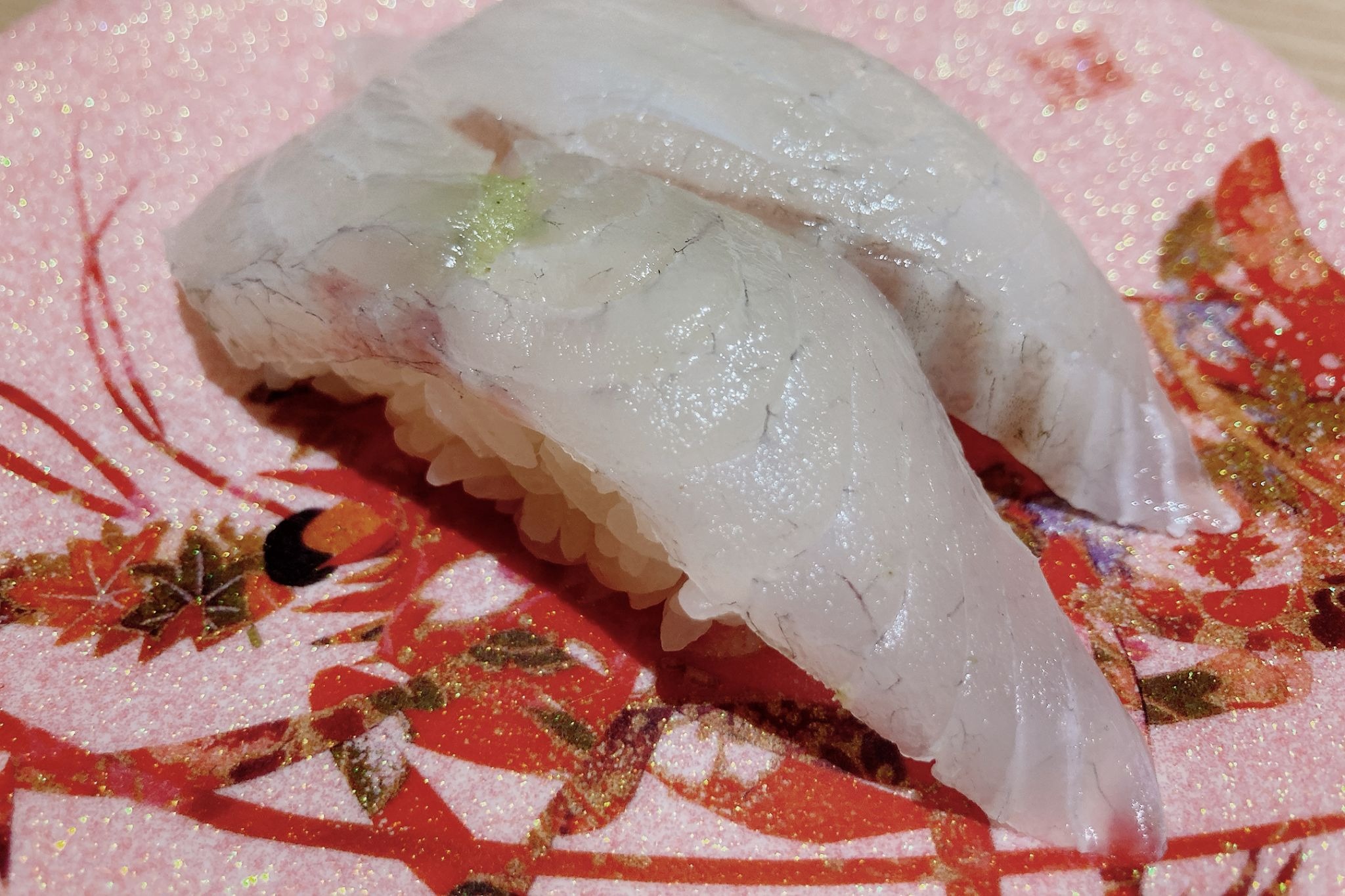
Suzuki sushi isn't the kind of piece that stuns you with a dramatic first bite. Rather, it lingers in your memory through the "beauty of its aftertaste"—a quality that quietly unwinds the senses. A crystalline umami, a texture both light and structured, and a gentle sweetness that lingers on the finish: these notes layer together like a piece of refined music, leaving a soft, resonant impression.
For a special-occasion dinner, Suzuki serves beautifully as an "opening note" that tunes the palate and heightens anticipation for the courses to follow. It captivates not through flamboyance but through refinement—and therein lies the essential appeal of bass sushi.
Neither Too Light nor Too Heavy—Enjoy Its Crystalline Umami
If you had to capture the flavor of Suzuki in a single phrase, "pure, crystalline clarity" would come closest. Unlike the fatty toro of tuna or the richness of salmon, this isn't a fish that competes through weight or the lingering cling of oil on the tongue.
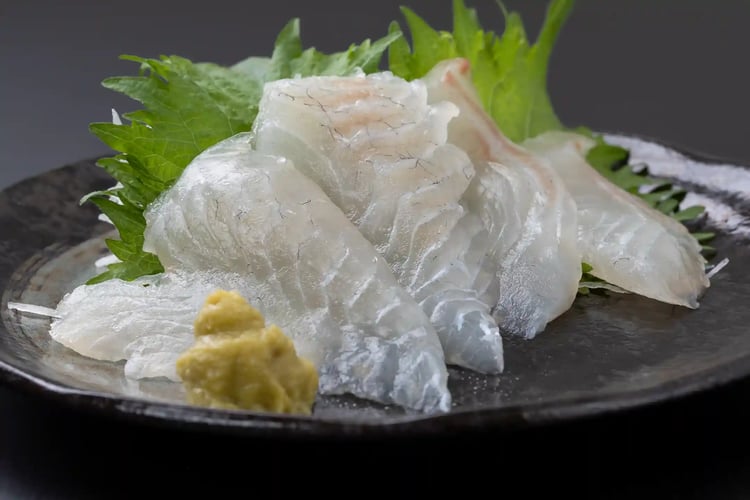
With one bite, you'll notice a pristine, refined umami spreading quietly across your palate, followed by a delicate, nuanced aroma reminiscent of sipping a fine white wine. The secret behind this transparency lies in Suzuki's high-quality protein and the graceful balance of its modest fat content. Premium Suzuki, in particular, displays flesh so translucent it glimmers like handcrafted glassware (*1).
Because its flavor is inherently elegant, Suzuki makes a fitting opening for a celebratory anniversary dinner, gently sharpening your palate for what's to come. Precisely because it doesn't announce itself boldly, you can savor the subtle shifts in flavor with every bite—a deeply sophisticated experience worth lingering over.
A Balance of Crispness and Tenderness
You can't discuss Suzuki's appeal without touching on its distinctive texture. Many white-fleshed fish lean heavily in one direction—either offering a firm, snappy bite or a silky, yielding softness. Suzuki, however, achieves an exquisite balance that captures the best of both worlds.
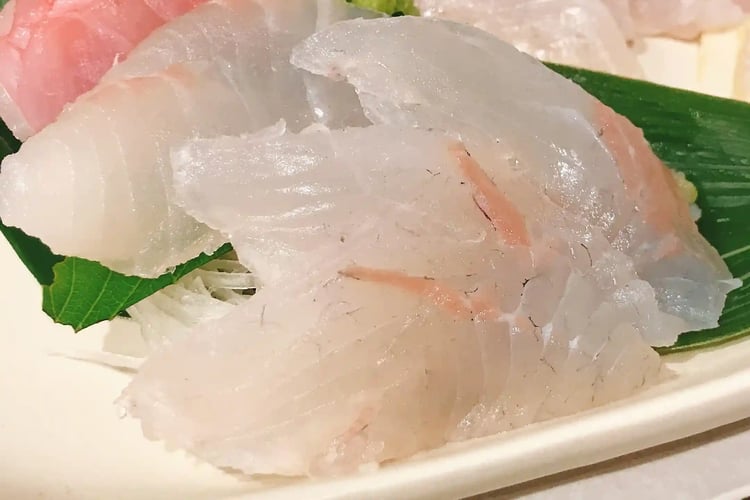
The moment it enters your mouth, you feel a pleasant, crisp snap; yet as you chew, the flesh softens beautifully, eventually merging with the warmth of shari (sushi rice brought to body temperature) as though the two were always meant to become one. This textural evolution is the greatest pleasure of experiencing bass sushi in its nigiri form.
Seasoned sushi chefs understand this unique quality intimately, calibrating the temperature of the rice and the pressure of the nigiri with exacting precision. Within the contrast between cold fish and warm rice, Suzuki's elasticity and tender release perform in perfect harmony.
Why Suzuki Sushi Is Celebrated as a Piece of Quiet Elegance
Just as many of the world's most acclaimed luxury dining experiences emphasize the "aesthetic of subtraction," the finest sushi follows the same principle. Suzuki sushi earns its reputation as a truly refined piece precisely because it never insists on itself.
Rather than overwhelming you with rich fat or aggressive umami, Suzuki leaves its mark through understated flavor and delicate texture. This philosophy echoes the traditional Japanese aesthetic of "yūgen"—a sense of profound, unknowable depth.
In the high-end sushi course known as "Omakase," Suzuki often appears in the earlier stages, resetting the palate from previous selections and serving as a graceful bridge to the richer pieces that follow. For mature diners who favor subtlety over spectacle and value refined spaces with attentive hospitality, Suzuki is precisely the intellectually rewarding piece that satisfies deeper curiosity.
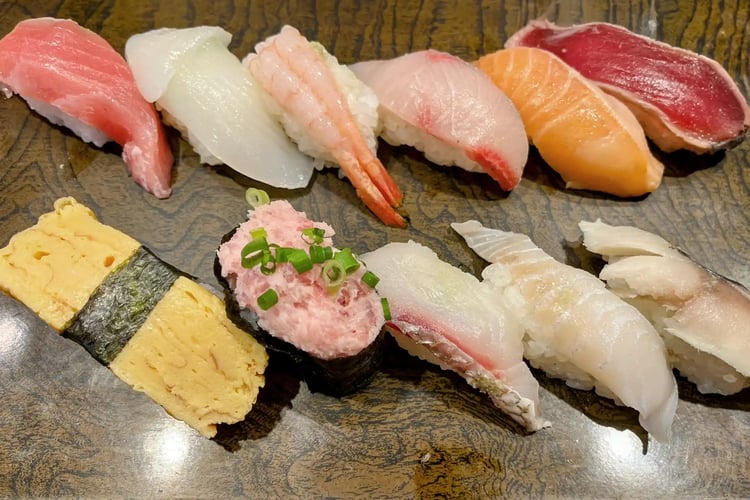
What Kind of Fish Is Suzuki? The Essentials Behind This Prized Bass Sushi Topping
Suzuki has been cherished in Japanese culinary tradition for centuries, and beneath this long relationship lie fascinating ecological traits and deep cultural meaning. Its auspicious status as a "success fish," its dynamic migration between sea and river, and the firm, well-toned flesh this lifestyle produces—all of these give Suzuki a "story" that transcends its role as a mere ingredient.
When viewed as sushi material, its true charm lies in how gracefully it receives the craftsman's touch. Suzuki offers both exceptional raw quality and remarkable versatility in preparation—a combination that secures its place as an essential fixture in top-tier sushi establishments.
How to Read "鱸" and What You Should Know About Suzuki
Suzuki is written as "鱸" in kanji. While there are several theories about the origin of its name, one suggests it comes from the idea that its flesh is so pure and white it appears "as if freshly rinsed." In English-speaking regions, it's commonly translated as "Japanese Sea Bass," though it carries a distinct character quite different from the sea bass varieties found in Western waters.
In Japanese culture, Suzuki has long been beloved as a "Shusse-uo" (success fish), changing its name as it matures—from "Seigo" to "Fukko" (or "Hane" in some regions) to "Suzuki" (*1).
Because success fish are considered auspicious symbols of life milestones, career achievements, and deepening relationships, Suzuki carries a backstory that makes it exceptionally fitting for celebratory meals such as wedding anniversaries or proposal dinners. Hearing these stories directly from a sushi chef as you savor each piece adds a vivid layer to your travel memories.

The Distinctive Flesh of a Fish That Moves Between Sea and River
One of the most intriguing ecological traits of Suzuki is its movement between sea and river. During winter, it spawns in deep offshore waters; come early spring, the young fry migrate to shallow coastal areas and estuaries where rivers meet the sea (*2).
As adults, Suzuki continue to roam widely with the seasons, traveling between inner bays and the lower reaches of rivers in search of food. This dynamic environmental range, combined with abundant activity, forges the taut muscle and distinctive flesh quality that define the fish.
Constantly navigating fast-flowing waters strips away excess fat, sculpting a lean, athletic physique. Life between river and sea also lends Suzuki both the robust umami of saltwater fish and the refreshing fragrance characteristic of freshwater species.
The interplay of these complex environmental factors produces a flavor profile that no ordinary white-fleshed fish can match—a singular balance of wildness and refinement.
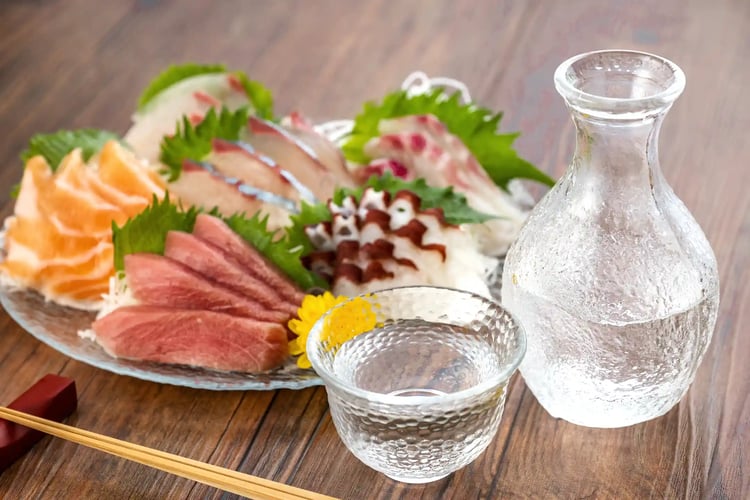
Why Suzuki Is Chosen as a Premier Sushi Topping
Among the many white-fleshed fish available, Suzuki has been held in special regard and consistently chosen by the sushi tradition that has flourished since the Edo period for one clear reason: its flesh offers the "depth of a fine canvas."
The bloodline (a portion of muscle between skin and flesh) glows in lovely shades of crimson or delicate cherry pink, creating a visually striking contrast against the pure white meat. In luxury dining, visual presentation carries as much weight as flavor, and Suzuki nigiri shines on the plate like a quietly radiant jewel.
What's more, the skin contains distinctive flavor compounds and gelatin, while the flesh itself has firm fibers—making it an ideal medium for the various traditional preparation techniques (known as "shigoto," or "the work") discussed later. Because bass sushi has the potential to receive a chef's craftsmanship and be elevated to even greater heights, it continues to be treasured by the finest artisans.
When Is Suzuki Sushi in Season? Origin and Individual Variation
To experience Suzuki at its very best, you'll want to understand both the temporal dimension of "shun" (peak season) and the spatial dimension of "origin and individual variation." From early to midsummer, Suzuki achieves its finest balance of fat and umami, offering genuine depth within its signature clarity.
At the same time, even during this same window, flavor varies subtly depending on the waters where the fish was raised and the condition of each individual. Much like terroir in the world of wine, these differences emerge from the intricate interplay of natural environment and human craft. A luxury sushi experience lies precisely in "understanding while enjoying" these distinctions—and Suzuki happens to be one of the fish where such nuances come through most clearly.
Suzuki's Seasonal Window and Shifting Flavor
In Japanese culinary tradition, honoring the sense of season—known as "Shun"—represents the very essence of cooking. Suzuki's peak runs from early to midsummer. After spawning in winter, Suzuki loses body mass through spring, but from the rainy season into early summer, it feeds voraciously and plumps up remarkably (*1).
Suzuki at this time is also called "Natsu-bane," when premium fat settles generously beneath the skin and rich umami compounds accumulate in the flesh (*1). In essence, Suzuki plays the role of a seasonal herald, announcing the arrival of summer.
In Japanese sushi, where each season's most fleeting, exquisite moment is captured with reverence, serving refreshing Suzuki at the opening of a summer course represents the beginning of what can genuinely be called an artistic experience.
How Origin and Size Shape Suzuki's Personality
Suzuki is caught along coastlines throughout Japan, and one of its most compelling qualities is how dramatically its character varies by region. Particularly renowned origins include Tokyo Bay—the birthplace of Edomae sushi—the Seto Inland Sea with its powerful tidal currents, and nutrient-rich Osaka Bay (*2).
Tokyo Bay Suzuki has long been treasured as the leading figure in Edomae sushi, boasting a robust flavor nourished by the abundant mingling of sea and river waters. Suzuki from the Seto Inland Sea develops exceptionally firm flesh thanks to the vigorous currents, while those from Osaka Bay are known for their refined sweetness, a result of feeding richly on small fish and crustaceans (*2).
Just as the terroir concept in wine dictates how grape flavor shifts with environment, Suzuki's aroma and umami profile transform dramatically depending on the water quality, diet, and current strength of the waters where it matured.
Even Among Suzuki, Sourcing and Preparation Make the Difference
Suzuki is a fish whose flavor depends not only on its own potential but also on the human intervention that follows the moment it leaves the water. Even two Suzuki of identical size caught from the same waters can take dramatically different paths, depending on whether a skilled fisherman has performed "Shinkei-jime" (a specialized technique using wire to destroy the fish's nervous system, delaying rigor mortis and preserving freshness) and whether ice-based temperature management has been properly applied.
Beyond that, the chef's ability to read the fish becomes the final, decisive factor in the flavor you ultimately taste. Examining flesh elasticity, skin luster, gill condition, and more, the artisan selects the finest specimen with an appraiser's eye—an instinct sharpened over years of training. At luxury sushi establishments, each fish isn't simply prepared but carefully calibrated to the day's temperature and humidity, and even timed precisely to your arrival.
How Is Suzuki Sushi Prepared? Nigiri and the Edomae Craft
Beyond the inherent beauty of its flesh, Suzuki is an ingredient with "creative space"—one that reveals countless expressions through the artisan's hands. You might savor it raw as nigiri to appreciate its transparency, enjoy it kelp-cured for layered umami, or experience it with yushimo (hot-water blanching) or light searing to draw out the distinctive character of the skin. Each technique isn't simply cooking; it's a "dialogue" intended to unlock the fish's full potential.
Add in factors like aging, the angle and depth of the knife work, and the temperature interplay with shari, and the finished piece takes on a whole new dimension. To taste Suzuki sushi is to taste the invisible thought and time the chef has poured into it—and that very depth sits at the heart of any true luxury experience.
The Classic Bass Sushi Approach You'll Want to Know First
The term "Edomae" originally referred to seafood harvested from Tokyo Bay, but today it signifies the style of sushi in which chefs apply various forms of "shigoto" (traditional preparation techniques) to the fish.
That said, the classic Suzuki nigiri you'll want to try first is remarkably simple: served raw. Suzuki that has been perfectly bled and preserved displays flesh with an almost crystalline beauty. The chef slices the flesh to an exacting thickness, adds just a pinch of salt and a single drop of sudachi (a Japanese citrus fruit), then unites it with the rice.
By skipping soy sauce and relying on salt and citrus, the pure aroma inherent to Suzuki, the gentle acidity of the shari, and the natural sweetness of the rice come together beautifully on your palate. Because there's nowhere to hide in such simplicity, this is the piece that most reveals a chef's true skill.
How Kelp-Curing, Searing, Yushimo, and Arai Transform the Flavor
Suzuki's true brilliance lies in how dramatically it shifts expression through Edomae "shigoto." "Kelp-curing" involves sandwiching thinly sliced Suzuki between sheets of ma-konbu for several hours or overnight (*1). Originally developed as a preservation method in the era before refrigeration, the kelp draws out excess moisture and firms the flesh, while transferring its abundant glutamic acid (an umami compound) into the fish—producing a flavor of remarkable depth and dimension (*1).
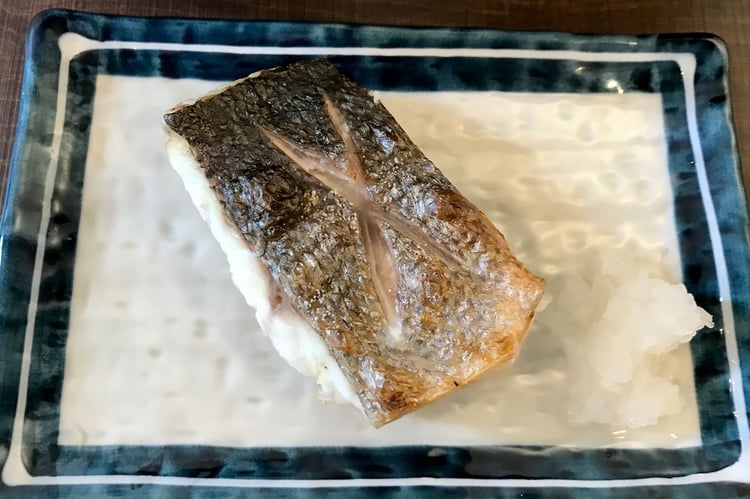
There's also "Yushimo," a technique designed to elevate the deliciousness of the skin. By briefly pouring boiling water over the skin and immediately plunging the fish into ice water, the skin softens and the rich fat beneath it is sealed in.
Meanwhile, "Arai"—a beloved summer tradition—involves chilling thin slices in ice water so the flesh contracts rapidly (*2). The flesh ripples and tightens, excess fat and any off-notes fall away, and you're left with a refreshing, ultra-crisp texture that's the very essence of summer dining (*2).
Aging, Knife Work, and Temperature Control Unlock the Magic
Sushi chefs are, in many ways, scientists. During aging, after rigor mortis sets in, ATP breaks down to produce umami compounds such as inosinic acid, while changes in muscle fibers simultaneously soften the flesh's texture. White-fleshed fish like Suzuki can be overly firm and short on umami when absolutely fresh—but when a chef carefully ages the fish under meticulously controlled temperature and humidity, the flesh yields into tenderness and releases an explosion of flavor.
The invisible technique of "kakushi-bōchō" (hidden knife work) matters just as much. Reading the direction of Suzuki's muscle fibers, the chef fine-tunes the angle and depth of each cut so that the flesh feels its most silken against your tongue.
A single piece of Suzuki sushi placed before you on an anniversary evening contains the wisdom passed down from the Edo period, distilled through modern hospitality at its most polished. Understanding this transforms your gastronomic experience into something deeper and more moving.
How Does Suzuki Sushi Compare to Other White-Fleshed Fish?
Within the world of white-fleshed fish, Suzuki is never the loudest voice in the room. Yet that very restraint is precisely what gives it value unlike any other. Compared to the flamboyance of Madai (red seabream) or the sensual texture of Hirame (flounder), Suzuki offers a more linear, transparent flavor—one that sharpens your senses rather than overwhelming them.
In other words, Suzuki is the accomplished "supporting actor" that elevates the stars, while simultaneously rewarding those who truly understand it with profound pleasure. For a couple sharing a meaningful moment, discovering and exchanging thoughts on these quiet distinctions can become one of the richest memories of all.
Umami and Aftertaste: How Suzuki Differs from Madai
Among the white-fleshed fish arrayed in a sushi counter's showcase, Suzuki is most often compared to "Madai" (Red Seabream) and "Hirame" (Flounder). Let's first look at how it differs from Madai, revered as the "king of white-fleshed fish" in Japan.
Madai greets you with an immediate flood of sweetness and a bold, celebratory umami. Its deliciousness is universally accessible—truly regal in its grandeur. Suzuki, in contrast, doesn't project that same dramatic umami. Its flavor is clearer and more linear, as though every trace of impurity has been pared away, leaving only crystalline freshness.
If Madai's finish evokes a "full, satisfying richness," then Suzuki's aftertaste is "the clarity of a breeze sweeping through an open window." Where Madai is the full-bodied wine that charms everyone, Suzuki resembles a mineral-rich, premium Chablis—carrying a refinement that resonates with those who pay close attention.
Texture and Transparency: How Suzuki Differs from Hirame
Next, consider the comparison with Hirame, often called the "king of winter white-fleshed fish." Hirame is at its fattiest in winter, with flesh of an almost clinging quality that yields a sensually tender texture (*1).
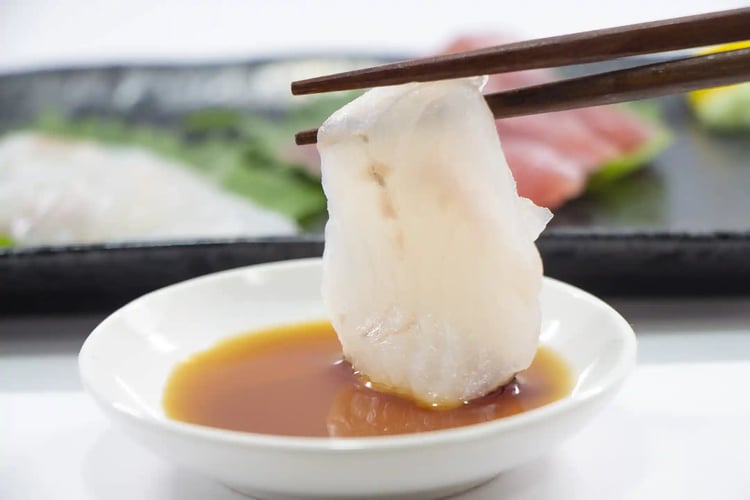
The "engawa" (the fin muscle) is particularly prized for its concentrated, buttery umami that captivates connoisseurs. By contrast, summer-season Suzuki stands out not for clinging richness but for its "crisp, buoyant bite" and "juicy, springy resilience" (*1). If Hirame is the warm, velvety texture you want to savor slowly on a winter evening, Suzuki is the cool, translucent silk perfect for a sultry summer night.
In Japanese sushi culture, which honors the seasons so deeply, winter's Hirame and summer's Suzuki represent the peaks of two opposing poles—each essential, neither replaceable.
Where Bass Sushi Stands Among White-Fleshed Fish
Compared with its peers, Suzuki's role becomes clear: it is "the purest messenger of seasonal change" and "the quietly intelligent director who balances the entire course."
Rather than commanding the room with star power, it employs its delicate nuances to enhance the courses before and after it, as well as the sake or wine in your glass—making it a consummate supporting performer. At the same time, it's a versatile canvas that transforms under techniques like kelp-curing or yushimo, revealing entirely new faces.
For sophisticated adults who don't chase flashiness but value "genuine specialness" and "meticulous service," understanding the depth of Suzuki sushi and savoring these subtle differences is perhaps the ultimate luxury in gastronomy. At an anniversary dinner shared with someone who matters to you, a single piece of bass sushi will quietly, yet unmistakably, etch an emotional mark onto your memory.