What are the types of kimono? For women, roughly from the most formal down, they are the kurotomesode (the black formal kimono), the irotomesode (the same garment on a coloured ground), the furisode (the long-sleeved kimono), the houmongi (visiting wear), the tsukesage, the iromuji (the single-colour kimono), the komon (an all-over repeat), the woven tsumugi and, at the casual end, the cotton summer yukata. Kyoto City's guide to the city's kimono culture sorts them into three tiers: formal wear, semi-formal wear, and stylish everyday wear.
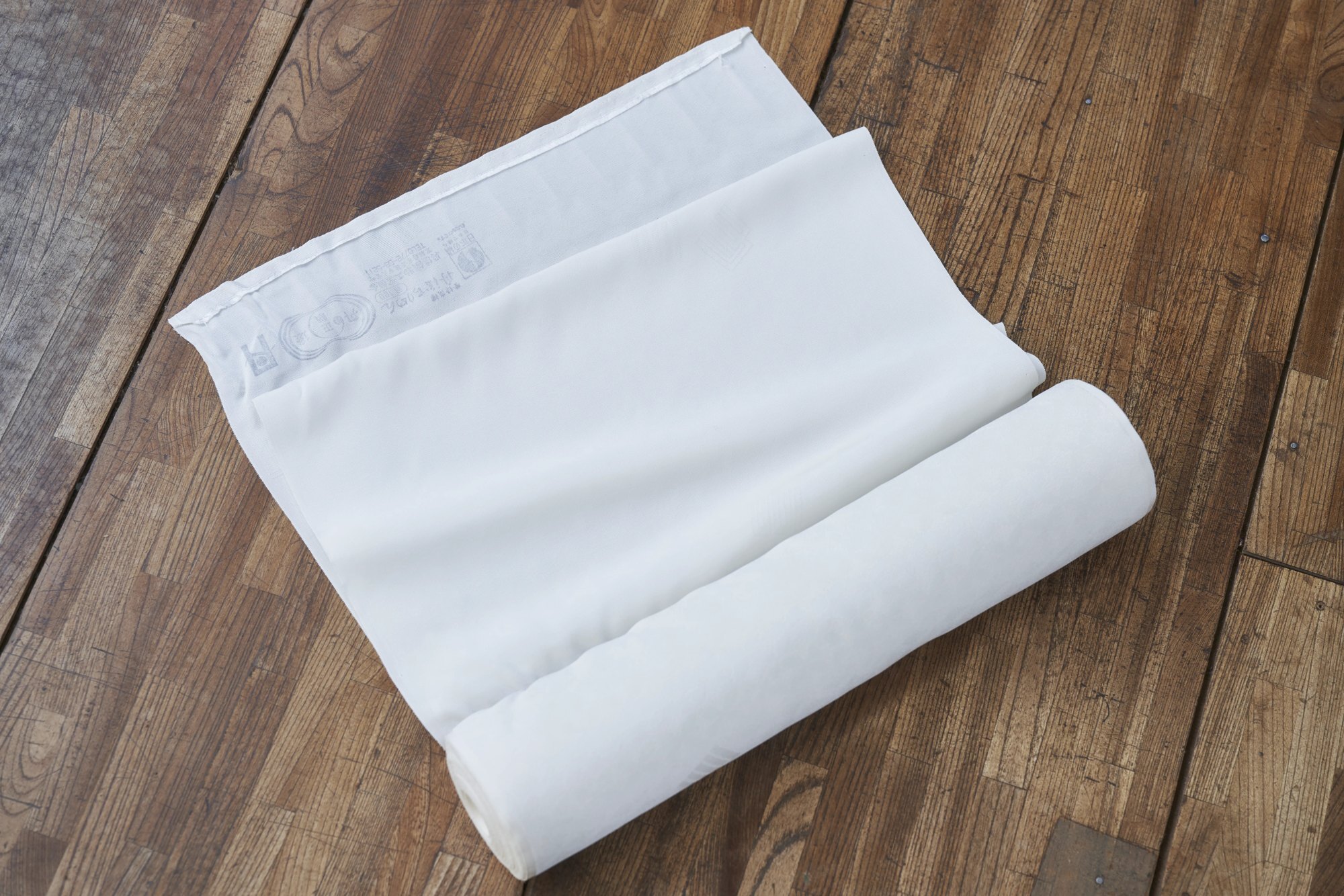
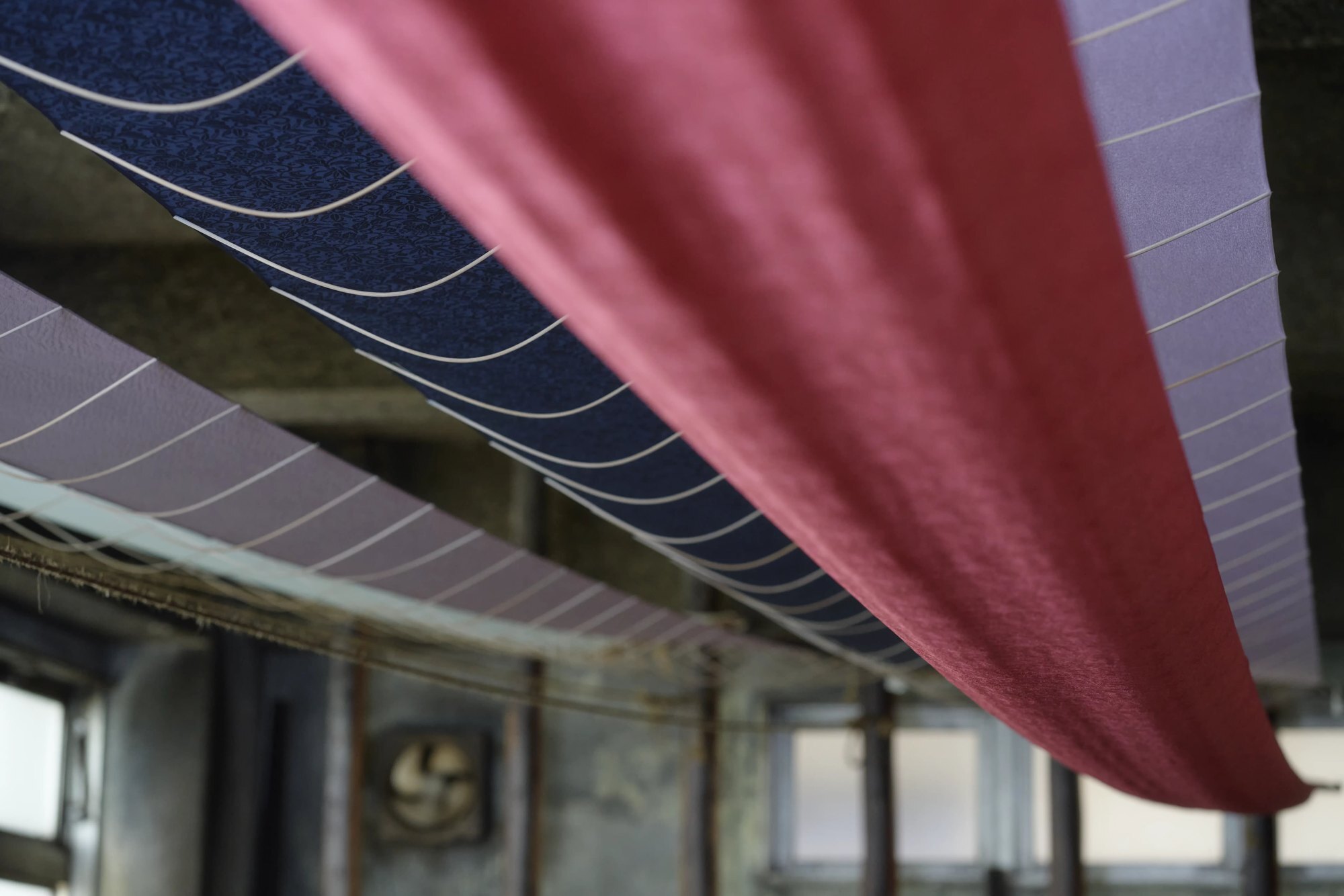
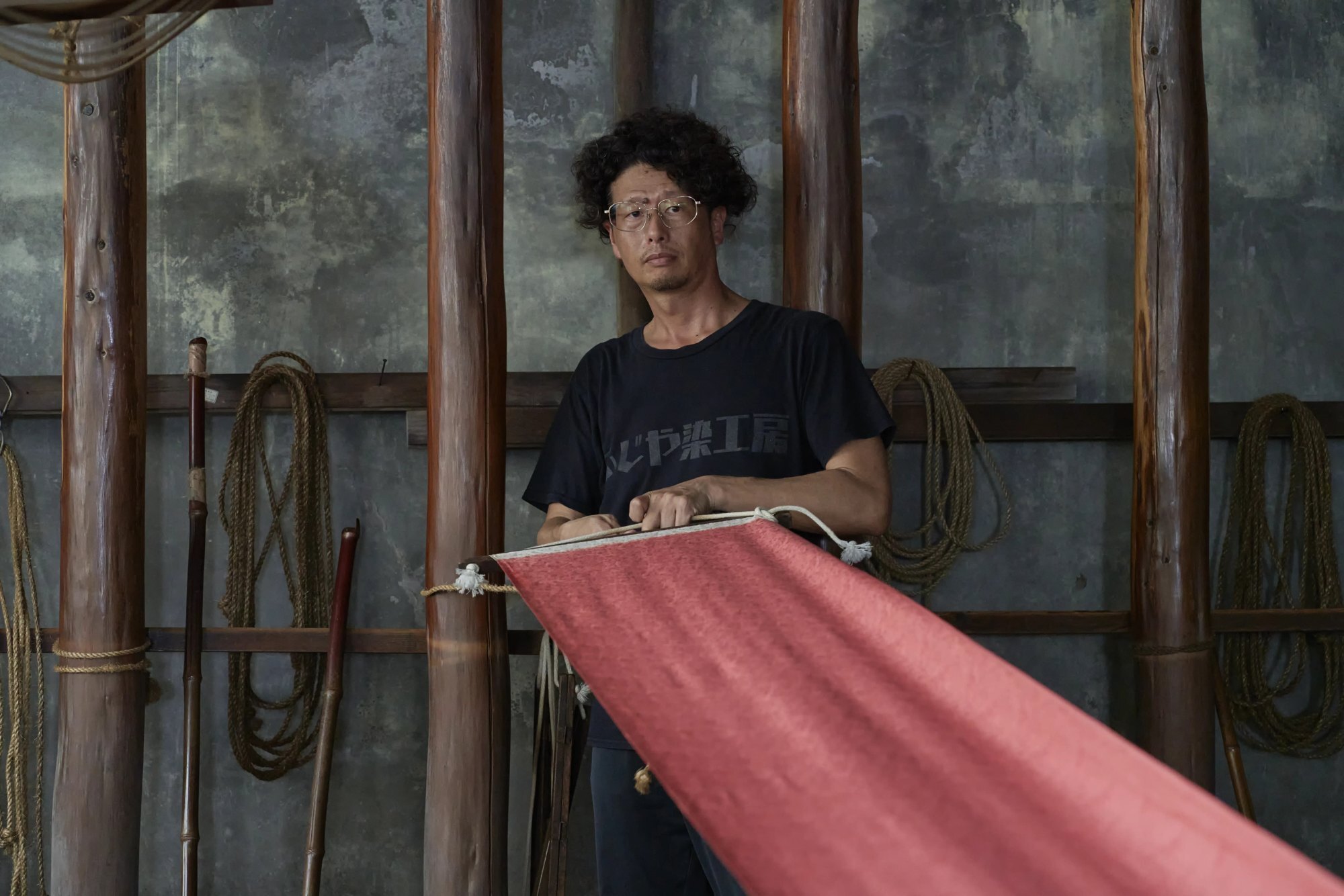
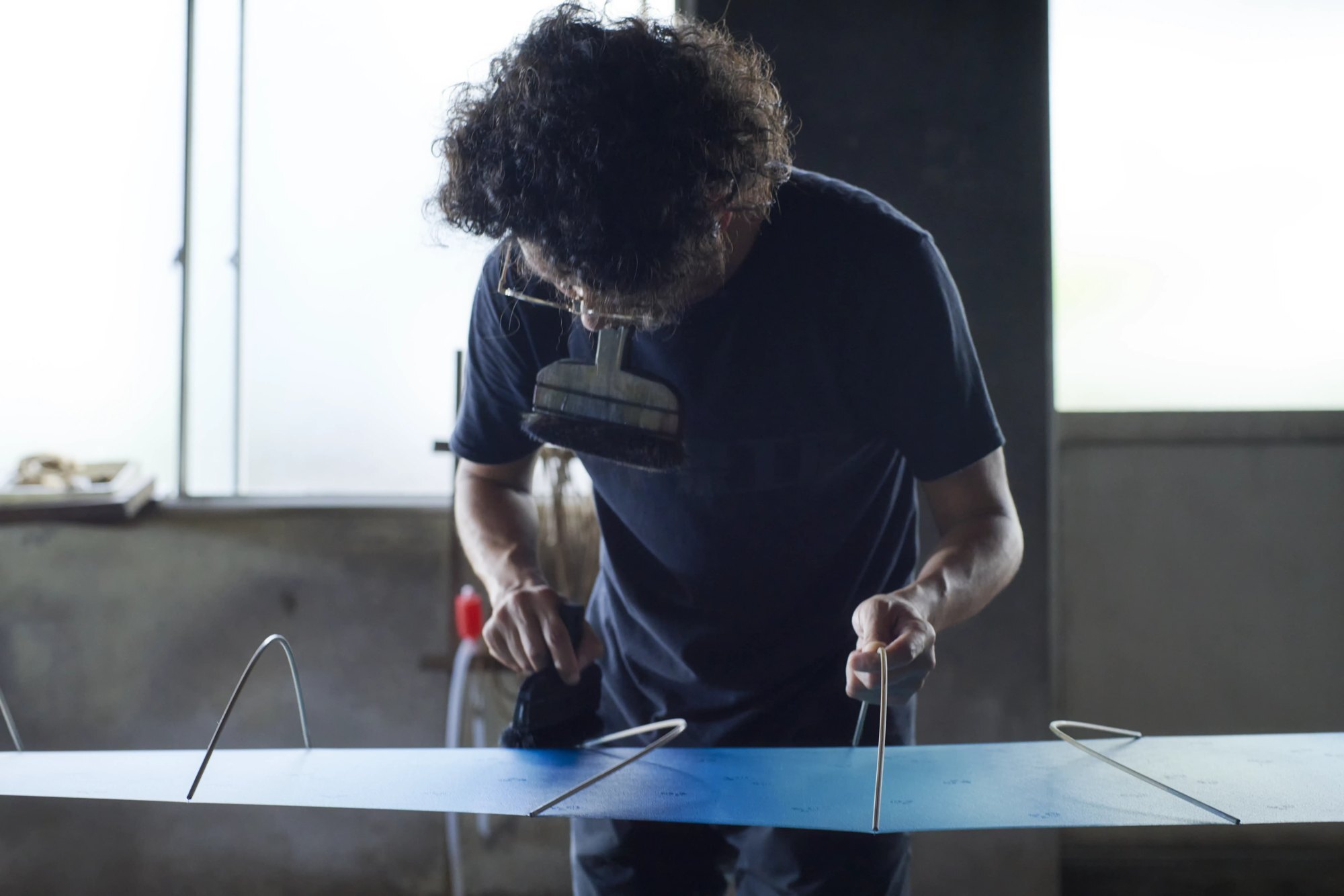
The names are given to finished garments, but the decision behind them is taken earlier. At Fujiya Dyeing Studio, a hikizome (brush-dyeing) workshop in Shinjuku, Tokyo, our interview records that a day's work starts at the front entrance, where a customer has brought a bolt of fabric. The consultation about what kind of garment it will become, and what colour it is to be dyed, takes place there on the spot, before the cloth is inspected and carried into the workshop.
The sections below start from that moment: the signals that tell you how formal a kimono is, how the bolt decides the type before the first cut, each type in turn, how the ranks came to exist, and where a traveller will see each one worn. Fujiya's third-generation dyer is the first-hand source here, in our conversation with dyer Takatoshi Nakamura. The definitions and the history rest on Kyoto's public bodies and dyers' cooperative, the National Diet Library, and a doctoral thesis on the kimono trade.
Types of Kimono by Formality: The Ladder From Kurotomesode to Yukata
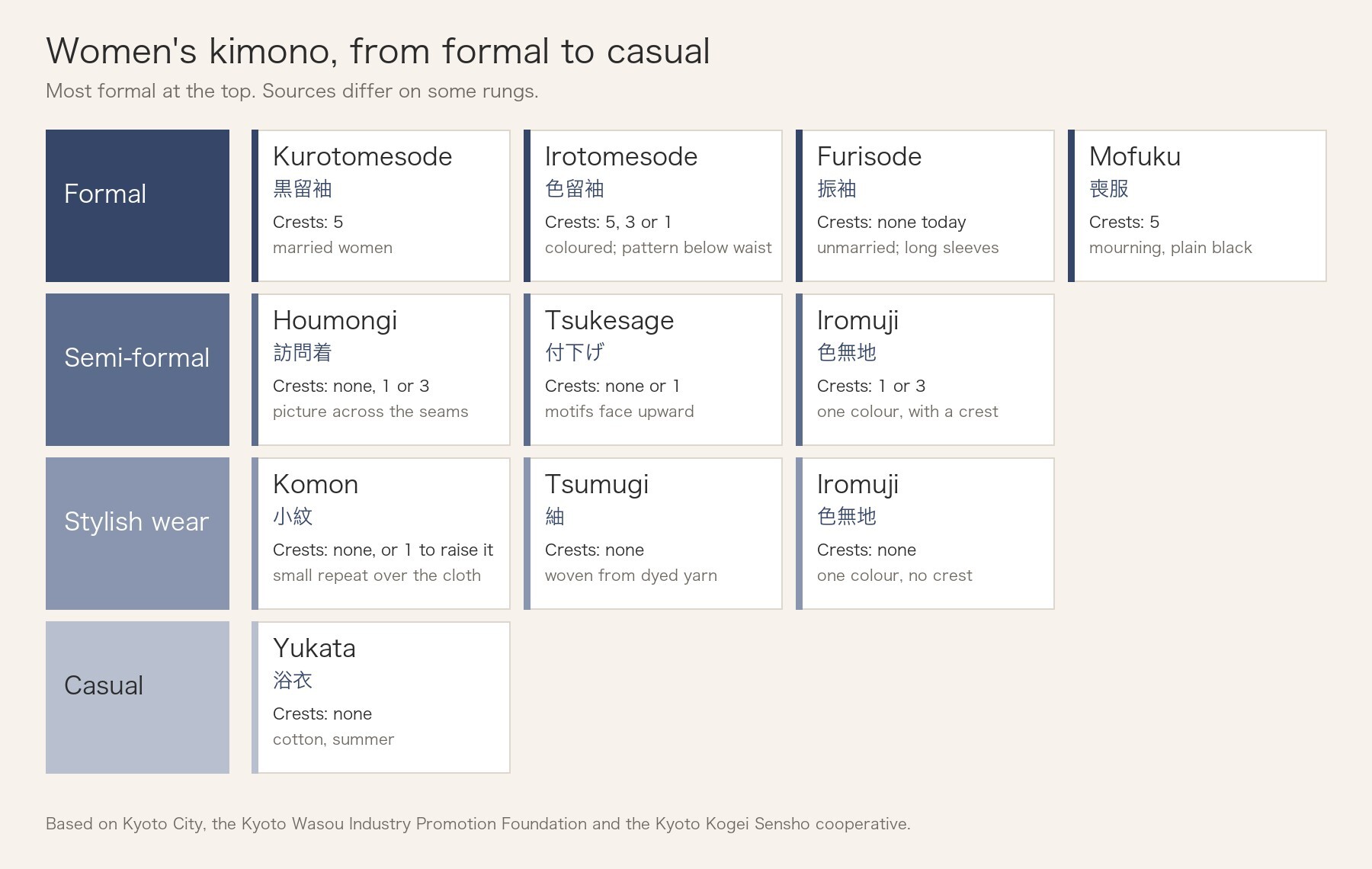
The ladder below combines three Kyoto sources: Kyoto City's page on kimono types, published by its Cultural Properties Protection Division; the Kyoto Wasou Industry Promotion Foundation, set up by Kyoto Prefecture, Kyoto City and the city's kimono trade; and the Kyoto Yuzen encyclopedia of the Kyoto Kogei Sensho cooperative of dyers. They differ on some details, and those differences are noted later in this guide.
| Type | Tier | Typical occasion | Pattern or cloth | Crests |
|---|---|---|---|---|
| Kurotomesode | Formal (married women) | A relative's wedding, formal ceremonies | Below the waist only, on the front and back hem | Five, dyed in reserve |
| Irotomesode | Formal or semi-formal | Formal celebrations; with fewer crests, social occasions | Below the waist, as on the kurotomesode | Five, three or one |
| Furisode | Formal (unmarried women) | Coming-of-age ceremonies, weddings | A single picture crossing the seams | Formerly five; today none |
| Houmongi | Semi-formal | Wedding receptions, parties, tea gatherings | A single picture crossing the seams | None, one, or sometimes three |
| Tsukesage | Semi-formal to going-out wear | Outings; increasingly, semi-formal events | Motifs placed to face upward once sewn | None or one |
| Iromuji | Formal or semi-formal with a crest; stylish wear without | Formal occasions when crested | No pattern: one colour other than black | One or three, or none |
| Komon | Stylish everyday wear | Lessons, a date, shopping | A small repeat over the whole cloth | None, or one to raise it |
| Tsumugi | Stylish everyday wear | Going out in town | Woven from dyed yarn | None |
| Yukata | Casual summer wear | Festivals and fireworks | Cotton | None |
| Mofuku | Formal mourning | Funerals and memorial services | None: plain black | Five |
Read across a row and the logic appears. The higher a kimono sits, the more its pattern is arranged for one particular garment. At the bottom, the pattern simply repeats. Kyoto City puts the principle in one line: kimono, obi and accessories each have a rank according to their type and pattern, and are worn to suit the time, place and occasion.
Three Signals of Kimono Formality: Pattern Placement, Crests and Sleeve Length
Three things tell you where a kimono sits.
The first is where the pattern is. A picture that runs across the seams, over the shoulder and down the sleeve, belongs to the formal and semi-formal tiers. A pattern confined to the hem, with the upper body left plain, is the mark of the tomesode. A small motif repeated across the whole cloth is everyday wear.
The second is the crest, the family kamon. The Kyoto Kogei Sensho cooperative sets out the rule on its page on crests: a kimono carries five, three or one, and for crests made the same way, more crests mean a higher rank. Five crests sit at the centre of the back, on the back of each sleeve and on each side of the chest. Three crests are the back and the two sleeves. One crest is the back alone. Five crests are reserved for the most formal garments, and are always dyed in reserve, the crest left as white cloth in a dyed ground.
The third is the sleeve. A sleeve far longer than the arm belongs to a furisode; the Sensho cooperative gives lengths of up to about 115 centimetres. A tomesode's sleeve is shorter, and as the history section of this guide shows, the name itself records a sleeve that was once shortened.
Whether the cloth was woven or dyed is another axis, and an important one, but it runs differently: a woven kimono can be costly and still informal. That distinction belongs to our guide to what a kimono is.
Married, Unmarried, Men: Why the Kimono Ladder Is Not the Same for Everyone
The ladder is not one ladder. Julie Valk's doctoral thesis on the kimono retail trade (Oxford, 2018), Survival or Success? The Kimono Retail Industry in Contemporary Japan, states the rule for the top rung: "The furisode is the most formal kimono an unmarried woman can wear." Once she is married, Valk writes, or "if she is considered to look too old," the furisode "will no longer be considered appropriate." For a married woman, the top rung is the kurotomesode.
Below that, the sources do not quite agree, and the disagreement is worth knowing. Kyoto City describes the irotomesode simply as the coloured version, with three crests or one. The Sensho cooperative says it can carry five crests and then ranks with the kurotomesode. A reference answer by the Karuizawa Town Library, on the National Diet Library's Collaborative Reference Database, quotes a 1976 dress encyclopedia: the formal wear of unmarried women is the irotomesode, dyed on a ground other than black. Valk, in a footnote, describes the tomesode, black or coloured, as worn exclusively by the mother of the bride or groom at her child's wedding. Who the irotomesode is for depends on which source you read.
For men, the ladder is short. Kyoto City gives the formal wear as the crested haori jacket and hakama trousers; if the haori and hakama carry crests, even a colour other than black counts as semi-formal; and for everyday wear men have tsumugi, omeshi silk or a wool ensemble. Valk explains why there are so few rungs: the industry "knew that they could no longer expect men to buy kimono," and so created ever more types for women.
How the Bolt Decides the Type: Pattern Placement Before the First Cut
A kimono is called a houmongi or a komon once it has been sewn, but the name was settled while the cloth was still a flat bolt. Two details from the Sensho cooperative's page on crests show how early. A crest dyed in reserve, the most formal kind, is requested at the stage of white cloth, before dyeing, if the kimono is being dyed to order; otherwise the ground has to be removed with chemicals at the crest, which may not come out cleanly on a dark colour. And on black tomesode and black mourning kimono, the places where crests will go are left undyed as white circles, called kokumochi, so that whoever buys the cloth can have the family crest added later. A kurotomesode is a kurotomesode before anyone has worn it or even chosen the crest.
The same is true of the pattern. Each of the types above corresponds to a different way of laying a design on the bolt, and the three below are the ones a visitor can learn to tell apart.
Eba-moyo: The Picture Drawn Across the Seams of a Houmongi
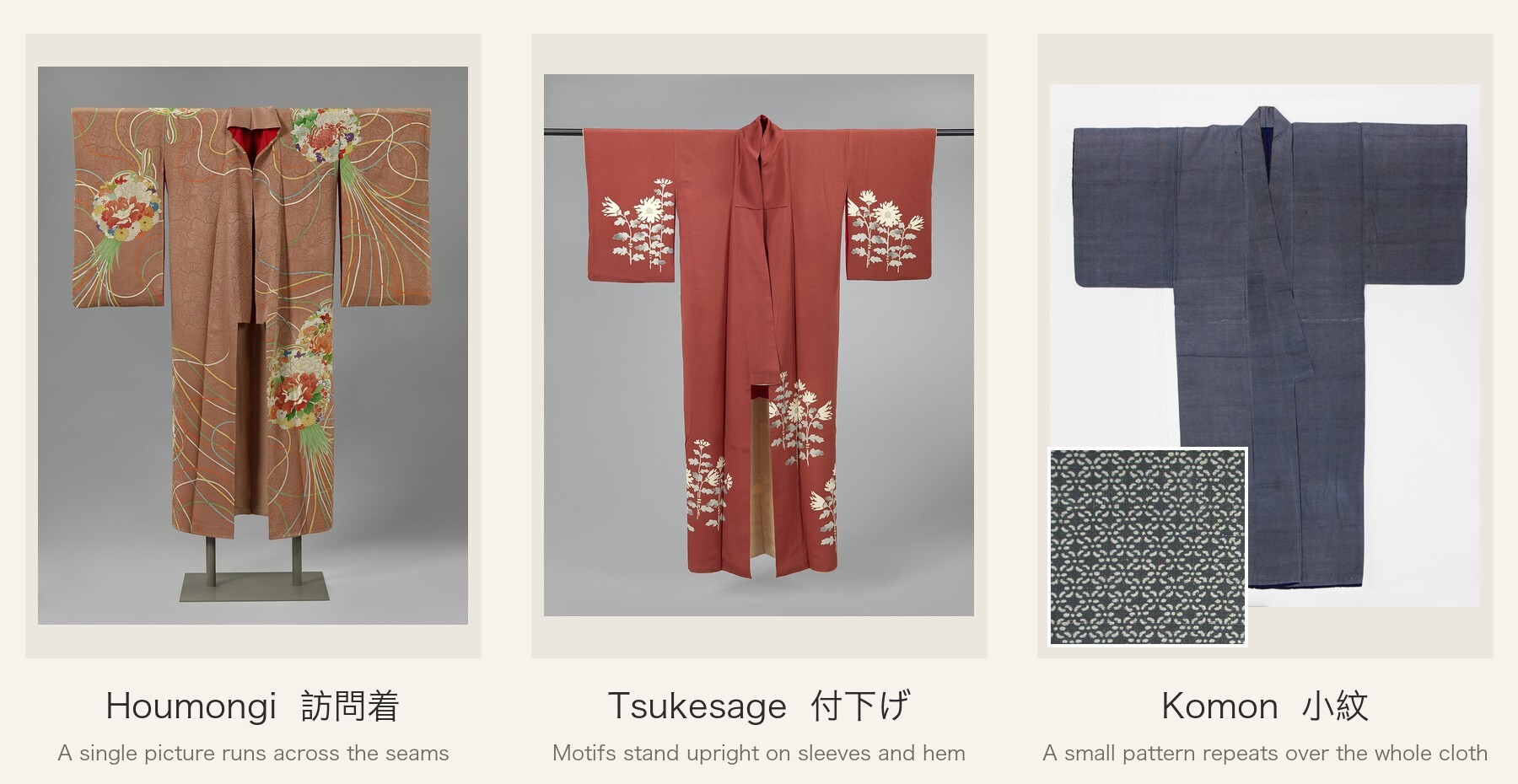
Eba-moyo is the pattern of the furisode and the houmongi. The Kyoto Wasou Industry Promotion Foundation describes how it is made: the cloth is first given a temporary stitching, and only then dyed, so that the pattern continues across the seams. Spread out, it reads as a single picture. The Sensho cooperative traces the path on a furisode: across the seams of the collar, the shoulder, the chest and the sleeve above; across the okumi (the overlapping front panel), the side seam and the centre back below.
That is why a houmongi looks different from a patterned length of cloth made into a garment. The picture was composed for this garment, with its seams already in mind.
A second craft is tied to the painted kimono. Asked how hikizome itself came about, Nakamura answered with its relationship to the painted kimono: "It's said that hikizome was developed alongside the emergence of hand-painted yūzen, out of a desire to express the ground color in ways that the older methods — dip-dyeing and shibori — simply couldn't achieve." When you look at a houmongi, there are two kinds of colour to see: the picture, and the ground it sits on.
Tsukesage and Komon: Patterns That Point Upward, and Patterns That Repeat
The tsukesage takes its name from the way its pattern is placed. Kyoto City's definition is a kimono dyed so that the patterns on the sleeves, the front and back of the body and the collar all face upward once it is sewn. The Sensho cooperative puts the centre at the shoulder: front and back, every motif stands upright. The definition asks only that the motifs face upward. It says nothing of a picture running across the seams, which is what defines eba-moyo.
The komon goes one step further from the garment. For Kyoto City, it is a kimono whose pattern is dyed in one direction, worn as everyday stylish wear, and the Wasou foundation describes it as one with a fine pattern over the whole cloth. Unlike the eba-moyo and the tsukesage, nothing in either definition refers to where the pattern will sit on the finished kimono.
That gives three questions to ask of any patterned kimono. Does a motif run unbroken across a seam? Then it is eba-moyo, and the kimono is a houmongi, a furisode or, if the picture stays below the waist, a tomesode. Do the motifs all stand upright, without one picture running across the seams? Then it is probably a tsukesage. Does the same small motif repeat everywhere? Then it is a komon. The boundary between the first two is the least clear of the three, as the section on formal kimono explains.
Hakkake and Hiyoku: The Lining Colours That Mark a Formal Kimono
There is a fourth signal, and it shows only when the wearer moves. A lined kimono has a hakkake, the fabric attached inside the sleeve openings and the hem, also called susomawashi. The Fukushima silk weavers' cooperative, which makes it, describes exactly that, and says its district offers about 100 colours so that one can be matched to any kimono.
On the most formal kimono, the hem lining is not a separate choice. On a kurotomesode, the Sensho cooperative explains, the outer fabric is turned back to form the hem lining, and it carries a pattern related to the one on the outside.
The second detail is at the collar. A kurotomesode, the cooperative writes, used to be worn over a white under-kimono, two layers together. Today it is almost always made with hiyoku. The glossary of Grenoble Beauty College, a Japanese vocational school, defines hiyoku as white cloth sewn at the collar, the sleeve openings and the hem, so that the kimono looks as if another were worn beneath it. It is used mainly on the kurotomesode and irotomesode, the glossary says.
Kimono for Formal Occasions: Kurotomesode, Irotomesode, Houmongi and Tsukesage
What is a fancy kimono called? There is no single word, because Japanese formality has more than one top. The most formal kimono for a married woman is the kurotomesode, and for an unmarried woman the furisode. Among semi-formal kimono, the houmongi is the one worn most widely: the Wasou foundation calls it the most popular semi-formal wear of recent years, suitable for most occasions that call for dressing up, whatever the wearer's age or marital status.
Formal wear is finished by the obi and the cord tied over it, the obijime, which Kyoto City describes as either braided or made of cloth. The braided kind is the work of kumihimo, the silk braid behind the obijime.
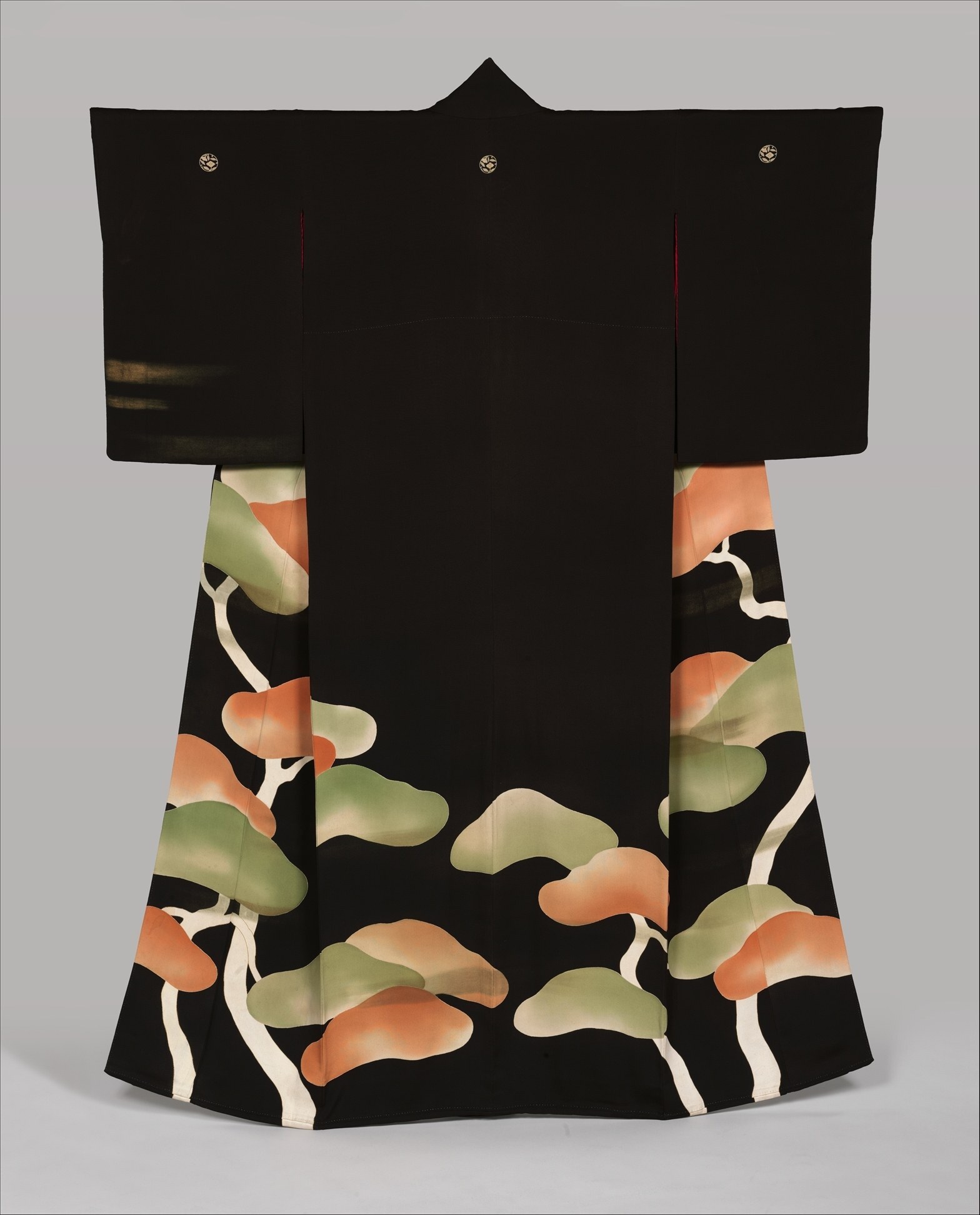
Kurotomesode: Black Ground, Five Crests, Pattern Only Below the Waist
The kurotomesode is the most formal kimono a married woman wears. Kyoto City describes it as black, with five crests dyed in reserve and a picture on the front of the body. The Sensho cooperative fills in the rest: crepe without a woven pattern, decoration kept off the upper body entirely and placed from the lower front edge (erishita) down across the front and back hem, auspicious and court motifs, often with gold and silver leaf and embroidery, and always five reserve-dyed crests. It is, the cooperative says, the kimono for a formal celebration such as a relative's wedding.
Look at where the pattern stops. On a furisode, the picture climbs to the shoulder. On a kurotomesode, everything above the waist is black except the crests. The garment draws the eye down.
Irotomesode: The Same Rule in Colour, and Why the Crests Matter
The irotomesode keeps the kurotomesode's rule, the pattern only at the hem, and changes the ground to a colour. What it does not keep is a fixed rank. That is set by the crests. With five reserve-dyed crests, the Sensho cooperative says, an irotomesode can be worn at a formal celebration just as a kurotomesode is. With three, or with crests painted in instead of reserved, it moves down to semi-formal wear. With a single crest, it becomes a kimono for social occasions and parties. With an embroidered crest, it can stand in for a houmongi.
This is why the crest matters more than the colour. Two irotomesode can be dyed alike and cut alike and still sit on different rungs, because of how many crests they carry and how those crests were made.
Houmongi and Tsukesage: Visiting Wear and Its Quieter Sibling
The houmongi, the Sensho cooperative writes, ranks just below the irotomesode. It was made as a kimono in between: a furisode was too much, a tomesode too ceremonial. Because unmarried and married women can both wear it, it came to be used widely as social wear. A single reserve-dyed crest makes it suitable, the cooperative adds, for the wedding reception of someone who is not a relative. The Wasou foundation lists the occasions it suits: accompanying a child to a school entrance ceremony, a friend's wedding reception, parties and tea gatherings.
The tsukesage began lower. The Sensho cooperative calls it a kimono for casual outings, worn by unmarried and married women alike. Valk calls it "a slightly more toned down version of the hōmongi but otherwise almost identical." And here the ladder is moving. The cooperative notes that the patterns of recent tsukesage have come closer to the houmongi, so that they are used more often for celebrations and semi-formal wear, and more often given a crest. The old saying that a tsukesage should take an embroidered crest, it suggests, came from a wish to keep it from looking too formal, so that it could be worn often.
Furisode: The Long-Sleeved Kimono of the Coming-of-Age Ceremony
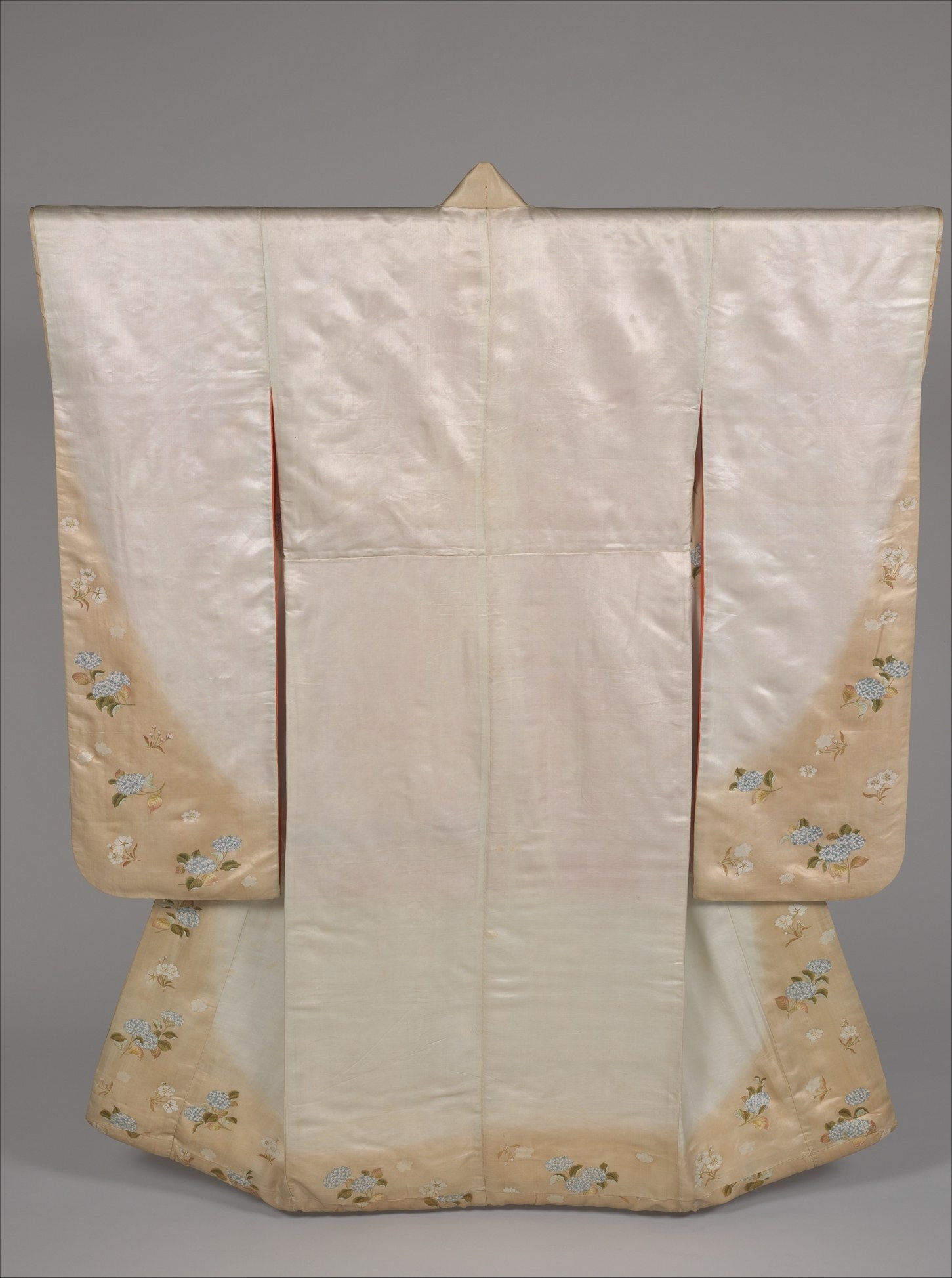
Who wears a furisode? Young women who are not married. Kyoto City defines it as a formal kimono with long sleeves, worn to dress up by unmarried women. The Sensho cooperative calls it the most lavish of all kimono, and the first formal wear of an unmarried woman. Valk describes it as "a kimono with long sleeves and typically bright colours and patterns associated with youth and vitality."
The furisode is also a type whose formality follows the wearer's life rather than the occasion. Once a woman marries, in Valk's account, the furisode is no longer considered appropriate. For a married woman, Kyoto City's formal wear is the tomesode, a name that, as the history section shows, describes a furisode with its sleeves shortened.
Furisode Sleeve Length: O-furisode, Chu-furisode and Ko-furisode
The Sensho cooperative gives three lengths: the o-furisode, with a sleeve of about 115 centimetres (three shaku three sun); the chu-furisode, about 105 centimetres (two shaku eight sun); and the ko-furisode, about 85 centimetres (two shaku three sun).
The lengths carry their own rules. Black o-furisode were once used as bridal dress, the cooperative writes; today a coloured o-furisode is often the outfit a bride changes into during the reception, and so a guest at a friend's wedding does better to choose the more modest chu-furisode. Furisode also used to carry five crests. Because today's furisode are patterned all over in many colours, a crest would barely show, and so they are no longer added. A furisode without a crest, the cooperative says, still serves fully as an unmarried woman's first formal wear.
Seijin no Hi: When a Traveller Will See Furisode in the Street
The surest day to see furisode in Japan is Seijin no Hi, Coming of Age Day. Under Japan's national holidays law, as set out by the Cabinet Office, it falls on the second Monday of January, a day to celebrate and encourage young people who have become adults. In 2027 it falls on 11 January.
Valk describes the day: a ceremony "presided over by mayors and local officials," and, while young men usually wear suits, "the vast majority of young women will wear wafuku or Japanese dress, more specifically a furisode kimono." In Valk's fieldwork, most families rented rather than bought. Shop owners she spoke to estimated that only about 5% of families bought a furisode for their daughters, and a rental set with obi and accessories still cost about 200,000 yen. The young women, she writes, often rise around 4am to be dressed and have their hair and make-up done at a salon.
Coming-of-age ceremonies are among the occasions for which kanzashi hair ornaments are still made. The furisode also has a life on stage. Yukari Onoe, a dancer of nihon buyo, Japanese classical dance, told us that in her fifties she is at the age where she can dance the widest range of roles, and that "sometimes I still dance a young woman's role in a furisode." On stage, the garment of the unmarried young woman belongs to the role, not to the dancer's age. Her account is in our interview with dancer Yukari Onoe.
Iromuji: The Single-Colour Kimono Seen From the Dyer's Side
The iromuji is the kimono with no pattern at all. Kyoto City describes it as a kimono dyed entirely in one colour other than black: with a crest it becomes formal wear, and without one it is stylish everyday wear. The Wasou foundation says a single crest is enough to make it formal. The Sensho cooperative ranks an iromuji with three reserve-dyed crests above a houmongi with one.
That makes it the type in which colour does all the work. There is no picture to look at, no placement to read, no lining pattern to catch the eye. What is left to judge is the colour itself, and how evenly it lies.
Hikikiri: Why One Flat Colour Is the Hardest Kimono to Dye
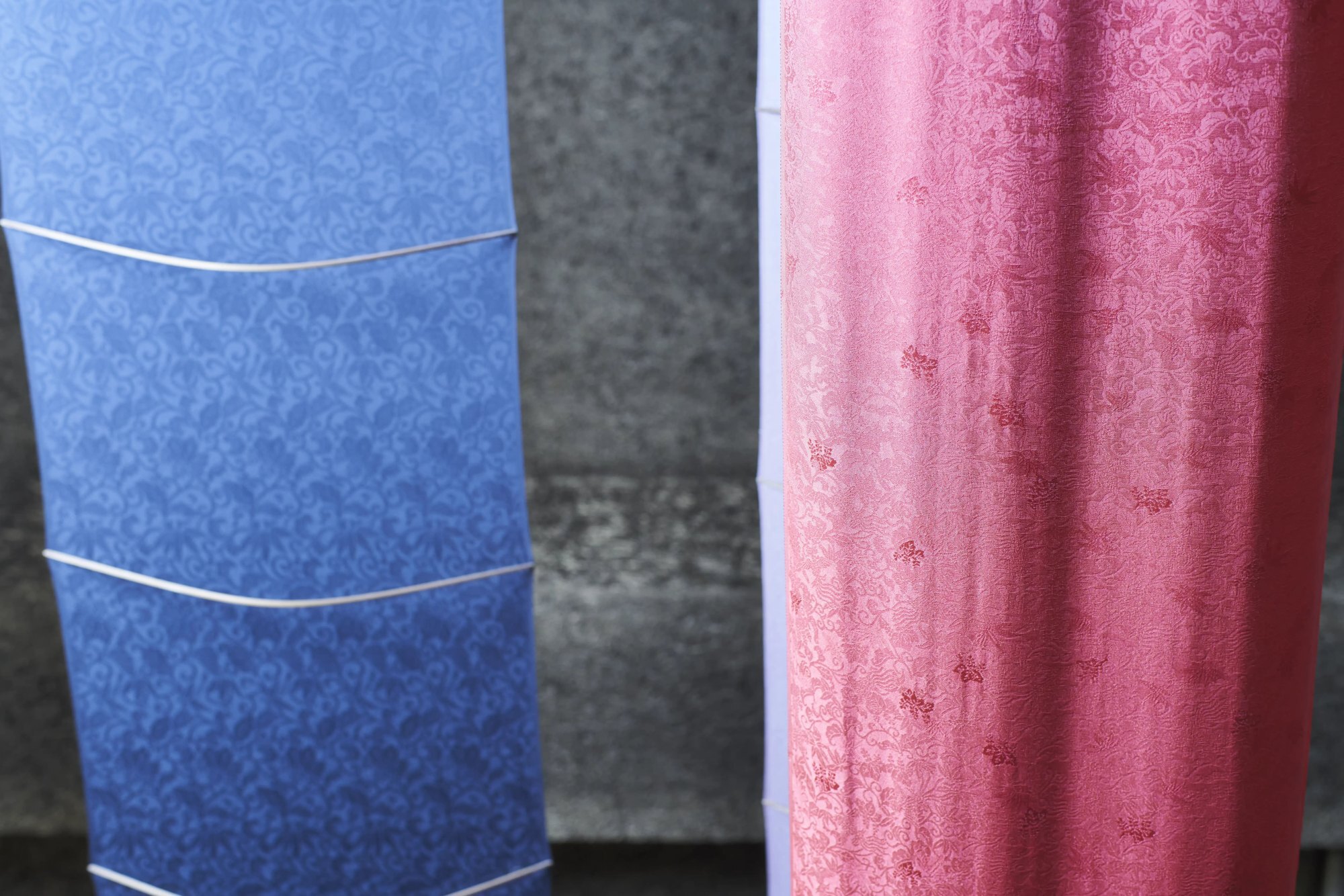
Hikikiri is the technique of laying one flat colour. It is one of Fujiya's two signature techniques, and asked about its difficulty and appeal, Nakamura says: "Laying down an entire piece in one flat color is really the hardest part. I once spoke with a plasterer at the Interior Lifestyle trade fair — he told me that even though they now deliberately rough up surfaces for certain design effects, finishing something perfectly flat is still, in truth, the hardest thing to do. It's the same for us."
The comparison is useful because it comes from outside the kimono world. Both of Fujiya's techniques, our interview records, look deceptively simple, and the difficulty grows the deeper you go.
For someone looking at an iromuji, this changes the question. With a patterned kimono, you ask what the picture shows. With a single-colour kimono, you ask what it took to leave nothing to look at.
Bokashi: Gradation Within a Single-Colour Kimono
JAANUS, the online dictionary of Japanese art and architecture, defines bokashi as "a gradation of colors or tones from dark to light or vice versa," with examples drawn from temple architecture and painting. At Fujiya, bokashi-zome, the second signature technique, is described in our interview as creating gradation within a single colour.
Bokashi is a reminder that a kimono in one colour need not be a kimono in one shade. The Sensho cooperative lists bokashi-dyed cloth among the coats it suggests over a houmongi, a tsukesage or an iromuji.
Komon Kimono, Edo Komon and Tsumugi: Kimono for Going Out
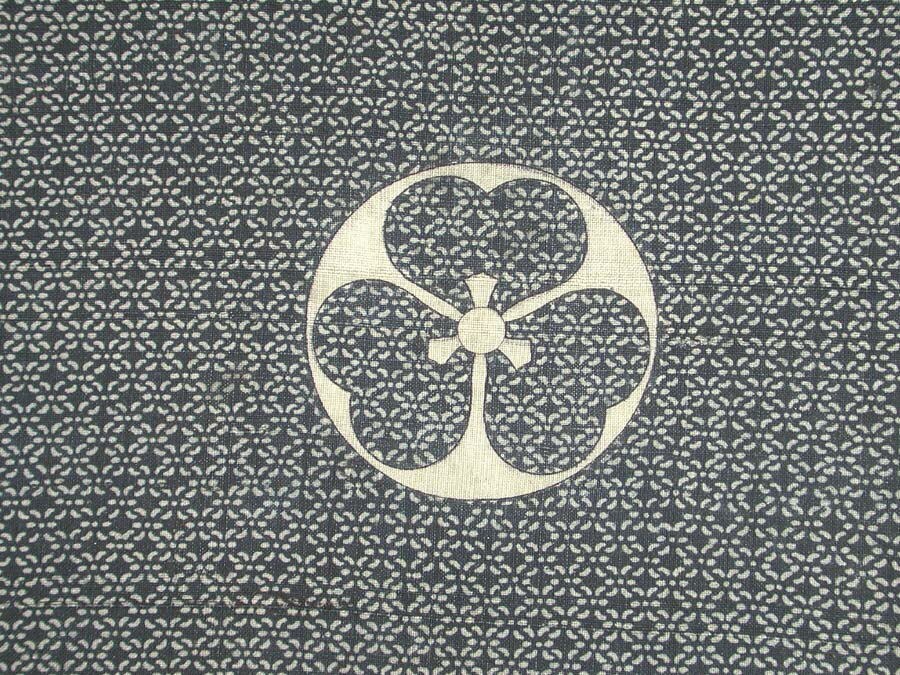
Below the semi-formal tier lies the kimono that Kyoto City calls stylish wear and playful wear: the komon and the tsumugi. These are the types for going out, not for ceremonies. A crest can lift a komon a step, the Sensho cooperative notes: with one it serves as semi-formal wear, and without one it is a kimono for enjoying.
Komon: An All-Over Repeat for the City
The komon is the kimono with a small pattern across the whole of the cloth. The Wasou foundation lists what it is for: lessons, a date, shopping, and for young women, a semi-formal party. Kyoto City's definition, as noted above, says nothing about where the pattern falls on the finished garment, and the komon is the kimono of ordinary days.
Nakamura has a phrase that fits this tier of the ladder, although he used it for something else. Describing what Edo made of the craft that arrived from Kyoto, he spoke of a hidden beauty: "the beauty of usefulness (yō no bi) — a beauty inseparable from everyday use, not decoration for its own sake but elegance that emerges through practical wear." He was speaking about hikizome, not about the komon. But it is a fair way to look at the kimono at the casual end of the ladder: not a lesser version of the formal ones, but the kind whose beauty is meant to show in use.
Edo Komon: The Komon That Can Climb the Formality Ladder
The Edo komon, small patterns packed across the cloth and dyed in a single colour, is the komon the Sensho cooperative has in mind. It writes that a komon with a single crest can be used, like an iromuji, as a kimono with rank. It also notes that age is shown in an Edo komon by its colour, not by its pattern, and that crepe is preferred to glossy silk.
The name itself is more recent than it sounds. The Tokyo National Research Institute for Cultural Properties tells the story in its record of the dyer Yasutaka Komiya. In 1952, his father Kosuke Komiya was selected for government support as a holder of an intangible cultural property, and on that occasion the Committee for the Protection of Cultural Properties, today's Agency for Cultural Affairs, created the term Edo komon. Three years later, his father was recognised as the holder of the Important Intangible Cultural Property of Edo komon. The patterns are old. The category name dates from the 1950s.
Tsumugi and Yukata: Woven Silk and Summer Cotton at the Casual End
Tsumugi is made the other way round from everything above it on the ladder. The Wasou foundation describes woven kimono such as tsumugi and kasuri as made by dyeing the yarn first and weaving the pattern in, and says they serve as city wear and casual social wear. Kyoto City places tsumugi with the komon in the tier of stylish wear.
The yukata sits at the bottom. Kyoto City describes it as a cotton garment worn next to the skin without an under-kimono, originally worn after the bath and as nightwear, and today worn to festivals and fireworks. Where a visitor should and should not wear one is the subject of our separate guide comparing yukata and kimono.
How the Kimono Got Its Ranks: From Kosode to a Twentieth-Century Ladder
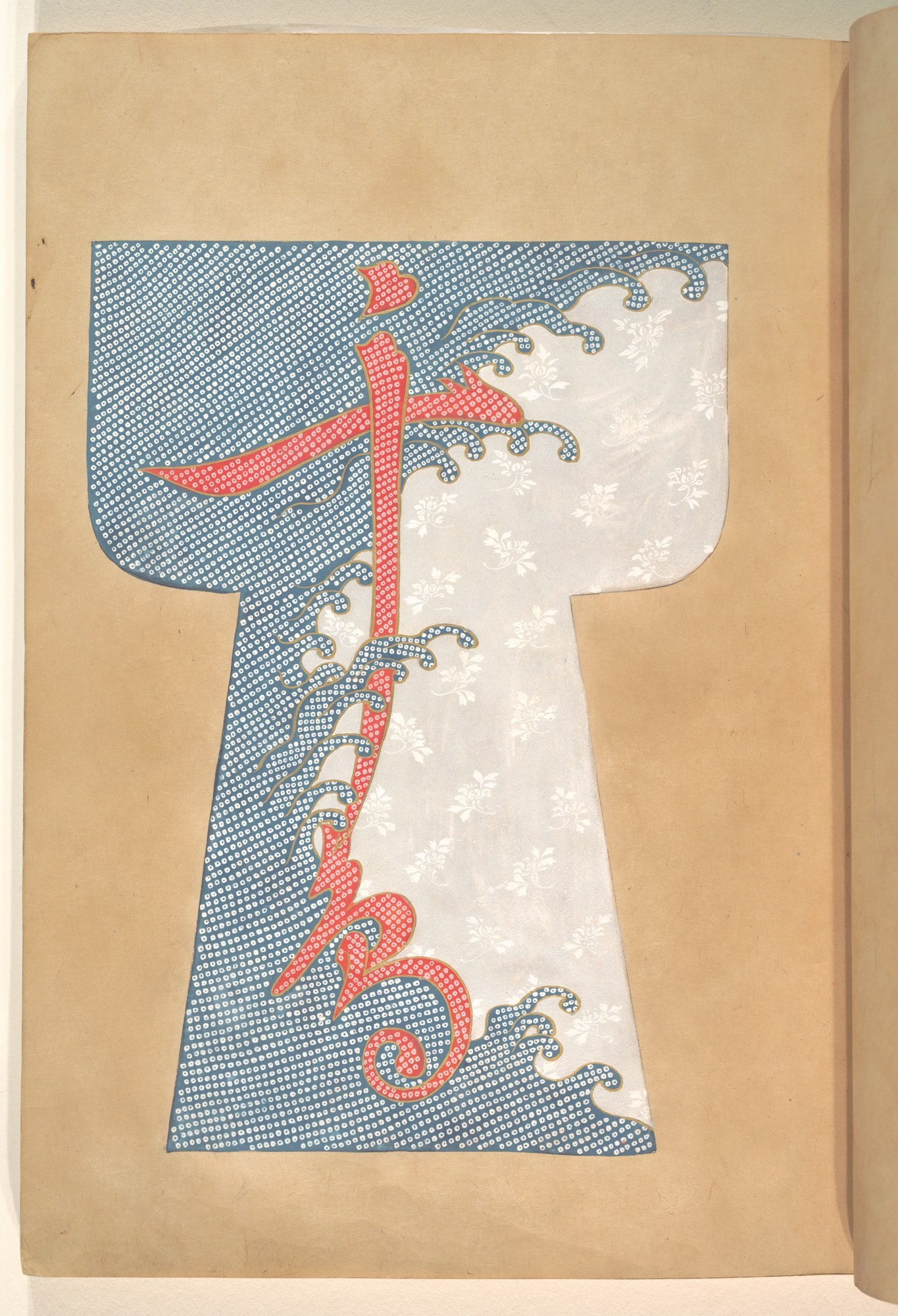
The ladder in this guide looks ancient. Most of it is not. The three sections below follow three changes: a rite of passage that named the tomesode, a regulation and ceremonial dress that set black as the standard for the most formal kimono, and a retail industry that invented much of the semi-formal tier.
Tomesode: When Sleeves Were Shortened
The word tomesode means a sleeve that has been stopped. The National Diet Library's online exhibition Kaleidoscope of Books on rites of coming of age explains where it comes from. In the Edo period (1603 to 1868), sodetome, the stopping of the sleeves, was a rite performed by both men and women. Before coming of age, they wore furisode, in which the lower part of the sleeve is not joined to the body. Sodetome closed that opening, the yatsukuchi, and shortened the sleeve. The garment that resulted was called a tomesode.
The library adds a turn that explains today's distinction. As the obi grew wider, a closed opening made it harder to tie, so from around the Bunka era (1804 to 1818) adult kimono, too, were made with the opening left free. From then on, the only difference between a furisode and a tomesode was the length of the sleeve. A kosode in the Tokyo National Museum, described on the Agency for Cultural Affairs' Cultural Heritage Online, shows it in practice: the commentary notes that Edo-period women shortened their furisode after marriage, and that this kosode's sleeve motif is cut off partway, so it may have been retailored after its owner married.
Black for Formal Wear: How the Kurotomesode Became the Standard
The crest came to women's clothing in the middle of the Edo period, on kimono with hem patterns, according to the Sensho cooperative. After the Meiji Restoration of 1868, when ordinary people were permitted surnames, every family came to have its own crest; men began to wear crested kimono and hakama as ceremonial dress, and women crested kimono. Because these were worn for ceremonies, the cooperative writes, the position, shape and size of the crests became fixed, and they have been handed down in that form.
The black came with them. A reference answer by Shimane Prefectural Library, on the National Diet Library's Collaborative Reference Database, summarises what published references say. A 1978 kimono primer records an early-Meiji regulation prescribing black crepe or habutae silk with five crests and a hem pattern, layered over white, and says this is how the black tomesode became a married woman's first formal wear; as quoted, the same regulation also allowed colours other than black. A 1968 history of Japanese dress adds that for about thirty years after the Meiji Restoration, a crested kimono served for both happy and sad ceremonies; after that, the plain crested kimono was avoided for celebrations, and the patterned crested kimono became the dress for them. That is the split still visible today: the same black ground and five crests, with a hem pattern for a wedding and without one for mourning.
Houmongi and Tsukesage: Names From the Department Store and the War Years
Much of the middle of the ladder is recent. Valk, citing Noriko Harada, writes: "A particularly savvy invention on the part of the industry was the hōmongi in the Taisho era (1912-1926), which is now women's formal wear par excellence." Women were attending more public and formal events and needed a new kind of formal wear. Citing Toby Slade, Valk adds that by the Taisho period, department stores, "many of which started out as kimono shops, were involved in marketing trends in kimono style." The tsukesage and the irotomesode appear in her account as examples of the industry's "ever-increasing diversification of types of kimono."
The war years worked the other way. According to the Japan Center for Asian Historical Records at the National Archives of Japan, a 1940 regulation known as the Seven-Seven Prohibition banned the manufacture and sale of luxury goods, including jewellery, precious metals and high-end clothing. From the following year, clothing was rationed by coupon, and department stores were designated as distribution points. Valk records that the wartime government considered the single-piece kimono "too luxurious," that kimono factories closed during the war, and that fabrics were rationed until 1951. Within two decades of the Taisho era, the trade that had helped build the ladder saw its factories closed.
Where Each Type of Kimono Is Worn: Seijin no Hi, Weddings, Tea and Theatre
Each type has a few occasions where a traveller is most likely to meet it.
Seijin no Hi, on the second Monday of January, is the day of the furisode.
A wedding shows the most rungs at once: the kurotomesode of the mothers, in Valk's account, and of relatives, in the Sensho cooperative's; the chu-furisode the cooperative suggests for an unmarried friend; and the houmongi with one crest it suggests for guests who are not relatives. A wedding is a private event.
At a tea gathering, look for the semi-formal tier. The Wasou foundation lists tea gatherings among the occasions a houmongi suits. A tea gathering is a hosted event, entered as a guest.
At the theatre, the kimono a traveller can be surest of seeing is the one on stage. In nihon buyo, as Onoe's account shows, a furisode can belong to a role rather than to the dancer's age. A public performance is open to anyone with a ticket.
The oldest garments on the ladder are in museums. The Tokyo National Museum holds Edo-period kosode, among them the one described above. A museum is the setting anyone can enter, and its collections hold garments that may be three centuries old. What none of these settings show is the stage before any of it: the bolt on the workshop floor, where the type is decided.
Kimono Types Today: Fewer Occasions, More Exacting Colour
The occasions shrank first. The Wasou foundation's short history of the kimono notes that from the middle of the Taisho era, daily life turned mainly to Western clothes, and the kimono became indispensable for important ceremonies and for dressing up. The ladder, meanwhile, is still moving. The sources used in this guide record several changes. Furisode, the Sensho cooperative writes, no longer carry crests. Tsukesage have moved closer to the houmongi, and more often take a crest. Valk found that rental had overwhelmingly replaced purchase for coming-of-age furisode, and that the trends for furisode, "especially ink-jet printed furisode (as opposed to traditionally hand-dyed kimono)," moved faster than for other kimono. The ranks are kept; the ways of meeting them change.
On the dyer's side, the change runs in a different direction. Our interview records that as the number of bolts dyed decreased, the standard of finish expected of each one rose.
Nakamura measures his own path in years. "It really took about twenty years before I felt I'd come into my own as a craftsman," he says. "It wasn't that my technique became perfect. It was more that even when there's something I can't do, I can look a customer in the eye and talk it through honestly — 'I can't do this yet, but with more practice I will,' or 'this is a bit outside what hikizome can achieve, so a different option might serve you better.'"
It is the question asked at the front entrance, what kind of garment and what colour, answered from the dyer's side. The customer brings a bolt and an idea of what it should become. In Nakamura's account, his twenty years show in being able to say which of those ideas hikizome can serve.