Known as “Tokyo’s Kitchen” and a world-famous attraction, Tsukiji Market has long supported Japan’s food culture, while Toyosu Market now carries on that tradition as the cutting edge of Japan’s culinary future. On the Tsukiji Fish Market Tour, you’ll experience both sides: the nostalgic Edo-era charm of Tsukiji’s outer market and the scale, precision, and advanced technology of Toyosu. With a professional guide by your side, this journey lets you dive deep into a unique food culture where tradition and innovation coexist.
This article is one doorway into a much wider culinary landscape. The Flavors of Kanto Digital Guide traces the regional traditions, local ingredients, and cultural histories that connect Tokyo's food culture to the broader story of the Kanto region.
The Appeal and Basics of the Tsukiji Fish Market Tour
For over 80 years, Tsukiji Market stood as a cornerstone of Japan’s food culture. Although its wholesale functions moved to Toyosu in 2018, Tsukiji’s outer market remains lively and beloved as “Tokyo’s Kitchen.” For culturally curious travelers like you, visiting both Tsukiji and Toyosu offers profound insight into Japan’s past and present foodways.
Tsukiji vs. Toyosu: Contrasting History and Atmosphere
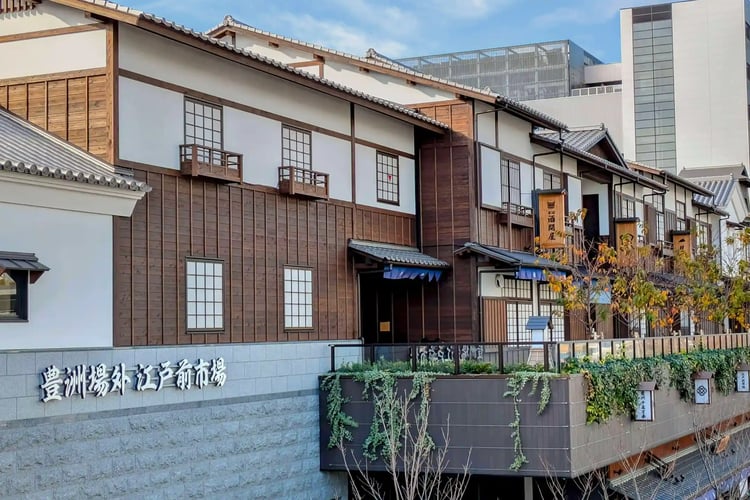
At Tsukiji’s outer market, more than 400 shops and eateries line its narrow lanes. Here, you’ll hear lively vendor shouts, smell fish being grilled, and sense echoes of Edo-period energy. From sushi at long-established restaurants to stalls selling dried goods and professional-grade knives, it’s a place to stroll, sample, and soak up the bustling atmosphere.
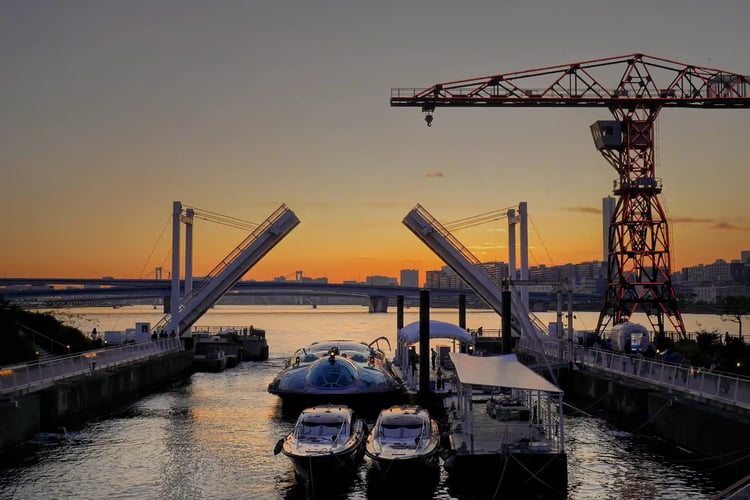
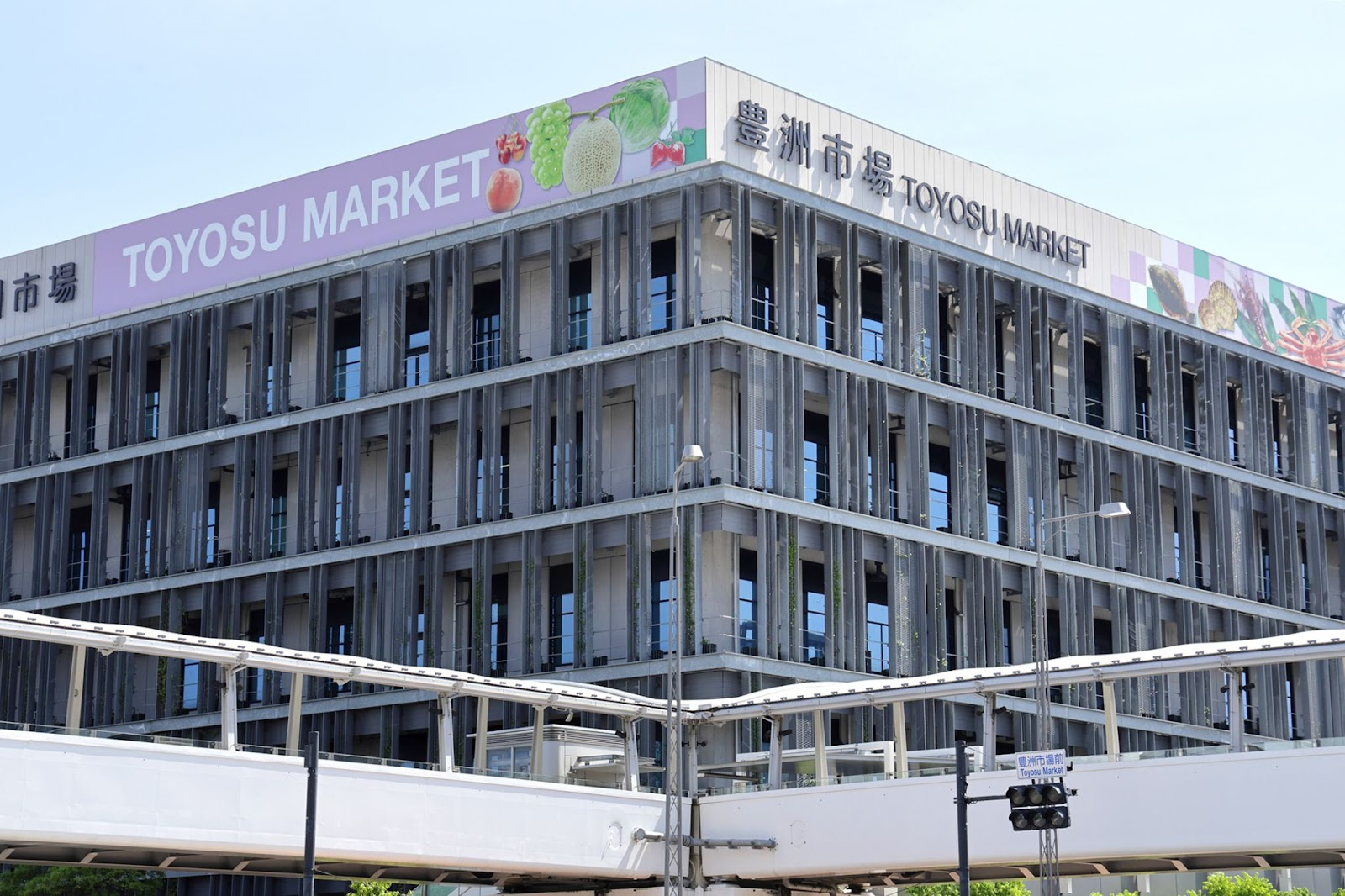
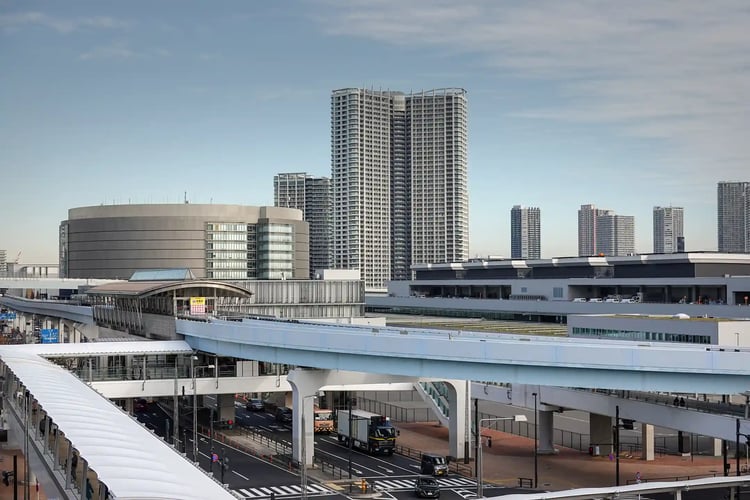
By contrast, Toyosu Market sprawls over twice the area of Tsukiji, making it one of the largest modern markets in the world. Here, seafood is handled with cutting-edge efficiency and strict hygiene. The highlight? Watching the famous tuna auction at dawn through glass viewing galleries. The silent, intense hand signals of the bidders are mesmerizing.
Sometimes a single bluefin tuna sells for tens of millions of yen—nearly a hundred million at the first auction of the year—making headlines annually. Experiencing both the warm, nostalgic Tsukiji and the grand, high-tech Toyosu gives you the rare chance to taste Japan’s culinary “past and present” in one journey.
![[Edo Sectional Picture Map] - A Map of the Areas of Tsukiji, Hatchobori, and South of Nihonbashi](https://blog.bespoke-discovery.com/hs-fs/hubfs/BlogArticles/177_Tsukiji%20Fish%20Market%20Tour/%5BEdo%20Sectional%20Picture%20Map%5D%20-%20A%20Map%20of%20the%20Areas%20of%20Tsukiji%2c%20Hatchobori%2c%20and%20South%20of%20Nihonbashi.webp?width=880&height=805&name=%5BEdo%20Sectional%20Picture%20Map%5D%20-%20A%20Map%20of%20the%20Areas%20of%20Tsukiji%2c%20Hatchobori%2c%20and%20South%20of%20Nihonbashi.webp)
Access and Tour Booking Tips
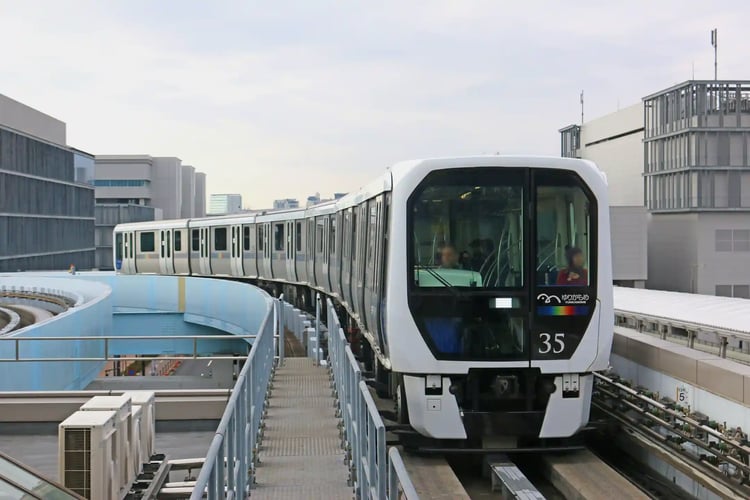
Tsukiji’s outer market is only a few minutes’ walk from Tsukiji Station on the Tokyo Metro Hibiya Line or Tsukijishijo Station on the Toei Oedo Line. Toyosu Market connects directly to Shijo-mae Station on the Yurikamome Line and is just 30 minutes from Tsukiji by public transport.
Plenty of English-guided tours are available for international travelers. For example, a government-licensed guide may take you on a private 3.5–4 hour tour, starting at Tsukiji around 8:30 a.m., including Toyosu’s tuna auction and a tasting walk at Tsukiji. Prices generally begin from around 10,000 yen per person, including transport between markets.
If you prefer something shorter, a 2–3 hour gourmet tour of Tsukiji’s outer market lets you enjoy tamagoyaki (rolled omelet), sashimi, and other bites for breakfast, all while learning about history and culture from an English-speaking guide. These tours usually cost around 10,000 yen, food included.
Booking can be done online in English through TripAdvisor, GetYourGuide, or byFood. Because both markets are liveliest in the morning, visiting early is highly recommended. With a guide, you won’t just overcome language barriers—you’ll gain insider knowledge of the markets’ inner workings.
The History and Highlights of Tsukiji Market
Tsukiji Market: Heart of Japan’s Food Culture
 Opened in 1935, the market was considered groundbreaking for its time — it introduced far more modern facilities for handling and distributing marine products, and it developed rapidly through the pre- and postwar eras into one of the most important fish markets in the world. The intermediate wholesalers who worked its floor perfected mekiki: the art of judging freshness at a glance and setting a fair price on it, underpinned by a long-standing sense of responsibility toward marine life. The later modernization and move to Toyosu carried that discipline forward rather than replacing it.
Opened in 1935, Tsukiji Market was Tokyo’s central wholesale hub and soon became the beating heart of Japan’s dining table. At its peak, it was one of the largest seafood markets in the world. Prices set here influenced fish costs nationwide.
Its origins stretch back to the early Edo period when the Tokugawa shogunate established Nihonbashi Fish Market. After the Great Kanto Earthquake in 1923 destroyed Nihonbashi, a temporary market was set up in Tsukiji. Modernized facilities followed, and Tsukiji became the official central wholesale market in 1935.
For 83 years, Tsukiji supplied fresh seafood and produce across Japan, especially fueling post-war growth. Its story spans over 400 years if traced back to Nihonbashi. Known internationally simply as “TSUKIJI,” the market left a lasting impression on both locals and global visitors, underpinning Japan’s culinary boom.
Edo Atmosphere and Old Shops at Tsukiji’s Outer Market
Even today, Tsukiji’s outer market preserves the spirit of Edo. The streets are dense with around 400 shops—from fishmongers and dried goods sellers to long-established sushi restaurants.
For instance, Mosuke Dango, founded over 120 years ago, still makes traditional sweet rice dumplings with smooth red bean paste—a taste echoing centuries of Edo confectionery culture. At Marutake, famous for freshly grilled tamagoyaki, morning queues form to savor its fluffy, fragrant omelets that capture Edo flair. Knife specialists like Aritsugu continue the tradition of swordsmithing through master-crafted Japanese knives, drawing both chefs and curious travelers.
Walking the market, you’ll stumble upon historic spots such as Namiyoke Inari Shrine (founded 1659), once a guardian for market workers. Tsukiji isn’t just a tourist stop—it’s a living museum where family-run shops carry on stories and skills passed down for generations.
Experiencing Cutting-Edge Culture at Toyosu Market
Technology and Hygiene at the Core
Toyosu is a closed, climate-controlled facility with a 24-hour cold chain system ensuring seafood stays fresh from delivery to shipment. Air curtains at truck bays block dust and insects, while digitalized auctions now allow real-time bidding from afar. These innovations drastically improve efficiency and safety.
Visitors benefit too: viewing galleries let you safely watch the tuna auction, while multilingual signs and even an audio-guided app (part of a smart city project) help you navigate.
Sustainability and Eco-Friendly Operations
Toyosu’s design integrates rooftop greenery, solar panels generating about 2MW, and heat/cooling systems that maximize energy efficiency. Styrofoam fish boxes—about 8 tons daily—are compressed and recycled onsite. Surplus seafood is sold at discount through Toyosu’s official online shop, reducing food waste. The same thinking reaches the Outer Market, where vendors keep packaging minimal and encourage reusable bags — small gestures carrying the ethos of mottainai, the refusal to let anything go to waste. If this matters to you, look for shops displaying the Marine Stewardship Council (MSC) or Marine Eco-Label (MEL) certifications, which mark seafood caught under managed, traceable practices.
Some wholesalers even hold MSC certification, ensuring sustainable seafood practices. Public awareness events further promote eco-friendly food culture.
High-Value Culinary Experiences: Where to Eat
Breakfast and Brunch in Tsukiji
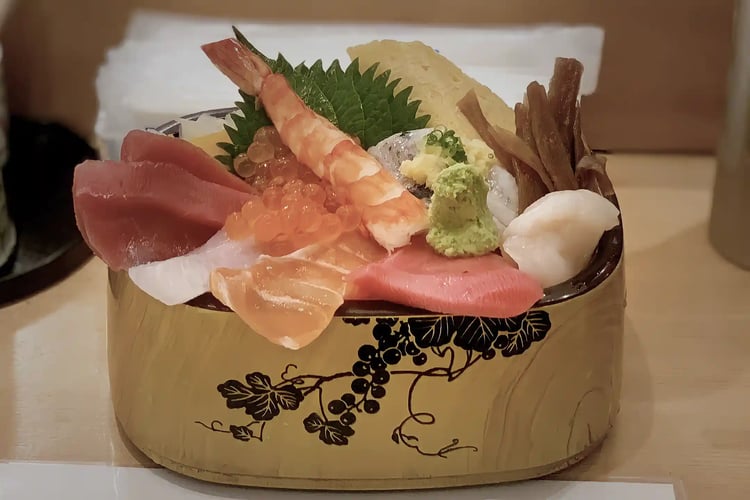
Despite the relocation, Tsukiji still boasts historic sushi shops and restaurants. Early-morning sushi and seafood bowls featuring tuna, uni, and more—often with miso soup—remain a must.
.webp?width=750&height=500&name=Tsukiji%20kaisendon%20(seafood%20bowl).webp)
Tamagoyaki (Japanese omelet) is another signature: shops like Yamacho specialize in fluffy omelets in both sweet and savory styles. Most eateries open around 5 a.m., welcoming visitors from dawn. Sushizanmai Main Branch is open 24/7 with English menus, making it traveler-friendly. Other shops like Tsukiji Yoshino open as early as 4:30 a.m., offering fresh bowls with credit card and English support.
Night Views and Modern Dining in Toyosu
In Toyosu’s bay area, modern restaurants pair meals with panoramic views. From high-rise hotel dining, you’ll see Rainbow Bridge and Tokyo Tower glittering at night.
For example, THE PENTHOUSE with weekend terrace at Mitsui Garden Hotel Toyosu (36th floor) offers creative Italian cuisine featuring seafood and vegetables sourced directly from the market.
Learning Experiences: Tours, Cooking, and Classes
Guided tours and cooking classes elevate your market visit into a journey of learning.
At Tsukiji, licensed guides lead tours explaining history and fish selection techniques, often with tastings. Unique “Market to Table” programs certified by the Ministry of Agriculture let you shop for ingredients at Tsukiji before cooking sushi, okonomiyaki, or Japanese curry in English-led classes. Premium tours even pair you with Michelin-starred chefs to learn the art of fish judging before preparing seasonal dishes together.
At Toyosu, early-morning tuna auction tours led by local experts immerse you in bidding culture, ending with breakfast at a market sushi shop.
Most group tours cost around $100 per person for half a day, with private or chef-led options priced higher. Because popular tours sell out quickly, advance booking is highly recommended.
Cultural and Historical Learning Opportunities
In Tsukiji, you can still wander the maze-like streets, discover prewar buildings, or visit Namiyoke Shrine, a guardian deity of the market. Exhibits in Toyosu’s PR Corner showcase the evolution from Tsukiji to Toyosu, with models, panels, and rare photos.
Some programs even let you cook Edo-period dishes while learning about seasonal traditions under expert guidance—an inspiring way to deepen your understanding of Tokyo’s food heritage.
Etiquette at the Market: Photography, Manners, and Local Rules
Tsukiji’s Outer Market feels more casual than Toyosu, but it is still a busy working spot where shop owners rely on a swift flow of customers. Ask before you take photographs — both to avoid intruding on people’s privacy and to keep the narrow walkways clear. Do not handle the fish without permission, and resist the urge to haggle: each vendor has a reason behind their rates, and bargaining is unusual in Japanese food markets. If you want to snack as you go, step aside rather than walking and eating. Many shops offer small sample bites; keep things neat and take your litter with you. Western travellers often remark on how polite and efficient the interactions are — in a space this crowded, respect for others is what keeps it working.
Local Specialties and Food-Related Souvenirs at the Outer Market
Sampling sushi or a seafood bowl right at the market is a must. Numerous stalls and small restaurants in the Outer Market still offer an impressive range of fresh fish, and the price-to-quality ratio can be surprisingly good — visitors from the West often say they have never tasted raw fish this exquisite, because the local idea of “fresh” is set at another level. Though the major wholesale operations have relocated, the Outer Market is as lively as ever, with vendors selling everything from tamagoyaki (sweet omelet) to dried seafood, seaweed and cooking tools. You can pick up distinctive seasonings or ingredients to take home — souvenirs that reflect Japan’s approach to making the most of the ocean’s bounty. Considering issues such as overfishing or the decline of tuna stocks also opens a conversation about how to keep seafood available for the next generation.
Beyond Tsukiji and Toyosu: Other Markets Worth Your Time
If you want to go further than the two headline markets, Tokyo has several others worth the detour. Ota Market is known for produce and flowers rather than fish. Adachi Market holds monthly public open days featuring fresh tuna carving shows. In Taito Ward, Ameya-Yokocho (Ameyoko) has run since the postwar years as a street market selling fresh fish, dried goods and much else — a vibrant, lively atmosphere reminiscent of certain Western bazaars. Taking in several markets is an excellent way to compare Japan’s fish culture with your own home traditions, bridging cultural gaps and fuelling interesting conversations about how each region handles food distribution and consumption.
Cultural Workshops and Art-Related Activities Nearby
If you find the market environment inspiring, consider a sushi-making class or a short seminar on Japanese fish processing. Many such programmes include English guidance and can be found near Tsukiji. Sharpen your skills in preparing nigiri or maki rolls, then eat your own work for lunch — a hands-on way to appreciate the diligence that underpins sushi’s apparent simplicity. Alternatively, if you want to mix art into a culinary day, head to the galleries in Ginza or catch a show at Kabukiza Theatre, both easily reached from Tsukiji. The area’s blend of tradition and modern style lets you weave in a cultural event without breaking the rhythm of the day.
A deeper table awaits
What you've read here is one perspective on a region whose culinary identity runs far deeper than any single article can hold. The Flavors of Kanto Digital Guide brings together the producers, the traditions, the neighbourhoods, and the histories that shape how this part of Japan eats — and why it matters. It's a place to return to, slowly.

Conclusion
At Tsukiji, you’ll stroll alleys lined with historic shops, tasting traditional sushi and tamagoyaki that capture centuries of craftsmanship and culture. At Toyosu, you’ll witness state-of-the-art systems ensuring freshness, watch tuna auctions up close, and see eco-conscious operations shaping the future of markets.
Joining a guided tour means not just visiting but truly learning—about history, logistics, and cuisine—sometimes even cooking with market-fresh ingredients yourself.
By visiting both Tsukiji and Toyosu, you experience Japan’s food culture in full: the warmth of tradition and the brilliance of innovation. On your next trip to Tokyo, don’t miss the chance to join a Tsukiji Fish Market Tour and immerse yourself in the very essence of Japanese culinary culture.