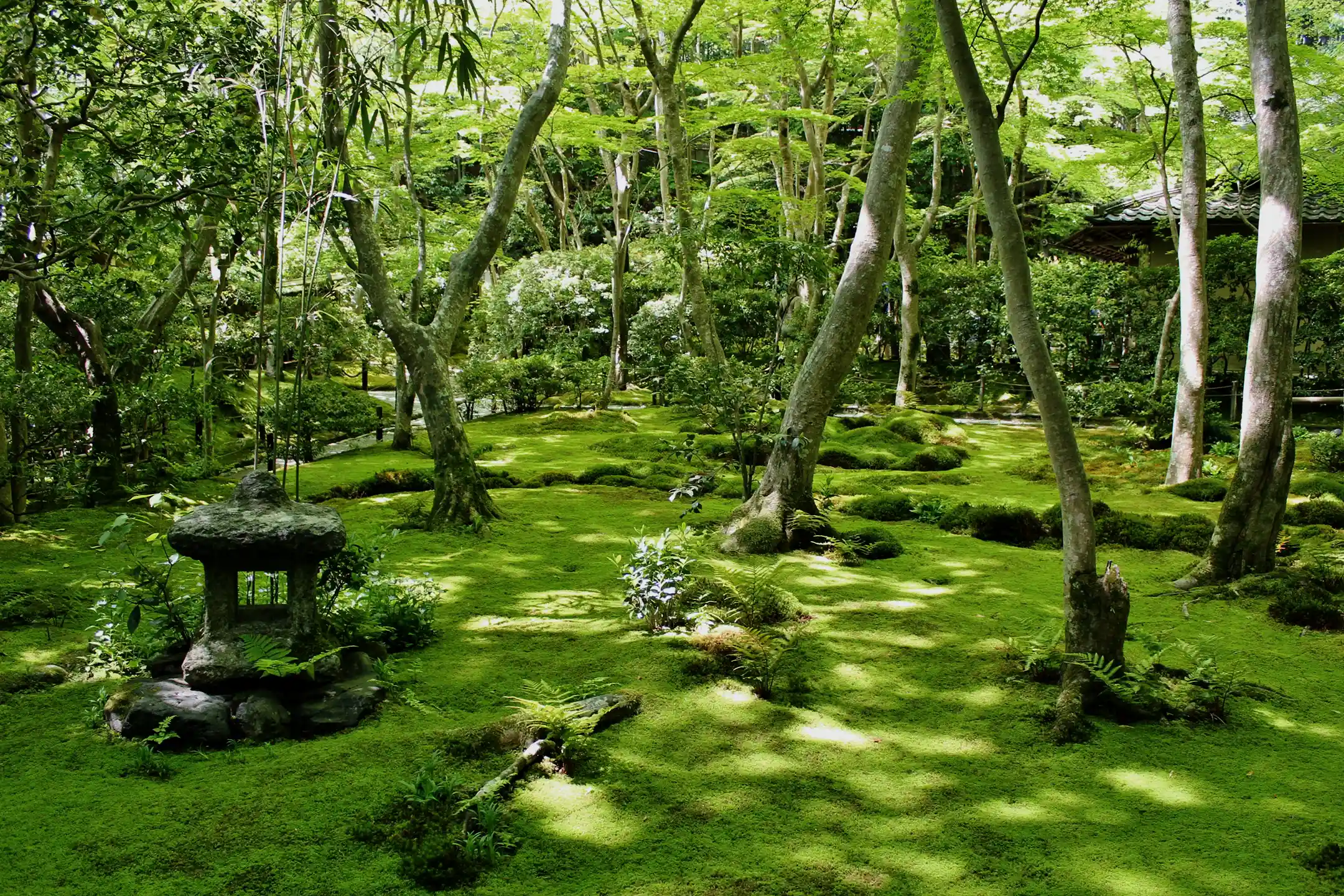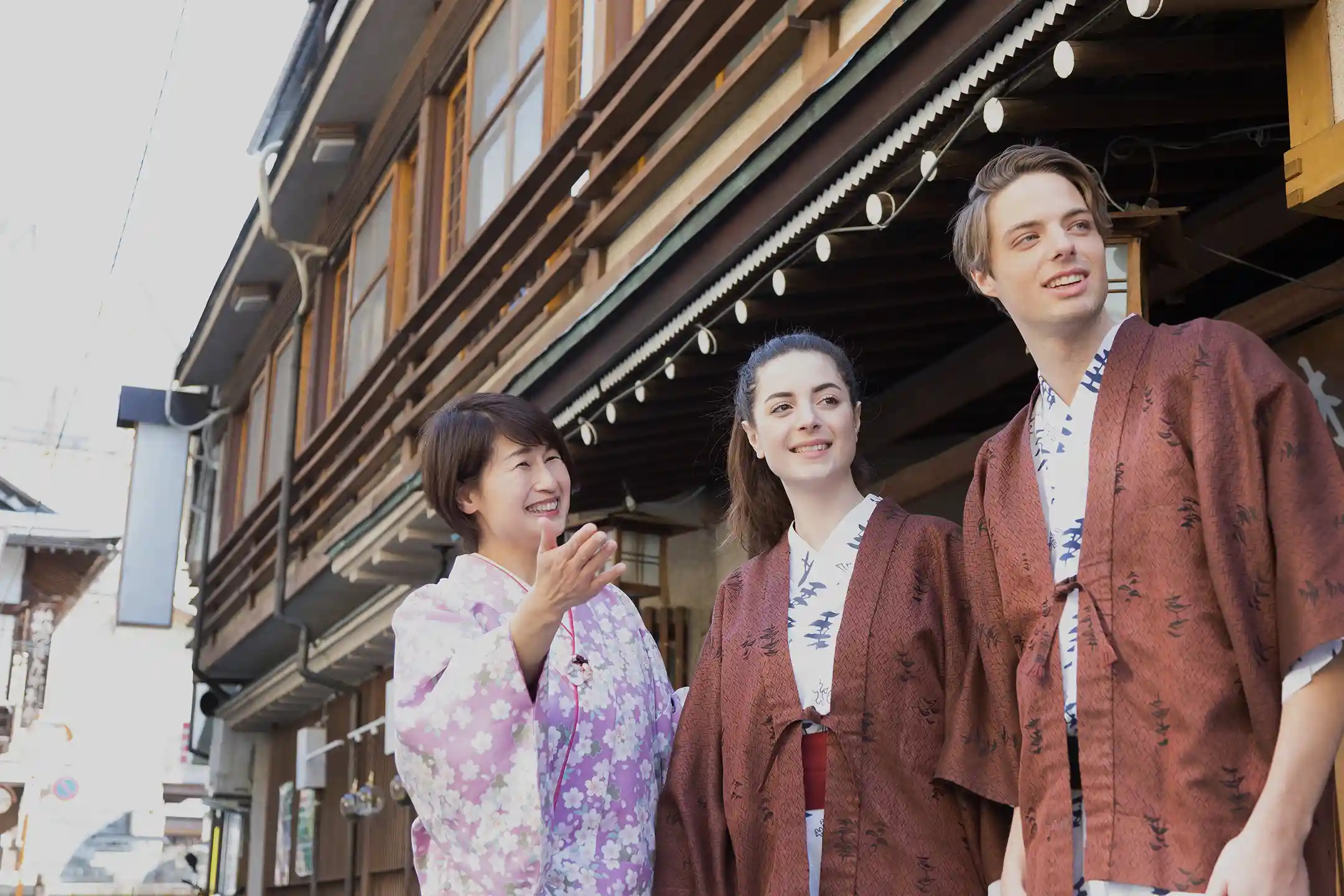
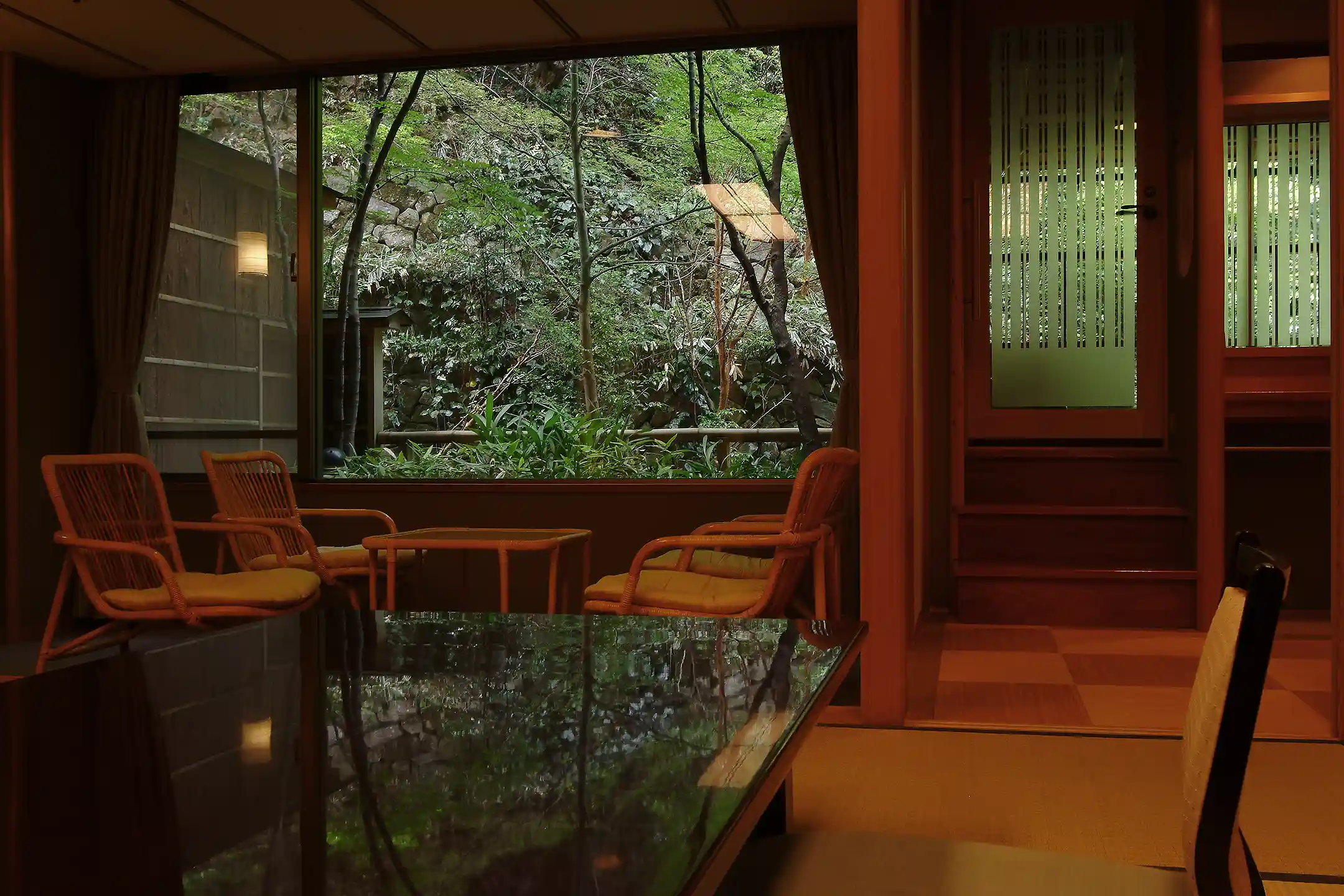
Tokyo’s Japanese-style hotels are far more than places to sleep. They reinterpret Japan’s traditional aesthetics and culture through a contemporary lens, expressing them in refined spaces and attentive service.
From classic ryokan warmth to modern design infused with Japanese elements, and even luxury hotels that deliver world-class comfort, the styles are wide-ranging.
Unlike many Western approaches that prize efficiency and rationality, Japanese-style hotels honor subtle differences and diverse values. By revealing the depth of Japanese culture, they elevate a night’s stay into a form of cultural exchange.
This article is one doorway into the world of the ryokan. The Digital Guide draws its architecture, hospitality, and the quiet rituals of an anniversary stay into a single, connected reading.
Continue with the Digital Guide:
The Ultimate Ryokan Guide for Your Anniversary Celebration in Japan
What Are Japanese-Style Hotels in Tokyo? A Definition and Their Diversity
When travelers from Europe and North America hear “Japanese-style hotel,” the images that come to mind are wonderfully varied.
That’s because “Japanese-style” doesn’t only mean “a property with Japanese elements”; its form and atmosphere shift dramatically depending on how a place expresses Japan’s traditional aesthetics and everyday culture. In Tokyo you can encounter a broad spectrum of “Japanese experiences,” from tatami-floored, time-honored ryokan to “wa-modern” spaces that blend contemporary architecture with traditional materials, and further to luxury hotels boasting cutting-edge facilities and services.
This diversity proves that Japanese culture isn’t monolithic; it’s a “living culture” that keeps evolving with the times. It also speaks to Tokyo’s generous capacity as a city—able to offer many points of entry for people from different cultural backgrounds.
While Western cultures are often said to emphasize efficiency and logic, Japanese culture embraces multiple value sets and has an ingrained sensibility that cherishes fine distinctions. Nuance is welcomed; difference is respected.
Once you understand this, you begin to see Japanese-style hotels not simply as accommodations, but as invitations to cultural exchange.
How Traditional Ryokan, Wa-Modern, and Luxury Hotels Differ
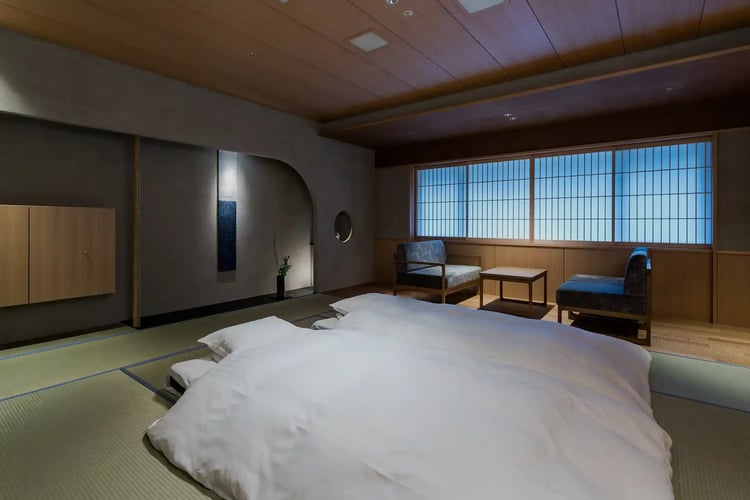
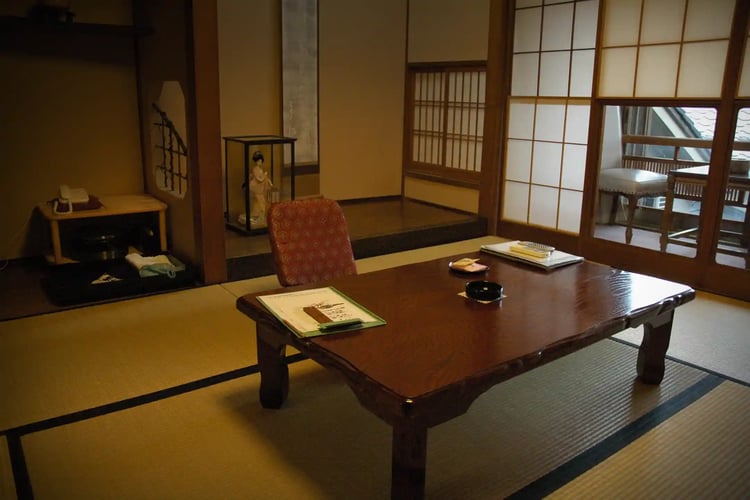
Japanese-style hotels in Tokyo don’t just chase some singular “authentic Japan.” Each presents a distinct cultural perspective and value of experience. In a traditional ryokan, you’ll unroll futons on tatami in rooms framed by shoji and fusuma, and feel the warmth of being welcomed into someone’s home.
For you as a traveler from abroad, such spaces are “out of the ordinary” yet also an entry point into everyday Japanese life and the subtle sense of interpersonal distance. That’s where a stay begins to move beyond lodging into your first step toward understanding “the other.”
Wa-modern hotels, in contrast, integrate traditional Japanese elements with contemporary design to create spaces of quiet refinement. The pared-back negative space and natural materials do more than please the eye; they also invite calm and mental spaciousness.
If you come from a fast-paced, efficiency-driven culture, this sense of ma—intentional intervals—and quiet can be a refreshing surprise and a chance to feel, firsthand, a different set of cultural values.
Luxury Japanese-style hotels pair global standards of comfort with the spirit of omotenashi and delicate spatial beauty. Here you’ll move past the stereotype that “tradition = inconvenience” and feel how Japanese culture adapts and evolves in the present.
Spaces that harmonize with the latest technologies become symbols of flexible thinking—unbound by fixed ideas of culture—and offer you a new image of “Japanese.”
The Evolution of Tokyo’s Stay Culture and a Reinterpretation of “Wa”
In Tokyo, accommodations have evolved from places to pass the night into places where you feel culture and aesthetics. Japanese-style hotels don’t merely preserve tradition; they reconstruct it for today, seeking to resonate with guests—domestic and international—who bring diverse cultural backgrounds.
A single flower in the tokonoma alcove, the scent of wood, and the soft daylight filtering through shoji—none of it flashy, yet all suffused with a delicate aesthetic and reverence for nature.
For many Western travelers, these details are not just a consumption experience but an invitation to “interpret” with your own senses. Culture isn’t only something to look at from a distance; understanding deepens when you engage with it directly—an essential dimension of intercultural learning.
Across Tokyo, more properties are repurposing historic buildings or furnishing interiors through collaborations with artisans. This resists fixing culture in place or elevating it as absolute, and instead embodies a “living culture” that keeps changing through ongoing dialogue.
Such an attitude becomes the soil for cross-cultural exchange and layered understandings of culture, creating spaces where people with differing values can rethink and embrace culture together.
In this sense, the evolution of Japanese-style hotels is a kind of “cultural translation,” creating new value while understanding differences between Japanese and Western cultures. The multifaceted character of Tokyo as a global city is richly reflected in stay experiences that fuse tradition and innovation.
Cultural and Artistic Experiences You Can Savor at Tokyo’s Japanese-Style Hotels
Japanese-style hotels in Tokyo go far beyond a place to sleep. They become rare settings where you can engage with the depth of Japanese culture and aesthetics. In spaces where tradition and the contemporary weave together, you feel Japan’s sense of time and spirit through all five senses.
A Dialogue Between In-House Art and Traditional Craft
These hotels aren’t just accommodations; they’re special places where you tune into Japan’s unique aesthetic and sense of time. Art and craft throughout the property are more than decoration—they turn the space into a “living museum,” adding layers of depth and narrative.
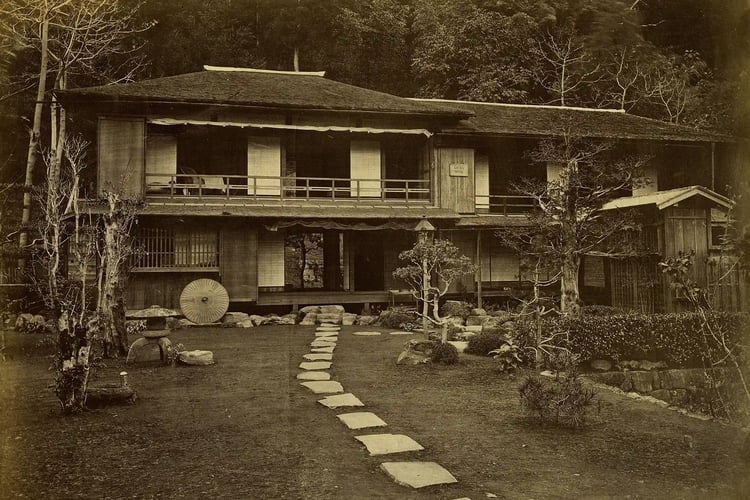
At Hotel Gajoen Tokyo in Meguro, the flamboyant decorative culture that began in the early Showa era still breathes today. Lacquerware techniques, mother-of-pearl inlay, and gilded murals adorn even the smallest details, so simply being there feels like traveling through time inside a history of beauty(*1).
This approach to space diverges from many Western design priorities of function-first rationality. In Japan, leaving deliberate “blankness” and ma has long been a way to create resonance in feeling and beauty. That sensibility runs not only through architecture and interior staging, but also through traditional crafts.
Lacquerware, dyeing and weaving, woodworking—Japanese crafts are not “old things” but expressions of a living ethos, carrying the aesthetic of artisans. Behind them lie craft lineages from the Edo period and skills passed down as family trades. Works are often less about solitary self-expression and more about the aesthetic of a community—of the “house” and the region.
Knowing this background helps you appreciate the depth of tradition and the meaning of a “beauty that’s handed down,” distinct from the Western emphasis on the individual.
In recent years, collaborations with contemporary craft artists have flourished, bringing new energy to spaces through ceramics, textiles, and woodworks. Rather than consigning tradition to the past, this “layering of time” keeps reinterpreting and renewing it—an inherently Japanese way of seeing.
It’s a perspective that finds newness within continuity—not a simple “innovation vs. conservatism” binary—and it encourages more layered cultural understanding..webp?width=750&height=500&name=Japanese_%26_Western-style_Room_(21286787533).webp)
Why Cultural Workshops for Guests Matter (Tea, Incense, Calligraphy, and More)
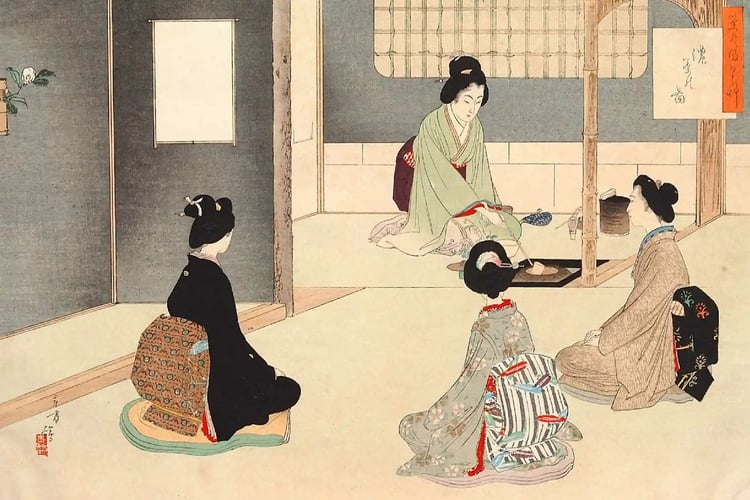
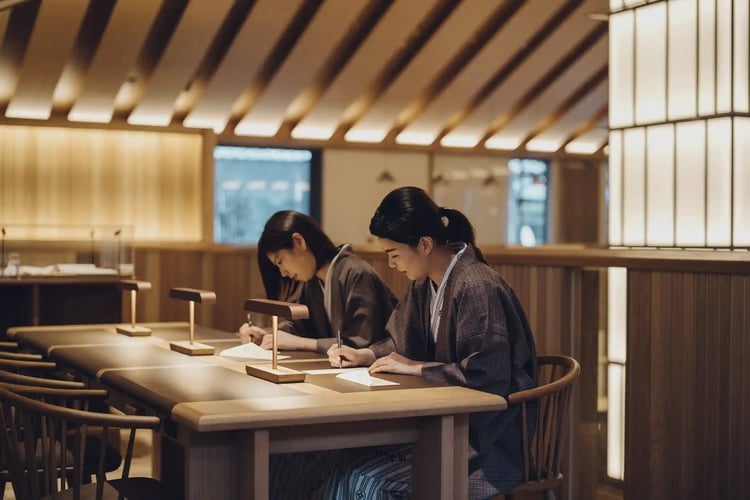
At Japanese-style hotels in Tokyo, you can join workshops in traditional arts while you stay. Tea ceremony, incense ceremony, and calligraphy—each places value on form and mindful practice. More than a “try-it” experience, they open a path into the deeper layers of Japanese spirit and sensitivity.
At Hoshinoya Tokyo’s morning tea ceremony, for example, you sit with a bowl of matcha in calm silence and meet the spirit of ichigo ichie—“one time, one meeting.” Every gesture carries meaning, inviting you to savor “here and now” at an unhurried pace—the opposite of speed and efficiency(*1). You begin to feel that cultural difference is not about better or worse, but about multiple viewpoints.
In incense ceremony, you quietly “listen” to the fragrance of aromatic woods and settle into your inner stillness—a feeling akin to meditation and mindfulness that many Western guests find familiar(*2). Sharing this sense of calm and awareness across cultures becomes a chance to find common ground rather than “othering” culture.
In calligraphy, writing with brush and ink becomes art in itself. Characters are treated not as information but as expressions of rhythm and harmony with space, letting you feel the bond between body and language beyond words’ literal meanings. You sense how culture travels not only through visual and verbal translation but also through breath and embodied experience.
These workshops feed your curiosity while inviting you to revisit your own assumptions. Rather than “studying” culture from a distance, you start by feeling it—and that’s where deep mutual understanding begins. It’s one of the singular joys of staying at a Japanese-style hotel in Tokyo.
Savoring Refined Time Through Interior and Spatial Beauty
Japan’s Japanese-style hotels go beyond lodging to offer you time that nourishes all five senses. Attention to materials, light, and sound reflects a deep aesthetic, letting you experience a quiet warmth distinct from many Western hotels. This refined stillness becomes a true balm for busy modern lives.
“Designing Quiet” Through Materials, Light, and Sound
From the moment you step inside a Japanese-style hotel in Tokyo, you feel an ease that’s hard to put into words. Solid wood floors, plaster walls, washi lighting, and shoji screens—natural materials are used generously, growing richer with age and touch.
This devotion to materiality reflects a sustainability and a belief in the spirit of things that’s rooted in Japanese craftsmanship, standing in contrast to disposable, mass-production mindsets(*1).
Light is mostly indirect. Gentle daylight filtered through shoji and the soft glow passing through bamboo or textiles create shadows and gradations. As Jun’ichirō Tanizaki suggested in In Praise of Shadows, beauty lies not in sheer brightness but within shadow, gifting the space with depth and quiet(*2)—a sensibility distinct from many Western preferences for bright, linear light.
Sound is also part of the space. The soft tread on tatami, the dripping tones of a suikinkutsu, the whisper of wind in bamboo—all bring architecture and nature into harmony, soothing the mind. This appreciation for “presence within seeming emptiness” is quintessentially Japanese, inviting you into a stillness unlike typical Western soundscapes.
Such spaces become sanctuaries of sensory rest for culturally curious travelers.
Amenities and Hospitality That Delight High-End Guests
One reason Tokyo’s Japanese-style hotels are so beloved is the care found in every detail and the highly personalized hospitality. Comfort is more than physical; the philosophy of omotenashi itself moves culturally attuned travelers.
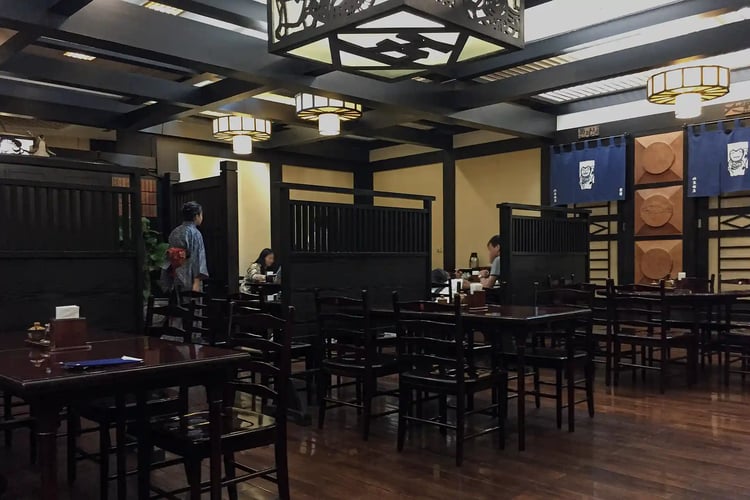
At Hoshinoya Tokyo, for instance, a dedicated staff team is assigned to each floor, and the number of rooms is kept intentionally small so every guest receives close attention. The tatami-floored, shoes-off lobby welcomes you like a Japanese home(*1)—a contrast to Western customs around footwear and personal space, and a window into Japan’s own sense of distance and shared spatial awareness.
Amenities are carefully chosen: plush Imabari towels, Japanese natural skincare, soft-touch yukata, thoughtfully curated tea sets. These layered details elevate your stay into a lasting memory.
You’ll also find flexible support for diverse needs—multilingual service and accommodations for vegetarian or gluten-free diets, for example(*2). This respect for different cultural and personal practices mirrors a broader social shift and helps create a setting where more guests can comfortably immerse themselves in Japanese culture.
At the heart of this hospitality is a spirit of honoring the other—one reason so many visitors leave wanting to return.
Why Choose a Sustainable Japanese-Style Hotel in Tokyo
As awareness of environmental issues grows, travelers’ values are changing. More people want stays that feel harmonious with the local environment—not only comfortable or luxurious, but also sustainable.
Japanese-style hotels in Tokyo bring traditional wisdom together with the latest technologies to pursue designs and operations that coexist with nature. In contrast to mass-consumption models, this is a perspective that also helps you understand different cultural backgrounds.
Architecture in Dialogue with Nature and Energy-Saving Systems
Throughout Tokyo you’ll find adaptive reuse of old homes and buildings, and designs that leverage natural materials. Earth and plaster walls with excellent insulation, rainwater harvesting, room layouts planned for seasonal wind and light—wisdom honed over centuries meets modern energy-saving technology(*1).
This reveals a cultural respect for local conditions and a recognition of diversity in value systems—quite different from many standardized building approaches. This “place-rooted sustainability” can spark new realizations for you as a guest.
Energy-efficient systems—LED lighting, high-performance insulated windows, heat-pump HVACs that curb CO₂—are widely adopted. Building Energy Management Systems (BEMS) quietly guide the property to reduce environmental load, so your stay contributes to sustainability almost without noticing(*2). This goes beyond functionality to embody respect for the environment.
Support for EV Users and Thoughtful Access
Greener mobility is also advancing. More Japanese-style hotels in Tokyo now offer EV charging, answering the needs of sustainable travel. At The Prince Park Tower Tokyo, for example, charging stands on the grounds give eco-conscious guests peace of mind(*3).
Many properties also sit within walking distance of subway or JR stations, letting you explore without relying solely on taxis or rental cars. This helps ease congestion and emissions and contributes to reducing the city’s environmental footprint(*2)—not just a pursuit of convenience, but a proposal for a lifestyle where urban living and nature can coexist.
Add unlimited public-transport passes and neighborhood guides designed for walking or cycling, and even getting around becomes part of the cultural experience, deepening understanding and respect across differences while reducing impact.
An Intellectually Stimulating “Stay of Learning”
Japanese-style hotels in Tokyo aren’t just somewhere to stay. Through encounters with traditional culture and contemporary art, they offer an “intellectual journey” where you experience Japan’s unique aesthetics and history. Unlike many Western stay cultures, which can tend toward entertainment, these stays prize deep understanding and hands-on experience—creating chances for intercultural learning and for reexamining your own values.
Your time in a Japanese-style hotel becomes an “intellectual journey” that lets you savor Japan’s cultural depths. Many properties host on-site cultural lectures and architecture tours, giving you direct access to tea ceremony, incense ceremony, calligraphy, and more. Rather than entertainment alone, these experiences reveal the spirit and history beneath the arts, bringing fresh perspectives to your worldview.
Programs that connect you with contemporary artisans and artists are also rich. You might watch creation up close or hear directly from the makers. You’ll feel that tradition is not a fixed relic but a “living culture” that keeps evolving with the times and outside influences.
More than sightseeing, such experiences help you grasp culture’s many layers and changes—and even reconsider your own cultural position. In contrast to the more standardized ways culture is sometimes framed in the West, Japanese-style hotels become places where you can respect diversity while deepening self-understanding.
Hotel-Created Content That Keeps Learning Alive After You Leave
Many Japanese-style hotels extend the experience beyond your stay, offering ongoing learning through online videos, booklets, and more. Digest videos of cultural lectures, articles explaining traditional crafts, and detailed guides to the art displayed on-site let you keep engaging with Japanese culture back home. These initiatives stimulate curiosity, encourage repeat visits and word of mouth, and further raise the property’s cultural value.
Compared with travel experiences that can feel fleeting, Japanese-style hotels in Japan strongly embrace the role of “places of learning,” serving as hubs for cultural exchange and education. This helps move beyond simple consumption toward deeper understanding and sustained interest.
How to Choose a Japanese-Style Hotel in Tokyo: Key Checkpoints
Japanese-style hotels serve not only as accommodations but also as places where you can tangibly feel Japan’s culture and traditions. Tokyo offers many styles. If it’s your first visit, the abundance of options can be thrilling—and a bit overwhelming.
To find the right fit, focus on price range, booking methods, language support, and location and surroundings. Japan is working actively to create environments that honor culture and feel welcoming, and understanding these points leads to a more satisfying trip.
Price Ranges and Booking Practices
Because they value comfort and uniquely Japanese cultural experiences, Japanese-style hotels in Tokyo are generally priced higher than standard business hotels. Many properties center around ¥30,000–¥80,000 per night, and packages including meals or traditional activities like tea or incense ceremony can exceed ¥100,000, placing them in a high-end class.
These rates usually encompass thoughtful hospitality and attentive, sometimes dedicated, staff—value that goes beyond a bed for the night.
Booking through the official website is often the best deal, with perks like early check-in, invitations to in-house cultural programs, or property credits. Sites are frequently multilingual, making overseas reservations smooth.
Major booking platforms also list many Japanese-style hotels within luxury networks, letting you rely on international standards and reviews. Understanding these contexts brings clarity to price differences and helps you secure a stay that feels truly worth it.
English Support and Services for International Guests
With inbound guests on the rise, Japanese-style hotels in Tokyo are strengthening multilingual support. High-end properties and those focused on cultural experiences often have fluent English-speaking staff; menus, guides, and websites are available in English and sometimes Chinese or Korean as well.
At Hoshinoya Tokyo, for example, staff can assist in English from check-in through cultural activities, and concierges propose stay plans tailored to your interests.
This is not just about service levels; it’s part of creating environments where visitors from many backgrounds can relax and immerse themselves deeply.
That said, some traditional ryokan-style properties still offer limited English. It’s wise to confirm details before booking—ask about explanatory materials and interpretation support, as these can greatly shape your experience.
Areas with Easy Access and Rich Surroundings
Because Tokyo is vast and diverse, location matters. If you want abundant culture alongside convenience, choose neighborhoods where history and modernity live side by side.
Nihonbashi, Ginza, and Ueno preserve Edo-period heritage and venerable shops while offering contemporary museums and shopping—perfect if you want to experience a lot in a short stay.
Ōtemachi and Shinjuku excel for business and sightseeing with strong connections to airports and shinkansen. And for quieter, more atmospheric corners, look to Suidōbashi, Kagurazaka, or Nezu—beloved as hideaways where you can feel Japan’s distinctive spatial aesthetics at an unhurried pace.
A Curated Selection of Noteworthy Japanese-Style Hotels in Tokyo (5 Picks)
Tokyo is a metropolis where diverse cultures intersect, and more hotels are grounding themselves in the spirit of wa while fusing it with contemporary aesthetics.
These properties are “intellectual spaces” where you can experience the complexity of Japanese culture and the many layers of its history—not just places to sleep. While Western hotel cultures often spotlight convenience and service efficiency, Japanese-style hotels stand out for valuing nonverbal experiences like the “air” of a place, quiet, and seasonality.
Below are five highly regarded Japanese-style hotels in Tokyo. Each offers a distinct “Japanese time” that goes beyond lodging to satisfy both your sensitivity and curiosity.
Hoshinoya Tokyo (Ōtemachi) — A Fusion of Japanese Quiet and Modern Design
In the very heart of the Ōtemachi business district, this property creates a teahouse-like refuge of stillness. The tatami, shoes-off style embodies Japan’s sense of barefoot cleanliness—strikingly different from customs common in many Western hotels.
Using traditional materials in harmony with modern construction techniques, the design evokes the spirit of wabi-sabi within a contemporary frame.
On each floor, an “ochanoma lounge” invites guests to enjoy light bites and tea together, turning the stay into a cultural gathering. Popular experiences include incense ceremony, origata (traditional wrapping), and explorations into the aesthetics of washoku(*1).
Hotel Niwa Tokyo (Suidōbashi) — An Intellectual Stay Framed by Greenery and a Library
Proudly presenting “Beautiful Modern Japanese,” this hotel is an urban oasis—close to the station yet wrapped in calm greenery. The library lounge holds a rich collection of books on Japanese culture, a perfect match if you love to learn as you travel.
Guest rooms feature solid wood and washi with deft use of natural light. Where many Western hotels emphasize functionality, Japanese-style hotels like this blend physical comfort with mental ease.
Scholars and creators appreciate the “intellectual environment,” which is a key reason for the property’s enduring popularity.
ONSEN RYOKAN YUEN SHINJUKU — A Hidden Urban Retreat for Hot Spring and “Wa”
Set just beyond Shinjuku’s bustle, this hideaway centers your rest around natural hot spring water drawn from Hakone. Guest rooms with shoji-softened light and Japanese furnishings express seasonality and spatial grace.
Its restaurant serves seasonal cuisine with local ingredients—quite different from many standardized menus—so you can taste Japan’s food culture as it changes with the calendar.
Hot spring, cuisine, and space come together to refresh both body and mind, even on a short city stay.
Hotel Ryumeikan Tokyo (Nihonbashi) — Edo Heritage Meets Modern Comfort
Founded in 1899, this classic blends the atmosphere of Edo culture with contemporary ease. The historic Nihonbashi setting enriches the experience, while tatami living areas and cypress baths let you “live in” your room.
Proximity to stations makes it ideal for both business and sightseeing. While many Western hotels prioritize pure efficiency, this property balances historical context with modern life.
Japanese-Style Hotels Are “Culture You Stay In”
Japanese-style hotels in Tokyo are places to feel the depth of Japanese culture—a setting for learning and sensitivity, not merely for sleep. While Western hotel culture often seeks convenience and uniform service, Japanese-style hotels weave tradition and the contemporary, nature and the city, quiet and connection—offering multi-layered, diverse experiences.
They help you honor cultural “otherness” while putting your own culture in perspective. Time spent here gifts you new viewpoints and a richer inner world, bringing satisfaction and learning that go well beyond tourism.
Stay a little longer in the world of the ryokan
This article offers one perspective on a tradition shaped over centuries. The Digital Guide brings together the architecture, hospitality, and quiet rituals that give a ryokan anniversary stay its lasting meaning — a fuller, more connected reading, carefully shaped for the moments worth marking together.

Summary
A stay at a Japanese-style hotel in Tokyo is more than a base for travel: it’s a chance to taste culture with all five senses, to learn, and to feel restored. Whereas many Western hotel cultures pursue convenience and uniformity, Japanese-style hotels offer multiple layers of value by elegantly blending tradition and innovation, nature and the urban, quiet and conviviality.
These properties present Japanese craftsmanship and traditional arts—and the delicate spatial beauty often associated with In Praise of Shadows—not as mere decoration but as living culture. The feel of tatami underfoot, soft light through shoji, and the fragrance of wood call you away from busyness into calm time with yourself.
Through workshops such as tea and incense ceremony, you meet Japanese spirit and aesthetics not as something to “study” at arm’s length, but as something to feel—teaching you that deep mutual understanding begins with experience.
.webp)