.webp)
The impression you carry from a journey can shift—sometimes dramatically—based on the words you choose. In a Kyoto tearoom, an effusive “Amazing!” at the bowl of tea in front of you is lovely; add a quiet “Impeccable,” and your respect for the room’s poise and the etiquette guiding it also comes through. In Japanese, beyond stating “good” outright, you can sketch which aspect is good, how good it is, and what kind of “goodness” you mean with remarkable subtlety and range.
In this article, you’ll find practical know‑how that blends the light touch of a travel magazine with an academic lens—showing you, scene by scene from everyday life to business to formal settings, how to nuance “good.” The more precise your wording, the more dimensional—and refined—your memories of travel become.
Basic Japanese translations of “Good” and their nuances
The most straightforward equivalents of the English “good” are 「良い(よい)」/「いい」. In official documents, using the kana form 「よい」 is standard; it minimizes ambiguity for readers and gives a clean, well‑mannered impression(*1)(*2). In everyday conversation, 「いい」 sounds more natural and softer, and it works as an all‑purpose nod or quick evaluation—“That’s nice,” “This hotel has a good location,” and the like(*1).
.webp?width=750&height=500&name=University%20studentsjob%20seekers%20being%20interviewed%20(for%20job%20hunting).webp)
When you want to foreground ethical judgment or conduct, writers sometimes choose the character form 「善い」, as in “a virtuous act” or “a positive (wholesome) influence,” weaving in a moral nuance(*3).
Further, 「良い」 carries a neutral‑to‑polished tone well suited to outward‑facing business language—press releases or client correspondence. For example, 「ご提案の方向性はよいと考えます」 (“We believe the direction of your proposal is good”) signals a clear assessment while keeping heat and hype in check(*1). In a close, casual register, swapping to 「いいね」 or 「いい感じ」 lowers the temperature and draws you closer to the other person.
Finally, picking your written form is part of designing for context and medium. In “tidy writing” such as presentation decks or a hotel’s guest information, base your usage on 「よい/良い」; for spoken tours and social posts, use 「いい」 as your default. When that pattern is consistent, your “good” will feel natural in any setting(*1)(*2)(*3).
Knowing the difference between 「良い」 and 「いい」
「良い(よい)」 leans toward written style, setting a tone of poise, neutrality, and steadiness. Put it into the body text of objective judgments or proposals—「本件はよい事例です」 (“This is a good case”) or 「ご対応いただけるとよいのですが」 (“It would be good if you could handle this”)—and your document tightens up(*1).
By contrast, 「いい」 feels at home in speech, helping you share feeling and rhythm with your listener: 「そのアレンジ、いいですね」 (“That arrangement is great”), 「この動線、すごくいい」 (“This flow works really well”). It’s agile on the ground—useful even for quick staff‑to‑staff exchanges in a hotel or gallery.
As a practical rule of thumb: ① External documents/press → prioritize 「よい」; ② Internal documents/reports → base on 「よい」 while allowing 「いい」 where appropriate; ③ Voice, chat, and social → prioritize 「いい」. That said, when clarity around permission is essential, anchor your phrasing in the honorific system to reduce ambiguity: 「~してよいでしょうか」 (“May we proceed with…?”), 「お席をお取りしてよろしいでしょうか」 (“Would it be all right if I reserve your seats?”)(*1)(*2).
If you need a stronger value judgment, you can even choose the character form to sharpen the outline—「善い選択だ」 (“That is a good/virtuous choice”)(*3). These micro‑choices reliably change how your “good” lands.
「素晴らしい」「素敵」「見事」—how to differentiate positive expressions
Even under the broad umbrella of “good,” polished Japanese tells you what, exactly, is good.
・素晴らしい (subarashii): A wide‑angle commendation for excellence in results or an overall experience. It fits exhibitions, vistas, and the totality of hospitality(*4).
・素敵 (suteki): Best when praising the “mood” or allure of a person, space, or design. It carries a quiet lift and a touch of chic(*5).
・見事 (migoto): Points to perfection in skill, execution, or finish. It shines when you want to highlight “craftsmanship”—from the doneness of a dish to a gardener’s pruning or the choreography of guest flow and guidance(*6).
At a traditional craft studio, say 「見事なお仕事ですね」 (“Impeccable work”). For a new museum installation, 「素晴らしいキュレーションです」 (“A superb curation”). For a hotel lounge, 「とても素敵な空間ですね」 (“Such a lovely space”). Naming the axis of evaluation in a single word raises the resolution of the respect you send(*4)(*5)(*6).
Subtle ways Japanese expresses “good”
Japanese excels at positive statements that stop short of absolute affirmation—that’s where much of its charm lies. Common examples include 「結構」, 「まあまあ」, 「まずまず」, and 「悪くない」. Each affirms while leaving room around the judgment. For instance, 「それで結構です」 can mean “That’s sufficient—that will do,” yet 「もう結構です」 turns into a courteous “No, thank you.” Because meanings can reverse depending on context, add a single clarifying word to avoid missteps—say 「まだ結構です」 (“We’re fine for now / Please leave it as is”) to keep things clear(*1).
Dictionary definitions tidy up 「まあまあ/まずまず」 as “not perfect but satisfactory,” which helps you avoid overpraising and keeps relationships smooth(*2)(*3).
This kind of measured affirmation is also a key strategy in politeness research: a form of indirectness/mitigation that protects the other person’s face while keeping interactions fluid(*4). Using shades of “good” to preserve harmony in the room is one way Japanese culture puts its values into words(*5).
Understanding the cultural background of 「結構」 and 「まあまあ」
「結構」 has traveled from a pure evaluation word (“excellent, without fault”) to a function word signaling acceptance or refusal in modern usage. In a service setting, if a server asks, 「お下げしてもよろしいですか?」 and you reply only 「結構です」, the staff could be unsure which 「結構」 you mean. Add a single word—「もう結構です」 (please clear) or 「まだ結構です」 (please leave it)—and you stay polite while avoiding confusion(*1).
「まあまあ」 offers “tempered approval,” close to English “fair/pretty good.” It honors effort without over‑the‑top praise, so it works even where hierarchy is present(*2). In travel contexts—after a tasting or activity—you might say, “The flavor is quite good; overall, it’s まあまあ,” which makes the breakdown of your evaluation easy to grasp and invites a constructive next step(*2)(*5).
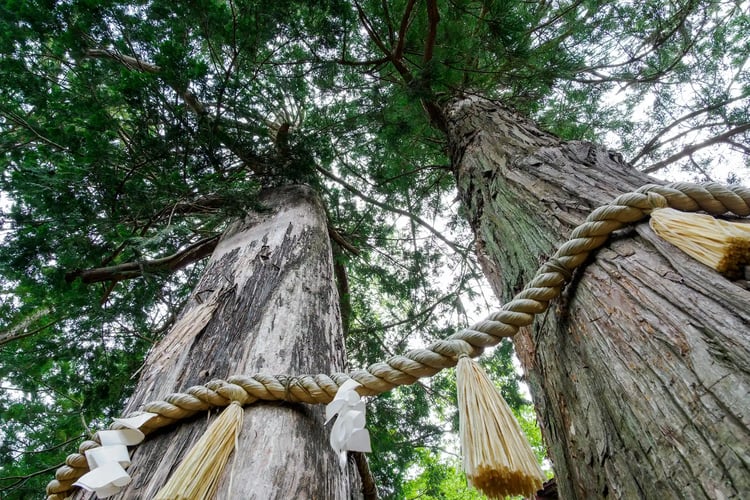
The aesthetics of the Japanese expression 「悪くない」 (“not bad”)
Litotes—affirming through negation—is a key to Japanese refinement. 「悪くないですね」 conveys “good enough / more than acceptable” with a gentle touch that leaves room for the listener’s interpretation.
Especially when reviewing proposals or building consensus, jumping straight to “It’s the best!” can be less effective than 「悪くないです。さらにこの点が整えば、かなりよくなります」 (“Not bad at all. If we refine this point, it will become very good”). Layering your praise in steps respects the other party’s autonomy while nudging things in a positive direction(*4). This well‑intentioned restraint harmonizes with a culture that values social balance(*5).
Context‑by‑context: the right Japanese for “good”
Japanese expressions for “good” shift depending on whom you’re addressing, where you are, and what exactly you’re evaluating. A reliable base is the honorific framework organized in the “Guidelines for Honorifics” (respectful, humble, and polite forms)(*1).
Choose expressions along three axes—evaluation (quality/results), permission (yes/no), and consideration (relationship). This cuts down on misunderstandings in business and on the road alike. Where ambiguity is risky, add a time or degree word to a middle‑ground term like 「結構」—for example 「もう/まだ」 (“already/no longer” vs. “still”) or 「十分に/概ね」 (“fully/for the most part”)—to keep things safe(*2)(*3).
Examples of “good” in business settings
【Approval & Evaluation)
・「問題ありません/差し支えありません」 = “That works / That’s fine.” (clarifies permissibility; in formal style, 「差し支えございません」)
・「妥当です/有意義です」 = “Reasonable / Valuable.” (names your evaluation axis)
・「よろしいと考えます」 = “I believe it’s good.” (signals your stance and its basis)
【Permission & Agreement)
・「この案で進めてよいでしょうか」/「進めて差し支えありません」 = clear yes/no around proceeding(*2).
【Consideration & Preventing Ambiguity)
・Fix meaning with one word: 「もう結構です(終了)」 / 「まだ結構です(継続)」(*3).
・Honor results and the relationship at the same time: 「助かりました」 (“That was a big help”), 「ありがたく存じます」 (“Much appreciated”).
Designing your phrasing in layers—evaluation, permission, consideration—lets you build a “good” that is courteous and operational at once(*1)(*2).
Natural ways to say “good” in casual, everyday scenes
【Friends & Family)
・「いいね!」「最高!」: quick empathy and celebration.
・「いい感じ」「雰囲気が素敵」: soft, sensory‑based praise.
【Hobbies, Dining, Stays)
・「香りがとてもいい」「火入れが見事」: pinpoint which part is good in one word or phrase.
・With first meetings or seniors, keep it courteous: 「おいしいですね」「よいお部屋ですね」.
【Social & Chat)
・Use 「素敵」 for photos, 「見事!」 for milestone achievements. If you want to dial praise down, choose 「悪くないね」 or 「まずまず」.
Precisely naming where the “good” sits—result, mood, or skill—adds quiet sophistication, especially in casual settings(*1).
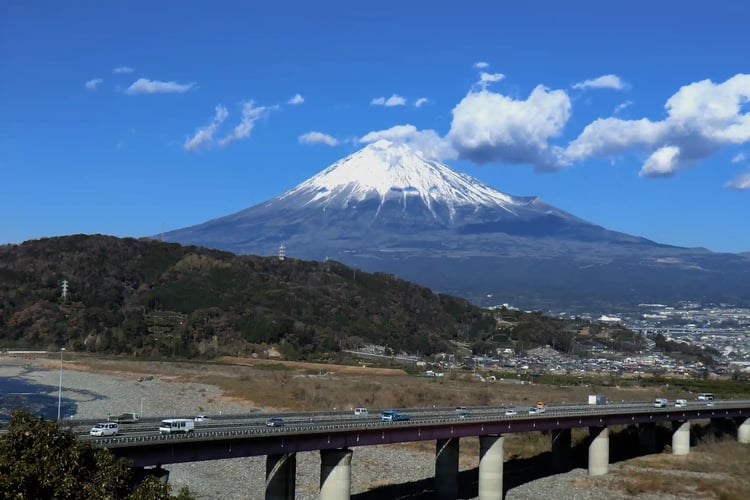
What “good” reveals about Japanese culture and aesthetics
Grading “goodness” in shades—and avoiding blunt finality—connects deeply to Japanese aesthetics. In traditions linked to the tea ceremony and Zen, simplicity, open space, and the patina of time are cherished over ornate “completion” (wabi = the beauty of restraint; sabi = the taste of age). A love of the un‑finished or asymmetrical often appears in language as gentle affirmations: 「悪くない」, 「まずまず」, or even “modestly lovely” rather than overt superlatives(*1)(*2)(*3).
From a social‑values angle, too, an emphasis on wa (harmony) is repeatedly cited as central to Japanese sensibility, and expressions that “tune the room” are preferred over emphatic declarations(*4). That’s why, in travel as well, the words you choose to deliver “good” matter—because words carry not only information about evaluation but also the design of the relationship itself(*5).
Why “in moderation” and “with restraint” often feel right in Japan
“Measured approval” puts the aesthetic of open endings into practice. In a kaiseki meal, for example, supporting dishes keep their flavors in check so the main plate can shine—this design creates harmony across the table.
Language works similarly. You lay a base with bounded approval—「方向性としてよい」 (“Good as a direction”), 「このプランは悪くない」 (“This plan is not bad”)—and close with 「ではこの方針で進めましょう」 (“Let’s proceed with this policy”). Like the jo‑ha‑kyū structure in Noh (a flow from calm to development to conclusion), pacing affirmation helps consensus mature—very much the rhythm of Japanese communication(*1)(*3)(*4).
.webp?width=750&height=500&name=Tatsumi%20Bridge%2c%20Gion%2c%20Higashiyama%20Ward%2c%20Kyoto%20City%20(Kyoto).webp)
How to experience the beauty of Japanese through “good”
Practical tips
・Increase the resolution of your praise: move from a generic 「良い」 to one word that specifies the axis—「素晴らしい」 (results) / 「見事」 (skill) / 「素敵」 (atmosphere).
・Practice tempered approval: 「悪くない」, 「まずまず」, and 「結構です」 (with a clarifying word) as intentional “soft positives.”
・Grow your vocabulary through appreciation: read essays and guides on tea ceremony, Zen, and Japanese art to collect ways to describe simplicity and space.
・Build honorific literacy: use official guidelines to internalize the “templates” that separate evaluation, permission, and consideration.
Nuancing “good” is a visible form of respect—for the person and the place in front of you. The more carefully your words are tuned, the more quietly and deeply your travels settle into memory(*1)(*2)(*5).

.webp)