Experiencing Tokyo sushi is not just about eating well. It is a way to encounter the city’s refinement through food. Nigiri, which began as a quick bite in Edo, now reaches one of its highest expressions at quiet counters where seasonal seafood, vinegared rice, craftsmanship, and atmosphere come together in a single bite. This guide walks you through the full experience—from history and restaurant selection to etiquette and seasonality—so that one sushi meal can become one of the most memorable cultural moments of your trip.
Why Tokyo Sushi Feels Like a Cultural Experience
What draws food lovers from around the world to Tokyo sushi is not only flavor, but the depth behind it. The values often associated with Japanese food culture—respect for nature, sensitivity to the seasons, and the transmission of craftsmanship—are condensed into sushi’s minimal form(*1). A single piece can feel like a complete composition, where ingredient, technique, temperature, tableware, and space all come together at once.
The Origins of Edomae Sushi and the Story of Tokyo Bay
The term Edomae originally referred to the waters in front of Edo, broadly the area around present-day Tokyo Bay(*2). In the vast city of Edo, busy townspeople needed quick meals, and nigiri sushi is understood to have spread in the 19th century as a kind of fast food sold at street stalls(*3).
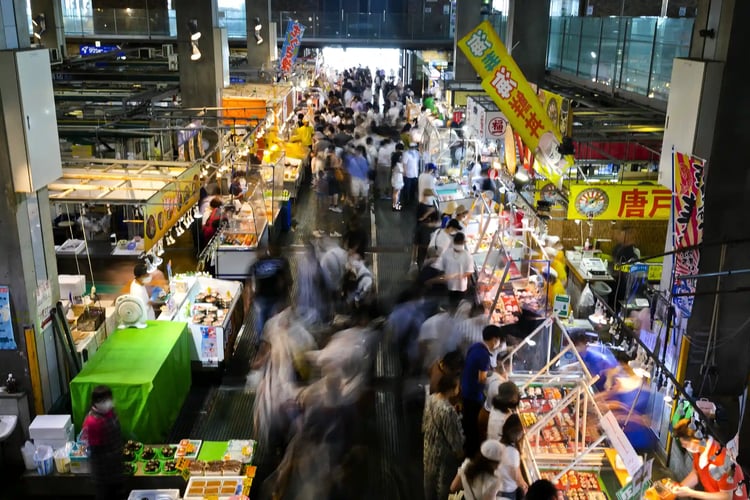
The fish market stood at the center of the distribution system that supported Edo’s seafood culture. The history of the market—from its development around Nihonbashi in the early Edo period, to its relocation to Tsukiji after the Great Kanto Earthquake, and then to Toyosu in 2018—is essential to understanding sushi as part of the city’s infrastructure(*4).
The Aesthetics of Nigiri: Temperature, Aroma, Space, and Melt-in-the-Mouth Texture
Sushi is delicious in ways that can be explained, because taste is shaped by more than the tongue alone. It has long been noted that temperature changes how aroma rises and how flavor is perceived, making it a major part of the sensory experience(*5). Research on beverages likewise reports that serving temperature affects both the release of volatile compounds and the way aromas are perceived(*6).
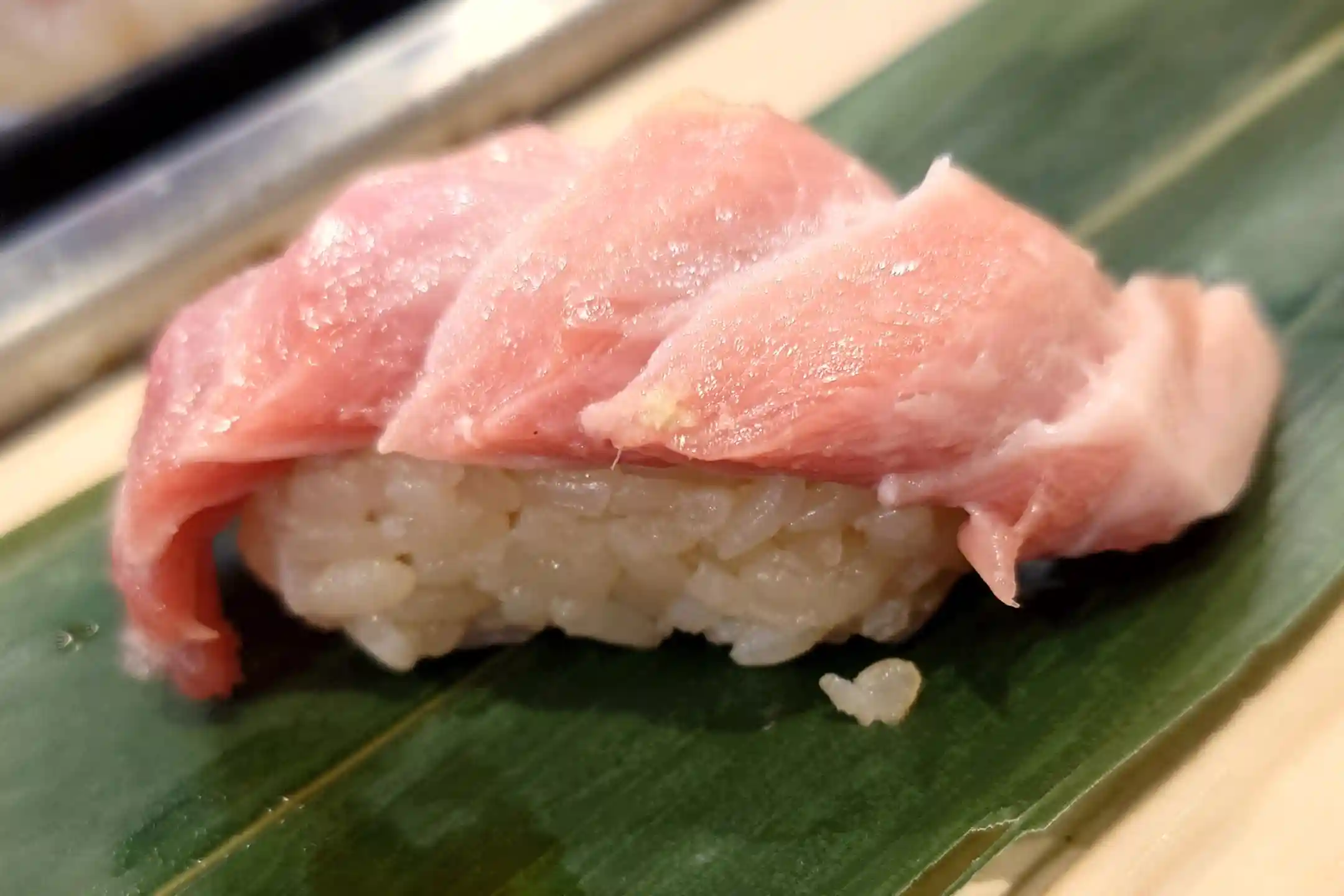
This helps explain a contrast often discussed at sushi counters: the warm shari and the cooler neta. Warmth opens the aroma, while coolness sharpens the outline of flavor, and the two overlap for only a brief moment in the mouth. That fleeting interval is part of what makes an exceptional piece so memorable.
The Sushi Counter as a Stage: The Distance Between Chef and Guest
The sushi counter is a stage where chef and guest share the same sense of time. As the course unfolds, you move from simply listening to becoming the other half of a shared act. The key is not to dominate the room with questions, and not to fear silence. A knife moves in front of you, nigiri is formed, and then it is placed before you. The moment you settle into that rhythm, sushi shifts from a meal to an experience.
%20Sushi.webp?width=750&height=500&name=A%20Sushi%20Chef%20Presenting%20a%20Piece%20of%20Tuna%20(Maguro)%20Sushi.webp)
The World Created by Vessels, Knives, and the Wooden Counter
Many high-end sushi restaurants are designed not to explain themselves too loudly, but to communicate through materials and touch. Woods such as hinoki are often used for counters because their aroma, gentle warmth, and soft reflection flatter the sheen of the fish and the clean grain of the rice. Research has also suggested that hinoki may affect microbial environments, which means wood is not only atmospheric but also a material that can shape hygiene and the physical feel of a space(*7).
Tableware holds the colors of the season, while knives shape the texture and gloss that lead into flavor. In that sense, the design of a sushi restaurant is not just visual beauty; it is part of the cultural framework that prepares you to receive the meal before the first bite even arrives.
Understanding the Tokyo Sushi Landscape: Price, Reservations, and Style
The appeal of Tokyo sushi lies in its range, both in price and in experience. Supermarket sushi rolls, conveyor-belt sushi, standing counters inside stations, and omakase at intimate counters all coexist in the same city(*1). The best way to grasp the full picture is through three practical lenses—price, reservations, and service style—so you can fit it into your itinerary without guesswork.
A Rough Guide to Price Ranges: Conveyor-Belt Sushi, Standing Sushi, and Omakase
Conveyor-belt sushi is often introduced as starting at roughly 100 yen per plate(*1). At major chains, you may also see standard plates listed at around 120 yen including tax, which makes budgeting especially easy for travelers(*2).
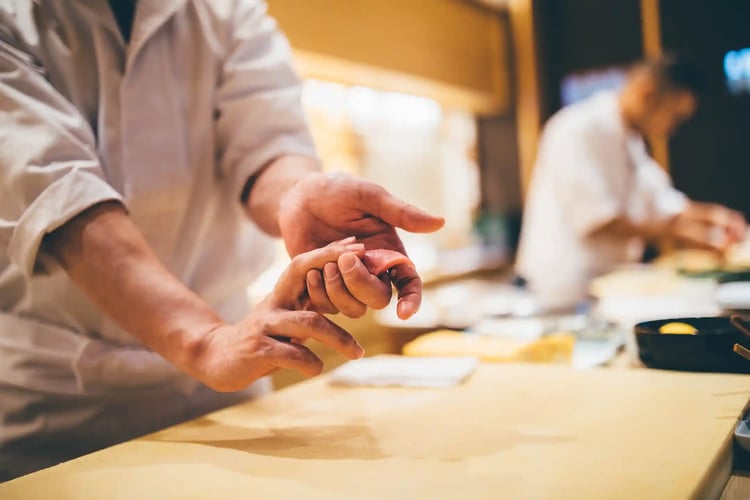
Standing sushi offers a middle path: properly made sushi in a shorter, more casual format. Looking at typical price bands on restaurant-listing sites, you can find examples with lunch around 2,000–3,000 yen and dinner around 4,000–5,000 yen(*3).
By contrast, omakase is the style most likely to become a splurge, and the one where reservations matter most. Reservation platforms show examples of courses in the high-20,000-yen range to around 30,000 yen(*4). Prices vary widely depending on seat count, ingredient level, season, and whether drinks are included, so it helps to decide your own upper limit in advance.
How Easy Reservations Are: From Same-Day Availability to Introduction-Only Access
High-end sushi in Tokyo often has very few seats, and same-day walk-ins can be difficult, so it is worth checking availability as you plan your trip(*1). There are three main reservation routes. The first is booking directly with the restaurant, by phone or online. The second is using a reservation platform. The third is asking your hotel concierge to arrange it. On platforms in particular, systems such as credit-card registration and cancellation charges are common, and this may be handled as a card pre-authorization or hold(*5). If your booking falls on a travel day or between transfers, read the cancellation policy carefully and choose a time that gives you enough margin to move without stress.
Differences in Service Style: Course, À La Carte, and Takeout
The easiest way to increase satisfaction is to choose the format that matches the rhythm of your trip.
A course lets you hand over the decisions, which makes the experience smoother and often more memorable, especially if it is your first time. À la carte suits travelers who want to follow their own preferences, but it also raises the language burden of ordering. Takeout works especially well on days when your schedule is fragmented—between transfers, or before and after a museum visit, for example(*1).
Where Inbound-Friendly Service Stands Today: English, Cashless Payment, and Reservation Platforms
Japan’s shift toward cashless payment continues, and the cashless payment ratio for 2024 was officially announced as 42.8%(*6). Traveler guidance also notes that cashless options in Japan are becoming more widely available(*7).
That said, sushi restaurants often combine modern convenience with very small-scale operations. English support is more common than before, especially on reservation platforms and at traveler-friendly spots, but the day’s ingredients can still shape what is possible in the moment. The rules are usually clear: card registration, cancellation fees, and strict punctuality(*5).
If you see these not as inconveniences, but as part of the mutual agreement that protects the quality of the experience, the whole meal becomes much easier to enjoy.
.webp?width=750&height=500&name=A%20Sushi%20Chef%20Filleting%20a%20Whole%20Tuna%20(Maguro).webp)
Choosing the Right Tokyo Sushi Experience by Purpose
Where you eat sushi is, in many ways, another way of saying what you want to experience. Quietness, live energy, Edomae technique, a design-led space, or efficiency within a tight schedule—the more clearly you know your purpose, the more precisely you can choose. Before you start searching for specific restaurant names, it helps to define the kind of Tokyo sushi experience you want.
High-End Counter Omakase
The value of a high-end counter is closely tied to scarcity: there are only a few seats, and the experience is built around that intimacy(*1). Rice temperature, the shaping of each piece, the chef’s movements, and the tension of waiting for what comes next all matter. Instead of choosing dish by dish, you receive a flow and a narrative. If it is your first time, the graceful move is simply to mention upfront if you prefer less rice or have ingredients you cannot eat, then leave the rest in the chef’s hands.
Traditional Edomae Sushi: Savor the Craft, Not Just the Topping
Edomae sushi is often described through techniques of preservation and preparation—curing with vinegar or salt, simmering, and marinating in sauce—that developed before modern refrigeration and transport(*2). This “work” is not there to decorate the topping; it is what brings the ingredient to the point where it tastes its best. Simply knowing words such as zuke (soy-marinated fish), sujime (vinegar curing), and nikiri (a brushed finishing sauce) gives conversation at the counter a deeper register.
Modern Sushi and Design-Led Spaces: Enjoying Architecture, Vessels, and Light
The more minimal the sushi, the more information the surrounding space begins to carry. In rooms with subdued lighting, the sheen of the fish and the trace of the knife come quietly into focus, while the color of the vessel completes the sense of the season. The way wood such as hinoki can shape a space through scent and texture also connects with research suggesting that it may affect the environment around it(*3). Photogenic beauty and substance are not opposites. If anything, the fact that a single plate does not insist too loudly is part of good design.
Conveyor-Belt Sushi and Casual Styles: Raising Satisfaction in a Short Time
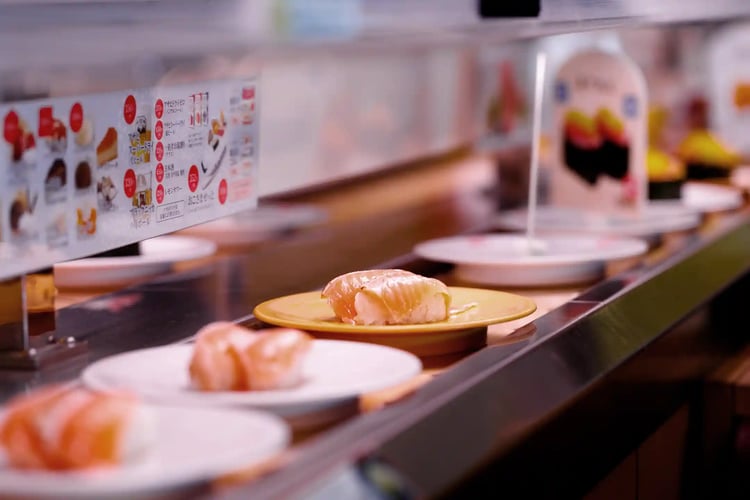
Conveyor-belt sushi is excellent as a first Tokyo sushi experience. Prices are easy to understand, and many locations offer multilingual ordering terminals, so the cost of trial and error stays low(*1)(*4). A useful approach is to begin with lighter white fish or shellfish, then move to richer, fattier fish later. If you finish with a roll or a bowl of soup, even a short visit can feel complete.
Standing Sushi and Market Areas: Enjoying a Sense of Place from the Morning Onward
At standing sushi counters, the distance between chef and guest is shorter and the pace is faster, which makes it easier to feel the pulse of the city. Even from listed price examples, you can see how well this style suits people who want to experience counter technique while saving time(*5). In market areas in the morning, the atmosphere of buying and receiving ingredients still lingers, and explanations about the fish often feel more concrete. It is an especially good choice for days when you want to start your itinerary with energy.
Department Store Food Halls and Takeout: A Sushi Experience That Fits Your Schedule
Department-store food halls—depachika—are among Tokyo’s most distinctive curatorial spaces, with strong quality and variety. Since official travel guidance notes that sushi rolls are also easy to buy at supermarkets(*1), takeout sushi becomes a practical option on days when you do not want to give up on sushi even if your schedule is full. Pair it with wine at your hotel, or eat it quietly while the afterglow of a museum visit still lingers—this is sushi that adapts to your mood and your timetable.
Entertainment-Driven and Creative Sushi: Enjoy It with the Right Expectations
Creative sushi is best enjoyed on a different axis from the precision of Edomae. Public travel guides also show that sushi has expanded into many forms across regions and periods(*1). The key is not to judge it by how faithfully it reproduces tradition, but to look for the pleasure of invention. When your expectations are set that way, surprise turns into insight.
Manners at the Sushi Counter and How to Enjoy the Experience
Manners are not about proving that you know the rules. They are a shared way of protecting the value of the experience. Sushi is delicate in both temperature and form, so not disturbing the rhythm of the person making it has a direct effect on how good it tastes. Rather than turning this into a lecture, it is enough to clarify the points that tend to make first-time guests uncertain.
Basic Manners for Dress, Perfume, and Photography
When it comes to clothing, the standard is cleanliness and quiet restraint that does not disturb the atmosphere of the room. Strong perfume can mask the aroma of both the fish and the vinegared rice. For photography, one quick shot when the nigiri is set in front of you is usually enough. Since every restaurant has its own policy, it is reassuring to ask briefly at the beginning. In general, flash and video are best avoided because they can interrupt the chef’s concentration.
The Basics of Eating: Chopsticks or Hands, Soy Sauce, and Your Pace
Sushi can be eaten with either chopsticks or your hands(*1). The point that most often causes hesitation is soy sauce: if you dip the rice side into it, the rice absorbs too much and both the flavor and the shape begin to collapse, so the usual advice is to touch the fish side lightly instead(*1). If gari (sweet pickled ginger) is served, it is better understood as a palate cleanser between pieces rather than something to place on top of the sushi(*1). As a rule, eat each piece soon after it is served. The more quickly you bring it to your mouth before the temperature balance falls apart, the more clearly the intention behind the nigiri comes through.
The Right Conversational Distance and How to Move with the Flow of Omakase
Omakase is a format built for you, but the guest still has a role to play. Share allergies and ingredients you cannot eat early on, and beyond that, avoid trying to direct the course more than necessary. Ask questions briefly, and when the chef’s hands are free. Silence is not a failure. In a good sushi room, it has value of its own.
How to Order Sake, Tea, and Pairings
Tea and sake are commonly introduced as classic companions to sushi(*1). Genmaicha, for example, blends green tea with roasted rice and refreshes the palate beautifully after richer fish(*1). With sake, the clearer you can describe your preference—“light and dry,” for example, or “more aromatic”—the more precise the pairing becomes. If you feel uneasy about raw seafood, it may also help to remember public guidance on Anisakis, a parasite for which heating or freezing is considered effective prevention(*2). If you are concerned, the practical choice is to select cooked items or simply ask the staff.
Learning and Encountering More: Experiences That Let You Understand Sushi More Deeply
The more sushi you eat, the more it becomes a food that makes you want to know why it tastes the way it does. In Tokyo, there are richly layered ways to deepen that understanding: market distribution, the culture of supporting ingredients, and hands-on experiences. As your knowledge grows, the same piece of sushi starts to feel different.
Learning Distribution and Discernment at Toyosu
Official guidance explains that visitors to Toyosu Market can observe auctions from viewing passages in temperature-controlled facilities(*1). What tourists see first is the energy of the place itself. What professionals are reading is the consistency of quality.
Intermediate wholesalers, or nakaoroshi, are also described as specialists who stand between wholesalers and retailers or restaurants, using trained judgment and a clear sense of market value to supply the right products at the right price(*2). Once you understand that structure, a chef’s brief comment—“today is good,” or “today is difficult”—starts to resonate as the reality of logistics.
Encountering the Culture of Ingredients at the Tsukiji Outer Market
The official Tsukiji Outer Market site presents the area as a place where food professionals gather and where visitors can buy, eat, and experience food(*3). Fish may be the star of sushi, but the structure of flavor is supported by nori, kombu, katsuobushi, tamagoyaki, and the tools themselves. Walk through the outer market and these supporting players begin to feel like stars in their own right. Once you understand the world of dashi and dried ingredients even a little, the nuance of soups and side dishes at a sushi restaurant becomes much sharper.
Feeling the Basics Through a Nigiri Sushi Workshop
You do not truly learn sushi-making by watching alone. Tokyo’s official tourism site introduces workshops where you learn nigiri from sushi chefs and then eat what you make afterward(*4). Handling vinegared rice, learning how a cut is made, thinking about hygiene, and arranging the plate—once you have felt these things in your own hands, the next piece you eat at a counter turns into understanding. The less experience you have, the more useful it can be to make your first mistakes here rather than at a formal counter.
Knowing the Reasons Behind Flavor Through Conversation with Chefs and Producers
Part of the value of a high-end restaurant is that you take home not only the taste, but also the reasons behind it. Origin, seasonal change, the conditions of distribution, the intention behind aging—in some ways, the conversation resembles how terroir is explained in wine. If you keep the market structure and visitor information in mind first(*1)(*2), then ask just one good question, the answer often comes back with surprising depth.
%20in%20the%20Tsukiji%20Outer%20Market%20and%20a%20Scene%20from%20a%20Sushi-Making%20Workshop.webp?width=750&height=500&name=A%20Dried%20Food%20Shop%20(Nori%2c%20Kombu%2c%20Katsuobushi)%20in%20the%20Tsukiji%20Outer%20Market%20and%20a%20Scene%20from%20a%20Sushi-Making%20Workshop.webp)
The Cultural Literacy of Seasonality and Preparation: Know the Story Behind the Fish, and It Tastes Even Better
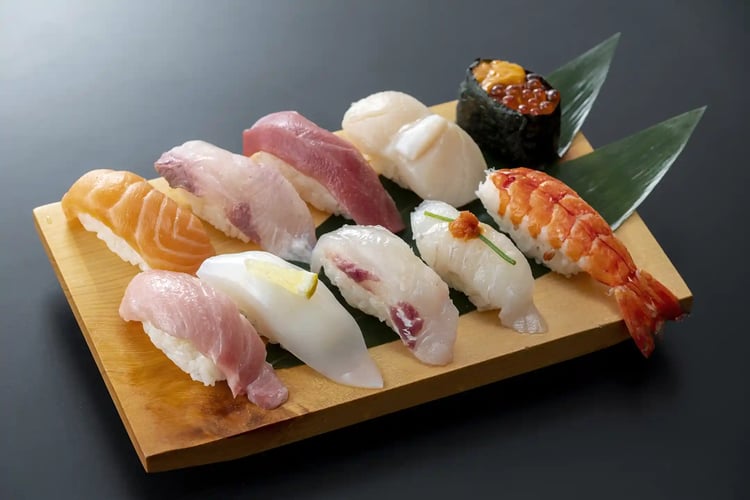
The final key to turning sushi into a memorable experience is learning to read shun, or seasonality. Official explanations describe shun as the period when ingredients grown in nature are at their most delicious and nutritious(*1). Japanese cuisine is also described as expressing the changing seasons through ingredients and color, and much of its pleasure lies in using food at its best moment(*2).
At the same time, improvements in distribution and aquaculture have made high-quality seafood easier to enjoy throughout the year, even though many people still feel that true peak season has a character of its own(*3). Once you understand that tension, you begin to notice aroma, fat, temperature, and texture with greater precision.
Flavors to Notice in Spring
Spring is the season of delicacy. Public materials also list sea bream and fat greenling as spring fish(*2). With sushi, it helps not to bury the pale sweetness of white fish or shellfish, or the young scent of the sea, under heavy soy sauce. Suggestions to eat certain fish with salt or citrus also point in this direction(*3): spring sushi usually rewards subtraction more than addition. It is also better not to chill it too much, so that the aroma can rise.
Flavors to Notice in Summer
Summer is the season of humidity and heat, and dishes are often designed to create a sense of coolness(*2). Seasonal examples include eel, ayu, and hamo(*2). In sushi, vinegar and aromatics often register more clearly at this time of year, and pairing light white fish with fresh condiments can lift satisfaction. Rather than washing everything down with cold tea, warm tea can bring the aromas back into balance.
Flavors to Notice in Autumn
Autumn is when fat returns. Salmon and saury are often cited as signature autumn fish(*2). Because fat also carries aroma, the lingering finish becomes longer as you chew. The idea worth noticing here is return: fish that thin out during summer store nutrients again in autumn, and their flavor comes back. Once you understand that the same topping can become something entirely different depending on the season, the way you choose begins to change.
Flavors to Notice in Winter
Winter is the season when richness shines. Public examples of winter seafood include crab, oysters, and fugu(*2). Richer, fattier toppings can feel firm if they get too cold, so the key is to eat them without delay once they are served. From the perspective that temperature shapes perception(*4), it helps to think of winter sushi as a cuisine of timing as much as taste. As some guides also suggest warm sake alongside sushi(*5), you can design the experience in a way that lets you enjoy the meal without chilling your body.
(*1 Source: Ministry of Agriculture, Forestry and Fisheries “Let’s Look at the Connection Between Food and Japan’s Four Seasons” https://www.maff.go.jp/j/syokuiku/kodomo_navi/learn/seasons1.html)
(*2 Source: Ministry of Agriculture, Forestry and Fisheries “6. Japan’s four seasons and ingredients:Washoku World Challenge (Archive)” https://www.maff.go.jp/e/policies/market/washoku-world-challenge/en/learning_06.html)
(*3 Source: JETRO “Essiential Ingredients of Japanese Food - Seafood” https://japan-food.jetro.go.jp/en/ingredient/seafood.html)
(*4 Source: National Library of Medicine (NCBI Bookshelf) “Heat as a Factor in the Perception of Taste, Smell, and Oral Sensation” https://www.ncbi.nlm.nih.gov/books/NBK236241/)
(*5 Source: Japan National Tourism Organization (JNTO) “Sushi in Japan Guide” https://www.japan.travel/en/guide/sushi-in-japan/)