Nagoya sits roughly midway on the Shinkansen line between Tokyo and Osaka, and has long served as a key hub for transport, commerce, and industry. Nagoya Station is one of the world’s largest station complexes, with a total floor area of about 410,000 m², and around the station you’ll find twin high-rise towers and major commercial hubs rising one after another(*1).
And yet, once you step a little away from the very center, you’ll discover a different side of the city: historical sites that still carry the atmosphere of a former castle town, streets where artisan skills are very much alive, and museums and craft studios that share Japanese culture with the world. Thoughtful places that spark curiosity are scattered throughout Nagoya.
If you’re searching for things to do in Nagoya beyond the standard checklist, this guide focuses on fine art, architecture, and traditional crafts—introducing area-by-area highlights and model routes for travelers who want a high-quality cultural experience.
How to Navigate Nagoya, by Map and Neighborhood
While Nagoya’s sightseeing spots are spread across the city, the subway network is extensive, so you can get around efficiently.
Your gateway, Nagoya Station(known locally as “Meieki”), is one of the world’s great megastations. Directly above it, JR Central Towers houses hotels and department stores, and functions as a gateway to the Chubu region(*1 reference source). From here, take the subway two stops east to the “Sakae / Hisaya-odori” area, a central district with the TV Tower, large parks, and an office neighborhood—plus museums and design-minded spots all within walking distance.
In the northeastern “Shirakabe / Tokugawaen” area, you’ll find gates from former samurai residences and white-walled earthen storehouses, along with calm streets dotted with Edo-period heritage sites and Japanese gardens. Meanwhile, suburban “Arimatsu” preserves the townscape of a post town that once flourished along the Tokaido route. Traditional Arimatsu shibori remains active here, and the view of old merchant houses lining the streets has been designated an Important Preservation District for Groups of Traditional Buildings(*2).
In the southern “Atsuta / Jingu-mae” area, Atsuta Jingu is enshrined as a prestigious shrine said to have a history of more than 1,900 years(*3). Nearby, you’ll also find many long-established eateries that protect classic flavors—beloved eel restaurants, and Nagoya’s signature kishimen—making this an area where historical exploration and food experiences naturally go hand in hand.
On the other hand, south of Nagoya Station in the “Sasashima / Sasashima Live” area, redevelopment has brought high-rises, an international conference venue, and design-forward commercial facilities, creating a futuristic cityscape. If you grasp how these areas relate on a map and make smart use of the subway and buses, you’ll be able to enjoy Nagoya efficiently and deeply.
Things to Do in Nagoya: Architecture & Design | Sakae, Hisaya-odori, Marunouchi
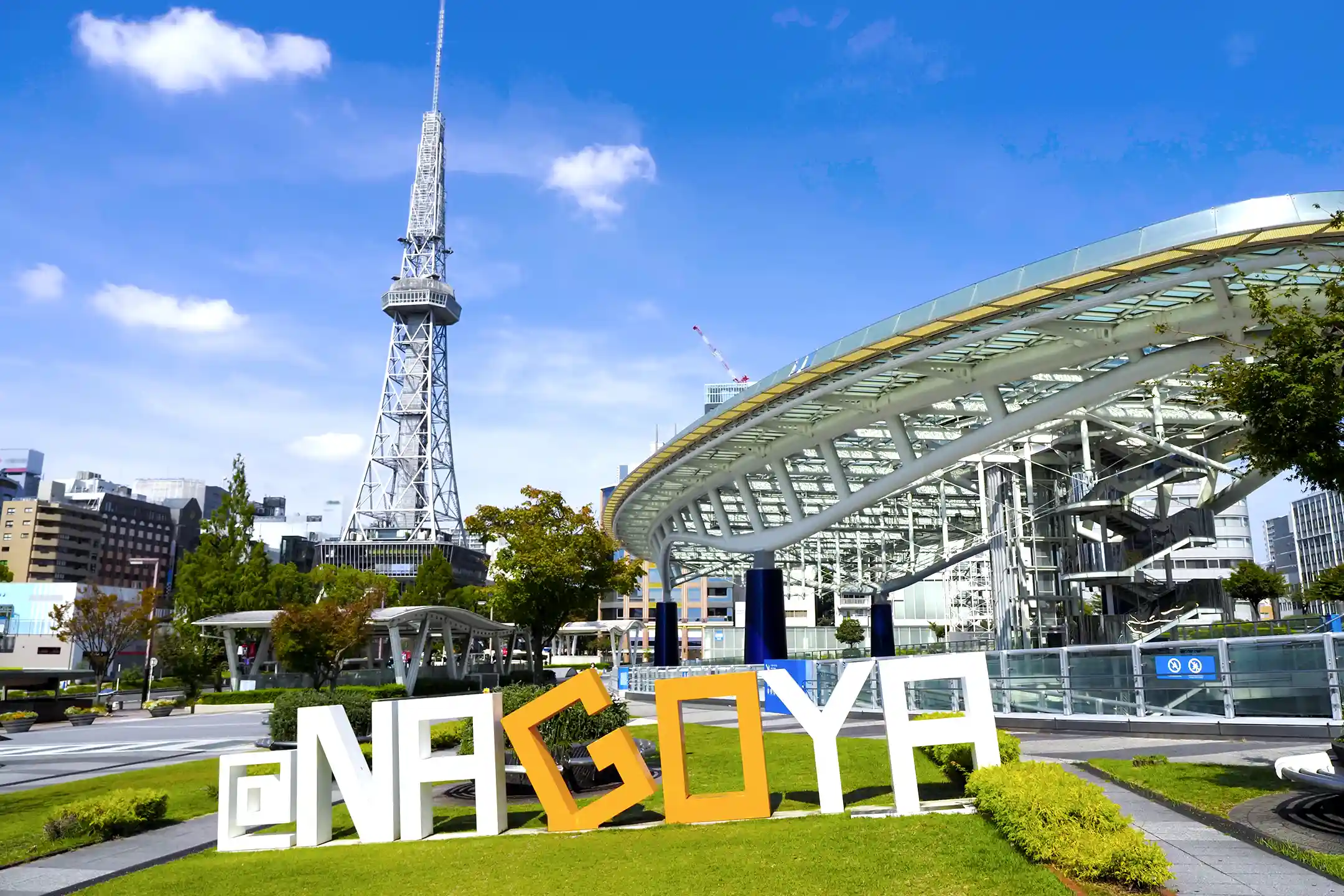
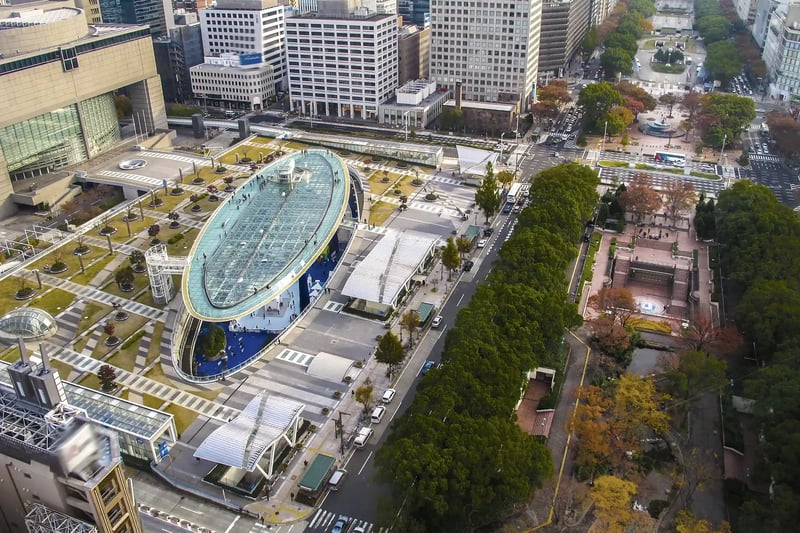
As a city that grew as a modern urban center, Nagoya offers plenty of places where you can enjoy bold urban design and distinctive architecture. In the Sakae area, the first landmarks that catch your eye are Oasis 21—known for its glass roof canopy “Spaceship Aqua”—and, right beside it, the soaring Chubu Electric Power MIRAI TOWER(Nagoya TV Tower).
The TV Tower is Japan’s oldest TV tower, and its 2020 renewal also revitalized the surrounding Hisaya-odori Park, bringing it back to life as an open, welcoming space with lawns and cafés scattered throughout. The commercial facilities around the area include a sake bar featuring locally brewed labels, and restaurants with interiors accented by Arimatsu shibori textiles—so you can also enjoy design spaces where tradition and modernity meet(*1).
Head toward the Marunouchi area and you’ll find Nagoya City Hall and the Aichi Prefectural Government Main Building, both built in the early Showa period. These are “Imperial Crown Style” structures—Western modern architecture topped with castle-like Japanese tile roofs—rich with details that consciously harmonize with Nagoya Castle, from exterior tiles and verdigris roof tiles to golden shachihoko ornaments(*2).
From contemporary landmarks to historic buildings, Nagoya’s cityscape changes its expression depending on the time of day. In daylight, you’ll feel the energy of a working business district; at night, illuminated buildings emerge dramatically, giving you a cinematic view of the city.
As you sightsee, keep basic etiquette in mind when admiring architecture: don’t enter private property, and observe quietly from a respectful distance that won’t inconvenience pedestrians or local residents.
Must-See Landmarks
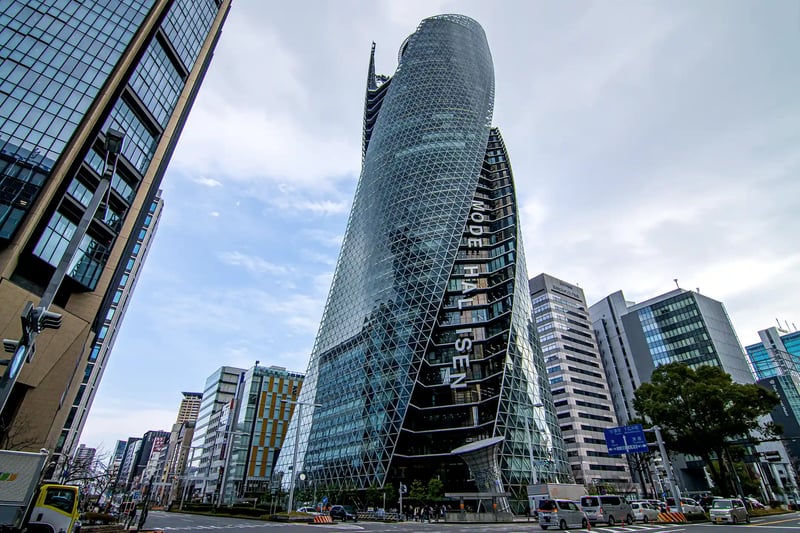
A contemporary icon you can’t skip is Mode Gakuen Spiral Towers, rising near JR Nagoya Station. This 36-story, 170-meter skyscraper has a striking form, like three ribbon-like lines twisting around a glass curtain wall. It houses offices and vocational schools, but the lower floors include shops—and you can admire the exterior freely. At night it’s illuminated, and the spiral lines glowing in the dark feel almost dreamlike.
North of Sakae, along Hisaya-odori Park, you’ll also find the mixed-use Hisaya-odori Park zone, reopened in 2020. Along a tree-lined promenade planted for all seasons and dotted with artworks, you’ll encounter tastefully curated shops such as the previously mentioned restaurant Koji MARUTANI—an atmosphere so relaxed it hardly feels like the city center.
For historic architecture, the former government building cluster near Nagoya Castle is also essential. Both Nagoya City Hall(Main Building)and the Aichi Prefectural Government Building(Main Hall)were completed in the early Showa era, and their dignified presence led to their designation as National Important Cultural Properties in 2014(Heisei 26).
In particular, the central tower rooftop of City Hall is adorned with shachi roof tiles modeled after the golden shachihoko associated with Nagoya Castle. Paired with deep green roof tiles, it can even look like a small castle from a distance. And if you look down from a high floor in a nearby building, you can enjoy a sophisticated composition: beyond those shachi tiles, the castle keep appears in the distance. With modern and historic layers coexisting, Nagoya is a treasure house of landmarks that architecture lovers shouldn’t miss.
How to Observe Architectural Details
When you walk through Nagoya, try training your eyes on the small details of buildings, too. If you read the meaning of materials and ornamentation used on façades, you’ll start to see each building’s personality and the era behind it. For example, the glass exterior of Mode Gakuen Spiral Towers signals cutting-edge technology, while City Hall’s terracotta ornamentation and tiled eaves preserve traces of a Japanese-Western eclectic style.
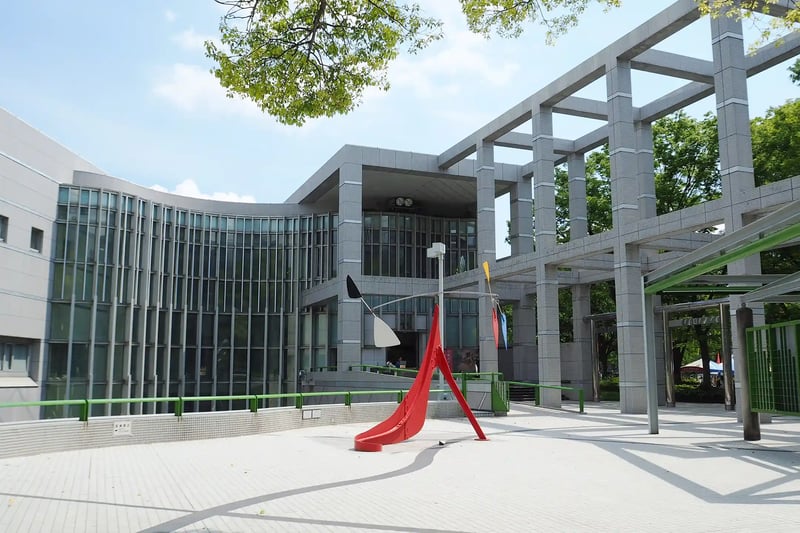
If you also notice the symmetry and proportions of a building’s front, you’ll sense how architects place visual “weight” and create an impression of authority. Low, horizontal structures that emphasize long lines—like the Nagoya City Art Museum—harmonize with nearby park landscapes, while vertical structures like the TV Tower assert a will to rise into the sky as an urban landmark.
Street scale matters as well. Along broad, tree-lined avenues like Hisaya-odori, the buildings create an airy feeling, and the flow of people tends to be unhurried. By contrast, in narrower, arcaded streets such as the Endoji shopping arcade in a downtown area, the bustle of people merges with the buildings to form a lived-in, everyday scene.
When you pay attention to materials and ornament, proportions, and how architecture relates to the street, your observations of Nagoya become deeper—and your trip fills with more discoveries.
A Short Break at Design Hotels and Cafés
Between sightseeing stops, it’s also a pleasure to take a break at a thoughtfully designed hotel or café. In recent years, Nagoya has seen more stylish lifestyle hotels and characterful cafés, especially around Sakae and Nagoya Station.
For instance, “The Tower Hotel Nagoya,” attached to the TV Tower, is a hideaway-like hotel with just 15 rooms inside the tower—each designed around a different art concept. Even if you’re not staying overnight, you can use the first-floor café & diner and relax on an open terrace directly beneath the tower.
In the Sakae area, you’ll also hear buzz about gallery cafés attached to art galleries, and the unique “Lamplight Books Hotel Nagoya,” themed around books and design. On the first floor, it operates as a 24-hour bookstore-café, so you can pick up a good read mid-journey and enjoy it with coffee.
At places like these, a smart tip is to make good use of lobby lounges. In a luxury hotel lounge, you can experience beautiful interiors and refined hospitality—and if you choose a quieter time slot, you may even be guided to a calm seat even as a non-guest.
Some popular spots are best reserved in advance, but it’s also part of the travel joy to drop in spontaneously, rest, and feel Nagoya’s distinctive spatial design and hospitality as you recharge.
Things to Do in Nagoya: History & Gardens | Nagoya Castle, Tokugawaen, Atsuta
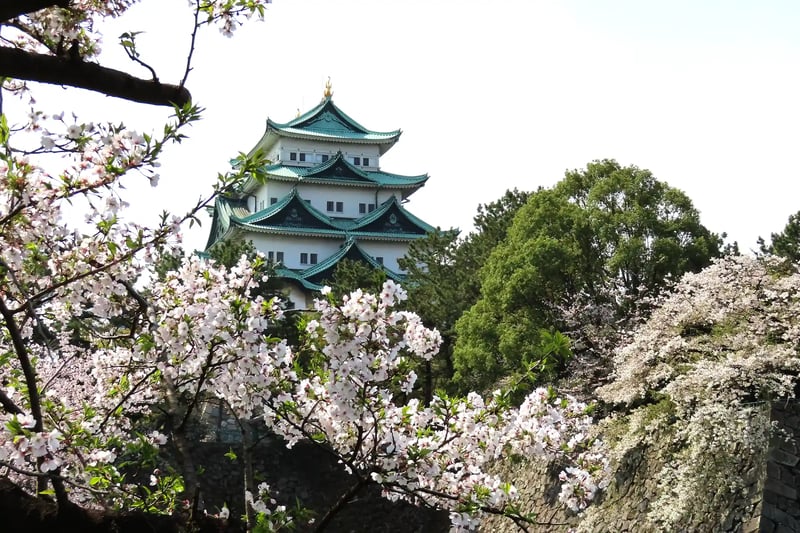
As a castle town closely tied to the Tokugawa, Nagoya is rich with places where you can feel Japan’s castle culture and the aesthetic sensibilities of the warrior class. At the center stands Nagoya Castle, and the keep—famous for its golden shachihoko—is a landmark of the city. The current keep was rebuilt in concrete after the war, but within the grounds you’ll find the reconstructed wooden Honmaru Palace, where you can admire the essence of historic castle architecture up close.
Honmaru Palace was originally built in the early Edo period as the residence and administrative seat of the Owari domain lord, and was once praised as “the finest masterpiece of early modern castle palaces.” Though it was lost to air raids, it was reconstructed and opened in 2018(Heisei 30)based on first-class historical materials, bringing back its graceful original appearance(*1). Inside, you’ll see coffered ceilings lavishly using hinoki cypress, and brilliantly recreated painted sliding-door panels. The work showcases master artisans of our time, who finished every detail using traditional techniques(*1).
When you visit, you’ll remove your shoes before entering and be careful not to touch pillars or fusuma sliding doors. Photography is permitted, but flash is prohibited—so switch your camera flash off in advance(*2). The gold-leaf brilliance of the painted panels and the carved transoms are breathtaking in person, and you’ll want to capture them, but please enjoy them with proper manners to protect these cultural assets.
At Nagoya Castle, also pay attention to the stone walls. On the massive stones that form the castle’s walls—including the base of the keep—you’ll find engraved marks from the feudal lords who were responsible for transporting them. These marks were used to distinguish each domain’s stones from others, and they likely helped prevent disputes during construction(*3).
Reading the building system of the time through these marks is a fascinating point for history fans. With its grand keep, exquisite Honmaru Palace, and powerful stone walls, Nagoya Castle remains a beloved symbol of warrior culture for locals today.
Key Viewing Points for Nagoya Castle and Honmaru Palace
When you tour Nagoya Castle, it helps to know both the viewing etiquette and highlights inside Honmaru Palace. Shoes are not allowed indoors, so you’ll remove them at the entrance and change into slippers. In the tatami-floored grand rooms, lavish spaces unfold with gold-backed paintings of tigers and hawks by artists of the Kano school.
Details shift depending on each room’s status and purpose—ceilings, transoms, and metal fittings on door pulls all change—letting you savor the refined beauty of samurai-style shoin-zukuri architecture. For example, in the Jorakuden, added for the shogun, dignified paintings such as “Teikan-zu” and “Setsuchū Baichiku Chōzu,” created by the 33-year-old Kano Tan’yū, spread across entire sets of sliding doors, showcasing extraordinary luxury throughout. Use the staff guideboards as you move along, and try reading the themes and background of each work as well.
As mentioned, flash photography is prohibited, but in bright halls you can often take perfectly good photos with natural light—making a lovely record of your visit(just be considerate and avoid blocking other visitors). Outdoors, look for the engraved marks on the keep base stone walls, and the giant stone known as “Kiyomasa-ishi.” Legend links it to Kato Kiyomasa; it’s often described as roughly the size of eight tatami mats and around 10 tons, but the attribution is also sometimes treated as a later story rather than confirmed fact.
Along the top of the stone walls runs a passage called an inu-bashiri, and in spring cherry blossoms bloom nearby, creating a beautiful photo spot with the keep. The castle grounds are vast, and beyond the keep and palace you’ll find corner turrets(sumi-yagura), the Ninomaru Garden, and more. If you have time, wander widely and let your imagination travel through the depth of castle culture from the Sengoku era into the Edo period.
A Half-Day Plan for Tokugawa Art Museum and Tokugawaen
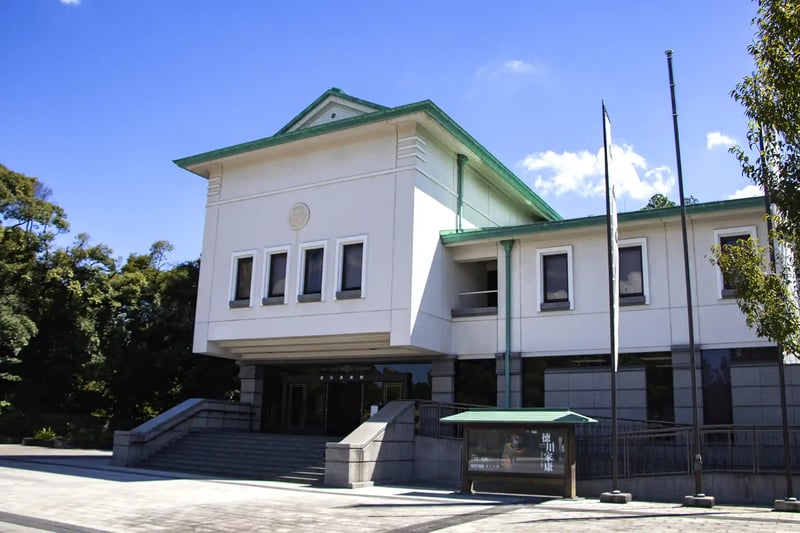
Tokugawa Art Museum, which houses the legacy of the Owari Tokugawa family, and its adjacent garden Tokugawaen, are a luxurious pairing where you can enjoy culture and nature at once. At the museum, you’ll see systematic displays of daimyo-family heirlooms: from swords and armor to tea utensils, Noh masks and costumes, and bridal furnishings.
In particular, the collection centered on the “Sunpu Gobunmotsu”—items cherished by Tokugawa Ieyasu—is overwhelming in both quality and quantity. Exhibitions are organized by theme, so you can learn about Japanese traditional culture in a three-dimensional way: the lineage of arms and armor, the evolution of tea ceremony tools, the world of Noh and Kyogen, and more. English explanations are well prepared, and there are also thoughtful touches like video and touch-panel displays that help deepen your understanding.
After taking your time with the museum, settle your mind in Tokugawaen next door. Tokugawaen is a strolling pond garden(chisenshūyū-shiki)that traces its origins to the Owari Tokugawa residence garden, and it shows a beautiful face in every season. Fresh green leaves and wisteria in spring, vivid green maples and fireflies in summer, autumn colors, and snowy scenery in winter—it has charm year-round. Early summer evenings with dancing fireflies are especially well known, and autumn may bring illuminated foliage events(during night-opening events such as Tokugawaen’s Kangetsukai, the garden is lit up, and you can enjoy a fantastical scene*4).
As you stroll, savor the quiet of a Japanese garden through all five senses—take in the view from the arched bridge over the pond, and pause to listen to the sound of falling water. The garden’s teahouse “Zuiryutei” may offer tea service experiences by reservation at times; if you’re interested, inquire ahead and consider joining a tea gathering.
Time spent in Tokugawaen, where you can forget the city’s bustle, should become a precious experience of touching the spirit of “wa” itself.
Savor the Stillness of Atsuta Jingu
When you visit Nagoya, one place you’ll truly want to make time for is Atsuta Jingu. Atsuta Jingu is said to have been founded about 1,900 years ago, and enshrines the sacred object “Kusanagi-no-Tsurugi”(one of the Three Imperial Regalia), believed to be a spirit-receptacle of Amaterasu Omikami(*5). Often spoken of as second in prestige only to Ise Jingu, its vast, forested grounds are filled with a solemn atmosphere.
Early-morning worship is especially recommended. In the clear air framed by torii gates and the morning sun filtering along the approach, you may feel as if your mind and body are gently cleansed. Atsuta Jingu holds daily rites performed by Shinto priests, and if you time your visit with them, you’ll feel an even more ceremonial presence.
Within the grounds, a grove of great camphor trees said to be over a thousand years old grows thick, creating a quiet you’d hardly expect in the middle of a city. After your visit, also see the Treasure Hall(Kusanagi-kan). It houses around 6,000 cultural properties, centered on swords dedicated by the Imperial Family and shogunal households, and is often called a treasure house of famed blades(*6). Even if you’re not a sword enthusiast, the precision of the arms and ritual implements is deeply impressive. Do note that the Treasure Hall is closed on the last Wednesday of each month and the following day.
After your shrine visit, you’ll likely want to stop by long-established businesses in the surrounding monzen-machi(the traditional “shrine town” that grew at the gates). The specialty “Miyakishimen” can be enjoyed freshly boiled at the shrine’s kishimen shop, and within walking distance you’ll find “Atsuta Horaiken,” a long-running eel restaurant with a history of more than 150 years.
Horaiken is famous as the birthplace of Nagoya’s signature hitsumabushi. Its eel—fragrantly grilled over charcoal and finished with a secret sauce—is exceptional(*7). You can also enjoy its distinctive three-step way of eating: first as-is, second with condiments, and third poured with dashi to make a tea-rice style dish(*7).
Spending a quiet time at the sacred grounds of Atsuta Jingu and then savoring a classic Nagoya taste just outside the gates—through this contrast of stillness and liveliness, you’ll feel the depth of Nagoya culture.
Traditional Crafts Around Nagoya | Arimatsu Shibori, Seto, Tokoname, White Porcelain
In the Nagoya region, where a “monozukuri” culture of making things has taken root since ancient times, you can tour traditional craft production areas and enjoy them from multiple angles—from observation to hands-on making, purchasing finished works, and even building your own collection. Rather than stopping at souvenir shopping, you’ll find the real appeal in meeting makers’ skills and historical context—so you can appreciate craft both as cultural heritage and as contemporary design.
In particular, keep your eyes on Arimatsu / Narumi shibori, Seto ware, Tokoname ware, and Noritake white porcelain. Each developed as a local industry, and in recent years they’ve been reappraised as crafts that resonate with sustainability-minded travel. If you weave them into your itinerary, you can experience a full arc: watching artisan techniques in the studio, making something uniquely yours, and then bringing home a favorite piece to integrate into your everyday life.
In craft settings, you may also end up connecting with artists and artisans—sometimes leading to made-to-order commissions or even future consultations when you return. This kind of encounter is part of what makes craft travel feel personal rather than consumptive.
In Nagoya, you can have the kind of deep experience that links culturally rich traditional crafts with modern lifestyle. Done well, it becomes a story you can continue at home, every time you use what you brought back.
Now, let’s look at concrete ways to enjoy each field.
Preserved Arimatsu Townscapes and a Shibori Experience
Arimatsu, in the southeastern part of Nagoya, still retains an old townscape from its days flourishing as Arimatsu-juku on the Tokaido route in the Edo period. The streets lined with merchant houses—lattice doors and udatsu firewalls rising above—are full of atmosphere, and in 2016 the area was selected as an Important Preservation District for Groups of Traditional Buildings(as mentioned earlier)(*2).
The craft passed down here for about 400 years is the tie-dyeing technique known as “Arimatsu / Narumi shibori.” By binding plain white cotton fabric with thread before dyeing, artisans create a wide variety of patterns. It’s globally precious, and local craftspeople still protect and carry on the tradition today.
In Arimatsu, alongside townscape preservation, you’ll find well-developed facilities that offer dyeing experiences for visitors. At the Arimatsu Shibori Hall, you can try shibori dyeing on plain white cotton items such as tenugui cloths or handkerchiefs, choosing your own colors. When you dip the fabric into dye and then open it up, your one-of-a-kind pattern blooms into view—an especially moving moment. It takes about 90 minutes, and after drying and color setting, the finished piece can be mailed to you(note that you can’t take it home the same day).
In gallery-shops using old merchant houses—such as long-running shibori retailers and studios like Igetaya—you’ll see a wide range of shibori products from classic patterns to modern designs, and some workshops will even consult with you about custom orders. English support varies by facility, but at the Shibori Hall, simple English pamphlets are available, and you can often communicate smoothly by pointing and sharing visual cues as you go.
If you want to go deeper, it can also be worth checking whether English-guided Arimatsu walking tours are being organized through places like the Nagoya City Tourist Information Center. These tours can help you notice architectural details and craft history you might otherwise walk past.
With both historic townscapes and artisan skills to experience, Arimatsu is absolutely a spot you’ll want to carve out time for during your stay in Nagoya.
The Ceramic Cultures of Seto and Tokoname
Near Nagoya, you’ll find two major pottery towns—Seto and Tokoname—both associated with Japan’s Six Ancient Kilns. Seto City lies about 20 km east of Nagoya, and has been a thriving production area for “Seto-yaki” since the Heian period. From everyday tableware to tea utensils—and more recently glass and tiles—its range is broad, and the word “setomono” even became a general synonym for ceramics.
Within Seto, countless kilns of all sizes are scattered about, and you can stroll areas that still preserve climbing kiln sites and traditional workshops. “Kamagaki no Komichi” is particularly special: a narrow lane where a wall built by stacking old kiln tools(refractory bricks, plate supports, and more)continues for about 400 meters, creating a distinctive landscape found only in Seto nationwide(*3).
If you come across a kiln studio with an attached gallery while walking, step inside. You may be able to watch artisans working at the wheel, and you can often purchase pieces directly. At the Seto-gura Museum, you’ll find exhibits on Seto ware history and hands-on pottery programs; if your schedule allows, joining a hand-building or painting session can become a memorable keepsake of your trip.
Tokoname City, meanwhile, sits south of Nagoya at the base of the Chita Peninsula, and has been a Tokoname-yaki center since the medieval period. Tokoname ware is especially famous for teapots made from iron-rich red clay, prized by tea lovers for its reddish-brown luster and the character it develops with use.
In the early Showa period, Tokoname also produced large clay pipes and shochu bottles, quietly supporting Japan’s modern industry. Today you can learn that history at places like the “Ceramics Hall” and “Noborigama Plaza,” and around town you’ll still see working chimneys and “hotan”(paths paved with discarded ceramic pieces), making it feel as if you’re walking through a living industrial heritage site.
Tokoname has also developed a sightseeing route called the “Tokoname Pottery Footpath.” The A Course(about 1.6 km / 1 hour)lets you casually enjoy classic scenery—black-walled factories, brick chimneys, and sloping paths bordered by hotan walls.
The B Course(about 4 km / 2.5 hours)also passes places like the INAX Live Museum, giving you access to deeper ceramic knowledge. During Tokoname ware’s peak in the early Showa period, an astonishing variety of ceramics were produced, contributing to Japan’s industrial development(*4). Even now, chimneys and kiln remains throughout the town speak of past prosperity, while new studios by ceramic artists and stylish cafés are scattered about—making it popular with many women travelers as well.
Both Seto and Tokoname are easy day trips—within about an hour by train from central Nagoya. If you love ceramics, these are places you’ll truly want to visit. Hunt for a favorite vessel, enjoy conversations with artists, or challenge your own eye for tableware—find the way of enjoying it that feels most like you.
Also, every September, Seto hosts the “Setomono Festival,” one of Japan’s largest pottery markets, drawing crowds from across the country over two days(*5). If your timing matches, planning your itinerary around such a craft event is also highly recommended.
Learning the Modern Story of White Porcelain at Noritake no Mori
If you want to understand the path of Japan’s modern ceramics since the Meiji era, visit “Noritake no Mori” in Nishi Ward, Nagoya. This complex was developed on the founding site of the long-established Western tableware maker Noritake Company, Limited(formerly Nippon Toki Kaisha)and features exhibition spaces repurposing red-brick factory buildings, hands-on creative workshops, and lush gardens.
At the Noritake Museum on the grounds, you’ll see exhibitions of ornate dinner sets exported from Japan in the Meiji period, along with masterpieces of white porcelain that earned high acclaim at world expositions—an engaging way to learn how Japan’s ceramics industry leapt onto the global stage.
As you imagine the story of engineers and artisans striving through trial and error to catch up with European and American ceramics, you’ll start to see traces of effort and ingenuity even in pieces that look purely glamorous at first glance. The museum shop also carries contemporary Noritake products, and you can purchase refined bone-china teacups and plates.
The attached Craft Center includes exhibits introducing real manufacturing processes and painting experiences. On the second floor, in the painting experience corner, you can dissolve ceramic pigments in water and freely paint designs onto a pure-white bone-china plate or mug(*6). The experience is designed to be approachable for everyone from children to adults—so why not challenge yourself to create a one-of-a-kind original piece? It takes about 90 minutes, and your painted work will be fired in a kiln later and mailed to you.
On the first floor, you can also watch skilled artisans up close as they hand-paint patterns with brushes and apply gold detailing along plate edges. Their steady hands and controlled brushwork make it clear why Noritake became a global name.
If you enjoy an elegant tea time at the café while looking out at the green garden and red-brick buildings beyond the windows, you might almost forget you’re on the grounds of a former factory that once ran at the leading edge of industry. With easy access from the city center, Noritake no Mori is popular as a rare place where you can experience both modern industrial heritage and cultural creativity in one visit.
Nagoya Food Experiences | Nagoya Cuisine on Refined Tableware
Known for its distinctive food culture “Nagoya-meshi,” Nagoya offers a wide range of gourmet experiences where traditional flavors meet modern sophistication. From casual places where you can enjoy hearty local classics to high-end restaurants that showcase regional ingredients at the highest level, your choices are broad.
While the city is rich with long-established businesses that carry tradition forward, it’s also worth noting the movement of emerging chefs who reinterpret “Nagoya-style” flavors in a modern way. For example, you’ll see creative Japanese restaurants that elegantly reframe hitsumabushi or miso katsu into course-style meals, and French cuisine that uses the deep richness of Hatcho miso as a nuanced accent—refined-casual spots that make the most of local ingredients and seasonings have been increasing.
On the high-end side, the most famous is “Kawabun,” Nagoya’s oldest ryotei with a 400-year history. Known as a place of hospitality once favored by the Owari Tokugawa family, it still serves kaiseki cuisine using seasonal Tokai-region ingredients. The main building is a sukiya-style structure registered as a Tangible Cultural Property of Japan, and it’s open to the general public—not only for business entertaining or anniversaries, but also for everyday dining(*1). With primarily private rooms, you can secure a personal space and enjoy a special time wrapped in quiet dignity, even though you’re in the middle of a business district(*1).
Meanwhile, “Koji MARUTANI,” a Japanese restaurant opened in 2020 inside Hisaya-odori Park in Sakae, is run by Sekiya Brewery, a sake maker founded in 1864. Here, you can enjoy Japanese dishes and small plates that make use of local Okumikawa ingredients and sake by-products, and the sake itself is served from eight servers featuring labels shipped directly from the brewery(*2).
The interior design is also outstanding, embodying the local character through elements like a large Arimatsu shibori panel—one of only two in the world—and tables made from Okumikawa wood(*2). With terrace seating that looks out onto the park greenery and the TV Tower, you can savor a “tradition × modern” food experience in an easygoing, casual way.
In this way, Nagoya lets you enjoy everything from long-established flavors to innovative plates, across a wide range of styles. In any genre—Japanese, Western, or Chinese—many upscale places book out well ahead, so once your travel dates are set, reserving early is the safe move. Check official sites for dress codes and English menus as well, and head into Nagoya’s food scene fully prepared.
From Refined Casual to High-End
First, here’s how you can enjoy Nagoya-meshi in a refined-casual style. Nagoya-meshi is known for bold, rich flavors, but in recent years restaurants have appeared that reconstruct those flavors with greater elegance.
For example, at the hitsumabushi institution “Atsuta Horaiken,” you can enjoy the classic hitsumabushi, but there are also eel kaiseki courses that draw out eel’s character in many forms—from appetizers to dessert—creating a polished culinary experience.
Miso katsu, too, can be transformed in the hands of a skilled chef into a dish that fuses Hatcho miso sauce with French sensibilities. Specifically, playful creations like a “miso katsu-style amuse-bouche” served at a French restaurant that focuses on local ingredients have become a talking point.
Even B-grade favorites like tebasaki(fried chicken wings)and Taiwan ramen are now appearing not only at specialist shops but also on the menus of stylish dining bars, with pairings proposed alongside wine or craft beer. These new-style places concentrate in the Sakae and Fushimi areas, ranging from easy lunch spots to bars open late into the night.
On the other hand, if you’re seeking a truly high-end food experience, make sure you lock in reservations at acclaimed establishments. The previously mentioned ryotei Kawabun offers authentic kaiseki in a prestigious Japanese setting, and at the ryotei “Hachokatsu-kan” in Yagoto, you can enjoy seasonal kaiseki in detached tatami rooms overlooking a Japanese garden.
For French cuisine, “Réminiscence” and “Chez Kobé,” among others, are often cited as Nagoya’s leading grand maisons, drawing guests from Japan and abroad who come for exquisite dining created by locally rooted chefs. Many cherish the spirit of local production for local consumption, elevating Aichi’s gifts—Mikawa beef, seafood from Toyohama, organic vegetables—into elegant plates. The world of counter dining is also vibrant: Nagoya has intimate restaurants where chefs serve astonishing dishes in small, often 10-seat settings, turning the meal itself into a live performance of craft.
At these counter-style spots, conversation with the chef is part of the pleasure. By asking directly about seasonal ingredients and techniques, you’ll deepen your understanding of each dish. Overall, many of Nagoya’s high-end restaurants don’t feel overly intimidating, and you’ll often be welcomed in business-casual attire.
Still, do keep basic etiquette in mind—clothing, fragrance, and respectful behavior suited to the restaurant’s atmosphere. From tradition to refinement, enjoy Nagoya’s richly layered food scene to the fullest.
Learning from Markets and Local Ingredients
If you visit the markets and production sites that support Nagoya’s food culture at its roots, the stories behind each dish start to come into focus. Yanagibashi Central Market, about a five-minute walk from Nagoya Station, is a fresh-food market bustling with shoppers from early morning as the city’s kitchen.
General visitors can purchase market-fresh ingredients, and both inside and around the market you’ll find sushi shops and set-meal diners open from morning(*3). On Fridays and Saturdays, market tour programs are also held(reservation required, 10 people or more), and they’re popular for their substantial content: learning professional fish filleting, preservation methods, and how to navigate the market with guided explanations(*3).
These tours begin around 6 a.m. with auction observation, then move on to tastings or breakfast at market eateries, and they’ve become a local talking point. Some programs are open to travelers as well, so if you’re interested, try inquiring through a Nagoya sightseeing concierge, for example.
Beyond markets, it’s also recommended to visit farm stands in Nagoya’s outskirts to encounter seasonal vegetables, or to head to the Chita Peninsula’s brewing and fermentation houses to see the production sites of miso and soy sauce. Hatcho miso, in particular, is essential to Nagoya-meshi: it’s traditionally matured slowly in wooden vats for a long period(often described as two to three years), which contributes to its deep color and bold, steady flavor that holds up well in simmered dishes(*4). Once you know this, eating miso nikomi udon or dote-ni becomes even more satisfying—you’ll find yourself newly impressed by the depth of its richness.
If you have a chance to hear directly from local chefs about seafood landed near Nagoya, or traditional Owari vegetables(like ebi-imo taro or moriguchi daikon), that can be a rare and valuable experience. Recently, market tours paired with cooking classes, and programs where you visit farms and experience everything from harvest to cooking, have also appeared.
Skills you learn on the road—how to choose ingredients, how to draw dashi, small insights into fermented seasonings—should be useful back in your own kitchen, too. By connecting with Nagoya’s markets and local ingredients, you’ll feel the culture and history that quietly expands across every bowl on the table.
Private Dining and Chef’s Tables
If you’re looking for a step above, consider private dining and chef’s table experiences as well. In Nagoya, you’ll find ryotei with private rooms perfect for small groups, and hidden restaurants that can be reserved for one party only—places where you can enjoy a luxurious meal in an intimate way.
For example, at the long-established ryotei Kawabun, all meals can be served in private rooms, letting you focus on your kaiseki at ease without worrying about other guests(*1). Whether you’re traveling with children or across three generations, a private room makes it easier to relax and dine comfortably. If you share allergies or dislikes when you reserve, many places will flexibly adjust the course, and you’ll feel their attentive hospitality.
A chef’s table is a special counter seat where the chef cooks right in front of you and serves each dish directly. In Nagoya, some restaurants—such as those in luxury hotels—offer chef’s tables, allowing you to dine while watching the craft up close and engaging in conversation.
If you meet a chef who can communicate in English, it can become an especially precious opportunity to hear about the background of the dishes and the region’s food culture. The real appeal of private dining is the sense that everything—from the space to the service—has been prepared just for you. For birthdays and anniversary trips, some restaurants will also consult with you about arranging flowers or preparing a surprise cake.
In Nagoya, some ryotei such as the previously mentioned Hachokatsu-kan also offer plans like renting an entire building or reserving a garden, which is worth considering if you want the ultimate indulgence. Of course, in every case, early reservation is essential, and you should also pay attention to cancellation policies.
In Nagoya, where exceptional ingredients meet the skills of renowned chefs, experiencing a private gastronomic space made just for you will surely become a lifetime memory.
Things to Do in Nagoya by Situation
Finally, here’s a summary of how to enjoy Nagoya depending on your travel situation. Use this as a reference to flexibly shape your plan based on weather, travel companions, and how much time you have.
Nagoya tends not to lose its richness even on rainy days, and it’s also known for a sense of safety that lets you walk the city at night with peace of mind. It’s family-friendly, and it also offers many places where you’ll feel comfortable traveling solo.
Below are recommendations for rainy days, nighttime, family travel, and solo travel.
Recommended for Rainy Days
Rainy-day Nagoya is your perfect chance for museum and gallery hopping. You can take your time without needing to juggle an umbrella, and if places are less crowded, you may be able to meet artworks in a quiet environment.
Along with major museums mentioned earlier—Tokugawa Art Museum and the Nagoya City Art Museum—Nagoya City Science Museum in Sakae is also easy to fold into a rainy-day plan. Its giant planetarium lets you stroll through a starry sky, and the immersive dome visuals that take you on a journey through space can make you forget the rain entirely(its planetarium is recognized by Guinness as one of the world’s largest with an inner diameter of 35 m*6).
The Toyota Commemorative Museum of Industry and Technology and the SCMAGLEV and Railway Park are also all-weather indoor facilities, so you can explore comfortably even in rain. And when you think of Nagoya, its café culture is famous—on rainy days, it’s fun to visit with the mindset of “I’ll hop between a few.”
Long-established cafés like “Komparu,” open from morning until late night, serve classics like fried shrimp sandwiches and ogura toast. At Komparu’s Osu main store, the Nagoya style is to enjoy rich coffee with plenty of milk and sugar, and the sandwich stuffed with three fried shrimp is a signature you’ll want to try at least once(*1).
Time spent inside, listening to rain and settling into the calm interior, becomes part of the travel experience itself.
Unique cafés also dot the underground shopping streets, and around “Crystal Plaza” you can hop between eateries without getting wet. Nagoya’s underground network is vast—on rainy days, it’s an especially rewarding place to wander. With an underground map in hand, walk with a sense of discovery and you might stumble upon new favorites or limited-time menu items.
Think of rain as a “deep-dive day,” and explore niche museums or classic kissaten you might otherwise skip—those discoveries can become some of your best memories.
Enjoying the Night
Nagoya nights are rich with grown-up pleasures: cityscapes beautifully staged by lighting designers, and time spent at glittering night-view bars. First, don’t miss the illuminations. At Nagoya Castle, there are special nighttime openings during cherry blossom season and on select autumn dates, and seeing the golden shachi and keep glow in the light feels quietly mystical. In Sakae, the TV Tower also shines every night, coloring Hisaya-odori Park with illumination.
At 8 p.m. or 9 p.m., seasonal light-up shows may be held as well, revealing a different face each time you visit. Oasis 21’s glass roof, too, becomes atmospheric when you look up from below—its water surface lit in blue.
If you want a night view from above, the top-floor “Sky Lounge” at JR Central Towers and the open-air observation facility “Sky Promenade” at Midland Square are popular. From around 220 meters up, looking out over Nagoya’s sea of lights, you’ll be surprised again by the scale of the city. Relax with a cocktail in hand, and the day’s fatigue melts away.
Also check facilities with extended evening hours. Nagoya City Science Museum sometimes holds nighttime planetarium screenings(irregular, such as “Night Sky Commentary” sessions), and you’ll see couples enjoying the stars as a date. Museums may also extend hours on Friday nights; for example, the Aichi Prefectural Museum of Art may stay open until 8 p.m. on Fridays during special exhibitions. It’s often less crowded than daytime, letting you view at ease and enjoy the distinct mood of a night museum.
Nagoya is also a safe city for tourism, with relatively steady foot traffic and a strong sense of security even at night. Still, in parts of entertainment districts you may see touts late at night, so keep your actions within common-sense boundaries. Even for women-only groups, areas around major hotels in Meieki and Sakae are generally comfortable to walk in late hours.
After dinner, try a short stroll near your hotel—find illuminated monuments, or pick up something for your travel record at a 24-hour bookstore. Nagoya nights are neither too quiet nor too loud, letting you spend time in a balance of liveliness and safety.
Solo Travel
Even if you visit Nagoya alone, you can fully enjoy its many charms. With a strong sense of safety and well-developed public transportation, the city offers reassurance even for solo women travelers. And precisely because you’re on your own, you can spend as much time as you want on niche interests.
If you love history, for example, you can devote half a day to observing details at Nagoya Castle, or commit entirely to industrial heritage exploration—moving freely according to what genuinely interests you. Dining is also easy, since many places welcome solo guests. Famous spots like Yamamotoya Sohonke for miso nikomi udon and Shirakawa for hitsumabushi offer counter seating, so you can eat comfortably without feeling self-conscious.
If café-hopping is your thing, solo travel lets you luxuriate in Nagoya’s morning service culture—visiting multiple cafés in one morning, or sinking into a retro kissaten with a book. Near Nagoya Station, Maruzen(the Maruzen bookstore)has a large bookshop with a stylish café, where you can enjoy the bliss of coffee while reading a book you just bought.
At night, you can also treat yourself to a club lounge or a sky bar, claiming the night view all to yourself. Nagoya people are sometimes said to be warmly friendly without being overly intrusive, so even when you’re alone you’ll often feel comfortable without constant conversation—yet if you’re in trouble, you’ll likely find kindness. If you look lost on the train, it’s not unusual for not only station staff but also other passengers to help you.
Solo travel can also expand through unexpected encounters. You might strike up a conversation with an artist you meet at a gallery, or learn a local hidden gem from someone seated next to you at a bar—connections that become possible precisely because you’re traveling alone.
Nagoya is a major city that still retains a human warmth. Walking at your own pace and honestly following your curiosity in the moment—Nagoya has the generous depth to embrace that kind of free solo journey.