



.webp)
Expensive Japanese cuisine is the sum of an experience you can’t measure by a price tag. The quiet elegance of the setting, plates that mirror the seasons, ingredients rooted in place, and meticulously honed movements—each course in kaiseki moves the story forward, where rarity and terroir, a craftsman’s philosophy, and attentive hospitality intersect in three dimensions. From premium ingredients like wagyū and fugu to an Edo-style sushi omakase, to taste is to learn. Sukiya-style architecture and gardens set the stage, while the early harvest, peak season, and lingering flavors compose the chapters of the year. In recent years, attention to sustainable seafood has also advanced. Consider this your invitation into “a cultural journey of refined indulgence” that follows Japan’s values beyond deliciousness.
Why Is Japanese Food So Expensive? — Rarity, Ritual, and Brand Value
Behind the high prices of Japan’s fine dining are interwoven factors distinct from other cuisines. First is rarity. Seasonal ingredients available only in small quantities, and wagyū, vegetables, or seafood tightly restricted by origin or breed, naturally command higher market prices because they are scarce.
Chefs travel directly to markets and producing regions across Japan to select only the very best at that exact moment. For example, wild tiger puffer (torafugu) and matsutake—often called “kings of the season”—are extremely costly because catch and harvest volumes are limited and supply can’t keep up with demand.
Maintaining freshness requires specialized transport and storage, and those costs are also reflected in the final price.
There is also a ritual quality to the preparation and service at Japan’s top restaurants. Food is never simply cooked and served; every step has meaning, carrying respect for the season and for culture.
In kaiseki (often written the same as “kaiseki” for banquet cuisine in modern usage), the timing and order of courses and the choice of vessels still show deep roots in the tea ceremony. The spirit of ichigo-ichie—treasuring each unrepeatable encounter—and gratitude toward nature are expressed in the motions and staging of the meal.
Carrying forward this traditional spirit and formal beauty demands far more time and human effort than an ordinary meal, and that investment is part of the price.
Brand value also matters. Historic houses run by renowned chefs and long-booked restaurants become brands in themselves.
Such establishments obsess over everything: quality of the cuisine, interior design, tableware, and service—crafting a singular world of their own. The cultivated image of “trust” and “aspiration” becomes added value that justifies the price. A famous head chef’s name can itself be a brand; “a chef trained at XX” adds reputational weight that influences pricing.
In practice, venerable kappō houses and coveted restaurants with long histories price for the overall value of the experience, where the brand image itself is part of what you are paying for.
%2c%20continues%20the%20tradition%20of%20Edomae-zushi%20dating%20back%20to%20the%20Edo%20period%2c%20offering%20highly%20refined%20Omakase%20courses.webp?width=800&height=533&name=Tokyo%2c%20the%20birthplace%20of%20nigiri-zushi%20(hand-pressed%20sushi)%2c%20continues%20the%20tradition%20of%20Edomae-zushi%20dating%20back%20to%20the%20Edo%20period%2c%20offering%20highly%20refined%20Omakase%20courses.webp)
Provenance and Terroir
Another pillar of expensive Japanese dining is strict origin labeling and the concept of terroir. Exceptional ingredients almost always carry a distinctive landscape and story.
Japan’s Geographical Indication (GI) protection has advanced in recent years, and region-named specialties like Kobe Beef, Yūbari Melon, and Yame Tea are globally recognized.
For instance, Tajima cattle from Hyōgo Prefecture—the genetic source of Kobe Beef—are purebred and raised under rigorous standards in a rich natural environment; only beef meeting specific criteria may be called “Kobe Beef.” Tajima cattle produced, fattened, and processed within Hyōgo under strict grading may carry the Kobe Beef name, and that uncompromising bar and rarity directly correlate with quality and price.
While differentiating by provenance takes work, industry and government promote it because making an ingredient’s origin transparent is valuable (*1). Chefs highlight producer stories—“We’re using XX from XX Prefecture”—so you can understand the background and rarity.
Terroir—originally a wine term for character shaped by soil, climate, and landscape—translates naturally to high-end Japanese dining. A Kyoto ryōtei using “vegetables raised on Rakuhoku groundwater,” or a Noto sushi house insisting on “catch landed at the local port,” are terroir-driven examples.
Among European tea connoisseurs, Japan’s gyokuro is even noted as a drink that embodies the nation’s terroir. Respecting the place-born character of ingredients is central to Japan’s fine-dining ethos.
It’s not only about quality; the added value of “a flavor that could only be raised in this place” resonates with diners. Honoring provenance and terroir elevates Japanese cuisine from “food” to “cultural experience,” one reason it earns support at premium prices.
The Craftsman’s Philosophy and Omotenashi
You also can’t speak of expensive Japanese cuisine without the artisan’s conviction—often called a craftsman’s philosophy—and Japan’s distinctive omotenashi (deeply considerate hospitality). Seasoned chefs forge their own philosophy through years of training—answering questions like “How do I draw out the ingredient’s true character?” and “How can I express respect for season and nature on each plate?”
Washoku embraces a “subtractive” aesthetic: avoid heavy seasoning so the ingredient’s essence stands out. Delicate dashi supports vegetables and fish without masking them in fats or spices. The spirit behind this approach is gratitude for nature’s gifts and devotion to the once-in-a-lifetime meal.
Watching a chef work across the counter, every movement is efficient and intentional, revealing decades of skill and heart. Encountering that philosophy deepens your understanding of Japanese culture and values beyond flavor alone.
Omotenashi at top houses creates emotions that exceed the price. More than service, it’s “consideration made visible.”
High-end ryōtei and sushi counters anticipate your needs so you can focus entirely on the meal—adjusting room temperature as you’re seated, noting dislikes in advance and substituting gracefully, offering explanations at just the right moment without intruding on conversation.
Even the simple act of a chef gently lifting a lid and bowing “Dōzō (please)” carries Japanese respect and care. Sometimes the head chef steps out of the kitchen to say, “We received superb XX today…”—not mere information, but pride and regard for the guest.
Industry voices in China have noted that Japanese restaurants are expensive partly because they rely on skills gained through long apprenticeships—raising labor costs—and invest in service and plating to create a pleasant atmosphere.
In short, Japanese fine dining invests heavily in highly skilled people and meticulous hospitality, and that investment shows up in the price.
.webp?width=800&height=533&name=Seasonal_Kaiseki_(28478173176).webp)
Altogether, expensive Japanese cuisine rests on rare, carefully selected ingredients; ritualistic staging rooted in tradition; and the craftsman’s philosophy and omotenashi. Only when all of these fuse does a “once-only” value arise for you as a guest. The price may be high, but what you receive in return goes far beyond taste: it’s a deep encounter with Japan’s culture, nature, and heart.
Kaiseki — Edible Art that Mirrors the Four Seasons
Kaiseki (also written the same way even when referring to banquet-style kaiseki) is the emblem of Japan’s high-end dining culture. Above all, it honors seasonality, evolving as “edible art” that reflects nature through the year.
While it traces roots to two streams—tea-ceremony kaiseki and banquet kaiseki—today’s kaiseki commonly fuses both, offering a full course that lets you savor the gifts of each season.
At prestigious ryōtei, a codified sequence flows from a small opening dish to clear soup, sashimi, grilled and simmered courses, fried items, vinegared dishes, and finally rice, soup, and pickles. The progression is choreographed like theater, letting you unfold the season’s story one scene at a time.
The Seasonal Palette and the Aesthetics of Plating
Kaiseki’s essence shines in its seasonal palette—vivid plating that paints the time of year. Dishes don’t just use seasonal ingredients; choice of vessel and color scheme also express the moment. Pale cherry and fresh-green accents for spring; cool glassware and green maple for summer; crimson maple leaves and ginkgo for autumn; nanten berries and snow motifs for winter.
The color logic of “five hues” (red, green, yellow, white, black) guides visual balance on each plate, with warm–cool ratios shifting by season—more warm tones in autumn (maple reds and oranges), more cool in summer (bamboo greens and clear glass).
A white dressed salad gains instant autumn presence with a single jewel-red leaf of maple-cut carrot or pomegranate; the same dish becomes summer when served in a transparent bowl with a sprig of green maple.
.webp?width=800&height=533&name=Seasonal_Kaiseki_(27894471533).webp)
Plating transforms perception: swap the vessel or accents and the impression changes dramatically. Chefs treat the plate as canvas, painting seasonal scenes with the pigments of旬 (shun, true season).
What matters is not mere extravagance but harmony and purposeful “space.” Washoku also values ma (meaningful intervals) and shadow. Leaving neither too much nor too little negative space creates poise; asymmetry and tiered heights add movement and sculptural depth. All of this serves to evoke a slice of nature on the plate.
An autumn starter might incorporate real leaves so the vessel becomes part of a garden vignette; in spring, petals and buds conjure a miniature landscape in bloom. Seasonal words and symbolism appear everywhere—spiky chestnut husks for autumn’s bounty; ice layered in bamboo for summer cool.
By staging nature’s transitions on the plate, kaiseki invites you to taste the season with your eyes. It’s no surprise gourmets abroad praise it as both visual and culinary art; you often hear guests exclaim, “The food is like art!”—beauty for the eyes, a sense of season, and flavors that reveal the ingredient’s true character.
Architecture and Stagecraft
Kaiseki’s allure lives beyond the plate. The entire environment—architecture and garden as stage set—is part of the experience. Many high-end ryōtei and historic inns feature sukiya architecture and exquisite Japanese gardens.
For example, Saryō Sōen in Akiu Onsen (Miyagi) is famed for its vast garden and sukiya-style buildings, where you can savor kaiseki in serene private rooms. In Tokyo, Hotel Gajoen Tokyo (former Meguro Gajōen) offers kaiseki amid museum-like art. The effect of architecture in dialogue with cuisine is profound.
Each dish becomes a seasonal prop. Savor autumn courses while gazing at a crimson garden and you enjoy the season with all five senses. Lighting, the alcove scroll and ikebana, even the scent of tatami—everything is orchestrated to lift the cuisine.
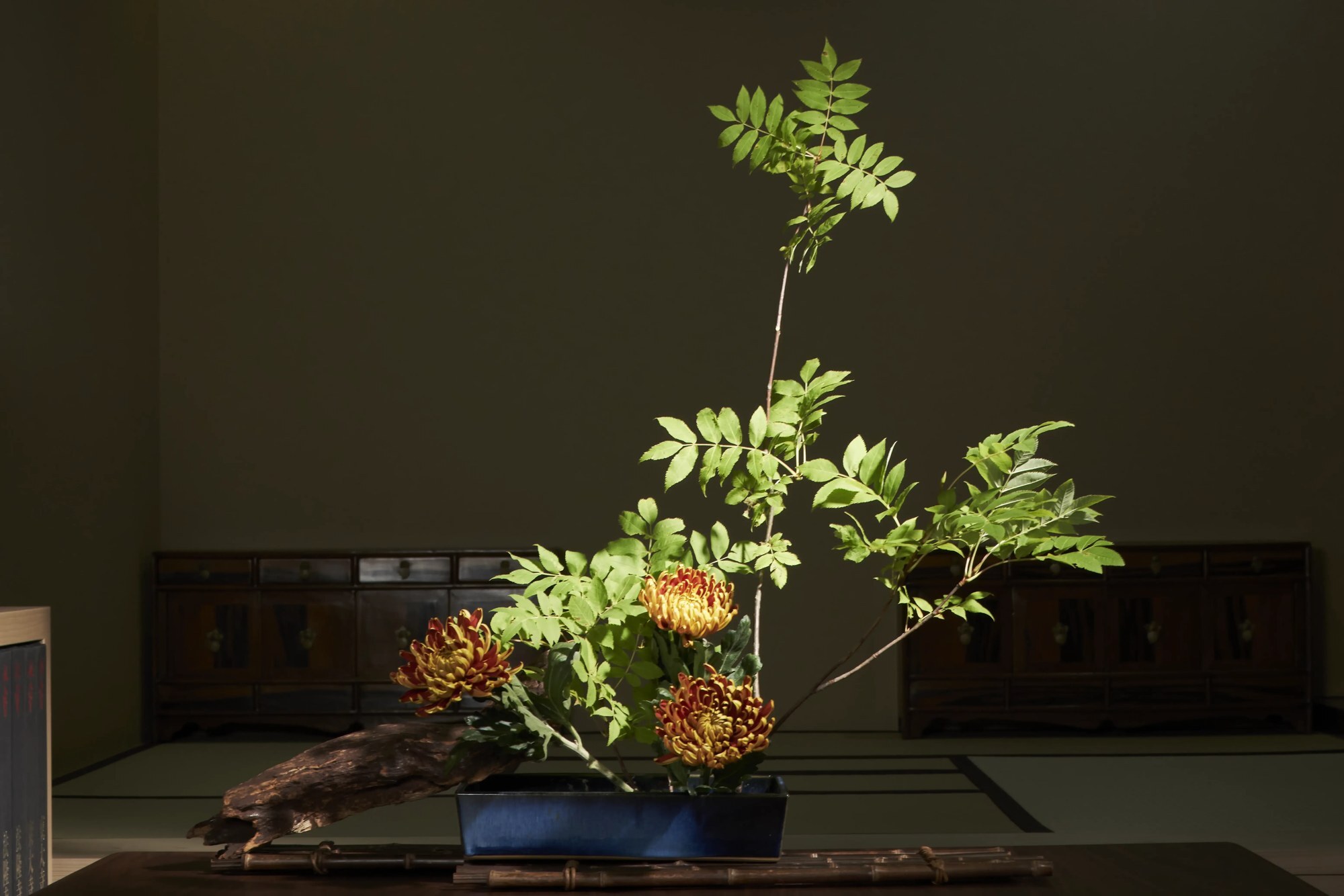
Traditional ryōtei often feature a tokonoma alcove, decorated to suit the season—cherry blossoms in spring, fresh greens in summer, maple and chrysanthemum in autumn, nanten and pine in winter—serving as a backdrop that cues the time of year from the moment you enter.
Many dining rooms echo tea-room aesthetics—lower ceilings and soft light that invite calm concentration. A chef’s movements across the counter read like a stage performance, the hands working as if on a small proscenium.
Some luxury inns even serve meals in rooms of cultural-property caliber. At Gōra Kadan (Hakone), former imperial villa buildings host kaiseki; at Tsutsuji-tei (Kusatsu, Gunma), varied private rooms set the stage for Hida beef and more—manifestations of the “one guest, one pavilion” spirit.
That phrase signals readiness to host each party as if preparing an entire house just for them—a hallmark of kaiseki hospitality.
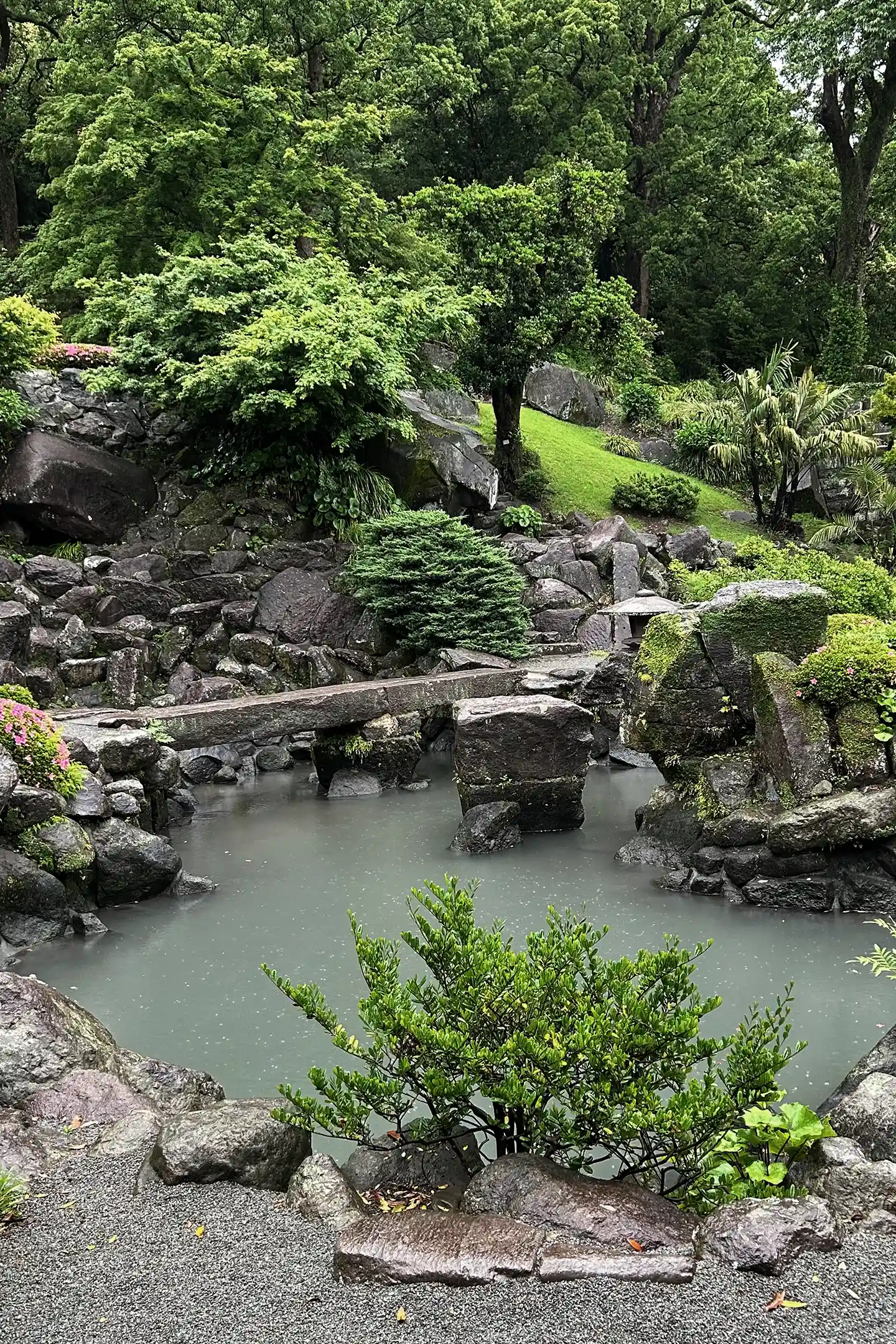
Most importantly, the menu itself tells the seasonal story. A single course may express the early hints, full peak, and farewell of a season. Late summer into autumn might open with the first matsutake, crescendo with sanma at its best, and close with late-autumn ayu and ginkgo. This “early–peak–lingering” arc is a uniquely kaiseki way to meditate on time.
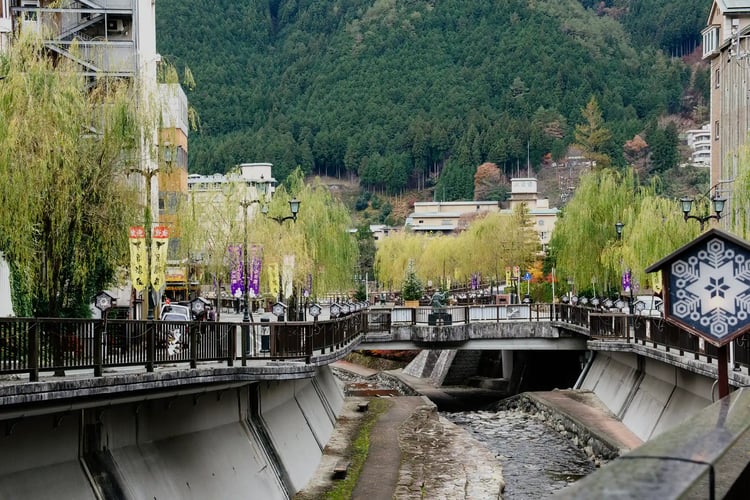
At Shōgetsu in Gero Onsen (Gifu), the menu weaves terms from the 24 seasonal micro-seasons to express this arc. Such deeply considered dramaturgy is seasonal storytelling on the table.
In sum, kaiseki is total art: not only culinary artistry but the fusion of space and staging around it. Traditional architecture, gardens, and decor integrate with dining to leave a lasting impression. Some guests say, “It felt like eating a Kyoto garden.” International travel magazines aptly call kaiseki “Edible Art in Seasonal Theater.” To feel the four seasons through your senses and taste quietly in a beautiful space—this is the essence of a Japanese culinary culture that stands proudly on the world stage, and a highlight of any “refined cultural journey,” well worth its premium.
Premium Ingredients — Wagyū, Fugu, and Rare Proteins
Japan’s fine-dining world features premium ingredients you’ll want to try at least once—wagyū, fugu, and other rare proteins such as select game and luxury seafood. These are undeniably expensive, but learning the backgrounds and characteristics of each elevates your meal from mere consumption to a richer experience.
This section highlights special ways to enjoy them: visiting producers, comparative tastings, and inventive pairings.
.webp?width=800&height=533&name=Seasonal_Kaiseki_(28478174256).webp)
Ranch Visits and Cut-by-Cut Tastings
Japan’s globally acclaimed wagyū—Kobe, Matsusaka, Ōmi, Yonezawa, and more—is celebrated for lavish marbling, tender texture, and deep aroma. Its excellence is the union of bloodline (such as pure Tajima) and a producer’s painstaking care. Increasingly, travelers don’t just eat a steak; they tour a ranch, learn how cattle are raised, and compare multiple cuts side by side.
On Ishigaki Island (Okinawa), programs combine a visit to an Ishigaki-beef ranch with tastings at a local yakiniku restaurant.
You hear directly from owners about the brand’s history and sustainability efforts like compost recycling, may try feeding, then move on to a course meal of local beef. Despite its depth, the roughly 2–3 hour program is accessibly priced at ¥16,280 per adult (incl. tax).
Cut-focused tastings are particularly revealing: beyond sirloin and tenderloin, sample ribeye, rump, ichibo (top sirloin cap), and rare cuts like chateaubriand or misuji (top blade) to feel differences in texture and sweetness of fat.
In Shiga, an Ōmi-beef ranch tour might end with a grill tasting of varied cuts—“leaner, flavor-forward round” versus “melt-in-the-mouth sirloin.”
At Tajima Ranch Park in northern Hyōgo, you can learn the breed’s history in a small museum and then dine on fresh Tajima beef onsite—many international visitors say, “Steak tastes different when you know the lineage.” Context multiplies value.
Understanding why wagyū is tender and how it’s raised fills each bite with respect and gratitude for producers.
Turning to fugu, perhaps Japan’s quintessential luxury fish: long prized as the king of winter flavors, torafugu contains potent toxins, so preparation is restricted by prefectural regulation—only licensed chefs may serve it, limiting availability and keeping prices high.
Japanese regulations allow only 22 fugu species to be served at restaurants (many others are excluded for toxicity), which means you can only eat fugu at specialist venues employing certified chefs—another driver of price.
With recent moves to curb overfishing, wild torafugu stocks have trended down; combined with safety management costs and scarcity, prices continue to rise (*1). A full fugu experience—paper-thin sashimi (tessa), hotpot (chiri), grilled fins, even hire-sake—can easily reach tens of thousands of yen per person at a top ryōtei.
.webp?width=800&height=533&name=Seasonal_Kaiseki_(22514581727).webp)
“Rare proteins” beyond wagyū and fugu include Japanese game (venison, wild boar) and luxury seafood. European fine-dining now prizes game highly, and tours in Japan bring you from hunt to table.
In Nagano, winter programs let you accompany hunters and later enjoy a chef’s preparations. Parts of Hokkaidō feature specialist venues serving Ezoshika (Hokkaidō venison) or ptarmigan while explaining hunting culture. On the marine side, uni and abalone aquaculture tours with tastings are gaining popularity.
Along Iwate’s coast, “sea urchin ranch” visits may let you watch divers harvest, then taste freshly opened uni right on the shore. Markets like Toyosu host tuna-filleting shows where you can follow with on-the-spot nigiri.
In short, when you go beyond the restaurant to meet producers, learn supply chains, and then taste on site, luxury ingredients stop being mere indulgences.
Kobe Beef, for instance, feels different after the Kobe Beef Gallery in Kobe City; Matsusaka Beef becomes more meaningful after a stop at facilities in Matsusaka that present its history before you enjoy yakiniku.
Even for FIT luxury travelers, private guides and interpreters can weave producer visits into bespoke itineraries—driving or chartering between wineries, ranches, and ports by day, then savoring local kaiseki by night.
These plans rarely appear in standard guidebooks, but specialized luxury agencies arrange them for affluent travelers from Europe, North America, and Oceania—because “unique experiences” truly speak to them. Interest runs especially high for hands-on encounters with Japan’s traditions and cuisine beyond checklists of sights.
In Fukuoka City, for example, there are moves to offer wealthy visitors a combination of Hakata magewappa (bentwood) bento-box crafting with fine kaiseki: under the guidance of an 18th-generation artisan, you make your own box and even fill it yourself; pricing is set at ¥37,000 per person.
Such “craft + cuisine” experiences aren’t ingredients per se but are premium culinary travel all the same—learning and tasting through direct contact with artisans and chefs. The insights and emotions you gain are immense.
This is satisfaction you can’t reduce to “tasty.” In today’s luxury food travel, the joy is in savoring the story behind the ingredient.
Sushi Omakase — Edo-Style Heritage and Sustainability
For culinary travelers, a high-end sushi omakase is a dream. In Tokyo—the cradle of nigiri—Edo-mae traditions endure in exquisitely refined omakase courses.
Omakase means you entrust everything to the itamae (chef). Seated across a pristine slab of hinoki, you receive one piece at a time. It’s more than a meal: a quiet duel of skill and trust, full of narrative.
Let’s look at counter etiquette and storytelling at the heart of this culture—and the growing importance of sustainable seafood.
Counter Etiquette and Storytelling
At top counters there’s typically no printed menu; omakase rules the day (the old “okonomi”—ordering by preference—has become rare). The chef chooses that day’s best neta and constructs a sequence for peak deliciousness.
A course might begin with clean white-fish and light silver-skin fish, move to umami-rich shellfish and squid, then to medium- and fattiest-tuna, with palate-refreshers like vinegared items or tamago in between, and circle back to seasonal blue fish or shellfish to close—a carefully plotted arc of taste.
“An omakase built on seasonal bests is where the chef shows true skill,” and the order itself becomes a story that carries you toward the most satisfying experience.
Etiquette helps you enjoy it smoothly. Conversation is minimal; ask questions at natural pauses and you’ll get thoughtful answers, but the chic approach is to focus and savor. Eat each piece in one bite if you can so the shari stays intact. If the chef brushes on soy, don’t add more; if you dip yourself, touch only the topping lightly—never soak the rice.
Throughout, the chef’s storytelling emerges in brief lines: “Next is lightly cured kohada,” or “We’ll serve soft-simmered abalone here.” Even a comment like “I cured this a touch stronger today” sets your expectations for how best to enjoy that fish. Origins are often shared—“This came in from XX today”—linking taste to place.
Omakase shines when chef and guest co-author a seasonal tale: spring sea bream and whitebait, early-summer baby gizzard shad, autumn’s returning bonito and sanma, winter yellowtail and monkfish liver, with tuna as a year-round star. You lean in, wondering what will come next; if you loved something, a polite “one more piece, please” near the end is a classic move (appetite permitting).
When tamago or a roll appears and hot tea arrives, the story lands gently. This is Edo-style heritage practiced as living art.
Sustainable Seafood Management
Worldwide, sustainability has become impossible to ignore, and high-end sushi is no exception. Edo-mae once drew on the Tokyo Bay and nearby seas; today, some beloved species face pressure from overfishing.
Pacific bluefin (hon-maguro), young yellowtail (hamachi), and eel are prime concerns. Enter “sustainable sushi”: using fish caught or farmed in ways that keep stocks healthy.
Practically, this can mean avoiding endangered bluefin and wild eel, and choosing alternatives from responsibly managed fisheries or aquaculture: line-caught skipjack with controlled quotas, Canadian spot prawns from careful fisheries, Pacific halibut where stocks are stable, farmed abalone with steady supply.
Guides abroad (e.g., Monterey Bay Aquarium) classify sushi items green/yellow/red, and some restaurants now adapt procurement accordingly.
In Japan, innovative chefs are embracing this shift. A former Tsukiji wholesaler’s shop removed eel and tuna from the menu, offering nigiri with mahi-mahi (shiira) and farmed torafugu instead.
There’s also a movement to use under-utilized species: deep-sea mehikari, juvenile muts, and other “bycatch” become creative nigiri and sides—new deliciousness with less waste. One Michelin-starred chef admits it isn’t easy for a sushi-ya to fight food loss, but says, “If we want to pass this wonderful culture on, we must start where we can” (*1).
Traditional Edo-mae wisdom already aligns with sustainability: preservation techniques like curing, salting, and marinating in reduced soy maximized each catch and minimized waste. Today, heads and bones become broth for miso soup, vegetable trimmings become pickles, and some shops switch to reusable containers for takeaway to cut plastic waste.
Guests—especially from Europe and North America—now ask, “Is your fish sustainable?” Overseas outposts of elite sushi counters often rely on third-party certifications like MSC.
Within Japan, veterans from the tuna trade advocate sustainable seafood, and some Toyosu wholesalers handle farmed bluefin or fully farmed eel to offer alternatives. Change comes slowly in tradition-minded circles, but momentum is clear: “delicious, with care for the oceans” is the new ideal.
One celebrated Tokyo counter serves Noto’s small female snow crab in winter, explaining, “We use every part—roe included,” and pairs it with sake from Ishikawa—respecting local resources and minimizing waste.
Another chooses farmed eel from overseas species with relatively healthier stocks rather than rare domestic wild eel—different flavor, yes, but a choice for the future that guests increasingly appreciate.
Luxury and environmental care need not conflict. True luxury should be kind to our planet and to the next generation. Edo-mae’s mission has always been to bring out an ingredient’s best; now it also includes “leaving the best for tomorrow.”
As you enjoy each piece across the counter, it’s worth remembering that the bounty of the sea and the labor of fishers make it possible. Omakase is carrying Edo’s heritage into the present—and beginning to shoulder stewardship for the future. That balancing act will be central to luxury food culture in the years ahead.

.webp)