%20at%20Hananoiwaya%20Shrine%2c%20Kumano%20Kodo.webp)
Travel in search of inner fulfillment and mind–body renewal—what many now call “spiritual tourism”—has been drawing increasing attention. If you’re looking for the best places to travel for spiritual awakening, Japan offers journeys where stepping away from your routine, meeting yourself in silence, and letting nature and traditional culture soothe the heart can deliver deep ease and fresh insight.
In Japan, travel traditions rooted in spirituality—Zen, Shinto, and Shugendō (mountain asceticism)—have flourished since antiquity, attracting a wide spectrum of travelers, from first‑timers to devoted return visitors, from Japan and abroad.
In this article, curated by professionals with on‑the‑ground experience in high‑value tourism, you’ll find carefully selected ways and practical information to cultivate “spiritual awakening,” organized into types of experiences, styles of stay, and hands‑on advice. From zazen meditation steeped in stillness to pilgrimages across majestic sacred landscapes, we’ve woven in wisdom for restoring your mind and body so that both newcomers and repeat travelers can plan with confidence.
What Is Spiritual Tourism?|Definitions, History, Japan’s Context, and Emerging Trends
“Spiritual tourism” is travel that seeks inner healing and growth—more than sightseeing alone. It is often cited as one of humanity’s oldest travel forms, originating in pilgrimages to holy sites.
Globally, an estimated 330 million people travel each year for religious motives (*1). In recent years, even those unaffiliated with a specific religion increasingly join meditation retreats and similar programs—the so‑called “Spiritual But Not Religious (SBNR)” travelers. They tend to value mindful living, healthy eating, and meaningful connections with nature, prioritizing inner richness over material accumulation (*2).
Japan mirrors this global tide: interest in visiting sacred sites and trying Zen has been rising.
To understand spiritual tourism in Japan, it’s key to recognize the country’s distinctive spiritual culture shaped by the syncretism of Shinto and Buddhism. In Shinto, mountains, forests, rivers, and hot springs themselves are believed to be imbued with myriad kami (divinities). Mountains in particular are revered, and even the lakes, rivers, and hot springs born from them have long been objects of worship (*3).
Buddhism—especially Zen and Esoteric traditions—centers on inward inquiry through practices such as zazen (seated meditation) and shakyo (sutra copying). In medieval times, Shugendō fused Shinto’s nature veneration with Buddhist disciplines, with yamabushi (mountain ascetics) undertaking rigorous training in the peaks. This mountain‑based spiritual culture remains a vital foundation for today’s spiritual tourism.
A notable trend is the fusion with wellness. “Meditation retreats” and “yoga retreats” have gained popularity as travel offerings that enhance overall well‑being, and some hotels now feature programs that weave in modalities such as astrology or energy work (*4).
More people also embark on spiritual journeys at life’s turning points: walking the Camino de Santiago after retirement—the “retire‑moon”—or taking a restorative spa trip with friends after a divorce. Many use travel as a reset to open a new chapter.
In Japan, thousand‑year‑old pilgrimage routes like the Kumano Kodo and the Shikoku Henro are being rediscovered as “spiritual paths,” drawing visitors from overseas.
For example, the Kumano Kodo has been lauded in the West as “Japan’s finest spiritual road,” and foreign overnight stays increased roughly fifteen‑fold from 2012 to 2019. This surge reflects how travelers are captivated by Japan’s long, living history of faith in harmony with nature.
In short, spiritual tourism responds to motives such as Healing, Rebirth, and Transition, arising from the meeting of Japan’s ancient perspectives on nature and the divine with modern wellness values.
Guide to Spiritual Experiences by Intention
Even within “spiritual travel,” the most fitting experiences differ depending on what you seek. Here, we highlight four aims—(1) cultivating stillness, (2) purifying the body, (3) merging with nature, and (4) prayer and pilgrimage—along with signature activities and how to choose wisely.
For each category, you’ll find notes on setting, preparation, and a general sense of English‑language support on site—use this to design a journey that aligns with your intention.
In all cases, respect for local culture and proper etiquette is essential. Many temples, shrines, and facilities increasingly welcome international visitors; with advance reservations or help from specialist guides, you can often receive explanations in English (*2).
Experiences that Deepen Stillness
If you crave refuge from the noise and want to reclaim quiet inside, seek out experiences built around “stillness.” A classic is zazen at a Zen temple. Sitting upright in a dim hall with your breath as your anchor, you may notice a drift of thoughts at first, but before long your mind begins to clear.
Some temples lend cushions and offer beginner‑friendly zazen with instruction in English. For instance, certain Rinzai temples in Kyoto and Zen centers in Kanagawa periodically host sessions for international visitors.
Shakyo (sutra copying) is another path to deep calm. Tracing the sutra’s characters with a brush, letter by letter, naturally draws you toward a state of egoless focus. In a quiet room perfumed by ink, the mental static fades with each stroke.
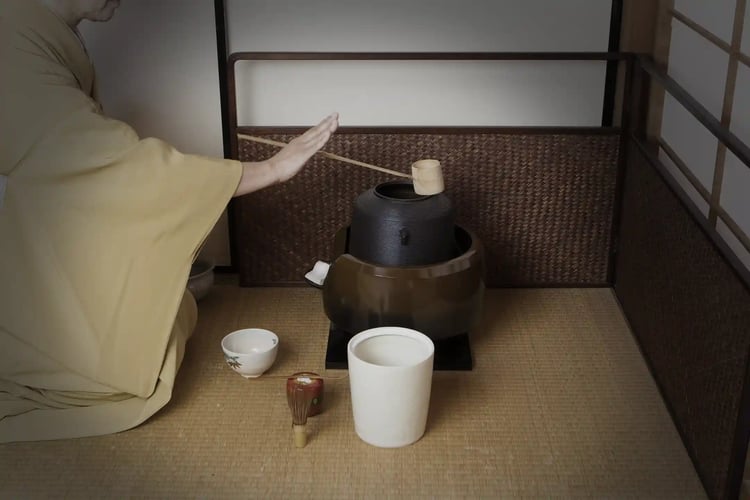
More temples now offer shakyo by reservation. You might also appreciate a tea ceremony lesson, where unhurried movements—preparing, whisking, and savoring tea—create a mindful pocket of time.
In stillness‑oriented experiences, safeguarding the quiet is everything. Refrain from chatter, set your phone to silent, and minimize photography.
Above all, remember that Zen temples are living training halls. Never point your camera at monks, and always heed signage for restricted areas or no‑photo zones. With gentle attention and observance of etiquette (*1), you’ll notice the stillness deepen—and you’ll hear your inner voice more clearly.
Purification to Rebalance the Body
Refreshing the mind goes hand in hand with resetting the body. Hot springs, saunas, and even waterfall misogi (takigyō) are core delights of spiritual tourism in Japan. Soaking in an onsen eases fatigued muscles and unties mental knots.
Since ancient times, Japan’s hot springs have been cherished for tōji—extended therapeutic bathing. Enjoy the distinct qualities of different mineral springs, from sulfurous to carbonated, and let long‑held tension melt away. Saunas have also surged in popularity, associated with the sensation of being “aligned” or “totonou.”
Alternating heat and cold—warming thoroughly in the sauna, cooling briskly in a cold plunge, then resting—helps regulate the autonomic nervous system, balancing sympathetic and parasympathetic activity and inviting profound relaxation (*2). You’ll feel reset, in that unmistakable state of “everything is in tune.”
For more explicitly spiritual purification, consider waterfall training. Clad in white robes, you stand beneath icy cascades—a discipline long practiced by ascetics to sharpen the spirit and sweep away distractions. Today, many sites offer safe, guided programs for the public.
At “Shirataki no Mori” in the sacred groves of Ise Grand Shrine, where practitioners once trained, you can still experience the waterfall’s cleansing force. The shock of the cold takes your breath away at first, but concentration heightens, and afterward you’re buoyed by a distinctive clarity and sense of accomplishment (*2).
That said, never push beyond your limits. Saunas and waterfall training place real demands on the body—assess your condition, consult a physician if you have chronic illness, and always participate under qualified supervision with safety in mind.
Becoming One with Nature
If you want to merge with the living energy of the outdoors, head for forests and mountains. As the term shinrin‑yoku (forest bathing) suggests, simply walking among trees can soothe mind and body.
A “mindful walk” beneath dappled light, accompanied by birdsong, is a chance to empty the head and turn your senses outward. With each deep breath, the trees’ phytoncides fill your lungs, associated with lower stress hormones and relaxation. Far from urban clamor, you can tangibly feel that you are part of nature.
Trails through sites of mountain worship are especially compelling—like the Kumano Kodo or the pilgrims’ paths at the foot of Mt. Fuji, routes people have walked for centuries.
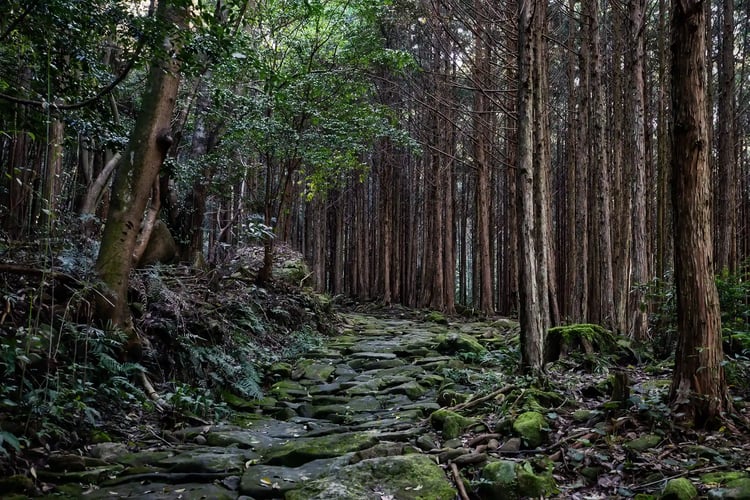
As you tread mossy stone steps and cedar‑lined approaches, the forgotten sensation of “walking the earth” returns—almost as if an ancient, untamed self were awakening. Hiring a local guide enriches the experience with stories of plants and culture, and also adds a layer of safety. To lighten your load, consider luggage‑forwarding services (common on the Kumano Kodo) so you can walk unencumbered (*2).
Don’t neglect weather and risk management. Mountain conditions change quickly and footing can be rough. For hikes and long trails, equip yourself with a waterproof jacket, proper footwear, rain gear, emergency rations, and a first‑aid kit.
Check forecasts, avoid overambitious itineraries, and travel in a group rather than solo. File a hiking plan, and where phone reception is spotty, consider a satellite phone or GPS device. Experiences that “blend you into nature” are moving—and they also require humility before nature’s severity. Prepare carefully and step into the wild with respect.
Prayer and Pilgrimage
Journeying between shrines and temples is the classic form of spiritual tourism. Across the ages, people have visited sacred places to pray at milestones or to make vows. In that tradition, setting out to offer your own prayers opens a sense of fulfillment that transcends everyday life.
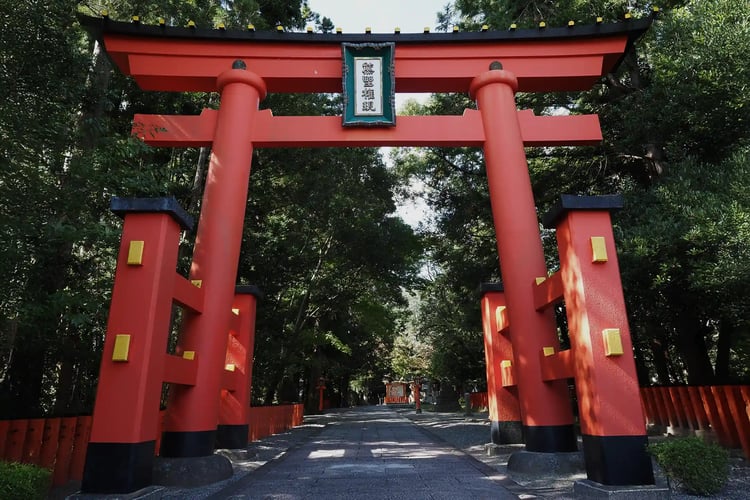
At a shrine, you first pass under the torii gate, then purify hands and mouth at the temizuya (or Mitarashi) basin. At Ise Grand Shrine’s Inner Shrine (Naikū), the Isuzu River has long been a site of misogi; cleanse yourself in its clear flow before visiting the sanctuary.
At the main hall, bow twice, clap twice, and bow once more (at some shrines like Ise, the claps may differ). Take a quiet moment to meet yourself, and offer gratitude or wishes to the deities. At temples, bring palms together and sit in silence—you may feel released from daily vexations.
Collecting goshuin—beautiful calligraphed and stamped shrine or temple seals—adds a contemplative rhythm to your route. Bring a dedicated book and let each page mark your pilgrimage.
Study etiquette in advance and avoid discourtesy on site. Remove hats and sunglasses. In historic precincts, never use flash or raise your voice.
A small contribution goes a long way, too. Donations, votive lights, or any modest offering help sustain what locals cherish. Through prayer and pilgrimage, you feel yourself part of a great current of history and faith.
Let time slow down; as you pray in stillness, a profound fullness wells up from deep within.
Best Places to Travel for Spiritual Awakening 【Eastern Japan Edition) Three Sacred Sites
From here, we’ll introduce specific destinations ideal for a spiritual journey, split between eastern and western Japan.
In the 【Eastern Japan Edition) you’ll meet three sacred places where history and nature intertwine. We cover each area’s character, training and stay styles, local cuisine, best seasons, and how to preserve quietude.
All three are leading sacred sites of Japan, yet each has its own spirit—use these contrasts to choose what calls to you.
1|The Three Mountains of Dewa (Yamagata) — Mountain Faith and Rebirth
Soaring in Tōhoku, the Dewa Sanzan—Mount Haguro, Mount Gassan, and Mount Yudono—form a sanctuary of mountain worship. They symbolize the present, the past, and the future, and are famed as a place to experience a “journey of rebirth.”
Mount Haguro, with its stone steps and five‑story pagoda, represents the present; Mount Gassan, open only in summer once snow recedes, represents death and the Pure Land; and Mount Yudono symbolizes regeneration and return. In the Edo period, common folk flocked on “Dewa Sanzan pilgrimages,” eating shōjin ryōri (Buddhist cuisine) as they secluded themselves in the mountains before descending to bathe in hot springs at Yudono’s foot—rituals of renewal woven into travel culture (*1). Dewa Sanzan was truly a place to “die once and be reborn” in spirit.
Mount Yudono is the most secret of secrets, known for the admonition “Tell not; ask not.” At Yudono Shrine’s main sanctuary midway up the mountain, there is no building—the deity is the great rock itself.
Worship is performed barefoot in direct contact with the living rock, and what you witness here must never be spoken of; photography is strictly forbidden. This severe restraint heightens Yudono’s mystery, leaving visitors with the sense of having been “born anew.”
On Mount Haguro, you can join simplified practices with yamabushi guides, and stay at shukubō lodgings serving shōjin cuisine—glimpsing a fragment of the pilgrim’s path even today. The best season to visit is summer through early autumn (late June to around October), when all three peaks are accessible.
During the “Mineiri” training period in August, many yamabushi gather; outside those dates, you’ll usually find the mountains quieter. Note that Mount Gassan and Mount Yudono are typically closed from early November until spring due to snow (Yudono opens June 1).
Use your camera only in permitted areas, such as around Haguro’s five‑story pagoda, and never bring one into Yudono. Move through the trio with quiet reverence, and you’ll likely emerge with a bracing sense of renewal.
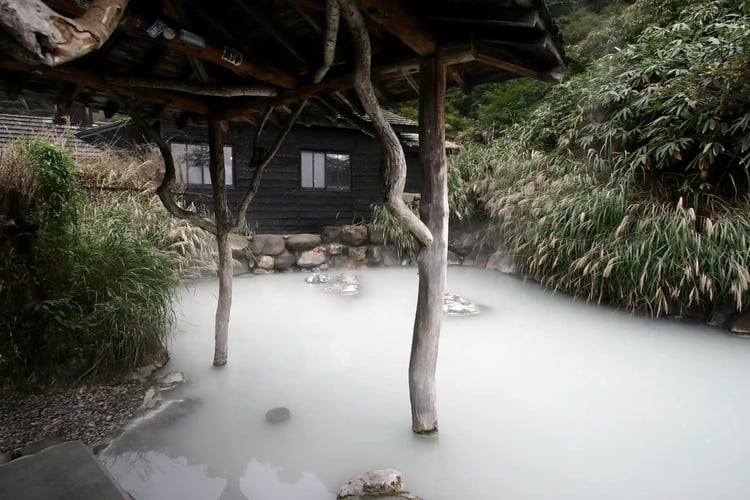
2|Eiheiji (Fukui) — Encountering Sōtō Zen
In the Chūbu–Hokuriku region, Eiheiji in Fukui is indispensable. Founded by Zen master Dōgen, this head temple of the Sōtō school remains an active training monastery where unsui (trainee monks) practice rigorously to this day.
Its halls, fragrant with cypress, have stood for more than 770 years; footfalls on stone pavements and the cadence of sutra recitation resonate in the stillness. Recently, this “ZEN sanctuary” has drawn international attention—The Washington Post named Fukui among “places to visit in 2024 to avoid the crowds,” introducing Fukui (Eiheiji) as “one of the most spiritual regions in Japan” (*2).
Beyond general visits, by reservation you can attend the morning service and try short zazen sessions. Listening to the monks’ chanting in the chill of dawn instills both solemnity and an uncanny inner steadiness.
During zazen, you’ll receive guidance on posture and breathing, then sit in silence. With attention narrowed to the breath, everyday mental noise falls away.
Remember, Eiheiji is a living dojo. You may pass monks in the grounds; don’t address them or take photos. In fact, pointing a camera at unsui is prohibited, and certain viewing areas ban photography altogether. To protect the sanctity of the space, keep your voice down and wander the precincts quietly.
Near the temple gate, “Shinzen no Yado HAKUJYUKAN” offers a refined, shukubō‑like stay: shōjin cuisine, morning zazen, and views of gardens and Eiheiji’s forest right from your room.
Winter cloaks Eiheiji in snow, deepening its solemn beauty—but footing can be slippery, so wear warm, grippy footwear. Even beginners leave profoundly moved by the temple’s quiet; time spent “just sitting” can become a doorway to truths within.
3|Mt. Fuji and Asama Faith (Shizuoka & Yamanashi) — Honoring the Mountain as Deity
Japan’s emblem, Mt. Fuji, is also a major spiritual site. Beyond its beauty, the mountain itself is revered as the deity Asama no Ōkami and is the head shrine of some 1,300 Asama shrines nationwide at Fujisan Hongū Sengen Taisha (*3).
Registered as a UNESCO World Cultural Heritage site under “Fujisan, Sacred Place and Source of Artistic Inspiration,” the mountain reflects the awe with which Japanese people have long approached it. Around its foothills stand venerable shrines such as Fujisan Hongū Sengen Taisha (Fujinomiya, Shizuoka) and Kitaguchi Hongū Fuji Sengen Shrine (Fujiyoshida, Yamanashi), where visitors still come to pray.
Gazing up at the sacred peak as you offer your respects fills you with a crystalline poise. Climbing Fuji itself is an exceptional spiritual experience: depart at midnight to greet the sunrise at the summit, and many find tears come unbidden. The seas of clouds at dawn and the star‑strewn night skies feel otherworldly.
Climbing, however, demands preparation—Fuji is Japan’s highest peak at 3,776 m. The official season is limited to summer (July–early September), and mountain‑hut bookings and proper gear are essential.
Thin air increases the risk of altitude sickness. Preventive measures include resting 1–2 hours around the 5th Station (~2,300 m) to acclimate, walking slowly at a steady pace, and hydrating frequently with water or sports drinks.
The Fuji Climbing Official Site cautions that altitude sickness is “among the most common reasons to abandon the summit attempt,” recommending rest around the 5th Station and frequent hydration as key countermeasures (*4).
Pack insulating layers and rain gear, a headlamp with spare batteries, and sturdy boots. Even in summer, summit temperatures can drop below freezing with strong winds. With thoughtful preparation, Fuji offers unforgettable moments of awakening—time on Japan’s most revered mountain, face to face with yourself, becomes a soul‑shaping journey.
Best Places to Travel for Spiritual Awakening 【Western Japan Edition) Three Sacred Sites
Next, in the 【Western Japan Edition), discover three sacred destinations across Kansai and the Kii Peninsula. All are UNESCO‑recognized or internationally acclaimed, yet each offers a different fabric of experience.
We pinpoint the mood and culture of each area, lodging and dining features, and the best seasons to visit. Compare these with the eastern sites above to find the journey that truly resonates. Each land promises a stirring encounter you can only have there.
1|Mount Kōya (Wakayama) — Experience a World Sanctuary in Temple Lodgings
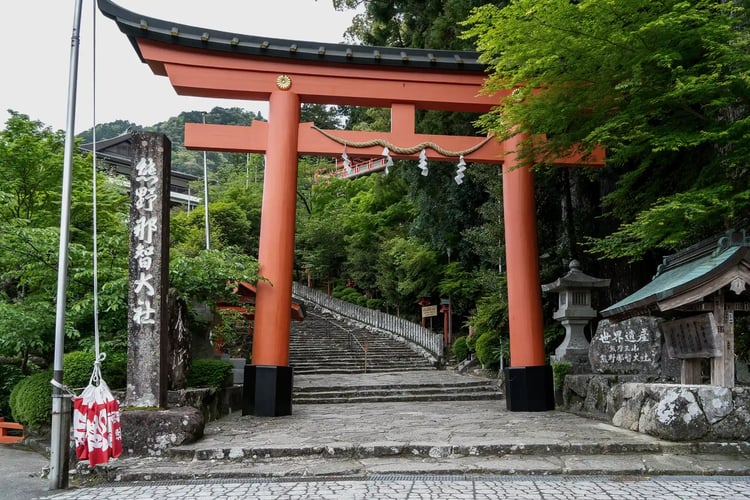
Kōyasan, founded by Kōbō Daishi Kūkai, is the heartland of Shingon Esoteric Buddhism and now welcomes pilgrims from around the globe. Spread across a plateau at 800 m elevation, its monastic city holds 117 temples, many operating as shukubō. The morning service in the main hall is a highlight—palms together, you may feel yourself drawn into the current of prayer as the monks’ low voices resound.
Many lodgings also offer ajikan, a distinctive Shingon meditative practice focusing on the Sanskrit seed syllable “A,” symbol of the cosmos’ origin (*1).
In a hall lit by candlelight, you close your eyes, breathe with the resonant “Om…,” and bring the “A” to mind—a practice accessible even to beginners, with deeply calming effects.
Don’t miss Okunoin, where Kōbō Daishi is said to remain in eternal meditation. Beyond the mausoleum lie more than 200,000 moss‑clad memorial stones—an atmosphere solemn even at noon.
If you stay overnight, walk Okunoin at night: with only lantern light along the stone path, the air turns dreamlike. Some lodgings host monk‑ or guide‑led night tours (advance booking; English support available) that share Okunoin’s history and stories for a special nocturnal visit.
Savor shōjin cuisine as well—sesame tofu and seasonal mountain vegetables prepared with elegance that nourishes body and spirit. Menus vary by lodging, and the depth of flavor from simple ingredients may surprise you.
The best seasons are early summer (May–June) with fresh greenery and festivals, and autumn (October–November) when foliage blazes—Okunoin’s approach becomes a tunnel of maple leaves.
Winters can be snowy and cold, but Kongōbu‑ji and the silent Okunoin under a white veil are breathtaking. Many lodgings limit guest numbers to preserve quiet, so choosing a smaller property can make your stay even more serene.
Time on Kōyasan will bathe your spirit in solace and inspiration. Under starry skies, listening to prayers echoing from ages past, you feel yourself part of a wider cosmos.
.webp?width=750&height=500&name=Okuboji%20Temple%20The%2088th%20Temple%20of%20the%20Shikoku%20Pilgrimage%20(Sanuki%20City%2c%20Kagawa).webp)
2|Kumano Kodo (Kii Peninsula) — Walking the Roads of Prayer
The Kumano Kodo is a mesh of pilgrimage routes walked for more than a millennium by commoners and nobles en route to the Three Grand Shrines of Kumano. With stone pavements threading deep forests, remnants of old teahouses, and shrines along the way, it preserves the atmosphere of the past and is a UNESCO World Heritage site.
Among several routes, the Nakahechi from Tanabe to Kumano Hongū Taisha is especially popular—well marked and maintained, with bucolic hamlets and classic mossy stairways.
Other options include the coastal Ōhechi and the rugged Kohechi from Yoshino across the mountains—choose a section that suits your time and fitness. For first‑timers, 2–3 days on part of the Nakahechi is ideal; the stretch from Takijiri‑ōji to Hongū balances rich nature with cultural heritage.
The heart of the journey is the “walking meditation” that may arise. At first you’re aware of sore feet and body sensations. Push past that, and you slip into no‑mind, immersed in a world where only footfalls and birds remain.
Along the way are purification sites (haraedo) and tiny shrines; stopping to pray helps shed inner residue step by step. Some say “the path itself is the destination”—the act of walking becomes self‑encounter.
Never force it, though. Rest at wayside ōji shrines and villages, and keep up on water and nourishment. Local citrus and ume (plum) treats are perfect for revitalization.
Services now make the walk smoother. The Tanabe City Kumano Tourism Bureau offers same‑day luggage delivery from inn to inn, freeing you to hike light (*2).
Hire an experienced local guide for more than navigation—gain deeper stories of nature, history, and culture, plus safety support in tricky spots. Since Kumano is known for frequent rain, pack rain gear and waterproof boots. Trekking poles help spare your knees on long days and steady you during stream crossings.
End your walk with a soak at hot springs around Kumano Hongū to rinse away fatigue. The region is also pioneering circular, sustainable tourism—favoring local products and channeling parts of lodging income to conservation—so your visit benefits the community. Walking the Kumano Kodo is a five‑senses immersion in Japan’s nature and heritage, and a chance to rethink your own path.
3|Ise Grand Shrine (Mie) — “Okage‑mairi” at the Inner and Outer Shrines
For Japanese people, Ise—affectionately “O‑Ise‑san”—is the shrine to visit “at least once in a lifetime.” Centered on the Inner Shrine (Naikū), dedicated to Amaterasu‑Ōmikami, and the Outer Shrine (Gekū), dedicated to Toyouke‑Ōmikami, the complex comprises 125 sanctuaries.
In the Edo period, mass pilgrimages called okage‑mairi swept the land, as commoners set out for Ise. Today millions still come annually, and as spiritual tourism, Ise deserves renewed attention for the profound healing and clarity found in its sacred forest.
Step onto Uji Bridge at Naikū and you enter the divine precinct. The Isuzu River runs clear through the luxuriant forest; purification at its Mitarashi bank leaves both hands and heart refreshed (*3). In the early morning, birds and water provide the only soundtrack. Walk the sunlit approach and pray at the main sanctuary with two bows, two claps, and one final bow.
Standing where prayers have continued unbroken for centuries, you sense your place within vast histories and the cosmos.
Plan on an overnight stay so you can visit both Gekū and Naikū at an easy pace. Toyouke‑Ōmikami at Gekū protects the essentials of life—food, clothing, shelter—and industry. The traditional order is to visit Gekū first, then Naikū (“Gekū‑sen‑sai”). As the two are apart, you’ll transfer by bus. Many say you only “complete” an Ise pilgrimage by paying respects at both.
Choose a calm ryokan with views of the shrine forest—some near Naikū offer open‑air baths in every room, where you can gaze at the sacred trees while you soak (e.g., “Inishie no Yado Ikyu”).
Evenings are for quiet baths looking into the woods; mornings are for crisp, early visits. The Jingu forest has been cherished as “the forest where the kami dwell,” and time encircled by its evergreen canopy brings deep restoration (*4).
The best time is on spring or autumn weekdays at dawn. Cherry blossoms and fresh greens in spring, and glowing leaves in fall, make the forest resplendent—and mornings are wonderfully uncrowded. Start at Naikū, purify at the pellucid Isuzu River, then approach the main sanctuary; you’ll carry that clarity all day.
Afterward, explore Okage Yokocho for local flavors like Ise udon and Akafuku mochi. To linger longer, head to Ago Bay—blend your pilgrimage with a coastal resort stay. In Ise‑Shima National Park, world‑class resorts offer spa and yoga amid sea and forest.
Ise is the ultimate “power recharge.” Cleansing body and spirit at the nation’s most revered shrine—and savoring nature and refined hospitality—will fill your soul and send you home renewed.
Designing a One‑Day Retreat|A Flow of Meditation, Zazen, and Yoga
Finally, here’s a sample “one‑day retreat plan” you can practice on the road or at home. Follow this arc from morning to night to balance sympathetic and parasympathetic activity and end the day harmonized.
Weave quiet practices (meditation, zazen), contact with nature (a forest walk), and thermal stimulation (onsen/sauna) with periodic rest and hydration, and you’ll approximate the effects of a dedicated retreat. These elements adapt easily to daily life—try them and make them your own.
Morning Opening
Let your retreat morning begin gently. As soon as you wake, open the curtains and catch the first light. Morning sunlight resets your circadian rhythm, boosts daytime alertness hormones, and supports melatonin release at night. Science backs the value of daily morning light for well‑being.
Then open a window for fresh air and practice breathing. With diaphragmatic breaths and sūsokukan (counted breathing), center your attention—for example, exhale to a count of five, inhale to a count of five, repeating to settle the mind. Stretch lightly and, if possible, meditate for 5–10 minutes. If that feels daunting, simply sit quietly with a favorite incense or aroma.
A silent pocket before breakfast builds the day’s calm foundation. Go easy on caffeine—a retreat pairs well with gentle green tea or herbal infusions savored slowly.
Midday Circulation
During the day, move your body while staying inwardly aware. If there’s a park or grove nearby, take a 30‑minute walk around midday. Surrounded by green, you’ll reset your headspace; scientifically, forest time is linked to lower stress hormones and better focus.
Pocket your phone, and place attention on “here and now”: birds, wind, the feel of the ground. That’s the essence of mindful walking. If you can’t get outdoors, open a window for deep breaths or tend to a houseplant—small acts still connect you to nature.
Keep lunch light and balanced—about seventy percent full. Think vegetable‑rich soups, easy‑to‑digest grains (congee or whole‑grain bread), and gentle proteins like tofu or white fish; skip heavy fried foods and excess sugar. Inspired by shōjin cuisine, bring in fermented foods and seasonal produce.
Miso soup or pickles, for example, support gut health and set you up for a smoother afternoon. Don’t jump straight back into activity—rest briefly, and if you can, take a power nap. Even 15 minutes with eyes closed lifts later performance. Hydrate with non‑caffeinated drinks like herbal tea or barley tea.
Afternoon Rebalancing
Combine bodywork and mindwork to reset and relax. A proven rhythm is heat–cold–rest.
First, warm up in a hot spring or sauna to boost circulation and loosen muscles—sympathetic activity rises briefly. Then cool the body with a cold shower or plunge to tip the balance toward parasympathetic calm.
Repeating this hot–cold–rest (outdoor air) cycle two or three times helps train your autonomic “switch,” restoring overall balance. You’ll know that “tuned” state when your mind is clear and your heart is quiet at once.
Close with a short meditation. Post‑bath, the parasympathetic tilt makes it a perfect moment. Sit on a mat or chair and place attention on your breath for five minutes.
Let thoughts pass without force—notice, name, and release. Clarity returns as the day’s stimuli settle. Then replenish fluids and electrolytes: sports drinks, oral rehydration solutions, or homemade options—water with a splash of plum vinegar, or water with a pinch each of salt and honey. This afternoon arc dissolves fatigue and brings you gently toward evening ease.
Nightly Closure
Evening is for reflection and preparing for restful sleep. What you do after dinner shapes tomorrow’s state. Stop screen time 90 minutes before bed. Avoiding strong light—especially blue light—during this “golden window” supports melatonin and deeper sleep.
If that’s hard, leave your phone in another room, dim lights to warm tones, and pick up a book. Use the time for journaling or shakyo; nighttime sutra copying steadies the mind and renews gratitude for the day. Move the brush slowly, digesting the day’s pace in quiet.
If shakyo isn’t practical, keep a three‑line or gratitude journal—listing even three “good things today” closes the day on a positive note. Psychology studies report that a bedtime gratitude habit improves sleep quality (*1).
Gentle stretches or light yoga further help: shoulder rolls, forward folds, supine twists—move slowly and deepen the breath to let drowsiness arise naturally.
Once in bed, close your eyes and silently say “thank you” to everything that came your way. Even to the hard moments, “thank you for the lesson”—you may feel your heart lighten.
With gratitude as your last thought, you’ll wake clearer. You don’t need perfection—repeat small retreats at home and you’ll find everyday life becomes more deliberate and richly textured.
Principles for Sustainable Spiritual Tourism
As you enjoy spiritual tourism, don’t forget care for the places you visit and for our planet. If each traveler adjusts awareness just a little, the future of those destinations could brighten—what a gift. Here are key points for sustainable spiritual travel.
First, consciously support local economies. When you direct spending to small shukubō and inns, local guides, and experience providers, your funds circulate in the community.
Some tours channel a portion of participation fees back into local festivals or projects. Rather than only “seeing” famous sights, invest time and money in exchanges with residents and local culture—this directly sustains the destination (*1).
Choose local specialties and crafts over mass‑produced souvenirs to help keep traditions and livelihoods alive.
Next, protect nature and culture. Sacred groves, clear streams, and historic structures are precious inheritances. Trampling rare plants off trail or defacing statues and halls is out of the question—but also consider subtler impacts.
Always pack out your trash and sort it properly. In mountains and on islands, bins may be scarce—embrace the Leave No Trace ethic. Follow photography rules: avoid flash, and never fly drones without permission; these can disturb wildlife and fellow visitors.
Likewise, don’t intrude into residential areas for photos, and keep voices low. If tourists cause noise, eat in the streets, litter, or trespass, local goodwill erodes and the destination’s appeal suffers. Imagine the ripple of your actions—aim to behave as “a temporary local” (*2).
Make lower‑impact choices in transport and lodging—use public transit when you can, or contribute to carbon‑offset programs. Many destinations now offer EV sharing and cycling tours.
When choosing where to stay, look for temple lodgings or eco‑hotels cutting energy use and plastics. “Eco‑friendly” doesn’t mean “austere.” A candle‑lit night at a temple can feel luxuriously rich, and properties minimizing plastic often glow with the warmth of natural materials. Time in such places also refines your own sustainable sensibility.
Finally, honor local cultures and customs. Learn a greeting in Japanese and use it; adopt “when in Rome” awareness for clothing and comportment. A few basics go far in building trust with local people (*3).
Spiritual sites have been carefully stewarded by their communities. Approach with gratitude and respect, and your journey will gain depth. Travel that is gentle to the earth, the region, and its people ultimately enriches your own spirit—that’s the heart of sustainable spiritual tourism.


.webp)