Winter in Hokkaido sets the stage for an exceptional trip: an endless white world, sublime powder snow, and hot springs drifting with steam.
In this guide to hokkaido winter activities, you’ll find everything you need for a restorative winter escape that blends the excitement of winter sports—for first‑timers through experts—with wellness for body and mind. We cover why the snow here is praised worldwide, how to read the season, on‑the‑ground transport and activities, the character of each major snow resort, and what to enjoy after skiing—from onsen, sauna, and spa rituals to mindfulness.
Get to know wintertime Hokkaido and take your first step toward a journey that truly fills you up from the inside.
This article follows a single trail through Hokkaido's wild north — one way into a far larger landscape. The Hokkaido Unleashed Digital Guide draws its mountains, coastlines, and shifting seasons into one connected reading.
Hokkaido Winter Activities & Sports: The Basics
First, let’s ground you in the essentials: why Hokkaido captivates skiers around the world, what makes it a compelling travel purpose in its own right, how to think about the best season, a ballpark sense of budget, and practical preparation. We explain the region’s distinctive snow quality, terrain, and hot springs, seasonal traits, and clothing tips so you can stay comfortable from morning turns to night‑time soaks.
Why Hokkaido?
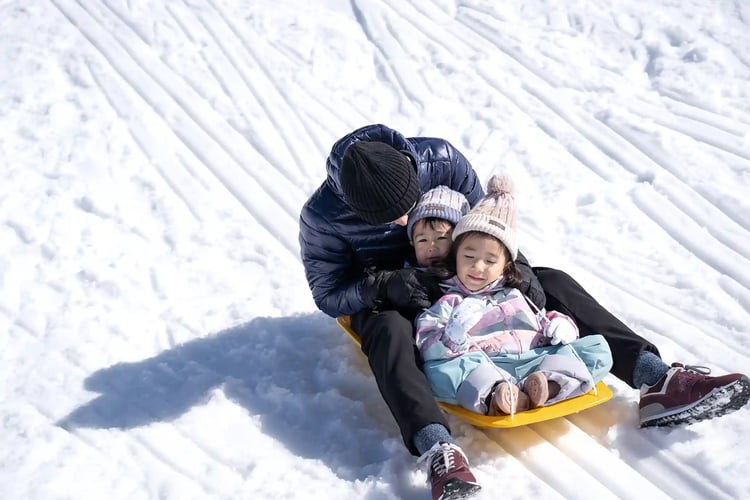
Hokkaido’s winters bless you with some of the driest powder snow on earth. With remarkably low moisture content, the snow feels so feathery it won’t even pack into a ball in your hand. This beautifully dry powder doesn’t stick to your skis or board as you ride, delivering that floating sensation powder lovers chase—and making Hokkaido a coveted destination for riders from across the globe (*1).
The mountains here tend to be mid‑elevation with many gentle, forgiving faces, giving beginners room to build confidence while still offering steep pitches and tree runs that keep experts engaged. Natural hot springs are dotted around the foothills, so you can warm yourself to the core and recover deeply after your runs. Hokkaido is also home to numerous national and prefectural parks—Daisetsuzan and Akan‑Mashu among them—so the wilderness surrounding many ski areas is carefully protected.
For example, at Nukabira Gensenkyo Ski Resort within Daisetsuzan National Park, you glide through sweeping views of forest and lake, with popular courses running through stands of todomatsu and ezomatsu conifers (*2). This harmony with untouched nature is a key reason Hokkaido feels so special.
Resorts here also foster easy cross‑cultural exchange, with multinational dining scenes and English‑friendly services. Beyond skiing and snowboarding, you can fold in hot springs, local cuisine, and hands‑on cultural experiences—an all‑encompassing winter resort experience that sets Hokkaido apart.
Seasonality and How to Dodge the Crowds
Hokkaido’s ski season generally stretches from late November to early May, and each phase has a distinct flavor. Early season (mid‑November to mid‑December) feels almost magical as the snow begins to fall. Slopes are quiet, and accommodation rates are often gentler.
That said, in years with sparse early snowfall, openings can be delayed—so exercise care with very early bookings (*3). The peak period (late December to February) is often nicknamed “Japanuary,” when world‑class storms line up one after another. From early January through mid‑February, steady snowfall makes encounters with deep powder highly likely.
Crowding spikes around New Year’s and the Lunar New Year, when travelers from Japan and abroad converge and airfares and hotel rates hit their pinnacle. New Year’s week sees some properties sell out as early as summer (*1). The Lunar New Year period (typically January–February) brings another surge, especially from across Asia. Steering clear of those dates is a smart way to avoid crowds and price surges. If you’re set on peak season, early reservations and a relaxed, flexible plan are essential.
Spring snow (March–April) brings milder temperatures and more bluebird days—the contrast of blue sky and lingering snow is beautiful. While new snowfall eases, quality often remains good, and lift tickets and lodging trend more affordable.
Late March to early April can be ideal for quiet, long cruisers on uncrowded runs. To beat crowds at major resorts, look for paid “first tracks” programs that let you load lifts before official opening and carve untouched corduroy or fresh snow.
At Rusutsu, for example, a limited‑numbers early‑morning program runs on Sundays in January–February and during the New Year period; you can savor both freshly groomed pistes and, when conditions allow, deliciously deep ungroomed powder. If you don’t mind an early alarm, it’s well worth it.
In any case, when traveling in high season, book popular restaurants and rentals well ahead and structure your schedule to avoid the busiest days—small moves that make your trip much smoother.
Climate, Snow Quality, and What to Wear
Hokkaido is colder than you might expect—and that cold is exactly what creates such sublime powder. Mid‑winter average temperatures hover around −5°C in Sapporo, and days below −10°C are not unusual in inland areas like Asahikawa and Furano.
At elevation or in blizzard conditions, windchill can plunge to −20 to −30°C, and the wind can feel like pins on your skin. The cold can knock the breath from your lungs at first—but with solid layering, you’ll be perfectly comfortable and free to enjoy the day.
Think in layers. Start with moisture‑wicking synthetics or merino base layers, add an insulating mid layer like fleece or down, then finish with a wind‑ and waterproof shell. Mix thin heat‑tech layers and warmer mid layers, and add or shed as you move between indoors and out.
Keep your extremities happy. Winter boots should be waterproof and well‑insulated, with enough toe room to wiggle even in thick socks. Ski gloves with warm linings and waterproof inserts are essential; pack a spare pair and light liner gloves for drying breaks. Protect your face and neck with a neck gaiter or face mask to avoid frostbite.
Long trailing scarves get in the way when you ride—choose a snug, movement‑friendly face guard instead. Goggles are indispensable for eye protection, UV on sunny days, visibility in snowfall and wind, and added warmth. Double‑lens goggles fog less and handle temperature differentials better. Pair a balaclava with your goggles to keep your face comfortable.
Hydration matters even in the cold. You sweat and the air is dry, so you may not notice fluid loss; sip a glass of water before and after bathing to prevent dehydration. With the right layers and gear, you can focus on the joy of winter sports in Hokkaido’s harshest cold—safely and comfortably.
Hokkaido Winter Activities: A Catalogue
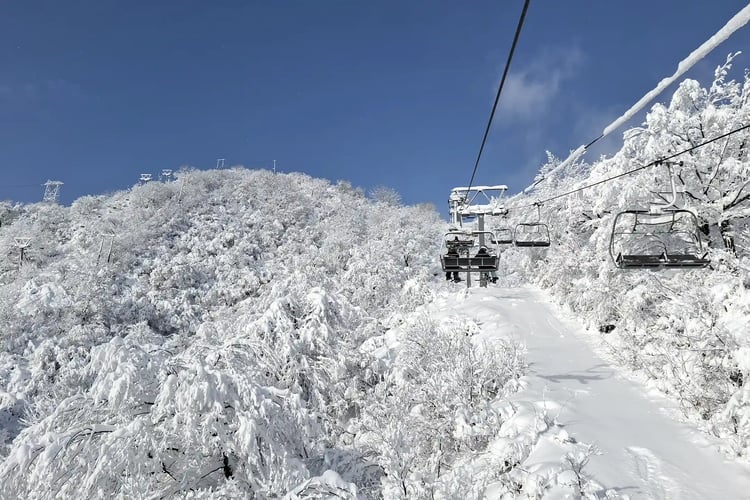
Hokkaido—the holy land of winter sports—offers far more than skiing and snowboarding. Here are wide‑ranging, nature‑based activities, grouped by theme. Mix in energetic snow play, quiet immersion in nature, encounters with wildlife, and cultural experiences—whatever suits your style.
Skiing and Snowboarding
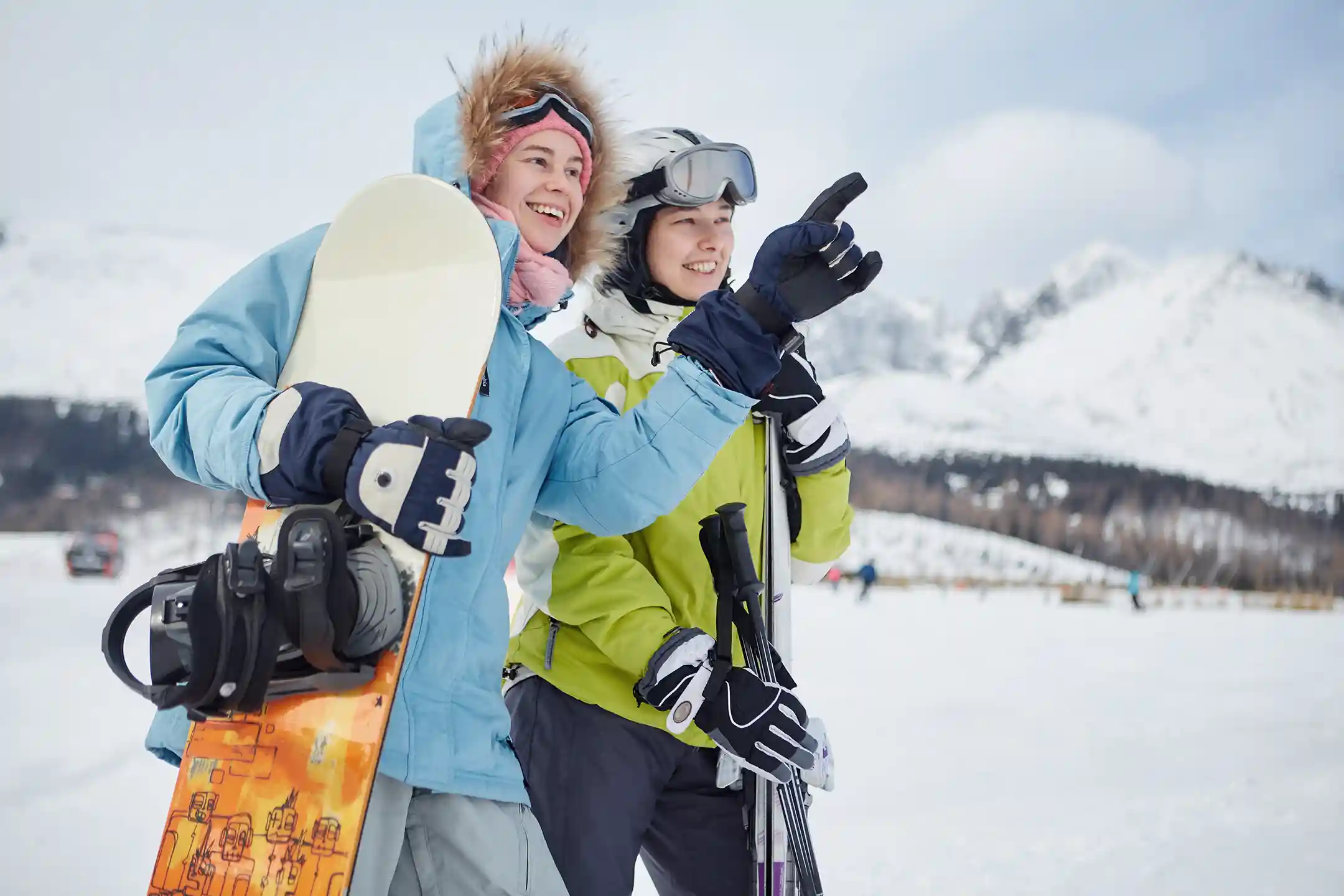
In Hokkaido, the headliner is truly world‑class powder. You’ll find both groomed pistes and ungroomed zones. On groomers, enjoy the crisp rhythm of carving; in ungroomed areas, plunge into feather‑light powder and feel that float. At major resorts like Niseko and Rusutsu, the snow is so dry the spray doesn’t cling, and you can keep a clear view while you glide.
Rusutsu in particular is blanketed by exquisite powder with roughly 5% moisture content, and sprawls over three mountains with 37 courses and a total of 43 km of runs (*1). From first‑timer to expert, the terrain mix satisfies all comers.
Some resorts (like Niseko) use a gate system to control access to off‑piste tree zones for advanced riders. Rusutsu’s “Sidecountry Park” preserves natural contours and forested undulations for a challenging, ungroomed playground that wins over even hardened experts.
At the same time, every major resort offers generous beginner areas and kids’ parks, so your first‑time friends and family can relax. When choosing terrain, look for “Family Course” or “Forest Course” for gentle, wide slopes if you’re new. Intermediates can push skills on long cruisers with varied pitch and classic mid‑angle walls.
Advanced riders can test themselves on ungroomed steeps, tree runs, banks, and natural drops. English‑language ski schools and private lessons are plentiful. Niseko and Tomamu, for example, have many Australian and Western instructors who offer clear guidance in English, and group lessons often include classes tailored to international visitors.
As you progress, you might branch into heli‑skiing or cat‑skiing tours that shuttle you higher by snowcat. First, build solid fundamentals on the resort—and then go lay your own line across untouched snow for a rush you’ll never forget.
Cross‑Country Skiing and Snowshoeing
If you want to slow down and savor winter at ground level, try cross‑country (XC) skiing or snowshoeing. Cross‑country uses narrow skis and specialized boots to glide across flats and gentle hills—fantastic aerobic exercise.
Slip through silent forests, engage your whole body, and find your rhythm as the landscape wraps around you. At Lake Shikaribetsu (然別湖), for instance, unique XC tours cross the frozen lake—and afterward you can slip into an open‑air bath set up on the ice for a one‑of‑a‑kind soak (*2).
Snowshoe hikes offer a different kind of quiet joy. Step into a snow‑covered primeval forest and the only sounds are your steps and the whisper of trees. Spot prints from Ezo squirrels and hares, admire rime ice on branches—little discoveries abound.
Join a night tour for a star‑filled walk: with minimal light pollution and crisp winter air, the stars burn remarkably bright. On pre‑dawn outings, you may catch the snowfield glowing pink in the sunrise.
Don’t forget your camera. To photograph snow, bump your exposure compensation up to prevent underexposure, and keep spare batteries warm in an inner pocket. Guided tours sometimes offer tripod rentals and insider spots for the best shots.
XC and snowshoeing suit nearly all ages. Choose distance and difficulty to match your energy, and take time to appreciate winter Hokkaido’s calm and motion in balance.
Dog Sledding and Snowmobiling
If you crave wide‑open exhilaration, dog sledding and snowmobiling are a perfect pair. In dog sledding, teams of dogs pull a sled while the musher guides them with voice and weight shifts. You can experience it around Furano, Tokachi, and Abashiri, including full tours that run 10 km or more.
On the Tokachi Plain, for example, you can try a 12 km course, with night runs under starry skies and trips combined with winter camping. After dashing with your team, gather at a bonfire for a hot drink or warm up in a cozy sauna hut (*3).
While it looks technical, a thorough briefing covers braking and turning, and the key is building trust with your dogs—using cues like “Hike!” (go) and “Easy!” (slow) to move together. The dogs love to work, and crossing the finish line as a team is pure joy.
Snowmobiles—engine‑powered sleds—let you skim across snow with simple throttle and brake controls. Start with an easy, flat practice loop, then move on to guided tours through forests and rolling hills. Avoid hard acceleration and abrupt turns, and keep safety first.
Guides ride front and rear to set a comfortable pace and maintain spacing, so you can relax. To reduce your footprint, stick to designated routes and, when possible, choose operators that use low‑noise, low‑emission four‑stroke machines. Electric snowmobiles are on the horizon, promising even quieter, greener rides.
Whether with huskies or horsepower, laying your own track across a blank snowfield is a thrill like no other. Do it under professional guidance and enjoy it safely.
On‑the‑Ice Experiences
Hokkaido’s winter also unlocks a world of ice you won’t want to miss. Frozen waterfalls, called hyōbaku, are otherworldly. In Sounkyo, the Ice Waterfall Festival runs January–March, when massive ice sculptures and tunnels freeze solid and glow under evening lights. Walking through icy corridors, visiting the ice “shrine,” and viewing the icy falls from lookout decks feels like stepping into winter art (*4).
In eastern Hokkaido, many lakes freeze entirely, making ice fishing for wakasagi (pond smelt) a beloved pastime. On lakes like Akan and Kanayama, you drill a hole, sit cozily in a heated tent, and catch petite wakasagi—some tours even tempura‑fry your catch on the spot. The simple act of fishing through a hole in the ice on a vast white lake delights both kids and adults.
Along the Okhotsk coast, try a drift‑ice walk. Wearing a special waterproof drysuit, you step out onto the frozen sea to stroll across packed ice and even float among the floes. In the Utoro area of the Shiretoko Peninsula, 90‑minute tours outfit you head to toe; you’ll stay dry and warm with plenty of buoyancy (*5).
Tours are canceled in rough conditions, but when the weather cooperates, you can crunch across the brilliant ice field—and if luck smiles, spot a seal. In these pursuits, warmth is your lifeline. Keep fingers and toes cozy with warmers and thick socks, and avoid bare skin.
Guided tours enforce strong safety protocols; on drift‑ice walks, everyone carries a radio and whistle for emergencies. Because you’re dealing with nature, don’t freelance—follow your guide. Savor the hush, the beauty, and the tingle of risk that only a subzero world can deliver.
Winter Wildlife Watching
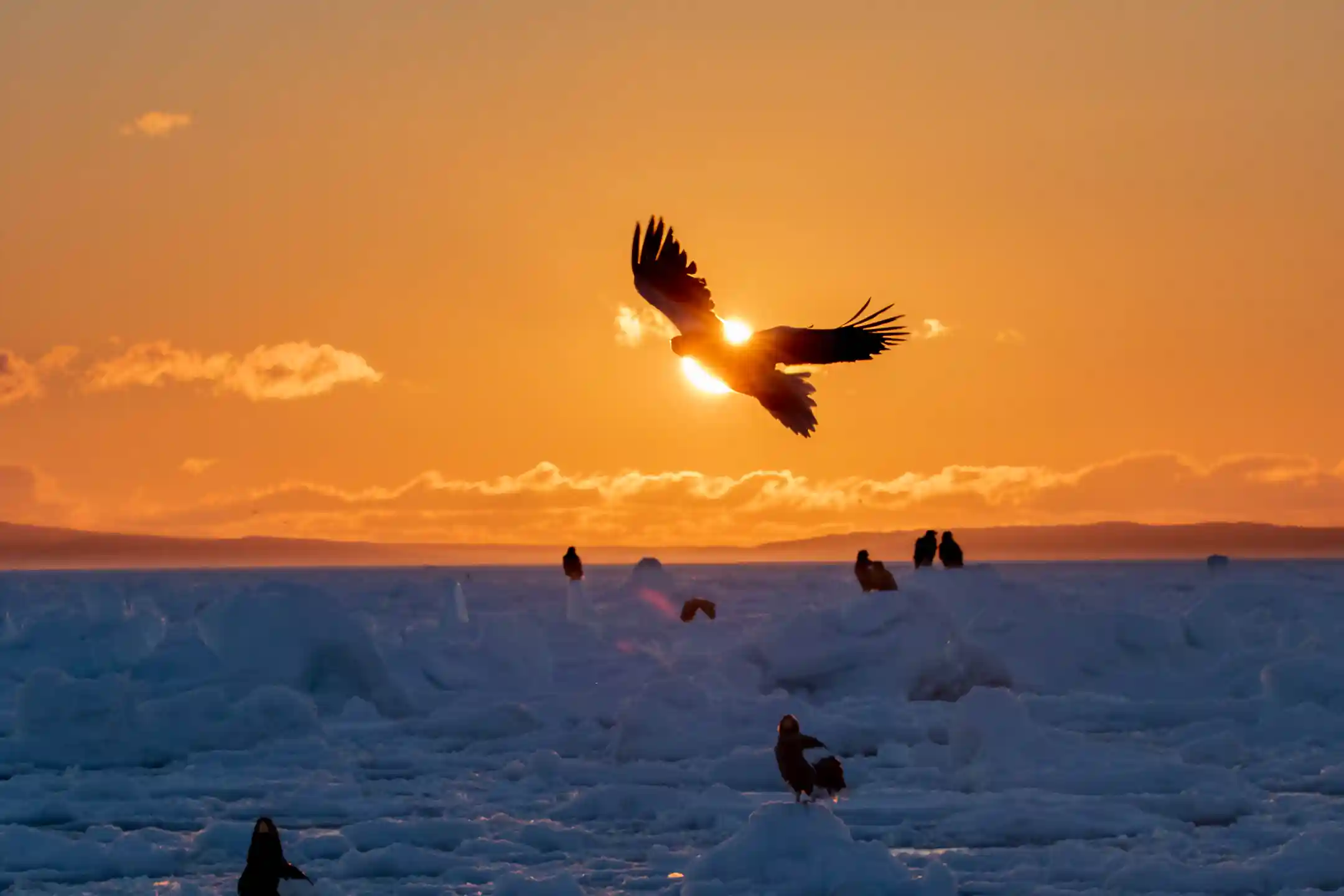
Winter in Hokkaido offers unforgettable wildlife encounters. Red‑crowned cranes dancing on the Kushiro Marsh, white‑tailed and Steller’s sea eagles along the drift‑ice shores of Shiretoko, Ezo deer bounding across the snows of Furano and northern Hokkaido—the list goes on. A few courtesies make for better, safer viewing.
First, keep your distance. Shiretoko promotes a “Distance Campaign” to encourage respectful space between people and wildlife (*6). Bring high‑magnification binoculars or a telephoto lens, and aim to stay at least 50 m away. Large raptors and brown bears are especially sensitive; crowding them causes stress and can, in the worst case, lead to accidents.
Second, be quiet. Avoid loud voices and sudden noises, and never use flash. In low‑light dawn and dusk, switch to silent shutter modes if possible.
Third, leave no trace. In national parks, the ethos is to carry everything out. On snow, even a candy wrapper stands out starkly—pack it out.
Never feed animals or coax them toward people. Ezo deer and foxes sometimes appear roadside; do not feed them, and avoid pulling your vehicle too close. A guided tour is often the best way to see wildlife safely while learning about behavior and habitats—guides can even read tracks and scat to find animals.
Witnessing how wildlife endures Hokkaido’s fiercest season deepens the awe of your trip. Remember you’re the guest in their home; humility today helps preserve this richness for tomorrow.
Culture and Craft Experiences
Balance your snow days with culture and craft that warm the spirit. Otaru is famous for glasswork, its historic ateliers scattered around town. At the Taisho Glass Pavilion along the canal, you can try a full‑fledged glassblowing session to create your own glass or vase. In a century‑old stone warehouse studio, you’ll feel like an artisan as you blow and shape molten glass. Pieces require slow cooling for a day or more—but shipping from the studio is available.
Shorter options include making tonbo‑dama glass beads or kiln‑fused accessories from colorful glass fragments (*7). These take as little as 15 minutes and are suitable for children, perfect for fitting between runs. In the Asahikawa–Higashikawa area, woodworking flourishes.
Asahikawa, renowned for furniture, hosts workshops where you carve wooden spoons or coasters—surrounded by the warmth and scent of timber as you craft a one‑of‑a‑kind keepsake. In Shimukappu/Tomamu, you can try woodcrafts inspired by traditional Ainu patterns.
For dyeing, try plant‑dyed handkerchiefs using Furano‑grown lavender—watching the fabric take on a soft purple is like capturing summer fields in cloth. For a winter‑only Japanese cultural experience, consider tea ceremony with snowy views.
In traditional homes turned cafés in Sapporo and Otaru, programs let you experience matcha preparation. Sit on tatami, listen to the kettle murmur, and savor matcha with seasonal sweets—the hush of a snow country afternoon pairs beautifully with the wabi‑sabi spirit.
Otaru also invites you to build your own music box. Combine a movement with your favorite tune and glass ornaments, and take home a singular melody as a memory. These hands‑on moments let you rest your ski‑weary legs and sink into creativity—souvenirs that bring the winter landscape back to you whenever you look at them.
Snowfield Mindfulness
For a different kind of luxury, reset your mind in Hokkaido’s great outdoors. Stand on a white, open field and everyday noise falls away until you hear only your breath. That’s your cue to practice mindfulness—being fully present in the moment.
Begin with breath. Draw the cold air in slowly through your nose, noticing your lungs fill with winter crispness. Exhale a thin, warm stream from your mouth and watch your breath dissolve into the air. Repeat a few times, and feel your heart rate settle and your thoughts clear.
Then try a short standing meditation on the snow. In a quiet forest, close your eyes and focus on sensations at the soles of your feet and deep in your core. If the cold tightens your muscles, don’t push—start with a couple of minutes. Pull up your hood and tune into sound—the wind far off, the faint creak of trees. With sight muted, your attention turns to the atmosphere around you and within, anchoring you in the present.
A “silent walk” is another lovely practice. Move single‑file without speaking, through the woods at an unhurried pace. Hear your steps compressing snow, hear the wind braid through the trees, and feel the chatter in your head quiet down. If your mind drifts, bring it back to the texture of the snow underfoot.
Around Niseko, early‑morning wellness programs include snow yoga, silent hikes, and guided mindfulness. As a global luxury destination, Niseko now weaves wellness—luxury spas, snow yoga, and meditation—directly into many itineraries (*8).
After a satisfying day on skis, a pocket of silence to gather yourself feels exquisite. Sharpen your senses and let yourself merge with the snow; you’ll feel energy rise from within. With Hokkaido’s healing nature, give yourself the gift of a few mindful moments between adventures.
Comparing Major Snow Resorts for Hokkaido Winter Activities (Niseko, Rusutsu, Furano, Kiroro, Tomamu, Asahidake)
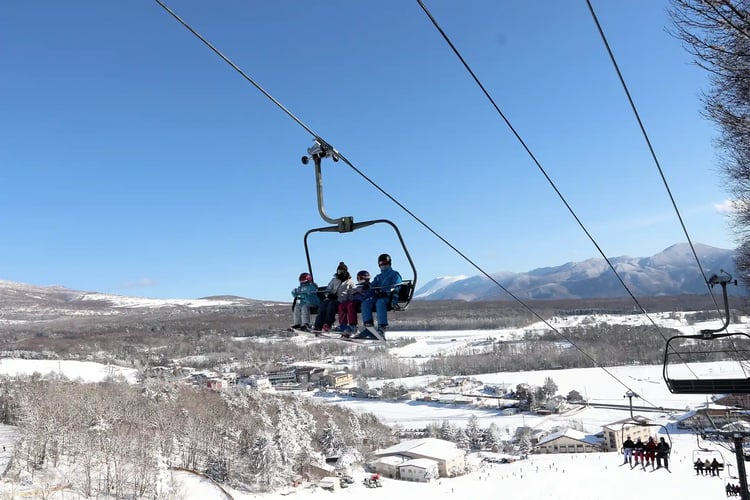
Hokkaido’s ski resorts each have their own personality—snow quality, scale, atmosphere, and best‑fit audience all differ. Below we compare six leading areas (Niseko, Rusutsu, Furano, Kiroro, Tomamu, and Asahidake): their character, lodging and dining appeal, crowd patterns, family‑friendliness, plus whether they offer night skiing or first‑tracks programs. Use this to match your ideal resort to the way you like to travel—and to choose the hokkaido winter activities that fit your style.
Niseko
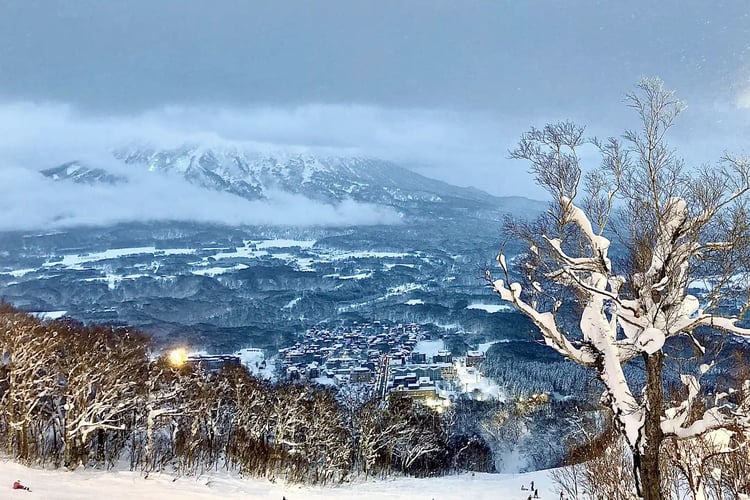
Niseko is Hokkaido’s global icon of powder snow—a resort that needs no introduction. Four ski areas spread across the Niseko range below Mt. Yotei, interlinked as “Niseko United.” The snow is extraordinarily dry—so dry you can’t pack it into a snowball by hand (*1).
Every winter, powder hunters from around the world gather here, and “Japow” has cemented its legend. Yet it’s not just about powder—Niseko’s size and diversity matter. From family‑friendly gentle slopes to ungroomed runs in the trees and controlled gates into backcountry terrain, there’s something for every level.
A unique “Niseko Rule” gate system manages entry into natural snow zones, allowing safe off‑piste experiences if you follow the rules. In January–February, when the gates open after heavy snow, you may leap into chest‑deep powder—paradise for advanced riders. Meanwhile, meticulously groomed courses and high‑speed lifts and gondolas keep everyone moving.
Dining is strikingly international. In the Hirafu base area, beyond excellent Japanese cuisine and sushi, you’ll find Australian‑run cafés, European‑style bars, and a global mix of restaurants—everything from Michelin‑starred fine dining to casual food trucks. Niseko is, in every sense, a world‑class, all‑around resort.
Rusutsu
Rusutsu lies about 90 minutes southwest of Sapporo and forms one of Hokkaido’s largest all‑season resorts across three mountains. Winter brings 37 courses and 43 km of runs, with powder every bit as dry and delicate as Niseko’s.
Rusutsu’s snow averages around 5% moisture—exceptionally light and coveted by skiers and snowboarders worldwide (*1). The terrain balance is roughly 20% beginner, 40% intermediate, and 40% advanced—an easy co‑existence of families and experts.
Beginners can settle into expansive gentle zones at the base of West Mt., complete with dedicated sledding areas. Advanced riders gravitate to the ungroomed steeps on East Mt. and Mt. Isola, especially the famed tree runs. Threading birch forests along natural undulations is a singular joy that keeps powder lovers returning.
The resort is wide yet compactly organized, with hotels and even an amusement area integrated—step from your hotel into the gondola and hit first lifts in minutes. On‑site restaurants and shops keep everything seamless.
Stays range from upscale—The Westin Rusutsu Resort—to more casual cottages. Dining is robust; at the on‑mountain “Isola 2000” restaurant, you’ll even find a signature “gelande sushi” made with Hokkaido ingredients (*4).
Overall, Rusutsu rivals Niseko in scale and snow quality while often feeling less crowded. It’s a generous, easygoing choice where families and experts alike can sink into Hokkaido’s winter on their own terms.
Furano
Furano sits near Hokkaido’s center, known for grand scenery and excellent snow. The ski area has two linked zones (Furano and Kitanomine) with 23 courses—comparable to major Honshu resorts.
The hallmark here is balance: roughly 80% of terrain is beginner and intermediate, with many friendly slopes around a 15° average pitch (*2). Wide, mellow family courses are perfect for practice; medium‑angle runs through the trees add fun undulations for intermediates.
Layouts make clever use of the terrain: forested rollers, a long downhill with sweeping views of the Tokachi range and Daisetsuzan—you’ll never be bored. A gondola and ropeway take you to the top, where 4 km long‑runs await.
Despite its accessibility for newcomers, Furano has serious chops. It has hosted FIS Alpine World Cup events ten times and Snowboard World Cup races as well, so the quality of grooming and high‑speed courses has top‑athlete credibility. Some controlled ungroomed zones allow in‑bounds powder laps after fresh snow.
While not as crowded as Niseko, you may see lift lines around New Year’s and during February holiday weekends. Once you’re on the hill, the terrain absorbs people well, and you can cruise in comfort. Furano earns its reputation as an all‑rounder, satisfying families, couples, and performance‑minded skiers alike.
Kiroro
Kiroro lies about 40 minutes by car from Otaru, tucked in the mountains of Akaigawa. It’s quieter and a bit more under‑the‑radar than Niseko or Rusutsu, yet its deep snowpack and stillness are standout. Kiroro often runs from late November to early May, with top‑tier snowfall and base depths between December and February.
With low temperatures and some of the driest air in Hokkaido, the snow stays consistently fresh and powdery—light as down and resistant to sticking to your bases—so even non‑experts can enjoy deep turns (*1). There are 22 courses across two peaks (Nagamine and Asari), with a strong reputation for quality ungroomed terrain.
Kiroro also manages designated backcountry access for advanced riders, and guided powder tours help you claim immaculate first tracks. Meanwhile, the grooming is excellent, keeping beginners and families comfortable.
One of Kiroro’s quiet luxuries is the relative lack of crowds versus Niseko. Even as international visitors grow, lift queues are rare, and weekdays can feel like you have the hill to yourself. The self‑contained mountain setting trades flash for calm.
Lodging leans upscale—Club Med Kiroro Grand/Kiroro Peak, YU Kiroro—complete with superb spas and indoor pools. Open‑air baths with sweeping snowy views and treatments using Hokkaido botanicals feel wonderfully indulgent.
Restaurants span Japanese, Western, and Chinese, featuring seafood from nearby Yoichi and vegetables from Akaigawa. There’s no night skiing here; in exchange, the starry sky shines bright, and night snowshoe tours are often on offer. Kiroro is a grown‑up hideaway for those who want exquisite powder and gracious service without the bustle.
Tomamu
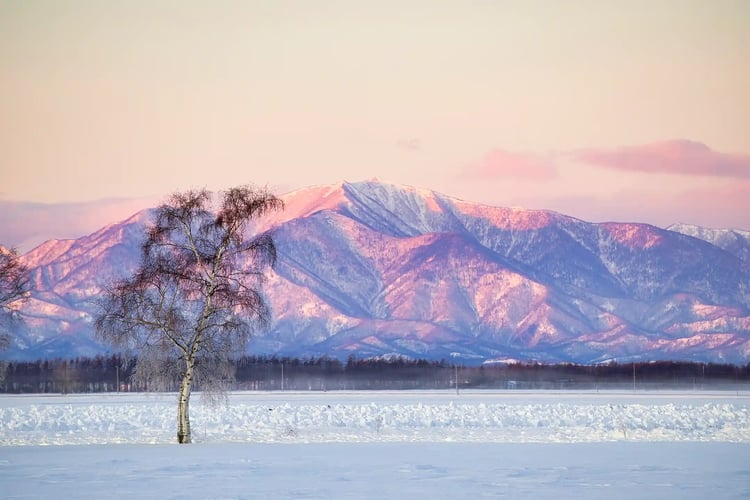
Tomamu sits near the center of Hokkaido in Shimukappu Village, a fully integrated resort created by Hoshino Resorts. Two landmark towers (The Tower and RISONARE Tomamu) anchor a compact campus of slopes, dining streets, pools, and a seasonal “ice village.”
There are 29 courses, many of them gentle forested runs and broad cruisers tailored to beginners and intermediates. With mid‑winter temperatures diving to −30°C, the snow is exceptionally dry—often nicknamed “silky snow”—offering some of Japan’s most refined glide (*1). Even if you take the occasional tumble, the fluffy snow softens the landing.
Advanced riders get their fix on select ungroomed steeps when snowfall allows and expert zones open. Tomamu’s signature appeal, though, is the wealth of indoor/outdoor activities. The 80‑meter‑long “Minamina Beach” indoor wave pool brings a tropical grin to the coldest months.
Each winter the “Ice Village” appears, with a church, bar, and slides sculpted from ice and lit up at night for a dreamlike scene. Sip a cocktail in a glass carved from ice or book a unique open‑air bath on the ice.
Kids love “Nipo no Mori,” a snow playground with snow rafting and adventure stations, and there’s daycare, on‑snow children’s lessons right by the hotel, and a free shuttle to/from JR Tomamu Station—details that make family trips feel effortless.
Dining spans everything from Japanese and Western to a dessert buffet concept and a food‑court‑style “Foresta Mall,” so everyone in your crew stays happy. For advanced skiers, guided backcountry routes in the surrounding hills offer views of the Hidaka Mountains and deep‑pow lines when conditions line up. Tomamu is one of Hokkaido’s most worry‑free choices—safe, comfortable, and full of variety.
Asahidake and Higashikawa
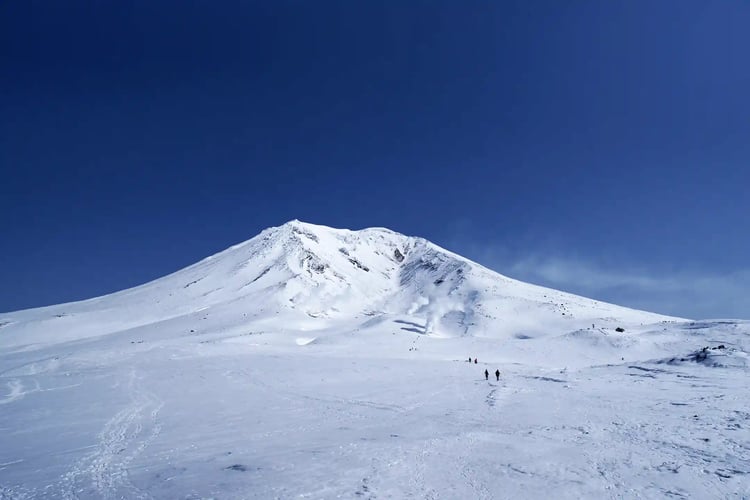
For advanced riders, Asahidake and the adjoining town of Higashikawa deliver the ultimate powder experience. Asahidake is Hokkaido’s highest peak (2,291 m) within Daisetsuzan National Park, and a ropeway whisks you to roughly 1,600 m from the hot‑spring base.
Above the ropeway, you enter a largely ungroomed alpine field; standard resort‑style grooming is limited. This is a realm of rime‑coated trees and volcanic contours—freeride and backcountry terrain where you move at your own risk.
Snowfall and quality are arguably the best in Hokkaido, with waist‑ to chest‑deep powder common in mid‑winter. The flip side is risk—rapid weather changes and avalanche hazards are real. While Asahidake’s snow and steeps are a dream for experts, touring with an experienced mountain guide is strongly recommended (*2).
Down in Higashikawa, nicknamed “the town of photography,” you’ll find stylish cafés, galleries, and craft shops. A handful of mountain‑lodge‑style inns sit in Asahidake Onsen, where iron‑rich, reddish waters warm you through after big days.
Higashikawa is only about 15 minutes by car from Asahikawa Airport, so—on the right timing—you could even ride the ropeway for a quick lap on arrival day. Because Asahidake is truly wild, check avalanche forecasts, file a mountain plan when required, and align closely with your partners before you go.
While Asahidake itself caters to experts, a small beginner‑friendly area near the ropeway base sometimes operates (※ varies by operating year), making snow play possible for families. Guided snowshoe tours and wildlife watching also run in the area—diverse winter adventures with a guide’s safety net.
For expert skiers and snowboarders, Asahidake and Higashikawa offer a once‑in‑a‑lifetime rendezvous with the deepest powder imaginable.
Post‑Ski Wellness (Onsen, Sauna, Spa, Meditation)
After a full day on snow, let Hokkaido’s hot springs and saunas restore your body, and use spa treatments and mindfulness to settle your mind. From the essentials of onsen therapy and sauna routines that leave you perfectly refreshed, to spa experiences using regional botanicals and an evening wind‑down for deep sleep—here’s how to elevate your après‑ski wellness.
Onsen Therapy Basics
Onsen is non‑negotiable on a Hokkaido winter trip. Start smart: don’t plunge straight into the bath when you’re chilled from the slopes. First ladle warm water over your hands and feet to ease your body into it, gradually raising your temperature.
Drink a glass of water before bathing; you may not feel sweaty in winter, but soaking can be surprisingly taxing. Hydration before and after is a golden rule to prevent light dehydration (*1).
Begin with a half‑body soak to reduce strain on your heart, then move to a full soak as you acclimate. Keep the first dip to 5–10 minutes, step out and rest, then lengthen subsequent soaks as you check in with your body.
To avoid dizziness when exiting, stand slowly. Consider reserving private baths if you want a quiet soak with family or a partner—or if you feel shy about public bathing. Many luxury inns in Hokkaido even have private open‑air tubs attached to guest rooms, so you can have your own snow‑view bath.
After bathing, dry off thoroughly and rest in a warm lounge before heading outside; in the cold, your body temperature can plummet quickly. Sip another glass of water post‑bath. These small practices boost recovery and help ease next‑day soreness. Follow the basics and onsen will reset you beautifully.
Sauna and Cold‑Air Bathing
Japan is in the midst of a sauna renaissance, and Hokkaido’s hotels and onsen have embraced it. A post‑ski sauna boosts circulation and helps ease muscle fatigue—when you use it well, you reach that blissful, clear‑headed state called “totonou.”
Many facilities offer Finnish‑style löyly: pouring scented water on hot stones to raise the perceived temperature with a burst of steam. Some host “aufguss,” where staff fan the heat with towels. If it’s a self‑löyly sauna, ask those around you before pouring and follow house etiquette. Some facilities also designate “silent time,” where everyone keeps quiet for 10 minutes each hour to deepen focus.
After a good sweat, cool down in a cold bath and then rest outside in the bracing air. Hokkaido’s winter makes open‑air recovery a thrill; many facilities have outdoor spaces with chairs so you can savor the temperature shift. The cold air contracts capillaries, your blood flows anew, and you feel wonderfully refreshed.
Dry your hair before stepping outside so it doesn’t freeze. Private saunas are increasingly available by reservation; you can choose your favorite aroma water for löyly and even play your own music—pure sauna luxury.
Rehydrate well with water and electrolytes, and avoid rushing straight into activity. A generous sauna cycle—sauna → cold plunge → open‑air rest—can smooth your nervous system and set you up for deep sleep.
Spa and Aromatherapy
Cap your trip with a high‑quality spa treatment—a gift just for you. Many Hokkaido resort spas now craft distinctive menus with local ingredients and Japanese sensibilities.
At a luxury resort on Lake Shikotsu, the concept is “treatments that heal mind and body using Hokkaido’s nature and natural materials” (*2). Think botanicals, seaweed, and peat—treasures of Hokkaido—woven into facials and bodywork that coax out your skin’s innate strength.
At Aranya Spa inside Hilton Niseko, original essential oil blends harness the restorative power of Japanese plants, tailoring each session to you (*3). Wrapped in scents like lavender, white birch, and rugosa rose from Hokkaido’s fields, you can feel yourself unwind from the core.
Honor the quiet moments around treatment, too. Warm your body from within with herbal tea beforehand and take a few slow breaths of the aroma. During your session, let your therapist lead and rest in the sensation of knots releasing.
For winter‑parched skin, rich oil treatments deliver deep hydration. Indulge in Hokkaido’s natural bounty and let spa and aromatherapy pamper you—because you’ve earned it.
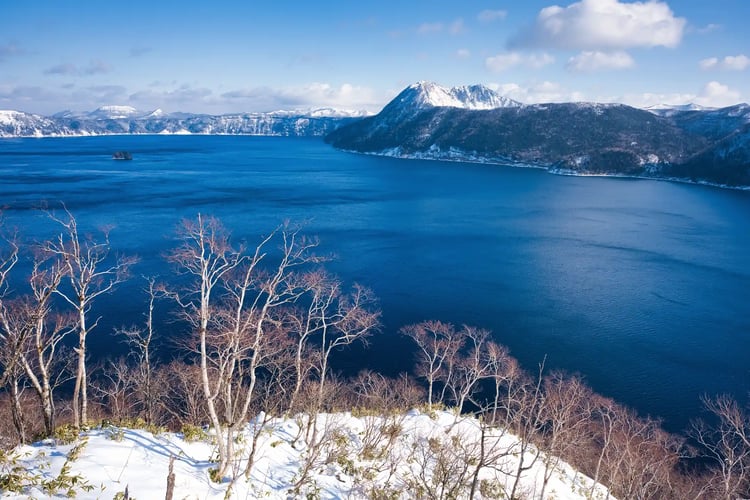
Where the wilderness opens further

Finally: Plan Your Hokkaido Winter Activities
Winter in Hokkaido overflows with experiences you can’t possibly exhaust in a single visit. Let yourself sink into premium powder, relish that contented fatigue eased by hot springs and good food, then lift your eyes to a crystalline night sky. Each of these moments is a gift you give yourself for everything you take on in daily life.
Use this guide to sketch your own luxurious winter itinerary. Hokkaido’s nature and hospitality will warm and rebalance you—body and mind. Your extraordinary season of hokkaido winter activities is waiting.