If you plan to see Japanese swords on a trip, the word tamahagane is one you will meet, and one worth being able to explain. It is the steel traditional swordsmiths forge their blades from, and most of it comes from a furnace in Shimane Prefecture that is lit only in winter.
This article covers three questions. What is tamahagane, and is it as special as the word suggests? How is it made, and what happened to the people who made it? And where in Japan can you see the steel or the swords it became? Two other subjects belong to articles we have already published: the parts of a katana and the polishing of the blade. The sources are museum essays, Japanese government panels and press releases, tests reported by a site that examines knife steels, and an interview we published with a sword polisher. We read them on 15 November 2026. Where a point is our own reading, we say so.
What Is Tamahagane? Japanese Sword Steel From Sand and Charcoal
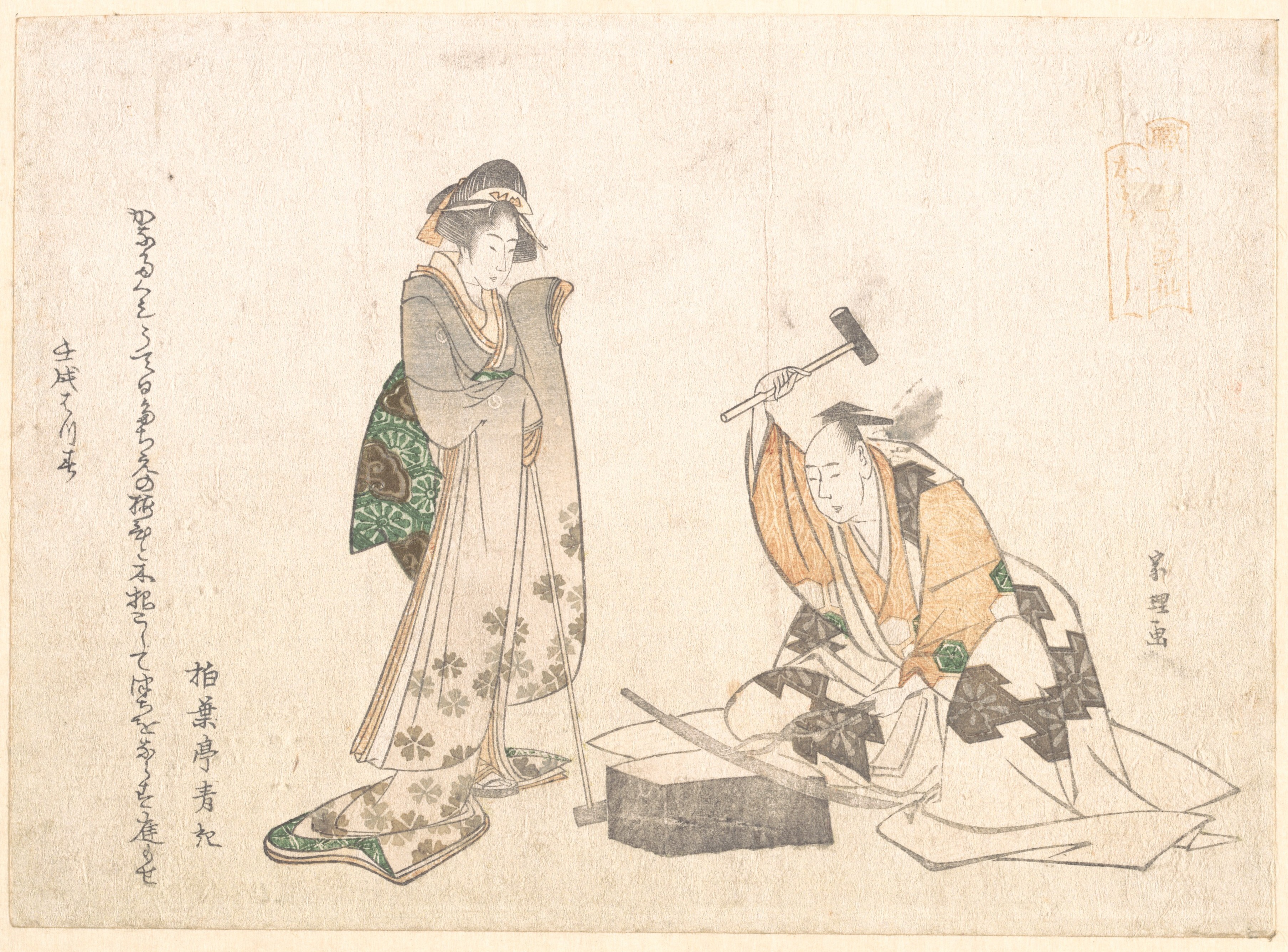
Tamahagane (玉鋼) is steel made from iron sand and charcoal in a clay furnace called a tatara. The Metropolitan Museum of Art puts it the same way in its essay on how a Japanese blade is made: tama-hagane is steel produced in a tatara smelter from iron-rich sand, and smiths who make swords in the traditional manner still use it.
What is special about tamahagane steel? The sources give two different kinds of answer. The first is official. In a 2024 press release, Shimane Prefecture describes tamahagane production (tatara-buki), which the national government lists as a technique to be preserved. The release (in Japanese; the translation here is ours) says a Japanese sword gains its outstanding performance as a blade, and its artistic value, only when tamahagane is used. If other iron were newly adopted as blade material, it says, the traditional forging would be set aside and the character of an art sword such as old swords show would be hard to pursue.
The second answer is from Knife Steel Nerds, a site that tests knife steels. It reviewed the published tests and concluded: "At its best, tamahagane performs like other simple carbon steels." Shimane's statement covers performance and artistic value together; Knife Steel Nerds looks at the steel's properties. The sources do not reconcile them, and we do not either.
Satetsu and Charcoal: What Goes Into a Tatara
Two raw materials go in. The first is iron sand, satetsu (砂鉄). Knife Steel Nerds describes it as a naturally occurring form of iron, mostly magnetite, which is magnetic and so can be separated from other minerals with magnets. The Agency for Cultural Affairs' database entry on the Okuizumo landscape, in Japanese, says the area is rich in good-quality magnetite called masa satetsu. The Nihon Bijutsu Token Hozon Kyokai (NBTHK, the Society for the Preservation of Japanese Art Swords) says on its Information Corner page that its sand is carried from the San'in area and that its charcoal, tatara zumi, is specially produced for the tatara.
The charcoal does two jobs. Knife Steel Nerds explains that it reduces the magnetite to iron and also supplies the carbon that turns iron into steel. A Japan Tourism Agency panel text on the NBTHK's furnace gives the scale: each smelt there consumes roughly 10 metric tons of iron sand and 12 metric tons of charcoal.
Smelting iron sand is not unique to Japan. Knife Steel Nerds notes that Tim Zowada, a bladesmith and an author of one of the studies it cites, makes his own bloomery steel from Lake Superior iron sand. What the museum panel at Okuizumo calls unique to Japan is the tatara method, which it says produces a multi-ton mass of iron, slag and steel.
Kera: The Bloom Broken Open and Sorted by Eye
What comes out of the furnace is a kera (鉧), the bloom. A Japan Tourism Agency panel on the sequence from smelting to sorting says the kera holds a mixture of different grades of iron and steel, that workers break it into smaller pieces with drop hammers and other tools, and that the pieces are then sorted into grades, a step that "requires special expertise". Knife Steel Nerds describes the swordsmith's own sorting of the pieces by grade, which it says is determined by color and by the appearance of the fracture.
That raises a distinction worth carrying away. The Wakou Museum's panel calls tamahagane a high-grade steel, and the NBTHK says swords are made from the pieces of steel and iron that come out of the sorting. On our reading the whole lump is therefore not tamahagane, though no source we read says so in these words, and we did not find a figure for how much of a kera becomes tamahagane. For scale, the NBTHK records one kera, made in 1982, at about 2.5 tons. The steel is still uneven: the Met essay says tama-hagane "is full of impurities and lacks a consistent dispersal of carbon content". The swordsmith's folding, in the third section below, is the answer to that.
How Tamahagane Is Made: Three Nights at a Tatara
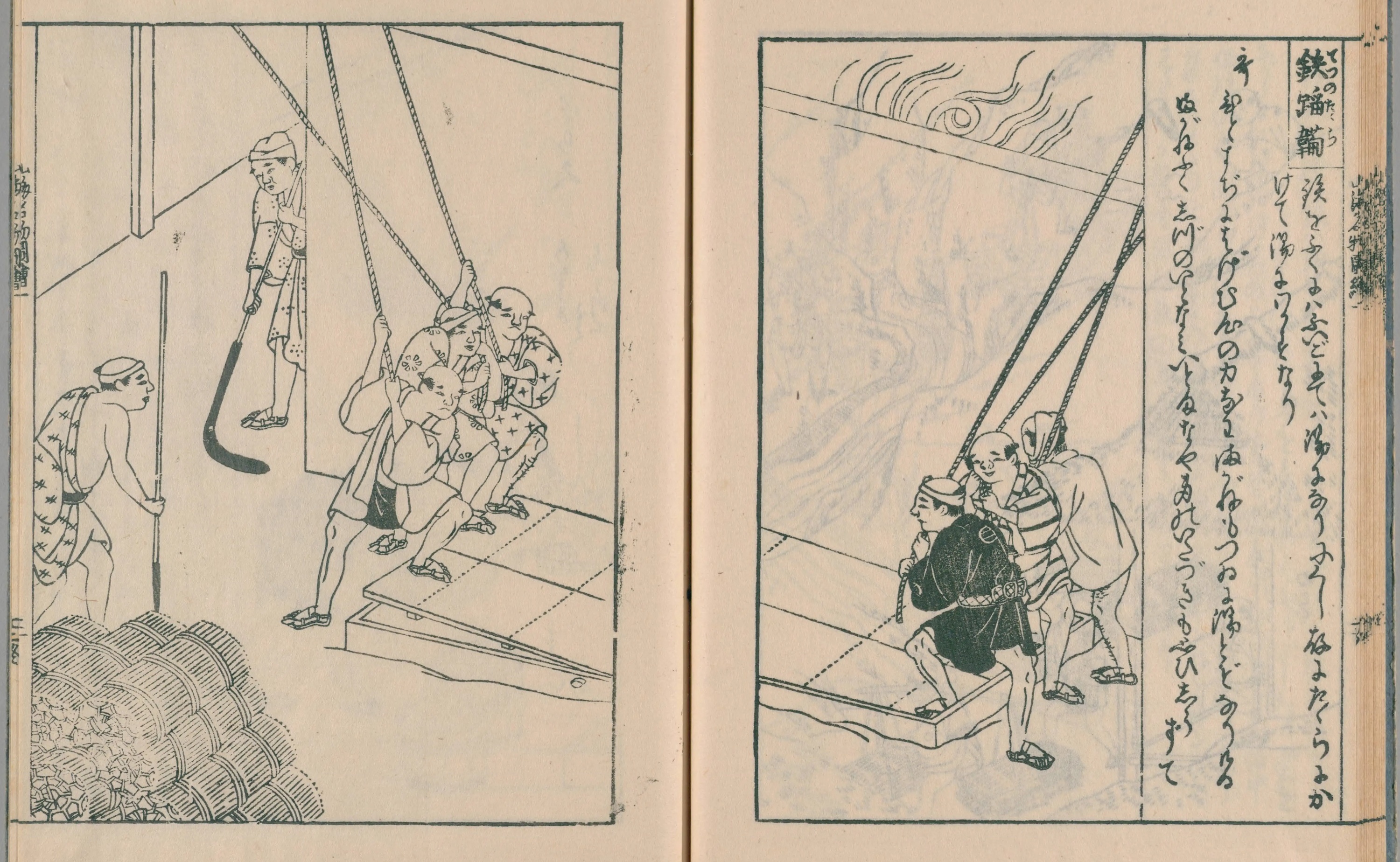
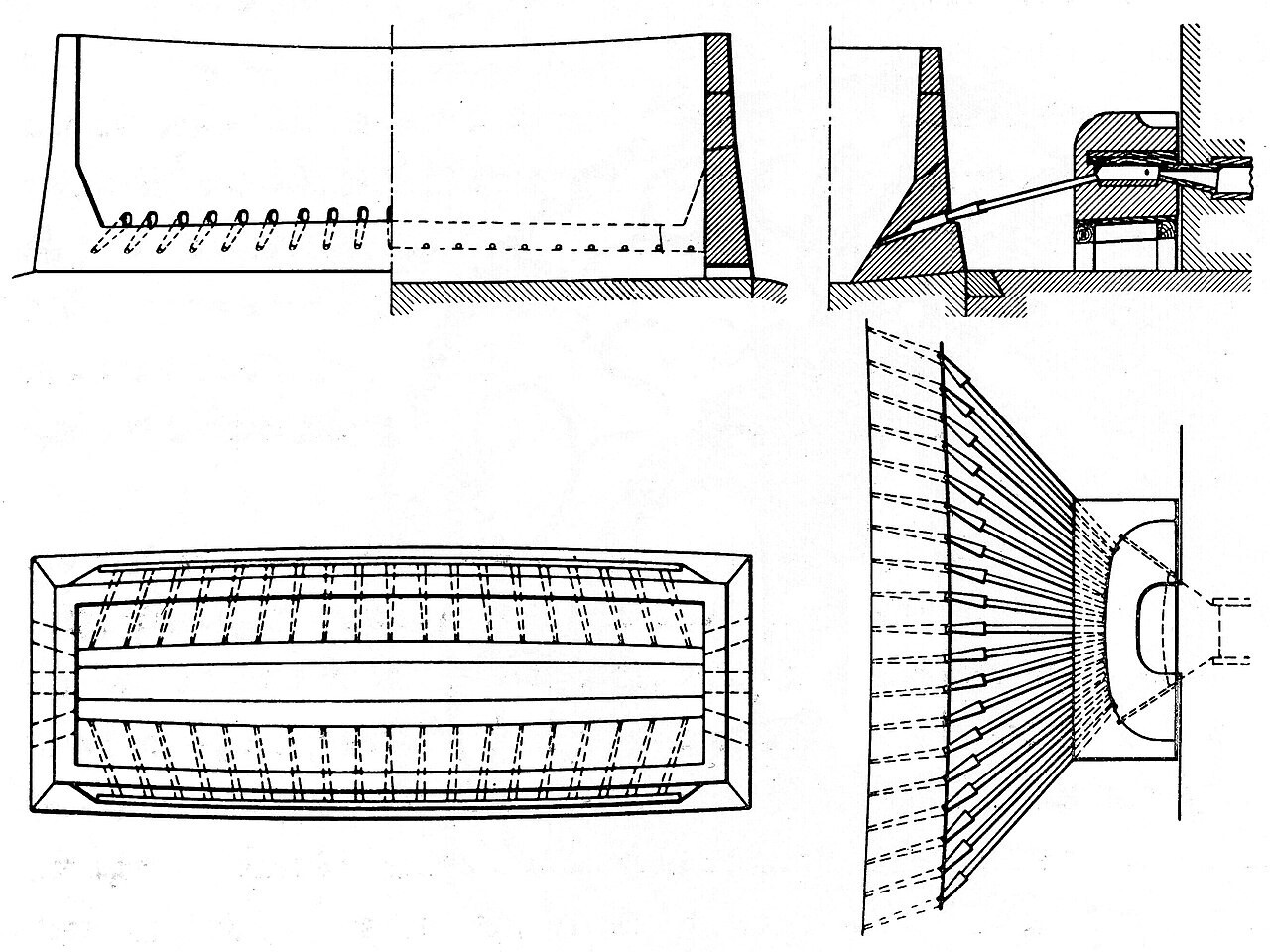
The Japan Tourism Agency panels describe one smelt in the order it happens. Before any smelting, workers burn piles of logs at the spot that will become the bottom of the furnace and pound the ash with long rods, which makes a dense, carbon-rich layer that helps keep moisture out. Then they build the clay furnace, fit bamboo pipes that connect it to the bellows, and fire it dry. Nearly 4 metric tons of clay go into each new furnace, and a new one is built for every operation.
Once the clay is dry, three days of smelting begin. The crew works nonstop and adds iron sand and charcoal roughly every 30 minutes. Slag drains from channels at the base. On the morning of the fourth day the furnace is demolished and the still-glowing kera is dragged out to cool. The clay is part of the chemistry: the panel says melted clay reacts with the molten iron and carries impurities away as slag, so the clay's quality affects the metal's purity.
Nittoho Tatara: The Furnace Still Lit Each Winter
The furnace is the Nittoho Tatara in Okuizumo, Shimane Prefecture, operated by the NBTHK. The Japan Tourism Agency panel says the smelt there runs for 70 hours: "Three complete operations of the furnace are performed every winter." The NBTHK gives the reason for winter: "Moisture is the adversary of the Tatarabuki method of steel manufacture." The furnace is operated when moisture levels are lowest and uses an underground structure with air ducts to draw moisture out.
Its recent history is in the NBTHK text. The page says the method was discarded after modern steel manufacturing was introduced in 1925, that wartime demand for military swords led to the founding of the Yasukuni Tatara in Okuizumo in 1933, and that this tatara closed after Japan's defeat in 1945. The NBTHK was founded after the war, took responsibility for the Yasukuni Tatara in 1976, and "has revived the Tatarabuki method of steel production by utilizing the underground structure of the former Yasukuni Tatara". The Japan Tourism Agency's present-day panel says the fires were rekindled in 1977 after being extinguished for three decades. The NBTHK says the tamahagane goes to swordsmiths all over Japan and that the tatara also trains craftsmen.
The sources we read describe it as the last of its kind. The Met essay, dated 2003, calls the smelter it describes the last operating one, in Yokota, Shimane, without naming the NBTHK furnace. The Wakou Museum's panel calls the Nittoho Tatara "the only ironworks in the world where steel is smelted using a clay tatara furnace". Knife Steel Nerds says most tamahagane made in Japan comes from it, though a few individual swordsmiths make their own. The visitor-facing sources we read point to a film and to displays; none invites visitors to watch a smelt.
Murage: The Master Who Reads the Fire
The person who watches the fire is the murage (村下). The Japan Tourism Agency panel calls the murage the foreman and describes the judging: the murage looks into the furnace through small holes near the air pipes and decides how much iron sand and charcoal to add next. The present-day panel says the NBTHK had to search for people with firsthand experience, and that the role fell to Abe Yoshizo (1902–1995) and Kumura Kanji (1903–1979), who had worked at regional furnaces in their youth. They passed their knowledge to Kihara Akira (born 1935) and Watanabe Katsuhiko (born 1939), who in turn took on apprentices.
From Tamahagane to Blade: What the Swordsmith Does With It
Is tamahagane better than steel? The sources answer with different yardsticks. The Met says tama-hagane has impurities and uneven carbon. The Japan Tourism Agency's panel on forging says the amount of carbon in tamahagane is "ideal for making blades that are both sharp and supple". Knife Steel Nerds says the best it can do is perform like other simple carbon steels. Our reading is that the question has no single answer until you name the steel it is compared with and the test that decides it.
Folding Tamahagane: Why the Steel Is Hammered, Not Just Melted
Here the sources part ways. The Met explains that the folding technique, kitae, was developed to correct and compensate for the quality of the tama-hagane: "impurities are worked out of the steel and the carbon content is homogenized throughout the metal." It adds that "By folding only fourteen times, over 16,000 layers are produced." The Japan Tourism Agency's panel on forging says the ingot is folded "often as many as 15 times", giving nearly 33,000 layers. The figures differ by one fold, and each fold doubles the layers.
Knife Steel Nerds reports a laboratory study of folded tamahagane that bears on a common claim, that folding eliminates inclusions. Bands of iron oxide present in the earlier specimens were not found in the later ones, which had been forged and forge-welded further. But the fayalite inclusions, a second kind of inclusion the study measured, did not go away: forge welding and folding "did not significantly reduce the volume fraction of Fayalite inclusions", though they became smaller, rounder and more evenly distributed. The same site notes that carbon is not always evenly distributed: one modern knife measured in the published studies ranged from 0.6% carbon at one end to 2.0% at the other, which it says can come from the original pieces, from mixing low-carbon and high-carbon pieces (often done intentionally), or from too few folds.
So one reading is that folding purifies the steel, and another is that it removes some things, such as the oxide bands, but only shrinks and spreads others, such as the fayalite inclusions. The site's own test is a single sample, from a piece already folded by a smith: 1.06% carbon, and a toughness that fell on the same line as a conventionally made low-alloy high-carbon steel, 26C3, on its comparison chart. We offer it as one data point, not a verdict.
Shingane and Kawagane: A Hard Skin Over a Softer Core
A blade is not one steel. The Met explains that the folded block becomes the outer skin, kawagane, wrapped around a softer iron core, shingane; the combination gives the blade the flexibility and strength to resist breakage, and the harder skin takes sharpening better than the core. Knife Steel Nerds describes the kobuse construction as a low-carbon core with higher-carbon sides and cutting edge, and says low-carbon pieces of tamahagane can serve in the core. For the rest of the blade, see our article on the parts of a katana.
A Finite Steel: Why a Polisher Spends It Slowly
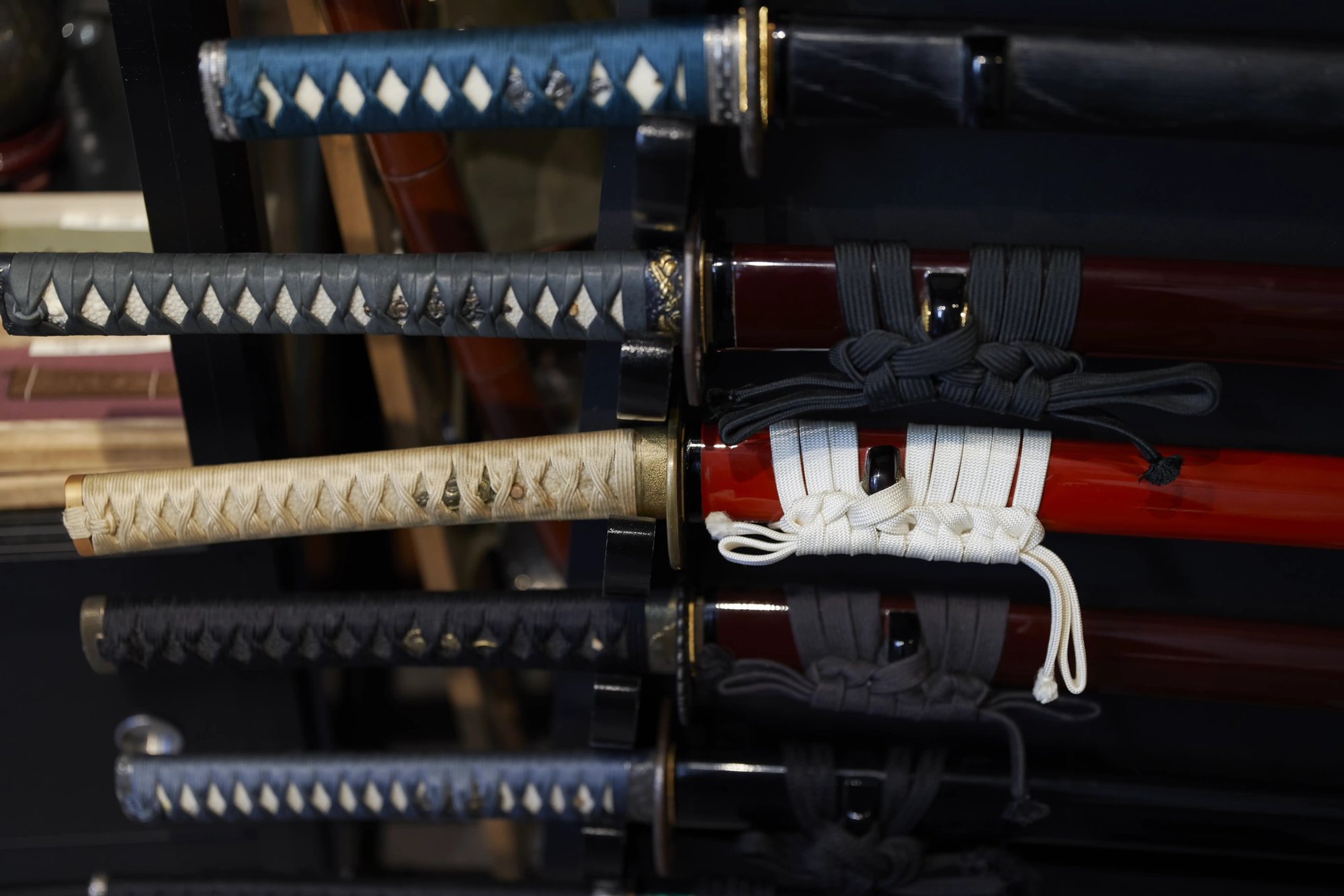
After the smith, the blade passes to the polisher. Yasumasa Nagaoka, the Tokyo polisher whose interview we published in August 2026, described the chain: "The Japanese sword is still made by a division of labour among specialists." His list names the swordsmith who forges the steel into a blade, the polishers, the scabbard maker, the metal-fittings maker, the hilt maker, the cord braider and the lacquerer.
He did not speak about tamahagane or the tatara in that interview, so nothing here is his word on the steel. What he said elsewhere in the interview is the rule that governs his own part of the chain: not reducing the blade. Our polishing article explains it in his words. The link to the steel is ours: for a sword made today in the traditional manner, the Met says the steel comes from a tatara and goes through the smith's folding before the blade passes to a polisher.
How Tatara Steel Changed Hands: Iron Sand, Blast Furnaces and 1945
On our reading, the tatara has had more than one job. Three turning points changed what it was for: a change of technology, when imported iron arrived; a change forced by war and its aftermath, in 1945; and a change in who carries it, from an industry to a protected technique. The video below is Episode 1 of our series with Nagaoka.
Izumo's Iron Sand: Where the Tatara Shaped a Landscape
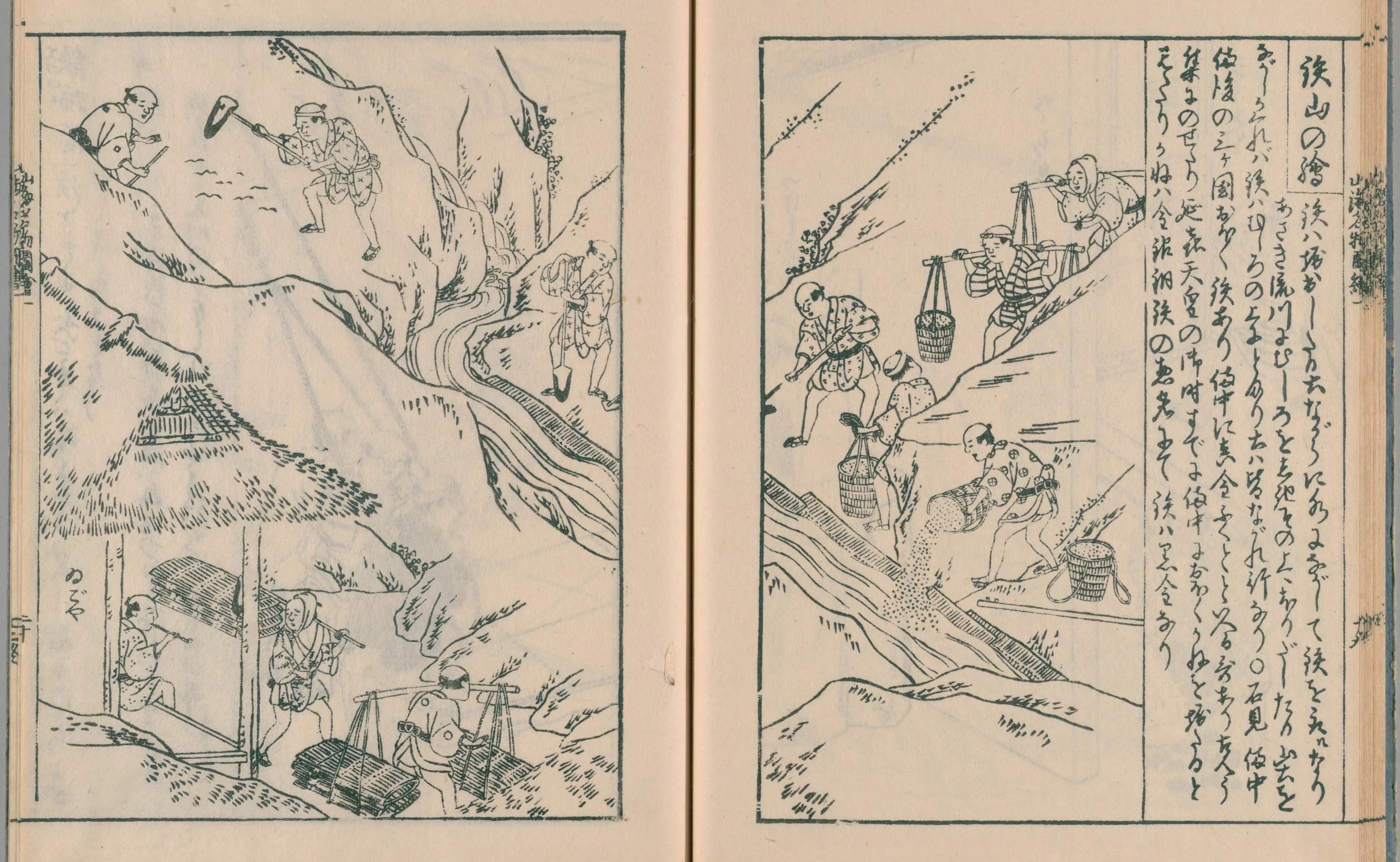
The Agency for Cultural Affairs' database entry on the Okuizumo tatara landscape, in Japanese, gives the district its place. Okuizumo lies at the headwaters of the Hii River, and its good magnetite made it a centre of Japan's iron production in the early modern and modern eras. The sand was won by kanna-nagashi (鉄穴流し): hillsides were cut away and the iron sand separated by running water. The sites were later opened up as terraced rice fields, and the surrounding mountains were once the charcoal forests that fed the tatara. The Edo-period Matsue domain gave tatara operating rights only to leading ironmasters, the entry says, to keep production stable. The landscape was designated an Important Cultural Landscape on 18 March 2014.
The United Nations FAO describes the same ground from the farming side: soils degraded by iron-sand mining turned into terraced rice fields, recognized by the FAO in 2025.
When Blast Furnaces Ended the Tatara Industry
The Agency for Cultural Affairs entry says that from the Meiji period cheap Western iron was imported in quantity and the tatara declined, until all the operations closed at the end of the Taisho era. The Japan Tourism Agency's present-day panel names the competitor: "imported reverberatory furnaces", together with growing industrial demand for steel, and it says the tatara ironworks closed in the 1920s. The NBTHK ties the end of the method to the introduction of modern steel manufacturing in 1925. We did not find, in the sources we read, a year for the last commercial smelt.
The region did not stop making steel. The Wakou Museum's panel says twentieth-century advances in modern steelmaking gave rise to Yasugi Specialty Steel, which is still produced locally. It calls this the most recent chapter in the region's history.
1945 and the Revival: How Art Swords Kept Their Steel
The tatara came back for a war and was closed by its end, as the NBTHK history above records. The Japan Tourism Agency's present-day panel records what was left: "only 5 to 6 metric tons of tamahagane remained after the war". The panel says the NBTHK then established a traditional clay tatara furnace in Okuizumo to supply swordsmiths, and the Agency for Cultural Affairs entry dates the revival of tatara ironmaking as a preserved technique to 1977.
Nagaoka gives the view from the polishing room of what 1945 meant for the swords. In his account, the swords were read as weapons, and the military swords the soldiers had carried were counted among them. On the story that the occupying army went house to house with metal detectors, he says: "it is sometimes told that way, but it seems it did not go that far." He adds that "Surrendering and requisitioning themselves, of course, happened." The knowledgeable people of the time, he says, went to great lengths to set apart the national treasures and other pieces of cultural value, and so those somehow survived.
Tamahagane Knives and Labels: What the Word Promises
If you shop for a souvenir, you may meet the word on a knife. In the sword world the word names steel from a tatara, sorted into grades and distributed to swordsmiths. On a kitchen knife it can mean something else.
Tamahagane Kitchen Knives: Steel, Brand Name, or Both
Our check is one example, not a survey. A European retailer's product page for a chef's knife sold under the brand name Tamahagane gives the steel as "VG5 63 layers", describes a "3-layer VG5 steel core covered with SUS410 steel" and states "Contains 0.7% to 0.8% carbon". The listing states its steel plainly. The page also says: "Tamahagane is the traditional steel used by the Japanese to make swords." On our reading, this listing names VG5, not tatara steel, as the blade steel, and does not say the blade is tamahagane. Here the name and the steel are not the same thing, so we read the steel line, not the name.
The word also appears in smithing practice: Knife Steel Nerds describes making a kogatana, a utility knife, in a class in Japan and testing a piece of the steel, which it treats as tamahagane. So the word alone settles nothing. Our three questions are our own habit, not a rule from the sources: what steel is named on the listing, where it was smelted, and who sorted and forged it.
Why Is Tamahagane So Expensive?
We found no published price or cost breakdown in the sources we read, and none says why tamahagane costs what it does, so we give no figure. What they document is the input: three smelts a winter, each needing about 10 tons of iron sand, 12 tons of charcoal and a furnace built new from nearly 4 tons of clay, with a crew working day and night for 70 hours. The NBTHK says the output goes to swordsmiths all over Japan.
Reading Tamahagane in a Finished Sword
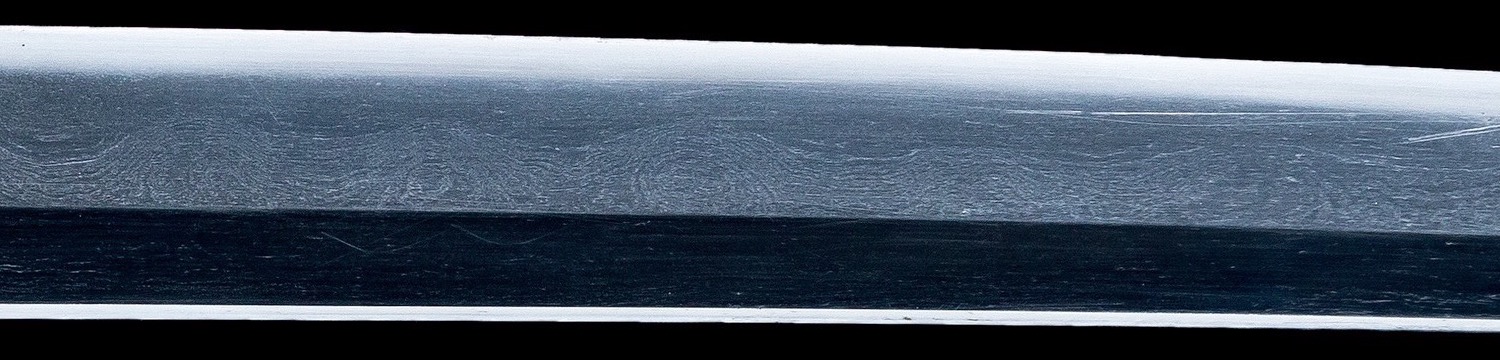
On our reading, tamahagane in a finished sword is no longer a material you can point to; what you can read is what the smith did to it, and the most readable trace is the grain.
Jihada: The Grain the Folding Leaves Behind
The Met explains that folding makes the pattern called jihada, visible on the ji, the surface between the edge and the ridgeline. By varying the direction of folding the smith can choose a specific jihada: masame, a straight grain parallel to the edge, or ayasugihada, a concentrically curved grain. That is the line from sand to the display case: sorted steel, then folds, then grain.
What a Display Case Can and Cannot Show
Nagaoka says that through glass the experience stops at admiring a row of swords, and that "With someone beside you, understanding deepens, and a familiarity grows." Our own habit, not a reference's, is to pick one blade and ask one question the Met's terms make possible: does its grain run parallel to the edge, as in masame, or in concentric curves, as in ayasugihada? One question is enough to turn a row of swords into something to read.
Where to See Tamahagane in Japan: Museums, Forges and Introductions
We sort access into three tiers, from anyone with a ticket to a craftsperson's own room. One caution on what we can claim: the NBTHK's Information Corner page, on the Japanese Sword Museum's site, describes a 1982 kera displayed in front of a main entrance and does not say which entrance of which building, so check before planning a visit around it.
Anyone Can Go: Sword and Steel Museums
The Japanese Sword Museum in Ryogoku, Tokyo, is run by the NBTHK; its English site gives the walk from the west exit of Ryogoku Station as 7 minutes and lists closures for exhibition changes. In Shimane, the Wakou Museum in Yasugi shows the tatara's history and a 15-minute film of the smelt at the Nittoho Tatara. Its Japanese panel text also says visitors can hold a Japanese sword (our translation; the English text omits the line). The Okuizumo Tatara and Sword Museum presents, in the Japan Tourism Agency's words, the history of tatara ironmaking and "the ongoing practice of traditional swordsmithing". For the difference between the Ryogoku museum and the venues Tokyo calls "samurai museum", see our guide to real swords and armor in Tokyo. Opening days and prices change, so we give none.
If You Know: Public Forging Days
The second tier is knowing there is something to look for. The Japanese text of the Okuizumo museum's panel says it also holds sword-forging demonstrations regularly (the translation is ours; the English text omits the line). A separate panel on the Kobayashi brothers, swordsmiths in Okuizumo, says they "offered periodic public demonstrations of the forging process in a workshop on the museum grounds". The Kobayashi panel's tense is past, and we do not know whether those demonstrations continue. Neither panel gives a schedule, so the organizer's own announcement is the only safe guide.
By Introduction: A Real Blade in Both Hands
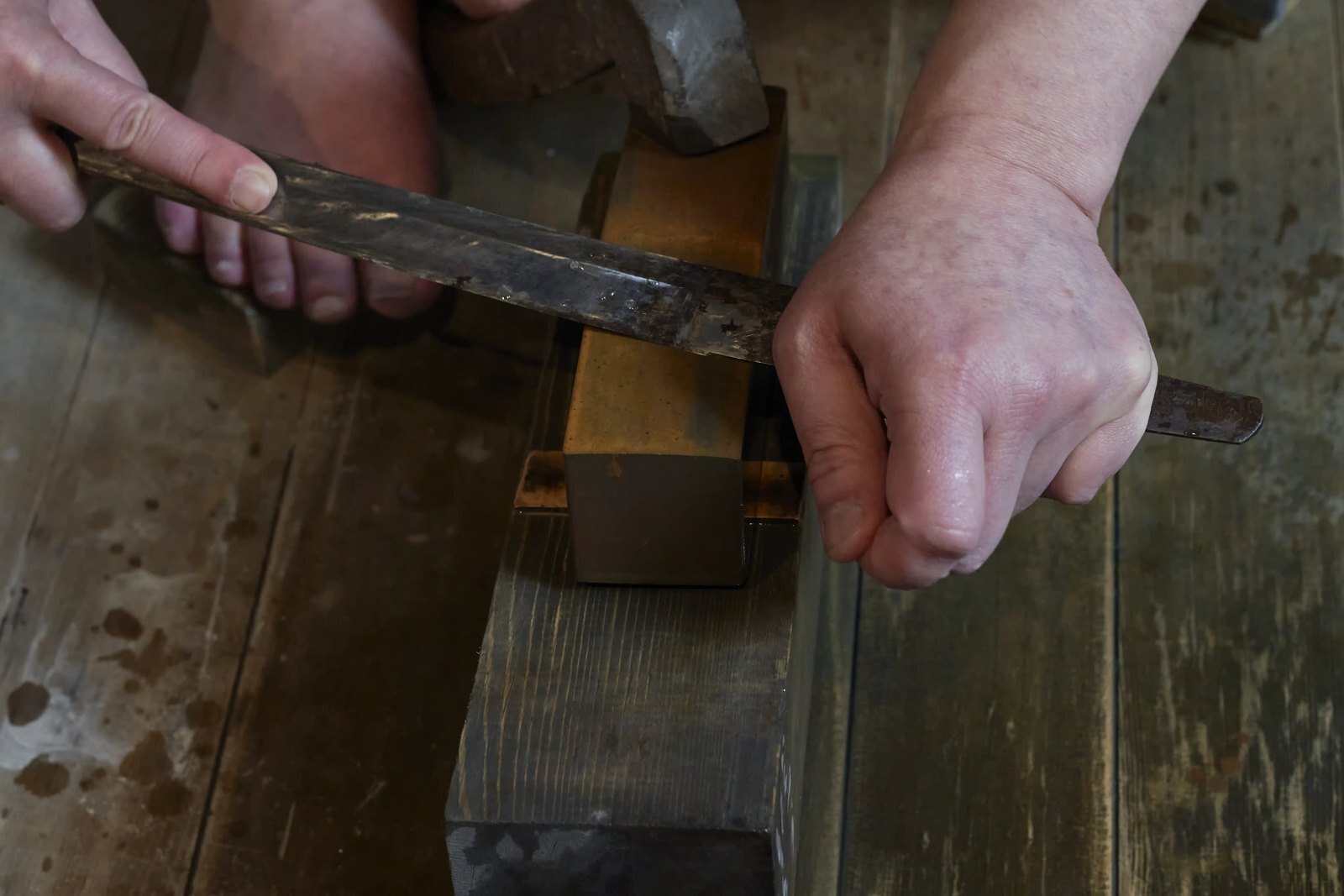
The third tier is a craftsperson's working room. Our interview with a sword polisher who chooses not to finish reports that Nagaoka holds introductory courses for beginners, and quotes how he starts: "First, I have them hold the real thing in both hands." Visitors then draw the blade and, with their own hands, remove the parts one by one, including the bamboo peg called the mekugi. We give it as one example of what a third tier looks like. It is not an offer, and we do not describe how access is arranged.
Tamahagane Today: New Swords, Few Hands and a Winter Fire
The steel's present is in a Shimane Prefecture press release of 19 July 2024. It says the 1977 selection of tamahagane production as a technique to be preserved was lifted on 22 June 2024 because its holder had died, and that the Council for Cultural Affairs recommended to the minister that it be selected again, with Horio Kaoru as holder. Horio, born in 1969, began tatara field training in 1993, learned under Kihara Akira and has been acting murage since 2014. The release calls him the lead acting murage who directs the site. It does not name the holder who died, and we have not checked whether a later notice confirmed the recognition.
Swords Still Made for Births, Coming of Age and New Homes
Nagaoka says new swords are still commissioned at life's turning points: "the custom of having a new sword made at the turning points of a life — a child is born, comes of age, a new house is built — remains deeply rooted even now." The law requires approval for each sword. Article 18-2 of the Firearms and Swords Control Law, in our translation, says that anyone who wishes to make a sword of value as a work of art must obtain approval for each sword. The approval comes from the board of education of the prefecture where they live, or from the Commissioner for Cultural Affairs in cases set by cabinet order.
Smiths' own histories record licensing and approval: the Japan Tourism Agency database says the Kobayashi brothers were licensed by the Agency for Cultural Affairs in 1970 and 1972, and the Shimane release lists Horio's approval to make art swords in 1999.
A Hundred Polishers at Most: The Hands Downstream of the Steel
Our interview article reports that, by Nagaoka's own sense, polishers number "a hundred at most" across the country. The figure is his estimate, not a count we have checked. The article names one of the few public stages for their work, the annual Gendai Toshoku-ten, an exhibition in the form of a competition, held by the NBTHK.
Nagaoka also said of culture generally: "Culture, if you are not conscious of it, is replaced easily." He thinks that in the next generation, and the one after, people may turn again to what they have inherited, and adds: "I don't know what things will be like then, though."