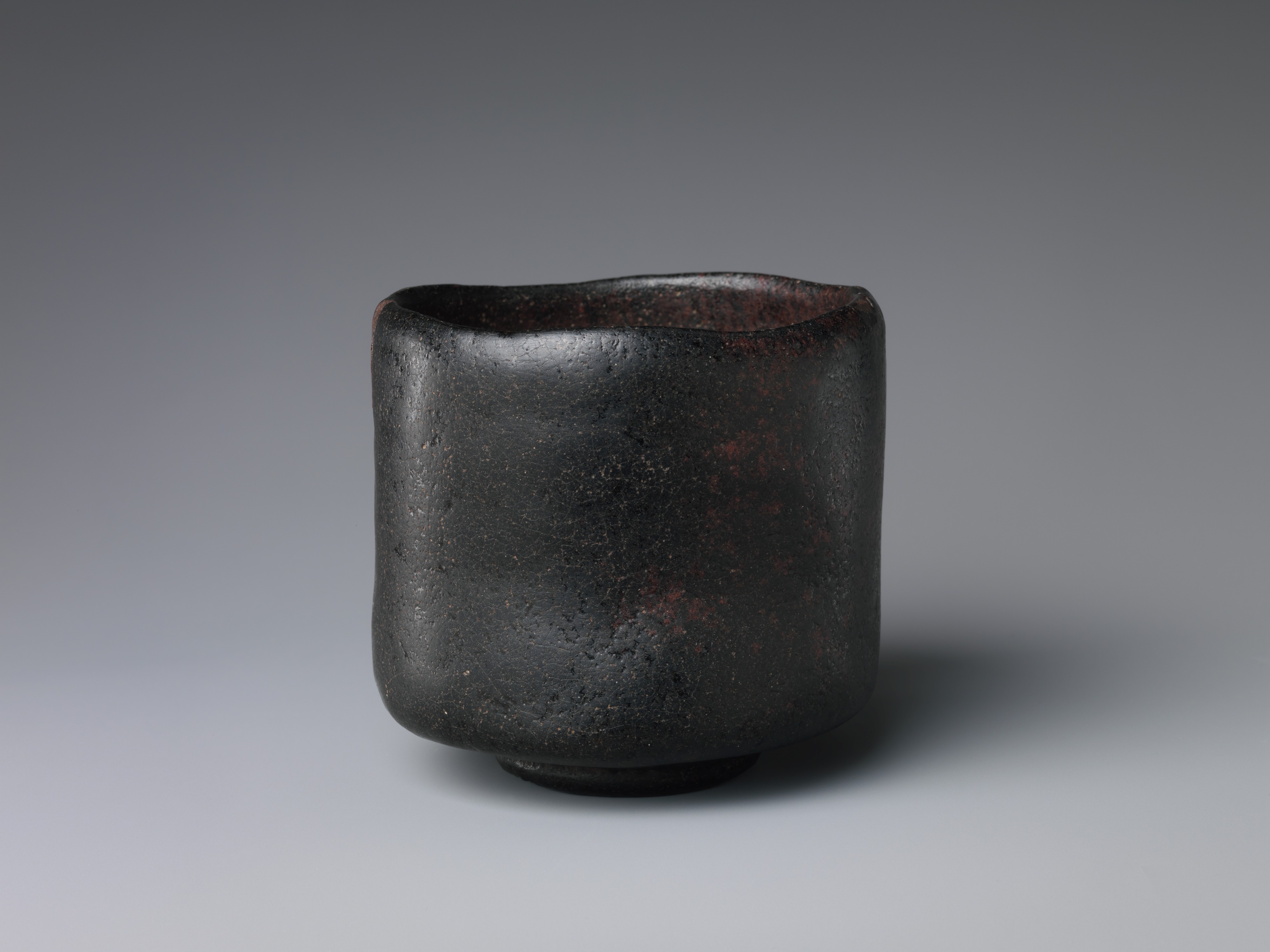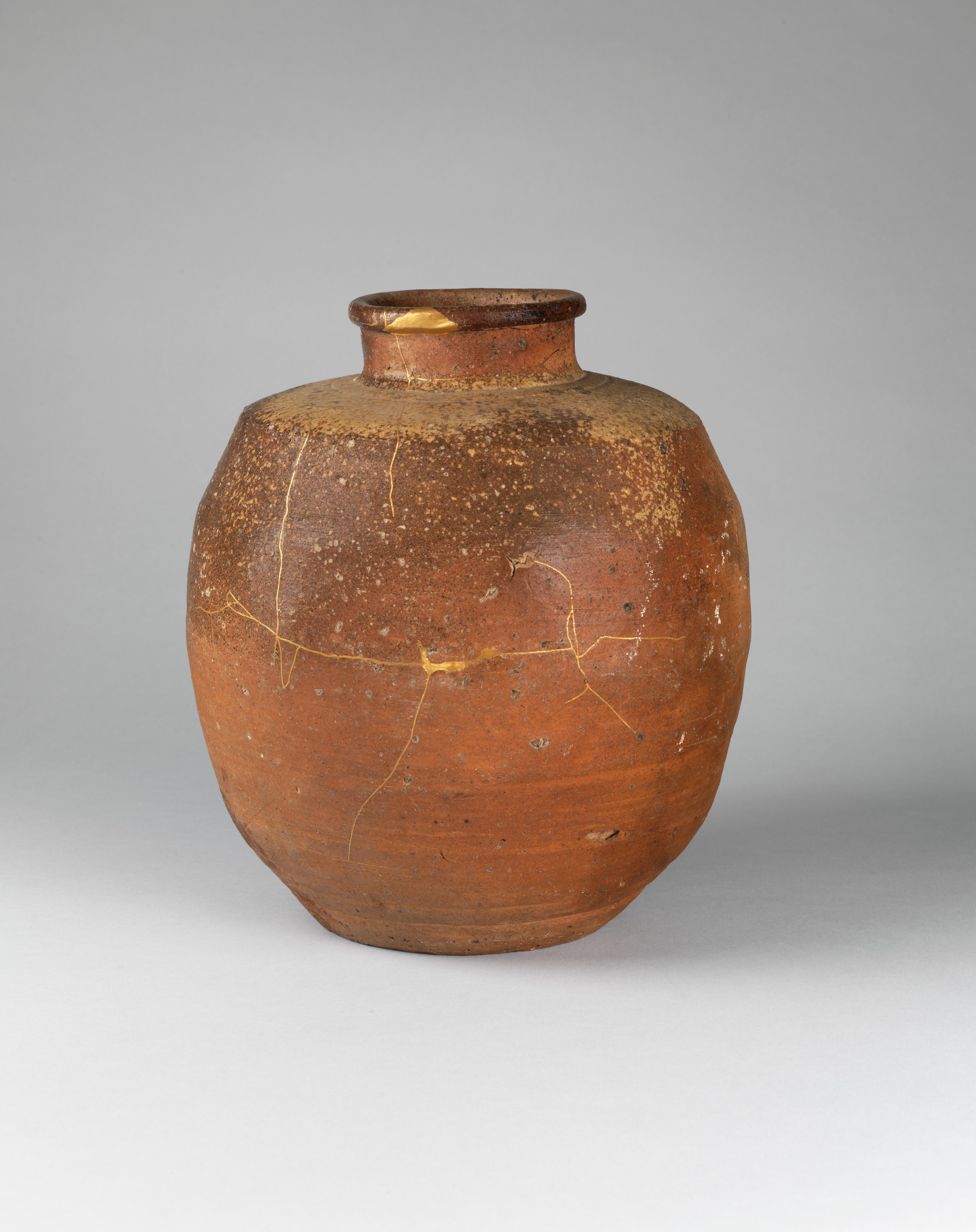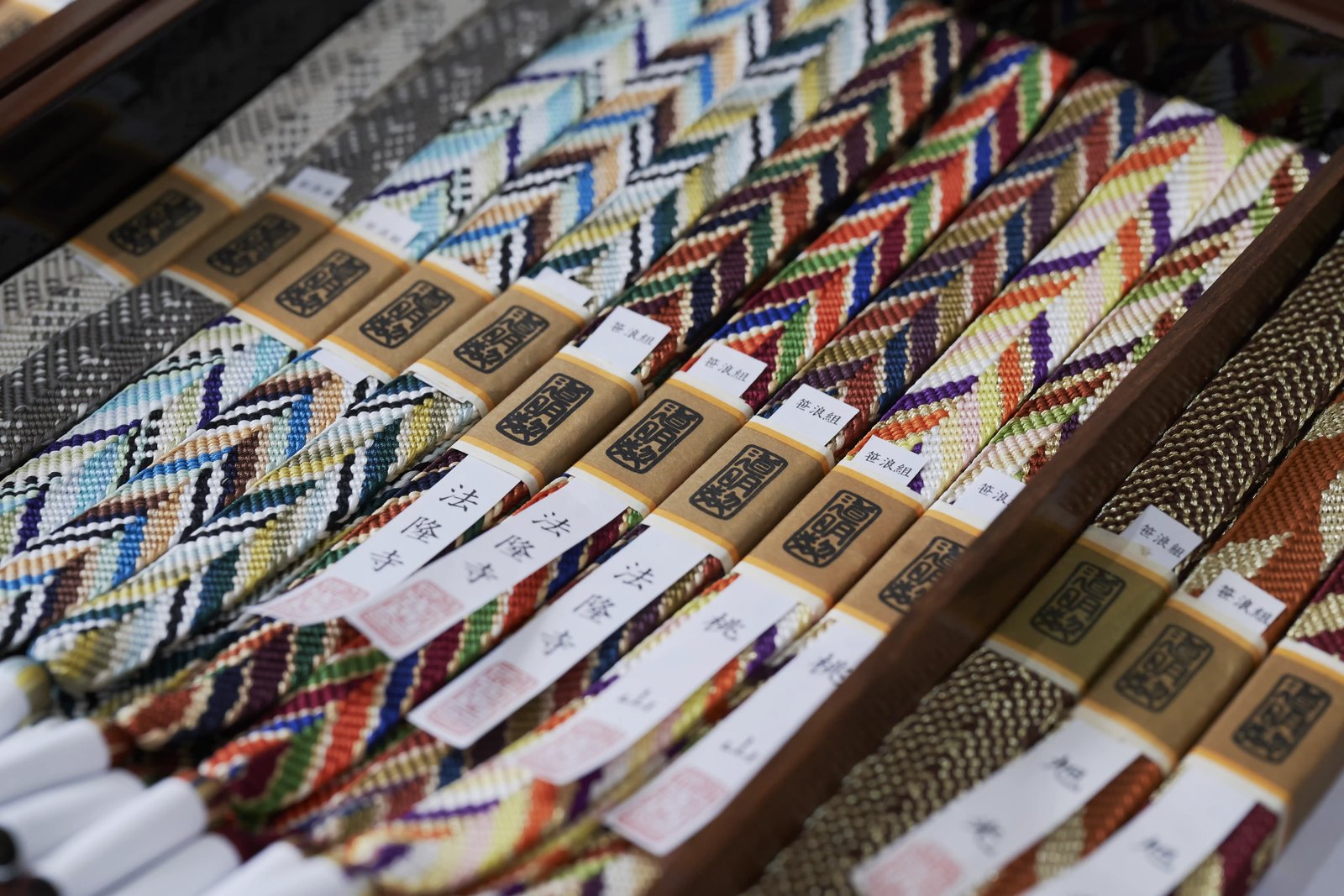
Bite an unripe persimmon and your mouth closes around the taste. That sensation has a Japanese name, and the name later turned into a compliment.
The word is shibui. Most English explanations of it start at the compliment and work backwards into vagueness — subdued, understated, quietly elegant — which leaves you with an adjective and no way to use it. This article starts where the word started, follows it to one of the first people to carry it into English, and ends at an argument about it that has still not been settled.
The through-line worth having in advance: shibui is not a claim a maker gets to file. It is a verdict handed down by whoever is using the thing. If you are travelling to look at objects, that changes who the word belongs to — and it puts it in your hands rather than the shopkeeper's. Japan's crafts are a subject of their own, and our guide to the traditional crafts takes them one at a time.
Japanese Aesthetics Unveiled — the words behind the objects, and what each asks of the person looking.
Shibui Starts in the Mouth: Astringency Before Elegance
Begin with what the word does before anyone applies it to a teacup.
Shibui, Shibumi, Shibusa: One Idea, More Than One Form
Paul Haimes, of Ritsumeikan University in Kyoto, sets out the vocabulary in an article in the journal Contemporary Aesthetics: a sense of subtle elegance "is captured in the Japanese word shibui (adjective) or shibumi (noun), terms usually translated as elegant, austere, refined, and simple, but also bitter and astringent."
Read that list twice. Elegant, austere, refined, simple — and then, in the same breath, bitter and astringent. English has no single word that does both jobs, which is most of the reason the translations feel thin. A third form, shibusa, turns up in the same family and is the one that appears in the 1960 passage quoted further down. And if you are wondering how this sits next to the word everyone knows, Haimes offers a view rather than a ruling: "It is my view that shibumi is likely related to the sabi portion in the term wabi-sabi, as sabi can refer to 'elegant simplicity.'"
The order matters too, because the sensory meaning is the older one. Haimes describes the term as "originally referring to gustatory bitterness or astringency, but now broadly referring to a subtle elegance, with an occasional sense of austerity." The taste came first; the compliment was built on top of it.
The Unripe Persimmon and the Muromachi Period
The word has a date, or at least a period. "Usage of the term can be traced back to the Muromachi period (1333–1568)," Haimes writes, "with an unripe persimmon considered a classic example of the quality in this period."
Hold onto the persimmon, because it is doing something a definition cannot. An unripe persimmon is not subtle in the sense of faint. It is emphatic — the astringency arrives immediately and organises everything else about the fruit. Whatever shibui means when it is applied to a pot or a jacket, its founding example is a strong sensation rather than a weak one.
That is the first correction to make to the English gloss. Subdued and understated both suggest an absence — of colour, of noise, of assertion. The persimmon suggests a presence that happens not to be sweet.
Shibui and Iki Are Not the Same Compliment
The two words a visitor is most likely to hear and confuse are shibui and iki, and the distinction is worth having before you are standing in a shop trying to decide what you like.
Iki, Haimes notes, is "often used to suggest something analogous to chic, stylish or elegant." An object can be both. But the two do not point at the same quality. Haimes: "While some objects may exhibit qualities of both iki and shibumi, the latter implies something more subtle and humble, and not necessarily fashionable or stylish." The word being called subtler there is shibumi.
Not necessarily fashionable is the operative clause. Something can be iki because it is exactly right for this year and this city. Nothing is shibui for that reason. If you find yourself drawn to an object because it looks current, you are probably making an iki judgement and it is worth knowing which one you are making.
What Shibui Actually Points At
Definitions are cheap. What a traveller needs is a set of things to look for, and the literature does supply one.
Donald Richie's List: Subdued Colours, Simple Patterns, Performers Who Blend In
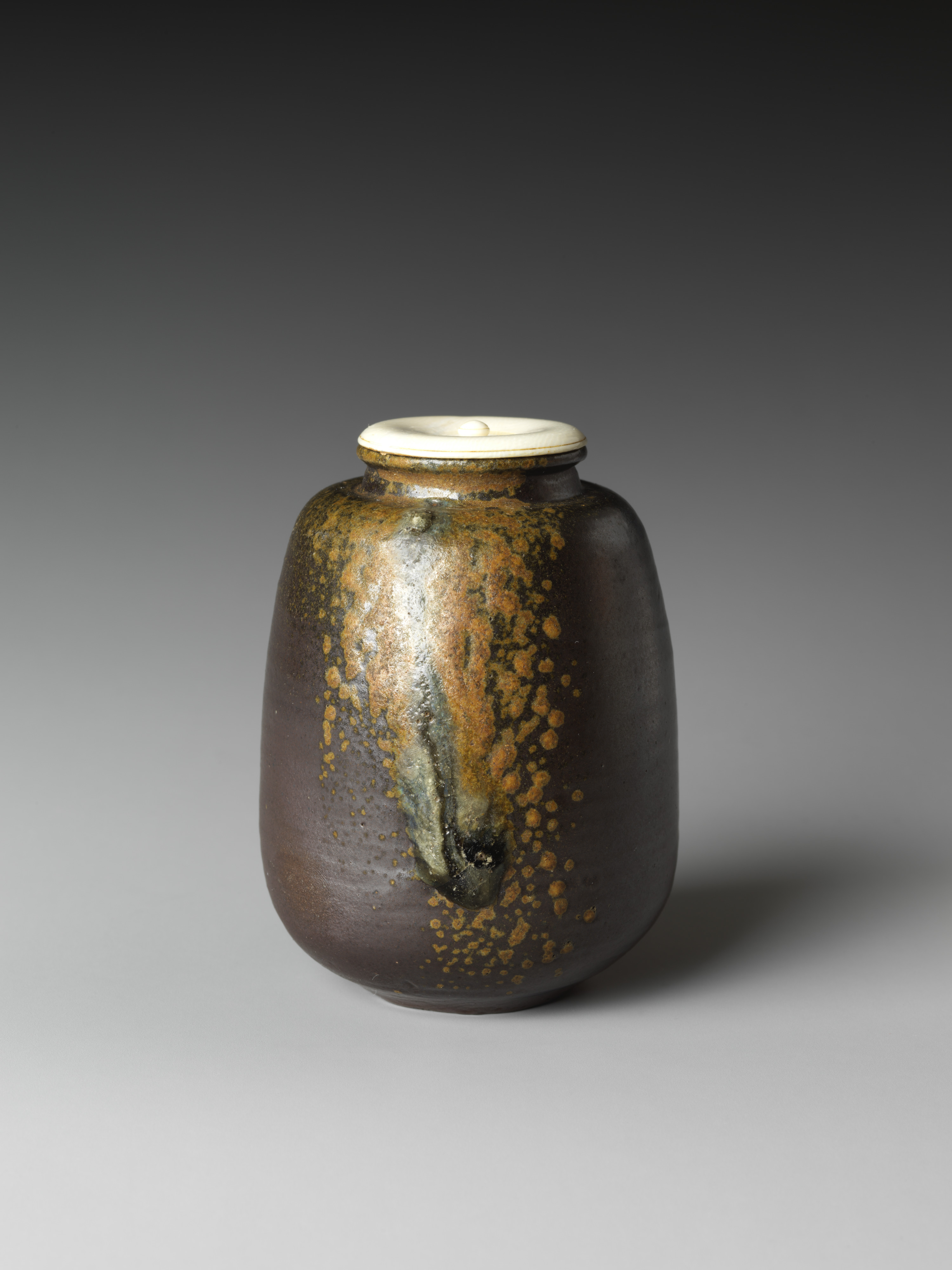
Haimes quotes the Japan scholar Donald Richie (1924–2013) on how the word is used in practice. Richie found modern usage implying "the use of subdued colors, simple patterns, singers with unostentatious deliveries, actors who blended with the ensemble."
Two of those four are not objects at all. A singer and an actor can be shibui, and specifically by not standing out from the group they are part of — which tells you the word is measuring a relationship rather than a property. A colour is subdued relative to something. A performer blends into an ensemble. The quality is about how a thing sits among other things, and that is why it survives being applied to a jacket, a bowl and a performance without breaking.
Haimes also recounts an anecdote of Richie's: a stranger in Japan complimented his muted dark brown-green tie as being shibui. One incident, and worth taking as one — but it is at least the word turning up in a conversation on the street rather than in an essay about aesthetics.
Everyday Objects, Not Museum Pieces
Which brings up the register of the word, and here the article makes a distinction that matters for how you use it.
There was a time when knowing about shibumi functioned as a credential. Haimes: "Knowing that there is a subtle elegance to be found in the subduedness of shibumi was initially seen as a sense of sophistication, in contrast to more colorful, showy items that were more easily appreciated by the masses."
But he immediately closes off the snobbish reading: "Although this may also imply a sense of elite tastes, the term usually applies to everyday objects and is a part of the general lexicon."
Part of the general lexicon. Not a specialist term, not a word you have earned by studying — an ordinary word people use about ordinary things. That is a better licence to use it than any amount of background reading.
Yanagi Soetsu on Choosing Things
The article quotes Yanagi Soetsu (1889–1961), who founded the Japanese Mingei — folk crafts — movement in 1923, on what he took the word to explain.
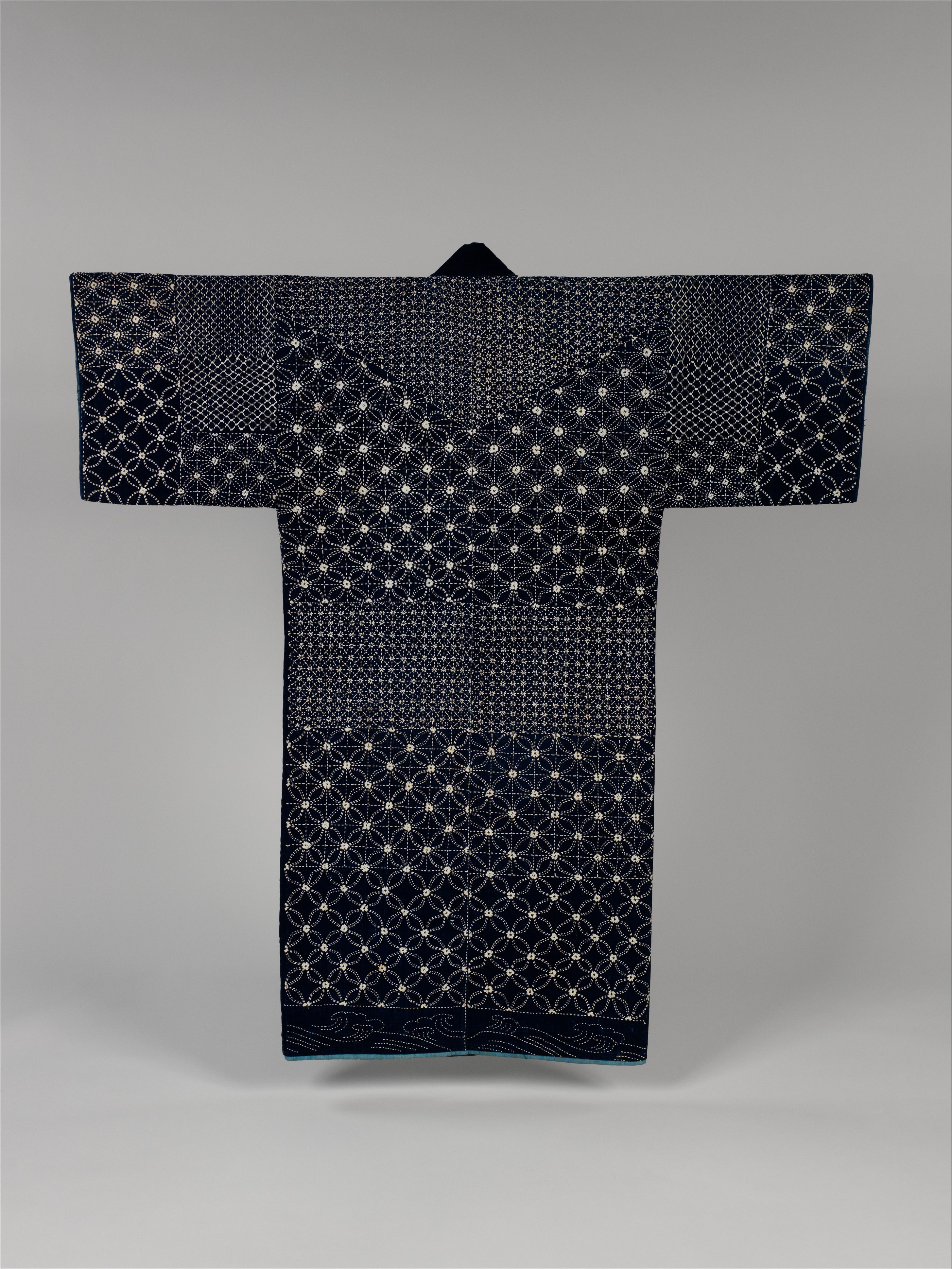
Yanagi's claim, in his words: "I still think that there is probably no country like Japan whose people live in surroundings composed of specially chosen objects. Behind it all is undoubtedly some sort of educated taste or standard of beauty. Of course, some aspects may be shallow or mistaken, but in any case, things are chosen according to some standard. This may be something as simple as shibui or shibumi (simple, subtle, and unobtrusive beauty), a concept which has permeated all levels of Japanese society…"
That is Yanagi's argument rather than a settled fact, and he hedges it himself twice — probably, and some aspects may be shallow or mistaken. What is useful in it is the mechanism he proposes: not that the objects are unusually good, but that there is a shared standard by which they get chosen. A standard is a thing you can learn to apply, which is the whole premise of paying attention to this word.
Who Gets to Say It: the Finding That Changes How You Shop
Here is the finding that does the most work for a visitor, and it is the one no shopping guide mentions.
Designers Rarely Claim Shibumi; Users Award It
Haimes, having surveyed how the term attaches to contemporary design, notes the asymmetry: "there is a lack of evidence of designers showing clear intention to create a shibumi experience, but it is the users of design artefacts that point to the shibumi qualities."
Sit with the consequence. The people who make the objects are not, so far as the evidence goes, setting out to make them shibui. The word is applied afterwards, by the people who live with the results.
Which means two practical things. First, you should not expect to be told. The evidence so far does not show makers setting out to produce the quality, so asking a shop which pieces are shibui is asking for something the record does not suggest they are working towards. Second, and more usefully, the judgement is available to you. On the account this article is following, the word attaches when somebody uses the thing and decides — and on a trip, the person using it is you.
What Comes Up When You Search in Japanese
Haimes describes what such a search brings up, and it is worth taking as his result rather than repeating as yours: an image search in Japanese for shibui or shibumi together with design or products.
What came back was "an enormous range of design artifacts: smartwatches and smart-phone covers, clothing, wallets and bags, electric guitars, bicycles and motorcycles, and shelving units." And his own comment on the result: these "consist primarily of contemporary objects, surprisingly few that could be considered objects of traditional Japanese culture."
Electric guitars and phone cases. If you arrived expecting the word to live in tea bowls and cedar, that result is a useful correction — what the search surfaces is largely contemporary rather than traditional. Haimes reads the result as suggesting that the term "can apply equally to objects both old and new, the high-end and practical everyday objects of both Japan and other countries…"
1960: Shibui in an American Magazine
One of the people who carried the word into English did it deliberately, and the circumstances are odd enough to be worth knowing.
Elizabeth Gordon, House Beautiful, and Five Years of Research
Elizabeth Gordon (1906–2000) edited the American magazine House Beautiful for more than twenty years and was, Haimes notes, "a friend and colleague of the architect Frank Lloyd-Wright." She was also, in his account, "among the first to introduce the concept of shibumi to an English-speaking audience."
Not a scholar, then, and not a curator. A shelter magazine editor — the person who told mid-century American readers what to put in their living rooms.
The scale of her interest in Japan is on record, though what the two 1960 issues covered is described more broadly than this one word. The University of Chicago Magazine, writing about her, reports that "Two special issues introducing traditional minimalist Japanese design to American readers in 1960 reflected five years of research and seven trips to Japan."
Five years and seven trips, for two issues of a magazine about houses. Whatever else that was, it was not a trend piece.
"Very Few Modern Things Can Be Said to Be Shibui"
What she was writing in 1960 was not a gentle introduction. Haimes quotes her 1960 statement, and it is worth reading to the end rather than stopping at the first sentence:
"Very few modern things can be said to be shibui. Modern design is too new a point of view to have developed the depths necessary for shibusa. Anyway, the modern movement has put too high a value on the machine-made look. Shibusa is humanistic and naturalistic, and the opposite of mechanistic. For this reason, it has nothing whatever to do with the 'less is more' thinking of Bauhaus and 'The International Style.' Shibusa is organic simplicity producing richness. It is not denial and austerity, for it is developed to the hilt."
Two things in that are easy to miss. The first is how specific the exclusion is: not simplicity in general but the Bauhaus and the International Style, named. The second is the last sentence, which is easy to leave out when the passage is summarised. It is not denial and austerity, for it is developed to the hilt. Gordon is not recommending emptiness. She is drawing a line between two things that look similar in a photograph — restraint that comes from having nothing to say, and restraint arrived at by working something all the way through.
That distinction survives the argument that follows, and it is the most portable thing in the passage.
The Objection: Time Has Not Agreed With Her
Haimes disagrees, and says so in the first person: "In my view, time has shown that Japanese shibumi tastes are, in fact, compatible with modernist design."
His case is a history Gordon was writing against rather than about. Bauhaus ideas, he notes, "were enormously popular in Japan from the 1930s onward" — the school itself ran from 1919 to 1933. Mizutani Takehiko (1898–1969) was among the first Japanese students there and became a professor at the Tokyo University of the Arts. Yamawaki Michiko (1910–2000) and Yamawaki Iwao (1898–1987) studied at Dessau for two years before the school closed, and after the war both, with Mizutani and others, mounted exhibitions of Bauhaus work in Japan. Kamekura Yūsaku (1915–1997), who designed the logo for the 1964 Tokyo Olympics, was influenced by Bauhaus graphic design.
So when Gordon wrote in 1960 that shibusa "has nothing whatever to do with" the Bauhaus, Bauhaus ideas had already been enormously popular in Japan for three decades.
The traffic has kept running in both directions since. Haimes points to Muji hosting a Bauhaus exhibition at its Ginza store and showing its own products alongside the exhibits, and to the German designer Dieter Rams — influenced by Japanese minimalism to the point of keeping a Japanese garden and holding a commemorative exhibition at Kenninji in Kyoto — who in turn influenced the Japanese designer Fukasawa Naoto.
This is one scholar's argument against one editor's judgement, not a verdict. But notice what the disagreement is actually about: not what shibui means, which both parties broadly agree on, but what it is allowed to be said about.
Using Shibui on a Trip
All of which can be reduced to something you can carry into a shop, and something you should not expect it to do.
A Test You Can Run in a Shop
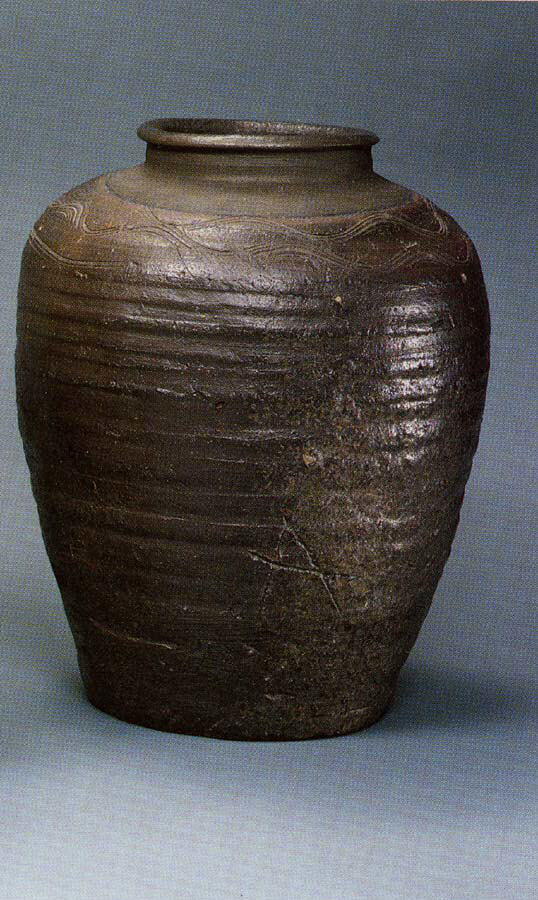
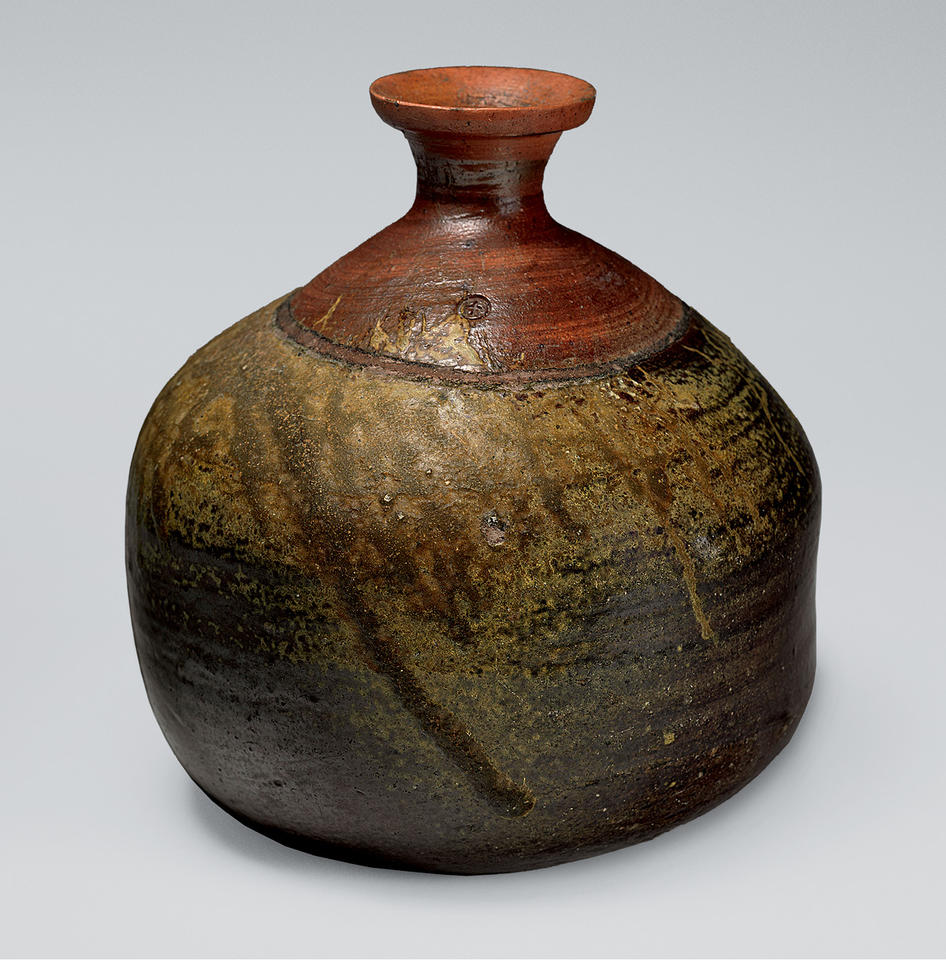
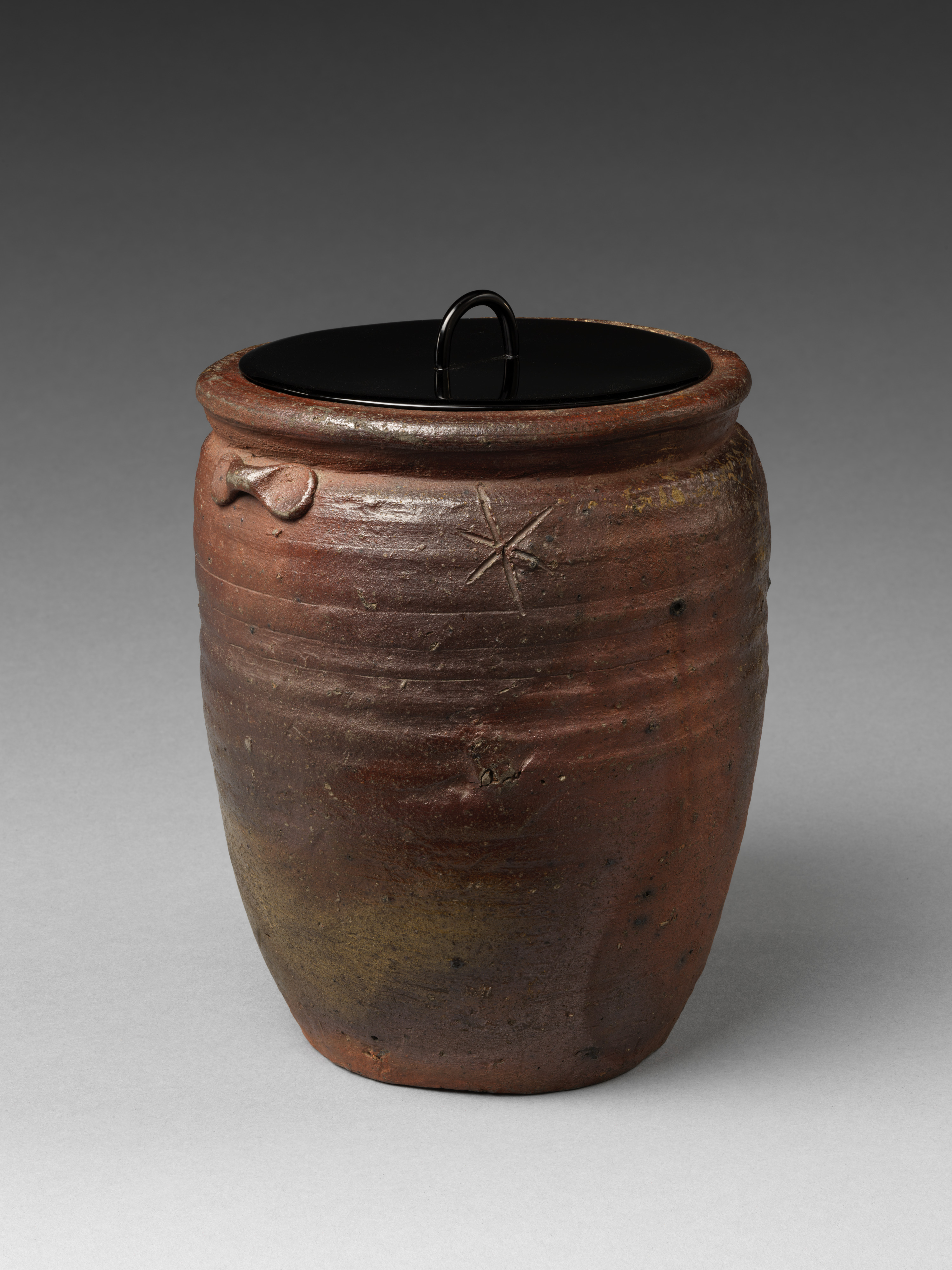
A worked example first. The Metropolitan Museum of Art holds a Bizen storage jar of about 1500, and its catalogue gives the material in seven words: "Stoneware with natural ash glaze (Bizen ware)." The word natural in that line is doing the work: the glaze is what the firing put on the pot. So the surface is largely a record of the firing, with a band of combed waves incised around the shoulder and the throwing rings still showing. Whether you would call it shibui is exactly the sort of judgement this article says is yours, and the jar is a fair place to practise making it.
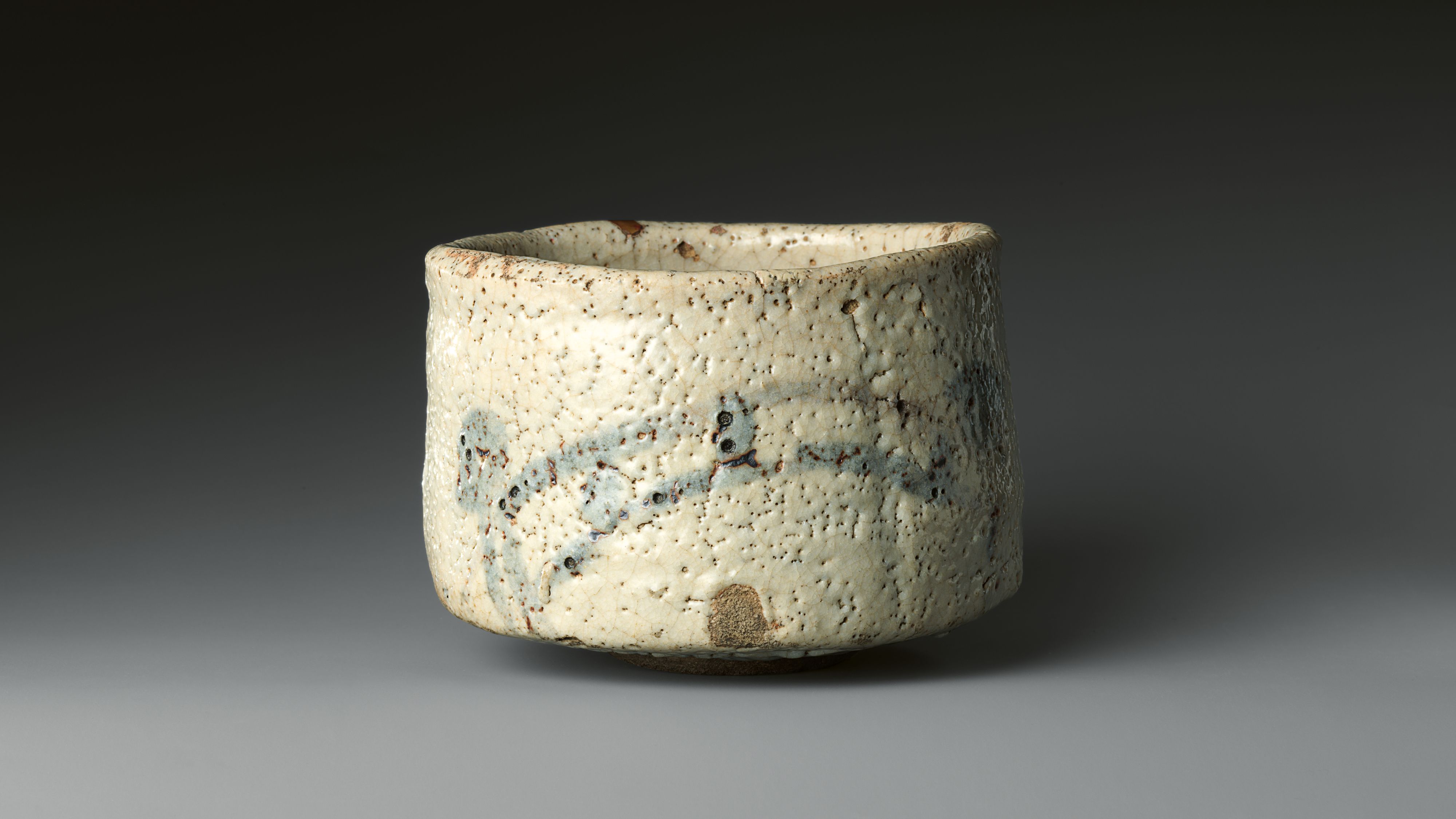
Then take Richie's four markers and use them as questions rather than criteria. Is the colour subdued — and relative to what else is on this shelf? Is the pattern simple, in the sense of one idea rather than none? If this object were a performer, would it be delivering unostentatiously? Would it blend with the ensemble it is going home to?
That last one is the easiest to skip and the one that does the most work, because it is the only one that involves your own house. An object is not shibui in a vacuum; the persimmon is astringent against the expectation of sweetness, and the performer blends into a specific ensemble.
Then add Gordon's line as a filter, since it separates two things that photograph identically. Is this restrained because it was worked all the way through, or restrained because there was not much there to begin with? It is not denial and austerity, for it is developed to the hilt.
And say it, if you decide it. The judgement is not reserved for anyone, and by the account this article has been following, it never was.
Where the Word Is Useless
Three limits, and they are worth knowing before you deploy it.
It will not get you information in a shop. If the evidence does not show makers setting out to produce a shibumi experience, then asking which of their pieces qualifies is asking about an intention nobody has documented.
It will not tell you what is fashionable, and it is not trying to. That is iki's job, and the two are easy to confuse if you have just met both words.
And it will not settle an argument. The most interesting question about the word — whether a modern, machine-made object can carry it — was answered flatly in 1960 and is being answered the other way now. If you are planning days around a district and a theme, that unsettled question is more useful to carry than a definition would be; it gives you something to test against every shelf you pass. The same goes for a quieter route through the city.

Japanese Aesthetics Unveiled
What to Take With You
Three things, and then the part still being decided.
First, the word starts in the mouth. Its older meaning is "gustatory bitterness or astringency," and its classic example is an unripe persimmon. Whatever it means about a bowl, it does not mean faint.
Second, it belongs to the user. On the evidence, designers do not set out to make things shibui; "it is the users of design artefacts that point to the shibumi qualities." Nobody is going to award it to an object on your behalf.
Third, Richie's markers give you something to look at and Gordon's last sentence gives you something to look for — restraint that is "developed to the hilt" rather than restraint that is merely absence.
And the part still being decided is the interesting one. In 1960 an American editor wrote that "very few modern things can be said to be shibui," and named the Bauhaus as the thing it had nothing to do with — at a moment when Bauhaus ideas had been at work in Japan for thirty years. Sixty years later a scholar in Kyoto says time has shown the opposite. Neither of them can settle it, because the word does not work that way: it waits for somebody to use something and then decide. Which is a strange kind of aesthetic term, and a generous one — of a piece with the way Japanese buildings leave the last move to the person inside.