Almost every guide to staying in Matsumoto answers a question nobody asked. They sort hotels by mood—design-conscious, culture-conscious, environmentally conscious—when the thing you actually need to decide is which part of a small city to sleep in.
Matsumoto has four areas that cover almost every booking, and they are genuinely different in what your evenings look like. This guide names them, explains what "near Matsumoto Castle" is worth in a town this size, and covers how many nights the place justifies.
Where to Stay in Matsumoto: The Four Areas
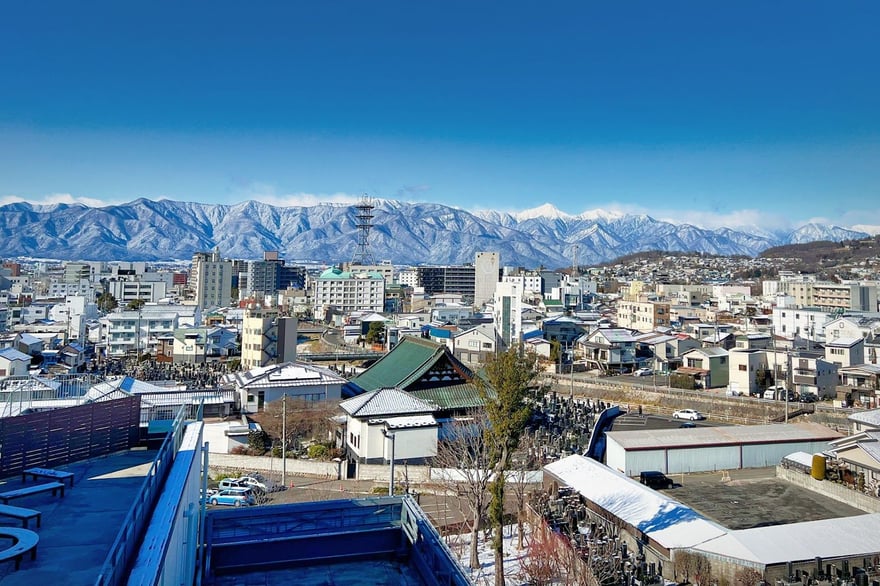
Start with the shape of the town, because it makes everything else simple. Matsumoto is compact. The station, the castle and the old merchant streets sit within a walkable triangle, and the town's hot spring is a short bus ride beyond it. You are not choosing between distant neighborhoods; you are choosing what you want to be able to step outside into.
By the station. The practical choice, and the right one if Matsumoto is a stop on the way somewhere. Business hotels cluster here, they are inexpensive and reliable, and you can be on a train without planning. The cost is that the immediate surroundings are a station district like any other, so your evening happens somewhere you walked to, not somewhere you are.
The castle side. Quieter, more residential, and within sight of the thing you came for. This is where the town's more considered hotels sit, and where a morning is best—you can be at the castle before the coaches.
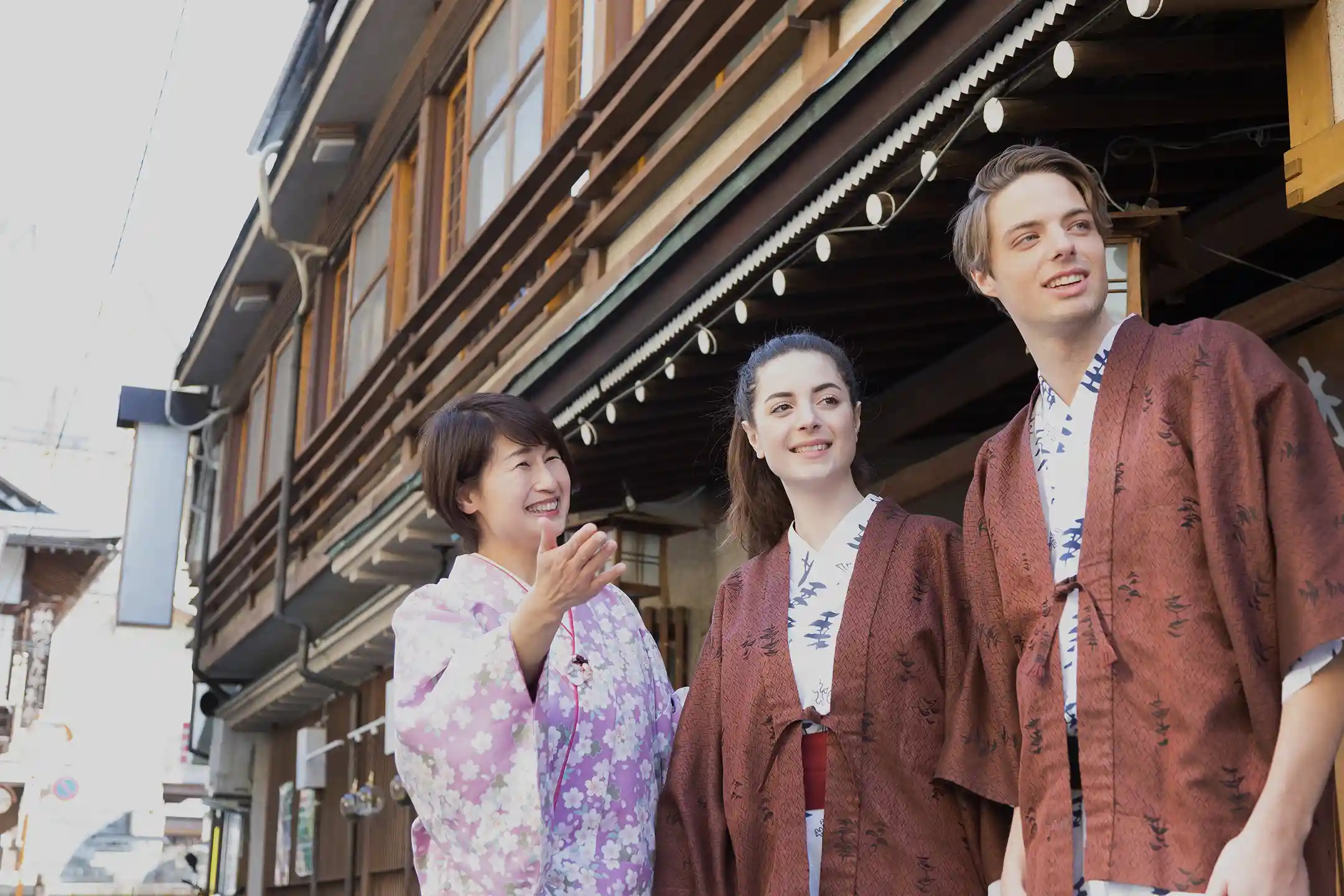
Nakamachi and Nawate. The old merchant streets: Nakamachi with its white-walled storehouses, and Nawate a pedestrian lane along the Metoba River that the town calls Frog Street. Craft shops, coffee. Staying here is the version of Matsumoto that people remember, and it puts you inside the evening instead of beside it. There are fewer rooms, so it needs booking earlier.
Asama Onsen. Matsumoto's own hot spring district, in the hills at the edge of the city and a bus ride from the center. This is the ryokan option—dinner in the building, a bath, and no reason to go out. It is a different trip from the other three and should be chosen deliberately, not taken as an upgrade.
The rule that follows from the town's size: pick by what you want your evening to be, not by distance. Nothing here is far from anything else.
Hotels Near Matsumoto Castle: What "Near" Is Worth in a Town This Size
This is the most searched version of the question and it deserves a straight answer, because in a town this size the premium attached to the word "near" is mostly imaginary.
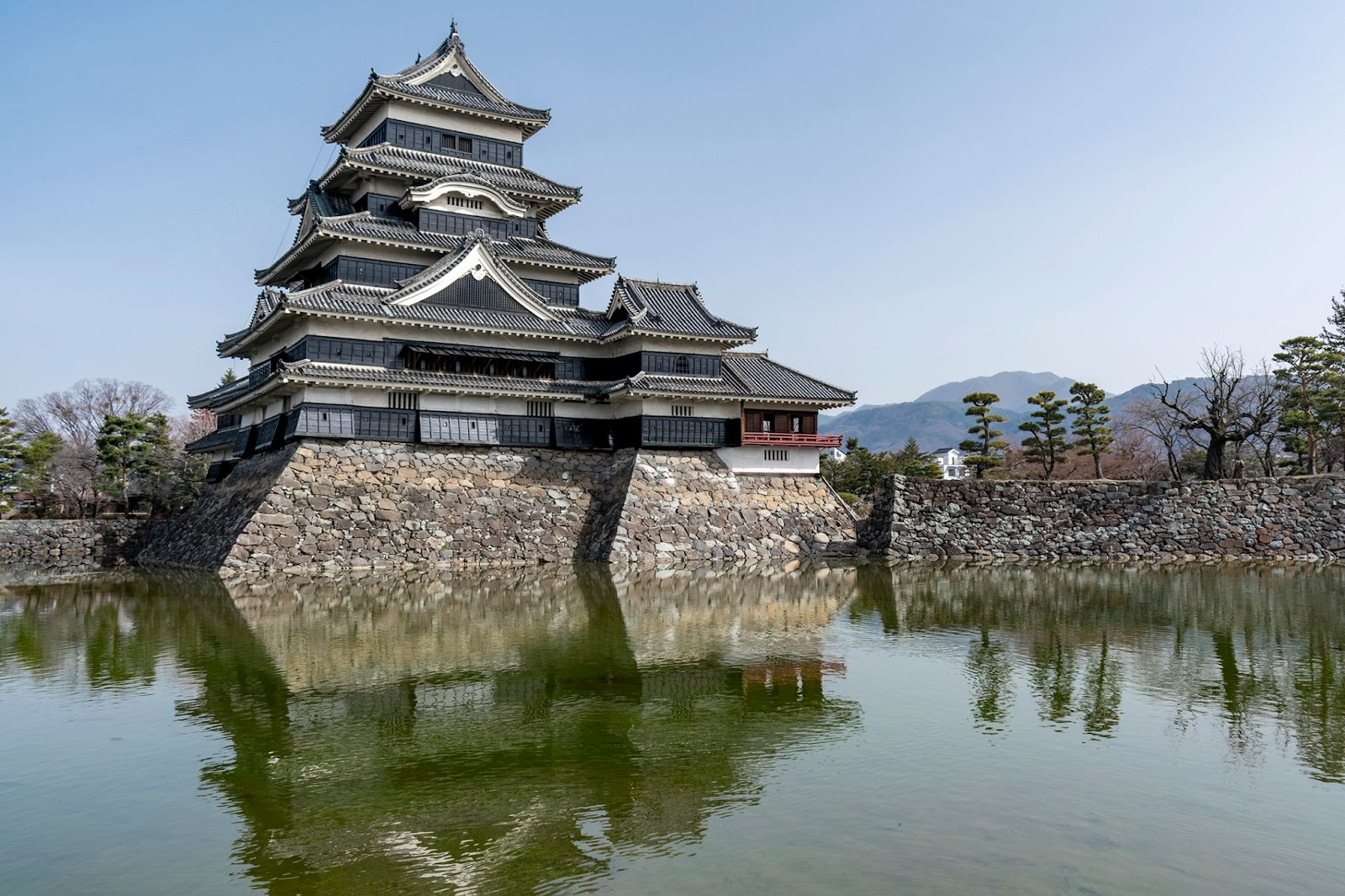
The castle is fifteen to twenty minutes on foot from the station—the sort of distance that is a decision in Tokyo and an afterthought here. Almost every hotel in central Matsumoto is within reach of it on foot. So a room advertised as near the castle is rarely buying you meaningful time; what it may be buying you is a view, and that is a different thing to check for and worth checking specifically.
There is one exception where proximity earns its keep. Matsumoto Castle is a National Treasure, it is floodlit after dark, and it is at its best then—black timber over water, essentially alone. Being able to walk out after dinner, look at it, and walk back is the actual argument for staying on that side of town. Choose a castle-side hotel for the night walk, not for the daytime minutes saved.
What proximity does not solve is the morning, and this is where the numbers matter. The castle opens at 8:30 a.m. and closes at 5:00 p.m., with last entry at 4:30; during Golden Week, April 29 to May 5, it runs 8:00 to 6:00. Admission is ¥1,300 on a paper ticket or ¥1,200 booked online, and it is open every day of the year except December 29 to 31. The site puts the average visit inside the keep at 45 to 60 minutes.
Which means the whole argument for a castle-side room comes down to one hour: being at the gate at 8:30 rather than after breakfast. The crowds build from mid-morning, the keep has narrow original staircases that queue badly, and an hour of difference is the difference between a walk and a shuffle.
What to Check by Area, from Business Hotel to Ryokan
The four areas fail in different ways, and the things worth confirming differ with them.
At a station hotel, check whether there is a communal bath. A good number of Japanese business hotels have one, it is the single biggest difference between two otherwise identical rooms, and it is rarely the headline on a booking page. Check the last check-in time too if you are arriving on a late train.
On the castle side, check what the room actually looks at. "Near the castle" and "sees the castle" are different claims and only one of them is worth paying for. Ask which floors, and whether the view is of the keep or of the park.
In Nakamachi and Nawate, check the number of rooms. Many of these are conversions of old buildings with a handful of rooms, which is why they are appealing and why they sell out. Check whether there is a lift, and whether dinner is served—several do not serve it, which is fine in a street full of restaurants but should not be a surprise.
At an Asama Onsen ryokan, check the meal times, and check them specifically. Ryokan dinner is typically served in a fixed window in the early evening, and it is not optional in the sense a hotel dinner is—the room rate normally includes it. If you were planning to be in town at seven, say so before booking, not after.
One thing to confirm everywhere: whether the rate includes meals. Japanese accommodation is commonly priced per person with dinner and breakfast included, which makes a direct comparison against a room-only Western rate misleading in both directions.
Staying in Mingei: What Matsumoto Hotels Have That Others Do Not
Here is the thing that makes accommodation in Matsumoto different from accommodation in any other castle town, and it is not a hotel feature. It is a craft movement that the city never let go of.
Matsumoto is closely tied to mingei, the folk-craft movement built around Yanagi Soetsu's argument that beauty belongs in objects made anonymously for daily use. Two people carried it into the city. Maruyama Taro, who ran the Chikiriya craft shop, founded the Matsumoto Folkcraft Museum in 1962 and left it around 6,800 pieces collected by his own eye, under a motto that translates as "beautiful things are beautiful." And Ikeda Sanshiro founded Matsumoto Mingei Furniture, the heavy, plain, long-lasting woodwork the city still makes.
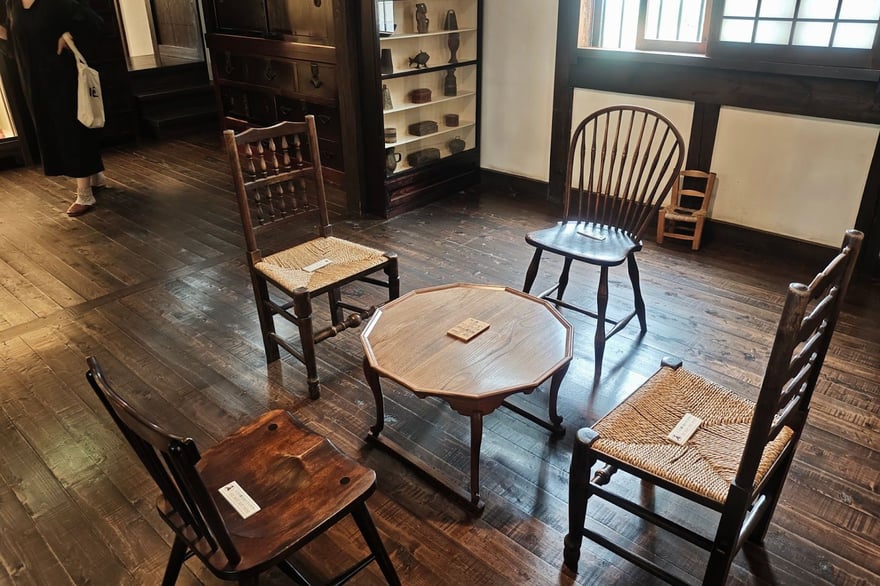
That is why a Matsumoto hotel room can look the way it does. Matsumoto Hotel Kagetsu, founded in 1887 and a few minutes' walk from the castle, rebuilt its older wing in 1973 on Ikeda's advice—Meiji-era Western styling furnished throughout with Matsumoto mingei pieces—and has kept furnishing that way since. It is the clearest example, and it is worth looking at even if you book elsewhere, because it tells you what to look for.
So add one question to the list when you compare rooms here: what is the furniture. In most cities that is a decorating detail. In Matsumoto it is the local craft tradition, sitting in the room, and it is the reason to stay in this town rather than in a hotel that happens to be in it.
How Many Nights Matsumoto Is Worth
Most itineraries treat Matsumoto as a day stop between Tokyo and the mountains, and for a great many travelers that is the correct call. It is worth being honest about when it is not.
A day trip works if what you want is the castle and a walk through the old streets. Both are achievable in a few hours, and the town does not hide anything from a visitor in a hurry.
One night changes the town. The castle after dark, dinner somewhere that is not a station restaurant, and a morning at the castle before anyone else. The difference between a day trip and one night here is larger than the same difference in a bigger city, because the evening is when a small town becomes itself.
Two nights need a reason, and there are two good ones. The first is the art: this is Yayoi Kusama's home city, and the Matsumoto City Museum of Art holds work of hers permanently, with her sculpture and polka-dotted exterior outside. The second is that Matsumoto is a base as well as a destination—the Kamikochi valley and the Japan Alps are reachable from here, and a second night lets you use the town instead of only visiting it.
Asama Onsen and the Ryokan Option: Matsumoto Hotels Are Not the Only Choice
Asama Onsen is the part of Matsumoto that most visitors never learn exists, and it changes what a night here can be.
It is an onsen district within the city limits, in the hills to the northeast, about twenty minutes from the station by bus. It is old—a working bathing settlement, not a resort built for tourism—and it is where most of Matsumoto's ryokan are.
Not all of them, and the exceptions matter. Utsukushigahara Onsen sits next door and holds several more. Further into the hills is Tobira Onsen, and it is where you should be looking if the ryokan is the point of the trip and not a way of sleeping near one—the mountain setting there is a different order of thing from a bath at the edge of a city.
The trade is clear and worth stating plainly. Staying at Asama Onsen means dinner and breakfast in the building, a bath before and after both, and effectively no evening in Matsumoto proper. Staying in town means the castle at night and restaurants of your choosing, and a bath that is a bathroom. These are not better and worse; they are different holidays, and the mistake is booking one while expecting the other.
If the bath is the point, our guide to choosing an onsen ryokan covers how to read a room description, and our guide to onsen and wellness travel covers the etiquette in a ryokan setting.
Getting There, and How the Season Changes Where to Stay in Matsumoto
Two practical matters shape the booking more than any hotel feature does.
Arrival time decides how much the station is worth. Matsumoto is reached from Shinjuku by the Azusa limited express in about two and a half hours, and from Nagoya by the Shinano in around two. If you are arriving late and leaving early, the station area earns its keep and nothing else does. If you are arriving in the early afternoon, you have an evening, and the calculation in the previous sections applies.
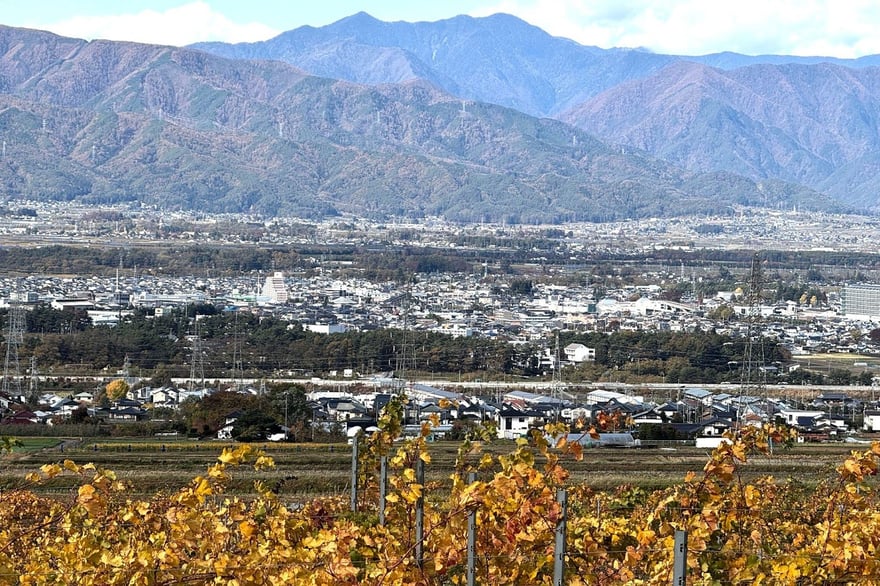
Season changes which area makes sense. Matsumoto sits at altitude in a mountain basin, and its winter is a real winter—cold, clear, and much quieter. The castle in snow is the best it looks all year and the town is at its emptiest, which makes the old streets and the castle side more rewarding in January than in August.
The seasonal point that catches people out is Kamikochi. The valley is the reason a great many visitors use Matsumoto as a base, and it closes through the winter—the road opens around the middle of April and shuts in the middle of November, with the exact dates published each year. If a second night in Matsumoto was going to be a mountain day, check the opening dates before the room is reserved, not after.
Autumn is the season that rewards booking early. The combination of color in the Alps and comfortable weather in the basin fills the smaller places in Nakamachi and the ryokan at Asama Onsen well ahead, and those are precisely the two categories with the fewest rooms.
What Your Matsumoto Accommodation Should Be Planned Around
Four things in Matsumoto reward being planned around instead of stumbled into.
The castle at opening is covered above, and it is the single highest-value piece of timing in the town.
The art. The Matsumoto City Museum of Art for Kusama, and the Japan Ukiyo-e Museum on the edge of town, built around a single family's collection of woodblock prints and correspondingly quiet. Neither is a five-minute stop; both close in the late afternoon, which is what makes them a planning question and not a filler.
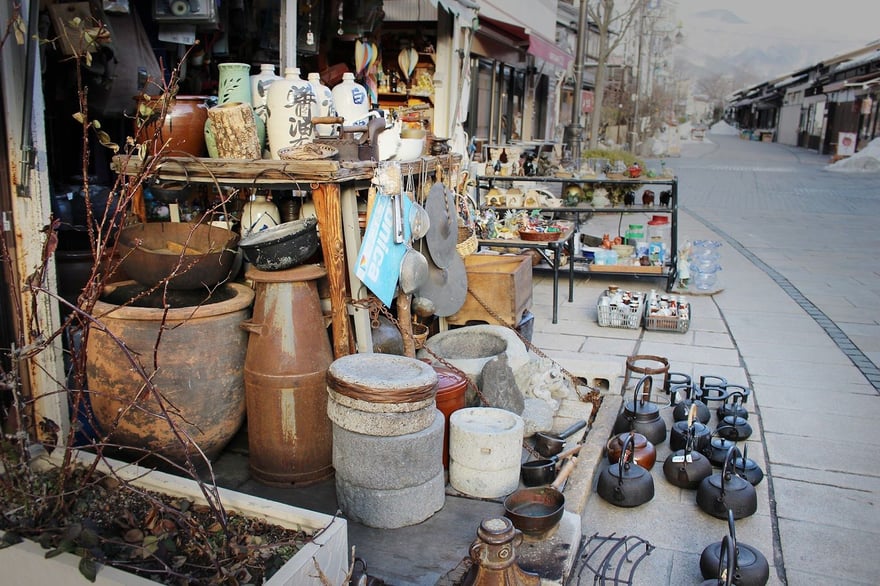
The old streets in the evening. Nakamachi and Nawate are shopping streets by day and something else after the shops shut—lit, empty, and about ten minutes from wherever you are staying in the center.
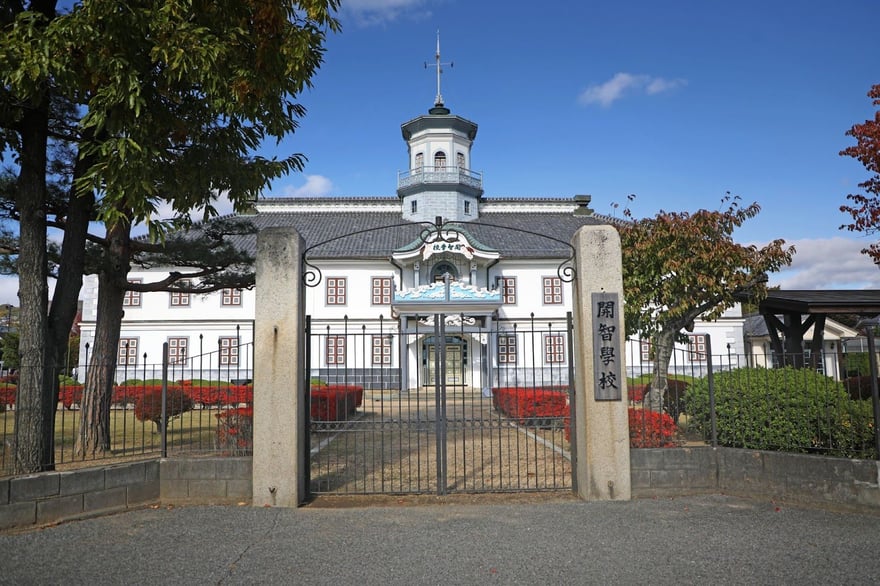
For how a stay in a small Japanese town can be built around what is outside it instead of what is in the room, our Miyajima accommodation guide works through the same problem on an island where the choice matters even more.
The music, if your dates land on it. Matsumoto is the birthplace of the Suzuki method of violin teaching, and every year it hosts the Seiji Ozawa Matsumoto Festival—founded in 1992 and known until 2015 as the Saito Kinen Festival—which runs from August into early September. It fills rooms across all four areas at once, which is the one period when the choice of area is made for you by whatever is left. If your dates fall in that window, book first and choose second.
.webp)