Welcoming the New Year with hatsumōde in Tokyo is more than a seasonal custom—it’s a meaningful experience that nurtures your mental and physical well‑being. For travelers planning hatsumode Tokyo, even in the heart of the city a shrine visit invites you into quiet and contemplation, offering a chance to step away from everyday noise and reconnect with yourself.
Grounded in Shinto teachings, the purification gestures and prayer rituals have calming effects on the mind; observing proper etiquette and making your first shrine visit with intention becomes a refined ritual that sets you up for a healthy year ahead (*1).
In this guide, you’ll revisit hatsumōde through a wellness lens—from the spiritual culture underpinning Shinto and essential etiquette, to choosing serene, beautiful shrines in Tokyo, plus transport and stay plans—so you can design a journey that resets body and mind.
This article offers one way into hatsumode — its atmosphere, its meaning, one thread of a much older story. The Hatsumode Digital Guide draws together the ritual itself, its regional variations, the spiritual architecture of shrine culture, and the quiet codes of conduct that shape the experience into a single, connected reading.
Understanding Hatsumōde as a Festival & Annual Rite Through Shinto’s Spiritual Culture
Hatsumōde—the first shrine visit of the New Year—is a Japanese tradition of offering gratitude and prayers at the threshold of a fresh start. Its roots lie in Shinto spirituality, and it carries a deeper meaning than simply making wishes: you purify the past year’s defilements and greet the year with a clear, balanced heart and body.
In Shinto, harai (purification) removes sin and kegare, returning you to a clean state. On New Year’s Eve, shrines hold the Great Purification (Ōharae), cleansing the precincts to welcome the deities of the year.
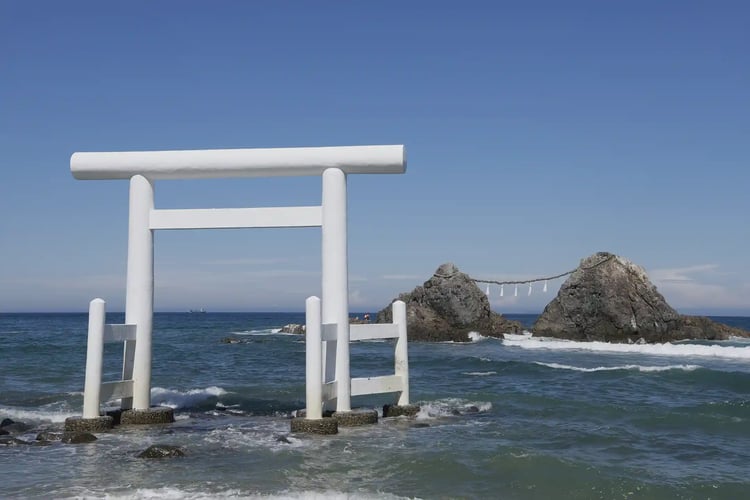
With that reset at year’s end, the season’s very first shrine visit becomes a rite for reclaiming your authentic self and stepping into a new beginning. Since ancient times, people in Japan have said that “with the turn of the year, one is reborn.” Facing the kami as if you, too, have been newly born captures the essence of New Year culture.
Purification and Clarity—The Meaning of Hatsumōde and the Healing Power of Shrine Space
Hatsumōde is not an event but a cleansing rite: you cast off a year’s misfortune and stagnant energy, purify yourself, and only then pray for the blessings of the coming year. Passing through the torii, you enter a sacred realm distinct from the everyday.
Shrines whose groves shelter you from the city’s hum often feel palpably quieter than nearby streets; simply walking in the hush can settle your mind. The whole sequence—approaching along the path, purifying at the temizuya, bowing before the main hall—becomes a mindful, out‑of‑the‑ordinary experience. Within this healing environment, body and spirit naturally refresh.
Praying before the kami with your wishes for the year also clarifies your goals and lifts your motivation—a psychological benefit many people notice. True to Shinto’s spirit of purification, hatsumōde is your annual reset: you return to a clean slate, then set your intentions for the year.
Best Timing for Hatsumōde and the Case for Staggered Visits
The first three days of January see large crowds at many shrines. Visitor peaks begin around midnight on New Year’s and continue through early morning; at midday, some precincts fill completely.
If you prefer quiet, timing is everything. Tradition favors visiting as early as possible—ideally on the morning of January 1. If that’s difficult, aim for sometime during the first three days, or by matsu‑no‑uchi (through January 7 in Kanto, January 15 in Kansai).
In recent years, however, shrines have encouraged staggered visits to prevent crowding. Most accept hatsumōde throughout January, so deliberately going after the first three days—say, during the latter half of matsu‑no‑uchi or mid‑January—can be a wise choice.
One Tokyo shrine reports that “from the 4th onward, crowds tend to ease,” so if you couldn’t avoid the rush between the 1st and 3rd, visiting by Little New Year (January 15) is a good plan.
Since COVID‑19, major shrines have also shared live crowd updates and promoted staggered schedules to help you visit safely. If you’re older or simply cherish calm, choose early morning or evening when foot traffic is lighter—or shift the date entirely. A flexible plan makes for a safer, more spacious first visit.
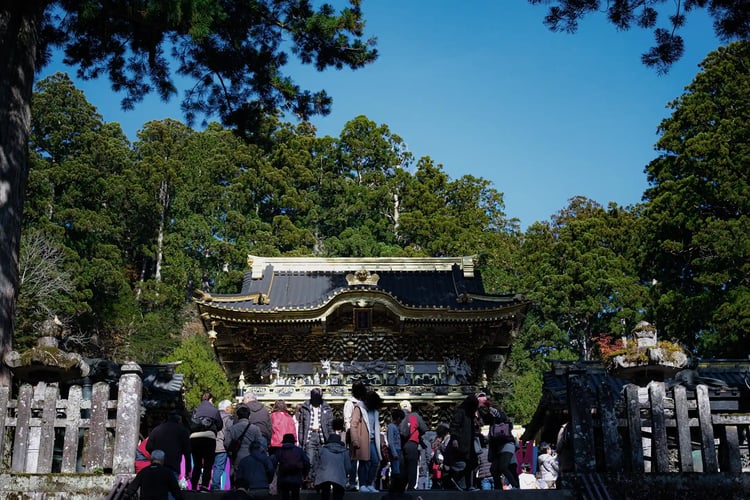
Basics and Etiquette for Shrine Visits
To enjoy hatsumōde comfortably, it helps to know proper etiquette. A Shinto shrine is a sacred space, and shared manners let everyone pray with ease (*1).
Below is a calm, step‑by‑step outline you can follow with confidence—even on your very first visit. While details vary by shrine, mastering the basics lets you move at an unhurried pace and deepen your time of prayer.
How to Purify at the Temizuya (and Why It Matters)
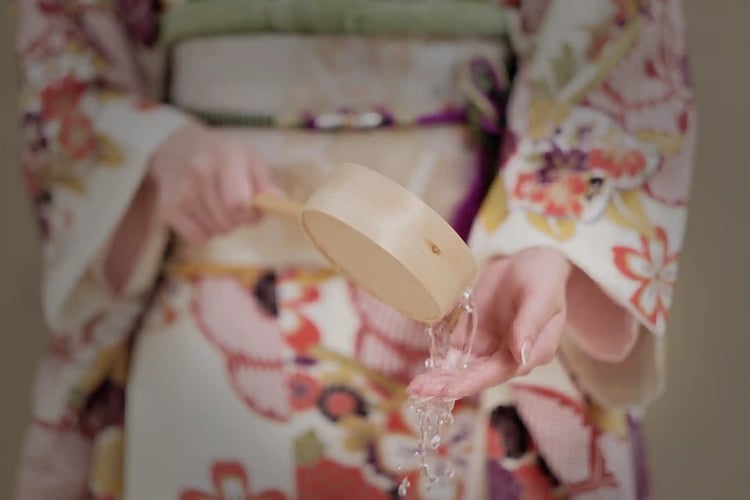
Before praying, purify hands and mouth at the temizuya (water pavilion) using the ladle as follows:
First, hold the ladle in your right hand and pour water over your left. Switch hands and wash your right. Then switch back, pour water into your left palm, and rinse your mouth (never sip directly from the ladle).
After rinsing, wash your left hand once more. Finally, tilt the ladle upright to let the remaining water run down the handle, cleansing it before you return it face‑down. This brief ritual prepares you to enter the sacred space with a clear body and mind.
Temizu is a simplified form of ancient misogi (water purification). In practice, rinsing hands and mouth can help wash away guilt and mental fog, giving you a reset (*2).
The Shinto idea of removing impurity and returning to clarity is distilled into this short water rite. Be considerate at the basin—share space, and use a single ladle’s worth with grace. Winter water is cold, but that chill can awaken the senses; take it as a moment to sharpen attention and quietly savor purification.
The Core Rite of Worship—Two Bows, Two Claps, One Bow
At the main hall, you’re ready to worship.
Offer a light bow, place your monetary offering gently into the box, and ring the bell softly (if there is one). Stand tall and perform the sequence known as “two bows, two claps, one bow.”
Bend deeply from the waist (about 90 degrees) for two slow bows. Bring your hands together before your chest and clap twice, offsetting your fingertips slightly to make a clear tone; in your heart, offer gratitude and your wish. Conclude with one final bow.
This standard rite expresses reverence and joy before the kami (*2).
If a shrine uses different etiquette, follow its guidance. The deep bows convey respect; the claps, gratitude and prayer; the closing bow, a final gesture of honor.
Move with your breath—steady and unhurried—so you can focus your mind. Keep your wish concise and clear in your heart.
When you step away from the hall, bow once more; carry that same care until you leave the front of the shrine. Done properly, these basics make your time before the kami brighter and more meaningful.
Prayers, Goshuin Stamps, and Choosing Amulets
Beyond individual prayer, you can receive a formal blessing (kitō) from a priest, or collect a goshuin (calligraphic seal) and amulets (omamori).
Prioritize intention over quantity. You don’t need to buy many items; choose what truly speaks to your needs or to someone dear—perhaps “traffic safety,” “health and longevity,” or “harmonious relationships.” One thoughtfully chosen amulet is plenty.
Goshuin, proof of your visit, can draw long lines. If you carry a goshuin book, it may be inscribed onsite; on busy days, some shrines offer pre‑written sheets. Photography is sometimes prohibited, so avoid commemorative shots in restricted areas.
For kitō, apply at the shrine office and offer the customary fee. Popular shrines may require waiting, so checking the official site for any reservations helps.
During the blessing, refrain from conversation and remain composed in your seat. Listen to the rhythm of the norito (prayers) and drum—let the atmosphere carry you.
Omamori, hamaya (lucky arrows), and other items vary by shrine. Buy sparingly and honor the meaning of each item you receive. Customarily, you return old talismans to the same shrine for ceremonial burning; if you receive new ones at New Year, bring the old back with gratitude at year’s end.
As for photos and conversation, many main halls and priestly areas prohibit shooting—signage is common. Be mindful not to capture other worshippers, and keep voices low within the precincts (*1).
With these courtesies, you’ll blend in with ease and enjoy a smart, dignified first visit.
%20for%20Shrine%20Visitors.webp?width=750&height=500&name=Purification%20Fountain%20(Temizuya)%20for%20Shrine%20Visitors.webp)
Hatsumōde in Tokyo|A Guide to Shrines for Quiet and Beauty (hatsumode Tokyo)
Tokyo offers many famous hatsumōde spots; here, you’ll find a curated selection where serenity and beauty shine.
From a vast forested sanctuary in the city center, to an oasis‑like shrine in a business district, to a garden‑like historic site, a compact and dignified neighborhood shrine, and a place where tradition meets contemporary culture—five distinct shrines, all with convenient access for early‑morning visits.
With wellness in mind, we considered calm (crowding), ease of access, availability of formal blessings, walkability and barrier‑free paths, and photography policies.
Whether you want the freshness of forest‑bathing without leaving the city or a small, hushed space for focused prayer, you’ll find a high‑satisfaction hatsumode Tokyo experience if you value harmony of body and mind. Let’s explore each shrine and how to make the most of your time there.
Meiji Jingū—Sacred Forest Breathing in the Urban Core
Say “hatsumōde in Tokyo” and Meiji Jingū is always on the list. Set between Shibuya and Harajuku, its grounds unfold into roughly 700,000 square meters of evergreen forest.
One step onto the approach and you’re in dappled light and clear air—a deep hush that feels worlds away from the city.
Meiji Jingū is often called Japan’s most visited for hatsumōde, drawing around 3 million people over the first three days (*1). Gates at midnight on the 1st bring long waits; by about 4 a.m., flows ease and visits become more relaxed. Even so, compared with normal days it’s busy—if you can, go outside the first three days.
The shrine disperses congestion by placing additional counters near the main hall for amulets and omikuji. After a quiet moment before the honden, you might receive a goshuin or draw the shrine’s famed “Ōmikokoro” waka fortune—poems by Emperor Meiji and Empress Shōken that offer life guidance rather than simple “good/bad luck.”
Breathe deeply in the vast forest: a rare purification in the city. Photography is generally allowed outdoors, but mind your footing on the gravel paths and avoid photographing other visitors (and refrain before the kami).
For blessings, the Meiji Jingū Culture Hall handles applications. Demand is high throughout the New Year period, but non‑Japanese speakers can request interpreter support—feel free to inquire.
A first visit where deep forest sanctity meets central Tokyo—Meiji Jingū beautifully unites wellness and tradition.
%20at%20Meiji%20Shrine%2c%20Tokyo.webp?width=750&height=500&name=Minami%20Shinmon%20(Main%20Gate)%20at%20Meiji%20Shrine%2c%20Tokyo.webp)
Hie Shrine—Tranquility on a Hilltop in the Business District
Hie Shrine stands in Nagatachō/Akasaka, long revered as a guardian of Edo Castle. Set on high ground and ringed by greenery, its precincts feel remarkably still for the city center.
If you’re staying in Akasaka, you can easily walk; it’s also three minutes from Akasaka Station. Tens of thousands visit over the first three days, but from dawn to about 9 a.m. on the 1st it’s relatively calm (*2).
Arrive before daybreak while the office towers still slumber and enjoy an unhurried visit in the crisp winter air. The main approach has escalators, making it simple even in kimono or with a stroller. There’s also a gentle slope (onnazaka) that bypasses the front steps—good news if you prefer to avoid stairs.
The enshrined deity Ōyamakui‑no‑kami is associated with relationships and success in work. You’ll be greeted by the pair of sacred monkey statues (masaru‑zō); touching them is believed to bring blessings in relationships and safe childbirth. If a queue forms, wait quietly for your turn.
Photography is permitted outdoors but not inside the main hall.
Despite its business‑district location, Hie Shrine feels calm at dawn and dusk—perfect for a visit after the hotel spa. Afterward, walk through the vermilion thousand‑torii of the adjacent Sannō Inari Shrine and capture a memory that truly refreshes. On this hilltop grove that makes you forget the city, offer a poised New Year’s prayer.
%20of%20Hie%20Jinja%20Shrine%2c%20Tokyo.webp?width=750&height=500&name=The%20Haiden%20(Worship%20Hall)%20of%20Hie%20Jinja%20Shrine%2c%20Tokyo.webp)
Nezu Shrine—Garden Aesthetics and Historic Gravitas
In the Bunkyō “shitamachi” area, Nezu Shrine is one of Tokyo’s Ten Shrines (Tōkyō Jissha).
Said to have origins nearly 1,900 years ago, its present buildings date to the Edo period and are famed for gorgeous gongen‑zukuri architecture and seasonal garden scenery. The April Azalea Festival carpets the grounds with blooms, but the New Year season is lovely in its quieter way.
Because it sits a bit away from central hubs, many reviews call it “less crowded than expected—something of a hidden gem” even over hatsumōde (*3). On New Year’s Day, if you avoid peak midday hours, you can stroll without undue crowds.
Aim for later on the afternoon of the 1st, or the morning of the 4th or later. The straight stone path to the main hall is flanked by tall zelkovas; to the north, Otome Inari Shrine offers a compact corridor of torii—perfect for photography.
While not as long as Fushimi Inari’s, visiting at dawn or dusk can grant you a near‑silent passage through the vermilion tunnel.
Nezu’s historic grounds do include some steps. There are partial ramps and paved routes, so wheelchair access is possible in sections. Goshuin are available at the office, though expect some waits on the 1st.
The surrounding neighborhoods keep a classic local charm; after your visit, wander Yanaka/Nezu/Sendagi and pause at a traditional sweet shop or café. At this serene “hidden” power spot, make your New Year vow while taking in garden beauty—you’ll begin the year with a peaceful heart.
Tokyo Daijingu—Composed, Graceful Devotion
Nicknamed “Tokyo’s Ise,” Tokyo Daijingu blends central convenience with a quietly refined atmosphere. It’s popular for relationship blessings, especially among young women, yet the space itself is compact and calm, and the shrine is notable as a pioneer of Shinto wedding ceremonies.
Just five minutes from Iidabashi Station, it gets very busy over the first three days; on the 1st, queues can stretch beyond the grounds, with waits of two to three hours (*4).
To avoid the rush, aim for the early hours—around 5–7 a.m. on New Year’s Day tends to be lighter. The shrine remains open through New Year’s Eve into the 1st; while many arrive at midnight, lines often ebb before sunrise.
Because the precincts are small, peak queues can extend toward Iidabashi; staff ensure orderly lines, so you can wait at ease. In the cold, keep warm and stay relaxed—perhaps with a travel mug of hot tea, a scarf or heating pads—and use the time to refine your prayer.
At the worship hall, let the bell’s tone settle you. Dedicated to Amaterasu Ōmikami and other deities of Ise Grand Shrine, this is a chance to feel the dignity of an Ise pilgrimage in Tokyo.
Many visitors receive relationship amulets here. Each New Year brings limited designs; quantities are finite and distribution starts in the morning of the 1st, so go early if you have your eye on one (entry may be metered for safety).
Goshuin are usually handwritten at quieter times, but service may pause over New Year—check posted notices.
Though your visit may be brief, the atmosphere sharpens the mind with quiet elegance.
A relatively modern shrine with the stature of a jingū, Tokyo Daijingu offers an oasis‑like hatsumōde. Afterward, returning to a nearby hotel for amazake in a warm lounge makes a lovely coda.
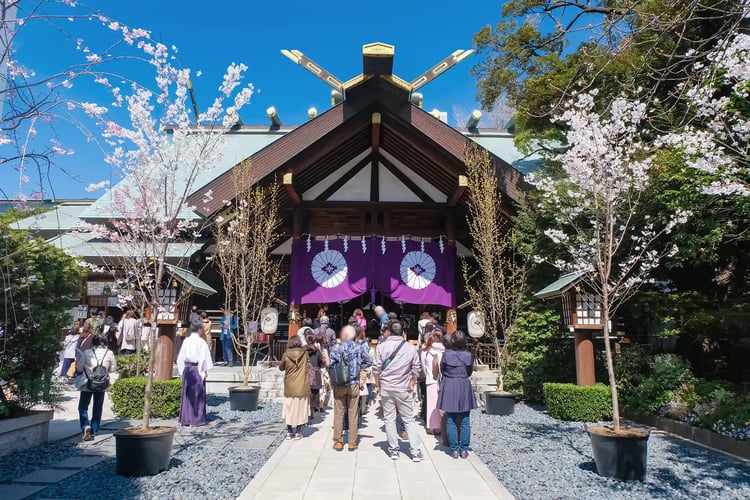
Kanda Myōjin—Where Tradition Meets Urban Culture
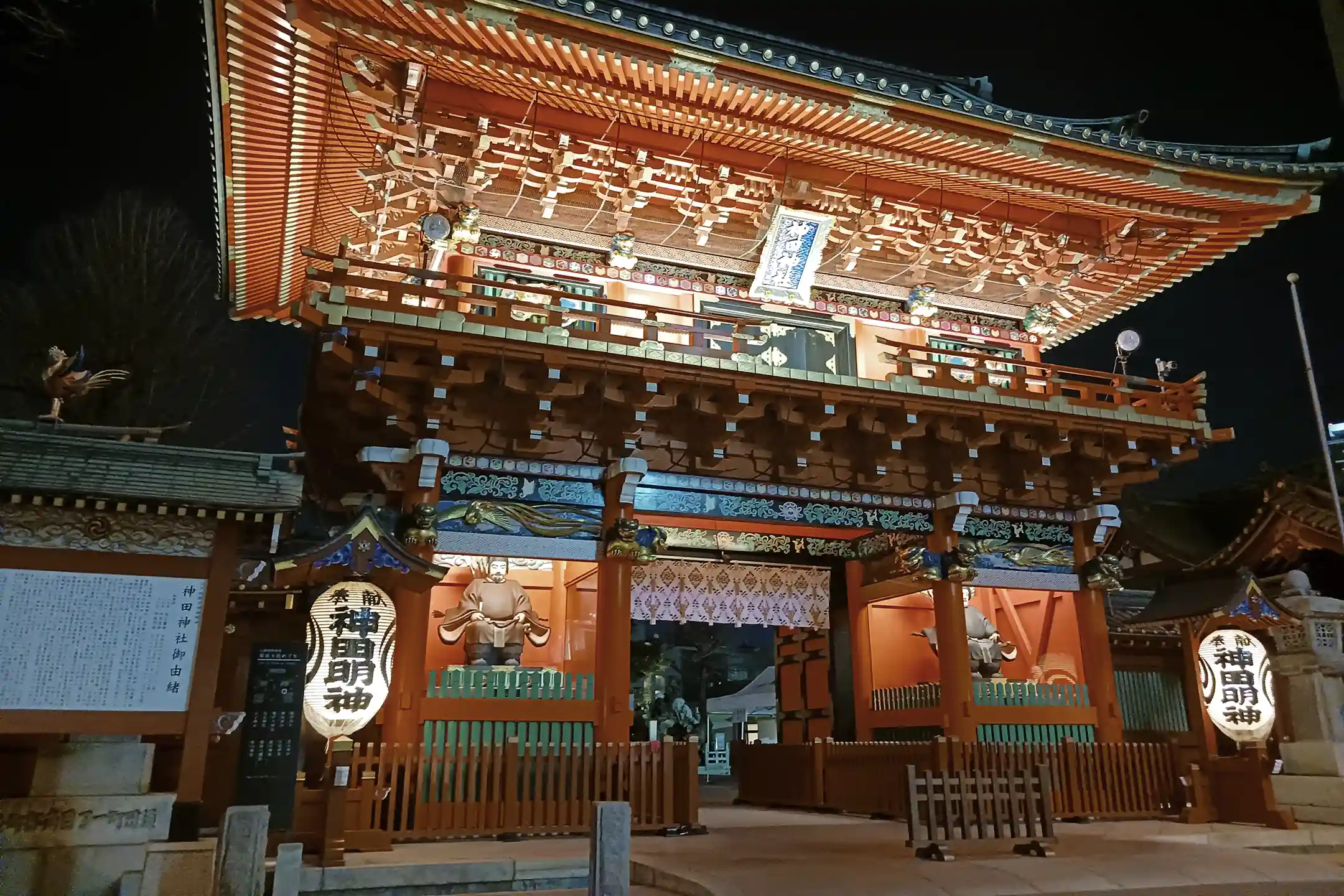
Kanda Myōjin (Kanda Shrine), long beloved as Edo’s guardian, is a unique hatsumōde spot where Tokyo tradition intersects with contemporary culture. Within walking distance of Akihabara, it has strong ties with IT companies and anime communities, drawing international attention.
More than 300,000 people visit over the first three days. Midnight to 3 a.m. on the 1st and daytime hours are especially crowded. In response, Kanda Myōjin keeps gates open around the clock and recommends night or early‑morning visits. The official site even streams live footage of the grounds 24/7 to show real‑time congestion—tech‑forward crowd management at work.
During the season, you’ll find automated machines for amulets and omikuji to ease pressure at counters.
Popular talismans—like the “victory” charm or the IT information‑security amulet—are available via vending machines as well, making them easy to obtain for overseas visitors. Despite these modern touches, the shrine itself dates to 730 (Tenpyō 2). Its vermilion gate and vividly painted main hall embody Edo elegance, and the on‑site display of a traditional mikoshi captivates history lovers.
Photography is allowed in the precincts, but on the 1st be mindful of footing and pickpockets. If you wait until nighttime or mid‑January, you can linger at the on‑site café and try original sweets.
Mid‑January also brings the Daikoku Festival, with traditional performing arts and lion dances. Open to cultural exchange, Kanda Myōjin sometimes welcomes Akihabara maid cafés for safety prayers and hosts collaborations with anime—old tradition and pop culture in striking harmony.
If you wish to avoid crowds, aim for the second week of January, early morning or late at night. If it’s still busy, it’s fine to offer a remote prayer from the entrance. What matters is sincerity—the deities of Edo are gracious.
A hatsumōde here is a dynamic start to the year: you touch the vigor of Edo tradition while renewing your personal aims.
Model Routes and Time Design—Three Patterns for Late Night, Early Morning, and Daytime
Thoughtful time design is the key to a comfortable, safe hatsumōde. Whether visiting late night through dawn, during busy daytime, or outside peak hours, plan transport, breaks, and spa time to raise your trip’s sense of ease and luxury.
Below you’ll find three patterns—late night to early morning, daytime, and staggered visits—with tips on balancing movement, meals, rest, and spa.
Across all plans: keep schedules gentle, dress warmly and prioritize safety, and build in decompression. Consult your butler or concierge and shape the first visit that suits you best.
Late Night to New Year’s Morning Options
In some years, JR East and other lines run through the night on New Year’s. That makes it possible to head to a shrine right after the countdown; just allow extra time for crowded trains and stations (service between 4–5 a.m. is typically less frequent even on overnight schedules).
For more privacy, arrange a hotel car or hired vehicle. At midnight, most shrines have long queues; at Meiji Jingū, for instance, visitors move steadily from around 12–3 a.m., and crowds ease toward dawn.
One idea: welcome midnight at your hotel, then depart around 2–3 a.m. to miss the tightest squeeze and still greet the New Year in the shrine’s stillness.
Hatsumōde from midnight into early morning is priceless—your first taste of New Year quiet and prayer in a distinctly solemn mood (*1). Balance that with care for safety and health, and keep your schedule elegant and unrushed.
Designing Movement to Avoid Crowds
Comfortable transport is all about sidestepping peak times. Even on public transit, simply shifting your window can reduce stress dramatically.
At stations serving popular shrines, lines can snake from the gates between about 10 a.m. and 3 p.m. on the 1st; by contrast, the 6 a.m. hour or evening flows more smoothly. Walking can also help. If your hotel is within two kilometers, consider strolling.
A winter walk in clear air energizes you; as you settle your breath en route, it functions like a walking meditation—centering you before prayer. Take in the city as you go and enjoy the rising current of people sharing the same purpose.
Leave space in your plan—purposeful, not idle. When movement itself becomes part of hatsumōde, unhurried steps make the shrine circuit feel calm and restorative.
Time Management for Blessings, Goshuin, and Amulets
Receiving a formal blessing, collecting a goshuin, or obtaining amulets all take time—build that into your plan. On the 1st–3rd, many shrines take same‑day applications for blessings on a first‑come basis, which means queuing.
At Tokyo Daijingu, for example, reception begins at midnight and groups are guided to the Kaguraden in order; daytime waits can stretch to several hours (*2). If you’re short on time, try early morning, or return on a weekday.
If you must go at peak times, scout nearby places to wait—rest areas or cafés. Some shrines, such as Kanda Myōjin, offer partial online applications for blessings or mail delivery for amulets. If crowds aren’t your thing, these can still connect you with the shrine’s benefits.
Given recent congestion, many shrines provide pre‑written goshuin sheets. Amulets are available as long as you queue, though popular designs can sell out; for the surest chance, go in the morning.
For instance, Meiji Jingū’s “kumade” charm or Tokyo Daijingu’s New Year‑limited omamori sometimes sell out by afternoon. The guiding mindset: if you must queue, make it pleasant; if you must wait, stay relaxed. Many shrines accept cash only, so prepare coins and crisp bills for smooth payment.
Above all, mind your manners: don’t cut lines; follow staff guidance; treat priests and miko with respect. With that attitude, you’ll draw the full richness from your hatsumōde time.
Designing Your Stay—Restore with Spa, Food, and Lodging
To make your Tokyo hatsumōde truly restorative, weave wellness into your entire stay:
Use spa and bathing to warm your core; choose seasonal, health‑forward dining; and book a quiet, comfortable hotel. To carry the shrine’s renewal forward, soothe what travel and cold weather strain, nourish well, and rest in a calm environment.
Below are practical ideas for luxury travelers: relax in a quality spa, recharge from within with locally sourced meals, and sleep deeply in a peaceful room. Together, these create satisfactions that go far beyond sightseeing.
Pairing Spa and Bathing
In winter, keeping warm is essential. Before and after your visit, make the most of your hotel spa or an onsen/large bath to stabilize body temperature and energy.
A gentle morning soak before an early visit warms you from the core and improves cold tolerance. Warm bathing dilates blood vessels and promotes circulation, boosting metabolism and easing muscular tension (*1).
If you’re at a luxury hotel, consider a spa treatment the next day. An aromatic oil massage will refresh tired legs and shoulders so you don’t carry fatigue forward.
Tokyo has an increasing number of spas fed by hot springs; hinoki tubs and open‑air baths can immerse you in a distinctly Japanese bathing culture. Time it with intention: a light morning soak to charge your day, and a long, unhurried evening bath for deep relaxation.
On the move, protect yourself from the cold with heat packs and insulating layers; after returning from a shrine, warm up promptly with a shower so cold doesn’t linger. When soaking, submerge to the shoulders to encourage full‑body circulation; avoid overheating and drink water or herbal tea.
Used well, bathing and spa help the good energy of prayer flow throughout your body—an invigorating start to the year.
Choosing What to Eat
In winter Tokyo, opt for warming, seasonal dishes. Hatsumōde can throw off mealtimes, so avoid extremes of hunger or fullness; aim for pleasant “80 percent full.”
Among New Year menus, favor simple preparations that showcase ingredients. While osechi developed for preservation, modern versions often use organic produce and lighter seasoning. Seasonal foods are at their flavorful, nutritious peak—seek them out (*2).
Winter root vegetables—daikon, carrots, burdock—warm you and provide vitamins and fiber. With richer innate flavor, they need less seasoning, which naturally reduces salt and sugar. At breakfast, warm your core with hot water or ginger tea, and support your digestion with yogurt or miso soup.
For café breaks, choose warming, low‑sugar drinks like amazake or hot matcha latte. Hydrate with room‑temperature or warm tea rather than ice water. Dining out, look for restaurants that source locally; it’s a sustainable choice.
Venues using organic Tokyo‑area vegetables or fish from Toyosu/Tsukiji markets deliver fresh, nourishing meals that also connect you to seasonality—satisfying and immune‑supportive.
For example: after Nezu Shrine, try a Yanaka spot serving simmered seasonal vegetables; after Meiji Jingū, a plant‑forward shōjin‑style café in Omotesandō.
Avoid additives and center the ingredients themselves—that’s the heart of well‑being travel dining. Eat modestly yet nutritiously so your extraordinary day remains comfortable and clear‑headed.
How to Choose Your Hotel
If you’re coming to Tokyo for hatsumōde, your hotel shapes the whole experience. The ideal property offers excellent shrine access, quiet for quality sleep, and flexibility for early‑morning or late‑night outings.
Location: pick hotels near the shrines featured here. For Meiji Jingū, look around Omotesandō or Shibuya; for Hie Shrine, Akasaka or Kioichō; for Tokyo Daijingu and Kanda Myōjin, anywhere from Tokyo Station to Akihabara. If you can walk to a shrine, you can step out before crowds build and return at leisure for breakfast (*3).
If sustainability matters to you, choose properties with eco‑certifications or robust environmental practices. Hotels with EV chargers or local community partnerships can turn your stay into a cultural experience in itself.
Finally, reserve a quiet moment near journey’s end—perhaps in a tearoom or the bar lounge—to reflect. A hotel is not just a place to sleep; it shapes your lasting impression. Choose a calm, high‑quality space that carries the peace you found at the shrine straight into your dreams.
Hatsumōde and Shinto’s Spiritual Culture—Carrying Well‑Being into Daily Life
Bring the clarity of your shrine experience home and let it support you all year. Shinto’s spiritual culture offers everyday practices—not just special occasions—to balance mind and body.
Below are ideas for a short morning purification, engaging with seasonal rites, and nurturing a respectful mindset. Keep these alive after your journey and the well‑being you felt at New Year will continue to grow.
Three Minutes Each Morning—Simple Purification and Breath
Turn your shrine experience into a daily ritual. A three‑minute routine is enough.
On waking, sip a glass of warm water to gently heat your core. At the sink, rub a pinch of natural salt between your hands as if washing, then rinse it away—salt is used for purification in Shinto, and the sensation itself can evoke that cleansing mood.
Dry your hands, make a quiet bow toward a household altar or an open window, and in your heart say, “May I spend today in clarity.” Then straighten your posture and take three rounds of deep breathing.
Inhale slowly through the nose; exhale steadily through the mouth. This simple cadence helps settle the nervous system and ease tension.
Finally, set a short intention: “I’ll keep a smile,” “I’ll work with care”—a daily promise to yourself. As with stating your wish at a shrine, consistent morning intentions help you begin each day grounded.
To avoid burnout, don’t chase perfection. If time is tight, just drink warm water and take one slow breath. The point is to create a daily reset. This simple morning purification is your first step in weaving sacred calm into everyday life.
Aligning with a Seasonal Shrine Calendar
Beyond hatsumōde, Japan’s seasonal rites offer regular resets throughout the year: Setsubun in February; the spring and autumn equinox weeks (Higan) in March and September; the Great Purification at mid‑year (Nagoshi‑no‑harae) in June; and the year‑end Ōharae in December.
On Setsubun (the day before spring), people cast beans with the chant “Out with misfortune, in with fortune” to ward off negativity—originally a New Year purification. Spring and autumn Higan, when day and night are equal, invite quiet through ancestor veneration and grave visits.
On June 30, Nagoshi‑no‑harae clears six months of impurity; many shrines hold a chinowa kuguri ritual where you pass through a large ring of reed grass for renewal before summer.
Some say “visiting a shrine on July 1 after June’s Great Purification carries meaning akin to hatsumōde” (*1). Then December 31 brings the year‑end Ōharae, completing the cycle before the next first visit.
By marking these reset points, you can meet daily life with fresh focus. Add dates to your calendar and plan your own small rites: order beans from a favorite shrine and hold a Setsubun at home; go pass through the reed ring and enjoy a cooling wagashi in June; after an autumn grave visit, take time for meditation.
Repeated gently through the year, these become a well‑being practice that naturally maintains harmony of body and mind.
A Mindset of Respect
Lastly, hold on to a mindset of respect for the culture you touched through hatsumōde. It matters everywhere—not only while traveling.
For attire, choose clean, composed clothing for shrine and temple visits. You don’t need formalwear or kimono, but modest outfits are ideal.
Language is similar: even without Japanese, a calm tone and considerate demeanor will be felt and returned. Be mindful when photographing or posting on social media.
As noted earlier, some areas prohibit photography; never disrupt others’ prayer. Share your experience with care: a phrase like “Grateful to join a sacred rite” conveys respect. Treating ritual items or attire purely as props risks misunderstanding; imagine how your actions feel to those within the culture, and lead with love and regard. That’s the hallmark of a true luxury traveler.
Happily, people in Japan are very welcoming when visitors honor local manners. After your wonderful first visit, carry this respectful spirit with you as you explore more of Japan. In return, you’ll cultivate your own inner richness—and that is the path to genuine well‑being.
.png)
There is more to stay with here.
Hatsumode is not a single moment — it is a practice shaped by centuries of spiritual culture, regional meaning, and quietly observed tradition. This article has traced one path through it. The Digital Guide follows the wider landscape: the shrines and their significance, the rituals and their origins, the unspoken customs that give the experience its depth.

In Closing
This article has offered a comprehensive guide to enjoying hatsumode Tokyo through a wellness lens. We’ve blended scholarly insight with sensory description so you can savor both the deep spirituality and the restorative power of this Japanese tradition within a luxury journey. The reset and uplift you feel through New Year shrine visits can ripple into your daily life in rich, positive ways.
Even amid Tokyo’s bustle, sacred quiet truly exists. Facing yourself in prayer within that space will meet the expectations of discerning travelers. Honor tradition, and shape a first visit that feels like you. May this journey open a new chapter in your life and become a first step toward sustainable well‑being—we sincerely wish it so.