Discover Hokkaido’s vast landscapes through a luxury lens that puts your whole-person wellness and sustainability first. This is your complete guide to curated, guided tours that let you enjoy nature-rich experiences across the seasons with the safety and quality that only expert guides can provide.
As you read, you’ll learn how to restore yourself in hushed, hidden sanctuaries and shape a more sustainable way to travel. If you’re planning a Hokkaido tour, keep the following points in mind and you’ll tune your body and mind to the rhythms of Hokkaido’s four distinct seasons—carrying a deep sense of wellbeing long after you return home. Settle in, take your time, and let this help you plan your next journey.
This article is one way into Hokkaido. The Digital Guide gathers its onsen and forests, the quiet rhythm of its four seasons, and the art of designing a private, nature-led journey into a single, connected reading.
Why a Hokkaido Tour with Nature-Focused Guides Is the Top Choice
If you want to savor Hokkaido’s great outdoors to the fullest, small-group, private guided tours are ideal. The benefit is simple: you avoid crowded spots and immerse yourself in restorative quiet—essential for a wellness-forward Hokkaido tour.
In Shiretoko—especially at the peak of the season (May–July)—joining a guided tour is recommended for both safety and ecological learning. With experienced, certified guides at your side, safety protocols are thorough, and you’ll gain scientific insights into local flora, fauna, and geology(*1).
Because many guides are licensed interpreter-guides and well-versed in Japanese culture and history, you won’t feel a language barrier even if you’re visiting from overseas(*2). Guides prioritize your safety and comfort while also acting as guardians of the environment. In practice, they help prevent accidents on mountain trails, monitor wildlife, and support the management of designated heritage areas in multiple ways.
These tours also emphasize environmental responsibility and contributions to local communities. In the World Natural Heritage site of Shiretoko, for example, guided tours deliver high-quality nature experiences while playing a crucial role in conservation. Guides educate participants about ecosystems and rules, and demonstrate respectful ways to encounter wildlife—raising travelers’ environmental awareness(*3).
This is the essence of Hokkaido’s guided tours: you don’t just “see” nature—you support it, experiencing it in a way that gives back to the place you’ve come to enjoy on a Hokkaido tour.
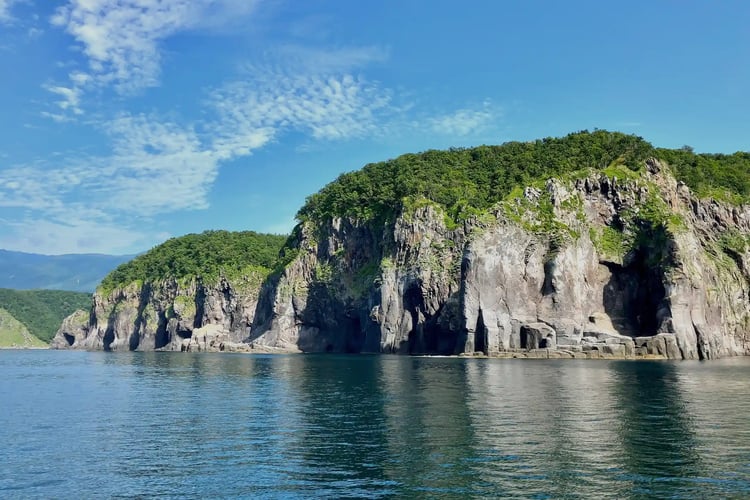
The Value of Small, Private Guiding
In private tours with a limited number of guests per guide, your route flexes to fit your fitness level and interests—so your Hokkaido tour aligns with your personal pace and energy. Visit scenic lookouts at quieter hours—sunrise or dusk—to have those sweeping landscapes almost to yourself.
You can also set photography and rest stops to match your rhythm, easing both body and mind. Dedicated vehicles are common, and unlike a big coach, they can stop wherever you feel drawn to the view. When something catches your eye, you can pull over for a closer look or a photo, shaping a tailored sense of time that feels truly your own.
This bespoke approach to private guiding meaningfully elevates satisfaction across your entire trip.
Ecotourism in Action—Benefits That Ripple Through the Region
Hokkaido’s guided tours embody ecotourism’s core: reverence for nature and a commitment to local communities. In some cases, part of your tour fee supports the maintenance and protection of national parks, so your very participation contributes to conservation(*4).
Guides also bring local culture and traditions to life, helping you connect with the stories of each place. You won’t feel like a passing visitor; you’ll sense your place within the community’s fabric.
By weaving in meals that feature local ingredients or visiting shops that carry regional crafts, tours generate positive economic ripple effects. Many guides grew up here and bring deep love and knowledge of the land, so don’t be surprised if you find warm, memorable exchanges with local people along the way. Travel that treasures nature and culture—while still feeling wonderfully indulgent—is a major reason Hokkaido’s guided tours stand out.
Where to Stay—Quiet, Sleep, and Low-Impact Luxury
Two categories dominate the upper end: luxury ryokan that pair Japanese sensibilities with modern comfort, and mountain lodges built to sit inside the landscape. What they share is an unusual devotion to quiet and to the sleep environment—high-end properties manage night-time sound deliberately, adjusting or stopping background music, planning staff routes on guest floors, fitting soft-closing doors and carpeting corridors. It sounds fussy written down; it is the difference between waking rested and waking early.
Eco-luxury hotels are a growing third option, taking real steps rather than posting a towel card. On the energy side more properties are switching to electricity plans backed by non-fossil certificates, which treats CO₂ from power use as effectively zero—six Comfort Hotel locations in Hokkaido announced adoption of that scheme. For travellers who would rather their stay not undo the point of the trip, it is worth asking what a property actually buys.
Signature Hokkaido Tour Experiences by Region
To truly encounter Hokkaido’s nature and culture, choose guided tours tailored to each area’s character—from World Heritage sites and national parks to flower fields and remote islands. With expert guides, you’ll go deep while staying mindful of conservation.
Access from major cities is straightforward, with robust hot springs and lodging options throughout, so you can match each region to your preferred travel style. Here are highlights by representative area.
What Each Season Actually Offers
The seasons here are unusually distinct, and each one changes what a guided day is for. Spring arrives with meltwater and an eruption of blooms in natural flower gardens—Corydalis ambigua and Adonis ramosa among them—while the marshes where red-crowned cranes dance draw visitors of their own; in Hakodate and Sapporo the cherry blossom peaks around Golden Week rather than in early April as it does further south. Summer is the season of fresh green and the rainbow fields, Furano's lavender chief among them, with upland walking comfortable in a way it rarely is elsewhere in Japan. Autumn turns the uplands first, weeks ahead of the cities. Winter is when the drift ice and the snow-country programmes come into their own.
Shiretoko National Park / Okhotsk (World Natural Heritage)
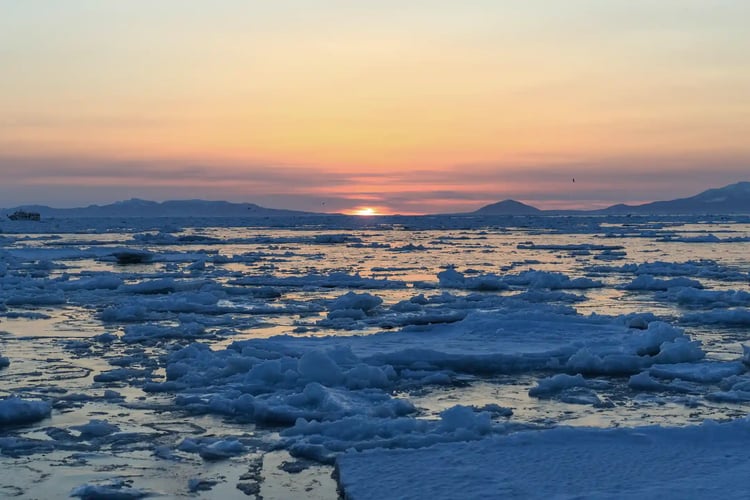
The Shiretoko Peninsula is a biodiversity treasure where sea and primeval forest interlace, home to high densities of large wildlife such as brown bears, Steller’s sea eagles, and orcas. In winter, drift ice gathers along the coast, and seasonal experiences like guided “drift ice walks” are popular(*1). It’s about a two-hour drive from Memanbetsu Airport to Utoro, where upscale ryokan and hotels cluster around the hot-spring town.
Daisetsuzan National Park (The “Roof of Hokkaido”)
Nicknamed the “Roof of Hokkaido,” Daisetsuzan is Japan’s largest national park, crowned by Mount Asahidake (2,291 m). In summer, the ridgelines become a botanical sanctuary; roughly 250 species—about 40% of Japan’s alpine flora—have been recorded here(*2).
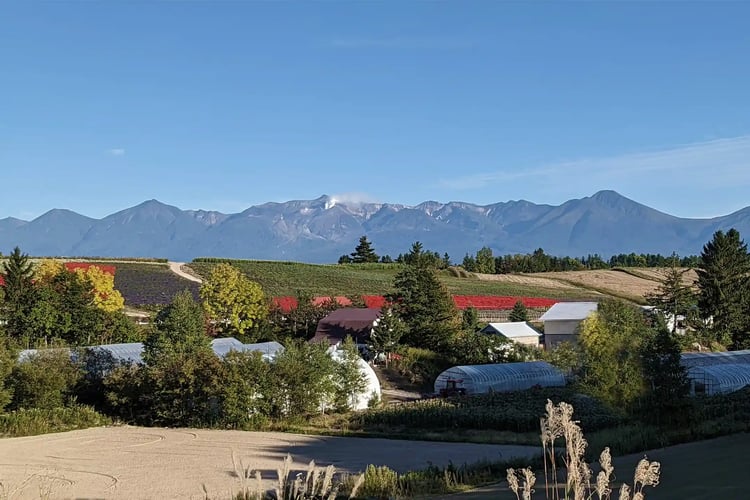
At Asahidake and Kurodake, ropeways whisk you up to volcanic zones where you can observe rugged terrain and plumes rising from fumaroles at close range. After a hike, unwind in Asahikawa City or soak in Sounkyo Onsen and Asahidake Onsen at the mountain’s base.
Kushiro Shitsugen National Park
Japan’s largest wetland invites you to paddle the Kushiro River by canoe to spot rare wildlife like red-crowned cranes and white-tailed eagles up close(*3). Vantage points such as Hosooka Observatory serve up horizon-wide views that help you feel the living breadth of the marsh.
Furano & Biei
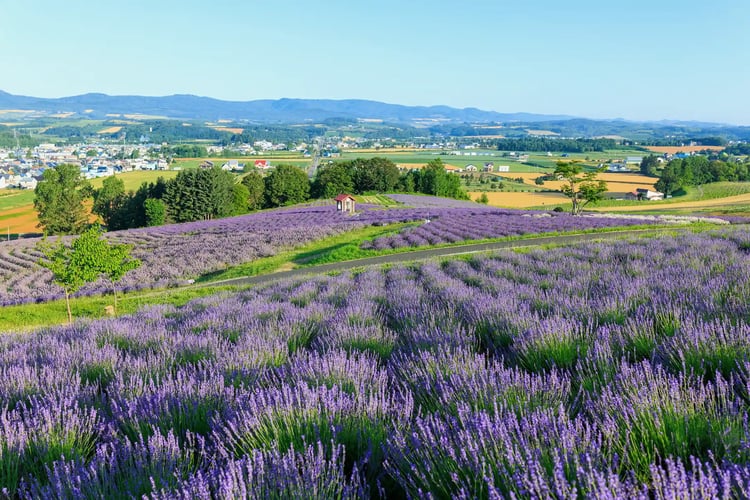
In central Hokkaido, Furano and Biei are famed for rolling hills blanketed in seasonal blooms. Summer is spectacular—especially July—when lavender and a host of flowers hit their stride. Carefully contoured fields create a patchwork effect with striking depth and color unique to Biei(*4).
Furano is about an hour’s drive from Asahikawa Airport. Forest-wrapped resorts and pensions with views over the flower fields make restful bases.
Shikotsu-Toya National Park
Close to Sapporo and New Chitose Airport yet filled with volcanic drama and caldera lakes, this area is often called a “living volcano museum.” It centers on the twin caldera lakes, Lake Shikotsu and Lake Toya, along with numerous volcanoes. Ice-free even in winter, Lake Shikotsu is Japan’s northernmost non-freezing lake, known for its deep “Shikotsu Blue.”(*5)
At Lake Toya, you can cruise to Nakajima Island or walk forested lakeside trails to enjoy both volcano and lake in tandem. Round off your day with the volcanic gift of hot springs in Toyako Onsen or Marukoma Onsen by Lake Shikotsu.
Akan-Mashu National Park
Where Ainu culture and primeval nature thrive together, Akan-Mashu National Park features multiple volcanoes and lakes centered around the Akan and Mashu calderas. Lake Mashu—“Kamuy-to” (“Lake of the Gods”) in the Ainu language—is a vast caldera lake renowned for world-class clarity and its fog-draped, ethereal vistas.
After taking in the lake from the observatory, warm up in nearby Kawayu Onsen, known for its open-air baths scented with sulfur. Lake Akan is famous for the marimo (spherical algae) designated a Special Natural Monument; lake cruises with stops at the Marimo Exhibition and Observation Center are a favorite.
Along Lake Akan’s shore, you’ll find Akan Kotan, where you can browse Ainu crafts and attend dance performances—an invaluable chance, with your guide’s context, to engage with the living spirit of an Indigenous culture.
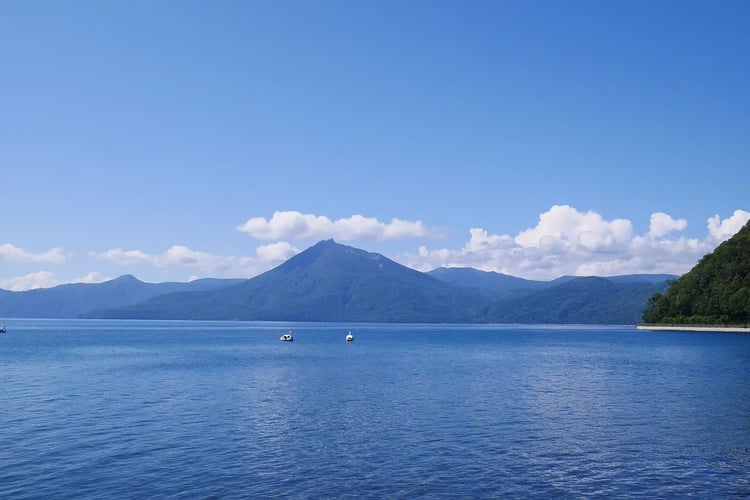
Rishiri & Rebun
Japan’s northernmost remote islands, Rishiri and Rebun, are celebrated for alpine flowers that burst into bloom during the short summer. Rebun is nicknamed the “Floating Island of Flowers,” where around 300 alpine species bloom down to the coastal edges in spring and summer—an exceptionally rare sight. Walk the well-maintained Momoiwa Observatory course to take in cliff-lined shores and swaths of blossoms.
Rishiri is crowned by cone-shaped Mount Rishiri (1,721 m, also called Rishiri-Fuji), whose summit commands a full 360-degree panorama. From Himenuma Pond, the mirrored image of Rishiri-Fuji is a photographer’s dream(*6).
Reach the islands by ferry from Wakkanai Airport or Wakkanai Port. Public transport is limited once you’re there, so sightseeing taxis or guided tours are practical. Both islands offer onsen inns and guesthouses, and in summer you can enjoy northern delicacies like fresh sea urchin and Rishiri kelp.
Access & Getting Around—When to Use Private Vehicles, Rail, and Intra-Hokkaido Flights
How you move within Hokkaido will shape the quality of your itinerary. Major air gateways span the island: New Chitose Airport (Sapporo), Asahikawa (central), Memanbetsu (east), Kushiro (east), Hakodate (south), and Wakkanai (north). If your Hokkaido tour needs to cover long distances quickly, intra-Hokkaido flights are invaluable—New Chitose to Memanbetsu or Kushiro, for instance, takes about 45 minutes.
Between major cities, limited express trains are convenient: Sapporo–Asahikawa is about 1 hour 25 minutes(*1). However, many national parks lie far from rail stations and airports; for those last miles, arranging a dedicated vehicle is often necessary.
Benefits and Considerations of a Private Vehicle
Traveling by private car (rental or charter) gives you maximum freedom. Set out at dawn to greet a sunlit lake, or pull over whenever the landscape invites a photo—flexibility that’s hard to match with public transit. In the mountains where buses are scarce, driving directly to trailheads brings peace of mind.
That said, consider driver fatigue and road conditions. Distances are long, and winter brings icy surfaces and whiteouts. Accidents involving visitors unfamiliar with winter driving are frequent (in northern Hokkaido, statistics indicate that over 40% of rental-car accidents involving international travelers occurred in winter(*2)).
Snow driving is challenging even for locals, so if you’re not confident, skip the wheel and opt for taxis or driver-accompanied tours(*3). Wildlife like Ezo deer may appear after dark, so plan to arrive before sunset and, if possible, share driving duties—safety first.
Package Types—All-Inclusive, Rail, and Cruise
All-inclusive plans bundle lodging, meals and activities so there is nothing to track as you go; at Club Med Hokkaido Kiroro, for instance, selected wellness activities such as yoga and hiking are included in the stay. It suits travellers unsure about language or logistics, and dietary restrictions are easier to settle in one conversation. The fewer decisions a day demands, the more of it you actually absorb.
If the journey is the point, a rail itinerary rewards you. Watch pastoral scenery from the seat, send luggage ahead to the next inn and travel light on local lines—a particularly Hokkaido kind of luxury—and pack a bento or local sweets for an onboard picnic. One local norm worth knowing: trains are kept quiet, and phone calls are taken in the vestibule.
Cruising suits travellers who want the scale of the coast without the driving. Expedition-style small ships can slip into narrow coves and draw close to cliffs, and certified guides make even a short time ashore worthwhile. Bring warm, waterproof layers for changing sea conditions, and walk quietly in port towns—in small communities, how visitors carry themselves is noticed.
Teaming Up with Public Transport
Trains and local buses let you relax and enjoy the scenery without the stress of driving. JR limited expresses connect Sapporo to Asahikawa, Hakodate, Obihiro, and Kushiro, making city-to-city travel a pleasure in itself.
The challenge is “last access” to nature areas: buses may be infrequent or nonexistent. A smart strategy is to join shuttle-included guided tours after you reach a city by train or plane, or rent a car for just the days you need.
For example, at Daisetsuzan Asahidake, shuttle-bus tours from Asahikawa Station run in summer and drop you at the mountain base—a best-of-both-worlds blend of public transit and private transport. Many taxi companies also offer flat-rate sightseeing plans; consider round-trip options from major stations that include time to explore.
By combining rail/bus with private vehicles, you can move efficiently and comfortably across Hokkaido.
Weaving Wellness & Mindfulness into Your Itinerary
Hokkaido’s grand natural settings are a wellspring of wellness. By adding moments of mindfulness to your plan, you move beyond sightseeing into deep relaxation and self-insight.
Breathe slowly in a morning forest, unroll a yoga mat by a quiet lakeshore, and open your senses to the landscape—your trip will feel more grounded and fulfilling.
Forest Bathing Guide
“Shinrin-yoku,” or forest bathing, began in Japan and is now recognized worldwide. Trees release phytoncides that can help soothe you; research suggests benefits such as reduced stress hormones and improved immune function(*1).
Guides teach walking-meditation techniques so beginners feel at ease. You’ll move along a forest path step by step, bringing attention to the contact between your soles and the earth and to the flow of your body(*2).
At the same time, tune in to birdsong, rustling leaves, dappling light, and the scents of soil and foliage. Let distractions fall away and settle into the present. Afterward, you’ll likely feel calmer, clearer, and refreshed.
Zen / Zazen Experience (English-Supported)
Some dojos in Hokkaido offer beginner-friendly zazen instruction in English.
Zazen trains you to sit upright, steady your breath, and quiet the mind. The aim is to let go of stray thoughts and cultivate clarity—often through a practice like counting breaths (susokukan). A monk-guide will coach you in basic posture—how to cross your legs, lengthen your spine, and rest your hands—so you can begin without hesitation.
If thoughts arise, you don’t have to fight them. Notice them, let them pass, and return to the breath. The mindful presence you discover in zazen can serve you long after your trip, enhancing both focus and stress resilience.
Night Programs
Hokkaido’s wild places transform after dark. On a moonlight hike, you’ll sense the forest differently—subtle, hushed, and luminous.
Under a sky crowded with stars, a guide’s constellation stories have a quietly uplifting effect, reminding you of the wider universe and easing everyday worries. Gentle candlelight meditation before bed can also help you settle into sleep.
Sauna × Cold Water × Breath
Hokkaido has embraced sauna culture, with outdoor saunas drawing attention in recent years.
Warm thoroughly in the heat, plunge into cold lake water or a chilled bath, then rest in the open air—repeat this hot–cold cycle and you’ll feel your nervous system re-balance and your body deeply relax. When you reach that “totonou” state of alignment, many people report sleeping soundly and waking up refreshed.
Guided sauna programs may include breathwork coaching to amplify parasympathetic calm. Only-in-Hokkaido twists—like cutting a hole in a frozen lake for an “ice bath” or cooling down with a playful dive into snow—bring a dynamic edge.
The trio of sauna, cold immersion, and mindful breathing is a restorative way to end your day and spark energy for the next.
Eating Well—Fermentation and Choosing a Restaurant
The cold climate made fermentation a necessity here long before it was a wellness trend. In Tokachi, artisan creameries work with freshly drawn milk, and around Sapporo miso breweries still use traditional wooden casks. These foods are valued for gut health as much as for keeping, which is a good argument for taking the miso soup or yogurt at breakfast seriously rather than treating it as filler.
When choosing where to eat, look for places that name their producers; menus flagging Hokkaido-grown ingredients are usually signalling seasonality rather than marketing. Share allergies or aversions at booking and most restaurants will flex, with vegan and gluten-free requests increasingly workable, and thoughtful non-alcoholic pairings are now common enough that skipping alcohol no longer means skipping the pairing. Tipping is not customary.
How to Incorporate Hot Springs, Spas, and Saunas
By thoughtfully adding hot springs and saunas to your plan, you’ll soothe your body and elevate the whole journey. Below you’ll find the benefits by spring type, ways to secure privacy in the baths, how to enjoy spa treatments, and a taste of local sauna culture.
Benefits by Spring Type
Hokkaido’s hot springs vary widely, each with distinct qualities. Sulfur springs, while notable in scent, have strong antibacterial properties and may benefit skin concerns such as atopic dermatitis and chronic eczema. They also promote circulation, leaving you warm to the core after a soak.
Bicarbonate springs—often nicknamed “beautifying baths”—help emulsify and lift old keratin and excess sebum, so your skin feels smoother afterward(*1).
Moor springs (plant-derived), typified by Tokachigawa Onsen, are tea-brown with organic compounds from plants that act like natural moisturizers—wonderful if your skin tends to be dry(*2). Knowing your spring type turns time in the bath into a gentle ritual for both beauty and health.
.webp?width=750&height=500&name=Ideyu-no-Iwakura%20(The%20Sacred%20Rock%20of%20the%20Hot%20Springs).webp)
Designing Your Bath Routine
To get the most from hot springs, pair the right order of steps with mindful breaks. Rinse first—either with a shower or a few ladles of water—to acclimate before you enter the tub.
Keep the first soak to 5–10 minutes, then step out for air and hydration. This helps you cool safely without a chill and allows your heart rate to settle. Slip back in for another 15 minutes to warm deeply.
When you finish, do a few light stretches and deep breaths near the bath to savor the afterglow. Rehydrate with a cool drink and rest; your nervous system steadies, and you’ll likely sleep more deeply that night.
Private Baths and Reserved Open-Air Tubs
In Japanese public baths, you bathe nude (swimwear is generally not allowed), and tattoos may mean you’re declined entry. If you prefer privacy—or if you have tattoos—consider reserving a private bath.
High-end ryokan and hotels may offer suites with in-room, free-flowing hot-spring tubs. Many onsen towns also provide time-slotted private open-air baths that you can book at check-in for exclusive use with your partner or family. Soaking under the stars, undisturbed, is pure bliss.
Spa Treatments
Once you’re warmed through, a professional spa treatment adds another layer of ease. Hokkaido-inspired menus might feature Furano lavender oil aromatherapy or facials enriched with birch sap—beautiful ways to experience local botanicals.
Techniques like myofascial release and shiatsu dissolve travel tension; with soothing aromas around you, you might drift into a nap. Many spas require reservations, so plan with a buffer of time. Beyond silky skin, you’ll boost circulation and set yourself up for restorative sleep.
Local Sauna Culture
Across Hokkaido, saunas open doors to the surrounding nature.
At Lake Shikaribetsu in winter, tent saunas rise on the frozen lake, and a hole cut through the ice becomes your cold bath. In air that can reach –20°C, plunging into a high-country lake is a bracing, only-here experience(*3).
These local saunas aren’t just about sweating; they aim for that “totonou” state—perhaps by lying back on snowfields after a session and breathing deeply under the sky.
Many enthusiasts don a sauna hat, enjoy löyly (steam heat), and cool down outside while stargazing. Follow local etiquette—and feel free to swap sauna stories with the regulars.
Gear & Packing Checklist (by Season)
To enjoy Hokkaido’s nature comfortably and safely, match your gear to the season. Weather swings are significant: spring–summer brings temperature gaps and sudden showers; autumn–winter demands serious cold-weather and snow readiness. A checklist helps you stay composed and present once you’re on the ground.
Below you’ll find essentials for spring–summer and autumn–winter. Review them while planning, and adjust for your style and the regions you’ll visit.
Spring–Summer Gear
Mornings and evenings can be chilly even when midday is warm. Dress in layers for easy temperature control: a light fleece or windbreaker over a short-sleeve T-shirt works well, and you can peel layers as it warms(*1).
A lightweight waterproof jacket and rain pants are musts against sudden rain or wind. Wear trekking shoes, and on long walking days, pair them with breathable, cushioned socks.
Even in summer, forests and wetlands can harbor mosquitoes and black flies, so bring repellent. Sun can be strong—pack a hat and sunscreen.
Autumn–Winter Gear
Cold-weather prep is the key. Start with heat-retaining base layers, then add warm mid-layers like fleece or a down jacket.
Your outer shell should block wind and shed snow while remaining breathable. Extremities lose heat quickly—use a neck gaiter, thick gloves, a knit hat, and mountaineering-grade socks.
On snow, add traction devices (simple spikes) to your boots. For snow-season hikes, you’ll also want snowshoes and insulated boots. Because days are shorter, start early and carry a headlamp. With the right kit, you’ll relish winter’s brilliance.
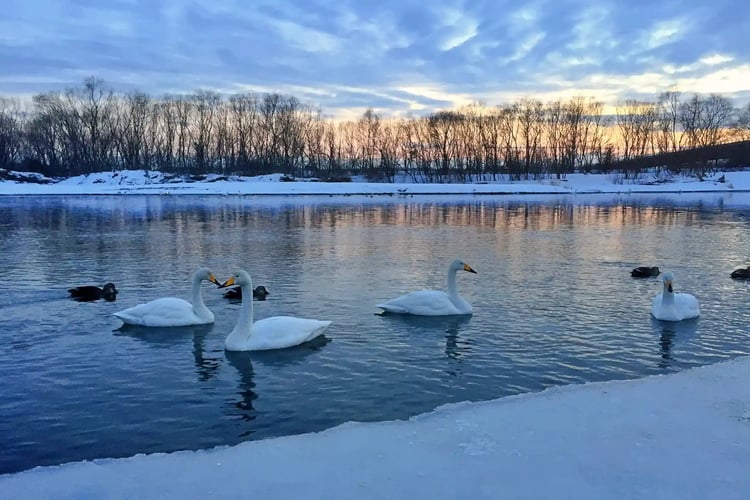
【Important】 Safety, Permits, and Etiquette
Here are essentials for enjoying Hokkaido’s wild places safely and considerately: brown bear precautions, how to handle sudden weather changes, permits and photography rules in national parks, and cultural etiquette for hot springs and sacred sites.
Brown Bear Precautions
Brown bears live in Hokkaido’s mountains and fields, but with the right preparation you don’t need to be unduly afraid. The priority is avoiding encounters. When you enter the mountains, carry a bear bell or radio and make consistent noise so bears know you’re there. Most will steer clear once they detect people.
If you encounter a bear at close range, don’t shout or throw objects(*1). Keep the bear in sight, back away slowly, and—if you have bear spray—ready it calmly.
Study bear behavior and current sightings in advance, and always carry noise-makers and spray. Above all, follow the latest guidance issued by local governments and the Ministry of the Environment.
Sudden Weather Changes and Decision-Making
Mountain weather can turn quickly. Clear mornings can shift to thunderstorms or dense fog by afternoon. Check the latest forecast before you go, and avoid ambitious plans if a low-pressure system or cold front is moving in.
Watch the sky as you travel; if dark clouds gather or the wind shifts, turn back early. When in doubt, the rule is “retreat.” If conditions look risky, change or cancel your plan(*2).
At higher elevations, a whiteout can quickly raise the risk of getting lost or hypothermic. Coordinate with your mountain guide on alternates and turnaround times. Remember: “The mountain will still be there.” Choosing safety preserves your best memories.
Permits and Regulations—Follow the Rules
Certain zones within national parks are restricted-access or require advance applications. In Shiretoko’s special protection areas, for instance, you may need to submit a forest-entry notice or travel with a certified guide—follow the instructions provided.
Stay on designated paths, don’t pick plants, and pack out all trash. Protecting nature through lawful, considerate behavior is part of our shared responsibility to the future.
Cultural Etiquette and Communication
Many natural sites are sacred or close to local communities. On trails and viewpoints, keep voices low—especially in early morning or at night. At hot springs, rinse thoroughly before you enter and never put towels or soap in the tubs.
Japan does not have a tipping culture, so gratuities for guides and hotel staff are generally unnecessary. A sincere “thank you” goes a long way. Talk with your guides and hosts—ask questions and share appreciation. Even simple words, offered warmly, can become cherished memories.
Sustaining Your Wellbeing After the Journey
You can extend the clarity and vitality you gained in Hokkaido into daily life. Keep practicing the breathing and meditation techniques you learned on the road.
Spend five minutes after waking or before bed taking deep breaths—recall the forest air as you do—and use a short mindfulness practice to soften stress. It also helps to bring home natural touches that remind you of the trip.
Furano lavender oil or a birch-infused diffuser can summon Hokkaido’s landscapes and help you relax. Ainu-patterned coasters or hand-carved wooden cups become small rituals of recollection. When you choose souvenirs, look for sustainable products.
Local honey, organic treats, or goods made from recycled materials carry the makers’ care—and your purchase supports the region.
Finally, try journaling your travel experiences. Writing clarifies your thoughts and lets you feel your own growth; it’s also linked to reduced stress and greater happiness(*1). When you revisit your insights and moments of wonder, your inner wellbeing continues to flourish.
.png)
Stay with Hokkaido a little longer

In Closing
A journey that brings together Hokkaido’s great outdoors and wellness offers more than sightseeing—it offers deep rest and discovery. With a guide to keep you safe across the seasons, and programs that recalibrate body and mind, even fatigue becomes part of a beautiful memory.
The mindfulness and gratitude you cultivate on the road will continue to brighten your everyday life. When you plan your next Hokkaido tour, try weaving in the luxury-leaning, sustainable experiences in this guide. You’ll create a singular wellbeing journey—one where nature, culture, and your own inner rhythm move in harmony.