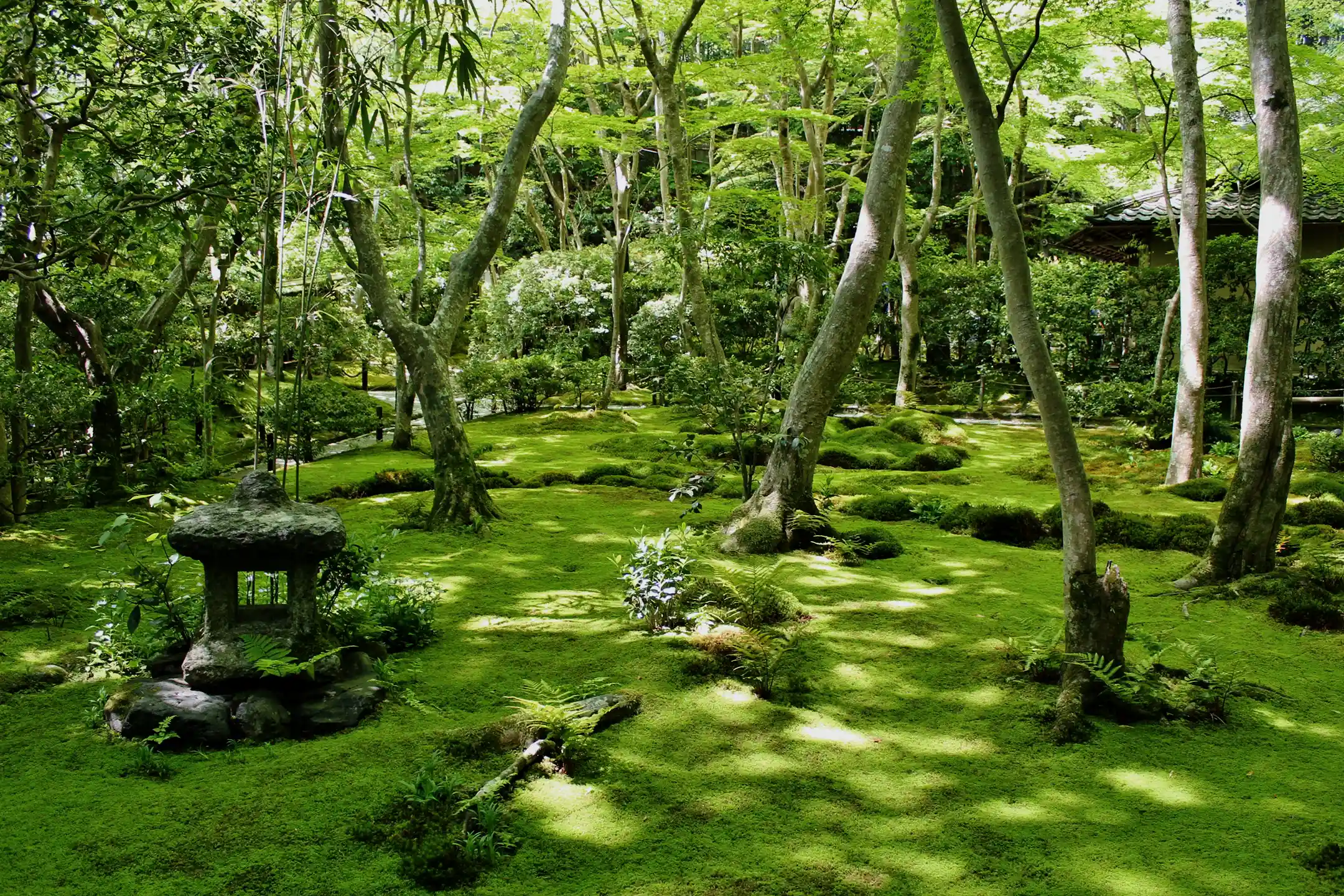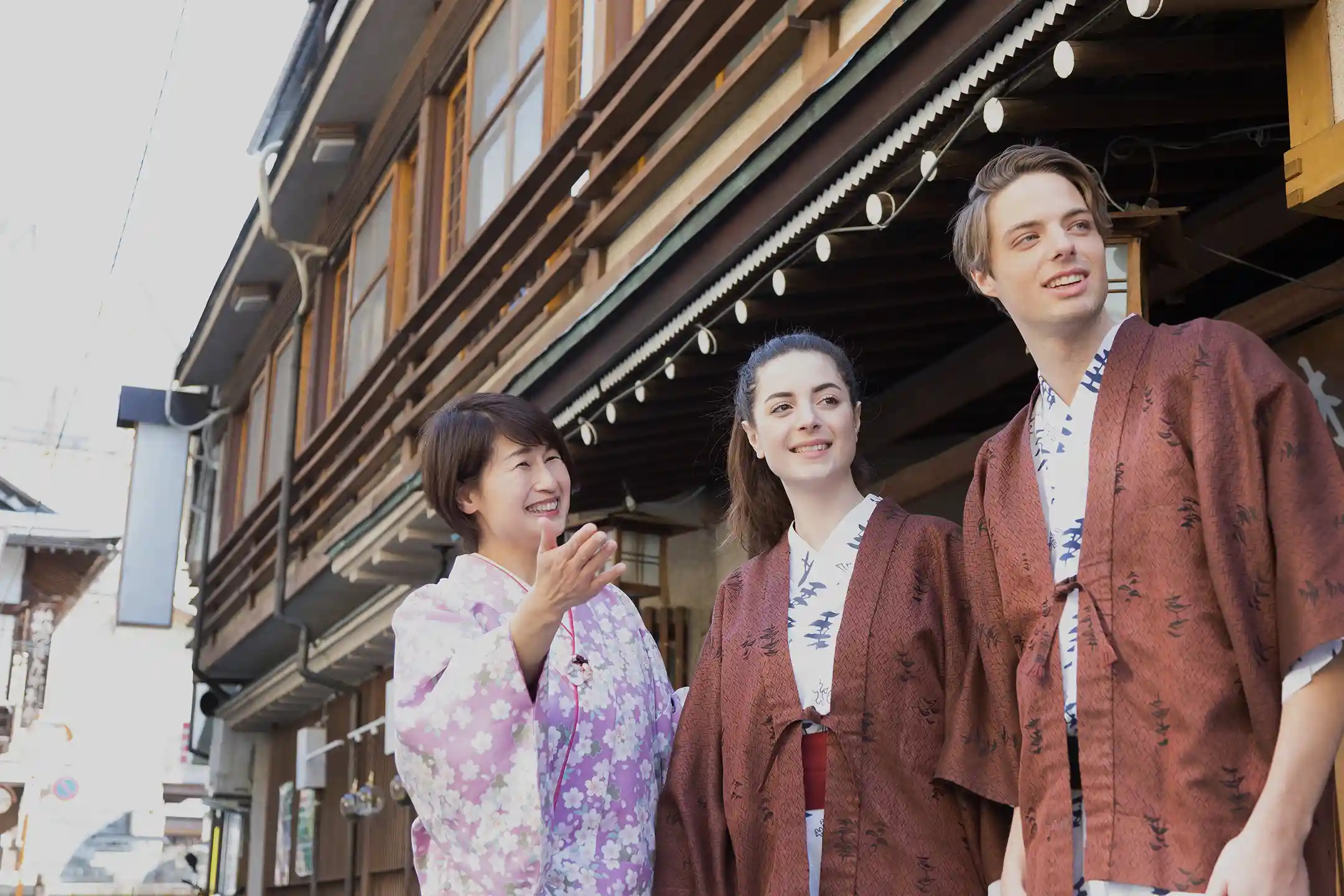
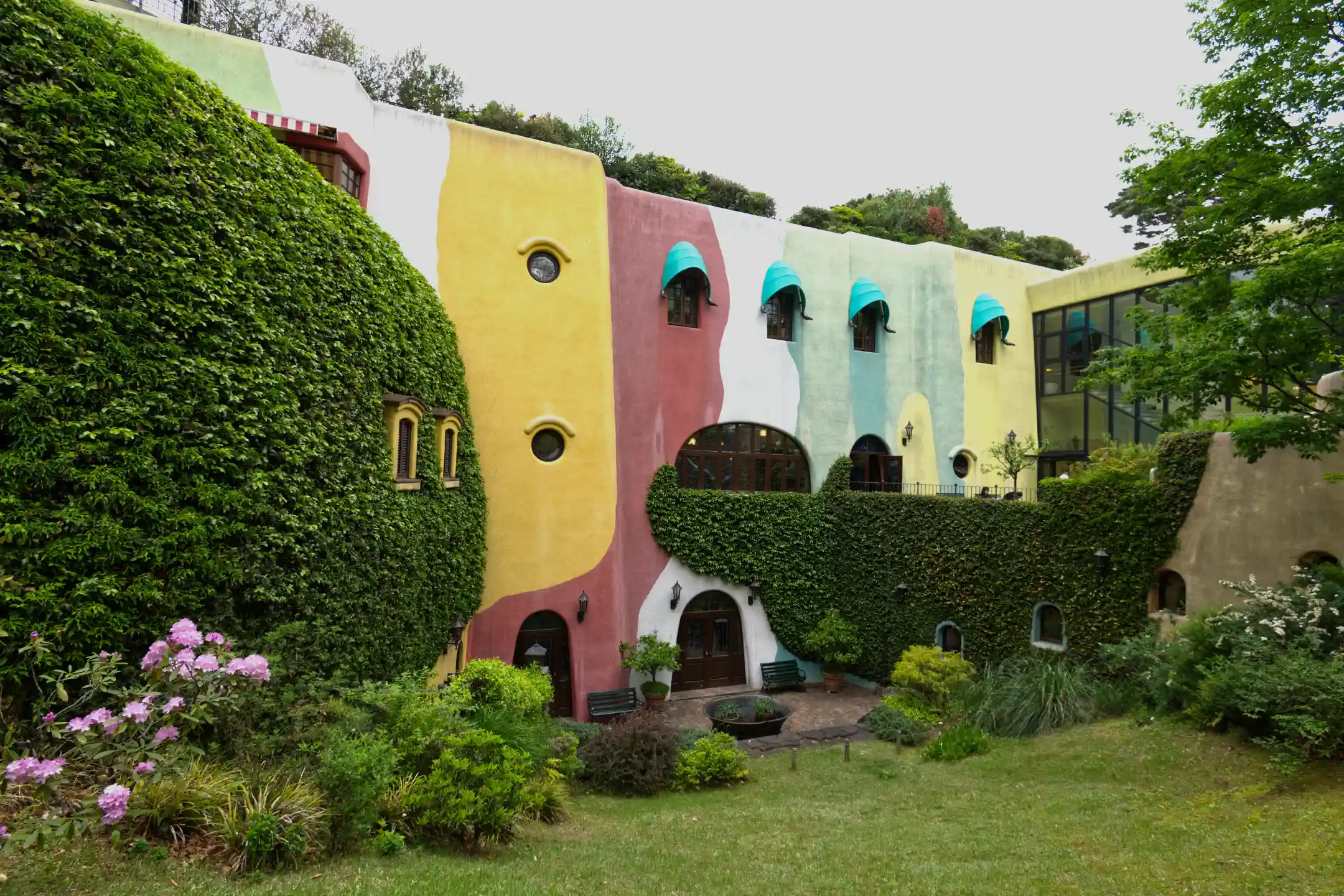
The Ghibli Museum's photography rule is simpler than most accounts suggest: you may not photograph or film anywhere inside the building. Not the staircases, not the Saturn Theater, not the exhibits. The rooftop and the garden are the exceptions — which is where the interior shots you may have seen elsewhere did not come from.
What makes the rule worth understanding rather than resenting is the reason the museum gives for it, which is unusually direct. This guide covers that, where you can and cannot shoot, and the booking system — which is the part that actually stops people getting in.
Ghibli Museum Photography Rules: What Is Actually Prohibited
The museum's own visitor rules state it plainly: photography and video recording inside the museum are not permitted. Commercial shooting is refused outright. Visitors are also asked to switch phones off inside.
Then comes the sentence that explains the whole institution:
To become the protagonist of the story, rather than pointing a camera, please look at this space with your own eyes and feel it with your body.
That is the museum's stated reason, and it is worth taking at face value. Museums that restrict photography usually cite conservation or copyright. This one gives a different ground: that photographing gets in the way of the thing it built.
The building supports the argument. It was designed by a film director to be moved through rather than viewed: the museum describes narrow spiral staircases and aerial walkways making a maze-like space. A visitor composing shots is working against the way the building is laid out.
Where Ghibli Museum Photos Are Allowed: the Robot Soldier
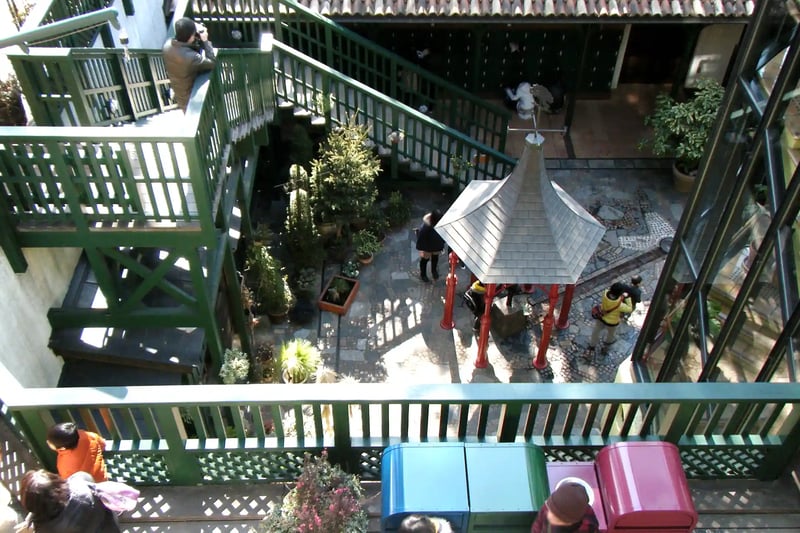
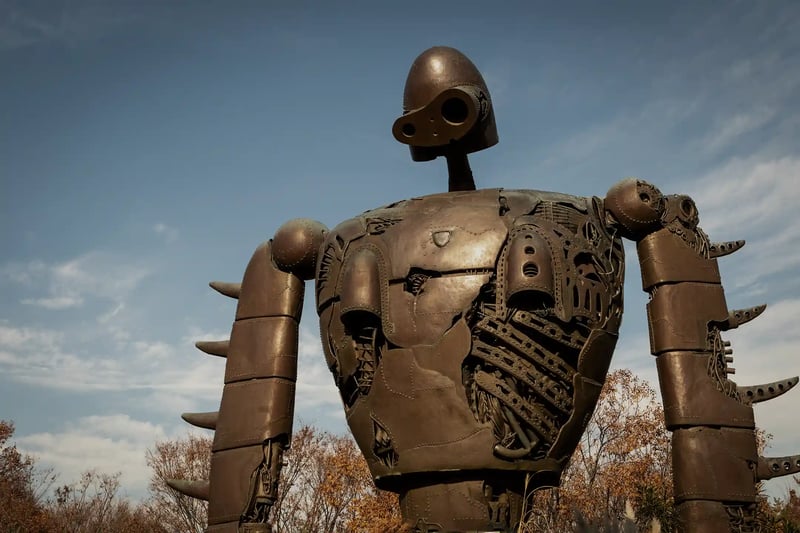
Outside the building. The rooftop garden holds the robot soldier from Laputa: Castle in the Sky — about five metres tall, standing in the open air among planting — and it is the image that stands for the museum. The exterior facades, the garden and the approach are all fair game.
One caveat that matters more than it sounds: the museum states that the roof garden may be closed in bad weather. Since the roof is the only place you are permitted to photograph, a wet day can mean a visit with no photographs at all.
So the practical shape of a visit is: take your photographs at the start or the end, outside, and put the phone away for the interior. Given that the interior is where the museum actually is, most of your visit will be unphotographed. That is the intended outcome.
Ghibli Museum Rules on Tickets: Booking Is the Hard Part
The ticketing defeats more visitors than the camera policy does. The museum sells no tickets at the door — admission is by advance reservation only, for a specified date and entry time.
The sales mechanism is the thing to diarise: tickets for a given month go on sale at 10:00 Japan time on the 10th of the preceding month. Buying for resale is prohibited.
Where to buy. Tickets are handled by Lawson Ticket. From overseas the museum names two routes: buying online through Lawson Ticket's English service, or taking the Sunrise Tours bus tour operated by JTB, which includes the museum among several stops. There is no other channel, and none at the door.
Entry is by hour. There are seven slots — 10:00, 11:00, 12:00, 13:00, 14:00, 15:00 and 16:00 — and you must enter within an hour of the time on your ticket. The last entry is 16:00, two hours before closing.
The museum closes on Tuesdays, with additional closures through the year. Check the calendar before you fix a date; this is the single most common way a visit fails before it starts.
Admission is modest by the standards of anything comparable:
- 19 and over — 1,000 yen
- 13 to 18 — 700 yen
- 7 to 12 — 400 yen
- 4 to 6 — 100 yen
- 3 and under — free
A thousand yen for an institution of this quality is a deliberate choice, and it sits consistently alongside the photography rule.
The consequence of a fixed-slot, fixed-capacity system is that the building is not crowded in the way a ticketless Tokyo attraction can be. That is the trade the booking difficulty buys you, and it is worth remembering while you are refreshing a sales page at ten in the morning.
More Ghibli Museum Rules: the Nekobasu and Other Traps
A handful of things from the museum's own rules that are easy to discover too late.
The Catbus is for children only. The soft Nekobasu you may have seen photographed is restricted to primary school age and under. Adults do not ride it.
Leave your luggage. There are 96 coin lockers — 80 small, 16 medium — free to use, but they take a 100-yen coin that is returned when you collect your bag. Carry one. Anything larger than the lockers needs to be discussed with staff, so do not arrive from the airport with a suitcase and no plan.
The Catbus is worth mentioning to children in advance — and to adults, who cannot ride it. The cut-off is primary school age.
Strollers are parked, not pushed — there is a stroller area at the entrance. Note that this is a rule about pushchairs rather than about access: the museum states that every part of the three-storey building except the roof garden is wheelchair accessible, with lifts and a step-lift.
There is no re-entry. Once you leave the building, that is the visit. Plan the café and the shop into your time inside rather than treating them as an afterthought.
No eating or drinking inside, and the whole site is non-smoking.
No pets other than guide, hearing and service dogs.
The short film is part of the ticket. The Saturn Theater screens original shorts made by Studio Ghibli for that cinema, one viewing per ticket. The museum publishes which title is running month by month, so you can choose by picking your date — though it notes that the programme and viewing arrangements may change without notice. It is, obviously, among the things you cannot photograph.
There is a community bus from the south exit of Mitaka Station on the JR Chūō line, with one wheelchair space. The station itself has lift access from the platform to the second-floor gates. The walk from Mitaka is also pleasant — it follows a canal — and from the Kichijōji side you come through Inokashira Park.
The Neighbourhood Is Half the Trip
.webp?width=800&height=533&name=The%20Dome%20Housing%20the%20Great%20Equatorial%20Refractor%20at%20the%20National%20Astronomical%20Observatory%20of%20Japan%20(NAOJ).webp)
The museum opens 10:00 to 18:00 and sits at 1-1-83 Shimorenjaku in Mitaka, about fifteen minutes on foot from Mitaka Station. An entry slot does not fill a day, and the area rewards the rest of it.
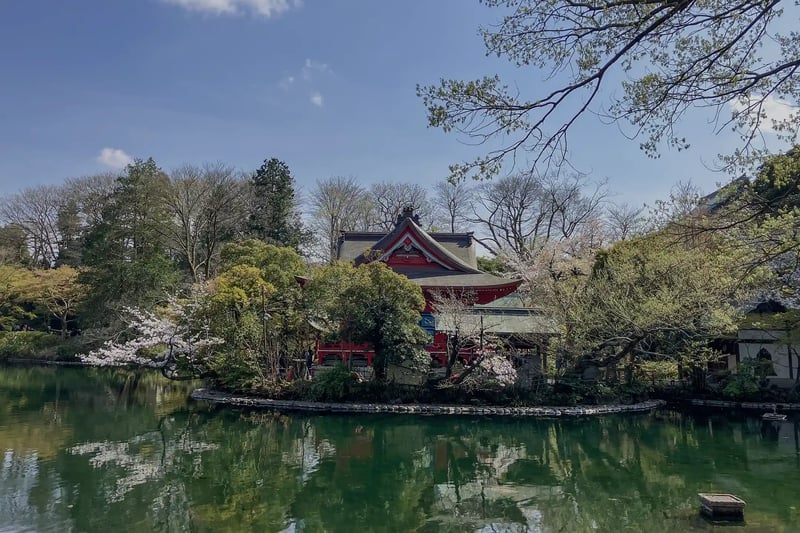
Inokashira Park adjoins the museum and is one of the better cherry blossom sites in Tokyo, with a boating pond and the Benzaiten shrine on its island. The walk from the park to Kichijōji station is the pleasant way to leave.
The National Astronomical Observatory of Japan is also in Mitaka, and its Great Equatorial Refractor sits under a dome completed in 1926 and now a registered cultural property. It is open to visitors, admission is free, and it is the quiet counterpart to the museum in every respect.
.webp?width=800&height=533&name=Yuzo%20Yamamoto%20Memorial%20Museum%20(Mitaka%20City%2c%20Tokyo).webp)
The Yamamoto Yūzō Memorial Museum, the preserved house of the novelist, is about a kilometre and a half away. The building is a Western-style residence registered in 1926, at the very end of the Taishō era, and its interiors are the kind of early-modern Japanese domestic space that recurs throughout Ghibli's work.
Kichijōji itself, one stop along, has placed in the top three of the Tokyo-area "most desirable place to live" survey for several years running: a covered shopping street, a dense concentration of second-hand bookshops and small bars, and the park at its edge. It is the natural second half of the day.
If Tokyo museums interest you more broadly, our guide to immersive museums in Tokyo covers the wider set, and teamLab Borderless is the obvious contrast — a museum built for the camera rather than against it. For fitting Mitaka into a longer trip, see our Tokyo-to-Okinawa route guide.
Beyond a single gallery
This article offers one perspective on Japan's art world. The Connoisseur's Guide to Japanese Art & Museum Experiences gathers the country's most considered institutions, artistic traditions, and the quiet philosophies that shape them — a fuller landscape for those drawn to look more closely.

Conclusion: Can You Take Photos in Ghibli Museum, and What Else Matters
The rule is: nothing inside, everything outside. The reason is that the museum would rather you were in the story than documenting it, and it says so in as many words.
The practical advice follows from the booking system rather than the camera policy. Tickets go on sale at ten in the morning on the tenth of the month before, they are date and time specific, and there is no door sale. Get that right and the photography question answers itself — you will have two good exterior shots and a few hours you did not spend looking at a screen.
.webp)