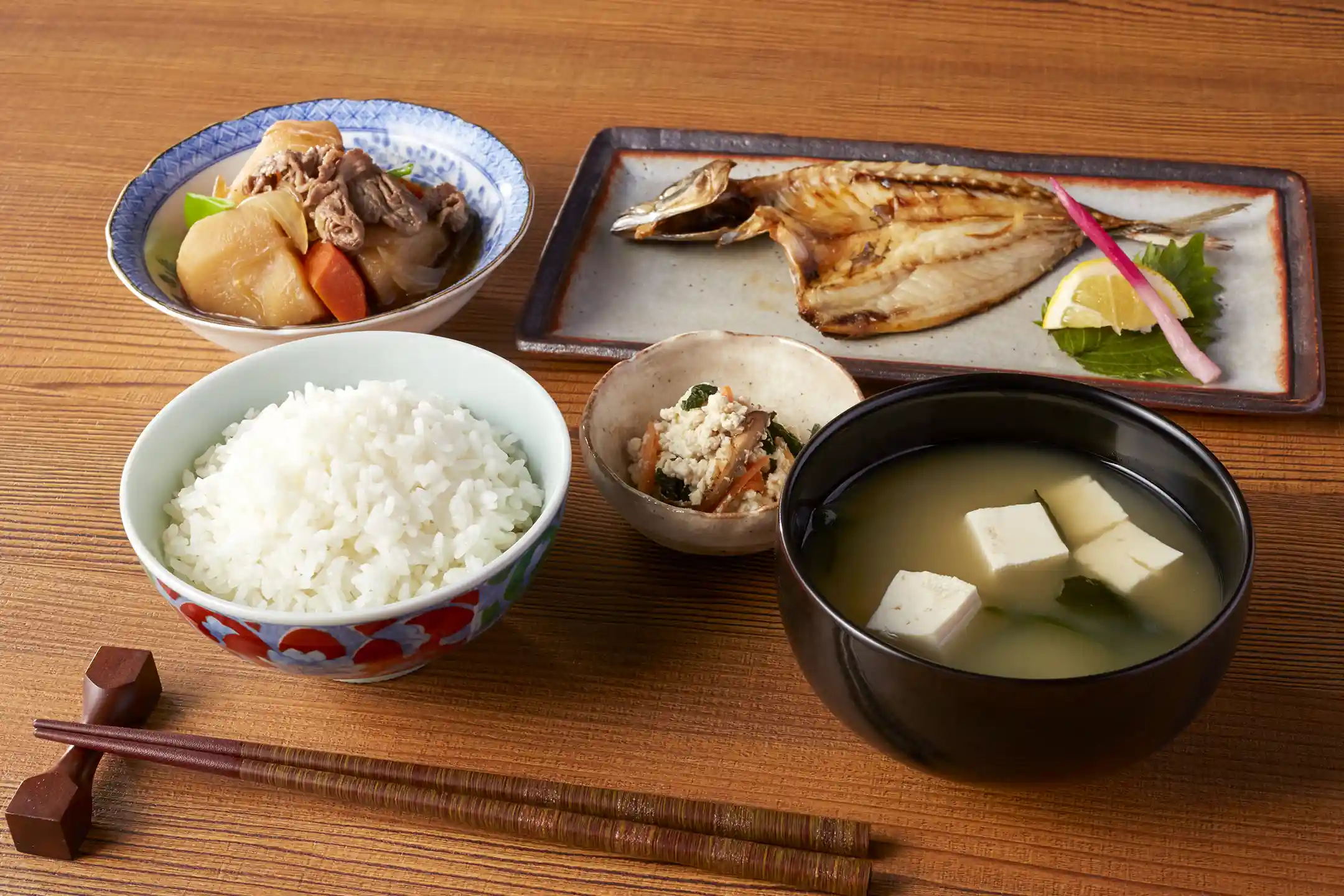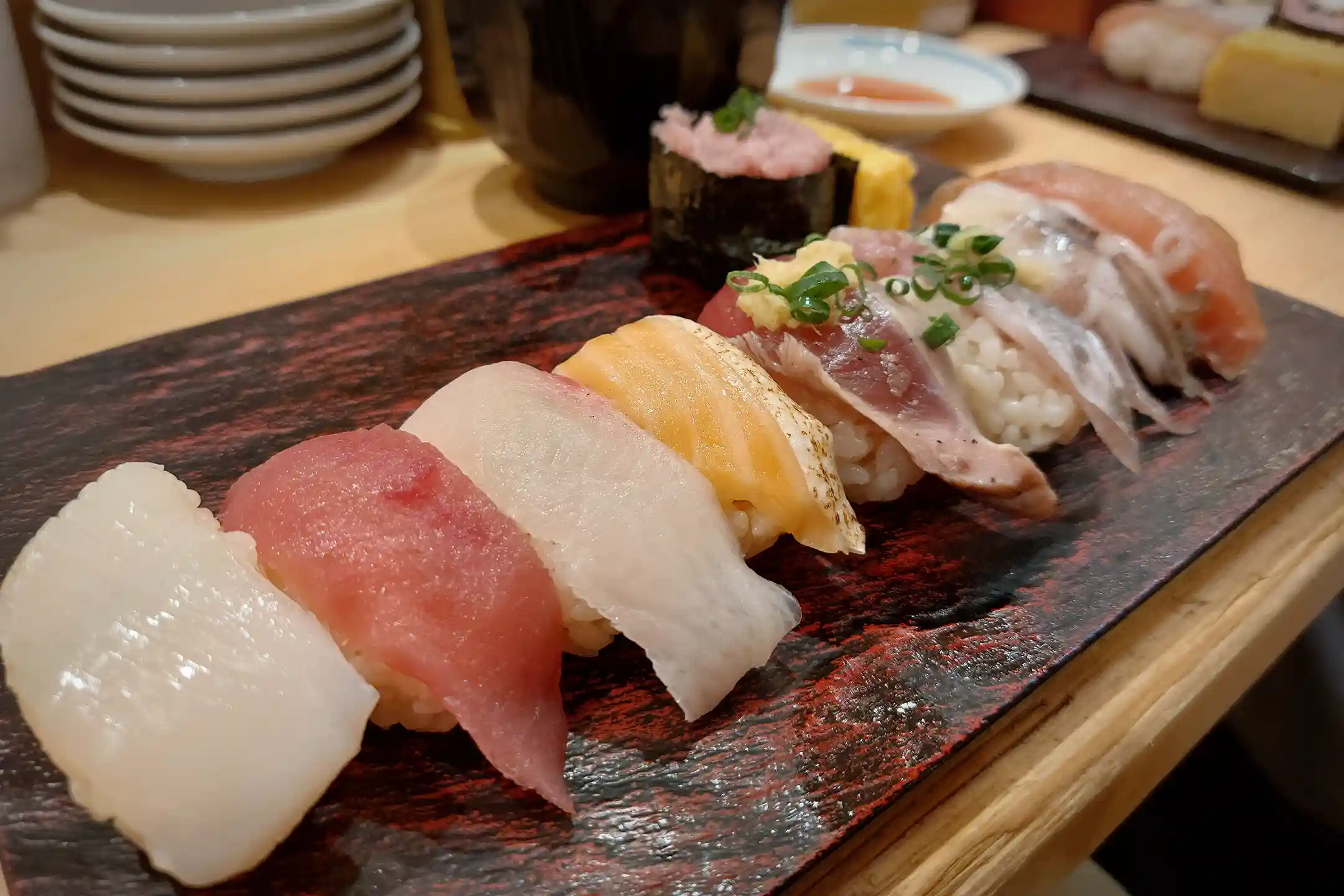
Japan’s high-end restaurant culture goes far beyond “having a meal.” It offers a one-of-a-kind experience where tradition, aesthetics, craftsmanship, and rarity converge. Prix-fixe courses that range from tens of thousands to several hundred thousand yen are grounded in meticulously selected seasonal ingredients and the mastery of exceptional chefs. The value is shaped by the beauty found in every detail—from tableware and space to service.
In this “Expensive Japanese Restaurants Complete Guide: 2025 Edition,” you discover the full appeal of Japan’s most celebrated ultraluxury dining—from Kyoto’s kaiseki to Tokyo’s sushi counters and forward-thinking luxury restaurants—so you can choose the experience that suits you best.
What Are “Expensive Japanese Restaurants”? Average Price Range and the Drivers of Value
In Japan, restaurants described as “Expensive Japanese Restaurants” are ryotei and fine-dining establishments that deliver an unrepeatable culinary experience through top-tier seasonal ingredients and exceptional craftsmanship. Dinner typically starts in the tens of thousands of yen per person, and at especially renowned addresses it’s not unusual to exceed 50,000 yen.
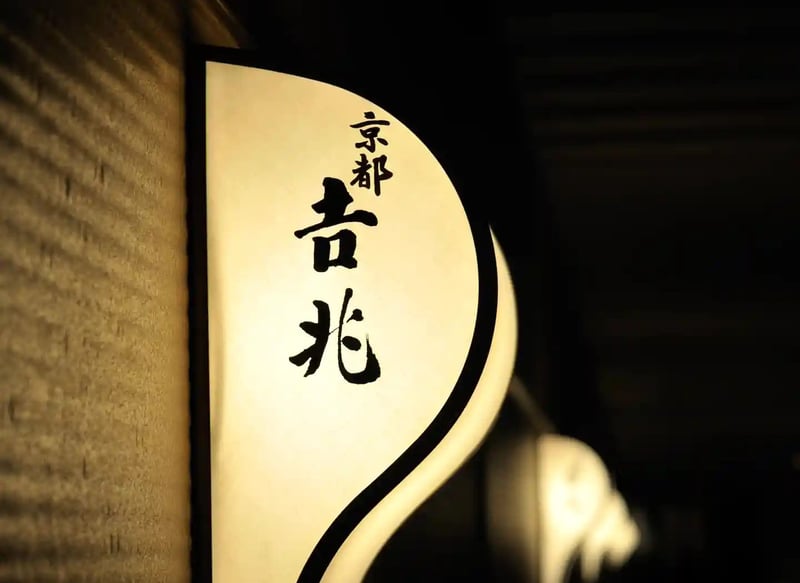
For example, the long-established Kyoto ryotei “Kicho” was named “the most expensive restaurant in the world” by a U.S. travel outlet in 2013, with dinner and drinks running about US$600 per person (then a bit over ¥60,000), a price that drew attention at the time (*1). Of course, there are reasons behind these high prices.
First, the ingredients. Executive chefs relentlessly pursue the very best of the season from markets across the country, choosing premium items that rarely reach general circulation—wild-caught seafood, rare branded vegetables, and more. Because these ingredients are limited in supply, prices tend to rise; the cost of maintaining freshness and quality during transport is also reflected in the final price (*2).
Second, the chefs’ skill is a core source of value. Years of training hone knife work, heat control, and the art of drawing umami from dashi—advanced techniques that let the ingredients speak at their peak (*2).
Third, top restaurants express a distinct aesthetic through tableware, plating, and shitsurai (seasonal room arrangement), elevating cuisine into an art form. This holistic staging creates value that clearly exceeds “just eating” and is naturally reflected in pricing (*3).
In addition, the prestige of a storied name and the difficulty of securing a reservation amplify perceived value. Trust and achievement built over decades, and the sense that “you can only have this here,” mean that the restaurant’s name—and often the chef’s name—becomes a brand in itself (*3).
In short, it’s the fusion of meticulously sourced ingredients, artisan technique, refined space and service, and brand strength that produces a singular experience truly worthy of the label “high-end.”
.webp?width=800&height=533&name=Superior_Fresh_Matsuba_Crab_%26_Tajima_Beef_Kaiseki_(34977741931).webp)
Kyoto’s Finest Kaiseki: Where You Savor the Essence of Japanese Luxury
Kaiseki cuisine concentrates the very spirit of Japanese culture, and Kyoto hosts many illustrious houses. Among them, Kikunoi, Hyotei, and Kicho are celebrated ryotei representing Japan itself—each captivating domestic and international gourmands with distinct charms.
Kikunoi (Kyoto, Higashiyama), founded in 1912 (Taisho 1), is a venerable house that continues to innovate under proprietor-chef Yoshihiro Murata’s philosophy of “kirei-sabi.” Its defining balance pairs bold sourcing—scouring the nation for peak-season ingredients—with delicate, seasonal presentation. Many call its cuisine a “living museum” for its artistic quality.
Hyotei (Kyoto, Nanzen-ji), with 450 years of history, began as a teahouse for temple visitors. Its signature morning rice porridge and famed “Hyotei Tamago” soft-boiled egg embody Kyoto’s traditions, using local ingredients to sustain classic kaiseki. Dotted across the grounds are thatched sukiya-style tea pavilions, whose atmosphere reflects the tea ceremony ideal of “wa-kei-sei-jaku” (harmony, respect, purity, tranquility).
Kicho originated in Osaka (founded in 1930, Showa 5) and later established its flagship in Kyoto’s Arashiyama. The founder, Teiichi Yuki, was deeply versed in tea ceremony; that influence permeates Kicho’s ichigo-ichie hospitality, with menus and room decor changing meticulously by season.
At the Arashiyama headquarters, separate sukiya-style tearooms offer views of the Katsura River and the changing seasons of Arashiyama. Today, chef Kunio Tokuoka—Yuki’s grandson—leads the kitchen, fusing tea aesthetics with contemporary sensibilities to deliver the pinnacle of kaiseki.
Innovation defines Kikunoi, tradition steadfastly anchors Hyotei, and tea-inspired refinement distinguishes Kicho. What they share is a rare, restorative experience infused with Japanese beauty and heartfelt hospitality.
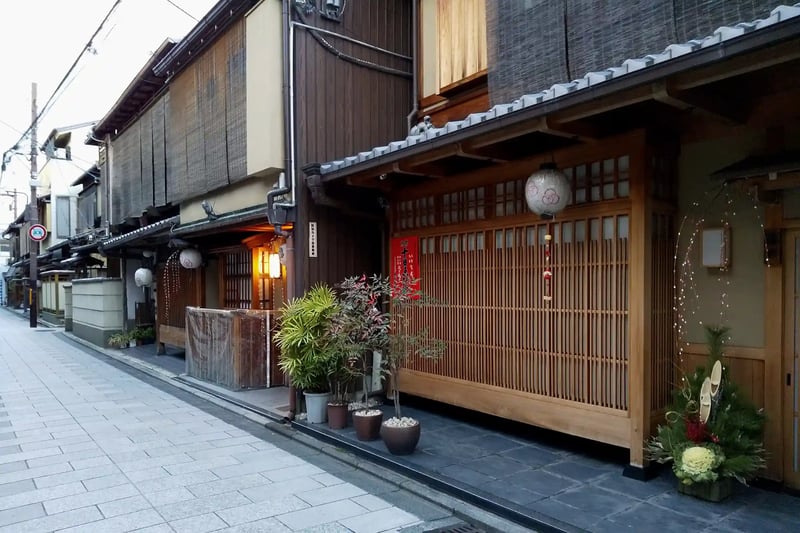
Historic Architecture and Seasonal Staging Create an Extraordinary World
At Kyoto’s top ryotei, the experience extends beyond the food to the architecture, gardens, and seasonal shitsurai that transform each visit.
Hyotei, for instance, preserves scattered detached tea pavilions in sukiya style with thatched roofs dating back to its origins. Each room maintains a private atmosphere with its own character. Garden scenes, alcove scrolls, and floral displays shift with the seasons—every visit opens a fresh ichigo-ichie moment.
Kikunoi’s main house, refurbished from a Taisho-era residence nestled among Higashiyama’s bamboo and trees, exudes the gravitas of a samurai manor. Chef Murata calls his restaurant “a living museum,” curating stories not only through the cuisine but also through vessels and interior appointments.
Across these houses, dishes are served on masterpieces from famed kilns and high-value antiques chosen to harmonize with the season and theme. At Kicho, tea aesthetics inform everything from furnishings to the menu; shitsurai is reimagined each season with unwavering thoroughness.
This marriage of traditional architecture and seasonal staging creates a space that feels worlds away from the everyday—one reason these ryotei are not merely dining rooms but cultural stages in their own right.
Tokyo’s Must-Visit Ultrahigh-End Sushi Counters
In Tokyo, one of the world’s fiercest sushi battlegrounds, a few legendary, near-impossible-to-book counters stand out—Sukiyabashi Jiro (Ginza), Sushi Saito (Akasaka), and the storied Sushi Mizutani.
At Sukiyabashi Jiro’s main counter, “the god of sushi,” Jiro Ono, presided over a Michelin three-star institution. When U.S. President Barack Obama visited Japan, he dined there with Prime Minister Abe and quipped, “That’s some good sushi right there.” Since 2019, because they stopped accepting general reservations, the restaurant has been excluded from the Michelin Tokyo guide.
With only 10 counter seats and reservations generally unavailable to the public, you typically need to be a regular or go through a top hotel concierge. The omakase—some 20 pieces, according to Jiro—arrives in a swift 20–30-minute flow, a distinctive style whose refined nigiri keeps enthralling gourmets worldwide.
Sushi Saito, helmed by Takashi Saito and also once a three-star icon, is renowned as “the sushi that Joël Robuchon called the best in the world.” With just eight counter seats, Saito personally selects fish at Tsukiji (now Toyosu). His nigiri is praised for melting quietly without a sound—the perfection that fills reservations a year in advance.
Sushi Mizutani, by Hachiro Mizutani in Ginza, reflected the discipline of a former Jiro apprentice who later earned three Michelin stars himself (*1). In a discreet basement space, his Edo-mae was “classically faithful and beautifully precise,” served across an intimate counter of about 10 seats (*1).
Although Mizutani retired in 2016 and the restaurant closed, his disciples carry forward the taste and technique; the spirit lives on in Tokyo’s sushi culture (*1).
At these Tokyo counters, mastery and an incomparable experience are guaranteed. Securing a seat is challenging, but if you want to encounter the essence of Edo-mae sushi, you’ll find moments worthy of a lifetime memory.
Counter Etiquette, Omakase Flow, and Photography Manners
If it’s your first time at an ultrahigh-end sushi counter, knowing the etiquette and the course flow helps you relax into the experience.
Reservations are essential; counter seats are limited, so book ahead. Share any allergies or aversions when reserving. Avoid wearing perfume. Sushi chefs want you to enjoy subtle aromas as part of the experience, and strong scents from perfume or hair products can interfere (*1).
Dress codes aren’t usually strict, but clean, polished attire is appreciated (a jacket can be advisable for men). As for the omakase flow, it’s common to begin with the house’s recommended drinks and a few otsumami (small dishes), then transition to nigiri.
Ordering a beer or sake while enjoying seasonal small plates sets the tone. Then simply say, “Omakase nigiri, please,” and let the chef lead. Nigiri usually begins with delicate white fish, moves toward richer pieces such as medium-fatty tuna and anago, and ends with tamagoyaki—the classic arc (trust the chef and you’ll be in good hands).
Key tip: eat each piece the moment it’s served, ideally in a single bite. Sushi is at its best seconds after it’s formed; leaving it to sit or biting it in half can cause the shari (vinegared rice) to crumble or dry, dulling the intended balance. Dip the fish side—never the rice—lightly into soy sauce.
Photography is acceptable if the restaurant allows it, but don’t let taking pictures delay eating. Capture a single quick shot without flash and savor the piece right away.
Many houses now host guests from abroad and offer some English support; for more complex requests, ask your hotel concierge to communicate them. Keep your movements quiet and your conversation measured, and you’ll enjoy an elegant counter experience that feels natural for both you and the chef.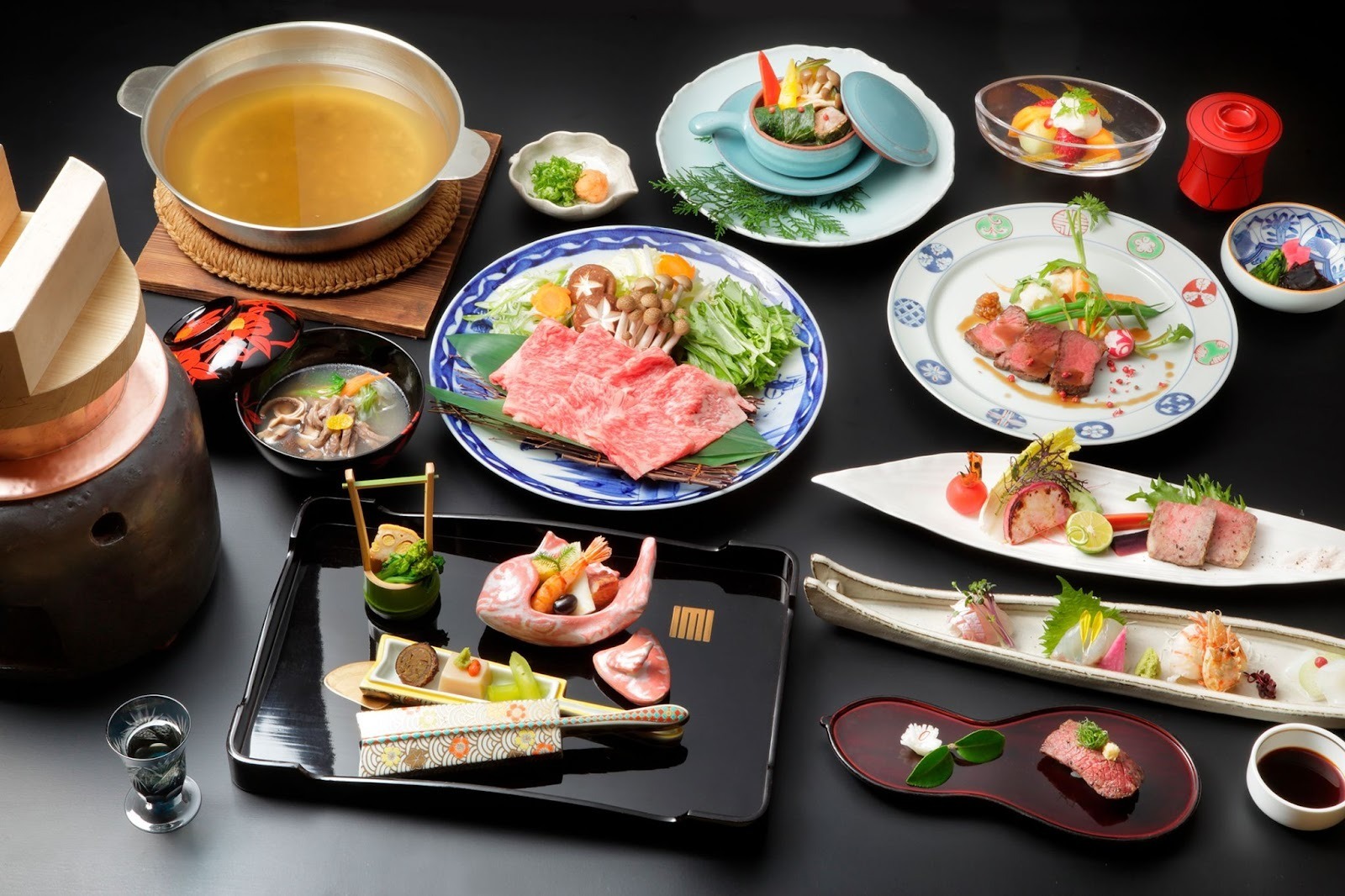
Innovative Luxury: Where Technology and Tradition Converge
Beyond classic ryotei and sushi houses, more and more top restaurants reinterpret Japanese tradition through technology and contemporary thinking.
At the forefront is “NARISAWA” in Minami-Aoyama, Tokyo. Owner-chef Yoshihiro Narisawa calls his cuisine “Innovative Satoyama.” He builds menus around Japan’s satoyama culture and respect for the natural environment. Expect sustainably sourced local ingredients and presentations in which the chef often finishes dishes tableside in an exhibition-like flourish.
While drawing on the spirit of Sen no Rikyu’s tea ceremony and the wabi-sabi aesthetic, the multi-sensory courses continue to astonish guests from around the world. Vegan and vegetarian options can be accommodated as well—another reason the restaurant earns praise for its inclusive approach.
Today, these houses—balancing environmental care with forward-looking technique—stand out as standard-bearers of sustainable gastronomy.
The Michelin Guide also introduced the “Green Star” in 2020 to recognize restaurants committed to sustainability. In Japan, more than 30 restaurants currently hold this distinction (*1). Their efforts span in-house organic farms, rigorous food-waste reduction, and the use of renewable energy. This is precisely where technology and tradition meet to shape a new era of luxury dining.
Carbon-Neutral Transfers and Green Mobility
There’s a growing movement to enjoy high-value culinary travel more sustainably. When visiting far-flung icons, consider shinkansen or low-emission vehicles.
Between Tokyo and Kyoto, the Tokaido Shinkansen is both fast and notably lower in CO₂ emissions than air travel. For city-to-suburb or intercity hops, hotel-arranged hire cars and English-speaking taxis keep things smooth.
In Tokyo, EV limousine services—think Tesla fleets—have emerged. Longstanding hire company Hinomaru Limousine introduced Japan’s first EV limousine in 2014, advancing low-carbon transport for a new era (*1). Choosing EV transfers between your hotel and restaurants lets you move with zero tailpipe emissions.
Major cities also offer excellent public transit—punctual trains and subways with a small carbon footprint—so even luxury travel can be responsible by design.
If you opt for carbon-intensive experiences like helicopter sightseeing, consider offsetting your emissions. That mindset increasingly defines modern luxury travel.
On journeys where scenery and transit are part of the pleasure, choosing sustainability adds a future-minded layer to your experience.
.webp?width=800&height=533&name=Seasonal_Kaiseki_(28226655270).webp)
Design that Elevates Dining: How Art and Space Add to the Price
People often say fine dishes are “art on a plate,” and in Japan the vessel and spatial design meaningfully heighten the value of the experience. In Japanese cuisine, the utsuwa (vessel) is sometimes called the “kimono of the dish”—not merely a container, but an expressive medium inseparable from what you taste.
Teiichi Yuki, founder of Kyoto Kicho, spent over half a century collecting precious tea utensils and masterworks of ceramics—and used them generously in actual service. Portions of his collection are deemed near–Important Cultural Property, and his influence helped normalize the modern practice of staging season and theme through vessels themselves (*1).
Sometimes the chef personally shares a piece’s history and design as your dish is served. That storytelling lets you savor the vessel alongside the cuisine, deepening your sense of wonder.
In recent years, “craft dining” has emerged—menus presented on artistic vessels created by leading craftspeople, including Living National Treasures. Since 2019, experiential “Craft Dining” programs around Japan have invited guests to enjoy top-tier cuisine on such works (*2).
The aim is to let you feel the “beauty of utility” by not only admiring but using fine craft at the table. Menus often feature local, organic, farm-to-table cooking and time-honored regional dishes—so both tableware and cuisine reflect local culture.
Some high-end houses also extend the experience: a post-meal bowl of matcha in a separate tea room, or a private salon serving cognac and cigars after dinner.
This fusion of fine craft, spatial design, and cuisine shows how elite restaurants become total cultural experiences. The texture, weight, and visual delight of the vessel are offered as part of taste itself—creating value that genuinely exceeds the price.
Experiential Luxury: Workshops and Encounters with Chefs
In the world of haute gastronomy, a new form of luxury that weaves in hands-on experiences is gaining attention. By meeting producers and artisans—and sometimes trying a craft yourself—you connect more deeply with the culture of a place.
Collaborations with Local Artisans
Programs that immerse you in local traditional crafts and food culture are popular among luxury travelers. In Kyoto, Kanazawa, and beyond, you can visit pottery and lacquer studios to observe production and try simple making under a master’s guidance.
Across Japan you find high-quality workshops led by artisans—“makie gold-sprinkling on lacquer,” “gold-leaf application,” “Bizen hand-built pottery,” and more (*1).
In these settings, you might speak directly with a Living National Treasure–level master or have your finished piece signed—encounters rarely possible in conventional tourism. In dining, collaborations abound: a historic ryotei commissions original vessels from a local kiln; textiles by regional dyers become bespoke table runners—the craft-food dialogue continues to evolve.
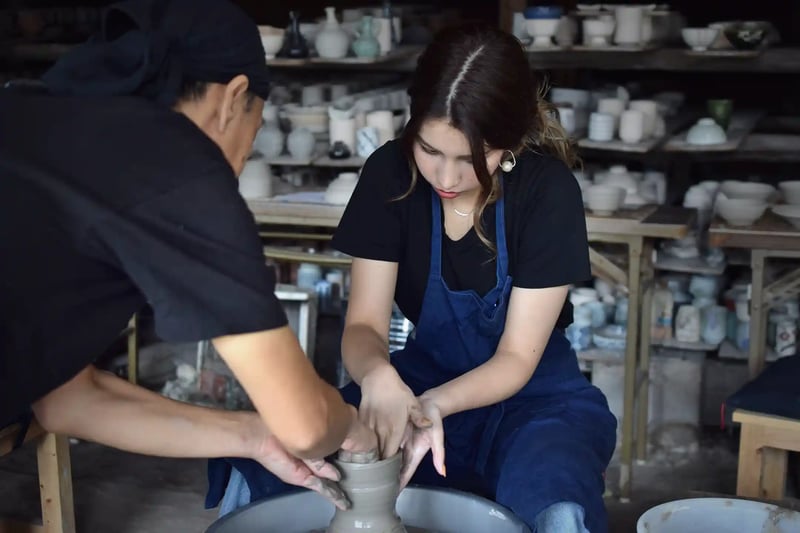
Premium trips themed around “craft × cuisine” often include talks by artists, meals served on their vessels, and even taking home the sake cup you used. These collaborations add emotional depth to your memories and meaningfully support the custodians of regional culture.
Experiential luxury that engages all five senses invites you to rediscover Japan’s beauty and skill in every region.
Market & Fishing-Port Back-of-House Tours
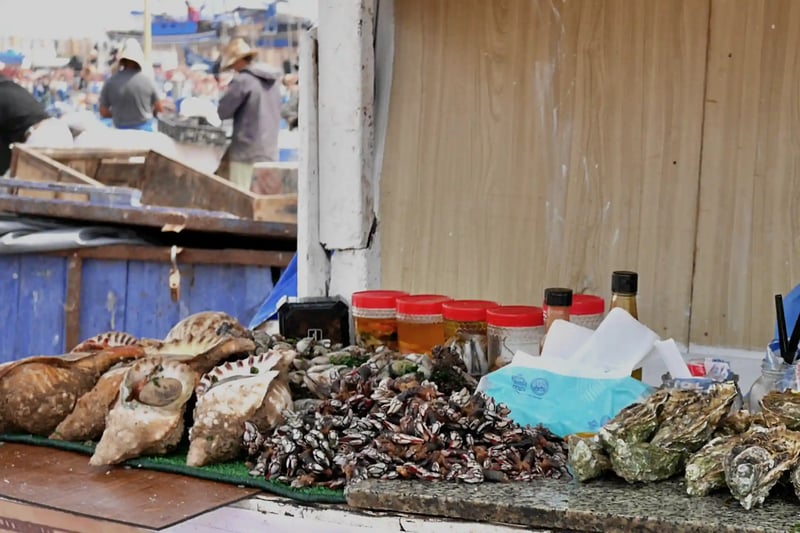
Backstage food tours are also rising in popularity among high-end travelers. Early-morning access to Tokyo’s Toyosu Market or regional fishing ports lets you step into professional worlds normally off-limits.
At Toyosu, special guided tours can bring you close to the famed tuna auctions—usually visible only through glass for the general public (bookable via hotel concierges or specialist tour operators).
On “Toyosu Market with a Sushi Chef” tours, for example, you follow a head chef through the wholesale area, feel the energy of the auction, and learn how top fish are selected on the spot (*1).
Because you enter restricted areas with a seasoned chef, it truly feels like an insider experience. Some programs conclude with a made-to-order sushi breakfast at an on-site specialist shop.
Beyond Tokyo, markets such as Hakodate Morning Market (Hokkaido) and Omicho Market (Ishikawa) offer programs where you stroll the stalls with a local chef, select the day’s best ingredients, and then enjoy them prepared for you. At fishing ports, fishers themselves explain the catch; sometimes your auction-won fish is filleted right before your eyes—dynamic, unforgettable exchanges.
Seeing how elite ingredients are sourced deepens your appreciation and heightens the impact of every dish that follows. Back-of-house tours trace the ingredient’s journey, imprinting your culinary memories even more vividly.
Reservations, Dress Codes, and Practicing Responsible Luxury — A Practical Guide
To close, here’s a Q&A on what you’ll want to know before visiting a high-end restaurant.
Q1: Do I need to tip?
A1: Tipping is generally not practiced in Japan. Even at top restaurants, a service charge (typically 10–15%) is included. If you try to add a tip, it will often be politely returned (*1). In fact, you may be told, “Everything is included in the price.” While exceptions exist for special services, tipping is unnecessary for standard dining.
Q2: Can vegetarians and vegans be accommodated?
A2: It depends on the restaurant, but more places now can accommodate. Traditional washoku often uses fish-based dashi, so a fully plant-based course can be challenging; however, if you request it when reserving, some houses will craft a menu without animal products. As overseas guests increase, high-end shojin-ryori (Buddhist, no meat/fish) options are drawing attention. French-inspired restaurants like NARISAWA also offer vegan courses. In any case, be specific at booking. The same applies to halal, gluten-free, and other needs—advance consultation usually yields thoughtful solutions.
Q3: Can I bring children?
A3: Policies vary. Many high-end restaurants welcome children above a certain age who can follow etiquette, while some do not accept small children or require a private room. It’s not unusual for Michelin-level houses to set limits such as “no guests under 12” (*2). Always confirm before booking. Even where allowed, prepare children to be calm and considerate. Some venues are more flexible at lunch than at dinner.
Q4: Anything else to know about reservations and attire?
A4: Reserve as early as possible. If you’re traveling, have your hotel concierge book once your dates are set. Some houses—like Jiro—do not take general reservations, making a trusted introducer essential.
Avoid canceling. These restaurants procure ingredients for very few guests each day; last-minute cancellations cause significant losses. Same-day cancellations or no-shows can lead to being blacklisted.
As for attire, as noted, aim for clean and composed rather than overly formal. Men: collared shirt with a jacket; women: an elegant dress or suit—business-casual is usually perfect. Avoid overly casual items like shorts or flip-flops. Refrain from perfume and smoking, and respect the house’s atmosphere. With these basics covered, you’ll enjoy Japan’s fine-dining culture with ease. Follow the protocol, and sink into an experience that’s truly one of a kind.
Summary
“Expensive Japanese Restaurants” symbolize value not only in price but in the rarity and richness of the experience itself. In Kyoto’s classic ryotei, centuries of tradition and seasonally staged spaces deliver fresh discoveries and emotion with each visit.
In Tokyo’s ultrahigh-end sushi counters, mastery and the quietly charged intimacy of the counter have long enchanted gourmets worldwide. Meanwhile, innovative addresses like NARISAWA reveal a new vision of luxury that embraces sustainability and technology—an intent to carry culinary culture forward while evolving it.
Layer in vessels and spatial design, encounters with artisans and producers, and back-of-house tours at Toyosu and regional ports, and you find an experiential luxury centered on cuisine that engraves memories far beyond a single meal.
Finally, the essentials—reservations, attire, and etiquette—matter. Approach each house with respect for its people and its culture, and the extraordinary will open further, offering deeper joy and satisfaction.
In 2025, Japan’s ultrahigh-end dining is more than indulgence—it’s a “journey of tasting culture.” Take this guide in hand, and open the door to an experience that’s uniquely yours.
Author Bio