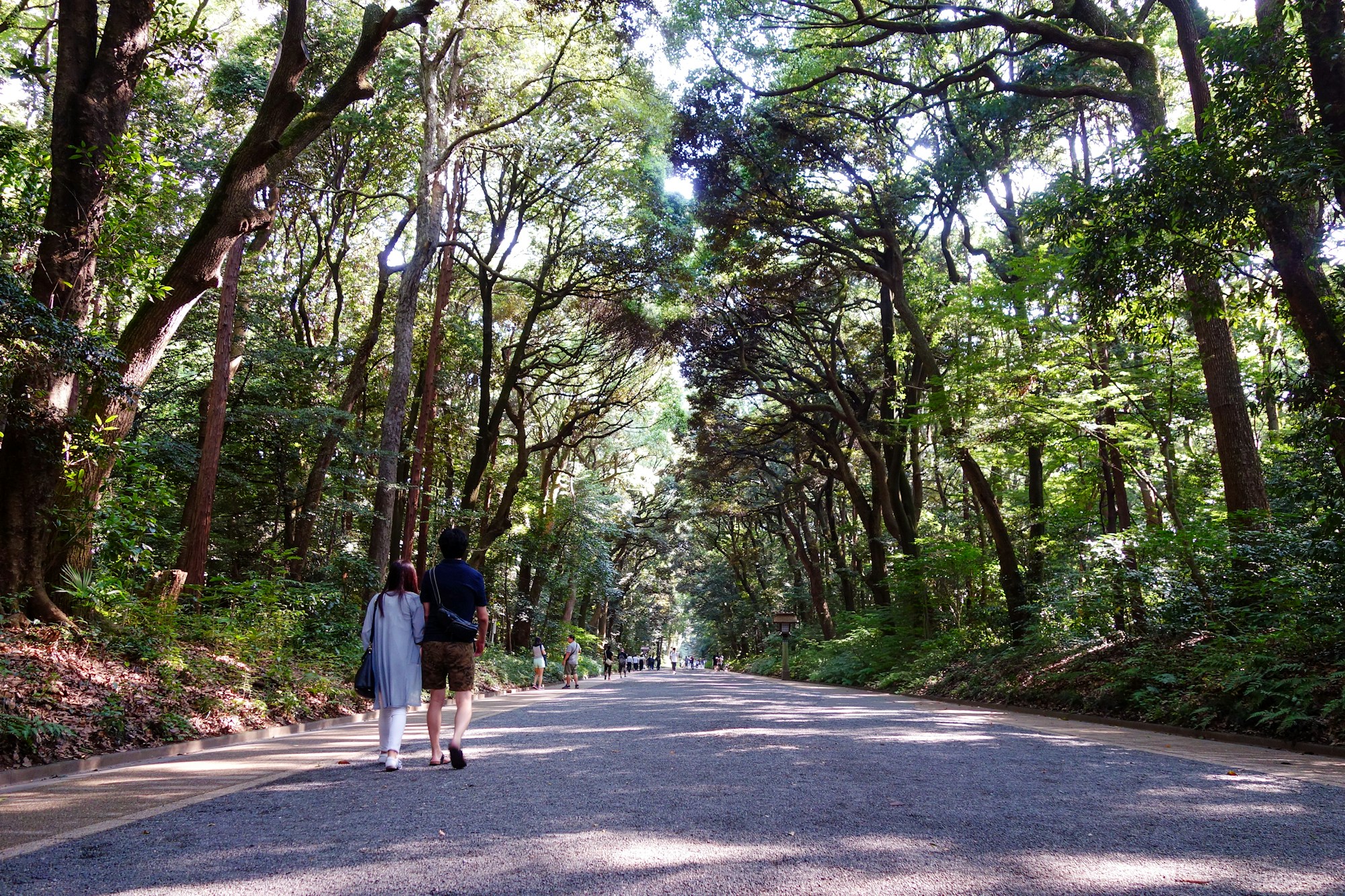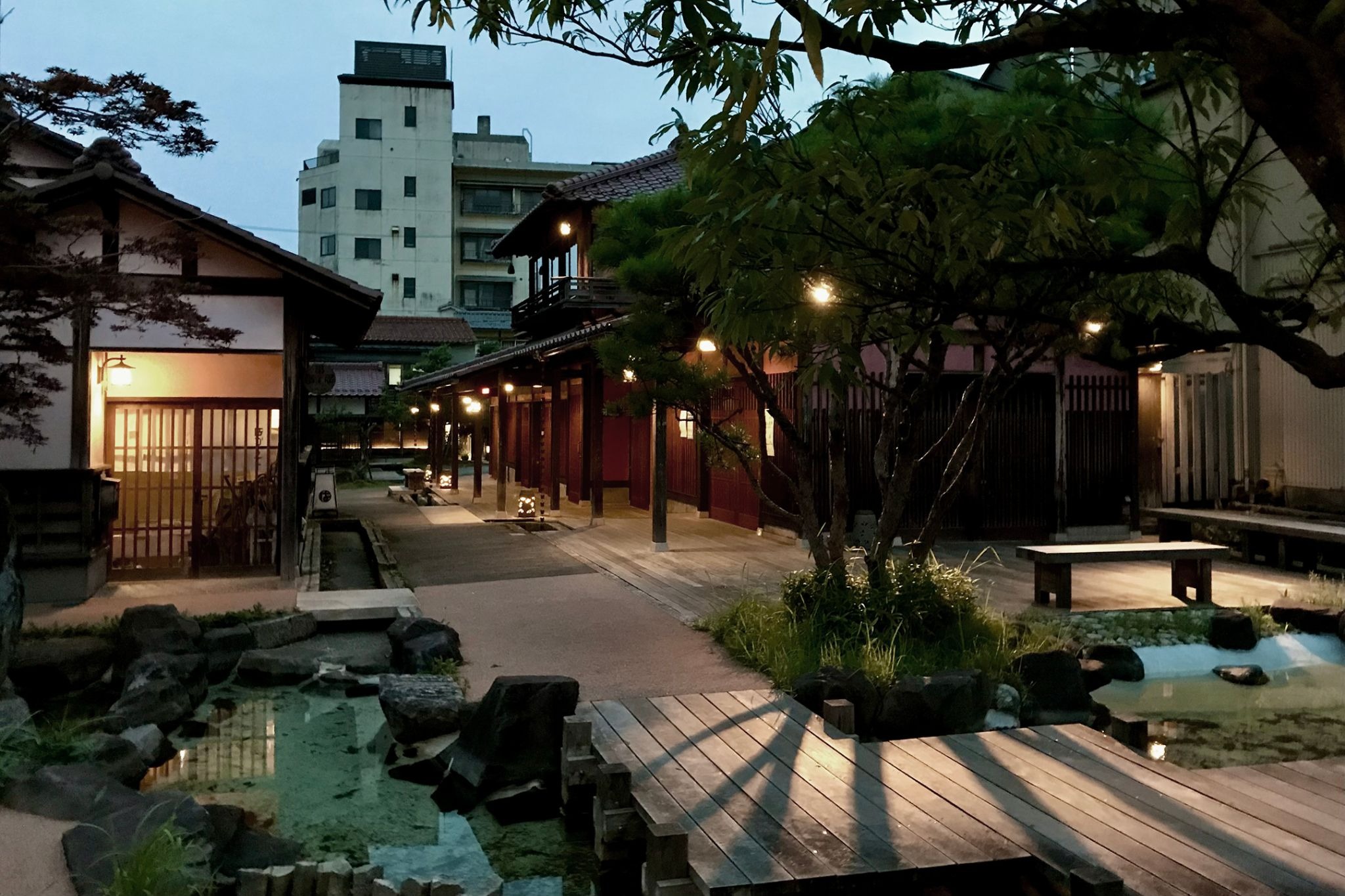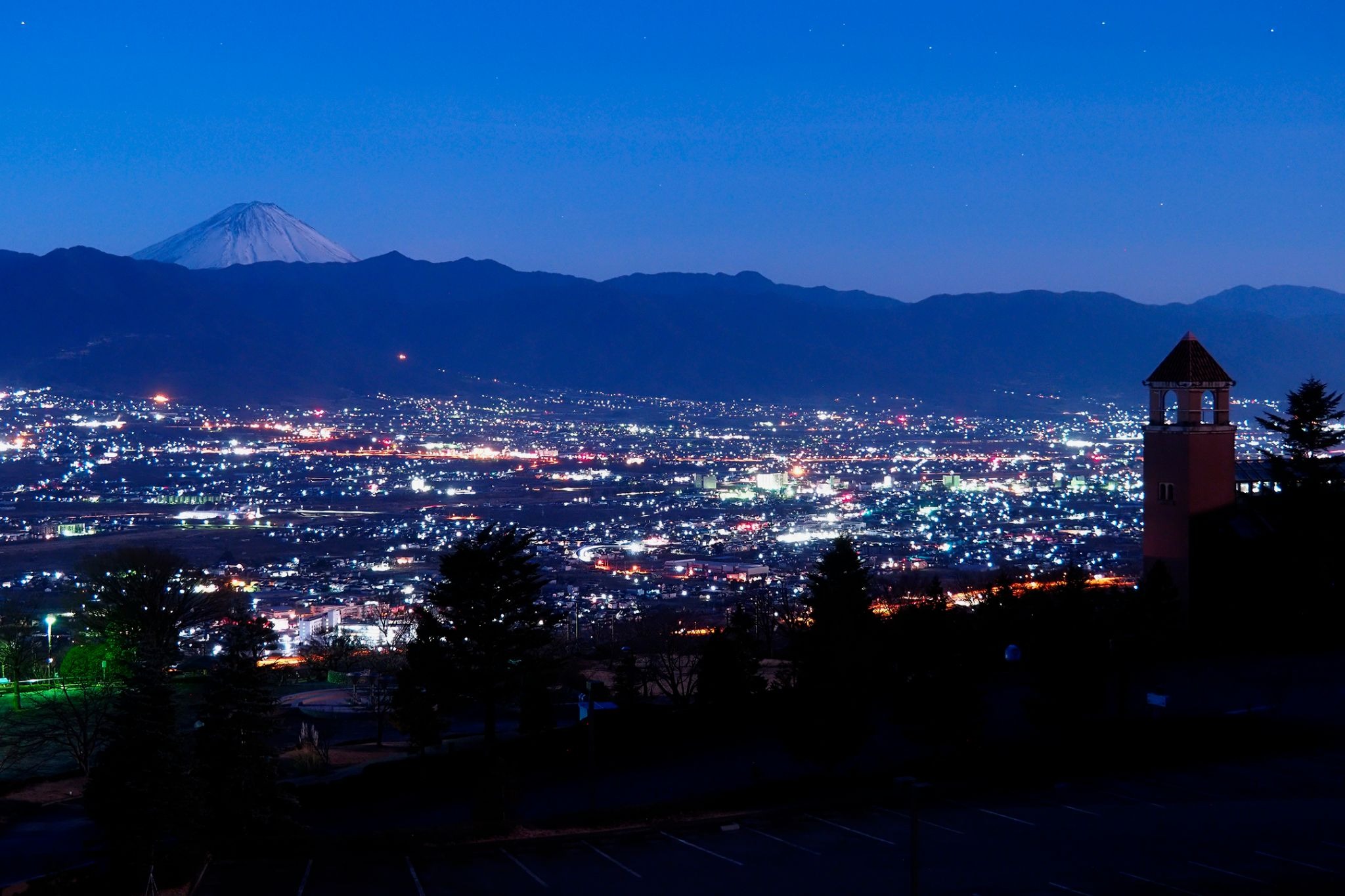
A Japan nature itinerary is a calendar problem before it is a route problem. The country runs from drift ice to coral, and the best places in it now run on rules: buses instead of cars, bear-season guides, daily caps, and a valley that shuts for five months. This guide gives six model courses by climate, a month-by-month table, and the history of how those rules arrived. If you would rather choose by purpose, our nature itineraries organized by goal take that route instead.
This article opens one quiet doorway into Japan's culture of retreat. The Digital Guide draws together onsen traditions, forest sanctuaries, and the philosophies of sustainable renewal into a single, connected reading.
Why a Japan Nature Itinerary Starts With the Calendar
Take one island. In 2017 the coastal town of Nagata on Yakushima recorded 1,377 mm of rain, Kosugidani in the interior 5,693 mm, and Mt. Miyanoura 6,960 mm, according to the Japan Tourism Agency's multilingual database. Around half of the year's rain falls between May and August, typhoons come from July to October, and the high ridges take three to six meters of snow. A single forecast for "Yakushima" tells you very little, which is why the sensible first question is what the place is doing in your week, and only then how to get there.
Now stretch that across the country. Kamikochi is open only from April 17 to November 15 and closes in winter for heavy snow, according to the bus operator's guide. Drift ice off Shiretoko is at its best from mid-February to early March, says the Ministry of the Environment. On the Kumano Kodo the local tourism bureau warns of heat from June to September, with recent forecast highs of 30 to 40 °C. An Ishigaki tour site puts the island's typhoon peak at July to September.
So a two-week route joining Shiretoko, Kamikochi and Iriomote has no perfect month. Each leg has a good window, and the windows barely overlap. The working method is to pick the one landscape you would be sorry to miss, let it fix the dates, and fill the rest of the trip from whatever is open at that time.
How Japan's Nature Became Something You Have to Plan Around
Japan prepared its parks with the American system as a model. The National Parks Act came in 1931, and Setonaikai, Unzen and Kirishima were designated on March 16, 1934. But the system designates land regardless of who owns it, so the parks include a great deal of private land, along with farms and villages. A Japanese national park can be a place where people already live and work. The rules in the cases below are correspondingly local and specific: a road here, a season there, a cap on one river. The change is easiest to follow on one tree.
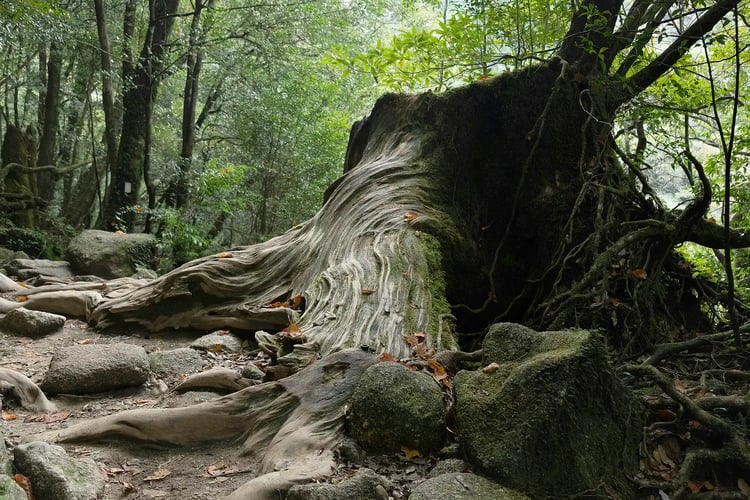
Yakushima's cedars were first a tax. The Japan Tourism Agency's history of the island says they were revered as sacred and rarely felled until the scholar-monk Tomari Jochiku proposed logging to the Shimazu lord in 1640. Islanders then paid tribute in roof shingles, about 5.8 million a year. In the Meiji era the forests passed almost entirely to the state, and from 1924 a logging camp at Kosugidani grew to 133 households and 540 people by 1960, served by a trolley line. It closed in 1970.
The tree came next. The ministry's timeline of the Jomon Sugi, the great Jomon cedar, records that a former town official, Iwakawa Teiji, found it in 1966, four years before the camp shut. Press coverage followed in 1967, and trees around it were cut so that it could be photographed whole. The same timeline says soil erosion and vegetation loss progressed from there. In 1983 an Environment Agency poster announcing "7,200 years old" brought a rush of climbers, even though the agency itself put the age at no more than 6,300. A year later a professor at Gakushuin University dated the oldest wood fragment to 2,170 years, give or take 110. The ministry's trail page now simply says several thousand years, so anyone who tells you an exact figure is telling you more than the record does.
What followed reads like a slow negotiation. A ropeway to the tree was proposed in 1988 and opposed. World Heritage inscription came in 1993. A viewing deck in 1996 confined walkers to a platform. Annual walkers on the route, 29,717 in 2000, reached 92,609 in 2008. Private cars were first restricted for three days in 2000, for 71 days in 2009, and from March to November in 2010. In 2011 a draft ordinance that included adjusting use of the route was voted down by the town assembly. Walkers fell to 56,994 in 2015 and stood at 60,456 in 2016, and a conservation fund started in 2017.
Kamikochi and Iriomote took different paths to similar ends. Park designation in 1934 closed Kamikochi's pastures, and traffic regulation in 1975 left the valley to buses and taxis. Iriomote went furthest. The island's ecotourism council listed the rapid growth of guide operators and pressure on the land among its problems, and since March 1, 2025 five fields require the mayor's prior approval. Yakushima's 2011 draft failed, while Iriomote has daily ceilings. We found no daily cap on the ministry's Jomon Sugi pages, which instead publish a six-level congestion calendar to steer you to a quieter day. Two World Heritage islands, and the difference decides how far ahead you plan.
Model Courses for a Japan Nature Itinerary
These are sample shapes for planning, built around each place's window and rules. Check closures before committing, since several of these trails are repaired after storms.
Hakone: A Two-Night Nature Itinerary From Tokyo
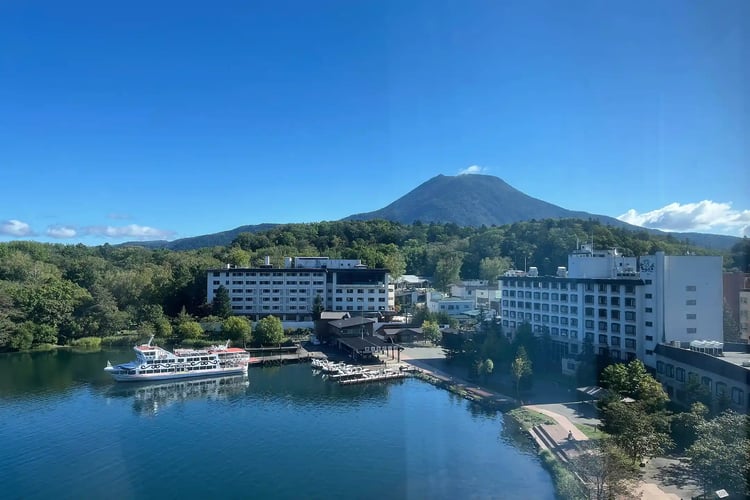
Best in winter for the view, and usable all year. Spend the first dawn at Lake Ashi, where the local guide says the water can mirror Mt. Fuji early in the morning and recommends winter for its clear air. On the second day walk the Hakone Open-Air Museum, open 9:00 to 17:00 all year, which has a foot bath drawing on a spring in its own grounds. Finish with a private bath, and ask how it is allocated, since the local roundup shows some inns taking reservations and others using whichever bath is free. To choose the inn by where its water comes from, use our Hakone ryokan guide. For a shorter version, see the Hakone wellness day trip.
Kamikochi: Three Nights Inside the Open Season
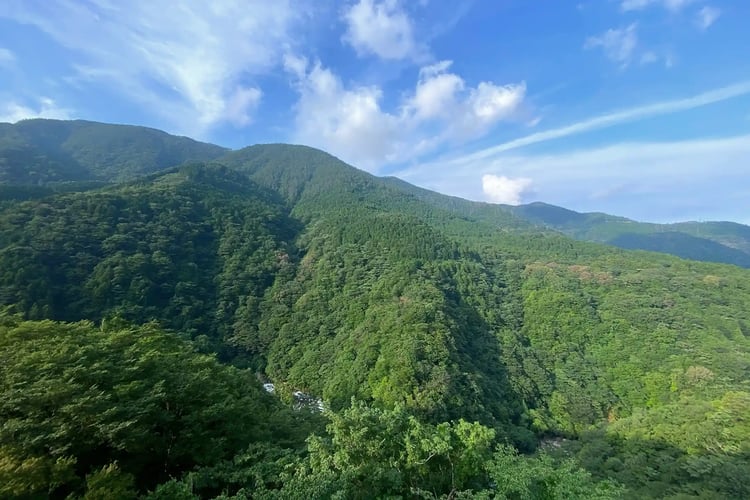
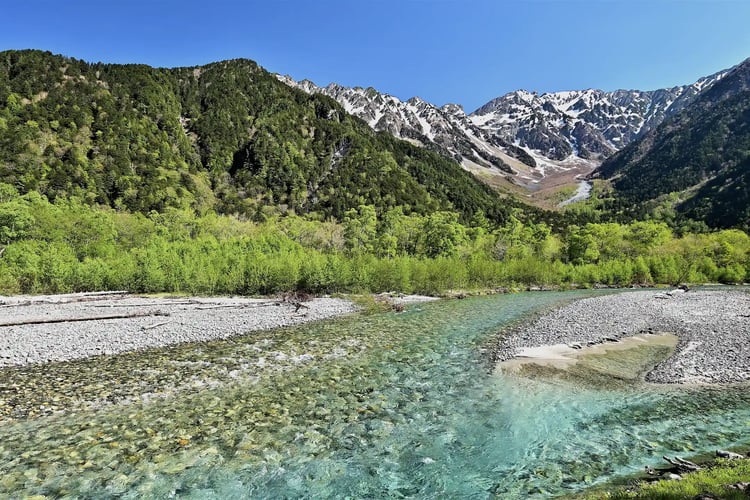
This Japan Alps valley won national recognition through the Nippon Hakkei scenic selection of the late 1920s, and it is possible only from mid-April to mid-November. In 2026 buses ran from April 17 and the valley formally opened on April 27. Sleep at Matsumoto the first night, then take the train to Shin-Shimashima and the bus, or park at Sawando and transfer. Two nights inside the valley, at about 1,500 m, free you from the return buses. The nearly flat walk from Taisho Pond through Kappa Bridge to Myojin Pond is about 9.2 km and three hours, according to Alpico's visitor guide. The same guide names mid-October as the usual color peak and autumn as by far the most popular season, and warns off the Obon holidays of August 11 to 16, when you may wait hours for a return bus. It calls late spring the off-season for domestic visitors and suggests November 1 to 5 for fewer crowds.
Yakushima: A Four-Day Nature Itinerary With a Rain Margin
Plan four days to spend two on the mountain, because one may wash out. Start with Shiratani Unsuikyo, the moss forest that the World Heritage Center places at 600 to 1,050 m. A Japanese travel magazine allows about six hours for the round trip to Taikoiwa rock, and says only that the forest is said to be the setting of Princess Mononoke, a hedge worth keeping. The Jomon Sugi is a separate day of nine to ten hours, and the ministry's trail page says to set out between 5 and about 7 a.m. That page does not mention a guide requirement. From March 1 to November 30 ordinary vehicles cannot reach the Arakawa trailhead, so you take the hiking bus from the Yakusugi Museum, and part of the way follows the old forest railway, with bridges that lack handrails in places.
Check the current state of the trails before you fix dates. Typhoon No. 24 in September 2026 closed Shiratani, which reopened on October 18 with parts of the Yayoi-sugi course and the Hiryu bridge still shut at the time of writing. The Taikoiwa and Bugyo-sugi courses were passable. The World Heritage Center links to a separate recovery notice for the mountain roads and trails. We could not confirm the current state of the Arakawa route, so check that notice and ask your lodging.
Iriomote: Four Days Around the Permit System
Aim for the months outside the July to September typhoon peak, and leave a spare day at the end, since flights and ferries can stop together. Fly to Ishigaki and take the high-speed ferry; nearly 90 percent of Iriomote is jungle and mangrove. The town's restricted list names the Urauchi headwaters, and we did not find the Urauchi or Nakama river cruises on it. Pinaisara Falls is on it. It lies in the Hinai River field, with Sangara Falls in the Nishida River field, and the town's page offers no lecture route for either, so plan on an approved guide. Applications open six months ahead, and a provisional application lapses after a week.
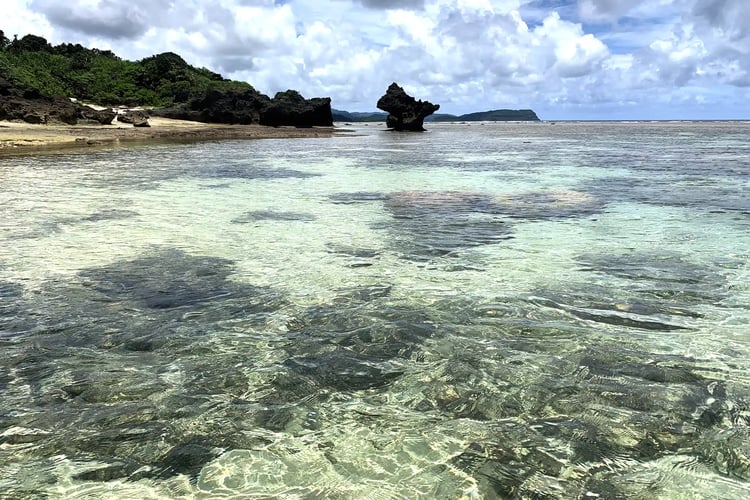
A day for Yubu Island, reached by water buffalo cart across a shallow strait, makes a good fallback. If you snorkel, remember that a local resort's safety notes treat shallow water at low tide as off limits because coral can break, and the ministry asks swimmers to keep their fins off it.
Shiretoko and Akan: Five Days Decided by Bears or Ice
Choose your season first, because they are two different trips. For summer, walk the Shiretoko Goko Lakes. The official site divides the year into opening to May 9, May 10 to July 31, and August 1 to closing. In the middle period, the bear season, the ground paths are guide-only, with up to 10 people per tour and from 6,000 yen for the three-hour loop booked ahead. Outside it you attend a 10-minute lecture for 450 yen, with up to 50 people entering at a time. The elevated boardwalk is free and needs no guide. Any bear sighting can close the ground paths, so keep a second morning free. For winter, come from mid-February to early March for the drift ice and the guided ice walks.
Add Lake Akan for the second half. A short 45-minute trail leads to the bubbling mud pools called bokke, a name taken from the Ainu pofuke, "to bubble up." A sponsored japan-guide feature describes forest walks of about 90 minutes led by Ainu guides who live around the lake, beginning with a prayer called Kamuy-nomi. For something less public, the Hikari no Mori forest tour is allowed only with a certified guide. For the shoulder season on the same island, see Hokkaido in May.
Kumano and Koyasan: Shojin Ryori on a Wellness Itinerary
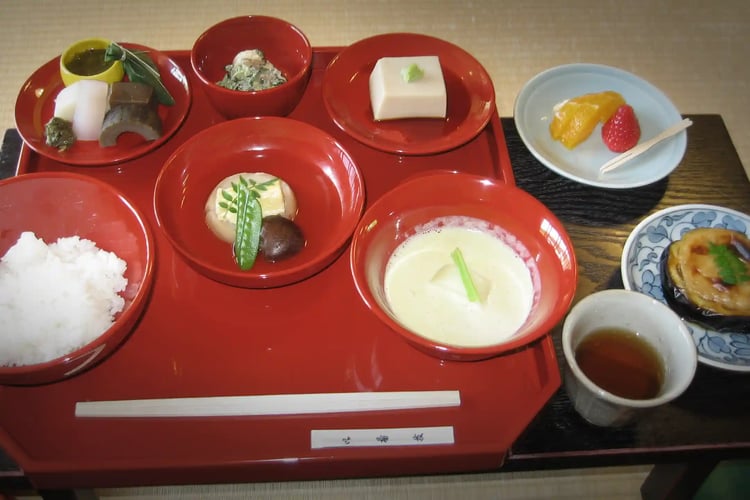
Spring and autumn suit this route best, and they are also the busiest seasons. The bureau calls pre-booking very important and warns that small villages fill. The Nakahechi route is open all year, and the area gets heavy rain, so carry rain gear in any month and use the daily luggage shuttle. Start with a night at Koyasan, where more than 50 temples take guests. Guests can join morning prayers at around 6 a.m., and meals are shojin ryori, the vegetarian monks' cuisine built on konnyaku, yuba and koyadofu. Then transfer to the Nakahechi for two or three days of walking.
The direct walk between the two, the 65 km Kohechi, is for advanced walkers only, with passes over 1,000 m, and is technically closed from mid-December to mid-March.
Japan Nature Travel Month by Month
This table sets out what each region's sources say about timing. Dates come from the 2026 season and will shift.
| Months | Go for | Plan around |
|---|---|---|
| January to March | Shiretoko drift ice, best from mid-February to early March. Hakone's clear winter views of Mt. Fuji. | Kamikochi closed. Kohechi closed until mid-March. Arakawa road rules on Yakushima begin March 1. |
| April to May | Kamikochi from April 17, with vivid new leaves after Golden Week. Spring walking on the Kumano Kodo. | Golden Week crowds on the Jomon Sugi route. Shiretoko's ground paths go guide-only from May 10. Yakushima's wet months begin in May. |
| June to September | Shiretoko's ground paths reopen to lecture entry from August 1. Kamikochi outside Obon. | Kumano heat from June to September. Typhoons on Yakushima from July and the Yaeyama peak from July to September. Obon buses at Kamikochi. |
| October to December | Kamikochi's autumn peak, usually mid-October, and a quieter early November before it closes on November 15. Autumn on the Kumano Kodo. Iriomote after the typhoon peak. | Typhoon season on Yakushima and Ishigaki runs to October. Kohechi closes from mid-December. |
The answer to "which month is best" therefore depends on which landscape you came for. If you want one month that keeps most of these open, mid-October is the strongest candidate on this table for Kamikochi and Kumano together, with typhoon risk on Yakushima and around Ishigaki still worth a spare day. Expect company, though: autumn is the most popular season at Kamikochi and among the busiest on the Kumano Kodo.
Whatever the month, follow the ministry's basic requests: take your trash home, leave plants and stones where they are, stay on the path, and never feed wild animals. In an emergency in Japan, dial 110 for police or 119 for fire and ambulance, and share your route with your lodging. At the Arakawa trailhead there is no public phone, and cell coverage varies by carrier.
Three Levels of Access to Japan's Nature
A list of places only goes so far. For a traveler who dislikes queues, a more useful sorting is by what it takes to get in, because the same region can hold all three levels within a short walk.
Open to anyone. The Goko Lakes boardwalk costs nothing and needs no guide. The Bokke trail at Lake Akan and the museum foot bath in Hakone need only the walk or an entrance ticket. These are the obvious first stops, and at the right hour they are still very good.
Open if you know the system. Kamikochi's early hours require a night inside the valley. The Jomon Sugi is the same tree on any date, but the ministry's 2026 calendar forecasts 199 walkers or fewer on its quietest days and 500 to 799, with lines and jams, on May 3 and 4 and September 20 and 21. Check the current year's edition, since the dates move. The Goko ground paths after August 1 need only a short lecture. Nothing here is secret, but it does take planning.
Open only with someone authorized. Pinaisara and Sangara on Iriomote, the Goko ground paths in bear season and Hikari no Mori at Akan all require a guide or approval. The published ceilings are small: the Iriomote framework lists 200 people a day on the Hinai River, 100 on the Nishida River, 50 on the Urauchi headwaters crossing, and 30 each on Mt. Komi and Mt. Tedou. On Iriomote, ask whether the operator is approved before you ask anything else, since the town warns that entering without approval can bring penalties.
Beyond these sit workshops and private spaces that no permit system lists at all. Our interviews with Japan's masters are the way into that world on this site.
Japan Wellness Claims Checked: Shinrin-Yoku, Onsen, Cold Plunges
Trips like this are often sold on wellness, and the claims attached are loose enough to deserve a check. Here are three.
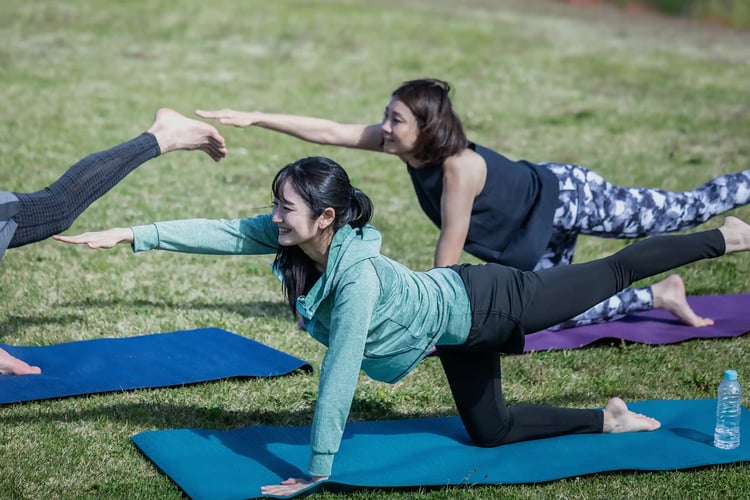
"Forest bathing is an ancient Japanese practice." Half true. Researcher Miyazaki Yoshifumi calls it a concept that has existed in Japan from long ago, but the word is recent: shinrin-yoku was coined in 1982 by Akiyama Tomohide, head of the Forestry Agency, which wanted people in the forests partly to raise the value of those lands. The first field experiments came on Yakushima in 1990, funded by NHK for a television program. So the word has a policy origin, and the science is younger still. The evidence is real but limited. The Ministry of the Environment summarizes a 2010 comparison in which sitting in a forest rather than a city raised parasympathetic activity to about 1.5 times and lowered salivary cortisol by 13 percent. It also cites a Michigan study naming 20 to 30 minutes in a nature setting as the most effective span for reducing cortisol. Miyazaki himself says it cannot cure illnesses such as cancer, and that most data still come from single experiments. The practical reading for a traveler is that half an hour sitting still in the trees is worth building into the day.
"Soaking in an onsen melts stress away." One number supports a narrower version. The ministry's summary reports, from a 2020 study by the Japanese Society of Hot Spring Sciences, that a psychological stress marker fell 12 percent after bathing in hot spring water as compared with tap water. Read it as a reason to soak, and leave the rest to the brochures.
"Hot and cold bathing flushes out fatigue." An earlier version of this article said so, and the study it cited does not. The 2013 Bieuzen review did find less soreness and strength loss than passive rest after hard exercise, but across 18 small trials, all at high risk of bias, and it mentions lactate clearance only as a proposed mechanism, not as something it measured. It also found little evidence that contrast bathing beats other recovery methods. Enjoy the cold plunge after a long walk, and treat it as a pleasure first.
The older answer to all of this is a night at a temple. It offers an early start, a fixed meal and no choices to make, and none of it depends on a study.
Stay a little longer in the landscape
This piece offered one entrance into Japan's culture of retreat. The Digital Guide brings together the onsen towns, forest sanctuaries, and quiet philosophies of renewal — thoughtfully curated into a fuller, connected reading.

In Closing
Pick one landscape, let its window fix your dates, and build outward from there. Japan's best nature comes with bus rules, bear seasons, permit forms and a congestion calendar, and on Yakushima and Iriomote the rules came after the pressure had already shown. Knowing that history is what turns a closed road from an annoyance into part of the place, and it leaves you holding the only itinerary that survives contact with the weather: one with a spare day in it.