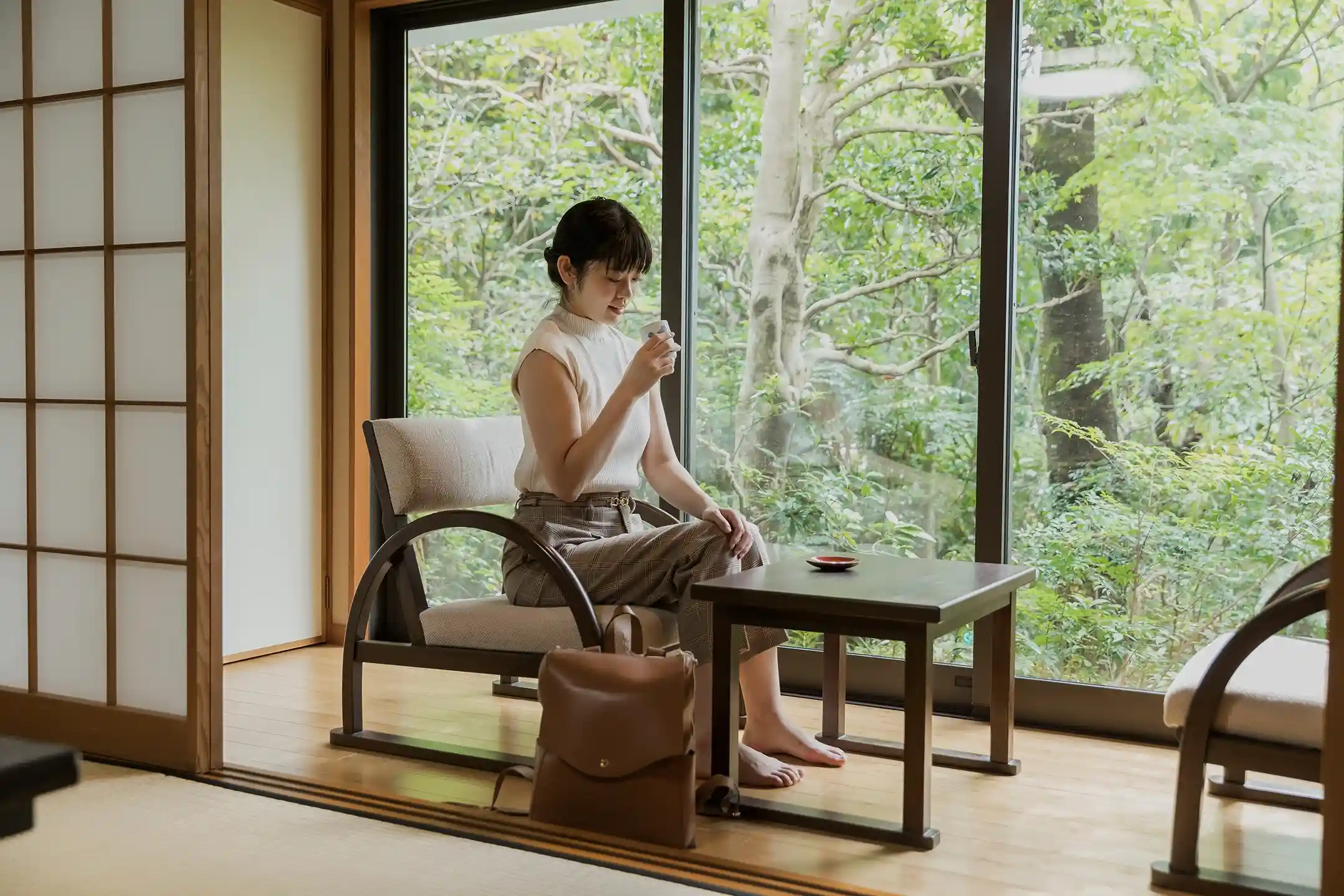
When your wedding anniversary, a birthday, or any milestone approaches, consider marking it with a special night at a ryokan—a traditional hotel in Japan. The moment you step onto tatami flooring, a hush and a distinctly Japanese sense of harmony carry you into a world apart. Moonlight filtering in through the garden and the soft steam rising from a hinoki cypress bath set the tone, turning your celebration into something more evocative and memorable.
Wrapped in privacy and heartfelt hospitality, you can let time slow down together. Treat yourselves to an extraordinary evening—on a stage designed for it—at a ryokan.
This article is one doorway into the world of the ryokan. The Digital Guide draws its architecture, hospitality, and the quiet rituals of an anniversary stay into a single, connected reading.
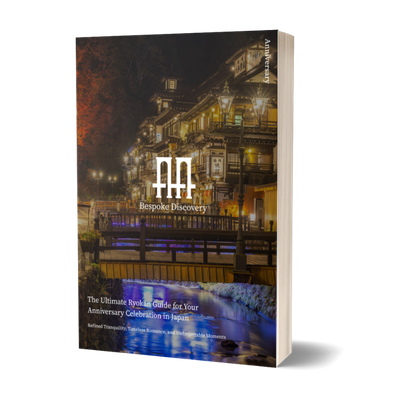
Continue with the Digital Guide:
The Ultimate Ryokan Guide for Your Anniversary Celebration in Japan
Is a Ryokan a Traditional Hotel in Japan? Definitions & Key Terms
A Japanese ryokan is a lodging unique to Japan that welcomes guests with traditional architecture and services rooted in Japanese customs. Historically, the Inns and Hotels Act set separate operating standards for hotels and ryokan (*1). After the 2017 legal revision (implemented from 2018 onward), “hotel business” and “ryokan business” were integrated into a single category, “Ryokan/Hotel Business.” Even so, due to their different histories, distinct styles of architecture and service remain today.

Ryokan vs. Western‑Style Hotel (Anniversary Perspective)
Comparing a ryokan stay with a Western‑style hotel—especially when you’re celebrating as a couple—reveals a few clear differences. First, it’s standard at ryokan to include two meals with one night’s stay, so dinner and breakfast are part of the room rate; you won’t need to stress about reservations or logistics (*1).
Dinner is often served in your room or in a private dining room, which gives you the freedom to enjoy an unhurried, just‑the‑two‑of‑you meal without worrying about nearby tables (*2). That creates a private atmosphere that differs from a typical hotel restaurant—an experience that truly feels curated for you both.
At a ryokan, staff will come and go to serve your meal and lay out your futon. You receive attentive service, and compared to a completely hands‑off hotel stay, you’ll have a bit more human interaction (*1). Some travelers might find this less appealing, but for an anniversary, that thoughtfulness often enables surprise touches and easy conversation, turning small moments into warm memories.
History and Architectural Beauty
Ryokan have ancient roots that reach back to the Nara period. Some establishments have been operating for more than 1,300 years. Keiunkan in Nishiyama Onsen, Yamanashi Prefecture, founded in 705 CE, is recognized by Guinness as the world’s oldest hotel (*3). With this deep history, Japanese aesthetics infuse the architectural styles and details you encounter.
Sukiya‑zukuri, a tea‑room‑inspired style that began in the mid‑Muromachi period and spread during the Edo era, favors natural materials and restrained ornamentation (*4).
Inside, seasonal displays appear throughout, and carefully tended Japanese gardens are a highlight of ryokan architecture. Moss‑covered stones and seasonal plantings frame views of spring greenery, autumn foliage, and winter snowscapes—the shifting scenery outside your window creates moments you’ll want to photograph (*4).
The Philosophy of Omotenashi (Thoughtful Hospitality)
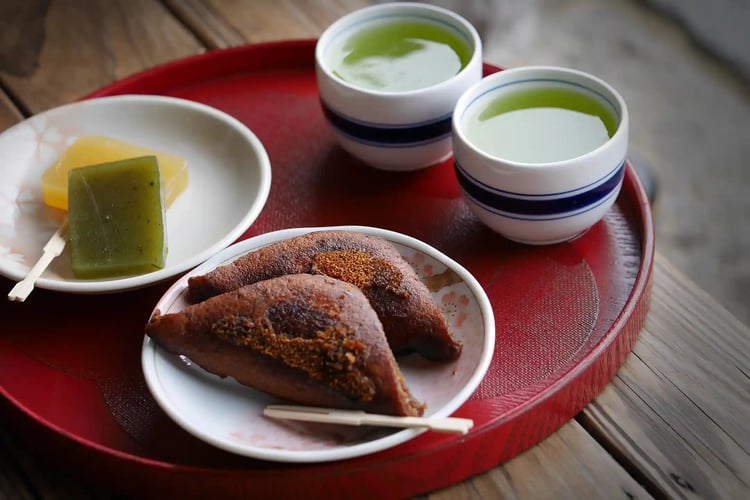
At ryokan, the spirit is “to welcome guests as if into one’s own home,” so service aims to be thorough yet unobtrusive. On arrival, you may be greeted with matcha and local sweets, and in your room, an attendant quietly looks after your needs.
After dinner, your futon is laid out fluffy and warm—everything prepared for rest. Care is taken to preserve a tranquil environment: you won’t hear public announcements or heavy background music, and most ryokan keep the nights notably quiet. This approach to hospitality protects your time together while offering a sense of gentle watchfulness—ideal for a special‑occasion stay.
How to Choose the Right Ryokan for an Anniversary (Privacy and Luxury)
When you’re picking a ryokan for a special anniversary, focus on several points: location, room type, reservable private facilities, interior design, and language support. Access from the city to a hot‑spring area versus a secluded hideaway matters—but here we’ll prioritize the features of the property itself.
What Each Room Type Offers
Start with the room type. Suites with private open‑air baths or detached villas (hanare) are ideal if you want to minimize contact with other guests and settle into your celebration together.
With a private onsen attached to your room, you can bathe whenever you like—no need to wait your turn. Savoring a soak with a drink in hand in a space where no one will disturb you can be wonderfully liberating and bring you closer. Detached villas, set apart from other rooms, usually offer excellent soundproofing and exceptional quiet (*1).
On the other hand, don’t overlook suites on higher floors of the main building known for their sweeping views. Time spent together gazing out at a jeweled night skyline or an open expanse of sea becomes an experience in itself. When booking, request “a room with a good view”—you may be assigned a better‑located room if available (*2).
How to Secure Private Experiences
Next, make use of private facilities. Many ryokan, in addition to communal baths, offer reservable baths or saunas, family baths, and even private lounges. Because slots are typically limited to short windows, reserve as early as you can—ideally at check‑in (*3).
A private open‑air bath at dusk can turn sunset or a star‑filled night into a romantic highlight. Morning reservations are a hidden gem as well: fewer people are around, the air is crisp, and you’ll start the day refreshed.
Design and Language Confidence
Design matters when you want an elevated, out‑of‑the‑everyday anniversary stay. Many luxury ryokan blend traditional Japanese aesthetics with modern comfort, creating refined, minimal spaces that feel special without glitz. You’ll notice carefully chosen furnishings and lighting, and seasonal motifs woven throughout the property.
If you’re concerned about language, many ryokan have English‑speaking staff or provide signage and materials in English (*2). There are even features spotlighting “English‑friendly” hot‑spring inns, so you can relax even if you’re not comfortable in another language (*2).
Check reviews on booking sites or the official website to confirm language support. If you’re considering spa services like facials or massage, it’s wise to verify therapist qualifications and guest feedback in advance. Keep these points in mind, balance them with your budget, and you’ll land on the perfect match—an unforgettable stay worthy of your celebration.
Gastronomy and Dining at Ryokan: Seasons Told Through Kaiseki
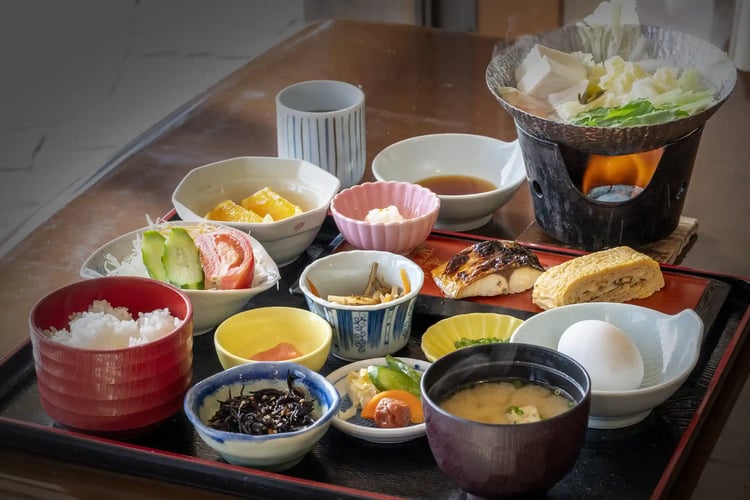
One of the great pleasures of a stay at a traditional hotel in Japan—a ryokan—is the cuisine. Dinner often takes the form of kaiseki—a traditional full course showcasing seasonal local ingredients and culinary craftsmanship—so you can literally taste the time of year.
Flow of Kaiseki and Highlights
A typical kaiseki meal begins with sakizuke and appetizers, followed by sashimi, simmered dishes, and grilled dishes. It concludes with rice, soup, and pickles, and finishes with a sweet. Seasonal gifts from the mountains and sea appear throughout. Chefs express the shifting seasons through color and plating, and they choose different styles of tableware to delight your eyes as much as your palate (*1).
Within this progression, the “shiizakana”—a late‑course centerpiece—often stands out. Think of it as the chef’s signature treat near the end of the meal, a dish that distills their skill and creativity (*1).
Pairing Strategy
Thoughtful drink pairings elevate a celebratory dinner. Sake is a natural fit, but wine pairings have gained attention, and some ryokan offer pairing courses that match several small pours of local sake or wine to each dish (*2).
For example, a six‑ or seven‑course menu might be paired with six or seven beverages—local junmai or ginjo sake, craft beer, or even non‑alcoholic cocktails—each chosen for a particular dish (*2).
Temperature and glassware matter too. You may see chilled versus warmed sake chosen deliberately, or sparkling served in flute glasses to lift the aroma. If one of you opts for a sake pairing and the other chooses wine, you can share sips and double the variety. If you prefer not to drink, many ryokan can arrange non‑alcoholic pairings when you ask in advance.
Keys to Customization
If you have requests, let the property know early; many ryokan can accommodate them. When informed several days before arrival, they will often do their best with allergies or ingredient changes (*3).
Be specific—say you have a shellfish allergy or don’t eat raw fish—and they’ll try to adjust within their capabilities (*3). Because kitchens have limits, ask at booking time and get a clear answer about what’s possible.
If you mention your anniversary when reserving, some ryokan will arrange a cake at dinner or other celebratory touches (*4). Many offer anniversary plans with cake or champagne (*4); taking advantage of those can make your dinner even more memorable. Don’t hesitate to share special requests during booking—that’s the key to a flawless celebration.
Onsen and Wellness for an Anniversary at a Ryokan
The onsen is often the highlight of a stay at a traditional hotel in Japan. Depending on the spring quality—the mineral makeup of the water—you’ll notice differences in scent, feel on the skin, and the way warmth lasts. Finding your favorite becomes part of the fun. Below are common spring types and tips for enjoying hot springs together.
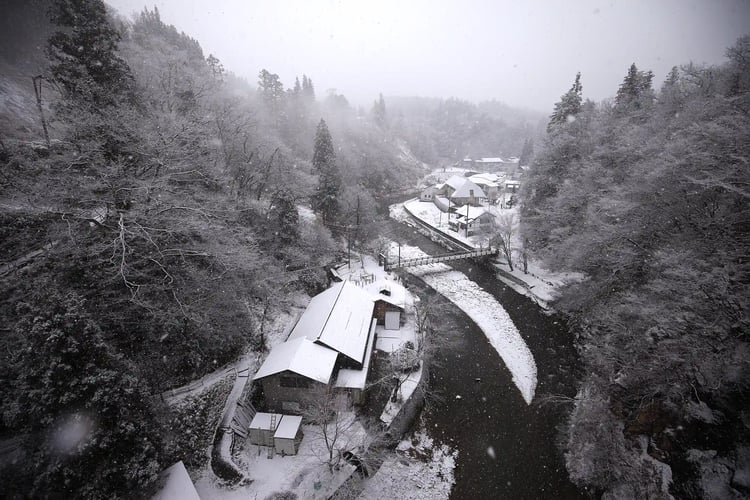
%20in%20Shikaoi%2c%20Hokkaido.webp?width=750&height=500&name=Shikaribetsukyo%20Kano-yu%20(Deer%20Hot%20Spring)%20in%20Shikaoi%2c%20Hokkaido.webp)
Onsen Water Types and How to Choose
Japan recognizes more than ten spring types; here are a few popular for special‑occasion trips.
Bicarbonate springs (sodium bicarbonate) are known as “beautifying waters” for their smoothing effect on skin. Many guests, especially women, love the supple feel after bathing.
Chloride springs (saline) are excellent at retaining warmth and are called “heat springs,” keeping you cozy to the core even after you step out (*1).
Sulfur springs—volcanic in origin—have a distinctive boiled‑egg aroma. They’re valued for their antibacterial properties and are said to help with certain skin concerns; they can also soften keratin so skin feels especially smooth after bathing (*1).
Understanding these differences helps you choose where to go: perhaps you want to visit a “beautifying” onsen, or you’re curious to experience the characteristic scent of a sulfur spring.
Bathing Etiquette: A Complete Guide (English‑Speaker Friendly)
If it’s your first time in a large communal bath, these basics will help you relax and enjoy.
Before bathing: undress completely in the changing room, then wash your body and hair thoroughly in the shower area before entering the tub. Pour warm water over yourself first (kakeyu) so your body adjusts to the temperature (*2). If you have long hair, tie it up.
While bathing: bathing is done nude. Do not put towels or cloths into the tub—this is considered poor etiquette (*2). Keep voices down, don’t swim in the bath, and avoid activities that disturb others. For privacy reasons, refrain from taking photos in public bathing areas.
Sauna: don’t stay in too long; cool down appropriately in a cold bath or with fresh air between rounds.
Couples’ Spa and Private Baths
To enjoy uninterrupted time together, make use of private baths. At check‑in, confirm availability and secure your preferred time (*2). Looking up at the stars from a private open‑air bath sets exactly the kind of romantic mood a special night deserves. Some ryokan also offer private ganbanyoku (stone beds) or couples’ treatments.
Wellness Routines During Your Stay
A few simple habits can deepen the restorative effects of the onsen. Rehydrate with warm water or herbal tea after bathing; alternate bathing and rest several times to warm the body gently; and in the morning, try light stretching and deep breathing to take in the fresh air. Because a ryokan lets you reset your pace, you can savor a healthier, more mindful anniversary together.
Location and Season: Area‑by‑Area Charms and Best Times
Japan offers a wide range of hot‑spring regions and ryokan, and what you experience changes with location and season. Here are representative areas and when they shine for anniversary stays.
Near‑City Onsen (Hakone & Izu)
Hakone and Izu are favorites for weekend celebrations thanks to easy access from Tokyo and other metro areas. In Hakone, you can spend fulfilling rainy days at museums, so weather won’t derail your plans (*1).
Options abound—from cruises on Lake Ashi’s “pirate ship” to a visit to Owakudani. In the seasons of fresh spring green or autumn red, the surrounding mountains glow with color. Izu’s many coastal hot springs invite you to enjoy open‑air baths with a refreshing sea breeze from early summer through summer.
Historic Culture Hubs (Kyoto & Kanazawa)
Hot‑spring towns in historic cities are ideal in spring and autumn. In Kyoto, pair cherry‑blossom or foliage viewing with a quiet retreat to an inner‑city onsen district.
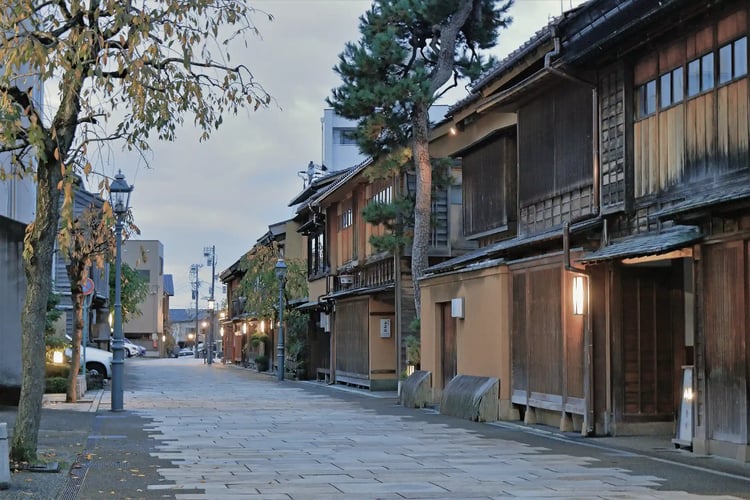
Kanazawa offers cultural strolls through Kenrokuen Garden and the teahouse quarters, with preserved streetscapes that reward wandering. In both cities, many ryokan serve seasonal Kyoto‑style or Kaga‑style kaiseki. Stay in a machiya‑style building and you’ll feel the charm of old Japan as night settles in.
Snow and Starlight (Hokkaido & Tohoku)
Winter in Hokkaido and Tohoku means snow‑view baths and crisp, starry skies. Watching snow gather silently around an open‑air bath is a scene you can only catch this time of year. On the clearest midwinter nights, the stars are dazzling—a soak beneath a canopy of light is unforgettable.
Satoyama and Steam (Kyushu: Yufuin & Kurokawa)
For gentle countryside vibes, Kyushu’s hot‑spring regions are perfect. Yufuin spreads across a basin at the foot of Mount Yufu, with hot springs scattered around; from autumn into winter, morning mist lends the landscape a dreamlike feel.
Kurokawa Onsen is a compact hot‑spring town with ryokan clustered together (*2). Visit in any season—spring greens, summer fireflies, autumn leaves, and winter snowscapes all have their moment.
Islands and Seaside (Setouchi, Ise‑Shima, Noto Satoumi)
Seaside ryokan deliver uniquely romantic views: sunrise over the horizon, and at night, fishing lights glittering across the water. In the islands of the Seto Inland Sea, you’ll find distinctive stays that blend contemporary art with calm vistas—soaking in an open‑air bath while looking out at gentle seas and island silhouettes can feel quietly transcendent.
In Ise‑Shima, many rooms overlook the ria coastline of Ago Bay and its pearl‑cultivation rafts. For an anniversary, you might add a cruise or time your dinner with sunset on the water.
Along the Noto Peninsula’s satoumi coast, winter brings dramatic cliffs, rough seas, and blowing snow; in summer, the shore softens to calmer waves and sandy beaches—two very different faces of the Japan Sea, each compelling in its season.
Stay a little longer in the world of the ryokan
This article offers one perspective on a tradition shaped over centuries. The Digital Guide brings together the architecture, hospitality, and quiet rituals that give a ryokan anniversary stay its lasting meaning — a fuller, more connected reading, carefully shaped for the moments worth marking together.

In Closing
A traditional hotel in Japan weaves together an extraordinary setting and sincere hospitality to color your most important days. The hush unique to these stays, the attentive yet gentle service, and the seasonal cuisine and hot springs—all of it deepens your bond and promises moments you’ll return to for years.
Use the points in this guide to find the ryokan and pacing that suit your celebration. Step away from the everyday, share time rich in privacy and ease, and come home with renewed energy and a stronger connection for the chapters ahead.