If you’re planning to celebrate a special anniversary in Kyoto, this guide focuses on one theme: ryokans with private onsen. If you’re specifically searching for a “ryokan in kyoto with private onsen,” this article keeps that exact wish front and center. Stepping away from busy routines and sharing unhurried moments in your own hot spring bath invites a deeper connection—the kind you’ll both remember long after the trip.
Here, you’ll find recommended ryokans with private onsen in both Kyoto City and the northern reaches of Kyoto Prefecture, along with what makes them appealing and how to choose the right one for you. Every property has been selected with privacy and a sense of occasion in mind.
We’ll touch on the cultural richness of central Kyoto and the nature-forward settings up north, and we’ll factor in budget and anniversary-friendly services. By the end, you’ll know exactly which Kyoto ryokan with a private onsen deserves your milestone.
Top 3 Ryokans in Kyoto with Private Onsen (City / Northern Region)
From Kyoto’s many accommodations, we’ve handpicked three ryokans ideal for anniversaries—two in the city and one in the northern area.
Our selection criteria:
(1) Guestrooms include an open‑air bath or there’s a reservable private bath so you can soak in complete privacy; (2) Each property sits in an atmosphere‑rich, quintessentially Kyoto setting with easy access to sightseeing and strolls; (3) Service quality is high, with staff willing to help with anniversary plans and surprises; and (4) Rates aren’t prohibitively expensive (generally in the range of ¥50,000–¥100,000 per night for two) and promise a satisfying stay.
We also considered whether English‑language support is available for international guests. With that, let’s look at the best options in both the city and the northern region.
Ryokans in Kyoto City for Anniversaries
Kyoto City offers inviting ryokans close to World Heritage sites and atmospheric streets—perfect for an anniversary trip. For anyone searching ryokan in kyoto with private onsen, the Higashiyama–Gion and Arashiyama areas host high‑end properties with rooms featuring private onsen baths.
In Higashiyama–Gion, “Hotel Yuraku Kyo‑Yasaka,” tucked into a quiet spot near Yasaka Shrine, is drawing attention. This newer ryokan has just 13 rooms, and every one is fitted with an onsen bath, supplied by its own source, “Kyoto Kiyomizu Onsen,” so you can enjoy natural hot spring water in your room. Natural onsen in the city center is rare, and here you get both pure hot‑spring quality and true privacy—a textbook ryokan in kyoto with private onsen experience.
The refined, modern‑Japanese design blends seamlessly with the stone‑paved streets, and English‑speaking staff help you feel at ease. After an evening stroll around Gion or Kodaiji, you can slip into your room’s open‑air bath and linger in time that belongs only to the two of you.
Over in Arashiyama, “Suiran, a Luxury Collection Hotel, Kyoto,” enjoys a scenic location along the Katsura River and remains a favorite. Seventeen of its 39 rooms come with a private open‑air bath. After check‑in, services like rickshaw or taxi transfers enhance that delicious sense of stepping out of everyday life.
When night falls and Arashiyama grows quiet, wander the bamboo grove under the moonlight and then return to your terrace bath to gaze out over the river—a romantic interlude you’ll cherish. Dinner and breakfast can be served in‑room or in a private dining room, preserving your privacy from start to finish—an easy, in‑city way to book a ryokan in kyoto with private onsen.
Ryokans in Northern Kyoto Prefecture for Anniversaries
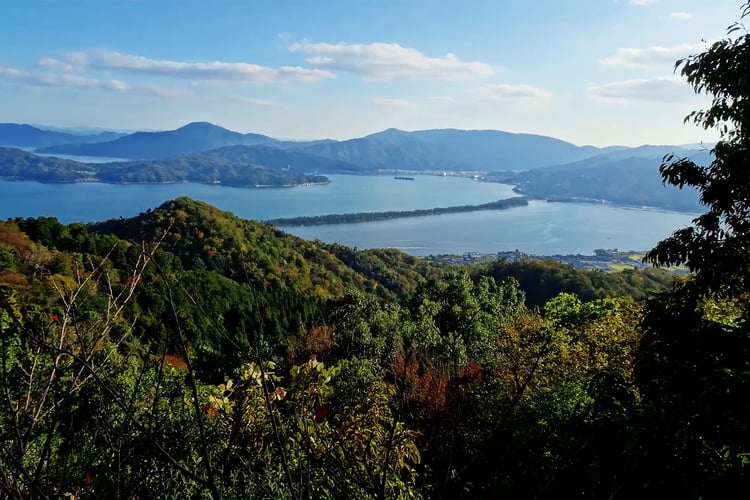
The northern region of Kyoto Prefecture is dotted with hot‑spring towns that pair sweeping Sea of Japan views with quality onsen. Around Amanohashidate and the Tango Peninsula, you’ll find intimate hideaways where the sea and satoyama (village landscapes) create a restorative backdrop—just right for escaping the city on a special trip. Around Amanohashidate, long‑established ryokans perched on hillsides offer commanding vistas; it’s even possible to reserve a private bath and have one of Japan’s Three Scenic Views all to yourself.
Farther north in Kyotango City—especially Yuhigaura Onsen—and in Ine Town, you’ll find seaside onsen inns. At Yuhigaura Onsen, top‑floor suites often include an ocean‑view open‑air bath; you can watch the sun slip below the horizon and the sea blush with evening light, all from your private tub. If your idea of a ryokan in kyoto with private onsen includes an ocean panorama, this is hard to beat for an anniversary.
At Oku‑ine Onsen in Ine, there’s a small inn where all 12 rooms face the sea and come with their own open‑air baths. Each room supplies free‑flowing water from its own source, so you can bask in the hot spring while gazing out at the vast Sea of Japan. Many northern ryokans suit a one‑ or two‑night “do nothing” stay, inviting you to forget the clock and enjoy quiet time together.
Why a Ryokan with Private Onsen in Kyoto Is a Go‑To for Anniversaries
Why are ryokans with private onsen such a popular anniversary choice? Let’s look closer.
Key points include the immersiveness of a “completely private bathing experience,” the freedom to move at your own pace from check‑in to check‑out, special spaces shaped by Kyoto’s seasonal scenery and traditional design, and attentive support from ryokan staff and concierges. Here’s how each plays out in practice.
Immersive Moments Born from Privacy
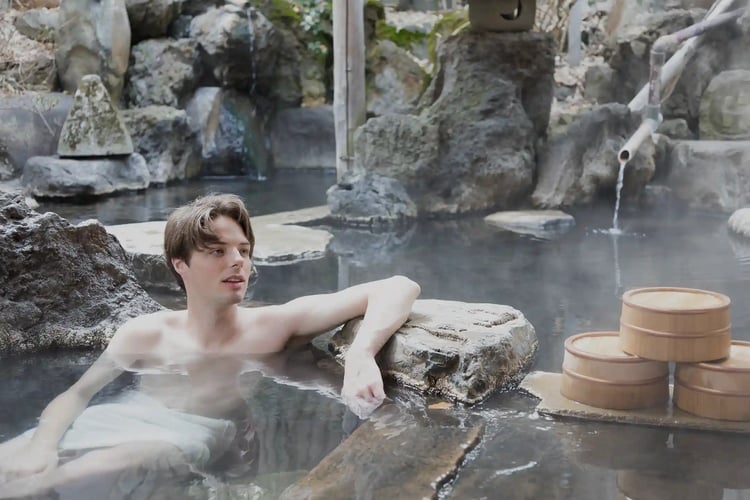
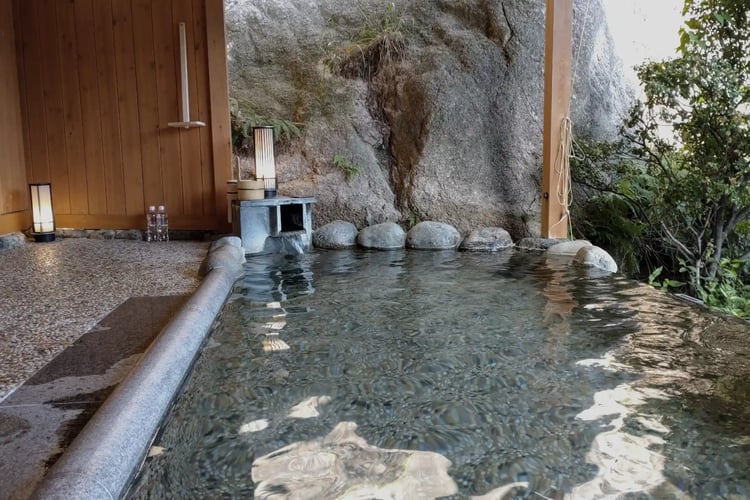
A hot spring space where you won’t be interrupted creates a deeply immersive experience. Because you don’t have to worry about other guests, conversation flows and you can savor true downtime together.
In fact, one common sentiment is, “With a private bath, you can soak together without feeling watched, relax more deeply, and talk more easily—so your bond naturally grows” (*1). Guests often remark, “Unhurried time to chat in the bath helped us understand each other better.” Without the stress of transit or waiting in lines, you can finally dive into conversations you don’t get to have at home—or simply lean into the quiet and share the warmth.
Many properties now offer in‑room saunas and cold plunge tubs. Couples are increasingly enjoying a private cycle of sauna → cold bath → fresh air, all at their ideal temperature and pace, without worrying about anyone else. This freedom creates an all‑encompassing calm for both body and mind.
Kyoto Touches to Elevate the Mood
To make your stay even more memorable, lean into the details that define Kyoto. Ryokans take seasonal ambience seriously; throughout the property and in your room, you’ll notice flower arrangements and hanging scrolls that change with the time of year.
Traditional inns often “bring the seasons indoors” through décor, and if you’re celebrating, they might even switch to auspicious motifs as a special touch (*3). In spring, think cherry blossoms and fresh‑green scrolls; in autumn, maple leaves and deeper‑toned folding screens—subtle signals that frame your new chapter.
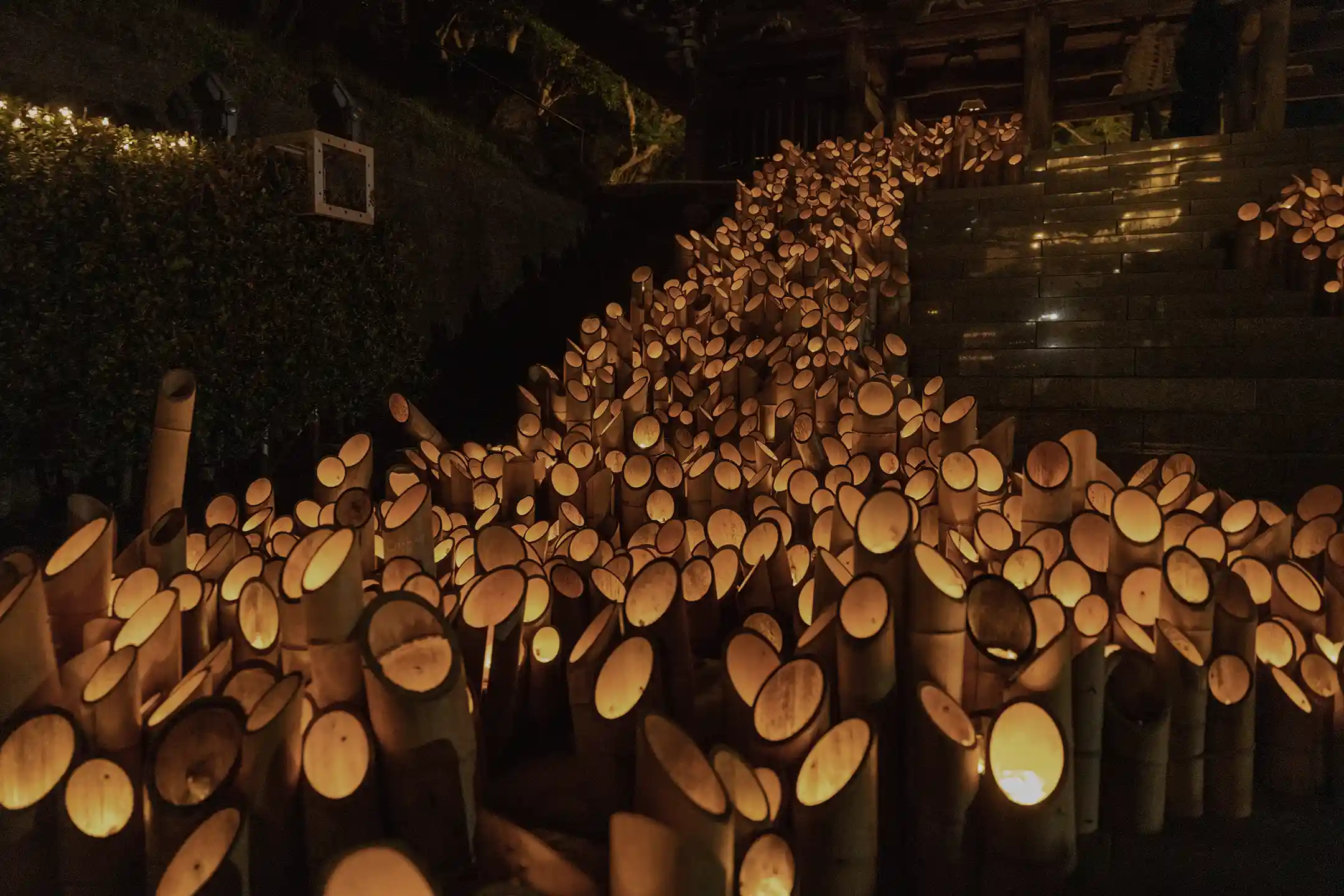
After dark, lighting becomes part of the Kyoto magic. Andon lanterns on stone paths and softly glowing bamboo shades heighten the atmosphere while gently illuminating your private world. Dim the lights around your open‑air bath and let the moon and lanterns do the rest; the hush of the night naturally turns romantic.
At check‑in, many inns welcome you with a Kyoto sweet and a cup of sencha or Uji tea. A delicate wagashi and fragrant green tea are a soothing reset after a long journey. Being shown to your room with a “Congratulations on your special occasion” alongside seasonal sweets and tea instantly sets a celebratory Kyoto tone. Time spent in a ryokan that layers in these quiet courtesies becomes a gift in itself.
How to Choose Your Area & Shape Your Stay (Kyoto City / Northern Kyoto Prefecture)
When planning an anniversary trip, choosing where to base yourself matters. Kyoto City and the northern region offer very different rhythms and travel times. Understand the character of each, then build a plan that lets you enjoy both efficiently.
In the city, you’ll prize cultural density and convenient transport; up north, you’ll seek the quality of the springs and the sweeping scenery. We’ll also touch on how to split nights and manage logistics if you stay two or more nights.
Choosing in Kyoto City (Higashiyama / Gion / Arashiyama)
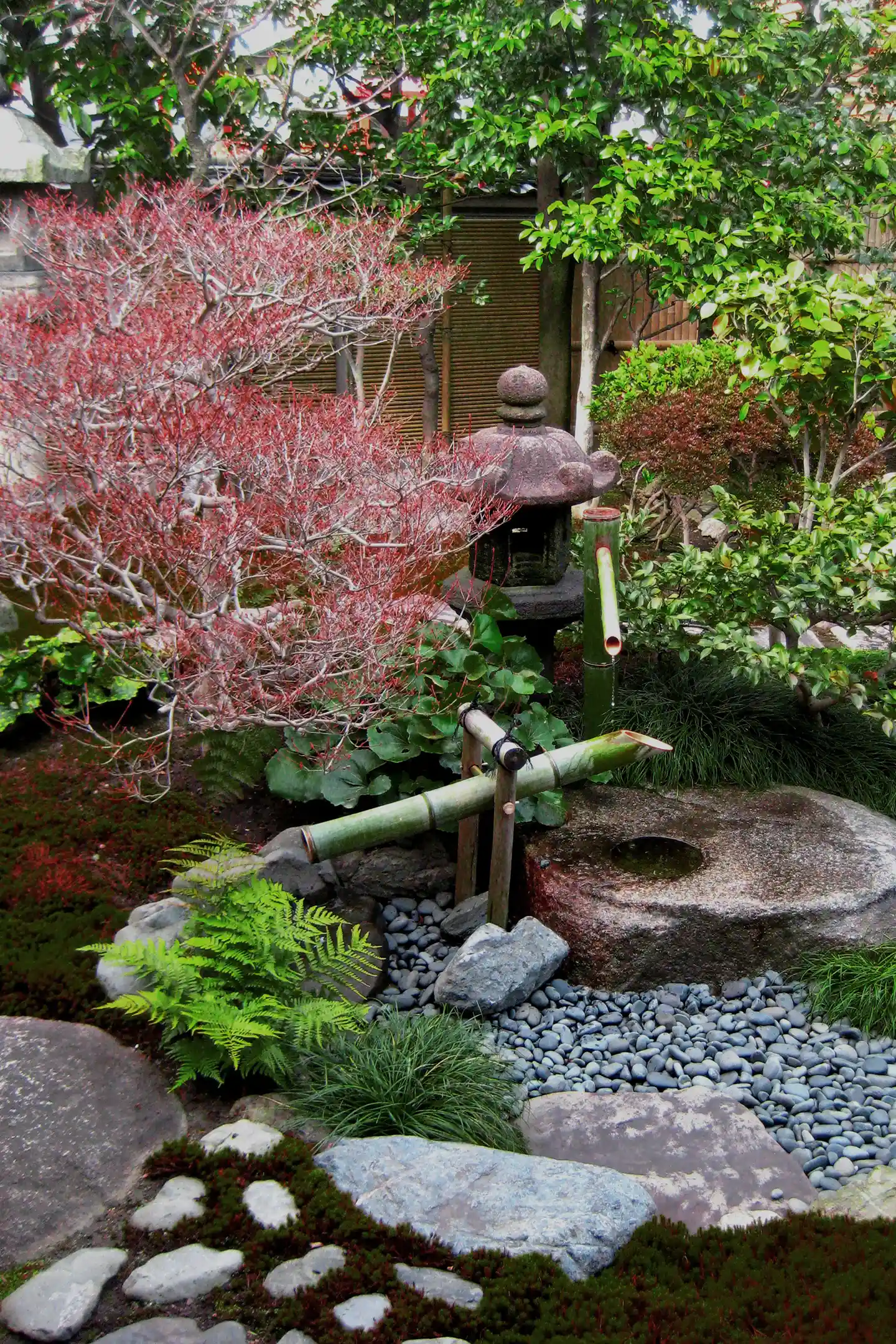
Higashiyama, Gion, and Arashiyama carry a major advantage: proximity to historic treasures. From special early‑morning visits at Kiyomizu‑dera to evening illuminations at Kodaiji or Shoren‑in, you can reach cultural spots in minutes.
When picking a place, confirm whether the room has an open‑air (or semi‑open‑air) bath or whether there’s a reservable private bath. In Higashiyama, for instance, some rooms with semi‑open‑air baths look out over a garden; in Arashiyama, you might book a private slot at the spa’s bathing facility. In winter, semi‑open or indoor‑style tubs help you stay warm; in summer, a fully open‑air tub turns the breeze into part of the experience.
On dining, many luxury ryokans in the city offer private kaiseki rooms or in‑room dining. Being able to enjoy Kyoto kaiseki without worrying about other guests—or dine on a chef’s special menu in your own space—is a tremendous perk.
Anniversary plans sometimes include extras like sparkling wine for a toast or a whole cake. Even if you tire yourself out exploring cultural sites during the day, city ryokans are set up so that back “home,” you can shift seamlessly into unhurried time for two.
Choosing in Northern Kyoto (Amanohashidate / Kyotango / Ine)
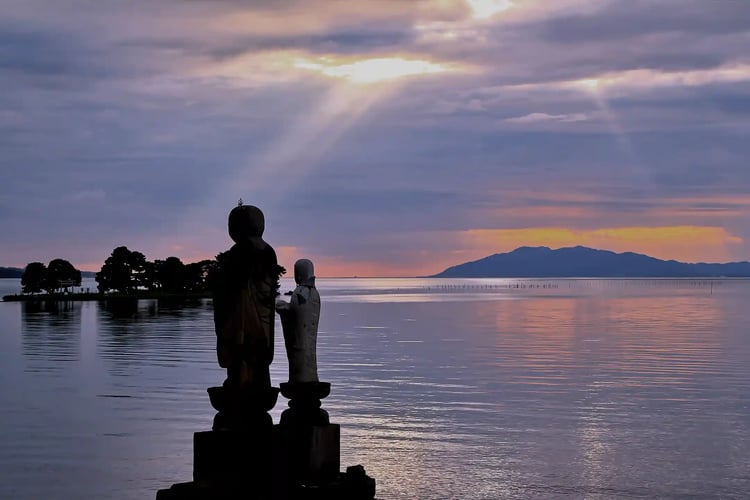
If you head north, prioritize landscape and the springs themselves. Near Amanohashidate, properties like Hotel Kitanoya look out over the pine‑lined sandbar and the sea; in Kyotango and Yuhigaura, it’s the sun sinking into the Sea of Japan; in Ine, it’s a calm inlet dotted with funaya boathouses—vistas you simply won’t get in the city.
To make the most of nature, reserve a room with an ocean or river view. As for the hot springs, check whether the water is free‑flowing from the source and learn about the spring type—details onsen lovers live for. At Yuhigaura Onsen, the quality varies by inn and source; many are alkaline simple springs, popularly known as “beautifying” baths.
Northern ryokans are designed for the luxury of “doing nothing,” so resist the urge to overpack your schedule. Stroll by the water, linger at the inn, and plan moments of rest. For many couples, sharing unstructured time is the very heart of an anniversary trip.
Route Design & Logistics
Getting around comfortably in Kyoto starts with smart logistics. In the city, use Kyoto Station’s baggage delivery service so you can explore hands‑free between sights.
You can check your luggage at Kyoto Station and have it delivered to your inn the same day. If you arrange it in advance, you’ll receive your bags that evening—freeing you to enjoy the city before check‑in.
To move around smoothly, combine taxis and the subway and time things to avoid peak crowds. City buses can be very crowded during commute hours; in the morning, consider the subway or walking, and if you’re carrying a lot, take a taxi.
Use station baggage services for large items and avoid bringing oversized luggage onto buses. For popular areas like Arashiyama, go early and dodge the afternoon surge.
For travel between Kyoto City and the northern region, take a JR Limited Express or the Kyoto Tango Railway, then arrange ryokan pickup from the nearest station (share your ETA when booking). Minimize traffic and transfers, and the whole trip becomes a lot more relaxing—exactly what you want for an anniversary.
Types of Private Onsen & How to Choose
“Private onsen” covers several set‑ups: in‑room open‑air baths (including semi‑open or view baths), reservable private baths shared by the property (booked by time slot), and private saunas with cold plunges. Each offers distinct advantages and considerations. Match what matters to you—water source and quality, the view from the tub, and temperature control—to the right type.
In‑Room Open‑Air Baths (Open‑Air / Semi‑Open / View Bath): What to Expect
The biggest draw of an in‑room hot spring bath is the freedom to soak whenever you like—check‑in, pre‑bed, dawn—without sharing the time with anyone else.
Because it’s your private space, you can talk at ease and truly relax together. In winter, consider heat retention and weather: fully outdoor tubs may cool faster, and you may feel chilly after bathing. Semi‑open or indoor‑style tubs reduce exposure to wind and rain and keep things comfortable.
In summer, a fully open‑air tub feels wonderful, but avoid the harsh midday sun—morning or evening is best. You can even snap a few photos without worrying about other guests; just follow house rules and be considerate.
Getting the Most from Reservable Private Baths (Time Slots)
Time‑slotted private baths—often called family baths—let you reserve a bath for exclusive use, typically for 40–60 minutes. You usually book in advance or at check‑in.
To enjoy them smoothly, secure your slot ahead of arrival. Prime times fill quickly, so, if possible, request your preferred time when booking your stay or call the day before. After checking in, ask at the front desk and fold the slot into your evening plan.
Sweet spots are just before or just after dinner: a twilight soak sets you up nicely for the meal; a post‑dinner bath washes away the day’s fatigue and invites deep sleep. Keep an eye on the clock—leave the tub five minutes early so you’re dressed by the end of your slot and ready for the next guests to begin on time.
Choosing a Private Sauna & Cold Plunge
Private saunas—either in‑room or reservable—let you enjoy the full cycle of heat and cool in total privacy. First, check the sauna temperature. If you want a serious sweat, look for around 90°C; if you prefer longer conversations, a milder 70–80°C is great.
See whether löyly (pouring water over hot stones for steam) is allowed. If so, some places offer aromatic water so you can tailor humidity and scent.
Don’t forget the cold plunge. Is there space for both of you? Is the water truly cool? If you can step outside between rounds, even better. A chair or small terrace for fresh‑air cooldown completes the “sauna → cold bath → air” rhythm.
As special as a private sauna is, remember to pace yourselves, hydrate well, and put comfort first.
Kyoto City’s Onsen Basics & How to Read the Labels
More city ryokans now pipe in hot spring water, but the source and how it’s used vary. Alongside the onsen composition sheet, look for notices about how the water is handled.
“Water added” (加水あり) means the source water is diluted to adjust temperature or concentration. “Heated” (加温あり) means the spring is warmed—some gaseous components can dissipate. “Circulated & filtered” (循環ろ過あり) means the water is filtered and circulated; for hygiene, chlorine is used, which can add a faint scent.
Many Kyoto properties use a mix of the above, so read the posting to understand the water’s character.
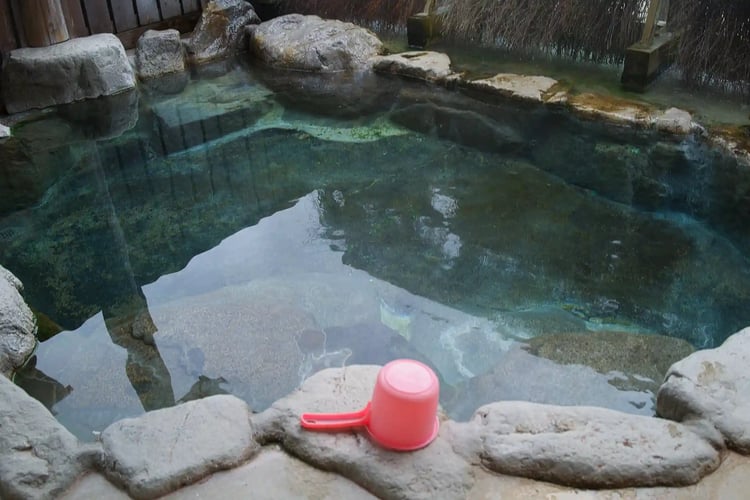
Conversely, “Free‑flowing from the source (no added water/no heating)” (源泉かけ流し(加水・加温なし)) signals an especially pure experience. If the water doesn’t meet the legal definition under the Hot Springs Act, it’s simply heated bathwater; in Kyoto, some inns drill deep for onsen or transport it from nearby sources. Checking a property’s website or posted labels ahead of time becomes part of the fun if you love hot springs—and it helps you verify you’re truly booking a ryokan in kyoto with private onsen.
Food & Pairing | An Anniversary Dinner for Two with Private Kaiseki and In‑Room Service
After your body unwinds in the onsen, dining naturally becomes a highlight. In Kyoto, ryokans often serve kaiseki that celebrates the seasons—Kyoto vegetables, hamo pike conger and river fish, and seafood from Tango and Wakasa—presented on beautiful tableware that elevates the sense of occasion.
To make your anniversary dinner sing, consider how you’ll pace a private kaiseki or in‑room meal, how to pair sake and non‑alcoholic drinks, and how to arrange surprises like cakes or flowers. Discuss dietary needs—whether allergies or vegan menus—in advance so everything flows on the day.
Pacing a Private Kaiseki or In‑Room Dinner
At high‑end ryokans, private dining rooms or in‑room service are popular choices. For anniversaries, the appeal is obvious: you can talk freely and set a comfortable rhythm for the meal.
Plan the arc from the first toast to dessert. Start with an aperitif or champagne to lift the mood. Kyoto kaiseki reveals a different charm in each course—from hassun to the soup—so ask staff to space dishes a touch if you want to linger.
If you’ll take photos, consider an earlier start time to catch natural light—the colors and ceramics truly glow. Kyoto’s sense of craft shows up in the smallest details, from tableware to chopstick rests, and noticing those touches enriches the experience.
Sake & Non‑Alcoholic Pairing Strategy
When it comes to drinks, Kyoto practically invites you to reach for sake. Fushimi and other areas produce celebrated labels that pair beautifully with food. For your anniversary, why not toast with a local sake and try pairing different styles course by course?
Think a crisp ginjo with delicate starters and a room‑temperature junmai with heartier meat dishes; shifting styles and temperatures—chilled, room temp, or gently warmed—teases out different aromas and flavors.
If you don’t drink, non‑alcoholic pairings can be just as rewarding. Lean into Kyoto’s strengths: gyokuro, matcha, and hojicha teas, or botanical drinks with yuzu or ginger, matched to the food.
Try gyokuro cold‑brew with starters, lightly sparkling yuzu with sashimi, clean hojicha with fried dishes, and a rich matcha with dessert. Ask the chef or sommelier to craft a custom pairing—the tannins, acidity, and sweetness in teas and fruit cordials can mirror what wine does, making the meal feel complete even without alcohol.
Arranging Surprises: Cake & Flowers
Anniversary surprises—like a cake or bouquet—are classics for a reason. Many ryokans will accommodate if you ask ahead, so add the request when booking. You might have an anniversary cake appear in your room after dinner, or have a bouquet of favorite flowers waiting at check‑in.
Pick the moment in consultation with staff: unveiling the cake at dessert, or presenting the bouquet as you return to your room—either can become a scene you’ll never forget.
Experienced teams love helping; don’t hesitate to share your wishes. Turning your feelings into a tangible surprise makes for a heartfelt anniversary gift.
Kyoto Experiences That Deepen Your Bond
Once you’ve restored yourselves with private baths and good food, consider experiences that deepen your connection in a Kyoto way. Instead of rushing from sight to sight, choose quiet cultural practices or hands‑on workshops where you create something together—moments you can truly share.
It’s also smart to have indoor programs on standby in case of rain; that way, your special day stays wonderful no matter the weather. Here are options for calm cultural time and co‑creation workshops suited just for two.
Quiet Cultural Time
Kyoto abounds in traditions that invite reflection away from the crowds. Early‑morning zazen at a Zen temple offers rare quiet. Sitting together in the cool of dawn, you’ll sense each other’s presence while also meeting your own thoughts—an intimate, paradoxical togetherness.
A tea ceremony belongs on your short list, too. In a tearoom, watching the host’s movements in a soundscape of near‑silence can be cleansing. In a formal experience offering both thick and thin tea, you may even share one bowl of koicha—an act that symbolically marks your bond. In the stillness, fresh matcha and a seasonal wagashi may say more than words.
Shakyo—hand‑copying a sutra—is another meaningful choice. The focus quiets the mind; adding your wishes at the end and making an offering lets you share hopes for the future. Side by side in the ink‑scented study, moving your brushes in tandem, you’ll find calm and a deeper understanding of each other.
Co‑Creation Workshops
Working on something together is a beautiful way to strengthen your bond. Try a Kyoto craft or a wagashi workshop and bring home a one‑of‑a‑kind anniversary memento.
Lately, simplified kintsugi workshops—mending broken pottery with gold—have become popular. Repairing a chipped vessel together mirrors the spirit of kintsugi itself: embracing flaws and making them part of a more beautiful whole—an apt metaphor for partnership.
When the gold line sets, that piece becomes a keepsake only the two of you share (professionals often finish the final steps, and you receive the completed work later).
Capture a few photos during the process—and of the finished piece. Your focused faces and small moments of teamwork will make you smile for years. Displaying or using the piece at home will bring the anniversary back to life whenever you see it.
These indoor experiences also serve as excellent rainy‑day backups. Many Kyoto studios accept same‑day bookings, and your ryokan concierge can point you to the right fit.
Time spent in quiet and time spent making—both sink into the heart and color your travel story. The experiences you share in Kyoto will become an enduring treasure in the life you’re building together.
In Closing・・・
Kyoto’s ryokans with private onsen offer the perfect stage for an anniversary: a private world for two, wrapped in the city’s unmistakable atmosphere.
Conversations carried by the stillness as you soak, the pleasure of beautifully plated kaiseki, and the new experiences you share in a historic town—each becomes a memory you’ll hold dear. Time in Kyoto has a way of giving back more than you expect.
Use the tips here—how to choose, how to spend your days—to sketch your ideal plan. Framed by Kyoto’s shifting seasons, with superb private baths and warm hospitality, you’ll have all you need to reaffirm your love and deepen your bond.
May Kyoto become a page in your story you’ll never forget—an “extraordinary memory” the two of you will keep for life. Booking the right ryokan in kyoto with private onsen simply sets the stage.
Author Bio

%20Gunkan%20Maki%20Sushi.webp)