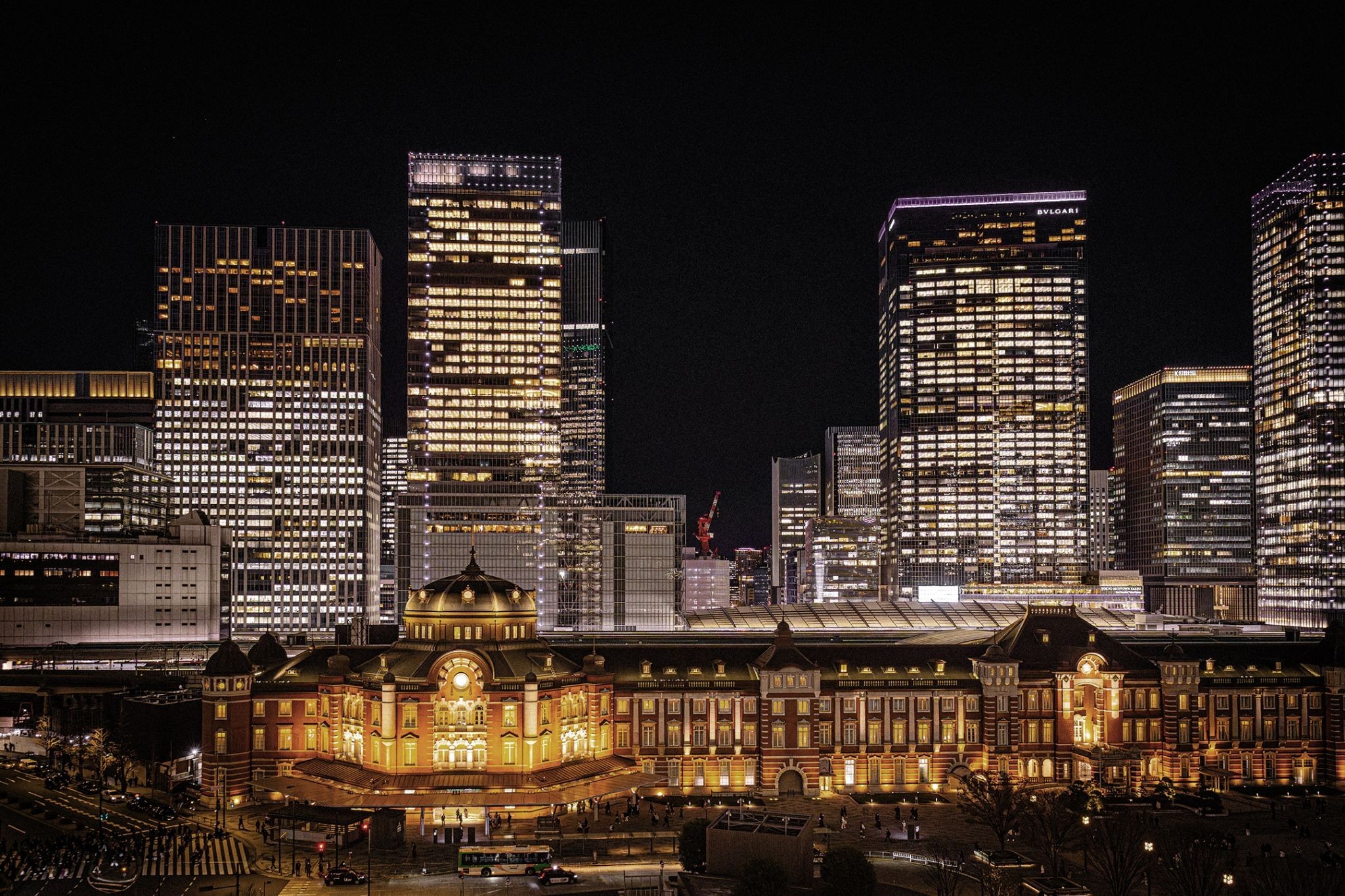
When you think of a ryokan, hot spring towns or Kyoto might come to mind. Yet Tokyo, too, is dotted with inns that pride themselves on history and character. The warm, personal hospitality and cultural encounters—distinct from what you find in hotels—can add deeper color to your urban journey.
Tokyo is a metropolis where tradition and innovation coexist. Choosing a ryokan here reveals a different side of the city. In this article, you’ll step into the history of ryokan from the Edo period, savor the aesthetics of Japanese design, encounter contemporary art, and finish with an itinerary that sparks your curiosity—a richly layered look at staying in a Tokyo ryokan.
If you want to immerse yourself in heritage while feeling the city’s cutting edge, you’re in the right place. A stay that’s both intellectually engaging and moving awaits you at a Tokyo ryokan.
The Appeal of History and Culture You’ll Feel in Tokyo’s Ryokan
The Long Story of Traditional Ryokan Since the Edo Period
In the Edo period, post towns along the highways bustled with budget-friendly lodgings called hatago, where travelers found a place to sleep and a simple ichijū-sansai (one soup, three dishes) meal.
There were also honjin for feudal lords and official travelers, and basic kichin-yado for commoners, each with varying facilities and prices. As peace took hold in the Edo era, leisure travel flourished. Pilgrimages and therapeutic onsen journeys drew more people across the country.
Even so, Edoites embraced the joy of travel—staying at these inns while visiting famous sites, exchanging culture and news along the way. Around the irori hearth in a hatago, travelers traded stories of their hometowns; those chance meetings were part of the journey’s charm.
After the Meiji period, ryokan evolved from hatago and opened across Japan; Tokyo still preserves venerable inns. For example, Hotel Kazusaya in Nihonbashi marked its 130th anniversary in 2020, carrying forward the Edo-born tradition of “iki”—refined, spirited hospitality (*1). Step into a Tokyo ryokan and you’ll sense layers of time and a distinctly Japanese warmth that transcends eras.
Japanese Aesthetics and Craft You Can Touch in Tokyo’s Ryokan
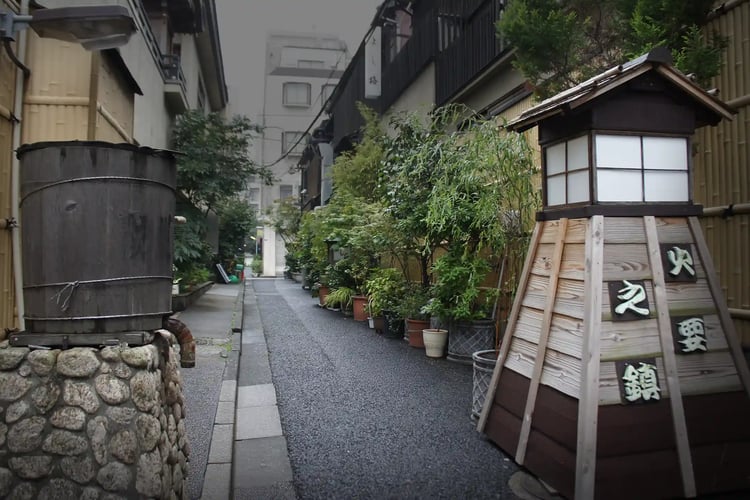
In Tokyo’s ryokan, Japanese aesthetics live in the architecture and furnishings. Tatami-matted rooms, shōji screens, and soft lighting create a serene, harmoniously balanced atmosphere unique to traditional homes. Some high-end ryokan in the city even furnish standard rooms with shōji and Aomori hiba wood sofas—seamlessly fusing modern comfort with classic design (*2).
Many ryokan treat seasonal expression as essential. Fresh flowers, hanging scrolls, and decorative objects change with the time of year. In a small downtown inn, the okami (proprietress) refreshes the room accents to match the season, offering a warm, human-scale way to feel Japan’s four seasons.
In summer, some ryokan even arrange for guests to join local shrine festivals, giving you a chance to experience neighborhood culture without leaving the inn (*3). By feeling these thoughtful details with your whole body, you begin to grasp traditional Japanese ideas of beauty—your senses stirred in the process.
Classic Ryokan That Host Traditional Events and Cultural Experiences
Some Tokyo ryokan offer more than a place to sleep; they host hands-on programs in Japanese culture.
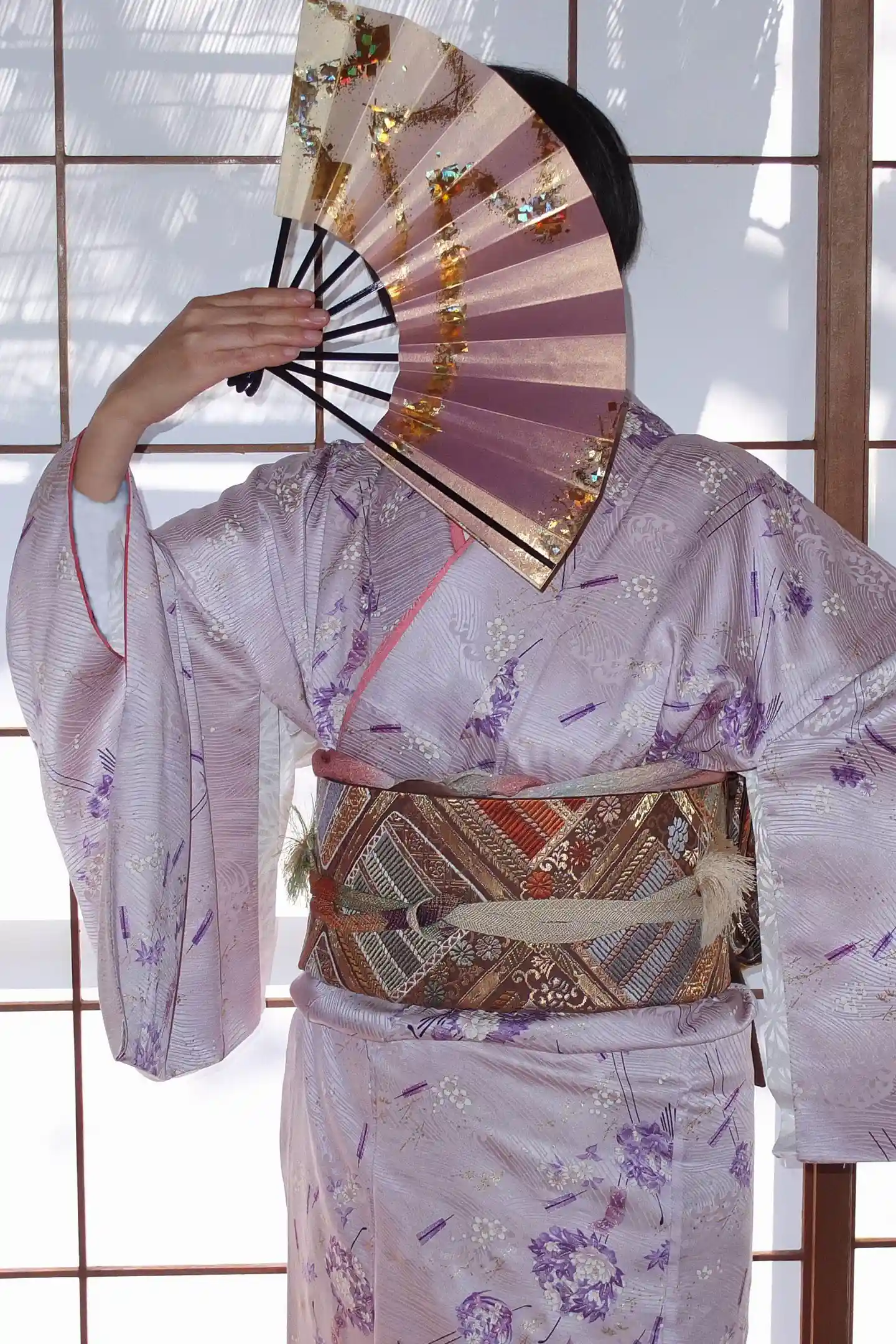
At long-established Ito Ryokan in Ningyōchō, for example, you can enjoy shamisen performances, kimono dressing, and calligraphy lessons—getting close to multiple traditions without stepping outside (*4). Slip into kimono in a tatami room and listen to the shamisen’s timbre, and you’ll spend time that feels as if Edo has come back to life.
Elsewhere, historic ryokan have hosted tea ceremony and kōdō (incense ceremony) experiences, actively taking on the role of cultural stewards. In a megacity like Tokyo, inns where you can watch ritual arts or crafts up close are rare treasures. Encountering Japan’s performing arts and time-honored know-how in the living context of a ryokan deepens what you learn on the road.
Artistic Design and Inspiration to Savor at Tokyo’s Ryokan
Designer Ryokan Created by Noted Architects
Ryokan that preserve tradition while embracing bold design are drawing attention in Tokyo.
Among the most talked about is HOSHINOYA Tokyo in Ōtemachi: an 18-story, single-structure urban ryokan. Its façade features a lattice screen inspired by Edo-komon kimono patterns—an austere black tower by day that reveals glowing hemp-leaf motifs by night (*1).
Architect Toshie Azuma conceived it as a “Japanese-inn tower.” A tatami-lined, shoes-off entrance and a grand Aomori hiba door transpose the essence of a ryokan into contemporary architecture. The result is an immersive world that transports you to the extraordinary right in the heart of Tokyo.
Andon Ryokan near Asakusa, designed by architect Masayuki Irie, is a five-story steel-frame building with a glass exterior that overturns typical ryokan imagery. Inside, however, every room has tatami and futon bedding, with soft lighting and antiques lovingly collected by the okami—an elegant harmony of modern and retro (*2).
In ryokan shaped by acclaimed architects, the building itself feels like a work of art—offering a stay brimming with inspiration.
Stays That Let You Enjoy Contemporary Art and Nearby Gallery Hopping
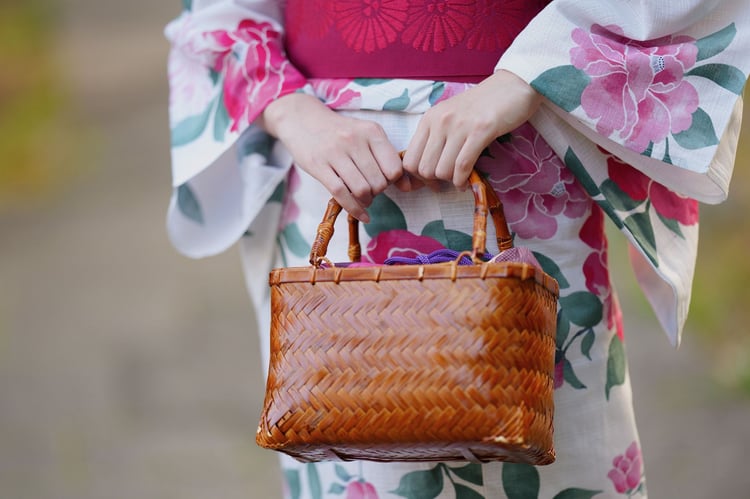
Some Tokyo ryokan and hotels curate contemporary art throughout their interiors. At Park Hotel Tokyo, numerous artworks are displayed, including “Artist Rooms” whose walls are painted by artists.
Hotel Gajoen Tokyo preserves a storied collection of lavish artworks dating back to its 1928 founding and offers a guests-only art tour (*3). With staff-led commentary, you’ll explore the Hyakudan Kaidan and intricately decorated special rooms—an overwhelming journey through ornamental beauty.
Other luxury hotels also display extensive art collections and sometimes offer curator-led tours during your stay. Base yourself at a ryokan and build a plan that includes nearby museums and galleries, and you’ll luxuriate in both traditional and contemporary art—inside and outside your lodgings.
The Latest Trends in Ryokan Interior Design
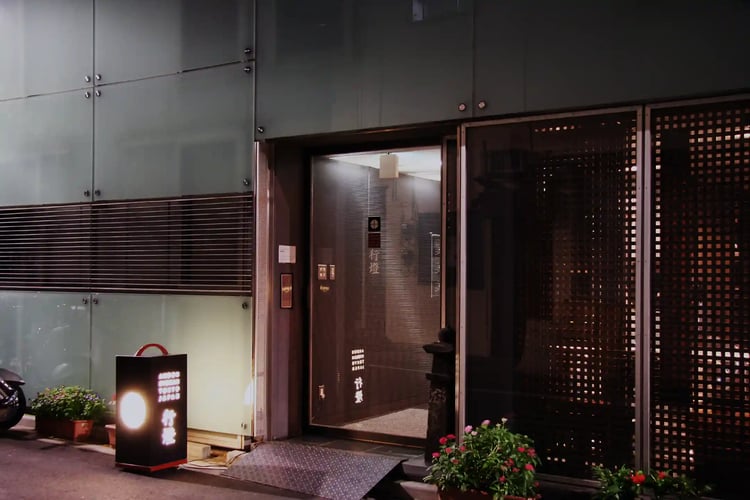
Recent interiors at ryokan and luxury hotels reflect a refined mingling of Japanese and Western elements. Designers elevate spaces by integrating regional crafts and local materials, then layering in global design cues to create something singular (*4).
In Fukuoka, a luxury hotel incorporates art inspired by the local Hakata-ori textile; a Kagoshima resort displays Satsuma kiriko glass and Satsuma ware while using a large mural by a New York–born artist—balancing local heritage with a cosmopolitan sensibility (*4).
In Tokyo’s ryokan, “wa-modern” and “Japandi” styles are especially popular—pairing washi wallcoverings, Edo-kiriko lighting, and Tokyo-grown wood furniture with minimalist Scandinavian touches (*5). Grounded in calm earth tones and natural materials, these airy spaces breathe tradition while delivering artful comfort.
Cultural Experience Programs to Enjoy During a Tokyo Ryokan Stay
Deepen Your Knowledge Through Workshops Led by Experts and Artisans
Some Tokyo ryokan offer cultural workshops you can join during your stay.
Hoshino Resorts’ onsen ryokan brand KAI runs “Tewaza no Hitotoki,” inviting traditional craftspeople, sake brewers, and artists to demonstrate and teach their skills up close (*1). In intimate, small-group sessions—say, washi papermaking or Edo-kiriko glass cutting—you’ll watch master techniques, try them yourself, and hear clear explanations of each craft’s enjoyment and history.
Tokyo ryokan also host lessons with tea masters, ikebana artists, and wagashi confectioners. Held in the relaxed setting of a ryokan, these workshops become souvenirs of the mind—enriching your knowledge and possibly sparking a new passion.
Special In-House Programs in Tea Ceremony, Ikebana, and Nihon Buyo
Many travelers from abroad are drawn to experiences in sadō (Japanese tea ceremony), kadō (flower arrangement), and Japanese classical dance. Some top ryokan in Tokyo have even offered limited-time plans themed around Edo-era cultural pursuits.
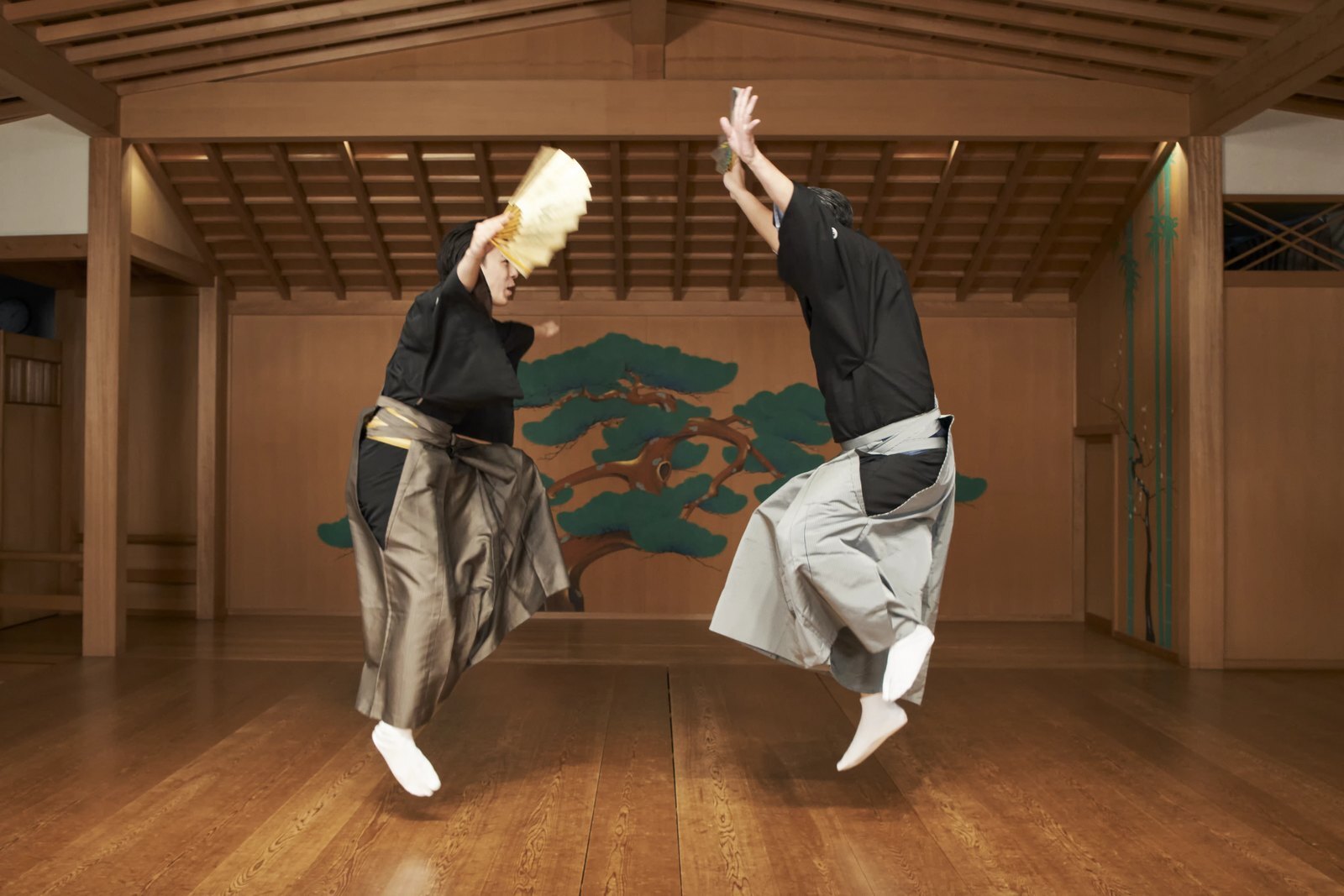
At HOSHINOYA Tokyo, for instance, the autumn “Edo Bijin Stay” was a one-night, two-day program where you practiced directly with a Nihon buyo master, learned tea ceremony etiquette, and created seasonal shitsurai (traditional interior arrangements)—tracing the refinements cultivated by women of the time (*2). Don a kimono, study graceful movement, whisk your own matcha, and you’ll feel the depth of Japanese culture with all five senses.
Some classic ryokan also present nightly lobby performances of Tsugaru shamisen or koto, free to enjoy. Others offer optional experiences like yukata dressing and calligraphy lessons—turning the ryokan into a petite cultural school.
These programs welcome beginners, so you can comfortably enjoy Japanese culture without language worries. Moments at a Tokyo ryokan can open doors to new worlds—and delight your curiosity.
Meet Local Artists: Exchange Events and Seminar Information
If you’re passionate about art and architecture, keep an eye on exchange events hosted by Tokyo ryokan. Increasingly, lodgings act as galleries, exhibiting and selling works by local artists in lobbies and guest rooms.
One historic ryokan in Osaka, for example, targeted inbound guests by exhibiting works by Japanese artists on-site and distributing explanatory leaflets to encourage cultural exchange (*3). In Tokyo, hotels with extensive art holdings host in-house tours and talks with artists for their guests.
Some properties collaborate with neighborhood cultural venues, guiding you to traditional performing arts, exhibitions, or art festivals nearby. Tokyo’s ryokan are evolving into places not only to sleep, but to learn and connect.
Calm, Elevated Dining Experiences Offered by Tokyo’s Ryokan
Kaiseki Cuisine at In-House Japanese Restaurants
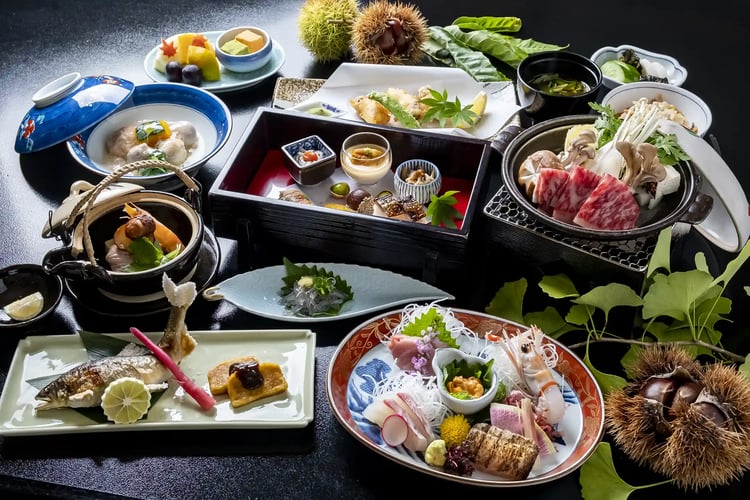
One of the great pleasures of staying at a ryokan is kaiseki—seasonal cuisine crafted to perfection. Some luxury ryokan in Tokyo run dedicated Japanese restaurants that serve full kaiseki courses at dinner. Expect courses that delight not only your palate but also your eyes and nose—from jewel-like appetizers and sashimi to artfully grilled dishes.
At Hoshino Resorts, kaiseki menus balance the five tastes (sweet, sour, salty, bitter, spicy), five colors (red, yellow, green, white, black), and five methods (raw, simmered, grilled, steamed, fried), right down to the ichijū-issai (*1). The tableware matters, too—Arita ware and Edo-kiriko cut glass elevate each dish, letting you savor both the flavors and the craft.
Kaiseki is hospitality distilled—technique and aesthetics in concert. Enjoy it slowly in a quiet private room or tranquil dining space, and you’ll feel your senses sharpen. Experiencing refined Japanese cuisine without leaving Tokyo is a singular joy of the ryokan stay.
On-Site Cafés and Tea Rooms Focused on Local Sourcing
Ryokan-adjacent cafés and tea rooms are also on the rise, offering menus that highlight local ingredients and let you enjoy Japanese food culture more casually. At HOTEL 1899 TOKYO in Shimbashi (produced by Ryumeikan), the first-floor CHAYA 1899 Tokyo serves inventive dishes, sweets, and drinks themed around Japanese tea.
From its signature matcha bread onward, you’ll find uncommon tea-based items, and the building itself carries a faint, comforting tea aroma (*2). Andon Ryokan near Asakusa is home to “Kottō Chaya Fukuandon,” a café serving the owner’s homemade comfort foods—an intimate spot to enjoy the nourishing flavors of a Japanese home, unlike anything in the busy restaurant districts (*3). With seasonal produce from nearby markets and homestyle side dishes, it’s a cozy hideaway where you can exhale.
Some cafés embrace local sourcing and slow food as part of broader sustainability efforts. Even in Tokyo, these ryokan cafés let you taste the blessings of regional ingredients—offering a restorative break from the city’s pace.
Dining That Lets You Feel the Seasons with All Five Senses
Meals at Tokyo’s ryokan tell a story plate by plate. They do more than satisfy hunger; they express the turn of seasons, local terroir, and the maker’s intention—culinary experiences in their own right.
A kaiseki course might open with a small appetizer featuring the first taste of the season; steam from the soup carries the scent of yuzu or kinome. A leaf of maple or cherry may rest on the grilled dish—letting you see and smell the season, not just taste it.
Breakfasts bring gently cooked rice in a clay pot, hearty miso soup, and other nourishing dishes. While you eat, look out at a garden and take your time; even in the metropolis, you’ll feel aligned with the seasons.
In this way, the food at Tokyo’s ryokan goes beyond sustenance to become a seasonal narrative—one that lingers long in your memory.
Next-Generation Tokyo Ryokan That Blend Technology and Environmental Care
Cases of Ryokan Practicing Eco-Friendly Operations
With sustainability in the spotlight, more Tokyo properties are committing to eco-friendly operations.
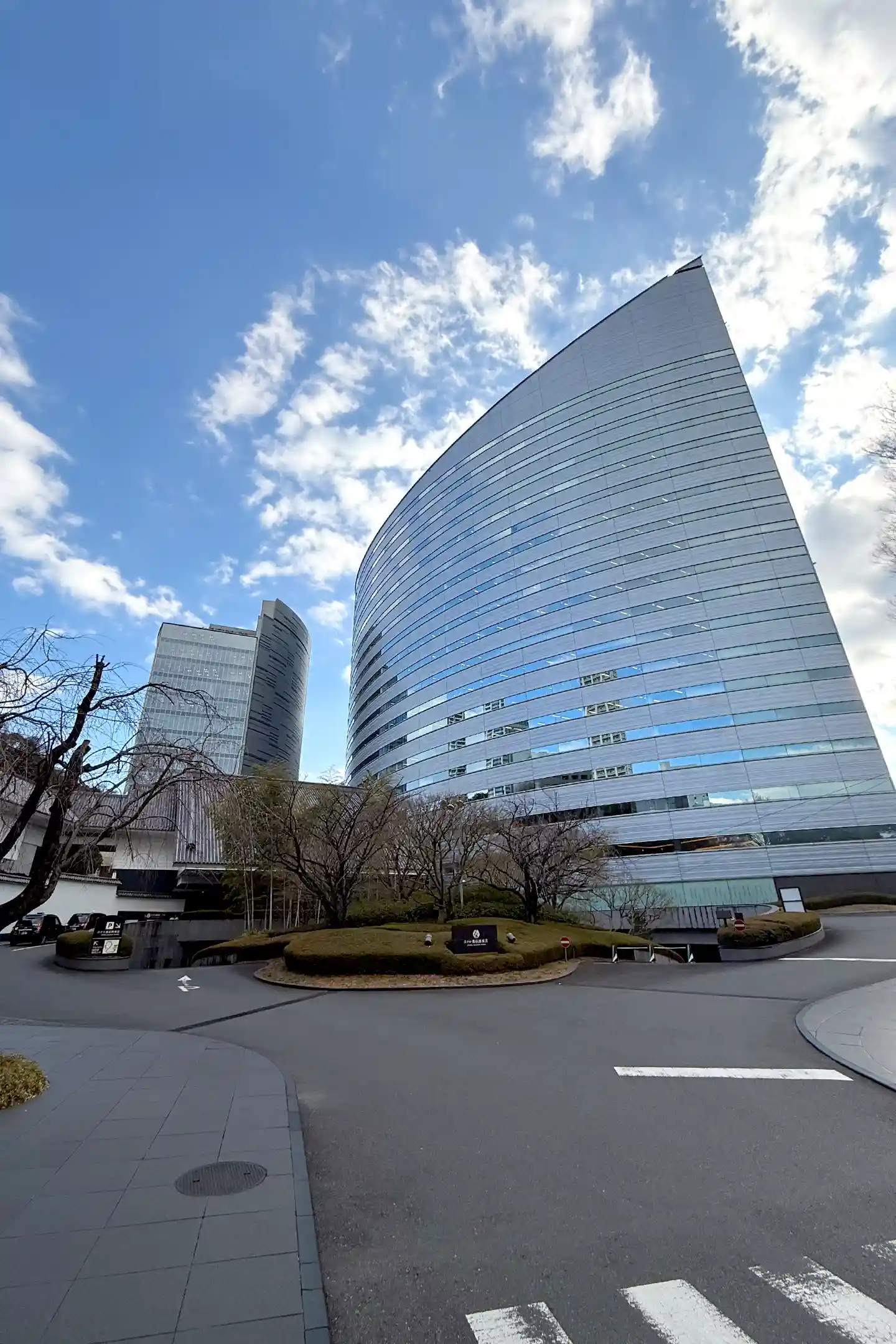
At Hotel Chinzanso Tokyo—renowned for its vast garden—initiatives include eliminating plastic straws, conserving resources during room cleaning, and improving accessibility. The garden uses pumped groundwater for irrigation, and the hotel hosts annual firefly raising and release events as well as tree-planting ceremonies—protecting nature while educating the next generation (*1).
Top city hotels are also reducing single-use plastics. At Mandarin Oriental, Tokyo, all single-use plastics are being phased down, and in-room mineral water is shifting to reusable glass bottles.
Beyond that, amenities (except in suites) now use 100% recycled packaging—one of many steps toward environmental responsibility (*2). Some hotels organize annual neighborhood cleanups with volunteer staff. Hearing expert explanations during such efforts can deepen your understanding of the stay itself. In Tokyo’s ryokan, hospitality and environmental action work hand in hand—so simply staying can contribute to the SDGs.
EV-Friendly Stays with Tesla Charging and More
If you prefer to travel by car with a light footprint, you’ll appreciate EV charging at your lodging. Increasing numbers of luxury hotels in Tokyo have installed official Tesla chargers.
At ANA InterContinental Tokyo in Akasaka, for instance, there are four Tesla Superchargers in the parking area plus two Destination Chargers for overnight guests—so you can charge with confidence during your stay (*3).
Some properties also offer perks when you opt into “eco cleaning,” such as skipping daily sheet changes on multi-night stays—a guest-participation approach to conservation. The next generation of Tokyo ryokan proposes stays that are gentle on the planet without sacrificing comfort.
Sustainable Materials and Amenities Adopted by Ryokan
High-end Tokyo properties are weaving sustainability into building materials and amenities. You’ll find responsibly sourced wood in furniture and recycled materials in wallcoverings and carpets—integrating environmental care from the construction stage.
Many ryokan are rethinking disposable plastic amenities, replacing plastic toothbrushes with bamboo, or switching toothpaste from tubes to paper sheets.
At Fujiya Hotel in Hakone, amenity bottles are now refillable to reduce small plastic containers, and amenity pouches use nonwoven fabric made from “Eco-PET,” a recycled fiber from PET bottles—just some of the many eco-conscious measures in practice (*4).
To cut food waste, some breakfast buffets serve small portions on individual plates, and banquet venues promote the “30–10 campaign.” Tokyo’s next-generation ryokan hold fast to tradition and comfort while adding a new value: environmental kindness.
Model Tokyo Ryokan Stays That Spark Your Curiosity
A Two-Day Itinerary That Traces Traditional Architecture and Contemporary Design
Use a Tokyo ryokan as your base and enjoy both time-honored architecture and cutting-edge design with this two-day model plan.
On Day 1, head to the shitamachi districts of Asakusa and Ueno. Visit Sensō-ji’s five-story pagoda and venerable temples to feel the architectural spirit that endures from Edo. In the evening, check in to HOSHINOYA Tokyo, a luxury ryokan in the city center. In a tatami-scented room, experience a space where traditional beauty and modern comfort seamlessly meet. On Day 2, make for Roppongi and Ginza to explore refined contemporary buildings and the latest art. Back at your ryokan, join any in-house art or architecture tours on offer (*1). With expert guidance, your appreciation of the stay deepens. Across these two days, you’ll balance Tokyo’s past and present—and satisfy your curiosity.
A Heritage Stroll Around Your Ryokan with a Specialist Guide
If you’re seeking deeper learning, a guided neighborhood walk can be transformative. Some long-established Tokyo ryokan collaborate with knowledgeable staff or dedicated guides to lead cultural and historical tours around the inn.
Staying in the Yanaka–Nezu–Sendagi (Yanesen) area? Walk with a local history guide. From retro shopping streets to shrines preserving Edo’s atmosphere and Showa-era alleyways, you’ll step beyond the standard tourist maps into hidden corners. If your okami happens to be a neighborhood native, you’ve found your best source—someone who knows the district inside out and can share everything from the town’s backstory to lesser-known gems (*2).
Along the way, your guide will point out cultural treasures that are easy to miss—ornamented merchant houses, temple carvings, and more. Learning as you walk, you’ll find your intellectual appetite well and truly fed.
Stays with Special Seminars Led by Art and Architecture Experts
If you travel to learn, look for ryokan plans that include special seminars. Some Tokyo hotels hold extensive art collections and run in-house tours or gallery talks for guests, sometimes led by curators (*1).
At Palace Hotel Tokyo, for instance, tours showcase selected works from some 720 pieces displayed throughout the property (*1). Framed as an “art journey,” these programs reveal the stories behind the furnishings—adding intellectual spark to an extraordinary stay.
Other plans invite experts for talks on tea culture, Japanese gardens, and more. With approachable explanations, you can grasp the ideas behind Japanese design and culture—expanding your knowledge while you travel.
These programs are ideal if you want your stay to be both enlightening and moving. Time at a Tokyo ryokan becomes a living classroom—deepening the value of your journey.
In a world city like Tokyo, a ryokan stay where traditional beauty and contemporary art meet becomes an experience you’ll carry with you. In historic spaces that sharpen your senses, you’ll encounter new knowledge and genuine wonder—a “cultural quest” tailored to an inquisitive traveler. Through journeys like this, your understanding of Japan deepens, and everyday life takes on richer hues when you return. Treat yourself to a one-of-a-kind stay at a Tokyo ryokan.